Valley of Flowers
Valley of Flowers, India
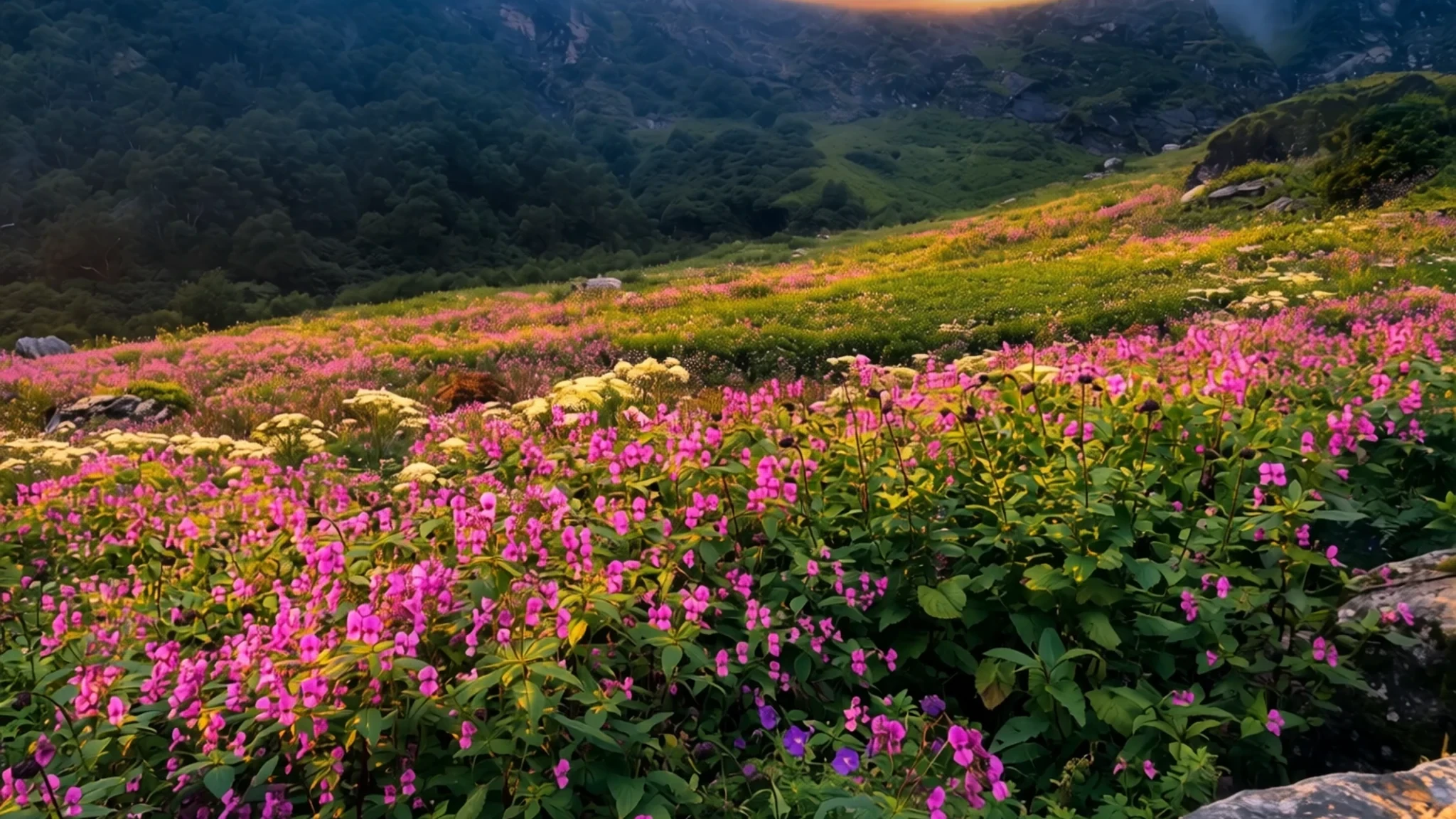
Visit Valley of Flowers to hike through high-altitude meadows filled with endemic alpine blooms and surrounded by rugged Himalayan peaks.
The place
Valley of Flowers National Park is an extraordinary protected sanctuary situated in the Chamoli district of Uttarakhand, India. Established to preserve its unique ecosystems, the protected area sits high in the temperate alpine zone of the Himalayas. The gentle, undulating terrain of the valley contrasts sharply with the dramatic, snow-dusted ridges that surround it, forming part of a wider biosphere reserve that links with neighbouring mountain wilderness. Fed by glacial streams and melting snow, the landscape transforms dramatically across the short summer season, supporting a dense concentration of botanical species that flourish in the damp, mineral-rich soil.
Beyond its flora, Valley of Flowers provides a critical sanctuary for high-altitude fauna. Mammals including rare bears, agile deer, foxes, and wild sheep find refuge among the rocky slopes and dense thickets, while high-altitude birds soar above the ridges. Because heavy winter snows seal off the approaches for much of the year, the ecosystem remains entirely dormant outside the warm months, preserving a fragile natural equilibrium that has survived largely undisturbed by permanent human settlement.
Its story
Valley of Flowers remained largely hidden from the outside world due to its remote geography and treacherous approaches until early twentieth-century mountaineers stumbled upon its vibrant botanical expanses. British climbers exploring the region lost their way after completing a demanding expedition to a nearby summit and descended into the colourful gorge, later chronicling its striking appearance in travel writing that captured the public imagination.
Botanical exploration soon followed, drawing scientific researchers eager to catalogue the rare plant life thriving in the high-altitude climate. Tragically, the botanist Lady Joan Legge, sent by Kew, died after slipping on the rocky, unstable slopes in 1939, leading to a memorial that still stands quietly within the landscape today. Over subsequent decades, botanical surveys documented hundreds of exclusive plant species, prompting formal protection status to safeguard the fragile environment from overgrazing and unmanaged tourism.
Today, Valley of Flowers is recognised globally for its ecological significance, balancing traditional pilgrimage routes with strict conservation controls that limit visitor access strictly to the summer months.
What to see
- Valley of Flowers Meadows — Chamoli District
Valley of Flowers protects a vast expanse of vibrant alpine flora, cascading glacial streams, and unique high-altitude landscapes situated right beneath towering Himalayan peaks, making it a globally celebrated natural wonder.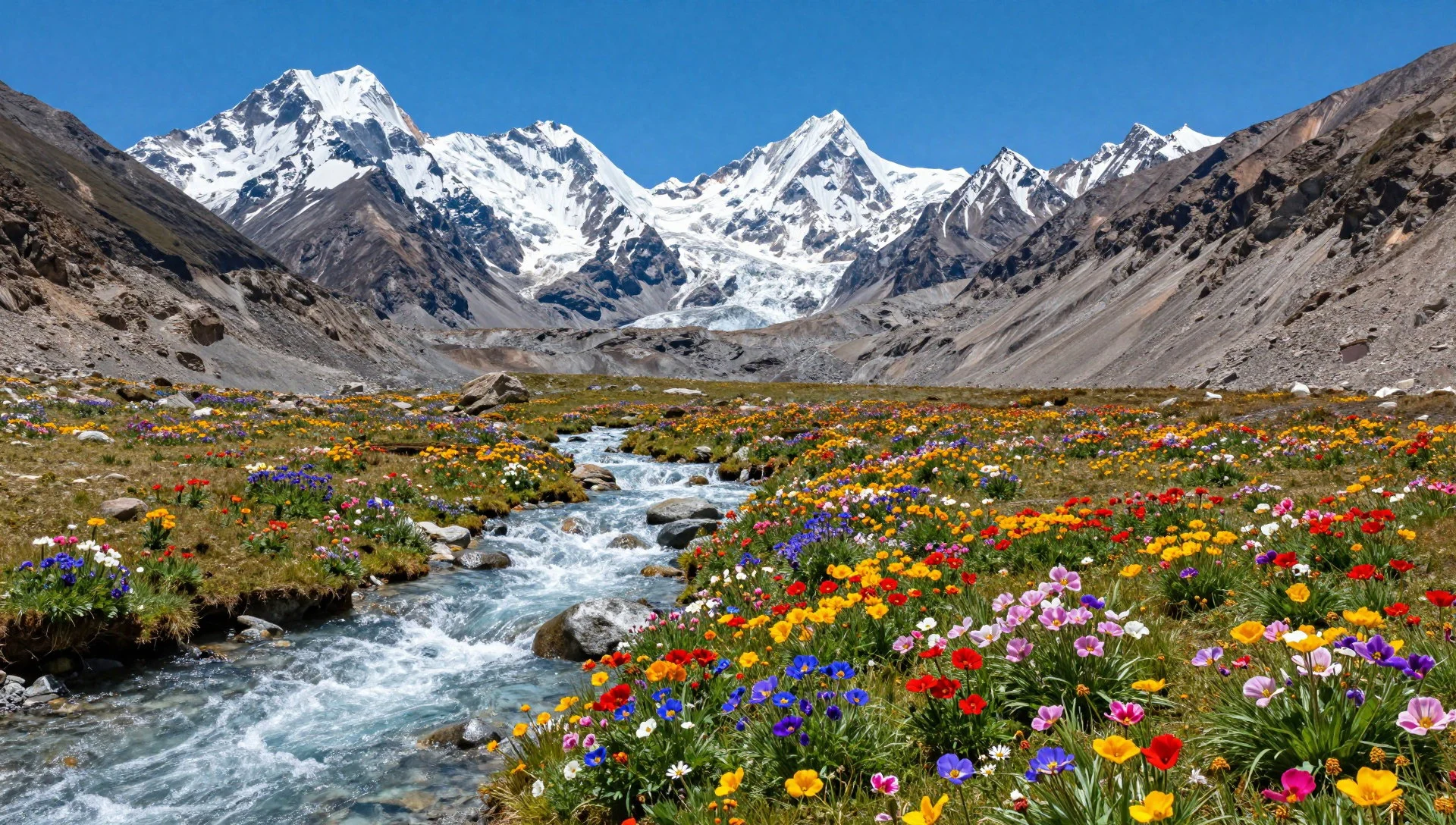
- Hemkunt Lake and Gurudwara — Garhwal Himalaya
Hemkunt is a revered high-altitude pilgrimage site centred around a glacial lake situated high above the main trails, surrounded directly by seven snow-covered mountain peaks and featuring an expansive, welcoming community kitchen.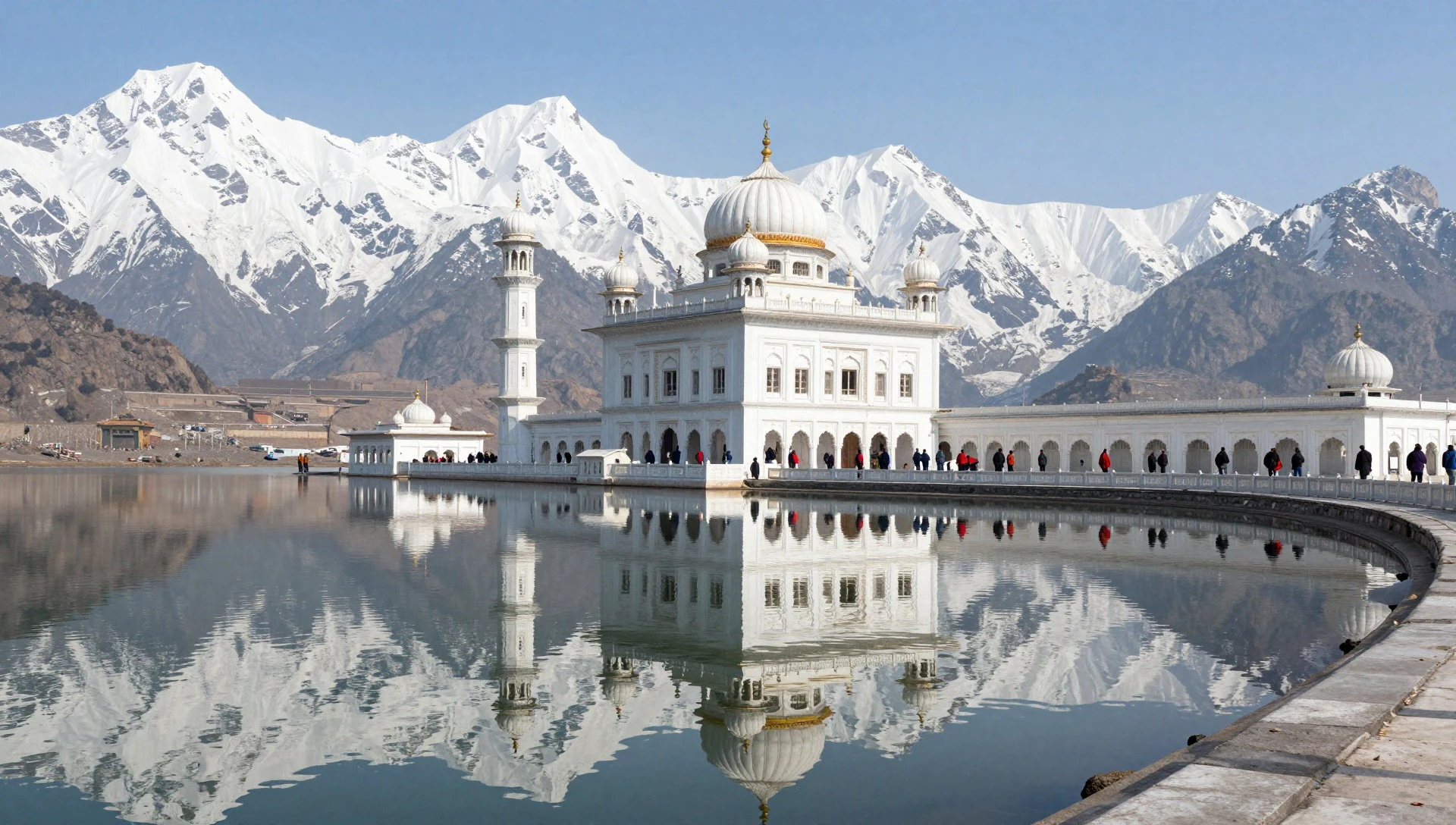
- Lakshman Temple — Ghangaria
Lakshman Temple is a small, traditional shrine tucked quietly behind the main Hemkunt Gurudwara complex, dedicated specifically to Lord Lakshman and offering visitors a quiet space for reflection along the busy pilgrim route.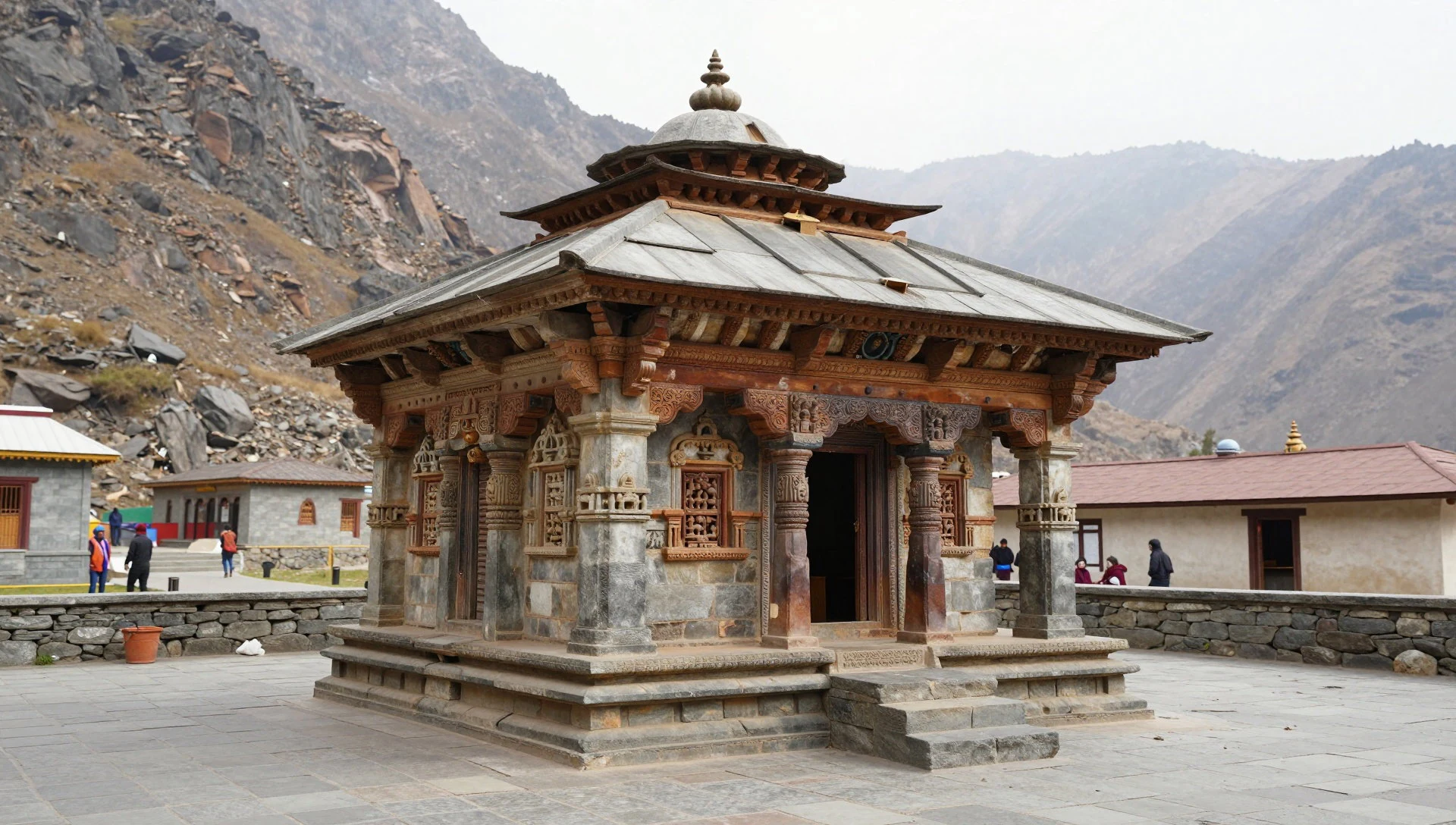
- Kankul Pass Trail — Bhyudar Valley
Kankul Pass Trail is a demanding, multi-day mountain trekking route starting from Bhyudar that leads hikers across high elevation terrain, offering panoramic views of remote valleys and rugged Himalayan wilderness.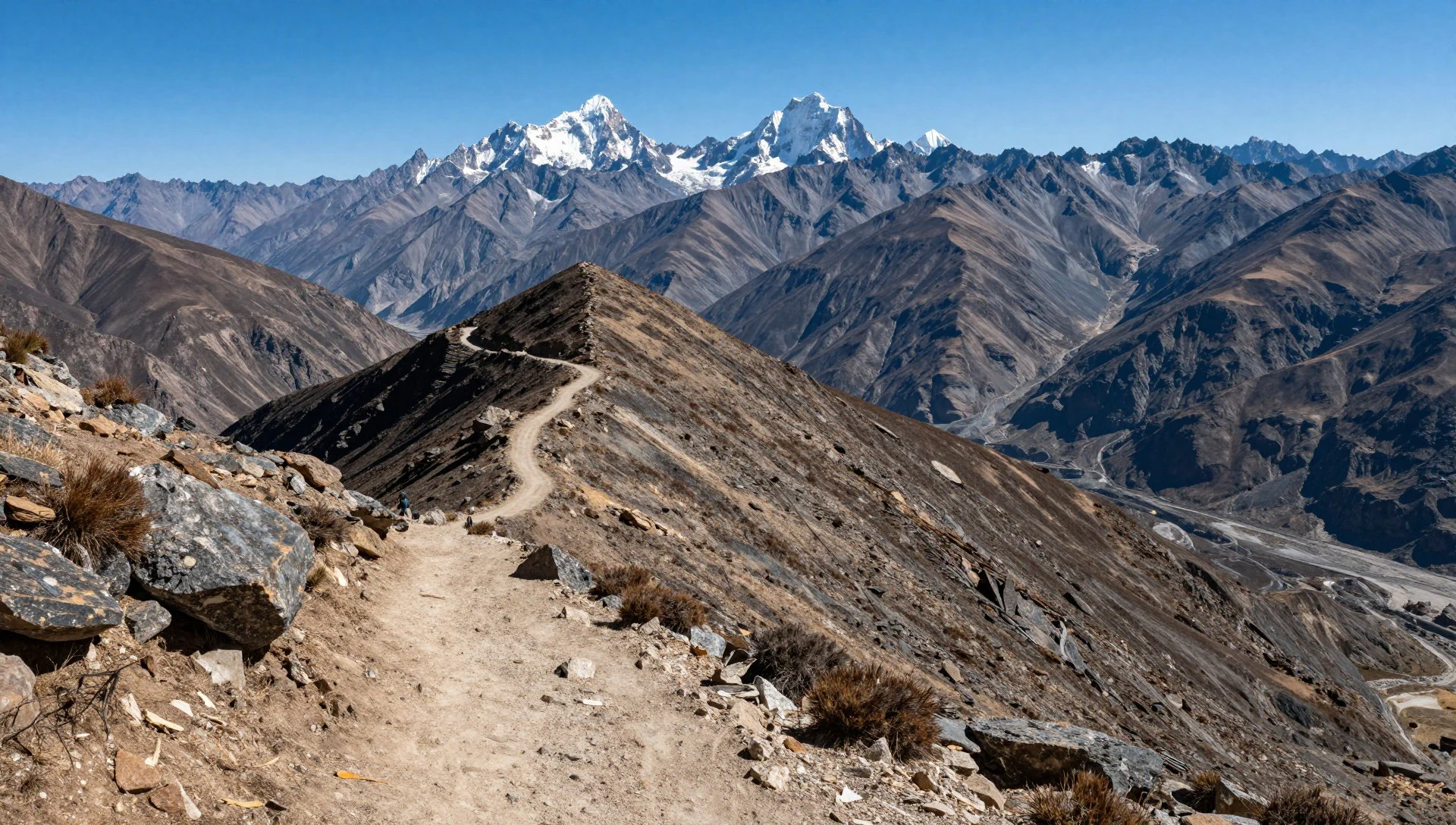
Culture
Valley of Flowers is situated within a deeply spiritual region of the Garhwal Himalayas where traditional Hindu pilgrimage routes intersect with Sikh devotion. The local mountain communities maintain a way of life shaped by seasonal migration, high-altitude farming, and the management of pilgrim traffic during the warm summer months. Hospitality is offered readily through community-run pilgrim rest houses and local guesthouses, reflecting a deeply ingrained cultural ethos of sharing food and shelter with travellers. Traditional music, simple festivals, and religious devotion guide the rhythm of daily life in the high mountain settlements.
Visitors should always dress modestly, covering shoulders and knees when visiting temples or participating in community dining halls, and remove footwear before entering sacred spaces.
What to wear
Traditional dress in the communities surrounding Valley of Flowers reflects the demanding climate of the high Himalayas, historically relying on heavy woollen garments, woven shawls, and durable layers designed to withstand freezing mountain winds. Locals working the steep trails typically wear practical trousers, sturdy jackets, and woollen caps rather than formal traditional attire for daily labour.
For visitors exploring Valley of Flowers, modern technical outdoor clothing is essential. Weather in the mountains shifts rapidly from warm sunshine to torrential downpours and cold winds, making layered clothing, waterproof jackets, and thermal base layers mandatory. Sturdy, broken-in trekking boots with excellent grip are vital for navigating muddy footpaths, rocky slopes, and slippery stream crossings. Modest clothing that covers shoulders and knees is recommended out of respect for local religious traditions and village sensitivities.
What to eat
- North and South Indian Thalis — Ghangaria Village
Hearty vegetarian meals featuring lentil dal, spiced potato curries, rice, and freshly baked flatbreads, served widely in the many simple dining halls and guesthouses throughout Ghangaria.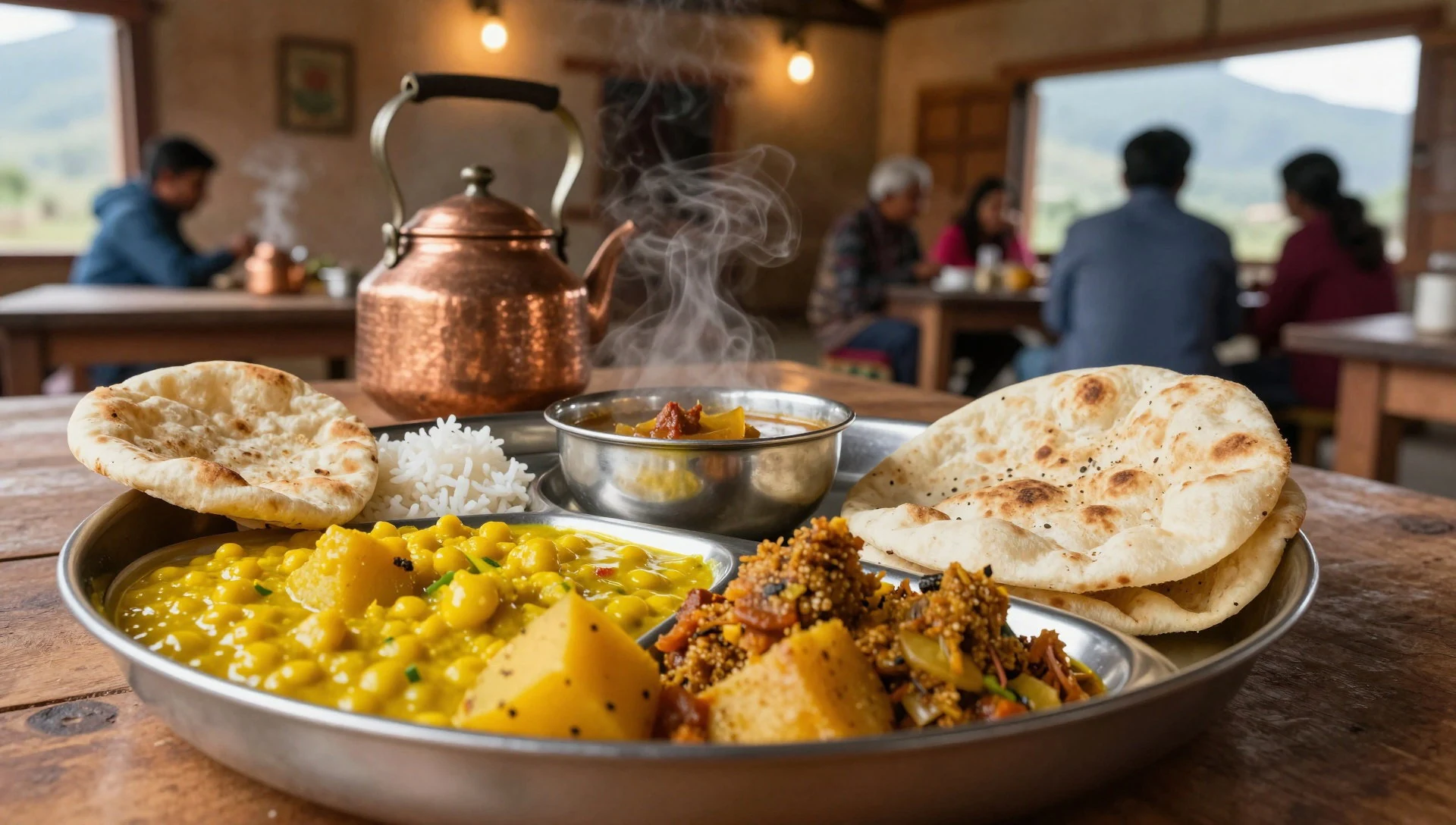
- Momos and Chowmein — Ghangaria Village
Steamed Tibetan dumplings filled with vegetables and simple stir-fried noodles, offering a comforting, warming meal that is popular among hikers returning from cold mountain trails.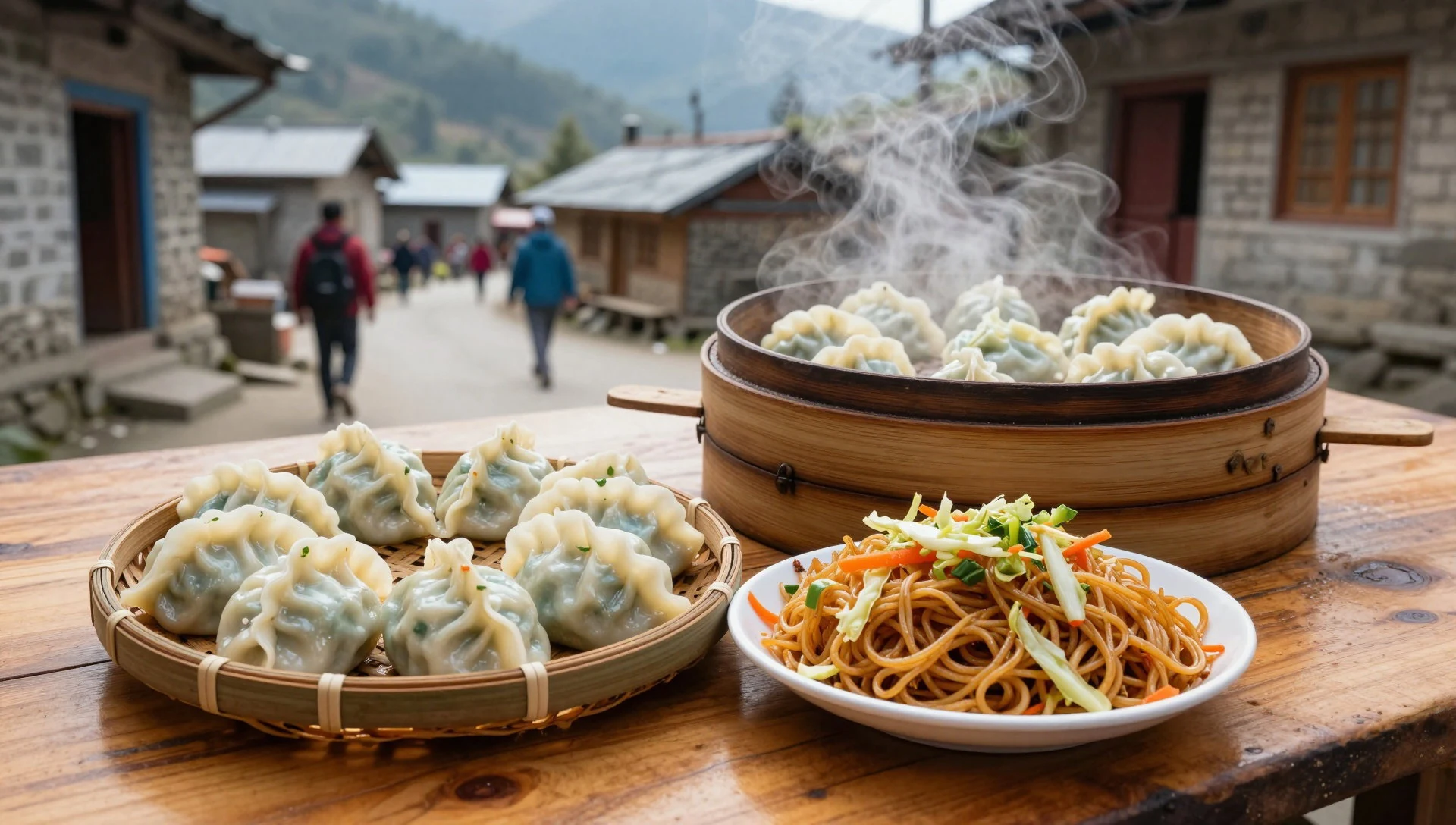
- Llangar Prasad — Hemkunt and Govindghat Gurudwaras
Simple, nourishing vegetarian meals served free of charge to all visitors and pilgrims regardless of background inside community dining halls managed by local Sikh gurdwaras. - Chai and Mountain Snacks — Trailside Kiosks
Sweet, spiced milk tea boiled with ginger and cardamom, accompanied by biscuits or fried snacks sold at small roadside kiosks along the steep walking paths.
Plan it
Best time. June to October, when the park is officially open and the alpine flowers bloom after the snow melts.
How long. 3–4
Getting there. Train to Haridwar, road connection to Govindghat via Rishikesh, followed by a 13-kilometre trek or mule ride to Ghangaria.
Budget. mid
Tips
- Start your daily hikes early in the morning to avoid afternoon rain and cloud cover.
- Carry sufficient cash, as digital payments are unreliable in remote mountain settlements.
- Pack robust rain gear and waterproof covers for all luggage.
- Acclimatise carefully in Joshimath or Govindghat before attempting the steep ascent.
Etiquette
- Remove footwear before entering temples and community dining halls.
- Carry all plastic waste and litter back down with you to protect the fragile ecosystem.
Nearby
Sources
- Wikidata Q605897 (CC0)
- Wikipedia (CC BY-SA 4.0)
- Wikivoyage (CC BY-SA 4.0)