Tarnobrzeg
Tarnobrzeg, Poland
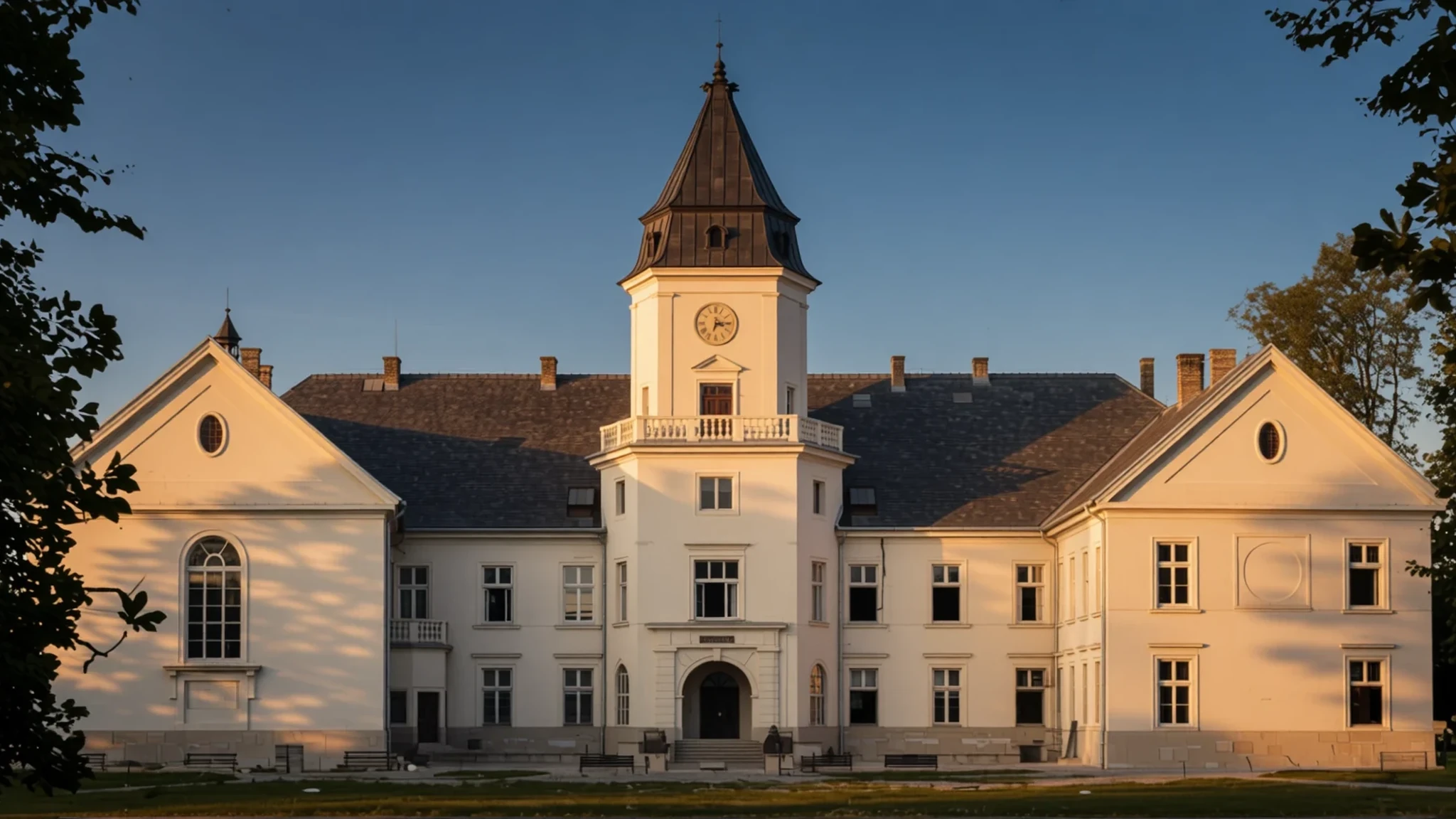
Tarnobrzeg is a quiet Vistula town with a Tarnowski family castle, a former sulphur-mining landscape now turned to lakes, and Sandomierz next door.
The place
Tarnobrzeg sits in south-eastern Poland, on the east bank of the Vistula, in the Sandomierz Basin at about 160 m above sea level. It has a population of 44,901 and belongs to the Subcarpathian Voivodeship. The city runs straight up against Sandomierz, which lies across the river boundary in the neighbouring Świętokrzyskie region, so the two are easily paired on one trip.
The first thing to understand is its shape. Tarnobrzeg covers 85 square kilometres, and from its northern tip to its southern edge is a stretch of 20 km. That is far larger than a town of its size would normally be, because in the 1970s local authorities absorbed surrounding villages such as Dzików, Wielowieś, Machów, Sobów and Miechocin as districts. The result is a loose, spread-out city: a small historic core, green suburbs, old village centres and open land between them.
That means distances matter. The castle at Dzików, the market area, the lake and the monastery at Wielowieś are not all within a comfortable stroll of each other, so buses, a bicycle or a car help.
Transport is a strong point. National Road 9 runs through, forming part of the European route E371, and the city is a railway hub with five stations within its limits. Lines fan out towards Dębica, Rzeszów, Stalowa Wola and Sandomierz.
This is not a place of crowds or polished tourism. It is a working Polish city with a good deal of green space, a handful of well-kept historic buildings, and a landscape shaped by industry that is now being returned to leisure. Visitors who like unhurried, little-visited towns will find it rewarding.
Its story
Tarnobrzeg was founded in 1593, when King Sigismund III Vasa granted Magdeburg rights to a village on 28 May. The founder was Stanisław Tarnowski, Castellan of Sandomierz, and the town was meant as the seat of the Tarnowski family. For a long time it stayed small, a family town rather than a trading centre.
In 1772 it passed to the Austrian Empire and became part of the province of Galicia, where it remained until November 1918. Being close to the Russian–Austrian frontier, it suffered heavy damage from invading armies during the First World War. In the turmoil that followed, a short-lived Republic of Tarnobrzeg was declared here, before the town was folded into the newly independent Second Polish Republic in 1919. The years between the wars brought significant emigration, though a public school system was established in that period.
The great change came after the Second World War. Geological surveys looking for fuel deposits found large reserves of sulphur in the 1950s. From the early 1960s the city grew fast, rising from about 5,000 people to roughly 10 times that number by the 1990s. In 1975 it was made the capital of a new voivodeship, which explains its sprawling boundaries.
The boom faded as the pits shut one after another: Piaseczno went first, then Machów, which had once been Europe's largest surface sulphur workings, and Jeziórko closed last. Stagnation followed, and in 1999 Tarnobrzeg lost its capital status and became a city with county rights. Since then the old workings have been reclaimed. Machów has been flooded to make a recreational reservoir, and Jeziórko is slowly filling from the Vistula.
What to see
- Dzików Castle — Dzików district
The former Tarnowski residence at Dzików is the town's best-known building, a palace complex set in parkland. It is the clearest reminder that Tarnobrzeg began as a noble family's seat. Allow time to walk the grounds as well as look at the exterior and any rooms that are open.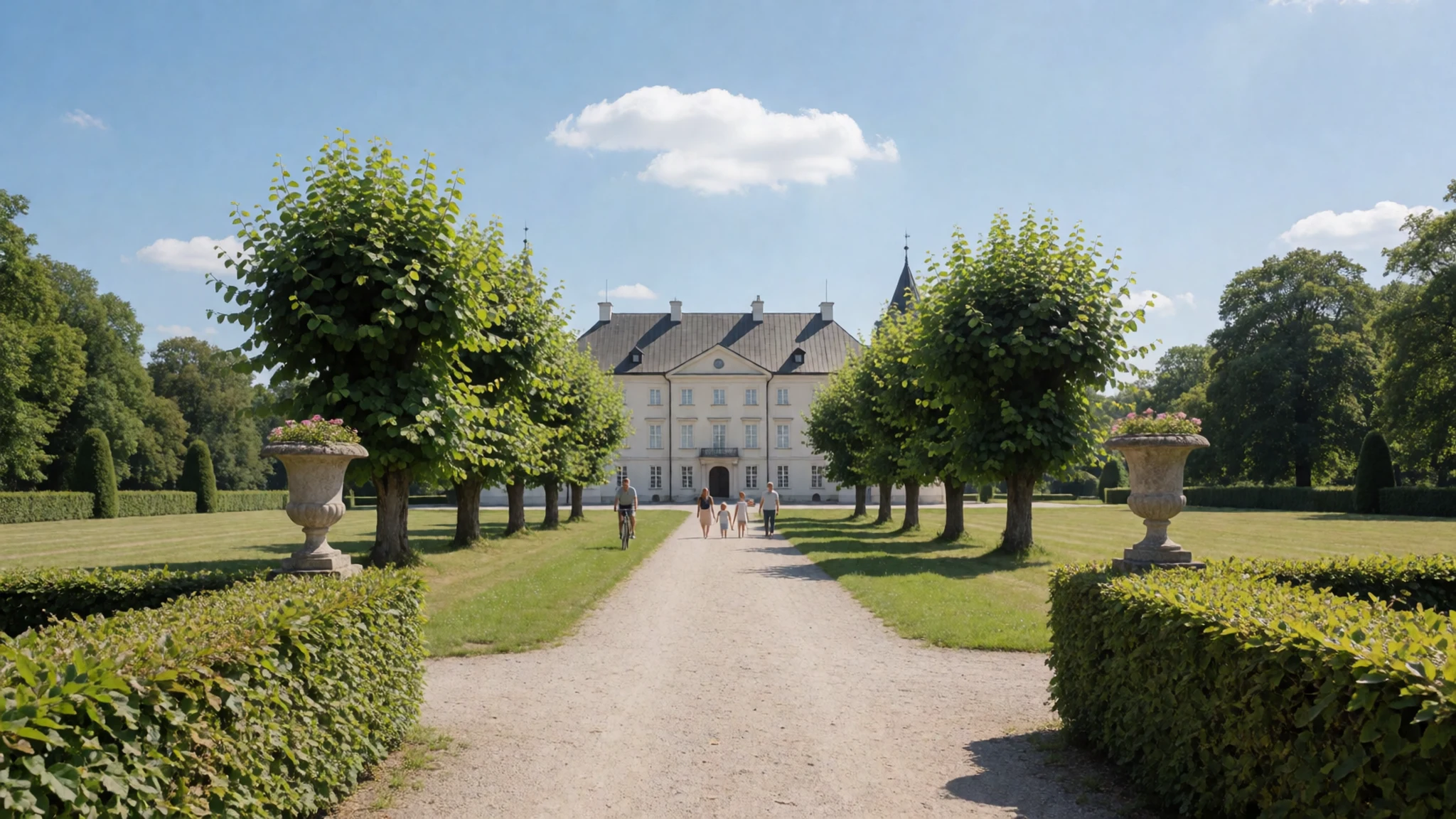
- Historical Museum of Tarnobrzeg — Dzików district, near the castle
The museum is the place to get the local story straight, from the Tarnowski era through Austrian Galicia to the sulphur years. It is close to the castle, so the two fit naturally into one outing. Opening times change, so check the city website before you go.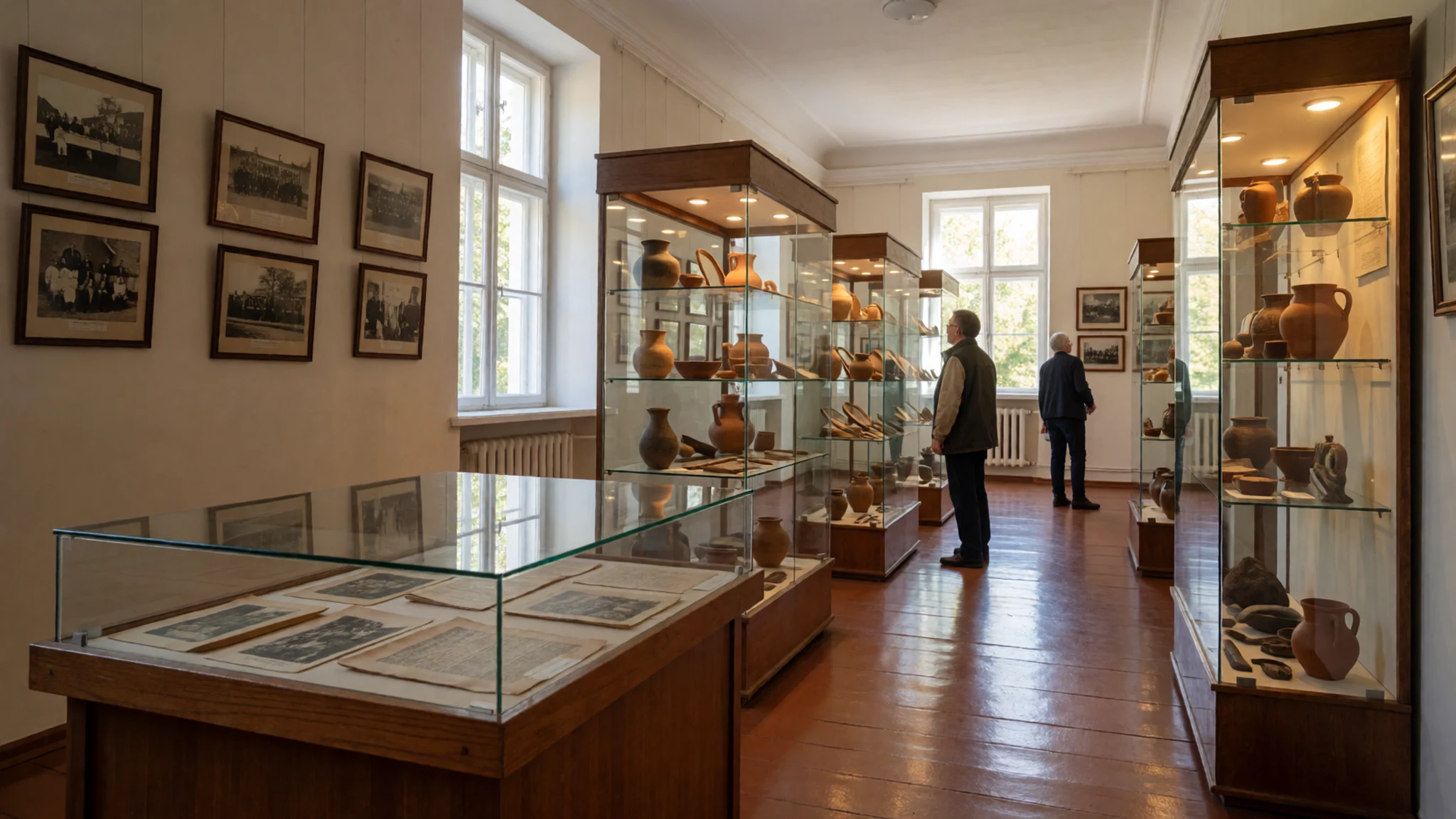
- Lake Tarnobrzeg — South of the city centre
This reservoir belongs to the reclaimed mining landscape and is used for recreation. It is a calm place for a walk or a picnic on a warm day, and a useful way to see how industrial land has been given a second life. It lies south of the centre, so plan transport.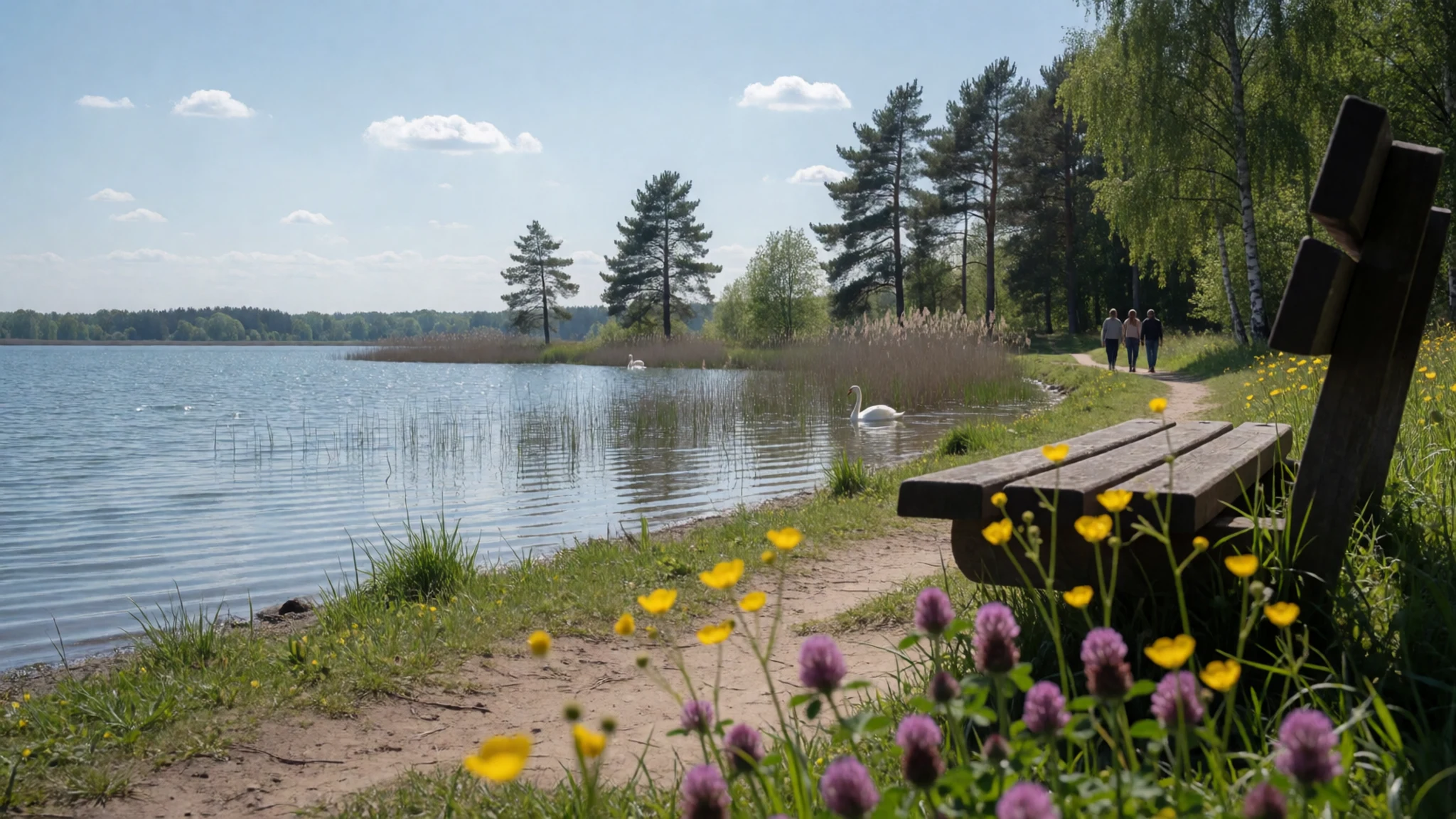
- Baranów Sandomierski Castle — Baranów Sandomierski, south-west of Tarnobrzeg
A short trip out of town, this Renaissance castle is a notable day-trip target for anyone based in Tarnobrzeg. It sits in the countryside to the south-west and works best as a half-day with a car or a regional bus. Check the official site for visiting details.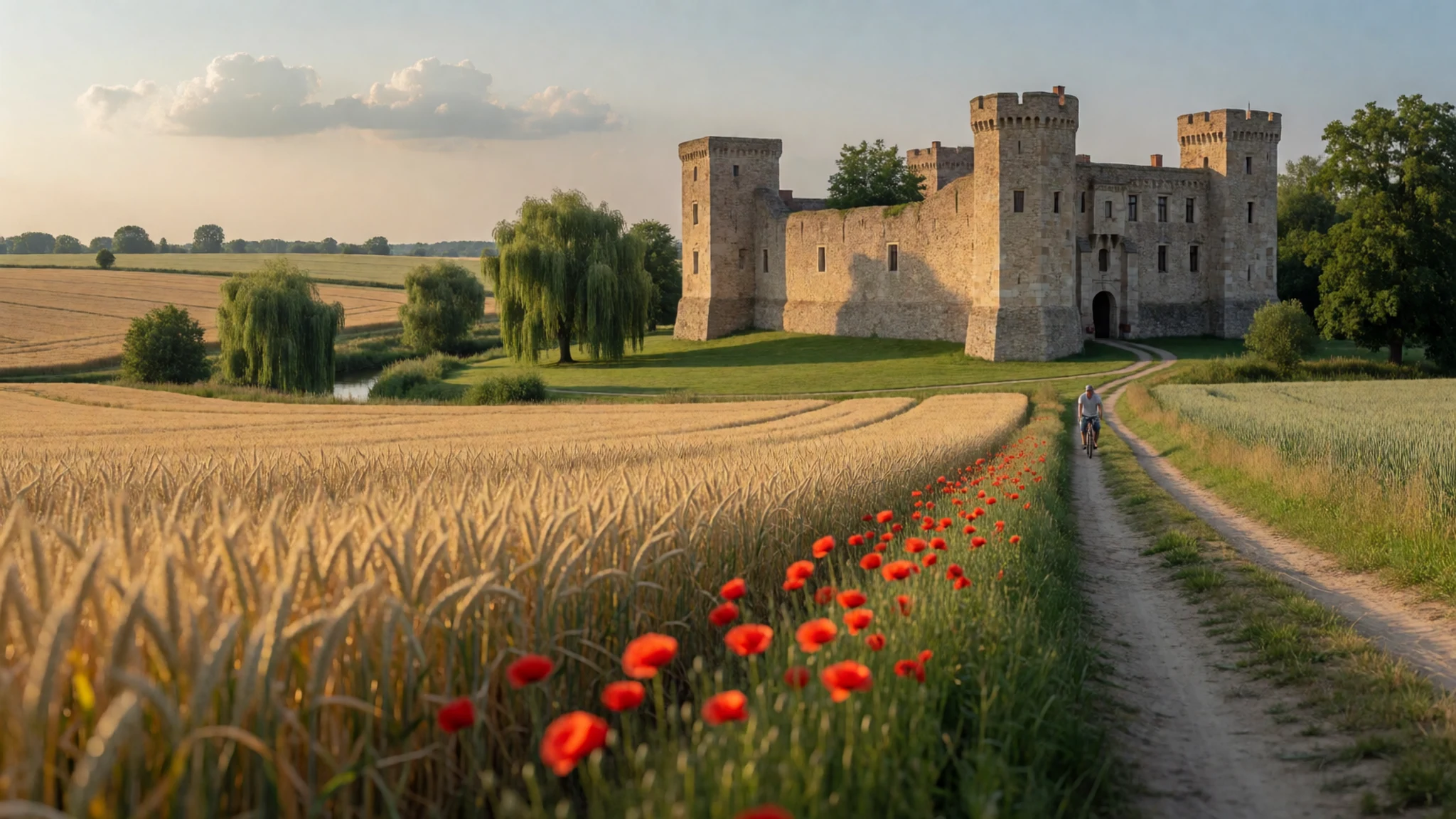
- Old Jewish cemetery and synagogue — Town centre and Sienkiewicza Street
Tarnobrzeg once had a Jewish community, and a synagogue building and the sparse remains of a cemetery on Sienkiewicza Street still stand. They are modest and quietly moving, a reminder of a vanished part of the town's past. Go with respect and a little background reading.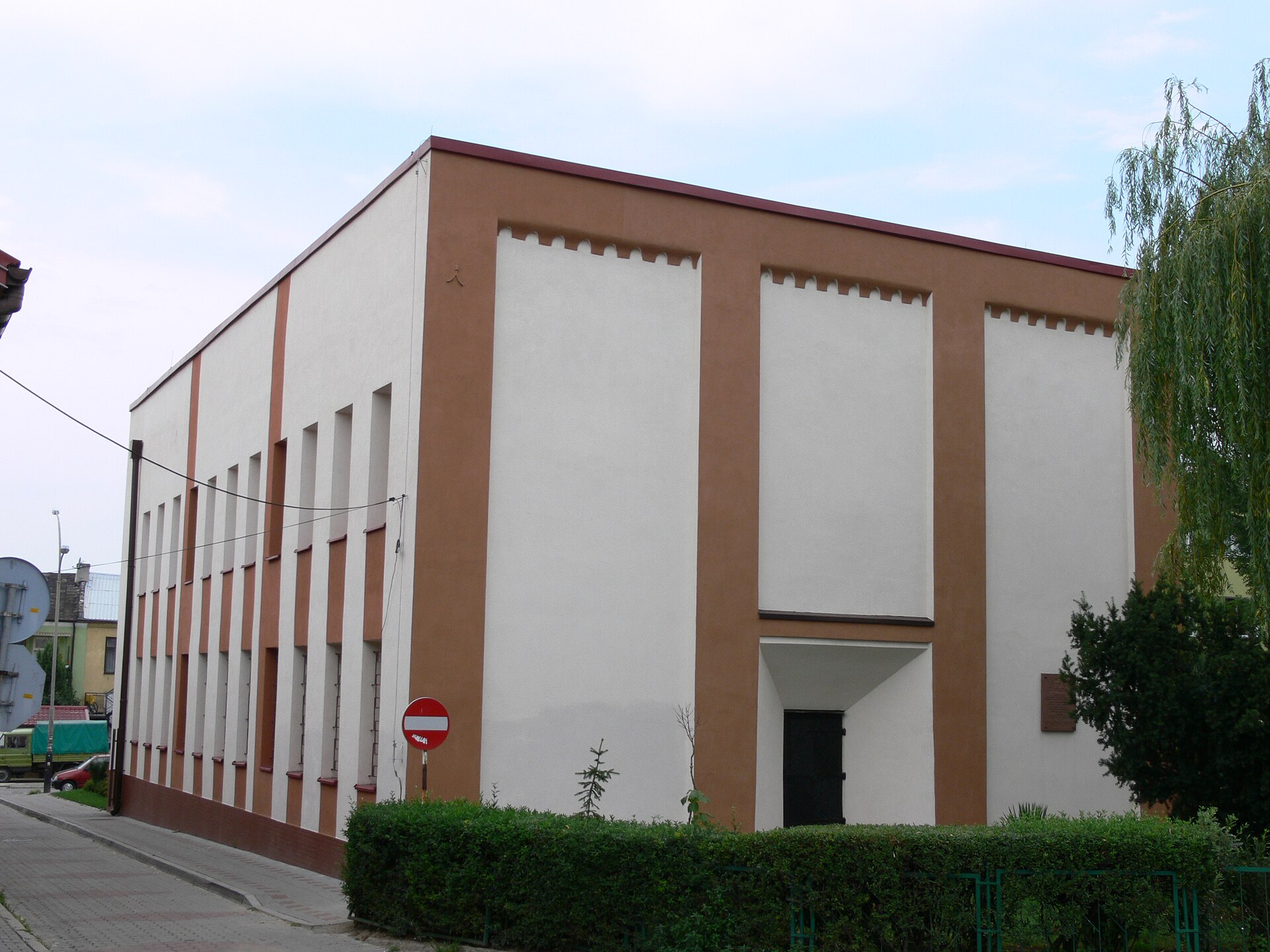
Culture
Tarnobrzeg's culture is that of a provincial Polish town shaped by a noble family, Austrian rule and then a sudden industrial boom. Older residents remember the sulphur years as a time of work, new housing and a sense of importance, and many families came from elsewhere to take part. That mix of origins gives the city a plain, practical character rather than a showy one.
The Tarnowski legacy shows in the castle, the brewery buildings and the layout of the old market area. Catholic tradition remains strong, visible in churches and in the Dominican convent at Wielowieś, and religious holidays are observed quietly, with shops closed on many Sundays and public holidays. Family meals, name days and church festivals matter more here than nightlife.
The town also holds a layered memory. Before the Second World War it had a Jewish community, and its synagogue and fragments of cemetery are reminders of that. Local museums and heritage groups work to keep the story of the region, from noble estates to mines, in view.
Polish hospitality is warm once the ice is broken. A few words of Polish, even just dzień dobry (good day) and dziękuję (thank you), go a long way, and English is more common among younger people than among older ones.
When visiting the Jewish cemetery remains or any church, dress modestly, keep your voice low, and do not step on graves or treat the sites as photo backdrops.
What to wear
Tarnobrzeg has no single famous costume of its own. The traditional dress of the wider Sandomierz and Lesser Poland area is the folk outfit of embroidered bodices, pleated skirts and striped woollen fabrics, with men in felt hats and wool trousers. These are worn today mostly at festivals, church processions and folk performances rather than in daily life.
Everyday dress is plain and practical, much like elsewhere in Poland. People wear jeans, jackets, trainers and good coats, with a little more polish for church, family events and evenings out. In winter, thick coats, hats and boots are standard, and in summer light shirts and dresses. Hardly anyone dresses flashily, and a neat, simple look fits in.
For a visitor, the main issue is weather and walking. Spring and autumn can be cool and changeable, so bring layers and a light waterproof. Summer can be warm, so carry sun protection, and winter is cold enough to need a proper coat, hat and gloves. Comfortable, closed shoes are best, as the city is spread out and park paths at Dzików and around the lake can be soft after rain.
For churches, the convent and the Jewish heritage sites, cover shoulders and knees. Nothing formal is required elsewhere, and smart casual will see you through restaurants and museums. If you plan to cycle around the districts, bring a cap and a pair of sturdy shoes.
What to eat
- Pierogi — Milk bars and family restaurants in the centre
Polish dumplings, boiled and filled with potato and cheese, cabbage and mushrooms, or meat, often served with fried onion or soured cream. They are filling, inexpensive and a safe bet for vegetarians when filled with cheese or cabbage.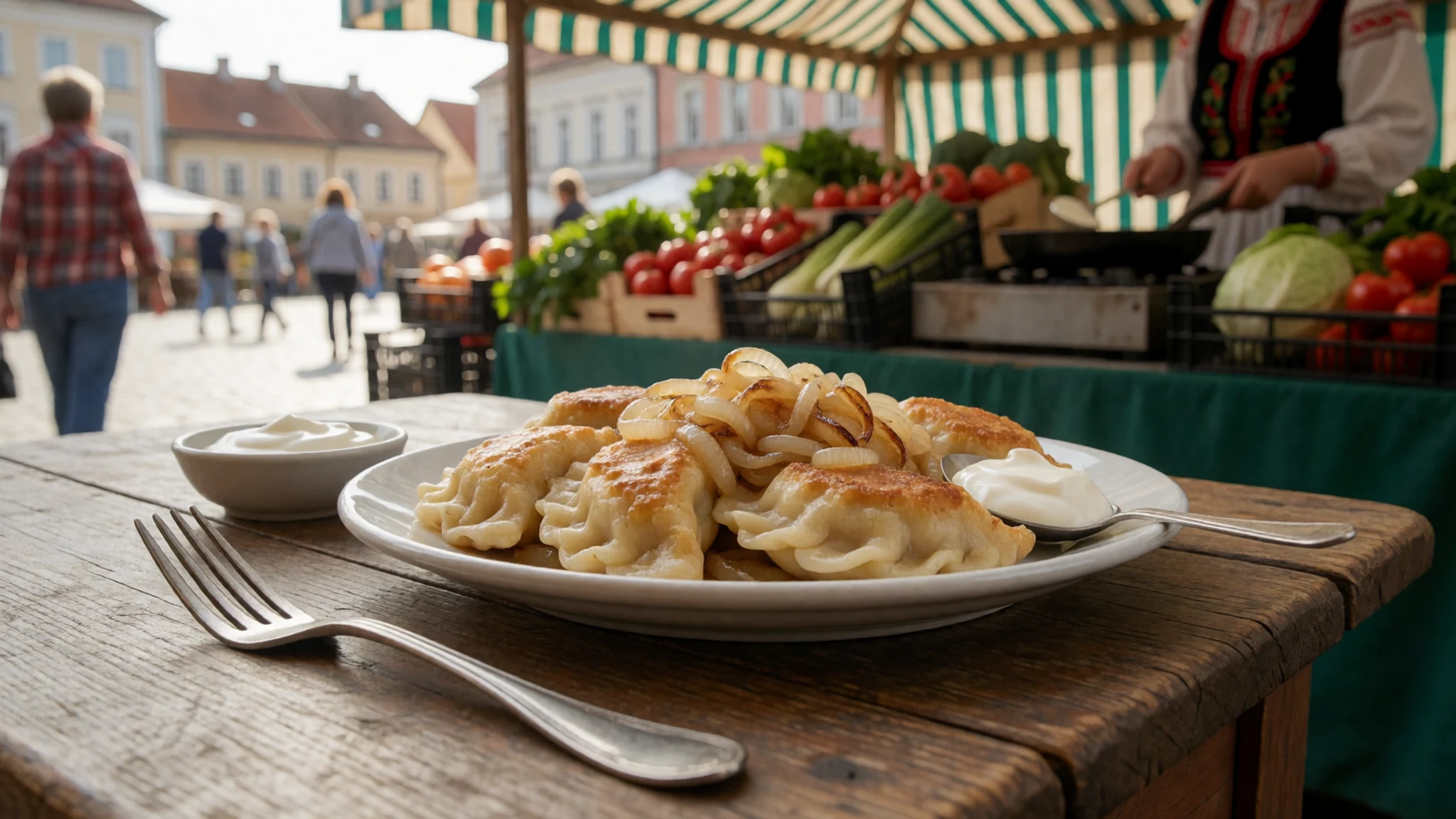
- Żurek — Traditional restaurants and canteens
A sour rye soup, often served with sausage and egg, sometimes in a bread bowl. It is a warming dish for cool months and a classic of the Polish table, with a tang that surprises first-timers.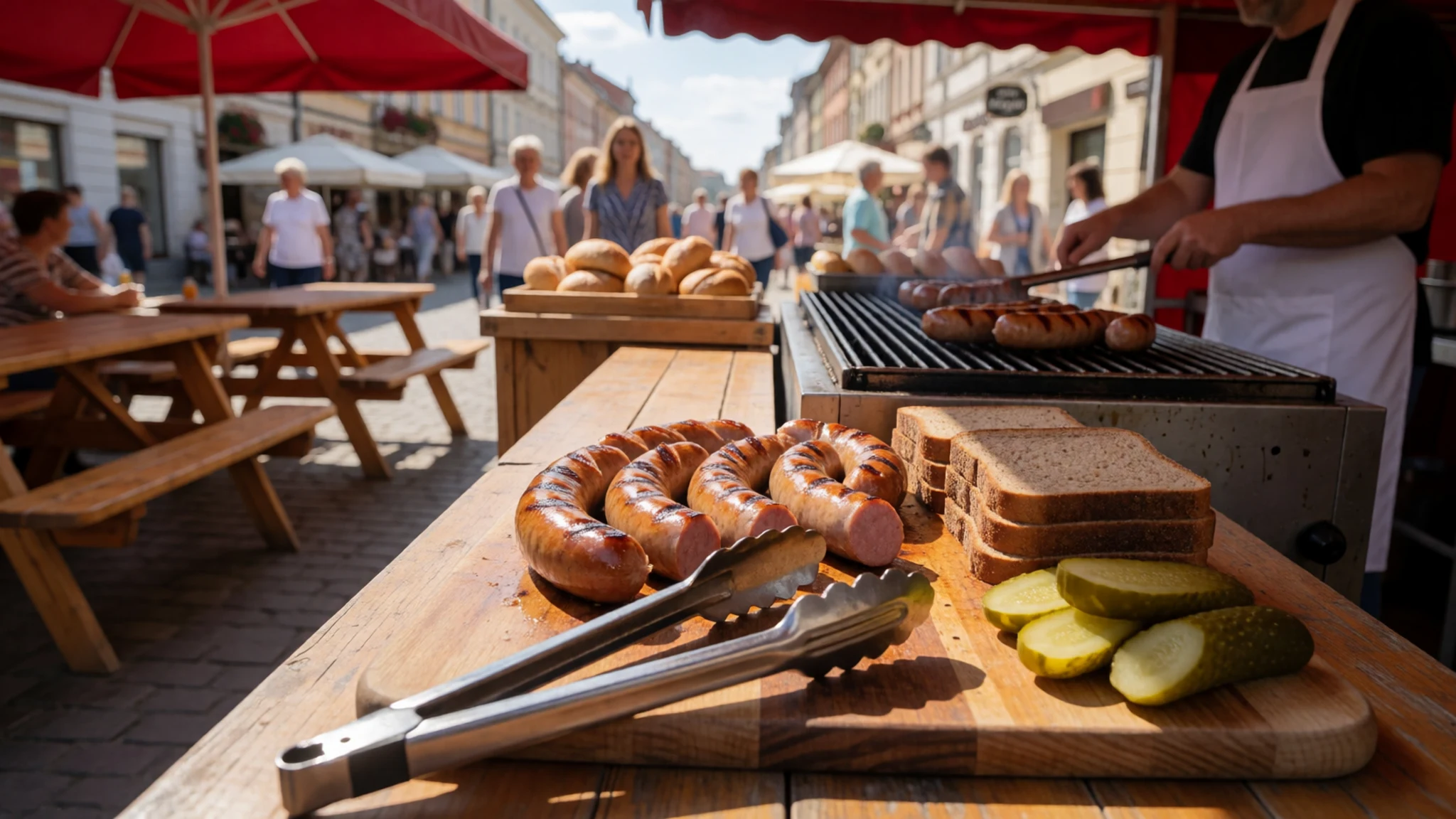
- Kotlet schabowy — Lunch counters and family restaurants
A breaded pork cutlet served with potatoes and a pile of pickled or shredded cabbage salad. It is the standard Polish lunch plate and appears on almost every menu in town. - Gołąbki — Home-style restaurants and milk bars
Cabbage leaves rolled around minced meat and rice, baked or simmered in a tomato sauce. A home-style dish, usually served hot with potatoes, and a good example of unfussy Polish comfort food. - Placki ziemniaczane — Casual eateries and market food stalls
Crisp potato pancakes, served plain, with sour cream or topped with goulash. They are a hearty snack or a main course, and a good way to try Polish potato cooking in a casual setting. - Sernik — Cafés and bakeries around the market area
Polish baked cheesecake made with curd cheese, denser and less sweet than many versions found elsewhere. It is a common end to a meal and goes well with a strong coffee or tea.
Plan it
Best time. May–June and September are mild and green, good for walking the castle park and the lake. July and August are warmer and busier with locals. Winters are cold and grey.
How long. 1–2
Getting there. The nearest major airports are Rzeszów and Kraków; from either, take a train or bus to Tarnobrzeg. Rail lines link the city to Rzeszów, Dębica, Stalowa Wola and Sandomierz, and buses run from Warsaw, Lublin, Gdańsk and Kraków. Once there, use local buses or a bicycle for the outlying districts.
Budget. low
Tips
- Check the city website (https://um.tarnobrzeg.pl/) for museum hours and events before you go
- Base yourself centrally and use local buses for Dzików and the lake
- Carry some cash for small cafés and market stalls, though cards are widely accepted
- Combine a visit with Sandomierz, which borders the city
- Bring layers and a rain jacket in spring and autumn
Etiquette
- Dress modestly and keep quiet in churches and at the Jewish heritage sites
- Greet shopkeepers with dzień dobry when entering
- Do not walk on or between graves in the cemetery remains
Nearby
Sources
- Wikidata Q28516 (CC0)
- Wikipedia: Tarnobrzeg (rev 1383531962) (CC BY-SA 4.0)
- Wikivoyage: Tarnobrzeg (rev 5239940) (CC BY-SA 4.0)
- Photo 01 — Mateusz Zych (CC BY 3.0)
- Photo 02 — Jacek Halicki (CC BY-SA 3.0 pl)
- Photo 03 — Jacek Halicki (CC BY-SA 3.0 pl)
- Photo 04 — Jacek Halicki (CC BY-SA 3.0 pl)
- Photo 05 — Spacejam2 (CC BY 3.0)
- Photo 06 — Wojtek-Rajpold (CC BY 3.0)
- Photo 07 — Dy-e (CC BY 3.0)
- Photo 08 — Dy-e (CC BY-SA 2.5)


