Białowieża Forest
Białowieża Forest, Poland
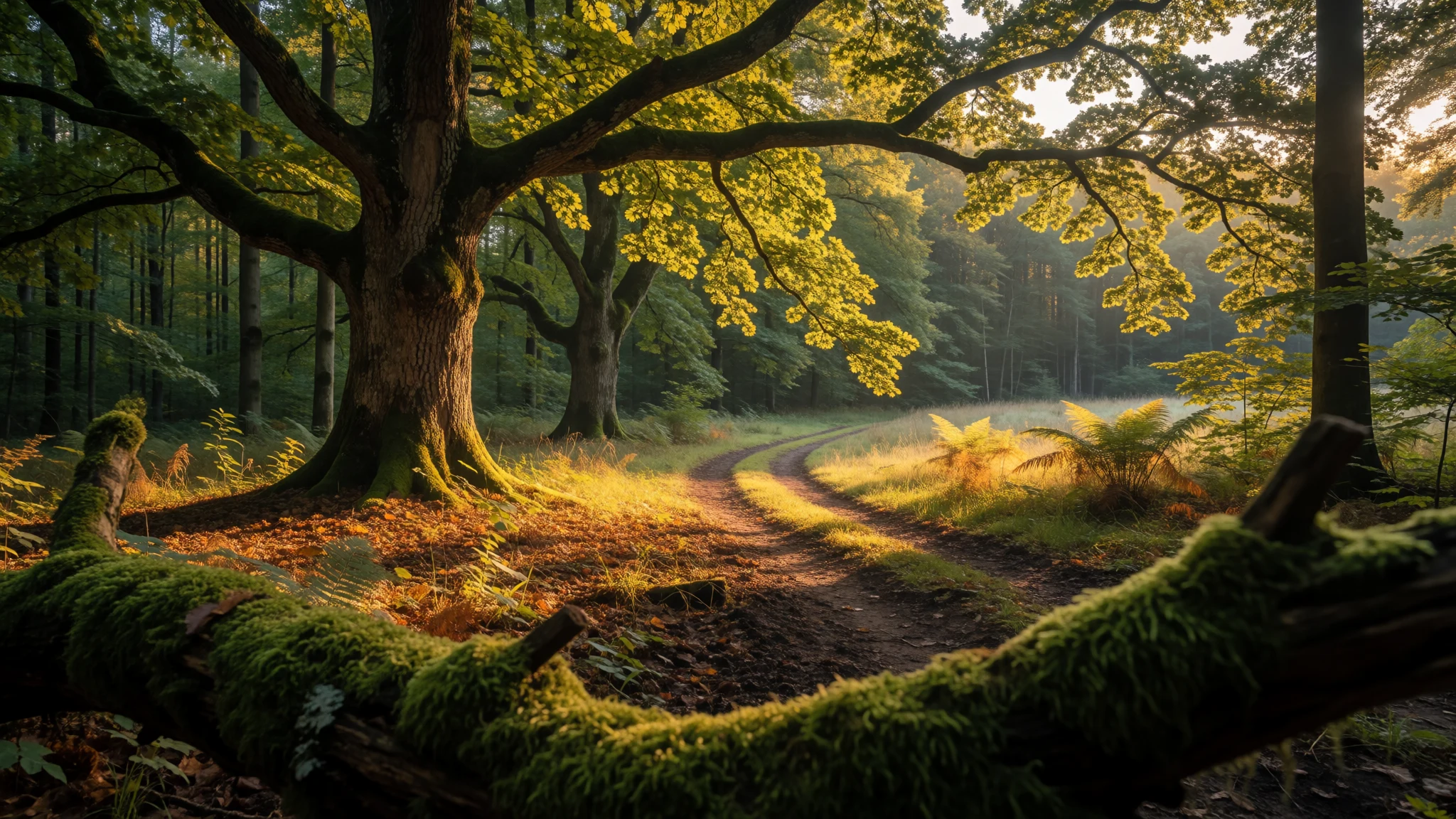
Białowieża Forest feels like stepping into a surviving slice of Europe’s ancient woodland, with bison and quiet paths.
The place
Białowieża Forest is a vast old-forest complex on the border between Poland and Belarus, and it’s one of the last major stretches of the primeval woodland that once covered much of the European Plain. This is not a landscaped park—expect long, green corridors, slow-moving trails, and the sense that nature is running the timetable.
Practically, the “where” matters. The forest straddles two countries, so the experience can feel slightly split: you may hear different languages depending on which side you’re on, and access routes can vary because the border runs through the wider area. Even so, the forest is well known as a World Heritage Area and has additional conservation designations, including Natura 2000, which is why you’ll see an emphasis on protection and guided access in some places.
Wildlife is the headline. European bison are a key reason people come, and they’re often discussed in terms of living heritage rather than a typical “zoo visit” vibe. Add to that the sheer age-like atmosphere of the stands—old trees, damp undergrowth, and layers of forest sound—and you get a destination that suits slow travel.
For a traveller, the best way to “get” Białowieża is to treat it like a woodland immersion rather than a sightseeing sprint. Come for hours outdoors, plan for variable weather, and be ready for straightforward facilities compared with flashier city trips.
Its story
Białowieża Forest carries history in the same way a living forest carries light: quietly, layer by layer. Long before modern borders, the wider region was shaped by forests, rivers, and slow movement—until road travel gradually became more common. For centuries, travel through this kind of woodland was mainly limited to routes that followed waterways, which helps explain why old forests could persist.
The forest also sat at the crossroads of power. In the early Middle Ages there were disputes in the region, and later it became part of a larger political landscape after a union in 1385. As governance shifted, so did the way the forest was managed and used—trade routes and settlements appeared, and communities formed around resources.
Protection measures for wildlife are a striking thread. Records point to hunting rights being granted in the 14th century, with later rules that explicitly focused on bison protection. A well-known royal move was the introduction of a severe penalty for poaching bison, showing that the animal wasn’t treated as just any quarry.
There’s also a story of names and meaning. Białowieża connects to the idea of the “white tower,” and the Belarusian side has a corresponding “white tower” name for its pushcha, even though the referenced tower wasn’t actually white. Whether folklore or etymology, the result is the same: the forest feels tied to identity, not just geography.
For today’s visitor, that history translates into something simple—Białowieża is not merely scenery. It’s a protected landscape with a long paper trail of how people learned to control access, manage resources, and defend the forest’s most famous resident.
What to see
- Białowieski Park Narodowy (Białowieża National Park) — National Park areas (Polish side)
Start with the national park atmosphere: old-growth stands, quieter forest roads, and areas managed for conservation. Even when you’re not deep in the trail system, the mix of tall trees and low, damp ground cover gives the whole place its signature “primeval” mood.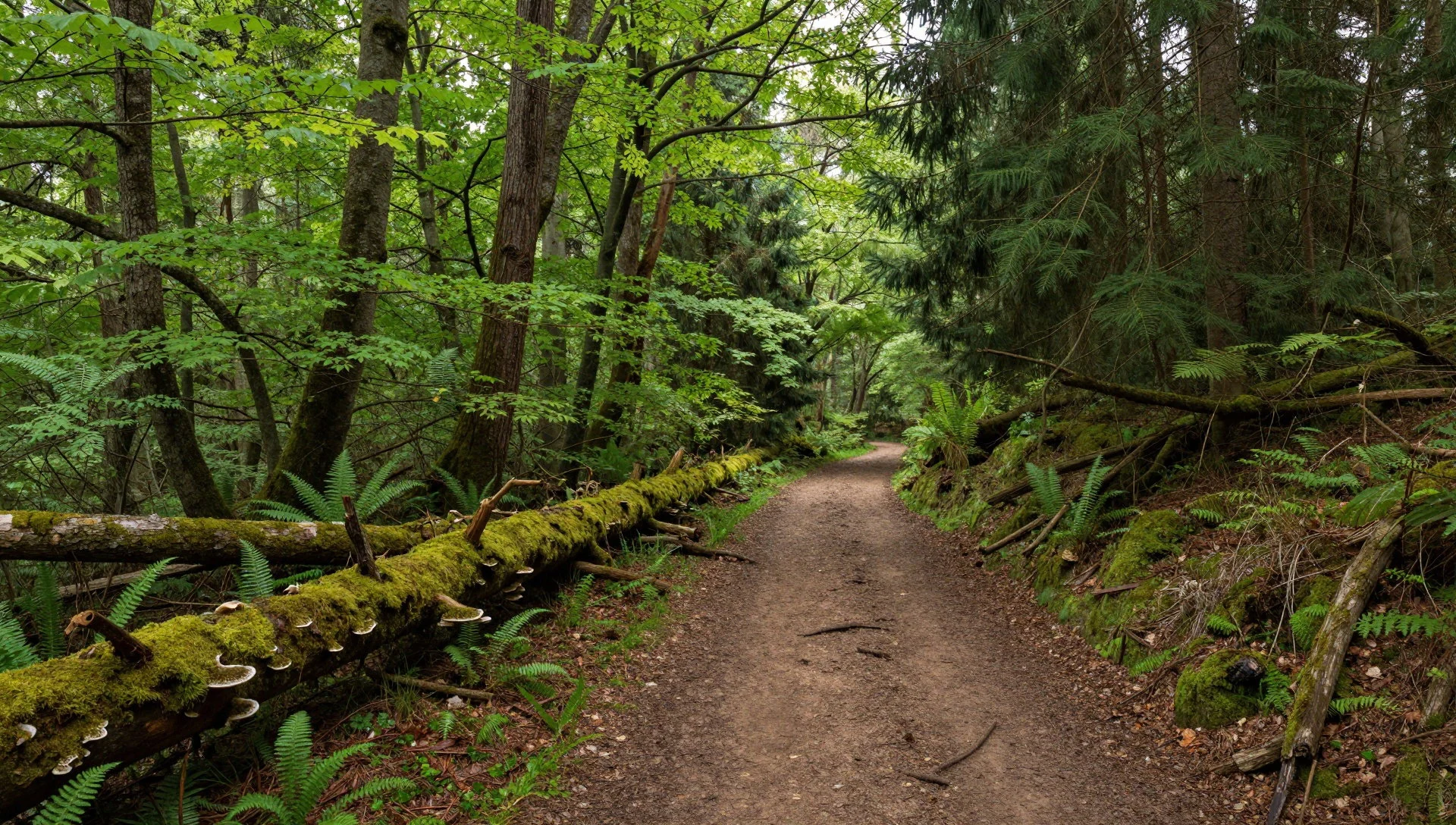
- European bison sightings (where conditions allow) — Forest tracks and managed wildlife areas
European wisent are the reason many people plan the trip around forest time. Don’t expect guaranteed encounters—wildlife is unpredictable—but patience in the right areas is part of the experience. Early mornings and calm weather often help the forest feel most alive.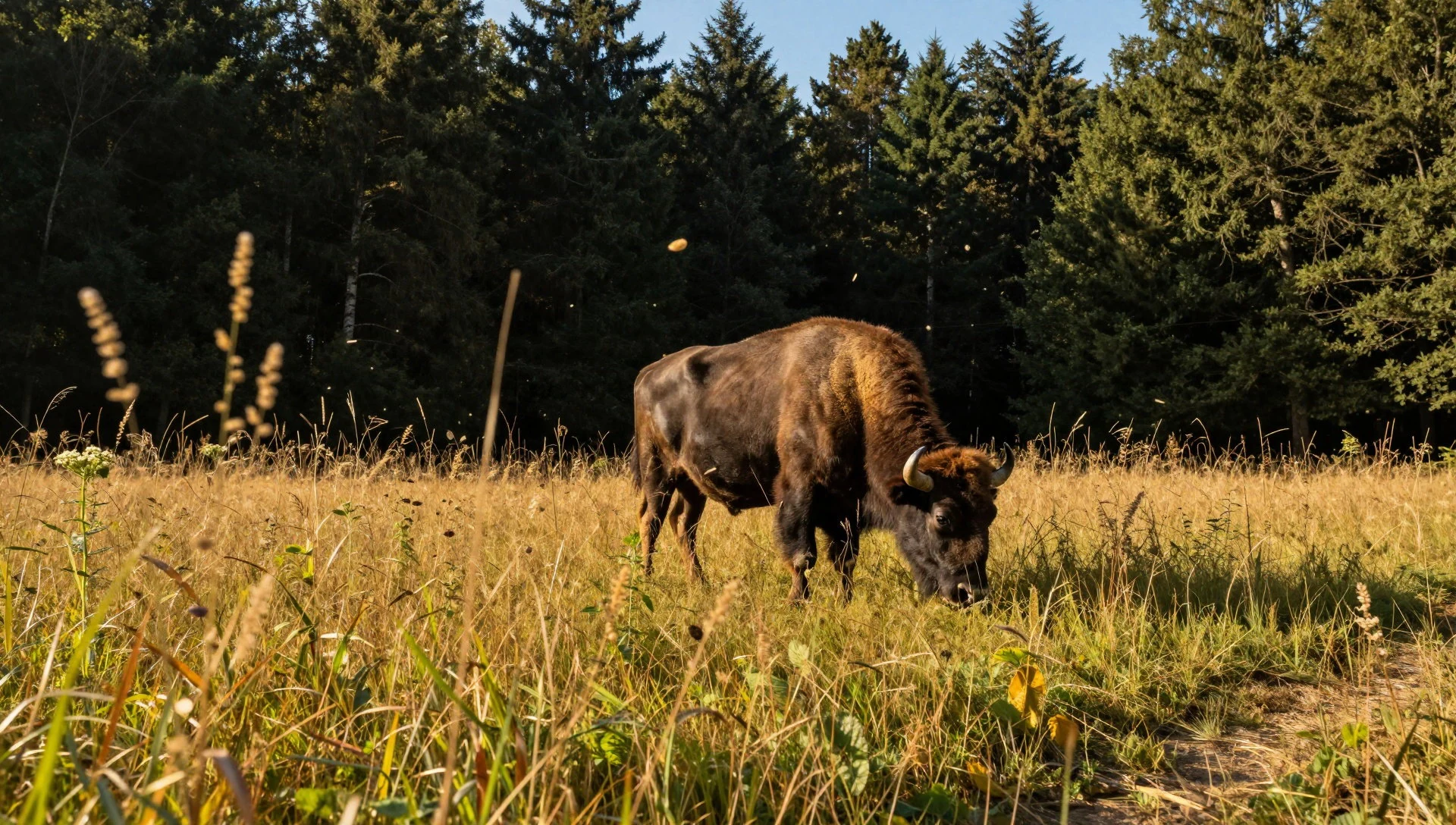
- Royal Oaks Trail-style woodland walks — Forest trail network
Look for the kinds of marked forest routes that let you move through dense stands without rushing. Trails like the Royal Oaks style are a good way to feel the scale of the trees and the way the ground changes from wetter patches to higher, drier stretches.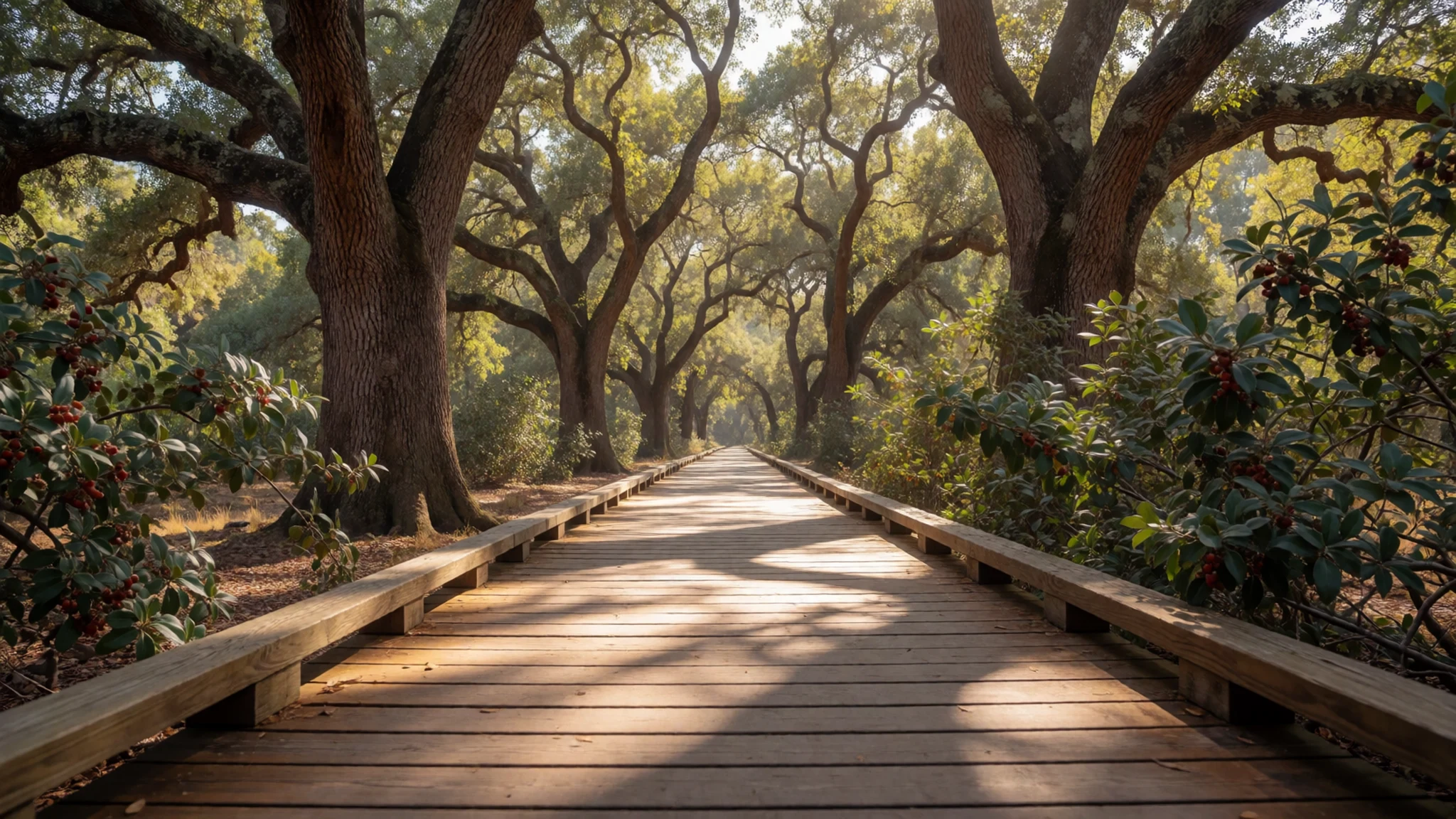
- Old trees and oak-dense stands — Deep forest areas
Białowieża’s standout visual is its mature canopy—layers of branches, trunks that feel too wide for the word “timber”, and a constant shifting of light through leaves. If you like forests as slow, sensory spaces, this is where the trip clicks.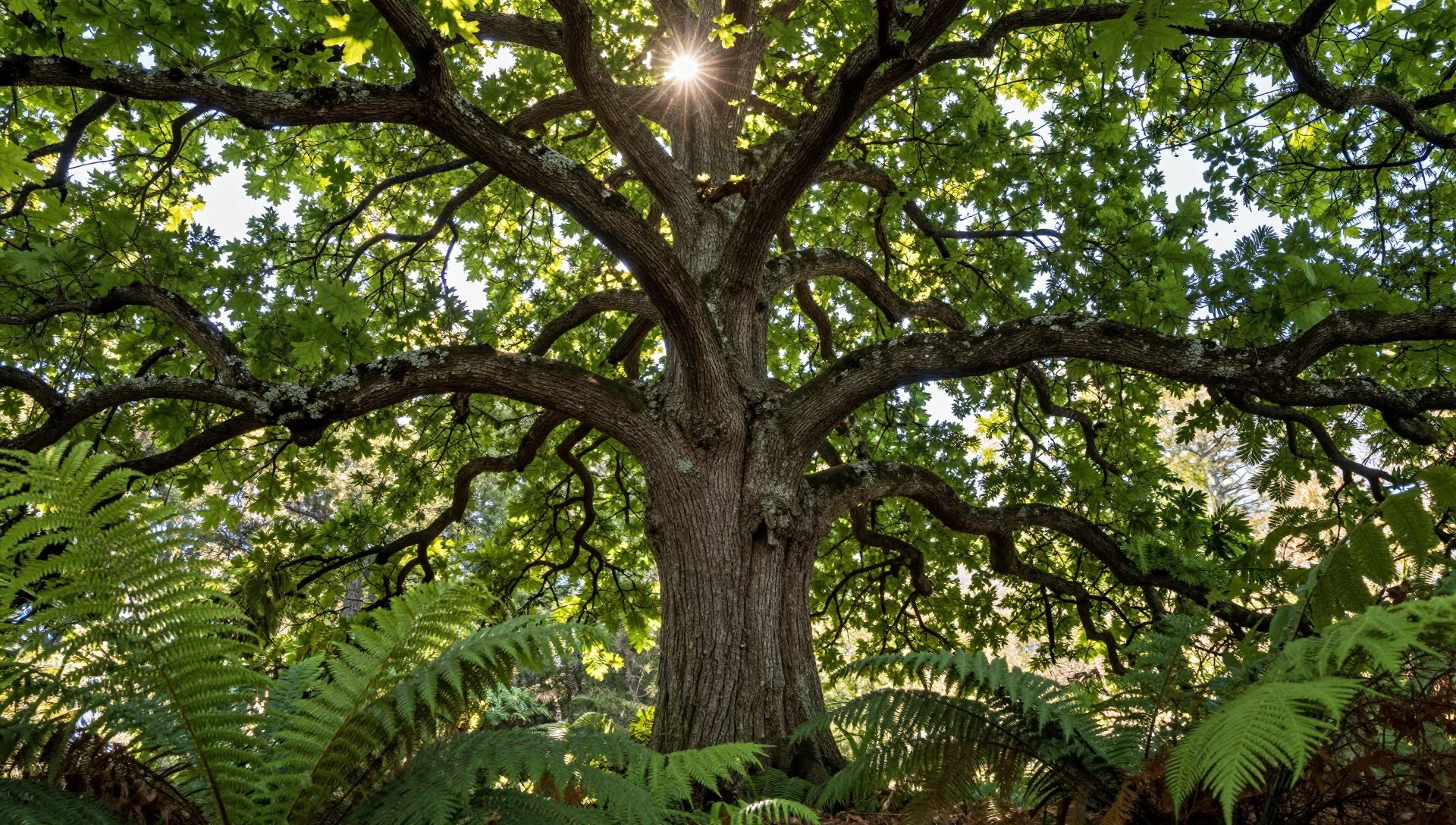
- Białowieża–Belarus border landscape (viewing from trails) — Border corridor
Because the border runs through the broader forest complex, the landscape can feel subtly “double”—different signs, different management approaches, and a slightly different rhythm. When exploring, stick to allowed routes and keep an eye on local guidance for cross-border restrictions.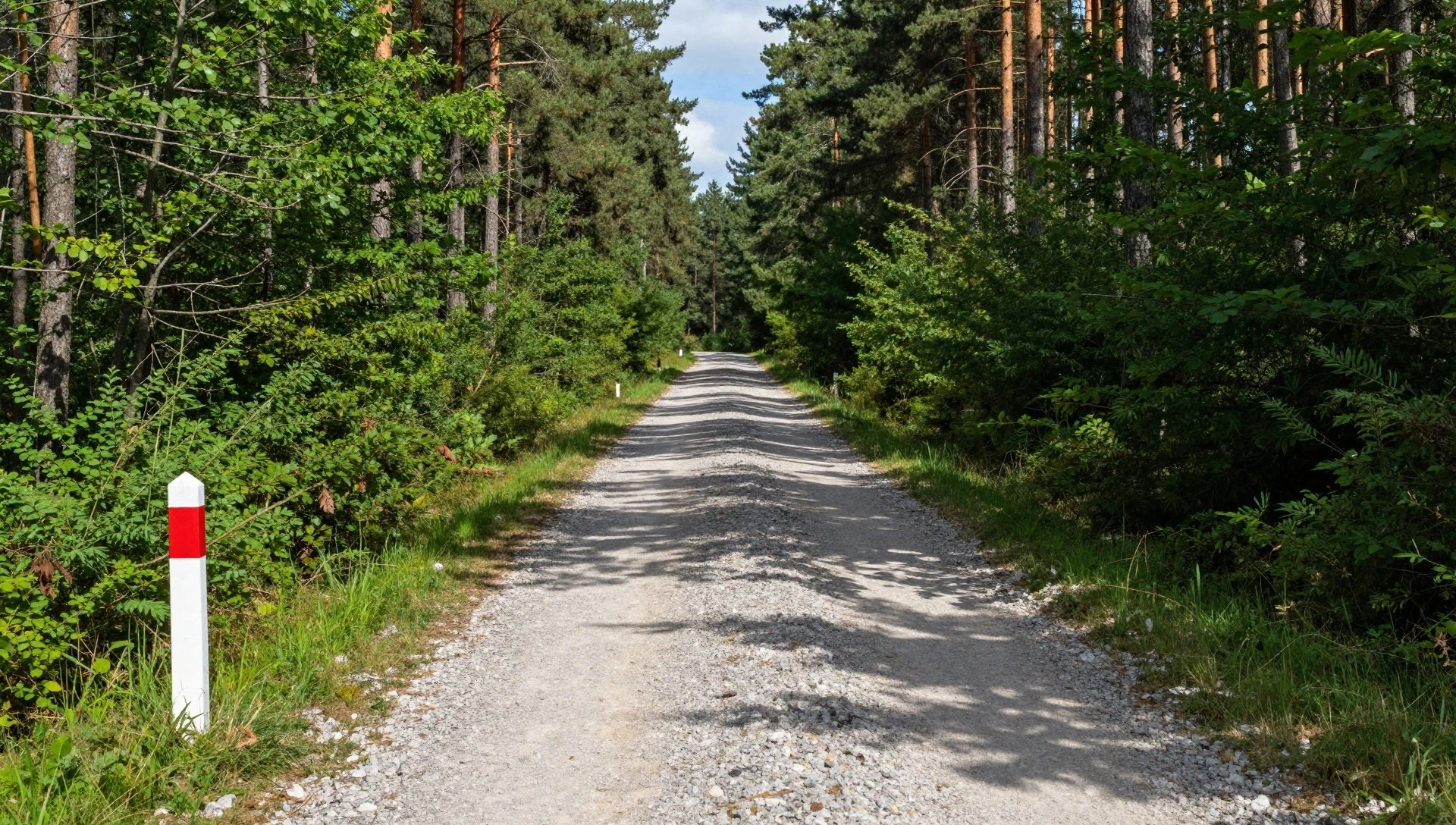
Culture
Białowieża Forest is culture in the form of rules, not performances. The people who live around here and the institutions managing the woodland treat it as a living heritage landscape—one that has been protected and regulated for a long time, including through formal hunting and forest-usage rules. That mindset still shows in how visitors are guided: conservation comes first, and not every path is simply “open access”.
You’ll also notice local culture in the everyday practicality of woodland travel. Expect fewer “tourist-comfort” conveniences than in major European cities, and plan to spend time just walking and waiting—because wildlife and weather don’t schedule themselves. If you’re coming during busier periods, you can still find quiet, but the best moments tend to be early in the day.
The forest’s human history—shaped by trade routes, changing states, and changing communities—sits in the background, like the understorey beneath the trees. Even so, the strongest takeaway is current: follow guidance, respect the protected environment, and let the forest lead the pace.
Visitor etiquette: keep to marked routes and follow any local rules on drones, fires and wildlife—this isn’t a place to treat conservation lightly.
What to wear
In Białowieża Forest, clothing is about movement through woodland and comfort in damp air. Traditional dress isn’t the main feature on the trails—most people dress for weather and practicality—but you’ll still see everyday Polish/Belarusian rural textiles in towns nearby rather than in the forest itself.
What people actually wear now is usually the sensible combination you’d expect for forest travel: layers for a cool, green microclimate, a waterproof outer layer when conditions are wet, and trousers that can handle undergrowth. In summer, the forest can feel humid and cooler than open fields; in shoulder seasons it can feel crisp and misty.
For visitors, aim for: waterproof walking shoes or boots (the ground can be soft), long trousers to protect against brambles, and a light thermal layer you can add when the shade cools things down. If you’re photographing wildlife, bring something quiet and avoid anything that rustles loudly—an over-flashy outfit stands out, and it’s not the vibe the forest is offering.
If you’re visiting on the border corridor, keep basics like a jacket and closed shoes—transport links and walking distances can make “I’ll change later” a bad plan.
What to eat
- Polish-style soups and hearty stews — Town centres around Białowieża
Look for simple, filling bowls at local restaurants and eat-in spots in nearby towns—think comforting soups and meat-based stews that work well after long forest walks. It’s the kind of meal that restores you when the air feels damp and cool.
- Pierogi (dumplings) — Local restaurants and cafés in the area
Pierogi are a reliable forest-day dinner: soft dumplings with a range of fillings, often served warm and plentiful. Find them at casual Polish eateries, especially the places that focus on traditional dishes.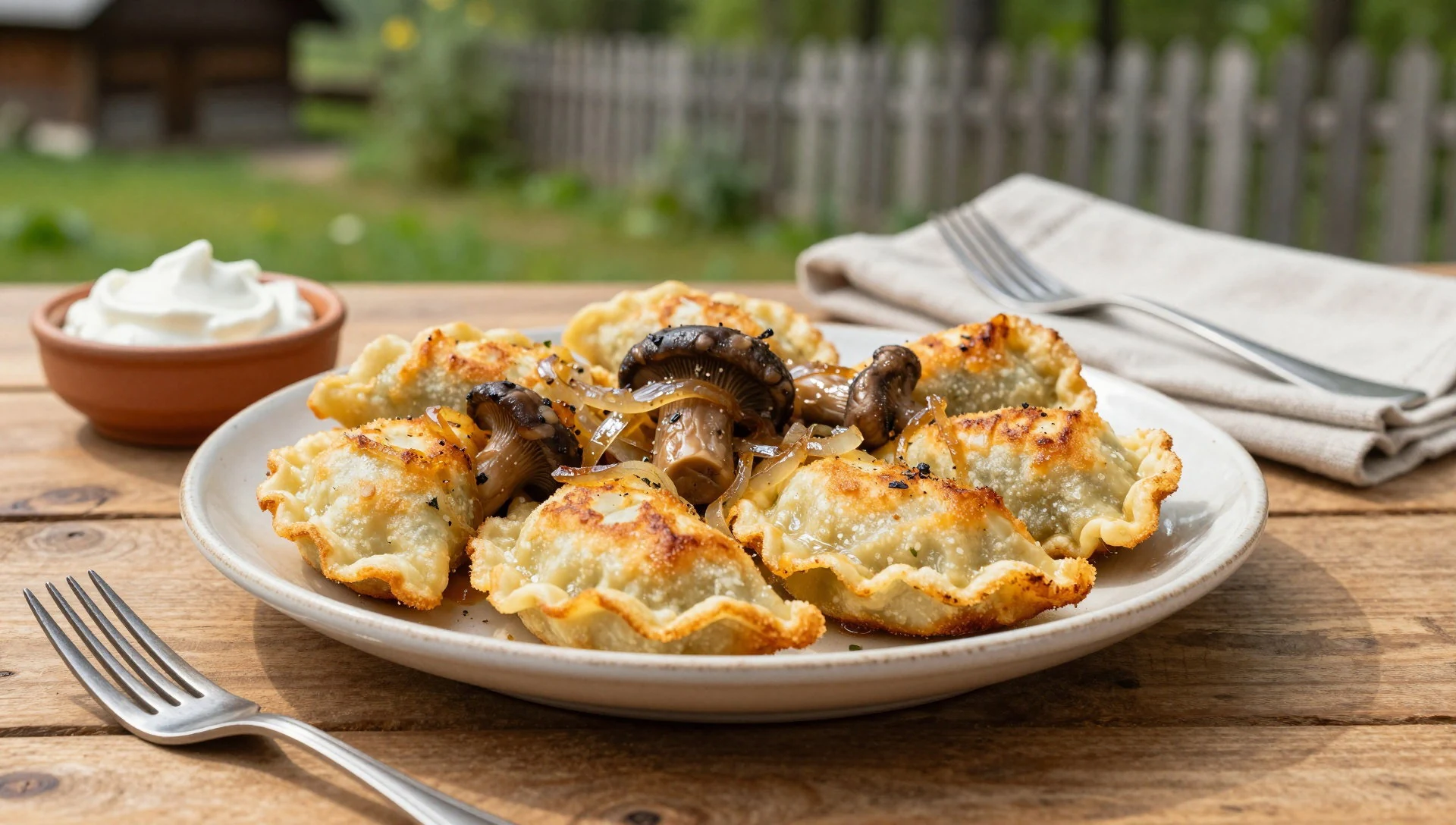
- Smoked or roasted meats — Family-run restaurants and regional eateries
In the region, you’ll come across simple meat dishes that suit outdoorsy days—roasted or smoked options that pair well with sides like potatoes or pickles. These are easy wins when you want something warming without fuss. - Markets’ seasonal produce and bites — Local markets in nearby towns
For daytime energy, look for stalls selling seasonal vegetables, bread, and quick snacks. It’s a practical way to keep the day flexible if you’re spending hours on trails and don’t want to commit to one fixed sit-down meal. - Fresh bread and simple desserts — Bakery-style cafés and dessert counters
After a walk, a warm bread roll or a straightforward sweet dessert is often better than chasing something complicated. Choose places that bake daily or serve straightforward classics—comfort travels well in weather like this.
Plan it
Best time. June to August is the warmest stretch, while May and July are among the wetter months; for a balanced mix of mild temperatures and lower rain, late autumn (especially November) can feel brisk but manageable.
How long. 3–4
Getting there. There’s no international airport in Podlaskie Voivodeship. Fly into Warsaw’s Frederic Chopin Airport (WAW) or Modlin Airport (WMI), then take onward train or bus connections from towns in Podlaskie Voivodeship; if you’re coming from further afield, Vilnius (VNO) or Kaunas (KUN) can be closer for parts of the region. The last leg is by local road to your base near the forest.
Budget. mid
Tips
- Build in slow hours: Białowieża is about walking and waiting, not ticking off quick sights.
- Start early when you can to get calmer conditions before later-day crowds in popular areas.
- If you’re planning busier logistics, check in advance what parts of the forest you can access on the day you arrive.
- Carry cash for smaller places and use cards only where they’re clearly accepted.
- Pack waterproof layers; the forest experience changes fast when the weather turns.
Etiquette
- Stay on marked paths and follow conservation rules, especially in managed areas.
- Keep noise down—this is a wildlife landscape, not a loud sightseeing zone.
- Avoid flash photography and respect any guidance around animals.
Nearby
Sources
- Wikidata Q192666 (CC0)
- Wikipedia (Białowieża Forest, grounding only) (CC BY-SA 4.0)
- Wikivoyage (Podlaskie, grounding only) (CC BY-SA 4.0)