Biebrza National Park
Biebrza National Park, Poland
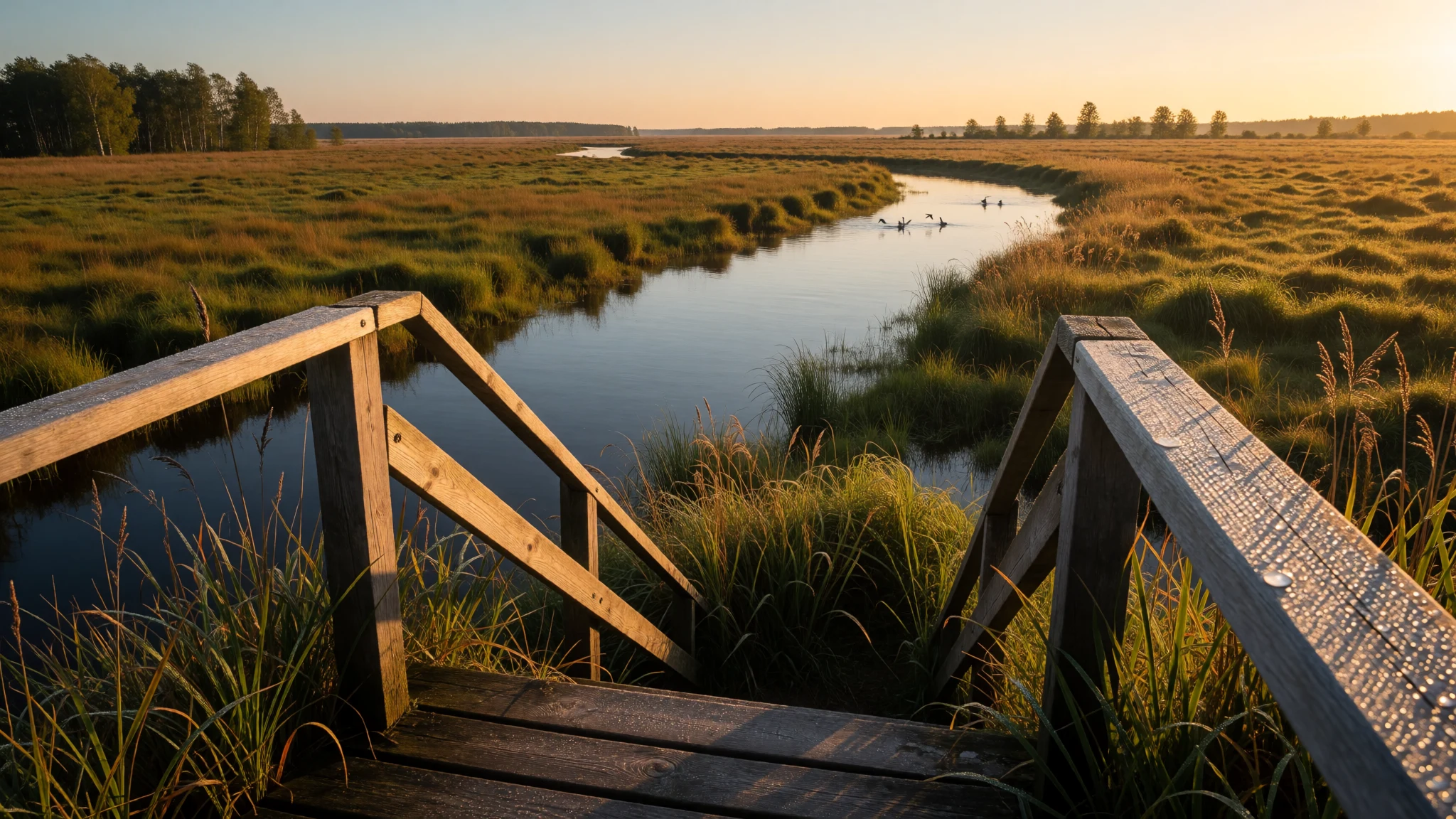
Biebrza National Park is a reed-choked wetland that feels quietly wild, with big skies and wildlife watching at close range.
The place
Biebrza National Park (Biebrzański Park Narodowy) sits in Podlaskie Voivodeship in north-eastern Poland, strung along the Biebrza River. It’s the kind of place where the landscape does the talking: broad marshes, soft meadows, and patches of forest that change character with the season.
The park’s scale is part of the appeal. It covers about 592.23 km², and that area is split between forest (about 155.47 km²), meadows and fields (about 181.82 km²), and marshland (about 254.94 km²). In practice, that means long, watery sightlines, reed beds that make the edges of the world look blurry, and paths or viewpoints that feel like they’re aiming straight at the river.
Compared with Poland’s more famous national parks, Biebrza is usually calmer and more observational than postcard-packed. Expect fewer tour buses and more early-morning hush. Wildlife is the main “attraction”: birds frequent the wetlands, and the rhythm of the day revolves around light, wind direction and how water levels are behaving.
Crowds aren’t the headline here, but conditions can be. Warm months bring insects; wetter periods can make ground and boardwalks feel damp underfoot; and some areas are best approached slowly rather than with big strides. The best time to go depends on whether marsh plants and birds are “performing” for that part of the year, but overall, Biebrza rewards patient walking, binoculars, and a willingness to let the landscape set the pace.
Its story
Biebrza National Park’s story is a reminder that wetlands are not just ecology—they’re geography, too. The river valley has long been a corridor where peoples and influences moved through north-eastern Europe, and the park’s modern protection sits on top of many layers of older history.
Early medieval centuries left this stretch of country contested, with power and control shifting between the Kingdom of Poland, the Grand Duchy of Lithuania, and Baltic groups. After the union between the Kingdom of Poland and the Duchy of Lithuania in 1385, Podlasie became a central part of the Jagiellonian state, positioned along major trade routes running from towns on the Vistula toward Vilnius.
That crossroads status shows in the cultural imprint: during the Polish–Lithuanian Commonwealth, baroque palaces, churches and synagogues were built, and the region also drew communities including Roman Catholics, Greek Catholics, Orthodox Christians and Jews. The 17th century also saw the arrival of the Moslem Tatars.
Later, political maps kept changing. After the Third Partition of Poland in 1795, territory moved under the Russian Empire; the Congress of Vienna shifted it again between different forms of rule. After the First World War it joined the Second Polish Republic, then faced occupation by the Soviet Union in 1939–1942 and by Germany in 1942–1944.
Today, when the park was created on 9 September 1993, the emphasis moved from borders and armies to conservation. Out on the marshland, you can still feel that old strategic logic in the way paths follow water and landforms—except now the “movement” to watch is birds, not armies.
What to see
- Marshland viewpoints along the Biebrza River — Biebrza river valley
Marsh edges and river sightlines are where Biebrza clicks. Look for boardwalks or raised viewpoints that keep you above the wet ground, and aim for calm conditions so you can hear birdsong and reed movement.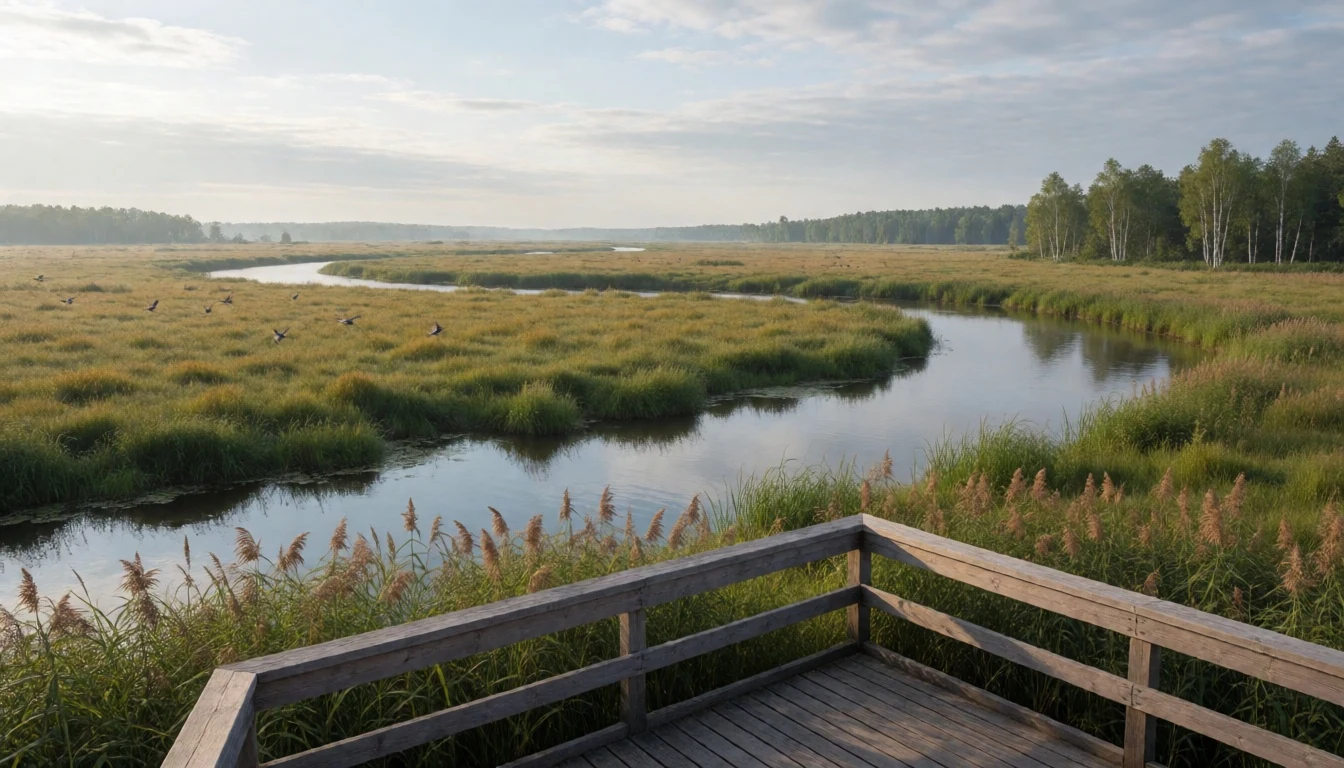
- Reed beds and waterways — Marsh meadows
Reed stands create the park’s signature texture—dense, rust-coloured walls that swallow reflections and soften distance. Watch the waterline and take slow walks; wildlife often uses the narrow margins between open water and reeds.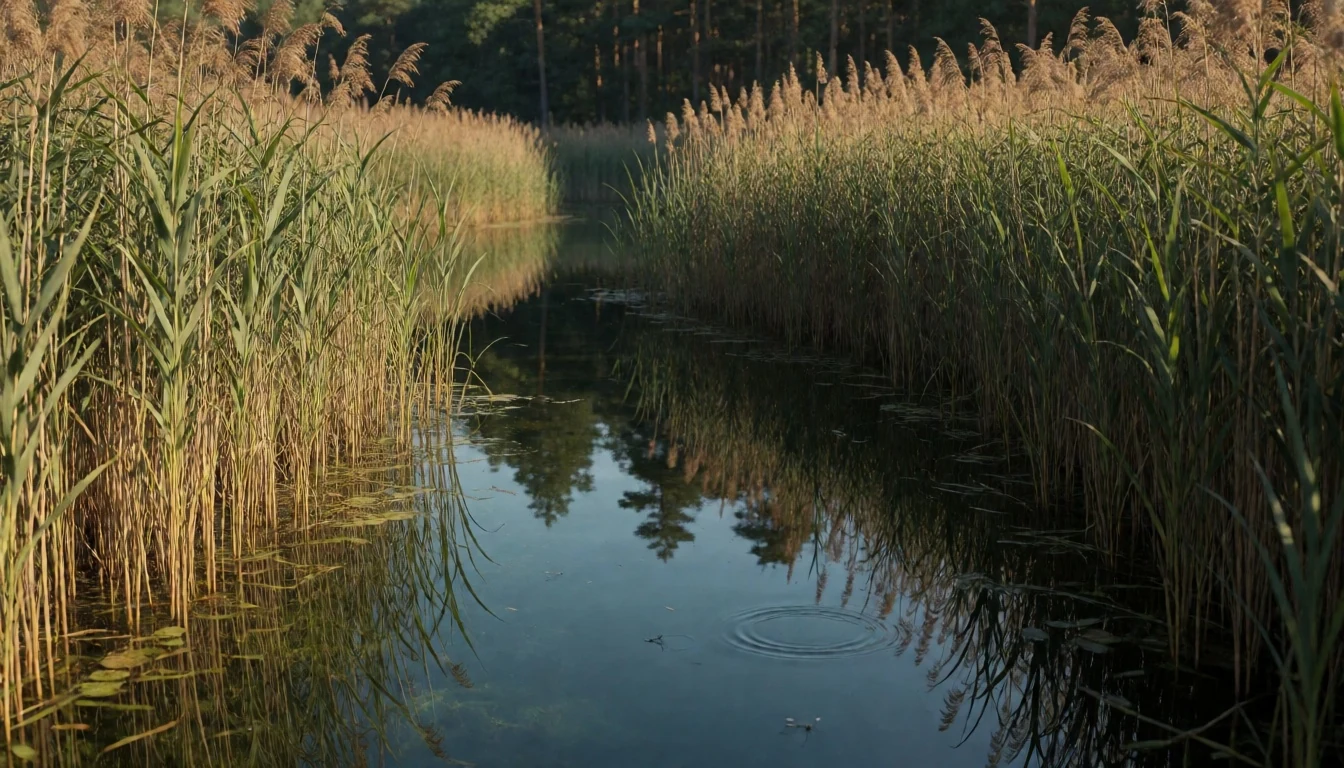
- Canal Rudzki landscapes — Rudzki water systems
Photographs from Canal Rudzki show how the park can look both open and secretive: bands of grass, slow-moving water channels, and protected-area features that frame long views. It’s excellent for leisurely, low-speed exploring.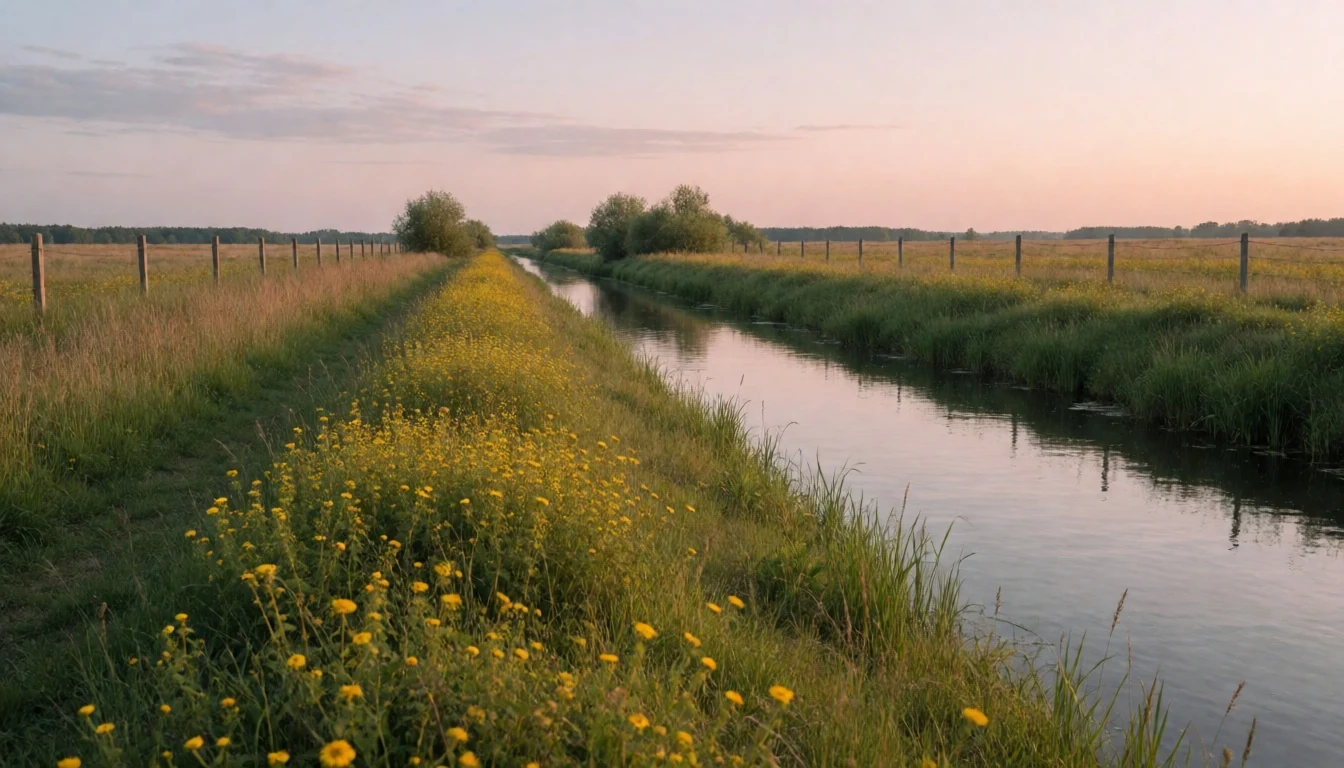
- Forest patches on higher ground — Wooded pockets
Biebrza isn’t only marsh. Forest-covered sections break up the horizon and can feel cooler, especially when the surrounding wetlands bake under sun. A shaded walk here is a good contrast day after day.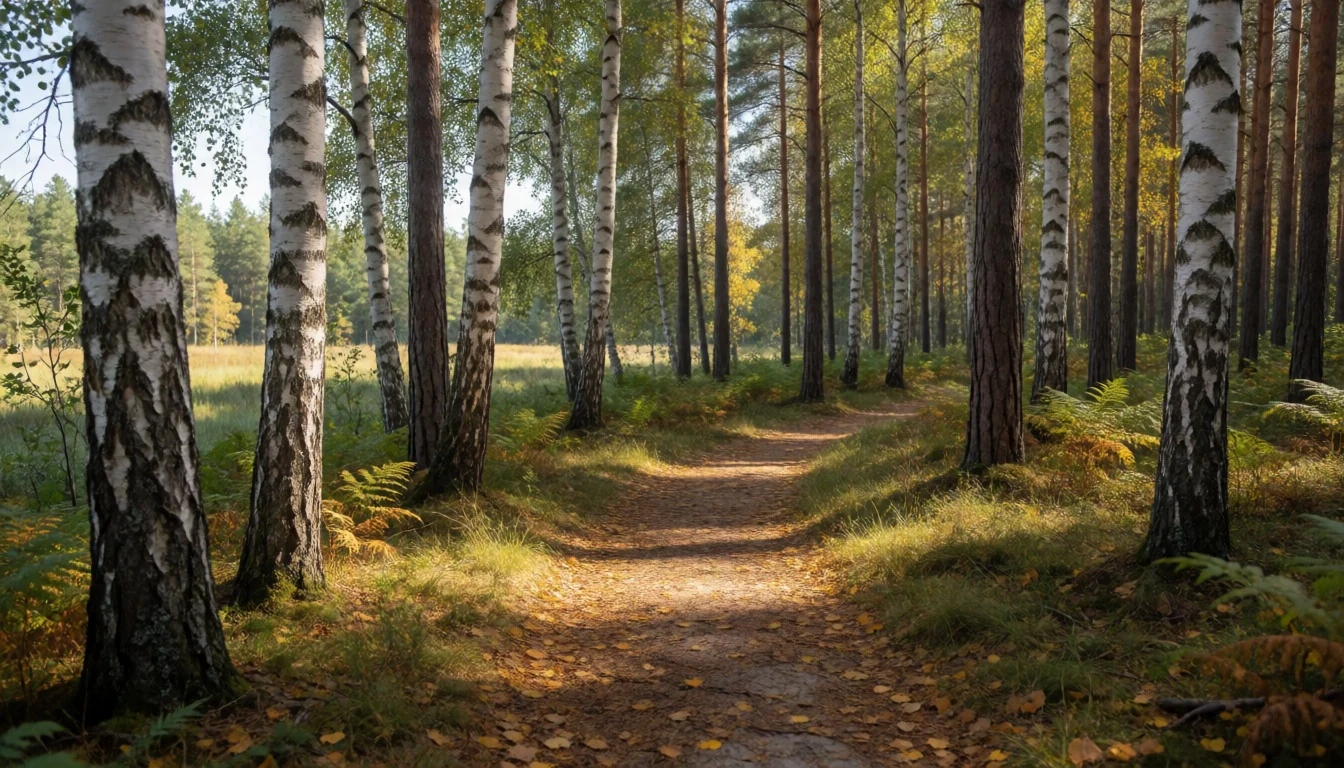
- Small settlement-adjacent walks — Park edges
Because the park spans a wide area, you’ll often start from the edges and villages rather than deep inside. Those outer walks help you see how farmland, meadows, and protected wetlands blend together in real life.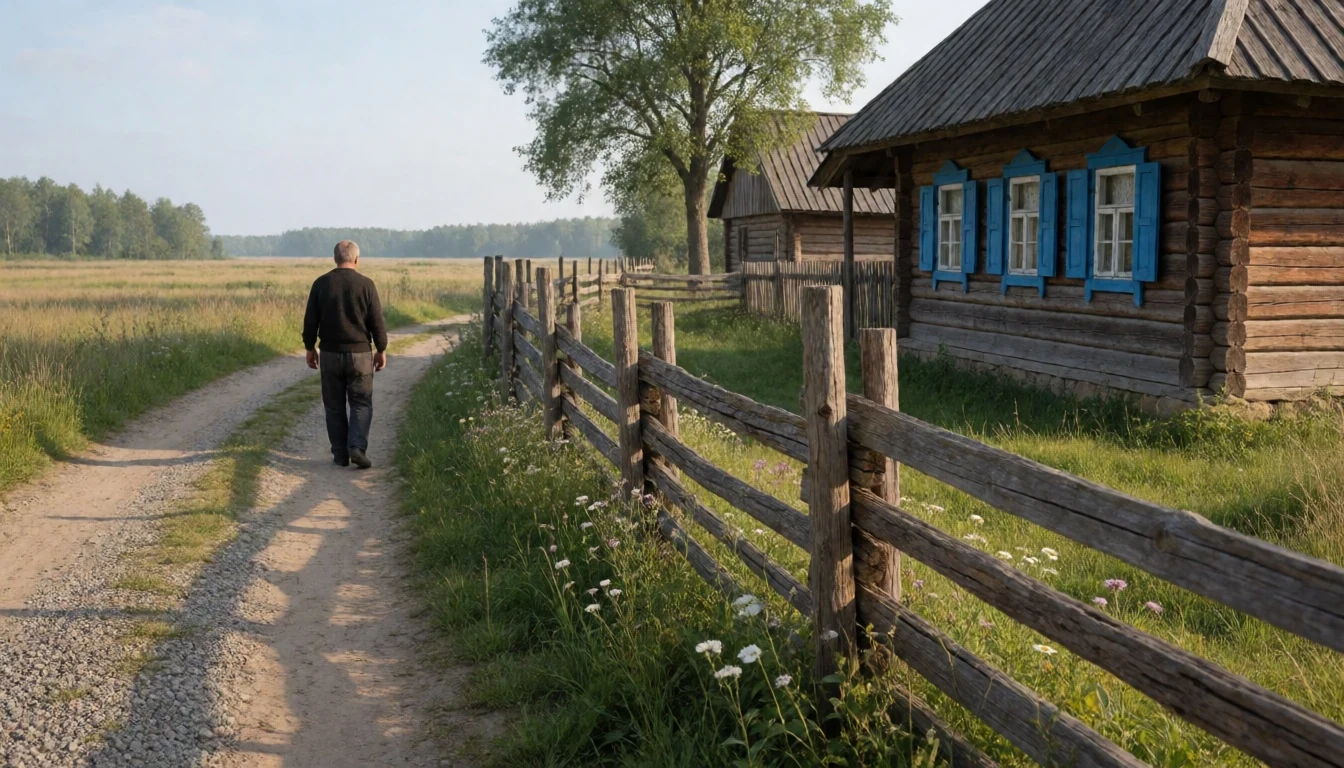
Culture
Biebrza National Park’s “culture” is mostly about living next to water—using the wetlands as a landscape, not trying to dominate it. Podlaskie Voivodeship has a history of multiple faiths and communities, and the park sits inside that broader region. In day-to-day terms, the visitor experience is practical: walking gently, respecting signage, and accepting that wetlands are dynamic. Paths can be muddy even when the forecast looks fine; reeds and water levels can make some routes feel more or less accessible from one year to the next.
For visitors, the best approach is to travel light and move quietly. Wildlife spotting works better when humans aren’t noisy and when movements are slower than the landscape itself. If a viewpoint is crowded, it’s better to wait for a gap than to press forward—marsh birds aren’t used to sudden human changes.
Also, dress for the weather and for the ground: insect protection matters in warmer months, and waterproof footwear helps more than “city” trainers. Bring binoculars if that’s part of the plan, and keep an eye on how wind carries sound across open wetlands.
Visitor etiquette: stay on marked paths/boardwalks and don’t disturb birds or other wildlife while photographing.
What to wear
In Biebrza National Park, the traditional dress story is less visible on the trails than in town centres, but the day-to-day clothing rules are very clear because the terrain is wetland. For visiting in a typical season, wear breathable layers: long trousers (not shorts) protect legs from insects and reeds, and a waterproof outer layer helps when humidity rises or ground gets soggy.
What people wear now around Podlaskie is usually practical—jackets, long sleeves, and sturdy footwear for walking. In colder periods, warm socks and a hat make a noticeable difference, while in warmer months light long sleeves and a top layer that can be removed quickly are comfortable.
For a visitor, aim for “nature boots + layers”. Closed footwear is essential because some paths feel damp and uneven, and open shoes can become uncomfortable fast. If visiting in rain, a waterproof jacket and water-resistant trousers are more reliable than an umbrella near boardwalks.
There isn’t a single “required” clothing style, but modest, practical clothes fit the environment and the general comfort norms. For photo days at viewpoints, keep a spare layer in a day bag so temperature swings don’t catch anyone off guard.
What to eat
- Hearty Polish-style soups — Local restaurants on the park approach routes
Look for classic warming bowls such as beet-based soup or cabbage-heavy options in local eateries and village restaurants near the park approach roads.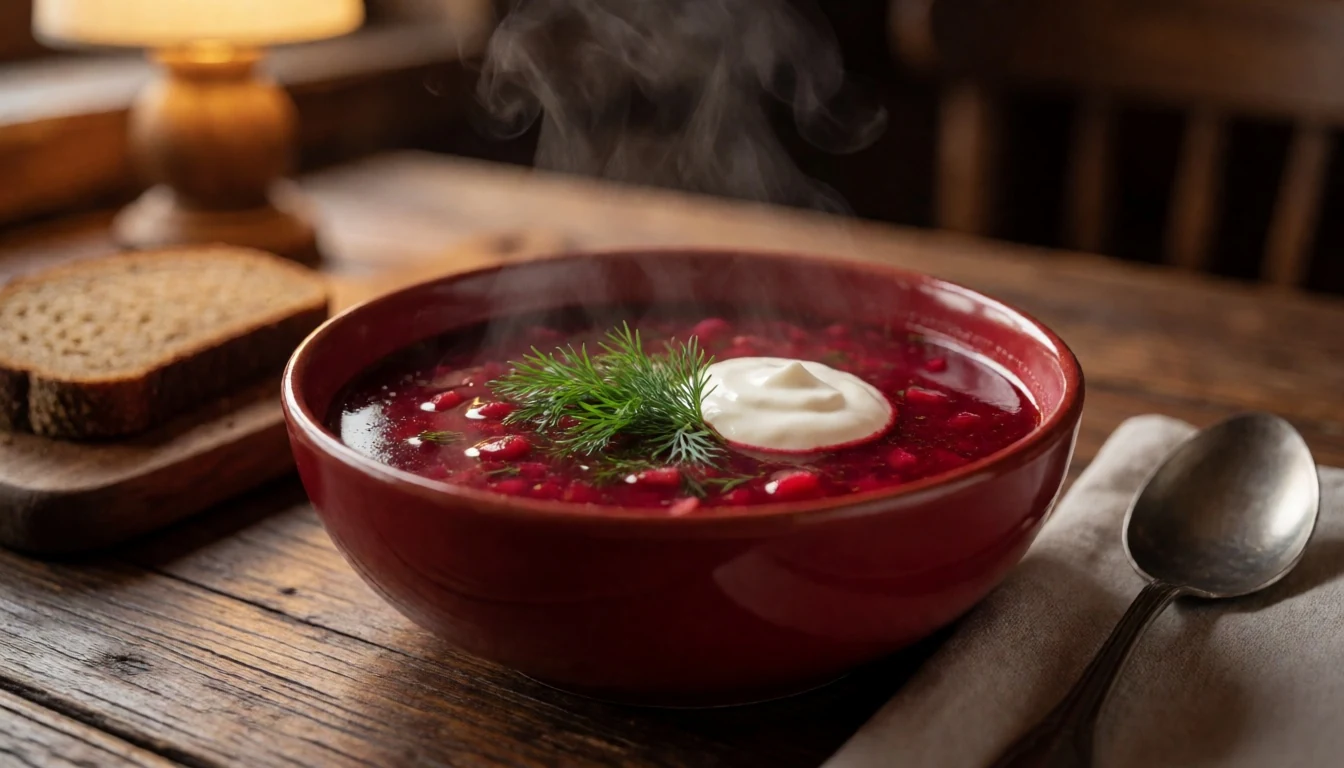
- Pierogi (dumplings) — Everyday eateries and village cookers nearby
Pierogi are a common comfort food across north-eastern Poland. In this area, you’ll often find them with potato/cheese or seasonal fillings at everyday restaurants and local food spots.
- Grilled meats and sausages — Town-centre restaurants and casual grill counters
Simple, filling grill food is widely available when you stop in nearby towns—especially good for a post-walk meal when the weather has been cool or wet. - Seasonal mushrooms or forest foraged flavours — Local restaurants with seasonal menus
Given the mix of forest and meadow around Podlaskie, you can sometimes spot mushroom dishes and rustic sides when the season supports it in local menus. - Breads and farmhouse dairy sides — Family-run restaurants and local cafés
Polish meals around this region often come with rye-style breads and simple dairy accompaniments. They’re easy to order and work well after long, windy walks.
Plan it
Best time. March–April and October–November for comfortable outdoor conditions; late autumn often feels crisp around the wetlands. Summer can be hot and humid, and July and August tend to be the wettest months.
How long. 3–4
Getting there. Fly into Warsaw (Frederic Chopin Airport or Modlin Airport), then continue by train or bus towards Białystok and onwards to areas such as Augustów and Suwałki; the last legs to the park are typically by regional connections or car.
Budget. mid
Tips
- Base plans on the Biebrza River area and expect longer walking times than on flat city streets.
- Start early to make the most of calmer conditions and better wildlife activity windows.
- If travelling by train, allow time for connections between Warsaw/nearby hubs and Białystok onward routes.
- Carry water and insect protection in warmer months—wetland edges can feel muggy.
- Check the official park website before heading out for the latest access guidance.
Etiquette
- Stay on marked trails and boardwalks—wet ground can be fragile even when it looks stable.
- Keep noise down near viewpoints so birds aren’t startled from feeding areas.
- If multiple groups are waiting, let others finish their shots before moving into the same spot.
Nearby
Sources
- Wikidata Q609383 (CC0)
- Wikipedia (rev 1364821918) (CC BY-SA 4.0)
- Wikivoyage (rev 5251499) (CC BY-SA 4.0)
- Photo photos/01-poland-biebrza-burzyn.jpg (CC BY-SA 2.5)
