Biskupin
Biskupin, Poland
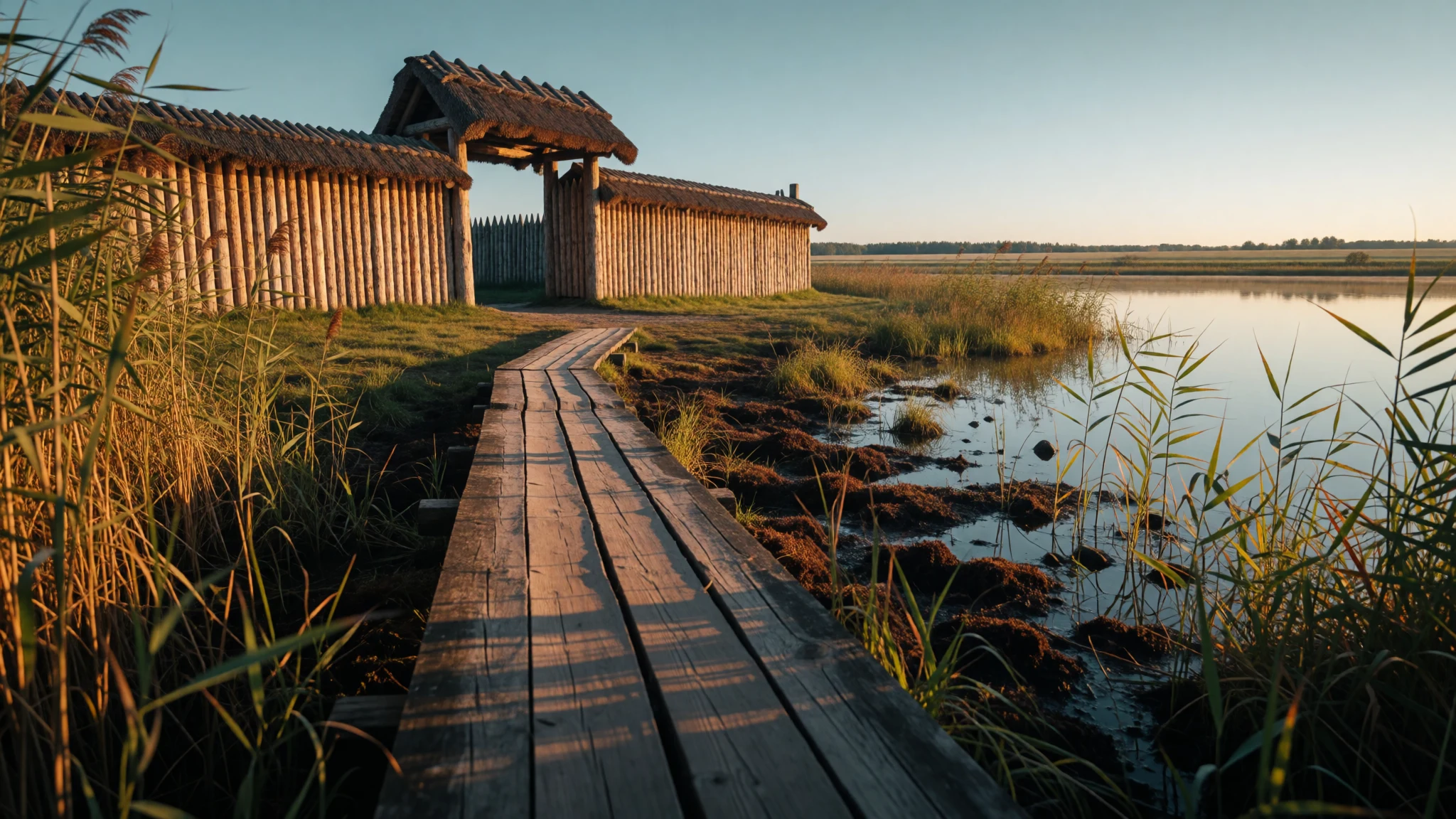
Biskupin offers a rare chance to walk through a meticulously reconstructed Bronze Age fortress perched on a quiet Polish marshland.
The place
Biskupin stands as a remarkable archaeological open-air destination situated upon a tranquil marshy peninsula within Lake Biskupin in north-central Poland. Geographically, the location occupies a quiet rural landscape characterised by reeds, open water, and flat agricultural fields, positioned a short distance south of the small town of Żnin. Visitors arriving at Biskupin encounter an expansive outdoor campus dominated by sturdy timber fortifications, thatched longhouses, and narrow wooden boardwalks stretching over damp, peat-rich ground. The surrounding waters of Lake Biskupin mirror the vast Central European sky, creating an atmospheric setting that feels entirely detached from modern industry. As a functioning museum and research site, the area preserves tangible evidence of ancient community planning, complete with parallel residential streets and defensive palisades built entirely from locally harvested timber. The environment shifts dramatically with the seasons; summers bring lush green reeds and warm sunlight filtering across the water, while autumn envelopes the peninsula in mist, muting the landscape into tones of amber and grey. Walking among the reconstructed dwellings reveals the ingenious ways ancient builders adapted to wet, unstable terrain, driving thousands of wooden piles into the marshbed to secure their homes against dampness and intruders alike. The air carries the scent of damp earth and old pine, reinforcing the sense of stepping directly into a distant prehistoric era.
Its story
The story of Biskupin began when a local schoolteacher and his students noticed unusual wooden fragments protruding from the soil, setting off an archaeological sensation that captured the national imagination. Researchers from a nearby university initiated large-scale excavations during the nineteen-thirties, unearthing remarkably intact structural timbers preserved by the acidic, waterlogged peat of the peninsula. Public fascination grew rapidly, with journalists and officials dubbing the discovery a vital symbol of indigenous heritage and resilience. When occupying forces took control during the Second World War, the site was renamed and subjected to different ideological excavation campaigns before retreating troops attempted to flood the area in a bid to cause destruction. Ironically, submerging the peninsula under water preserved the ancient organic material even further, shielding the wooden foundations from oxygen and decay. Post-war archaeologists returned to pump out the water and resume meticulous scholarly work, eventually establishing the location as an independent museum managed by regional authorities. Over decades of careful preservation and study, experts confirmed that the settlement belonged to a distinct regional group dating back centuries before the common era, reshaping modern understanding of prehistoric European civilisation and community organization. Today, the enduring legacy of those initial twentieth-century discoveries continues to draw scholars and curious travellers alike to the peaceful shores of the lake.
What to see
- Archaeological Museum in Biskupin — Main museum pavilion on the peninsula
This primary exhibition hub houses thousands of artefacts recovered from the surrounding peatlands, including pottery shards, bronze ornaments, and tools used by ancient craftspeople. Visitors can examine detailed displays explaining excavation techniques and prehistoric daily life before stepping outside to explore the full-scale outdoor reconstructions.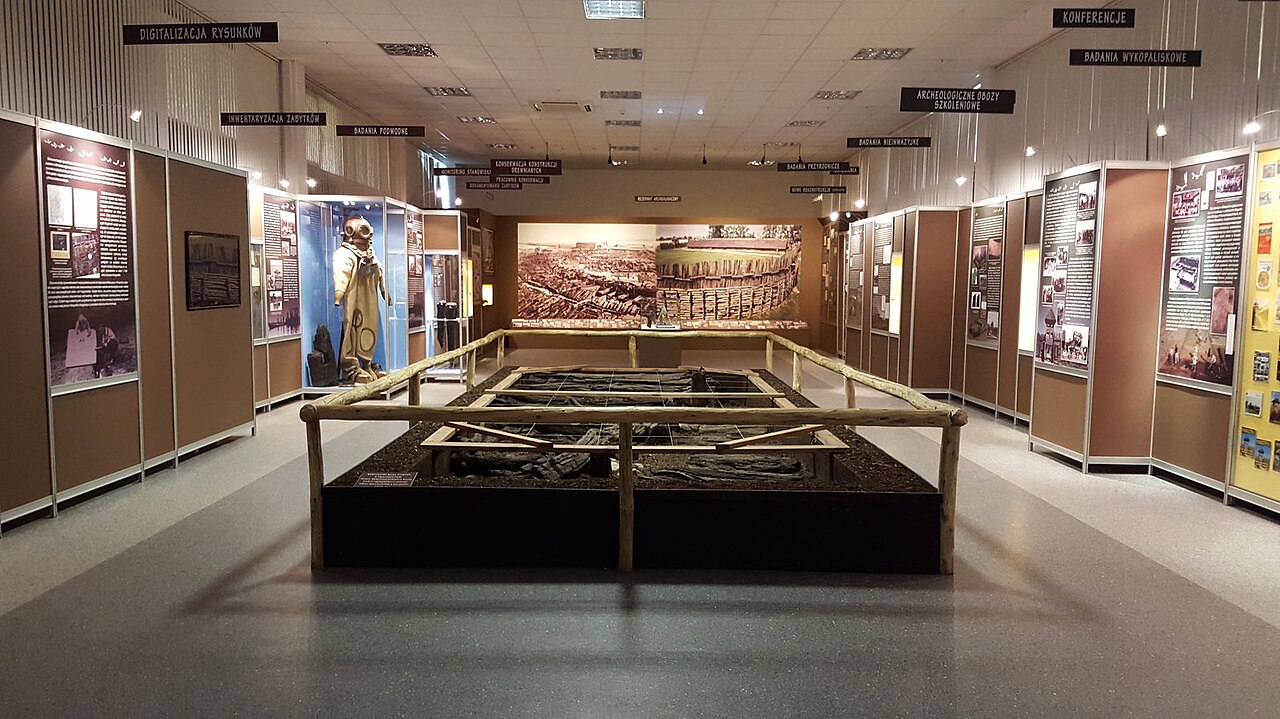
- The Reconstructed Entrance Gate and Ramparts — At the southern approach to the settlement
Towering wooden walls and a massive fortified gateway recreate the defensive architecture designed by Bronze Age inhabitants to protect their island community. Walking along the elevated rampart walkway provides an expansive view over the entire settlement layout and the surrounding lake waters.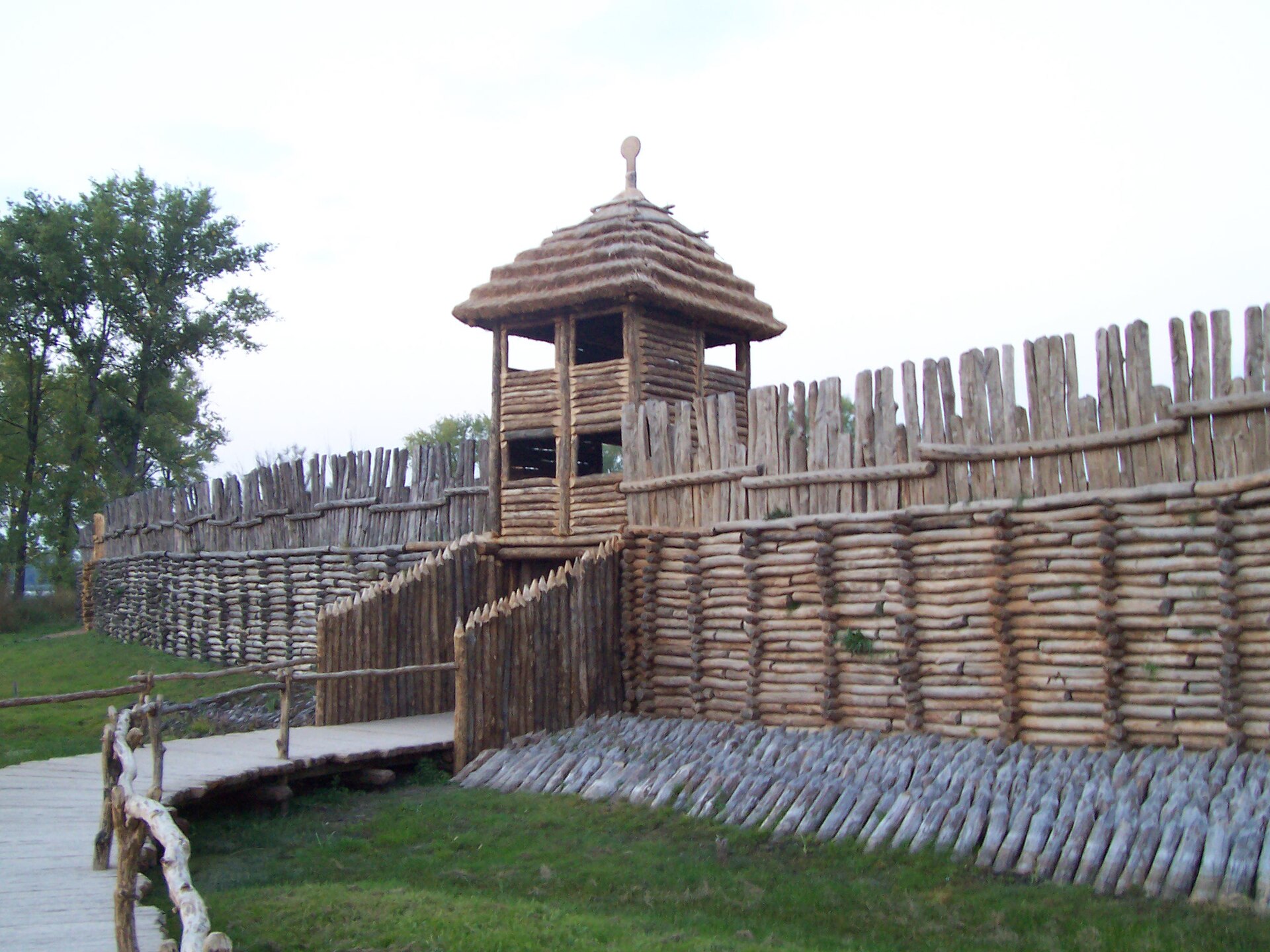
- Narrow Gauge Railway Museum in Wenecja — Nearby village of Wenecja
Located a short distance away in the neighbouring village of Wenecja, this charming heritage site features vintage steam locomotives, historic carriages, and railway machinery reflecting regional transportation history. Visitors can often ride a nostalgic narrow-gauge train that connects the surrounding historic settlements. - Lake Biskupin Shoreline and Marshlands — Surrounding the peninsula
Quiet walking trails meander along the reedy banks of the lake, offering peaceful views of the wetland ecosystem and birdlife inhabiting the protected nature areas. These natural paths allow travellers to experience the quiet, untouched character of the Greater Poland countryside.
Culture
Biskupin reflects a deeply rooted Polish respect for national heritage, archaeology, and the preservation of ancient roots against the backdrop of Central European history. The local community takes immense pride in maintaining the open-air site and hosting annual archaeological festivals that draw craftspeople, experimental historians, and families from across the country to celebrate traditional skills such as pottery, bronze casting, and weaving. Visitors will find an atmosphere of quiet curiosity and educational dedication, where staff and researchers are eager to share insights into prehistoric daily routines. Traditional rural customs of the Greater Poland region influence local hospitality, marked by straightforward friendliness, hearty food, and a strong appreciation for the natural landscape. Traditional Polish etiquette applies here: greet staff and shopkeepers with a polite day-time greeting, keep voices moderate inside exhibition halls, and always ask permission before photographing local artisans dressed in historical garb during special events. Please refrain from climbing on exterior structural timbers or touching fragile reconstructed building elements within the open-air enclosure.
What to wear
At Biskupin, traditional historic attire is reserved for living history festivals and educational demonstrations, where participants wear replica wool tunics, linen garments, and animal pelts styled after Lusatian culture discoveries. In daily life, locals and museum visitors dress in practical, contemporary casual wear suited for outdoor exploration in a rural environment. Because Biskupin is an open-air archaeological park exposed to shifting weather conditions from the lake, your packing should prioritise comfort and utility. Sturdy walking shoes or trainers are essential for navigating gravel paths, uneven wooden boardwalks, and damp grassy areas. Layered clothing works best throughout the year, including a windproof jacket or fleece for breezy days by the water, along with a waterproof shell during rainy periods. Sun protection such as a cap and sunglasses is recommended for clear summer afternoons spent walking across unshaded open grounds.
What to eat
- Pierogi — Traditional roadside inns and museum food kiosks
Classic Polish dumplings filled with seasoned minced meat, forest mushrooms, or cottage cheese and potato, served warm with crispy onions. - Żurek — Regional restaurants around Żnin and local eateries
A hearty, slightly sour rye soup enriched with smoked sausage, garlic, and hard-boiled eggs, traditionally served in a hollowed-out bread bowl. - Bigos — Country inns throughout the Greater Poland region
The iconic Polish hunter's stew combining slow-cooked fresh cabbage, sauerkraut, assorted pieces of roasted meat, and wild forest mushrooms. - Kotlet Schabowy — Family-run restaurants near the lake
A tender breaded pork cutlet fried golden and crisp, typically served alongside boiled potatoes and seasonal salads or pickled cucumbers. - Regional Honey Cake — Village bakeries and museum gift shops
A spiced local pastry sweetened with natural regional honey and layered with traditional preserves or nut fillings.
Plan it
Best time. May to September offers the most pleasant weather for exploring the outdoor museum and participating in summer archaeological festivals; winters are cold and damp.
How long. 1–2
Getting there. Drive by car from Poznań or Bydgoszcz via local routes towards Żnin and follow brown heritage signs to Biskupin; public transit to the village is extremely limited.
Budget. low
Tips
- Wear comfortable, sturdy footwear suitable for walking on uneven wooden boardwalks and damp grass
- Check the official museum website in advance for seasonal opening hours and special festival dates
- Bring cash for smaller souvenir stalls, parking fees, and local food kiosks
- Arrive early in the morning during peak summer months to enjoy quieter paths around the lake
Etiquette
- Greet staff politely when entering exhibition spaces and shops
- Do not climb on reconstructed prehistoric walls or touch fragile display timbers
- Ask permission before photographing artisans in historical costume
Nearby
Sources
- Wikidata Q866393 (CC0)
- Wikipedia (rev 1384669316) (CC BY-SA 4.0)
- Wikivoyage (rev 5015226) (CC BY-SA 4.0)