Gdynia
Gdynia, Poland
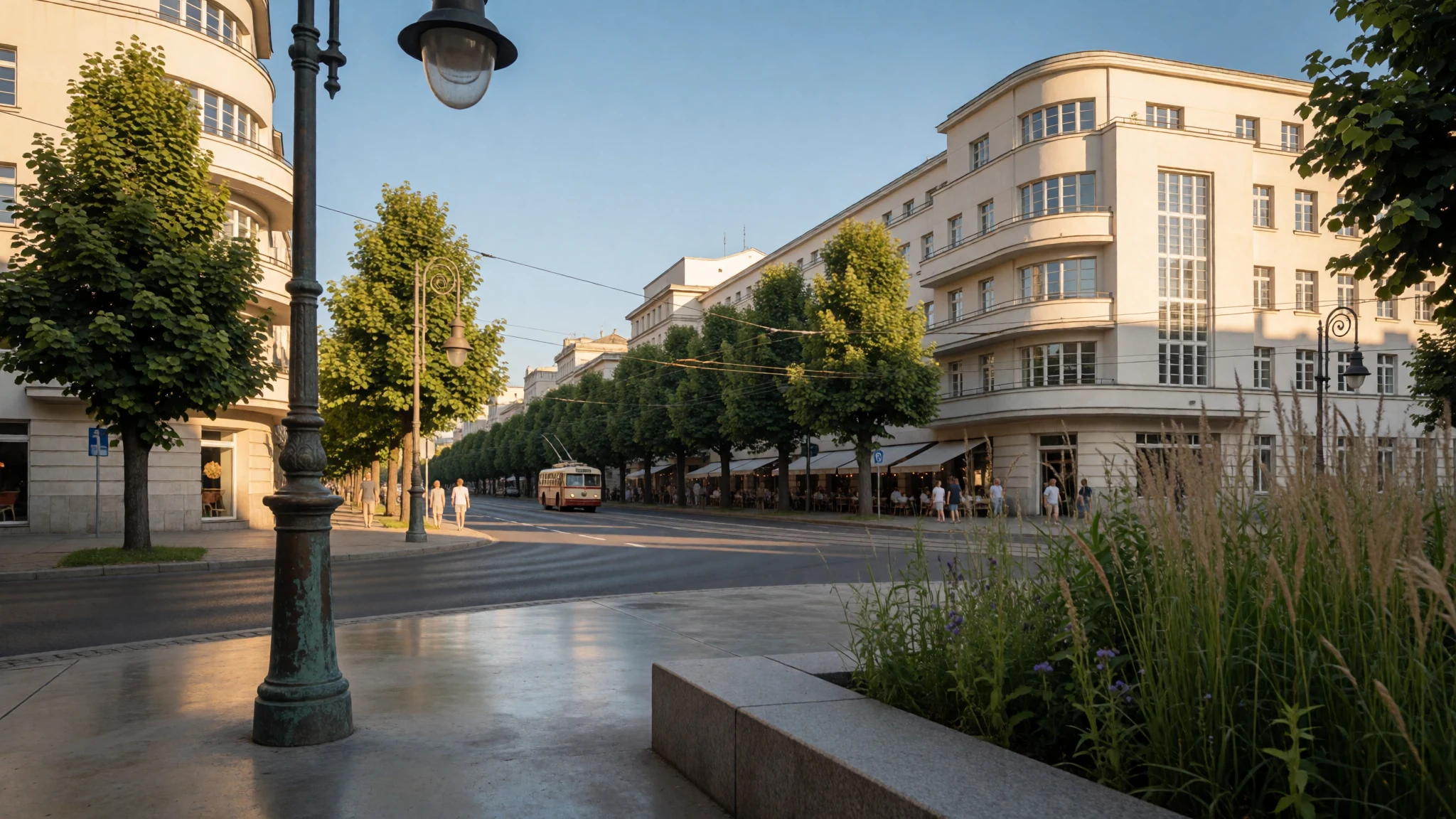
Gdynia offers a refreshing seaside escape combining ambitious modernist architecture, maritime history, and vibrant Baltic beaches alongside its Tricity neighbours.
The place
Gdynia stands proudly on the southern coast of the Baltic Sea in northern Poland, functioning as a vital seaport and a major urban centre. While it shares a bustling metropolitan conurbation known as the Tricity with the historic city of Gdańsk and the neighbouring spa town of Sopot, Gdynia maintains a distinct identity. It holds the unique status of being the largest city in the nation that does not serve as a voivodeship capital. For centuries, the location remained nothing more than a modest fishing village within the historical region of Kashubia and Eastern Pomerania. Everything shifted dramatically in the twentieth century when urban planners transformed the coastline into a thriving gateway to the sea, granting it city rights and anchoring its reputation as a marvel of interwar functionalist design. Today, travellers arriving in Gdynia encounter a striking urban landscape characterised by clean geometric lines, white modernist edifices, and wide thoroughfares that open directly onto sandy waterfronts. The harbour area remains constantly active, welcoming huge passenger cruise liners, ferries departing for Scandinavia, and working cargo vessels. Behind the sleek waterfront, residential neighbourhoods climb gently into green surrounding hills, offering sweeping vantage points across the gulf. Visitors walking through the downtown core can observe how carefully preserved interwar architecture sits comfortably alongside contemporary cafes, bustling municipal markets, and breezy seaside promenades that connect the harbour directly to neighbouring coastal dunes.
Its story
The historical narrative of Gdynia is deeply tied to the shifting borders and maritime ambitions of the Pomeranian coast. Long before any urban grid was drawn, the surrounding territory served as a prominent centre for the ancient Oksywie culture, eventually populated by Lechites and touched by early Baltic Prussian influences. By the late tenth century, the first historic ruler of Poland integrated the region into the emerging Polish state, though feudal fragmentation and regional secessions meant the affiliation fluctuated over subsequent generations. The earliest written record explicitly naming Gdynia as a Pomeranian Kashubian fishing hamlet appeared in the thirteenth century, accompanied by the construction of the area's very first coastal church. A major turning point occurred when the Teutonic Order annexed the lands, placing them under external rule before ecclesiastical control was established through local monastic gifts. For generations, the settlement remained quiet and rural, bypassed by major European conflicts while locals lived off the cold Baltic waters and small-scale agriculture. The twentieth century brought a radical transformation when the Polish state required an independent maritime hub, leading to massive engineering works that dredged a modern harbour out of humble marshlands. This rapid economic expansion drew thousands of workers and architects who constructed an entire city from scratch in a distinct modernist style. Decades later, the fierce industrial spirit of the Baltic coastline manifested in dramatic local protests that ultimately helped catalyse the nationwide Solidarity movement, forever cementing the region's legacy of resilience and worker solidarity.
What to see
- ORP Błyskawica — Gdynia Harbour
This historic World War II destroyer has guarded the Polish Navy's legacy since before the conflict began. Visitors can step onto the weatherdecks to inspect massive artillery batteries, tour the compact engine rooms, and explore detailed naval exhibitions displayed in the hull. - Gdynia Aquarium — Municipal seafront
Operating for decades along the waterfront, this premier marine zoological institution brings visitors face-to-face with fascinating aquatic life from both the Baltic Sea and tropical coral reefs. Educational exhibits highlight fragile marine ecosystems, local fish species, and colourful aquatic plants. - Dar Pomorza — Passenger Quay
Moored permanently as a floating museum, this majestic three-masted tall ship once served as the primary training vessel for generations of Polish sailors. Walking its wooden decks offers an evocative glimpse into the rigorous, wind-powered traditions of twentieth-century maritime navigation. - Kamienna Góra — Central district
Rising sharply just steps from the city centre, this green residential hill rewards climbers with panoramic vistas stretching across the entire harbour, the urban rooftops, and the distant sandy spit of the Hel Peninsula. A modern public funicular provides effortless access to the peak. - Emigration Museum in Poland — French Quay
Housed within the historic maritime passenger station where countless travellers once boarded ships for foreign shores, this engaging museum traces centuries of Polish migration. Moving multimedia installations explore how journeys across the globe shaped both the homeland and host nations.
Culture
Gdynia pulses with a dynamic cultural calendar that reflects its status as a modern European coastal hub. Each autumn, the city draws filmmakers and cinephiles from across the continent to celebrate domestic cinema at the prestigious Gdynia Film Festival. During the summer months, the sprawling outdoor grounds transform for the massive Open'er Festival, welcoming tens of thousands of music enthusiasts to enjoy legendary rock, electronic, and hip-hop acts on giant stages by the sea. Warm weather also brings beach parties and vibrant community gatherings, including the music-filled CudaWianki events that welcome the summer solstice. Culturally, the population retains a deep pride in its Kashubian heritage, visible in regional linguistic traditions, folk motifs, and hearty coastal cuisine. Despite its fast-paced industrial origins, the community values outdoor recreation, fitness, and artistic expression, blending maritime industriousness with a relaxed resort atmosphere. When entering traditional churches or attending solemn national commemorations in the city, dress modestly and maintain a respectful, quiet demeanour.
What to wear
Traditional attire from the broader Pomeranian and Kashubian regions features distinctive embroidered wool vests, pleated skirts, and elaborate floral headpieces historically worn by women during festive village celebrations and religious holidays. Today, however, residents in Gdynia dress in a contemporary European style that balances practical urban wear with coastal leisure comforts. Because the city experiences brisk sea breezes and shifting weather patterns coming off the Baltic, layering is a standard daily habit for locals. Young professionals and students frequenting the downtown avenues favour minimalist jackets, comfortable trainers, and durable denim. For visitors exploring the city, comfortable walking shoes are essential for navigating both the modernist street grid and the sandy shoreline paths. During the summer months, casual resort wear such as linen shirts, lightweight trousers, and sunglasses dominate the public beaches and marina promenades. When visiting in the cooler months, a windproof winter coat, scarf, and warm gloves are necessary to comfortably withstand the chilly coastal air.
What to eat
- Traditional Pierogi — City centre pierogi bars
These beloved Polish dumplings come stuffed with fillings ranging from savoury minced meat and wild mushrooms to sweet seasonal fruits. Sample them steaming hot at casual downtown eateries and traditional dumpling houses tucked along the main avenues. - Gdyńska Zapiekanka — Municipal market kiosks
An iconic Polish street food classic consisting of an open-faced toasted baguette loaded with sautéed mushrooms, melted cheese, and savoury toppings. Grab one hot from bustling kiosks near the municipal market halls. - Baltic Herring and Flounder — The port and waterfront bistros
Freshly caught from cold northern waters, local fish is served pan-fried with crispy golden skin or pickled in traditional herbs and onions. Enjoy a hearty fish plate at rustic seafood taverns right along the working port quays. - Traditional Żurek Soup — Traditional restaurants in the centre
A comforting sour rye soup enriched with garlic, smoked sausage, and hard-boiled eggs, frequently served inside a hollowed-out loaf of crusty bread. It is a warming staple found in traditional dining rooms across the downtown district. - Artisan Coffee and Pastries — Świętojańska street neighbourhood
Independent cafes across the central neighbourhoods serve specialty coffees paired with sweet Polish pastries like poppy seed rolls and plum cakes. Seek them out in the quiet residential blocks just behind the main shopping streets.
Plan it
Best time. May to September offers the most pleasant weather for exploring the coastal promenades, swimming, and enjoying open-air music festivals, though July and August bring larger crowds to the beaches.
How long. 2–3
Getting there. Fly into Gdańsk Lech Wałęsa Airport, then take the regional train directly to the main railway station. Frequent commuter trains also connect Gdynia seamlessly with Gdańsk and Sopot.
Budget. mid
Tips
- Use the frequent SKM commuter trains for fast, inexpensive travel between Gdynia, Sopot, and Gdańsk.
- Wear comfortable footwear as exploring the modernist architecture and hill viewpoints involves plenty of walking.
- Book accommodation well in advance if visiting during major summer music festivals or film events.
- Carry some local currency for small market stalls and independent kiosks, though card payments are widely accepted.
Etiquette
- Cover your shoulders and knees when entering historical churches or sacred spaces.
- Queue politely and wait your turn when purchasing tickets or boarding public transport.
Nearby
Sources
- Wikidata Q385 (CC0)
- Wikipedia (rev 1384942298) (CC-BY-SA 4.0)
- Wikivoyage (rev 5402676) (CC-BY-SA 4.0)