Churches of Peace
Churches of Peace, Poland
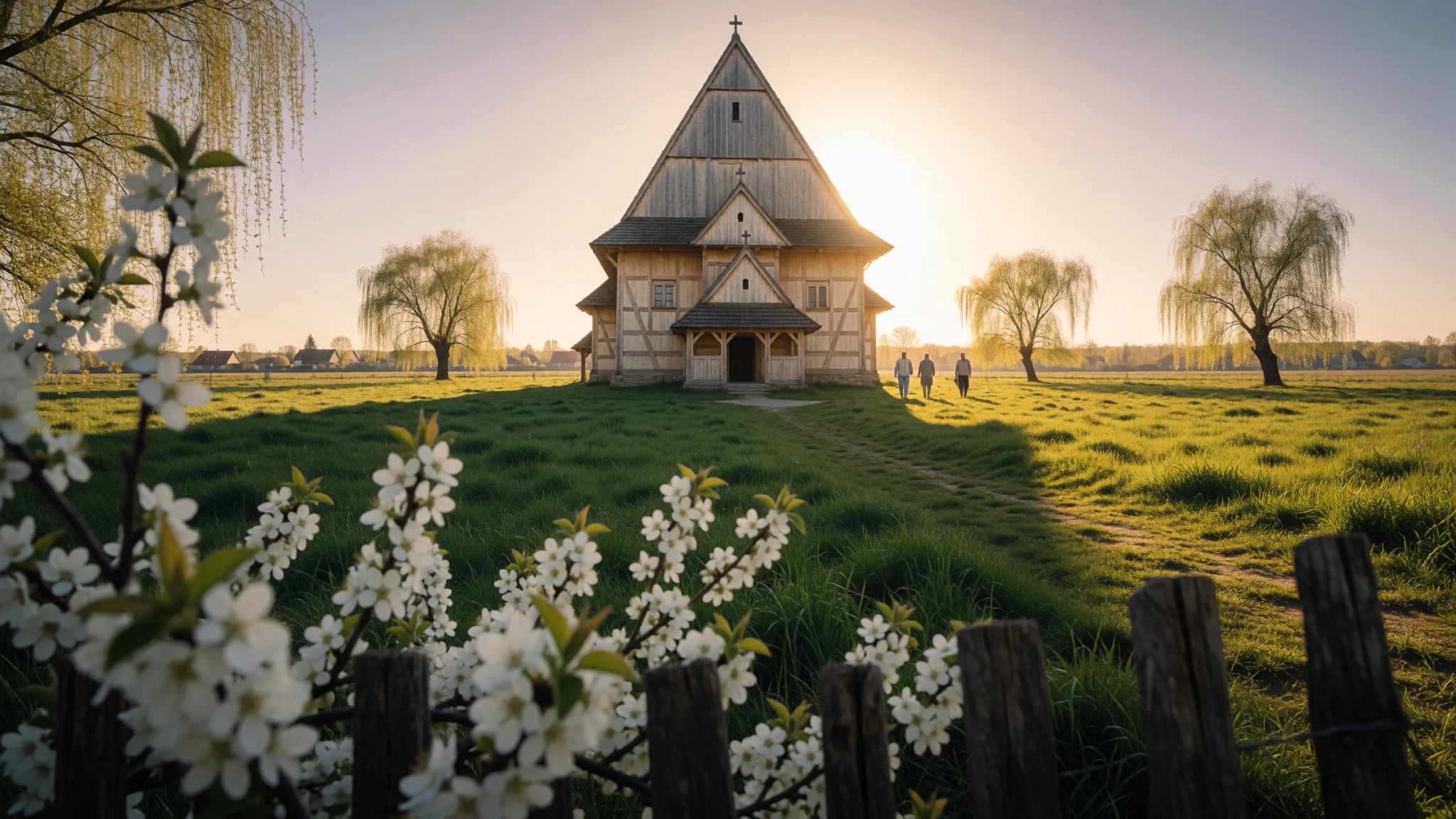
Churches of Peace look plain on the outside, then unfold into Baroque splendour inside—an answer to faith, restrictions and compromise.
The place
Churches of Peace are two surviving Lutheran “Peace Churches” in Lower Silesia, Poland: the Holy Trinity Church of Peace in Świdnica and the Church of Peace in Jawor (Kościoły Pokoju; Friedenskirchen). They’re part of a UNESCO World Heritage listing (with the third church having burned down long ago), and they sit in a landscape where borders and loyalties have shifted repeatedly.
From the outside, these churches don’t try to look like monumental stone cathedrals. Their silhouettes are deliberately modest, tied to the religious restrictions of the era: they were built of wood and other readily available materials and placed outside the city walls. That austere approach is exactly why the interior is such a shock—in a good way. Step inside and the tone changes fast: instead of severity on the façade, the space is richly decorated in Baroque style, turning a controlled, “allowed” place of worship into a vivid stage for biblical storytelling.
What makes a visit feel different from most church stops in Europe is the contrast. A plain exterior keeps the history in view; the elaborate interior carries the emotional weight. Expect a quiet atmosphere at most times, but also the practical reality of today’s visitors: these are UNESCO sites, so on weekends you may see more group tours and photo-taking than you’d get in rural churches.
Plan for a slow, seated kind of visit. Read the scenes, look up, and give time for the light to settle—especially in Świdnica where apocalyptic visions and panoramic views of the surrounding area are part of the overall effect.
Its story
The story behind Churches of Peace is about limits—and the creativity people used to live within them. During the Thirty Years’ War’s aftermath, the Peace of Westphalia (1648) shaped religious life in the region. In that settlement, Lutherans in Silesia were permitted to build churches outside city walls, even though steeples and church bells were off-limits and the building materials and timeframe were constrained. Construction was restricted to a single year for each church.
Both surviving churches became large timber-framed religious buildings in Europe, and that “big scale, simple exterior” formula is still what visitors notice first. In Jawor, the church is dedicated to the Holy Ghost and its dimensions and building timeline mark it as a serious civic undertaking, not a small chapel. Interiors were developed over time too: a large programme of paintings and an altar scheme helped create the Baroque feeling that today reads as theatrical, colour-heavy and immersive.
Świdnica follows the same core idea but with a different visual focus. Its interior features apocalyptic visions and a panorama of the surrounding area—so the church feels less like a closed room and more like a window onto wider meaning and landscape.
After the 17th century, the region’s political map changed again. By the late 20th century, the UNESCO label arrived, formalising what locals already knew: these churches are historical proof that faith communities can negotiate space, and that restrictions don’t always mean silence. They can also mean ingenuity, and then, eventually, preservation.
What to see
- Jawor Church of Peace (Kościół Pokoju w Jaworze) — Jawor, Lower Silesia
Jawor’s Church of Peace is known for a simple, restrained exterior that matches its founding restrictions, then turns richly Baroque inside. Plan for slow looking: the interior paintings and altar setting help the space feel like a narrative rather than a single artwork.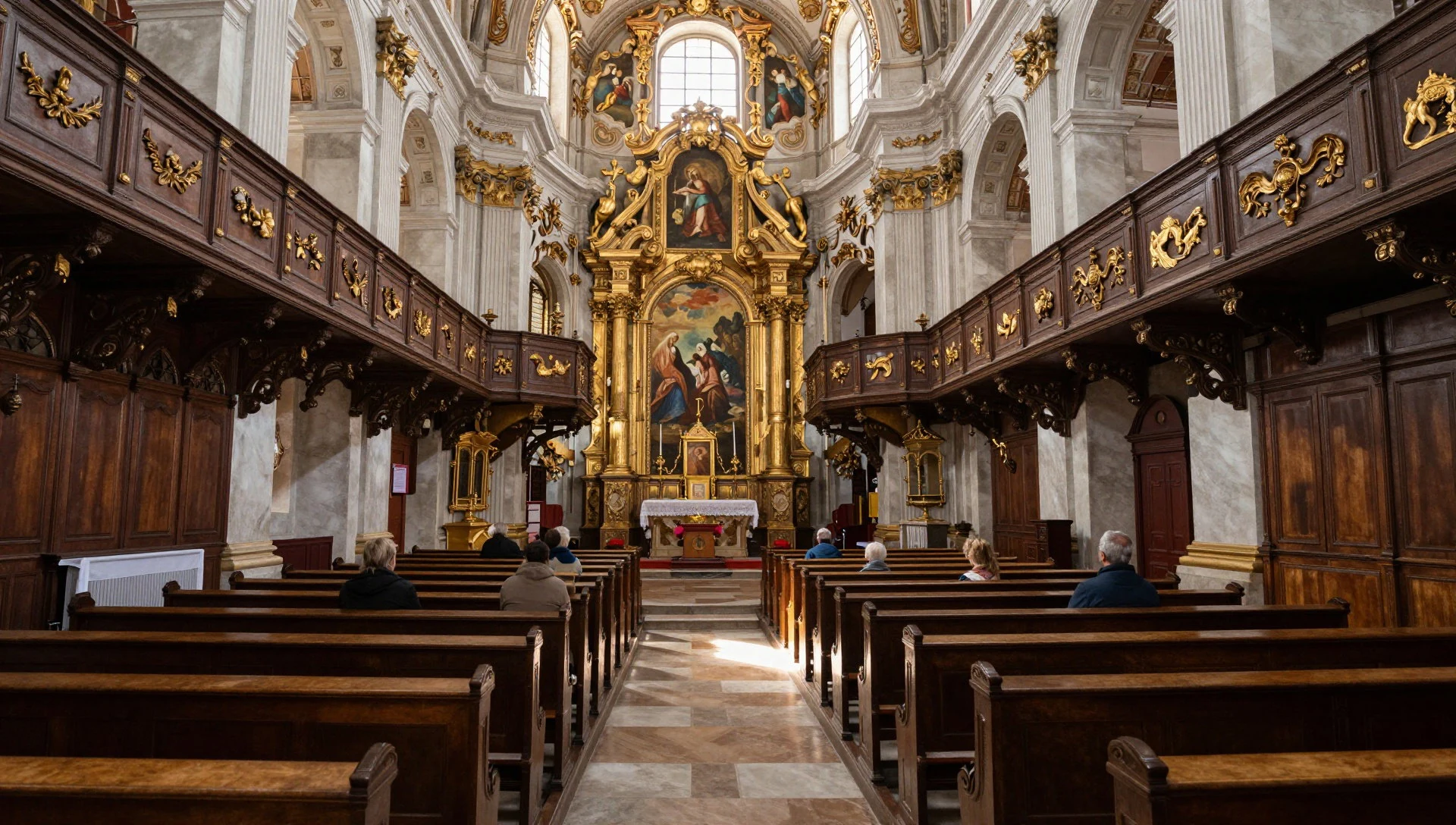
- Świdnica Holy Trinity Church of Peace (Kościół Pokoju w Świdnicy) — Świdnica, Lower Silesia
Świdnica’s Church of Peace carries the same “wood outside, celebration within” idea, but with its own interior focus. Expect apocalyptic imagery alongside a panorama effect that links worship space and surrounding landscape, making the church feel expansive even when you’re indoors.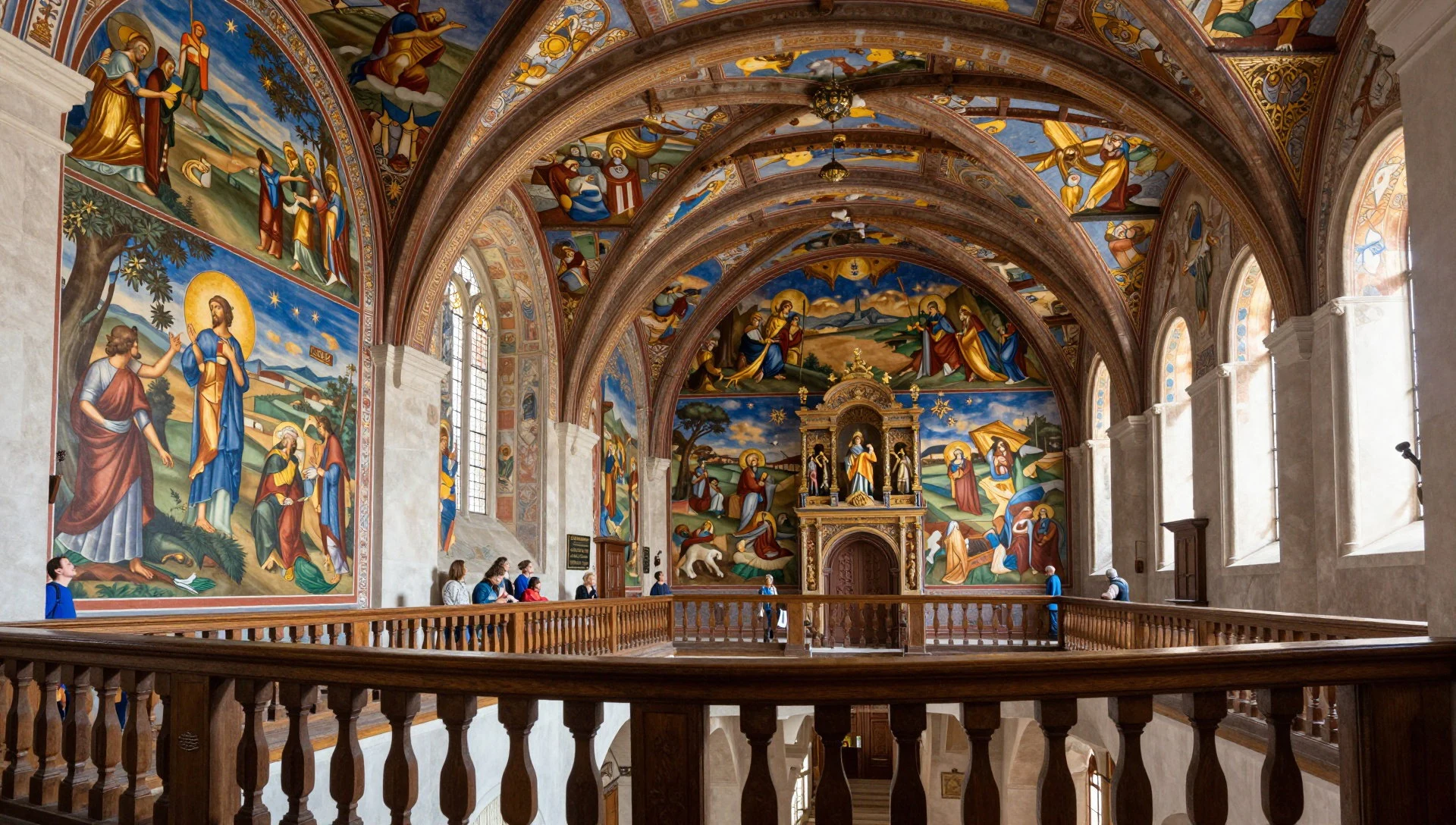
- Baroque interior painting programmes — Inside both churches (Jawor and Świdnica)
At Churches of Peace, the real sightseeing happens by eye level and then up. Biblical scenes and apocalyptic visions are arranged so you’re drawn to follow the sequence. If the day is bright, interior light can help colours read more clearly—just don’t rush through the details.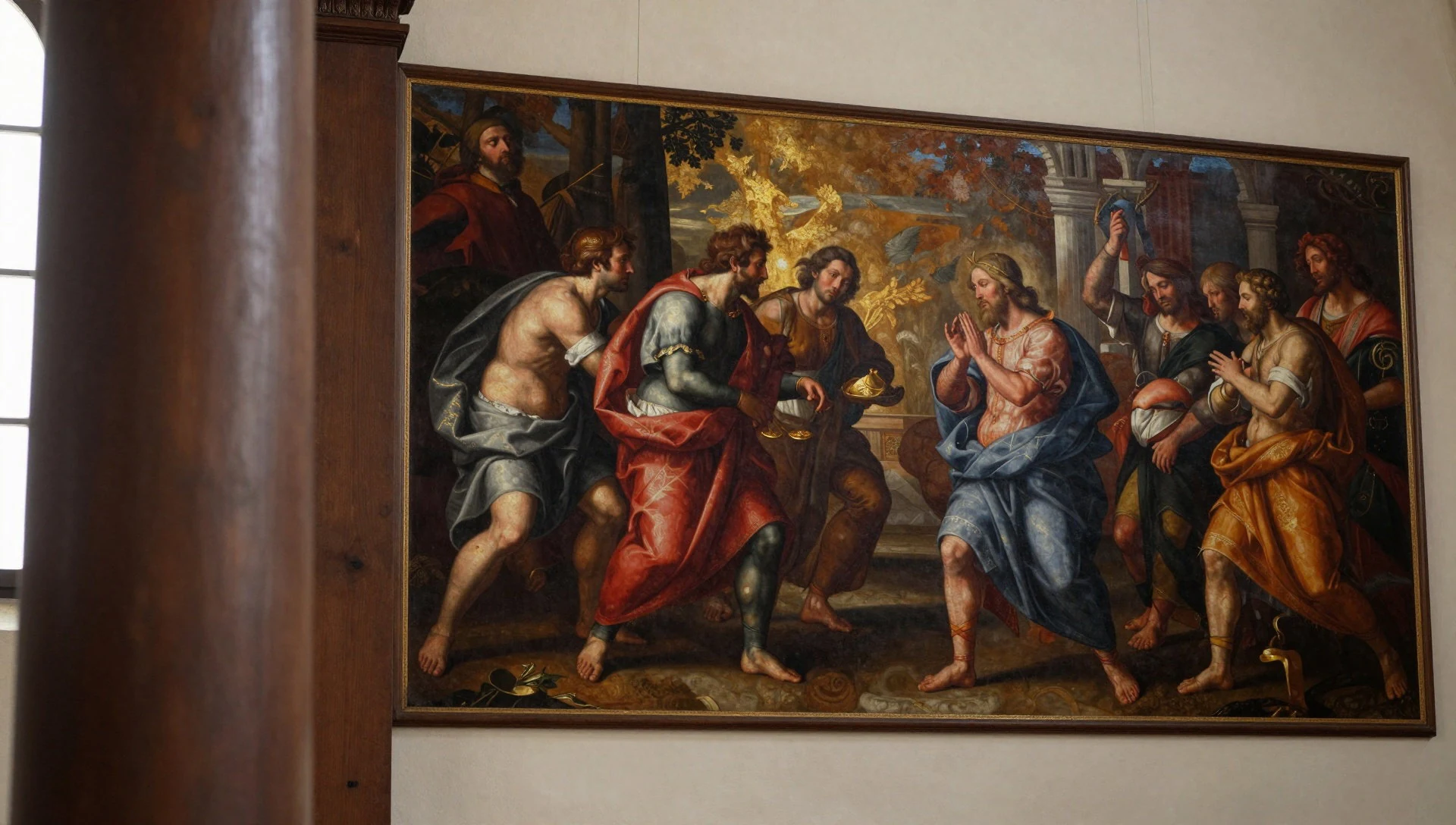
- The austere exterior as historical evidence — Outside Jawor Peace Church and Świdnica Peace Church
It’s easy to treat the outside as “just the approach”, but it’s one of the key stories. The plain façades communicate restrictions from the time of the Peace settlement—so walk around, notice materials and proportions, and use the exterior to frame what’s waiting inside.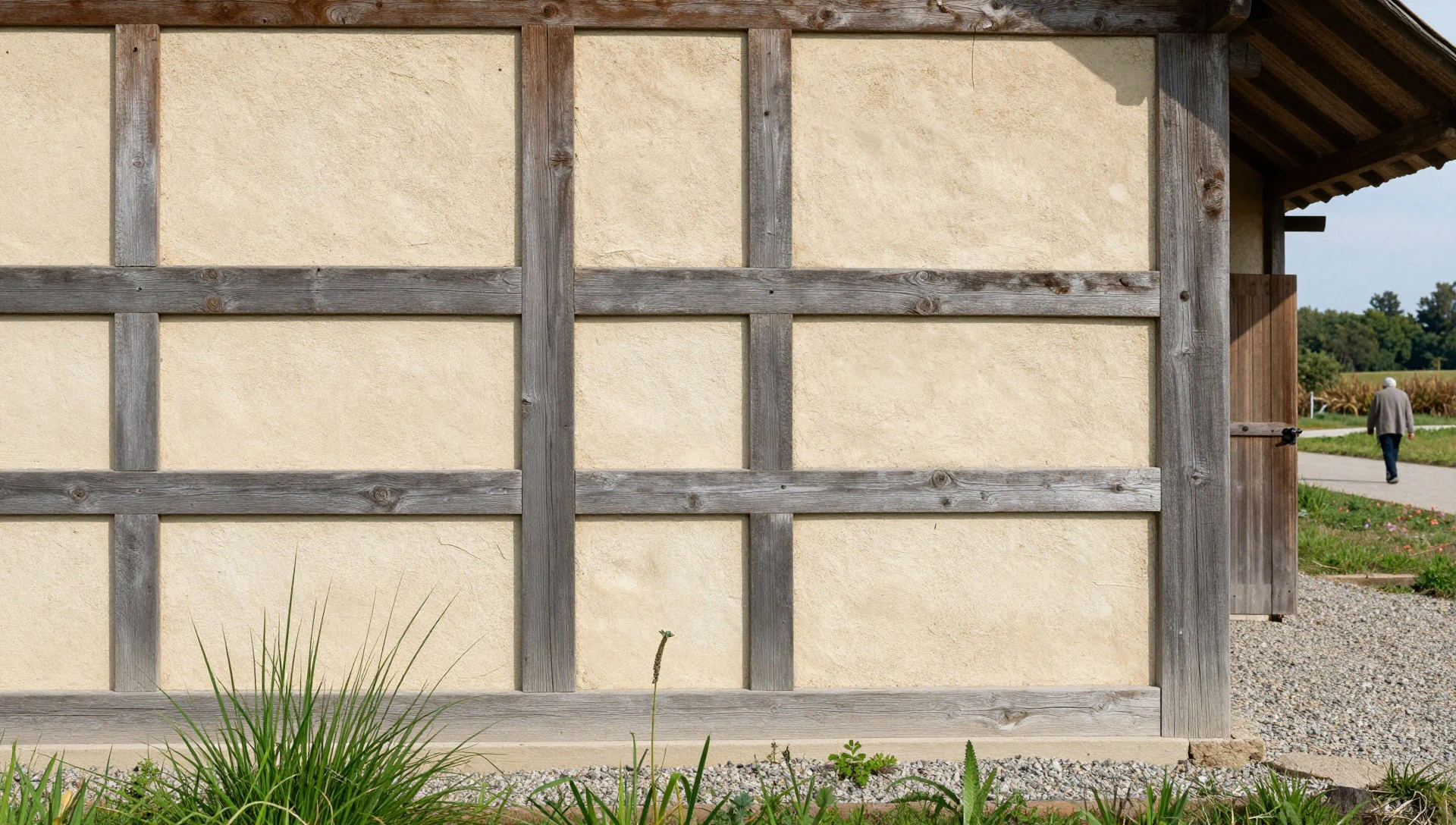
Culture
Churches of Peace in Poland are Lutheran churches that still serve local congregations. That matters for visitor behaviour: the sites blend heritage tourism with living worship, so a respectful hush is usually the safest default. Photography can be welcomed, but it’s best treated as secondary to looking—especially if a service is going on or a guided group is pausing for explanations.
Dress norms in churches are fairly modest by European standards: shoulders covered is a good baseline, and shorts can feel out of place inside. Footwear matters because you’ll want steady steps as you move between viewing points; many visitors take more time than planned, so comfort is practical as well as polite. If guides are conducting a tour, follow the rhythm—don’t squeeze into front rows just to grab a quicker angle.
The most important thing is to respect that the interior decorations are not “museum props”. They’re a designed part of worship space and symbolism, including scenes that are meant to be contemplated rather than skimmed. Let the room hold your attention for a while.
Visitor etiquette: keep voices low and dress modestly, and avoid blocking others when the paintings are being explained.
What to wear
In Churches of Peace, the “fashion” story is mostly about comfort and modesty rather than a single local outfit. Visitors will see a mix: locals in everyday clothing, and some tourists in warmer layers depending on the season. Traditional dress isn’t the point here; what matters is that these are churches with formal interiors.
For what you’ll wear now: during milder months, light layers are workable, but expect cool air inside older buildings and changing temperatures outside. In shoulder seasons, many people choose a fleece or jacket for convenience.
What a visitor should wear: aim for covered shoulders and clothing that feels respectful indoors. Bring comfortable walking shoes with decent grip—the grounds around these sites can be uneven, and you’ll likely circle or pause for viewing. If you’re visiting in colder months, a scarf is an easy add-on that also helps meet modesty expectations.
If you plan to spend time looking at paintings, the most practical garment choice is something you can stay in for a while: layers for shifting daylight and temperature, plus footwear you can stand in without aching.
What to eat
- Pierogi at a local market or food hall — town markets and casual Polish eateries in Jawor and Świdnica
Pierogi are the dependable comfort food in this part of Poland—dumplings with fillings like potato, cheese, or cabbage. Look for them at regional market stalls or simple Polish eateries in nearby town centres.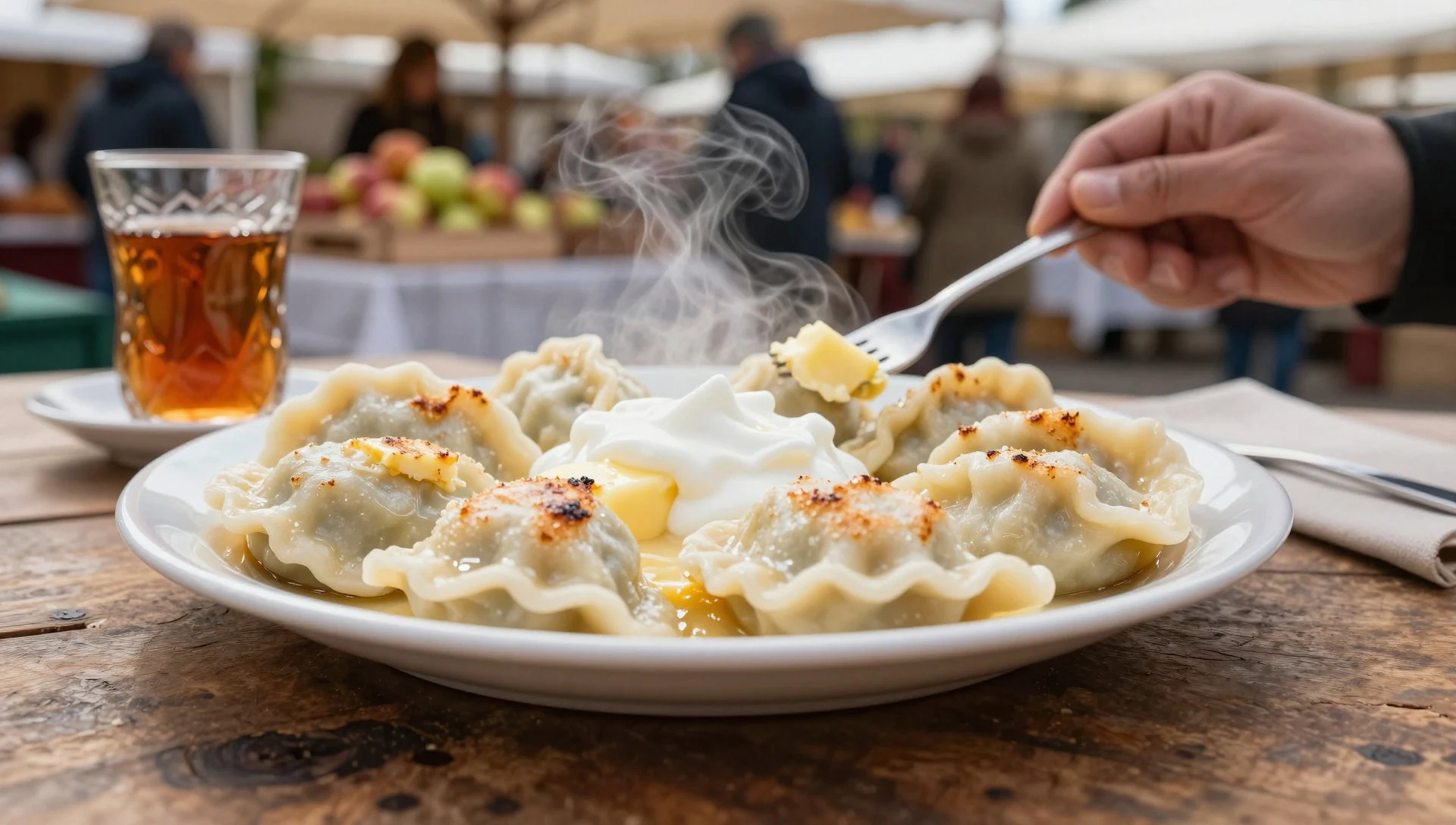
- Bigos (hunter’s stew) — traditional Polish restaurants in Lower Silesia towns
Bigos is a hearty cabbage-based stew often made with mixed meats and slow-cooked flavours. It suits cooler seasons well and is common on set menus at traditional Polish restaurants near the churches.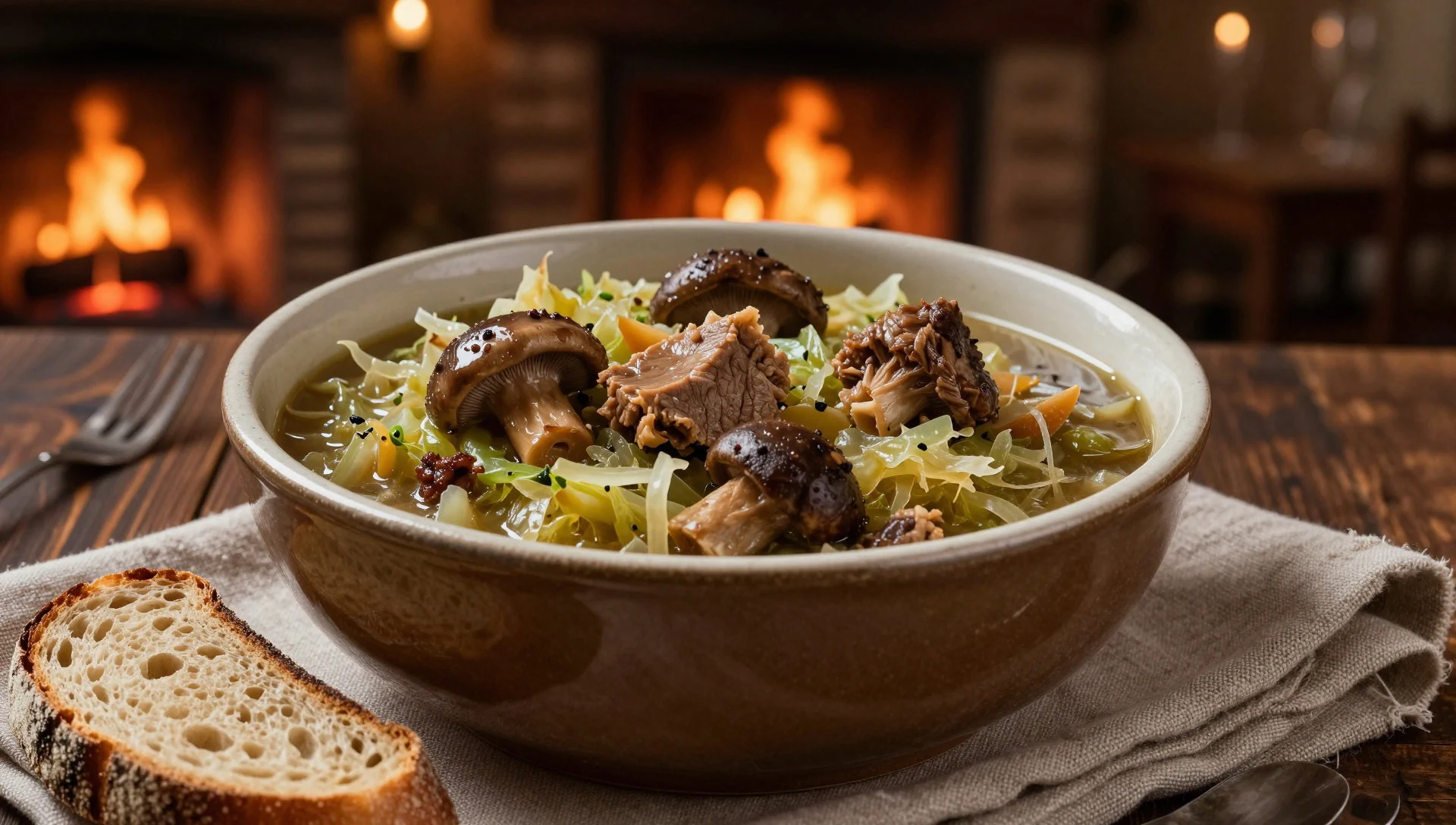
- Kielbasa with bread and mustard — street-food counters and small local delis in city centres
Sausages—especially kielbasa—are easy to find as a quick meal between sightseeing stops. Order it with bread and mustard, and keep it simple if you’re hungry after a church visit. - Żurek (sour rye soup) — Polish cafés and sit-down restaurants
Żurek is a tangy rye-based soup that tastes brighter than many winter stews. It’s a good “first course” choice if the weather is grey, and it turns up on Polish menus in the region. - Makowiec (poppy seed cake) — local bakeries and dessert counters
For something sweet after a long day, makowiec is a classic poppy seed cake, sometimes served with a soft, custard-like texture. It’s widely available in bakeries across the area.
Plan it
Best time. March–April for blossom, late October–November for maple colour; June is the rainy season and August is hot and humid.
How long. 2–3
Getting there. Fly into Wrocław’s Copernicus Airport (WRO), then make the final drive/rail leg into Lower Silesia to reach Jawor and Świdnica; trains from outside the region often route via Wrocław.
Budget. mid
Tips
- Use Wrocław as the hub city; most inter-regional trains and many flight connections funnel through it.
- If arriving by train, accept that connections can be slower than high-speed travel—build in buffer time.
- Start your church visits earlier in the day to keep crowds and queues manageable at UNESCO sites.
- Bring cash for smaller places and markets even if many bigger venues take cards.
- In summer, keep an eye on heavy rainfall alerts—flooding risk can affect mountain and road access nearby.
Etiquette
- Dress modestly for church interiors and keep voices low during viewing.
- Don’t block sightlines when people are reading the paintings or when a guide is speaking.
- If there’s a service, follow staff instructions and pause photography.
Nearby
Sources
- Wikidata Q589634 (CC0)
- Wikipedia (Churches of Peace) (CC BY-SA 4.0)
- Wikivoyage (Lower Silesian Voivodeship) (CC BY-SA 4.0)
- Photo photos/01-swidnica-kosciol-pokoju-01.jpg (CC BY-SA 3.0 pl)
- Photo photos/02-churches-of-peace-jawor-poland.jpg (CC BY 4.0)
- Photo photos/03-friedensk-glogau.jpg (CC BY 3.0)
- Photo photos/04-friedensk-jauer.jpg (CC BY 3.0)
- Photo photos/05-friedensk-schweidnitz.jpg (CC BY 3.0)
- Photo photos/06-swidnica-kosciol-pokoju-02.jpg (CC BY-SA 3.0 pl)
- Photo photos/07-swidnica-kosciol-pokoju-wnetrze-01.jpg (CC BY-SA 3.0 pl)
- Photo photos/08-swidnica-kosciol-pokoju-wnetrze-05.jpg (CC BY-SA 3.0 pl)


