Babia Góra National Park
Babia Góra National Park, Poland
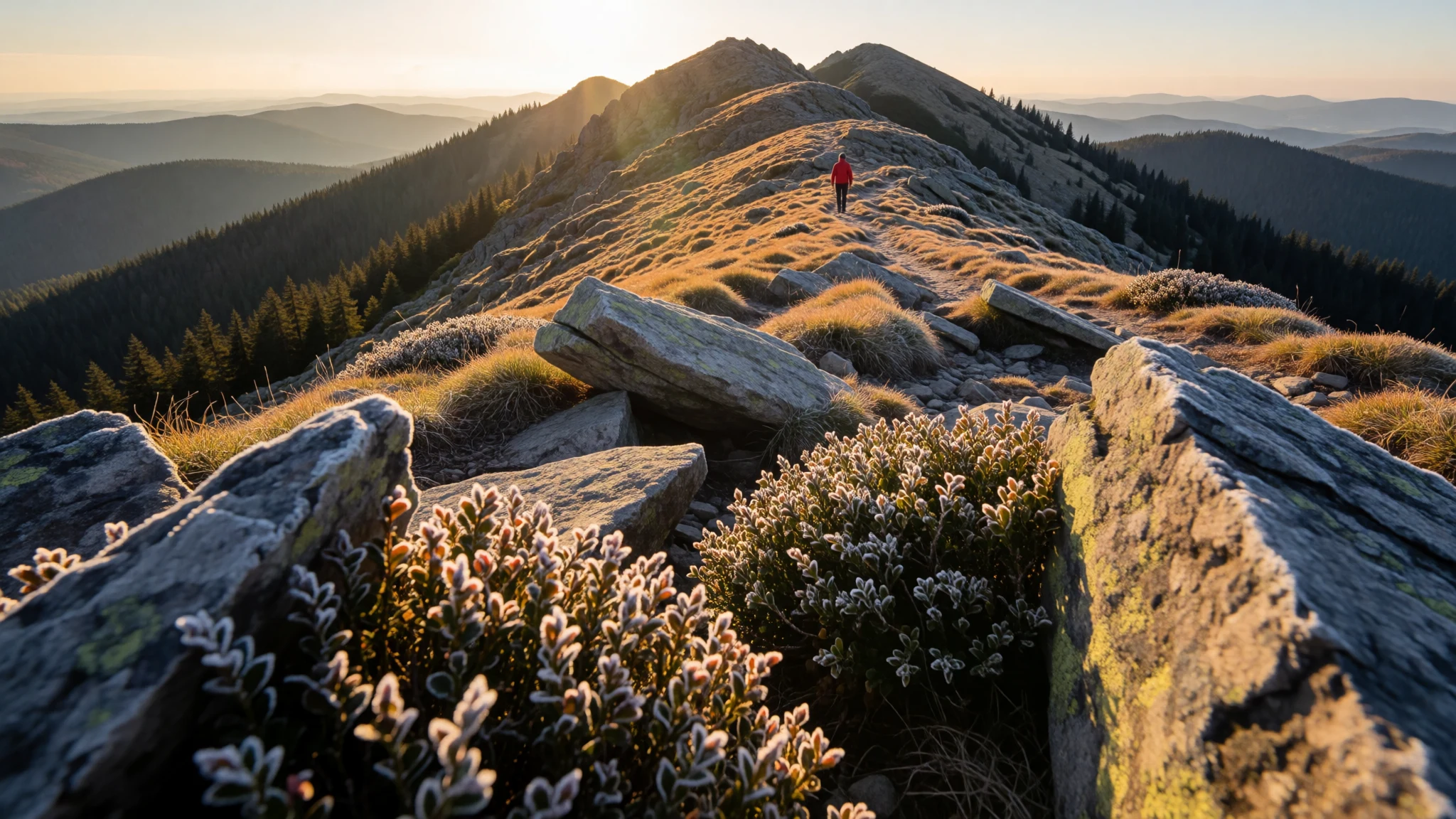
Babia Góra National Park is for hikers who want a remote mountain feel, sharp changing weather, and big views without city distractions.
The place
Babia Góra National Park (Babiogórski Park Narodowy) sits in southern Poland, in the Lesser Poland Voivodeship, right up against the Slovak border. The park’s headquarters are in Zawoja, which makes a handy base because most of the practical information and local transport ties back to this mountain side of the region.
The landscape here is built around the Babia Góra massif. The park covers part of the massif on the Polish side, including the northern and portions of the southern slopes, with trails that climb from forested hillsides up into higher, wilder terrain. The main peak is Diablak, and it rises prominently within the Orava Beskids mountain area.
What’s special about Babia Góra is the sense of layers: forests give way to higher slopes, and the character of the walking changes with altitude. In clear weather, the ridge and summit areas feel exposed and dramatic; in mist, they turn into a slow, careful hike where visibility becomes the real challenge.
Timing matters because this is a mountain park with weather that can shift quickly. Also, while Poland’s bigger attractions draw more day-trippers, Babia Góra can still feel busy on popular weekends and during school breaks—particularly at viewpoints and along the most direct paths. The reward for taking the longer route (or starting early) is a quieter rhythm and more breathing space in the landscape.
Babia Góra was officially established as a national park in 1954, and since the mid-1970s it has been recognised through a UNESCO biosphere designation (as a biosphere reserve).
Its story
Babia Góra National Park has an old mountain identity: it’s one of those places where “the walk” is the main event rather than a single landmark. Starting from the foothills, the vegetation and the trail surface tend to change as altitude increases, and that gradual shift is part of why regular walkers keep coming back. Even before reaching the highest parts of the massif, the mood changes—sound carries differently in the valleys, and once you’re on exposed slopes, wind becomes a constant companion.
The park’s establishment in 1954 didn’t suddenly invent the landscape’s appeal; it formalised protection for a mountain region that naturally draws people to climb. From a distance, Babia Góra can look like one continuous massif. On foot, it behaves more like a sequence of environments: wooded sections that feel enclosed, followed by open stretches where cloud, sun, and rain can take turns quickly.
This border location also adds a subtle extra edge. The massif runs across boundaries, and on clear days you can sense that you’re walking in a wider mountain system shared with Slovakia. That matters when conditions deteriorate too: weather patterns in the mountains rarely obey administrative lines.
In practice, most visitors come for hiking, with seasonal variations in how the mountains feel. In winter, the park becomes a snow-and-slope experience; in warmer months it’s all about trekking and longer viewpoints. Expect a mix of day hikers and serious walkers, with the busiest periods often around weekends when people have time to reach the main viewpoints and return before dark.
For many travellers, the lasting memory isn’t just Diablak in the distance—it’s the way the park keeps changing underfoot, turning a route into a slow, hands-on education in altitude and weather.
What to see
- Diablak viewpoints and summit area — Babia Góra massif
Diablak is the massif’s main peak, and the approaches reward patient hiking with a stronger sense of scale. On clear days, the summit zone opens out into wide mountain horizons; in cloud, it becomes a careful navigation challenge.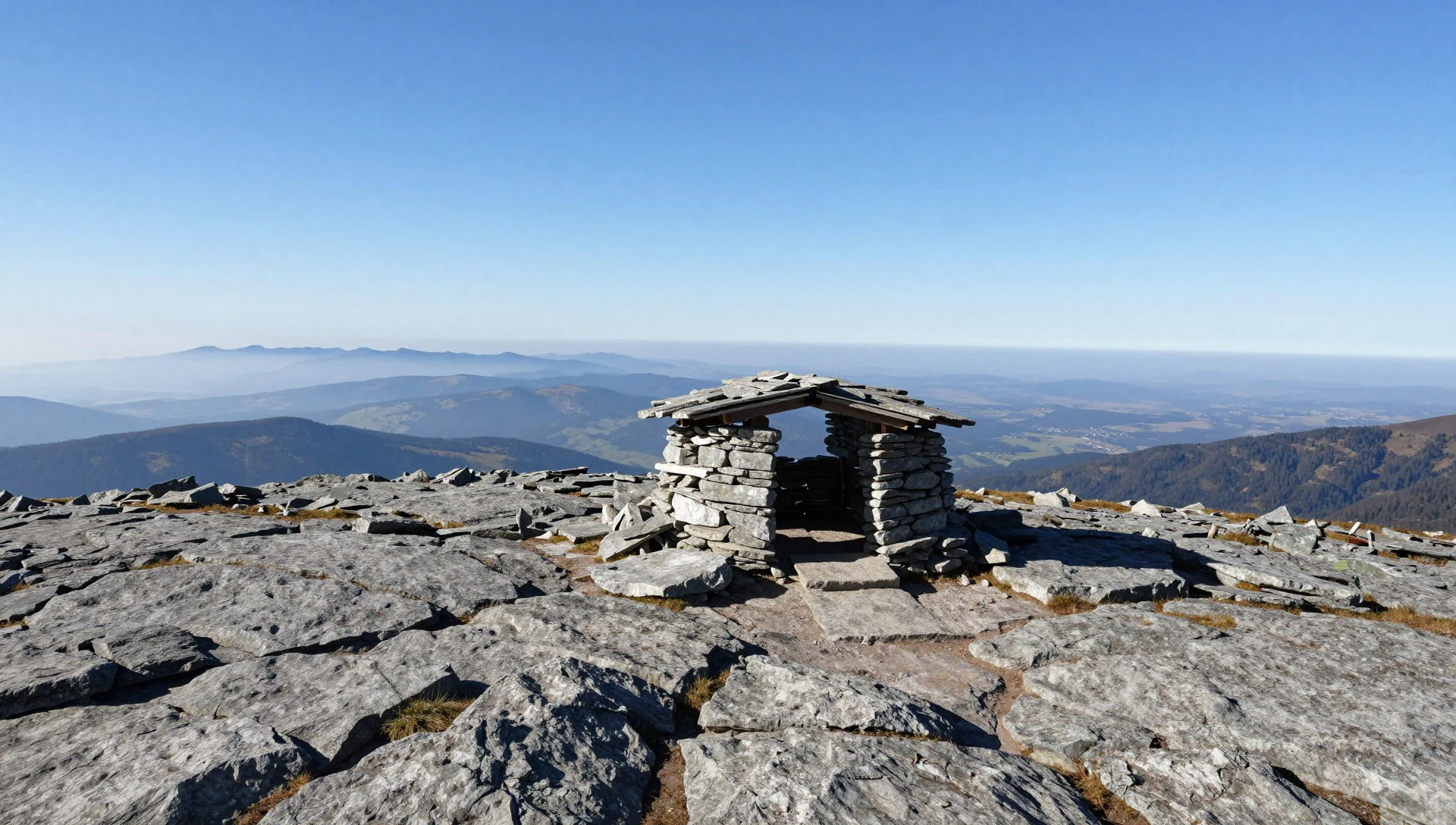
- Forest-to-hillside trail sections — Lower slopes and main hiking corridors
Babia Góra National Park hiking often starts through denser forest and gradually transitions toward more exposed hillside. These segments are where the route feels “alive”: different footing, different light, and that steady altitude build that changes the air.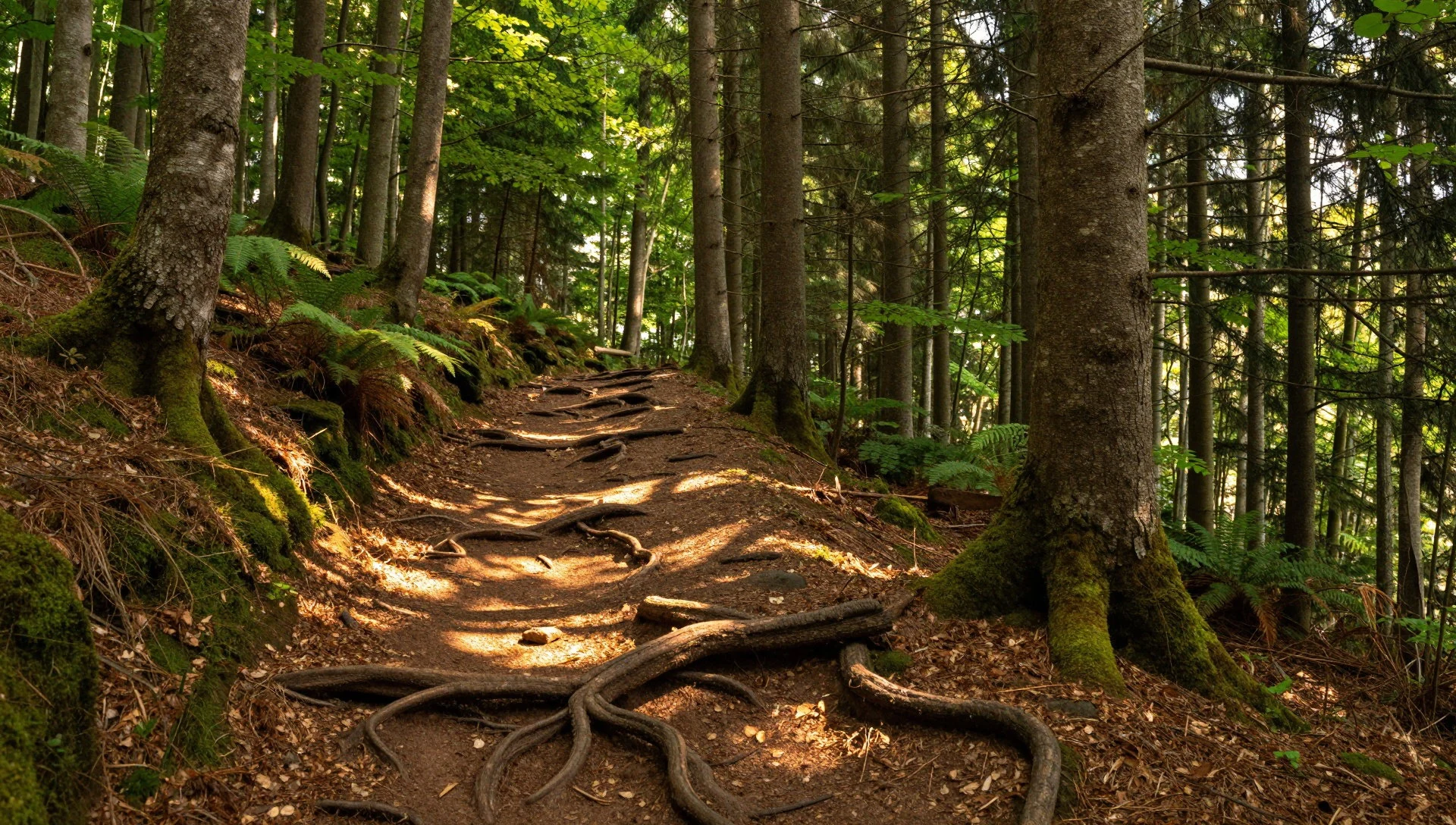
- Mała Babia Góra lookouts — Ridge areas near Babia Góra massif
Mała Babia Góra works well as a viewpoint stop when the weather is changeable. Even when the main peak is wrapped in cloud, nearby ridgelines can still offer a sense of the massif shape and the direction of the valleys.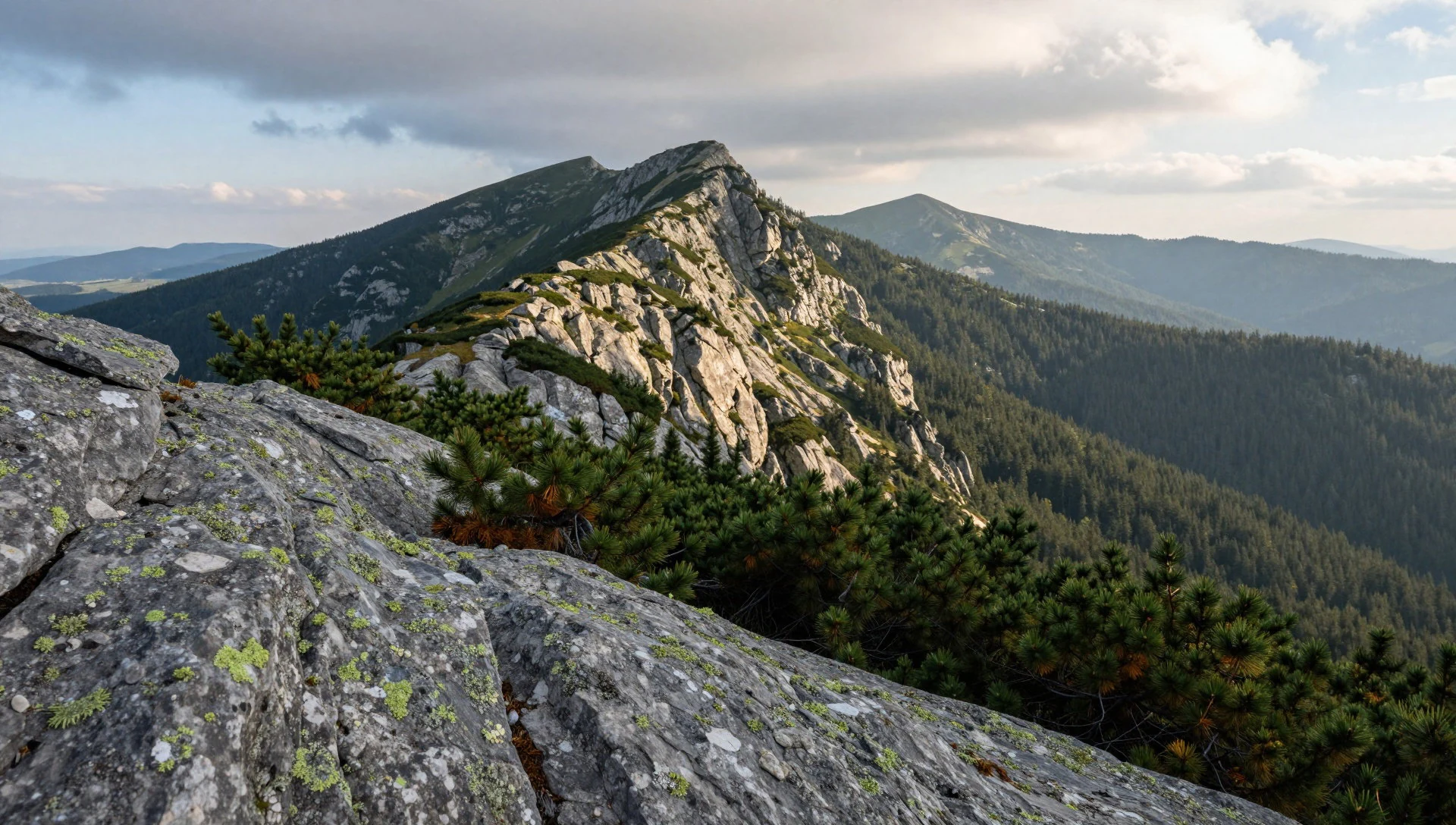
- Higher plant-zone walking — Upper slopes
As trails climb, the plant patterns shift and the ground can feel more open. This is the stretch where you notice wind more, and where photos look less like forest snapshots and more like wide, high-altitude landscapes.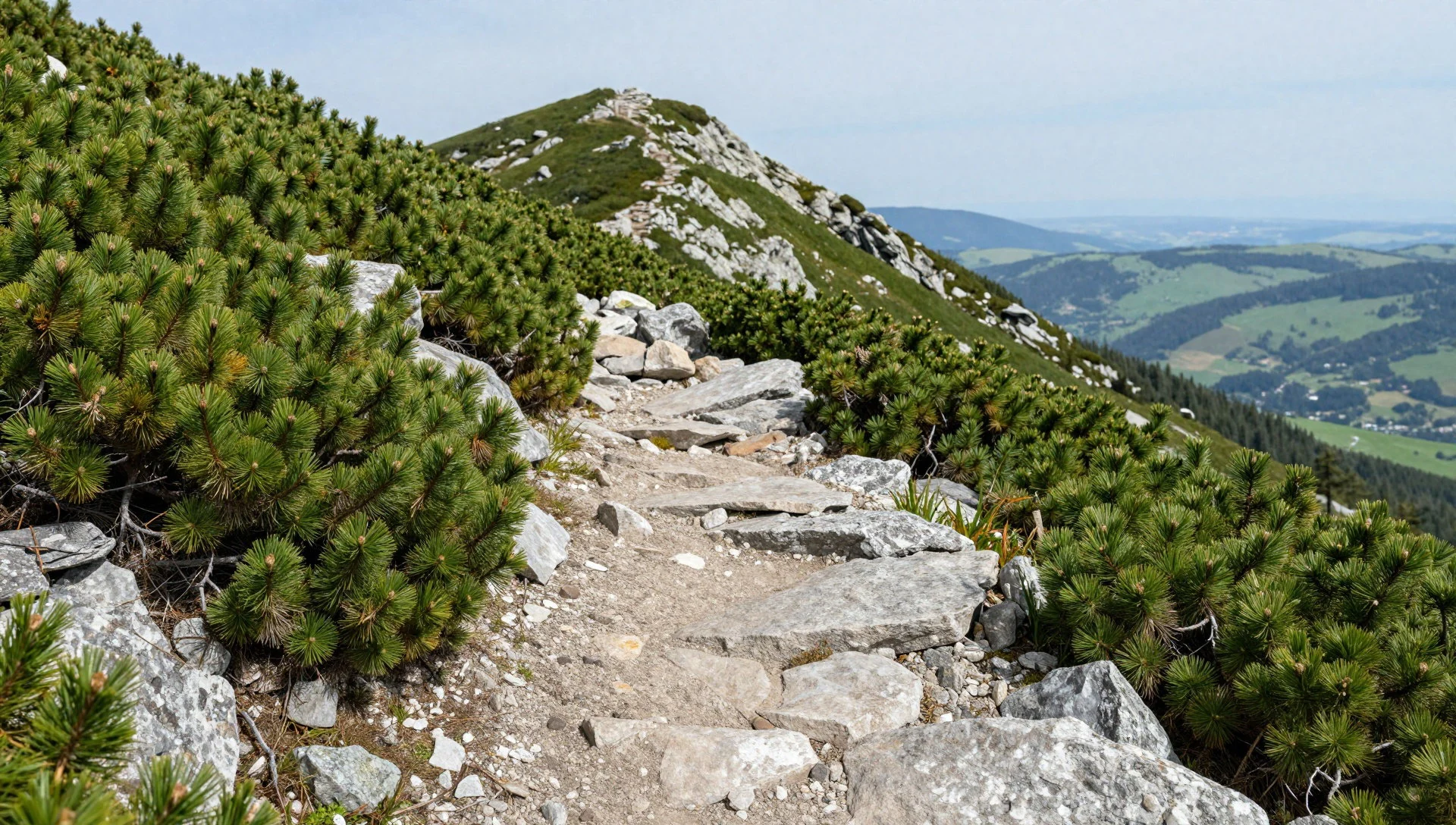
- Rysianka panorama across the massif — Viewpoints across the massif
From Rysianka, the Babia Góra massif spreads out in a readable way: ridges, valleys, and the overall profile. It’s a good viewpoint choice for late-day light when the mountains start to look layered rather than flat.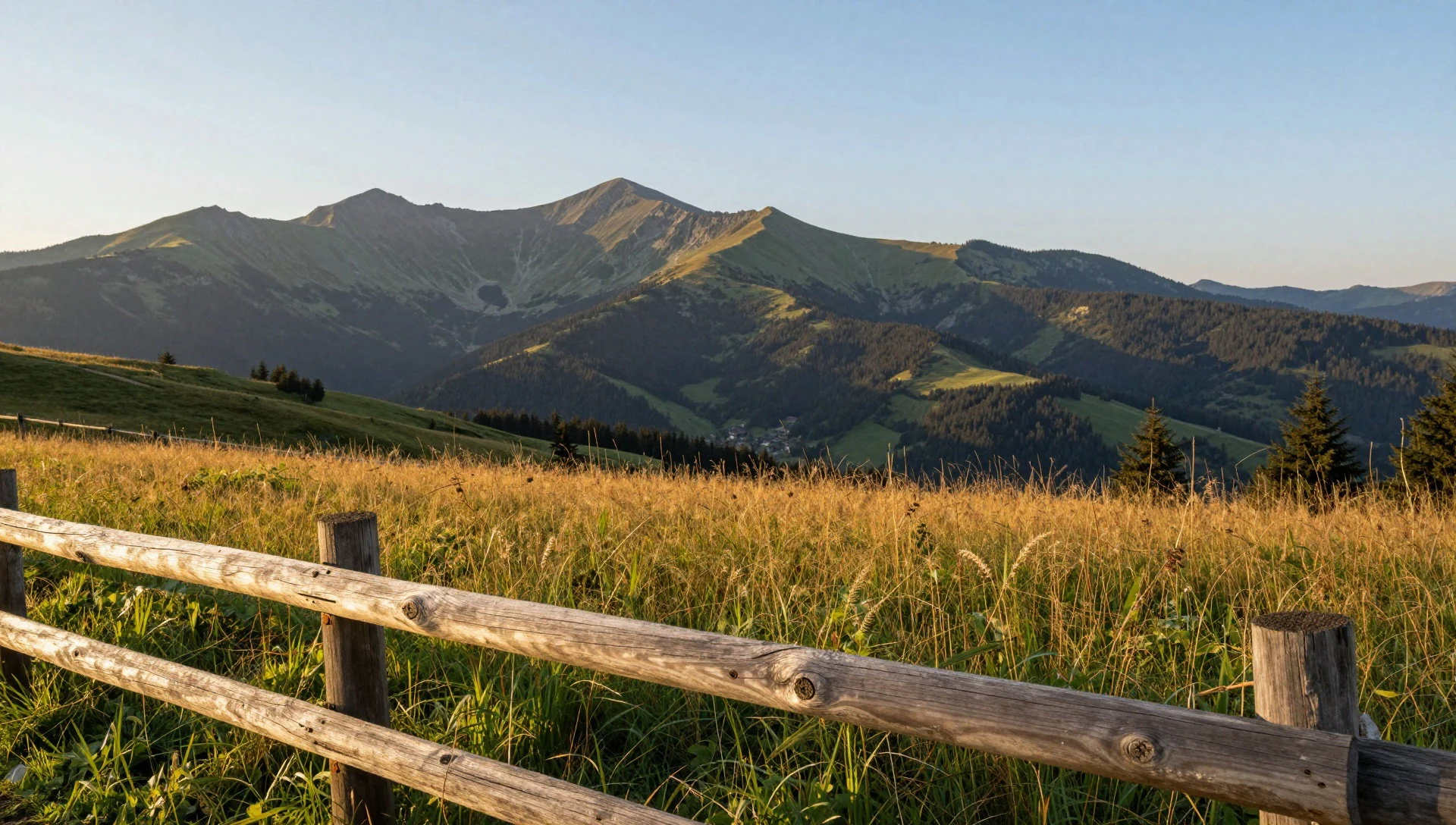
Culture
Babia Góra National Park is a working landscape, not a theme park. The park sits in a biosphere reserve context, so quiet, careful behaviour matters: stay on marked paths, avoid trampling vegetation around viewpoints, and keep litter with you until you can dispose of it properly. Many visitors combine hiking with long stops for photos, but it helps to move aside when the trail narrows so others can pass without stress.
In mountain weather, people also tend to crowd at the same few overlooks. It’s worth arriving early on weekends if avoiding bottlenecks is a priority, especially during clear spells when everyone’s aiming for the same lines of sight.
The bigger rule is to respect the borderland feel: the park environment is shared and fragile in places where the slopes are exposed. Good manners in the mountains are mostly practical—no loud music, no blocking narrow track sections, and no leaving gear trails where erosion can follow.
Visitor-etiquette: keep to marked trails and don’t step onto sensitive vegetation near viewpoints, even for photos.
What to wear
For Babia Góra, dress is about mountain practicality first, because terrain and weather can change while a hike is still in progress. Traditional clothing in this Polish mountain region is often associated with embroidered folk styles and warm layers, and visitors usually see these most clearly at local festivals rather than on everyday trails. Expect regional textiles like wool and felt in the classic folk palette, with garments made to handle cooler temperatures.
What people wear now on regular hiking days is mostly modern outdoors gear: base layers, a warm mid-layer, and a waterproof jacket are the usual trio. In spring and autumn, it can be chilly and damp, while higher slopes can be windy even when lower areas feel mild. Footwear should be trail-ready—proper walking boots or supportive shoes with grip matter on uneven ground.
For a visitor, the right kit is straightforward: waterproof jacket and trousers, gloves or a hat for wind at higher points, and layers that can be removed when walking intensifies. If the plan includes viewpoints that take time, bring a warmer layer and keep a spare dry layer in a small pack.
Since this is a national park with outdoor rules, avoid flimsy footwear and keep clothing sensible and non-flashy—mountain spaces reward comfort and quick adjustments.
What to eat
- Oscypek (smoked mountain cheese) — Mountain towns near hiking access points (market stalls and snack kiosks)
Oscypek is a smoked cheese made in the Carpathian mountain tradition, and it’s commonly sold as a snack in mountain towns near the hiking routes. Look for it around local kiosks and market stalls where food is prepared hot.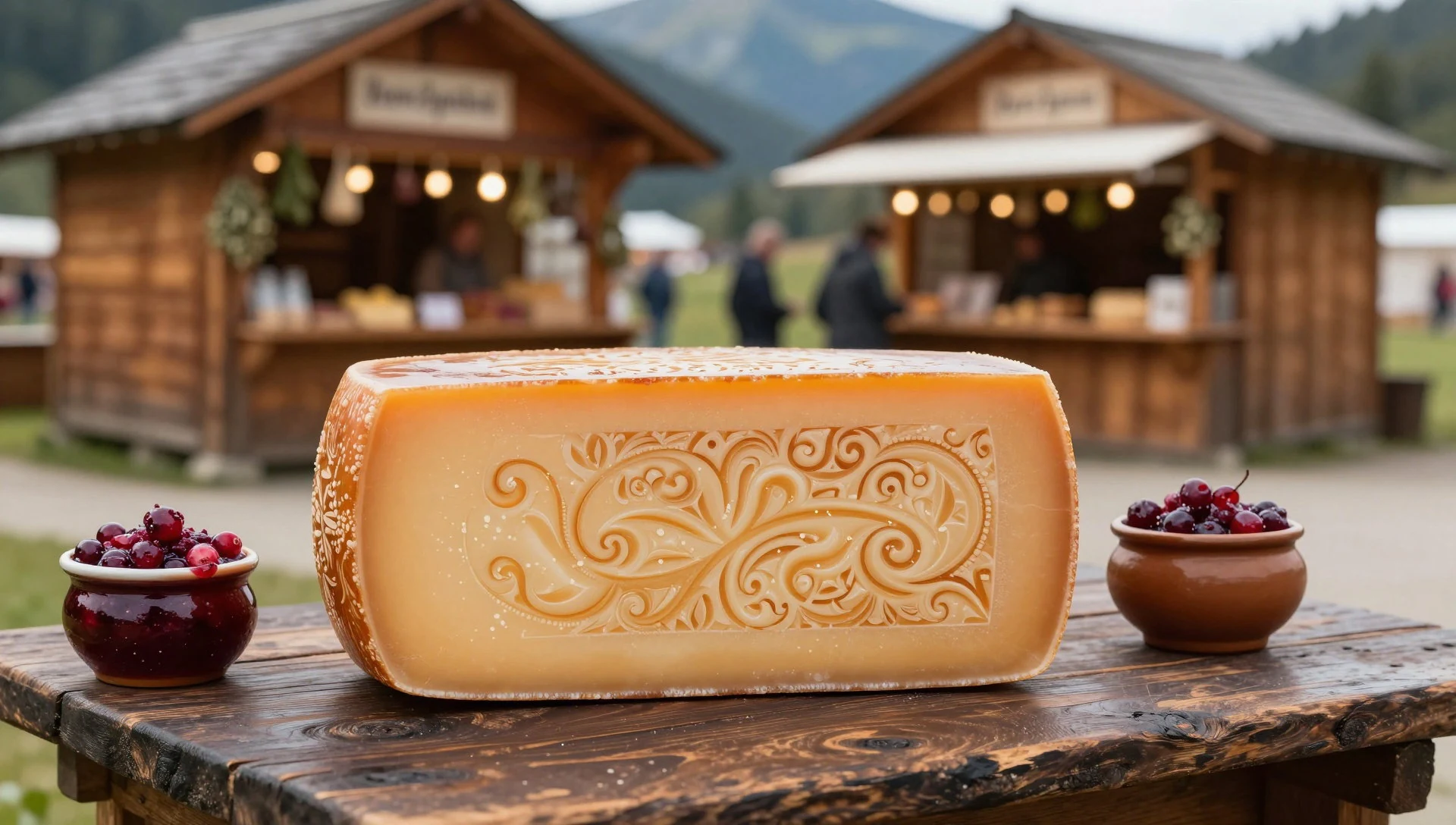
- Traditional Polish pierogi — Town restaurants and local eateries around Zawoja and nearby villages
Pierogi are filled dumplings—often served boiled and then pan-fried—with fillings that can be comforting after a long climb. They’re widely available in regional eateries around the surrounding towns rather than only inside the park.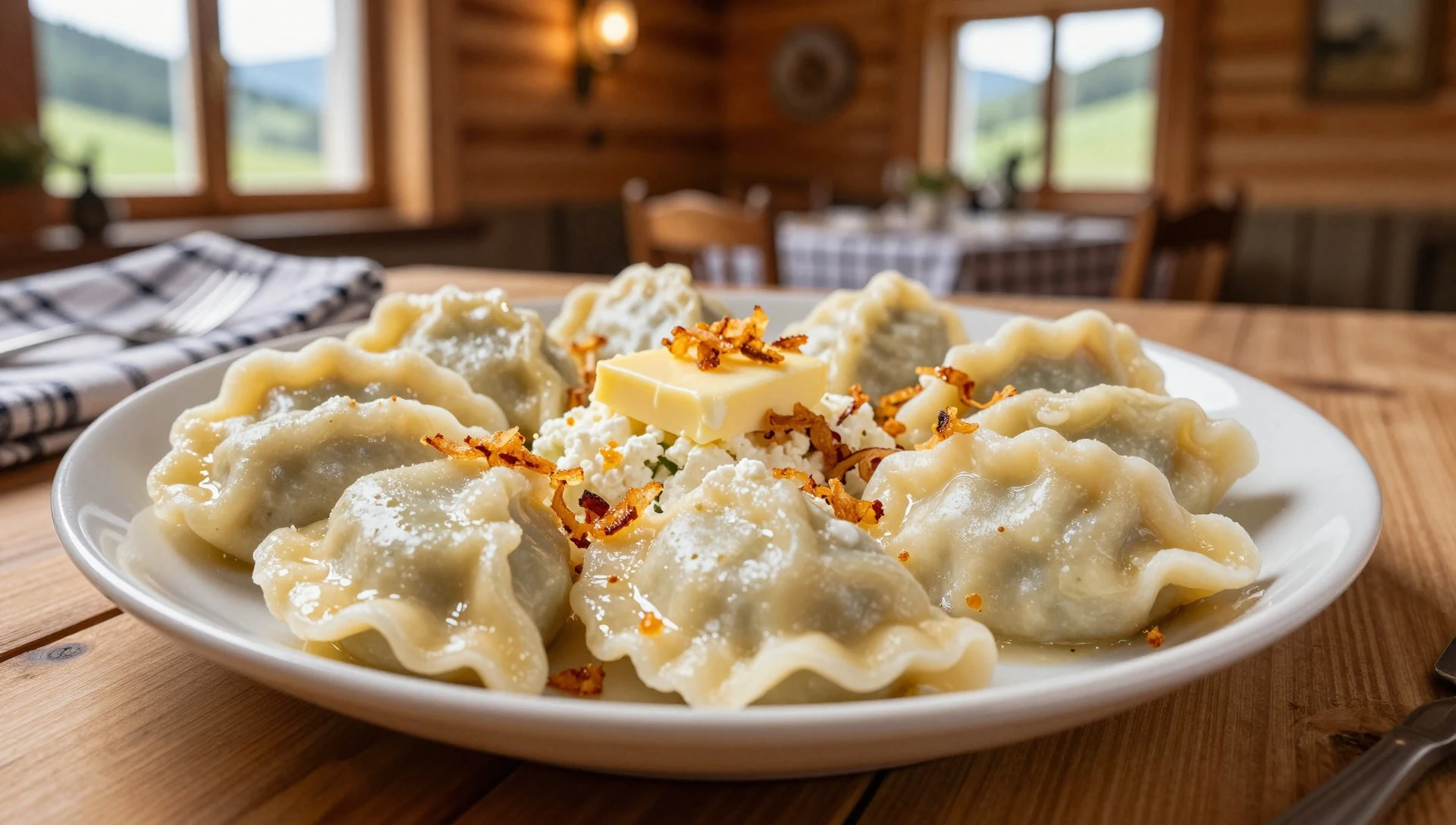
- Hearty mountain-style soups — Local restaurants in the wider Babia Góra area
After time on cool slopes, a simple, filling soup tends to hit the right note. In this region, you’ll often find soups made with seasonal vegetables and local ingredients in casual restaurants serving Polish home-style meals. - Kasha and buckwheat dishes — Regional Polish menus in nearby towns and village diners
Buckwheat-based dishes (kasha) show up across Polish cuisine, and they work well as a warming, steady meal when hiking has taken it out of energy. Many regional menus include buckwheat sides or main dishes in colder months. - Village baked goods and sweet pastries — Bakeries and small shops in nearby towns
Mountain trips pair naturally with baked goods—things like sweet pastries and simple cakes sold in local bakeries. It’s a good option for a quick breakfast or a mid-hike stop, especially when heading out early.
Plan it
Best time. March–April and October–November for calmer conditions and clearer hiking windows; expect cold snaps in the mountains and pack layers.
How long. 2–3
Getting there. Fly to Kraków (KRK), then travel by road or rail towards Zawoja. From the main transport links, the last leg is by local road connections into the mountain area.
Budget. mid
Tips
- Start early on hiking days to beat crowds at the most direct viewpoints
- Bring layers for fast temperature shifts and wind at higher elevations
- Plan for changing visibility on summit approaches; turn back if the weather closes in
- Keep small cash for snacks and local stalls, since not every mountain stop runs on card
Etiquette
- Stay on marked paths, especially on fragile higher-slope vegetation
- Move aside at narrow sections so groups can pass without delays
- Keep noise low; mountain trails work best when everyone can hear themselves think
Nearby
Sources
- Wikidata Q606000 (CC0)
- Wikipedia (Babia Góra National Park) (CC BY-SA 4.0)
- Wikivoyage (Małopolskie) (CC BY-SA 4.0)
- photos/01-the-babia-gora-biosphere-reserve-poland-2.jpg (CC BY-SA 4.0)
- photos/02-babia-g-ra-diablak-2016-06-06-19-51-28.jpg (CC BY 3.0)
- photos/03-babia-gora.jpg (CC BY-SA 2.5)
- photos/04-babia-g-ra-a7.jpg (CC BY 3.0)
- photos/05-babia-g-ra-from-mosorny-gro.jpg (CC BY 3.0)
- photos/06-babiog-rski-park-narodowy-20150910-0694.jpg (CC BY-SA 4.0)
- photos/07-babia-g-ra-national-park-4.jpg (CC BY 3.0)
- photos/08-sptn-rmnk-zbnc-19oct-015.jpg (Public domain)


