Taha'a
Taha'a, France
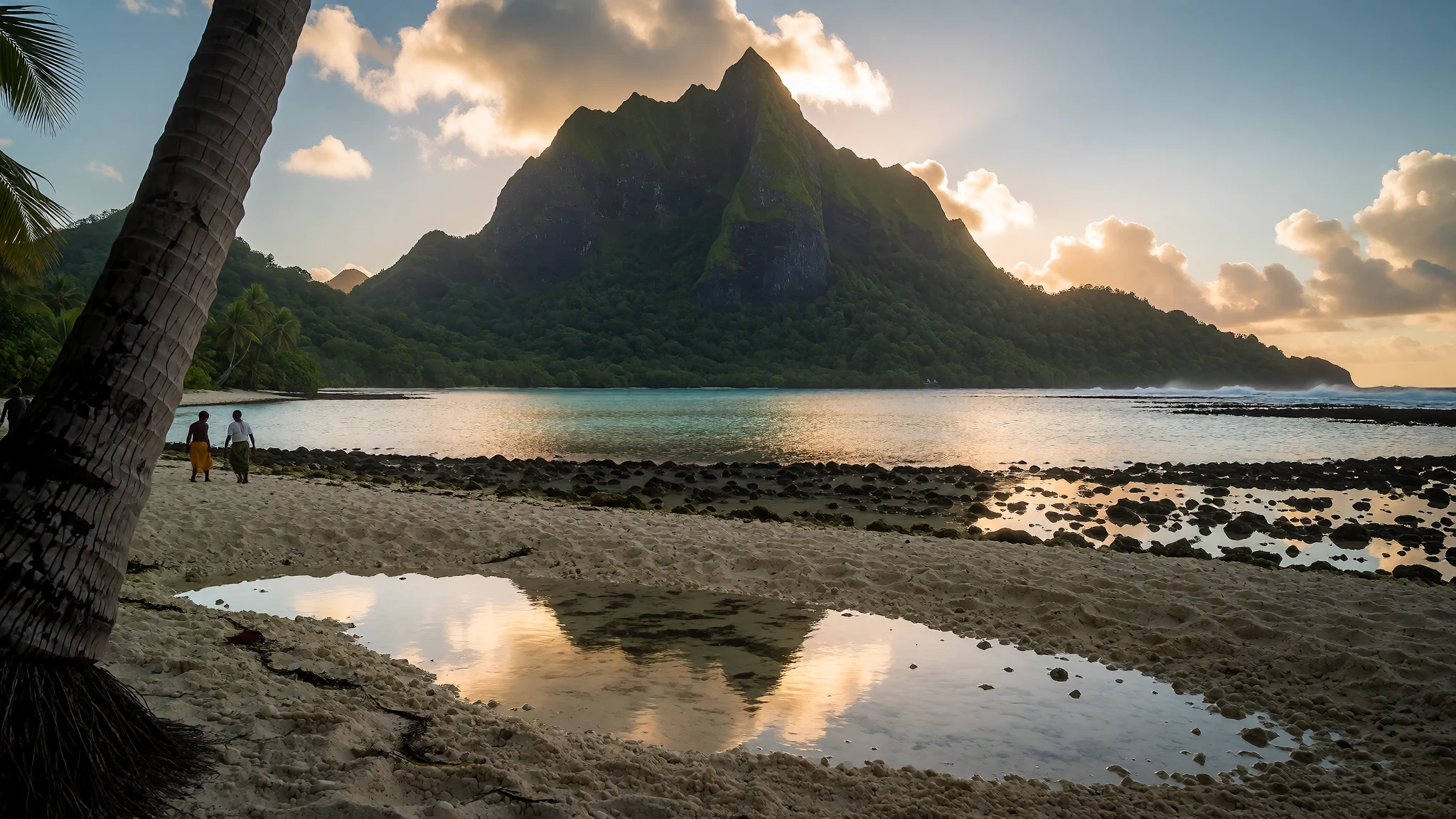
Taha'a is a quiet, vanilla-scented island inside a shared lagoon, where pearl farms, reef snorkelling and village life matter more than nightlife.
The place
Taha'a lies in the Leeward group of the Society Islands, in French Polynesia, and is a commune of France with about 5,300 residents. One encircling coral reef holds it and its neighbour Raiatea, just to the south, so the two islands share a single lagoon and are separated only by a narrow stretch of water. Taha'a is the quieter of the pair. Its coastline is a scalloped edge of deep bays and headlands, villages are strung along one coastal road, and the interior climbs to Mount Ohiri, the island's high point. Coconut palms cover much of the green slopes. The island is nicknamed the Vanilla Island because the crop is grown here, and the lagoon farms produce pearls, so the two local trades are easy to see at first hand. North of the main island, small reef islets (motu) scatter along the lagoon edge. At least one, Moie, is privately owned, so not every pale sandbar is open for landing. The water holds crabs, barracuda, grey sharks, Napoleon wrasse, dolphins, oysters and coral, which is why snorkelling is the main pastime. The climate is humid tropical maritime, with a hot season from November to April and a cooler one from May to October. Even the cooler months stay warm. Visitors should expect boats, small guesthouses and a few resorts rather than shops, nightclubs or crowds.
Its story
Taha'a was once called Uporu, a name borrowed from Upolu in Samoa, a reminder that Polynesian voyagers carried island names across the Pacific with them. Because it shares a reef with Raiatea, the island long depended on its larger neighbour, and a local legend explains the pairing: the two were split apart by the lashing tail of an eel inhabited by a princess's spirit. Geologists might suggest a gentler tale, as the shared reef hints that they may once have been a single island. In the eighteenth and nineteenth centuries Taha'a became a pawn in a rivalry between Raiatea and Bora Bora, whose warriors proved the stronger. When Captain Cook visited on his voyages, Bora Bora fighters were in control of the island. A later episode left a lasting mark on the south-west. In the nineteenth century a Chilean ship searching for people to enslave was wrecked close to the village of Tiva. Some of its crew stayed, married local women, and their descendants became known as the Spanish clan. Political change followed, as the island passed through the status of a protectorate and then a colony of France. Today it is part of French Polynesia, and its history survives mostly in family names, church buildings and the stories told in the villages.
What to see
- Mount Ohiri and the interior — Interior highlands
Mount Ohiri is the island's high point, rising above coconut groves and vanilla country. Walking and vehicle tours into the interior are usually arranged through guesthouses and local guides, so ask rather than expecting signed trails. Go early: the climate is humid, and the views over the lagoon are clearest before the cloud builds.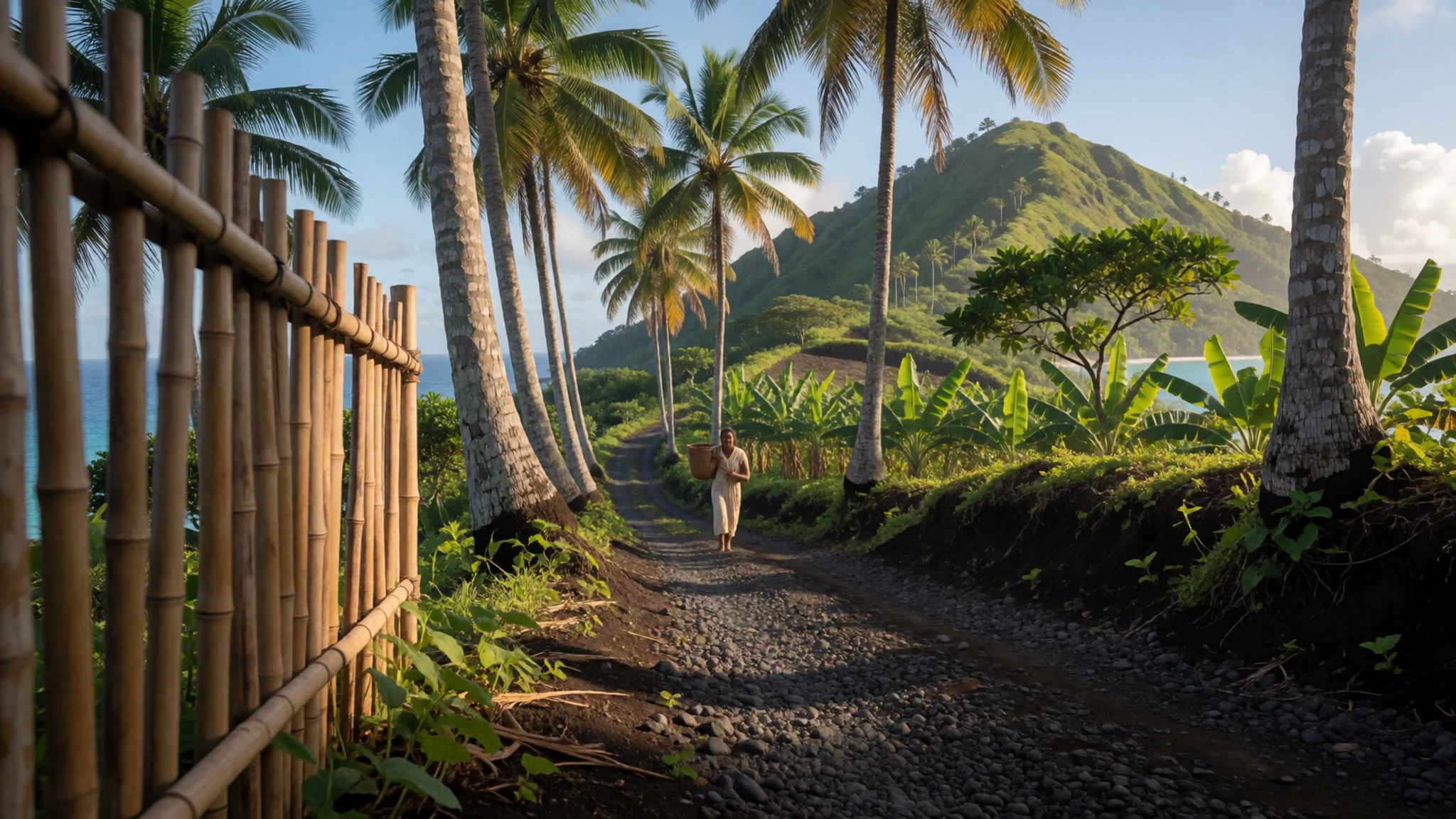
- Vanilla farms — Plantations on the main island
Taha'a's vanilla is its best-known crop, and several family farms welcome visitors to see the vines, the hand pollination and the slow curing of the pods. The smell inside a curing shed is memorable. Pods and extract make light, useful gifts, but ask about the farm's opening arrangements first.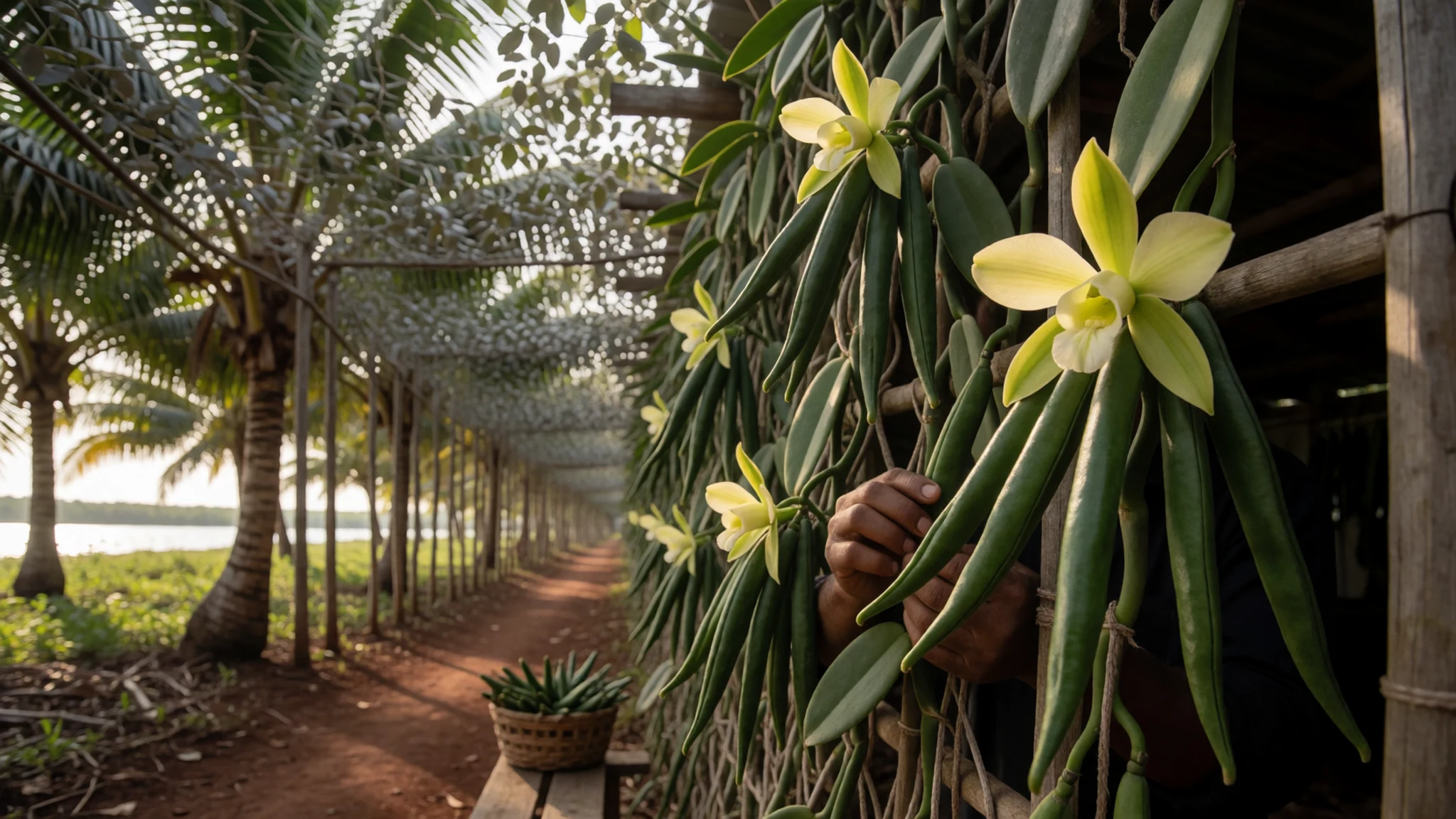
- Pearl farms in the lagoon — Lagoon farms off the coast
Pearls of high quality are grown in the lagoon, and a boat trip to a working farm shows how oysters are tended, grafted and harvested. The visit is a way to understand the island's economy as much as a shopping stop. Buy only if the seller can explain what you are looking at.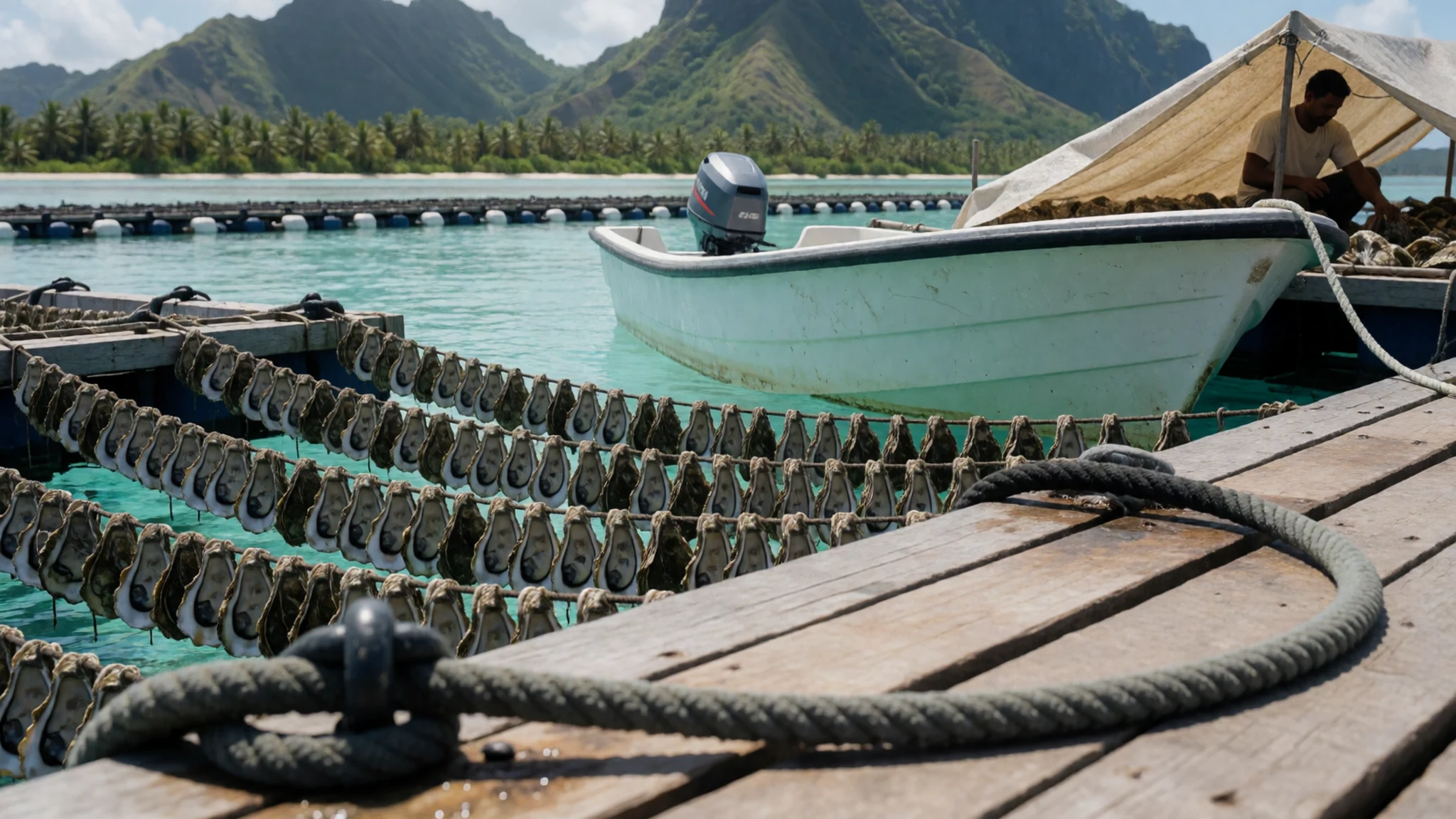
- Snorkelling the northern motu — Northern reef and motu
The reef islets to the north of Taha'a shelter the clearest water for snorkelling, with coral gardens and lagoon fish close to the shore. Boat trips run from the main island. Remember that Moie is privately owned, so reputable operators stick to places where landing is allowed.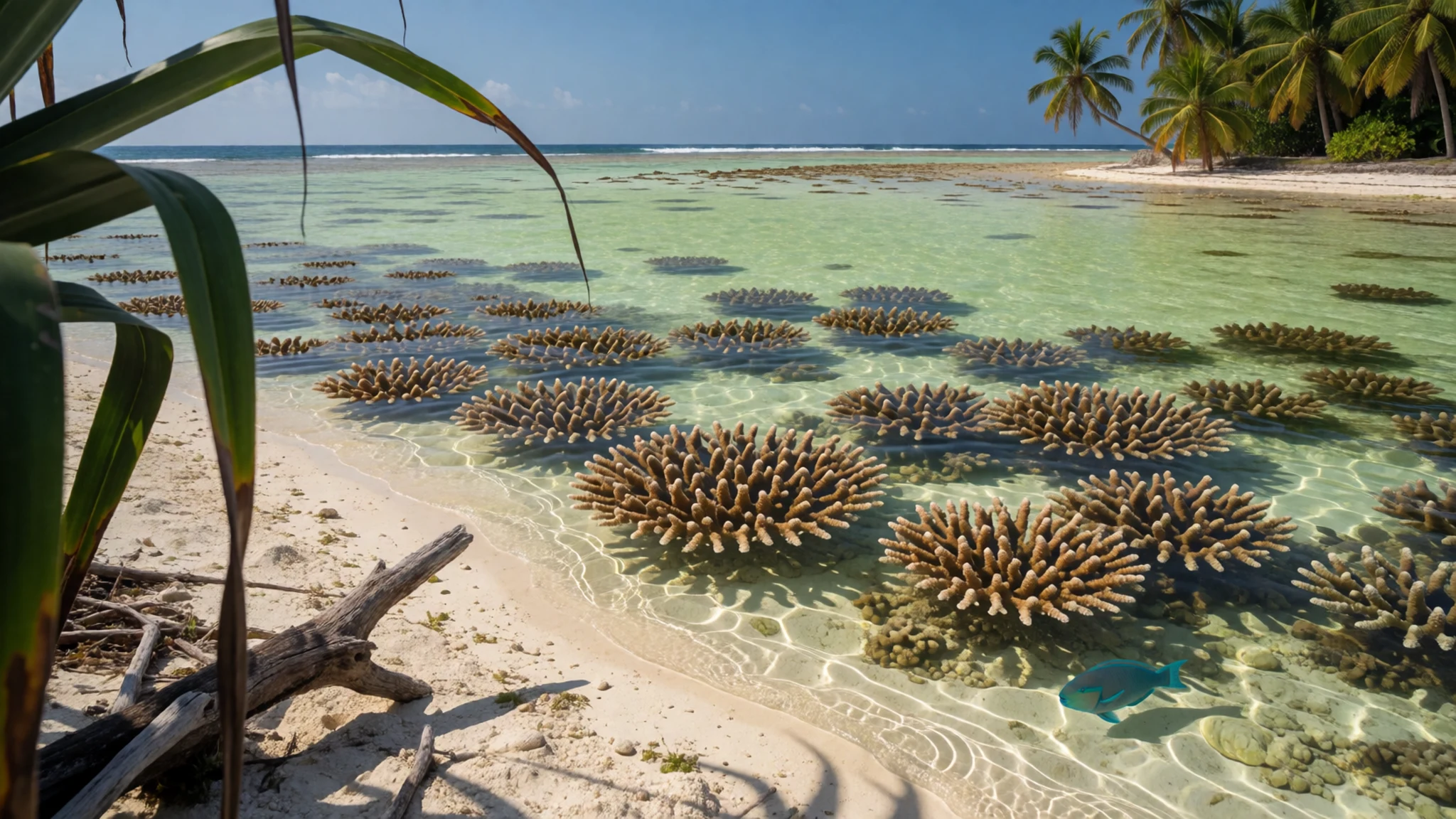
- Tiva and the south-west villages — South-west coast
Tiva, on the south-west coast, is the village linked to the Chilean shipwreck and the so-called Spanish clan. Its small church and waterfront show everyday Taha'a at its most relaxed. It is a gentle stop on a coastal drive, best with time for a swim and a snack from a roadside truck.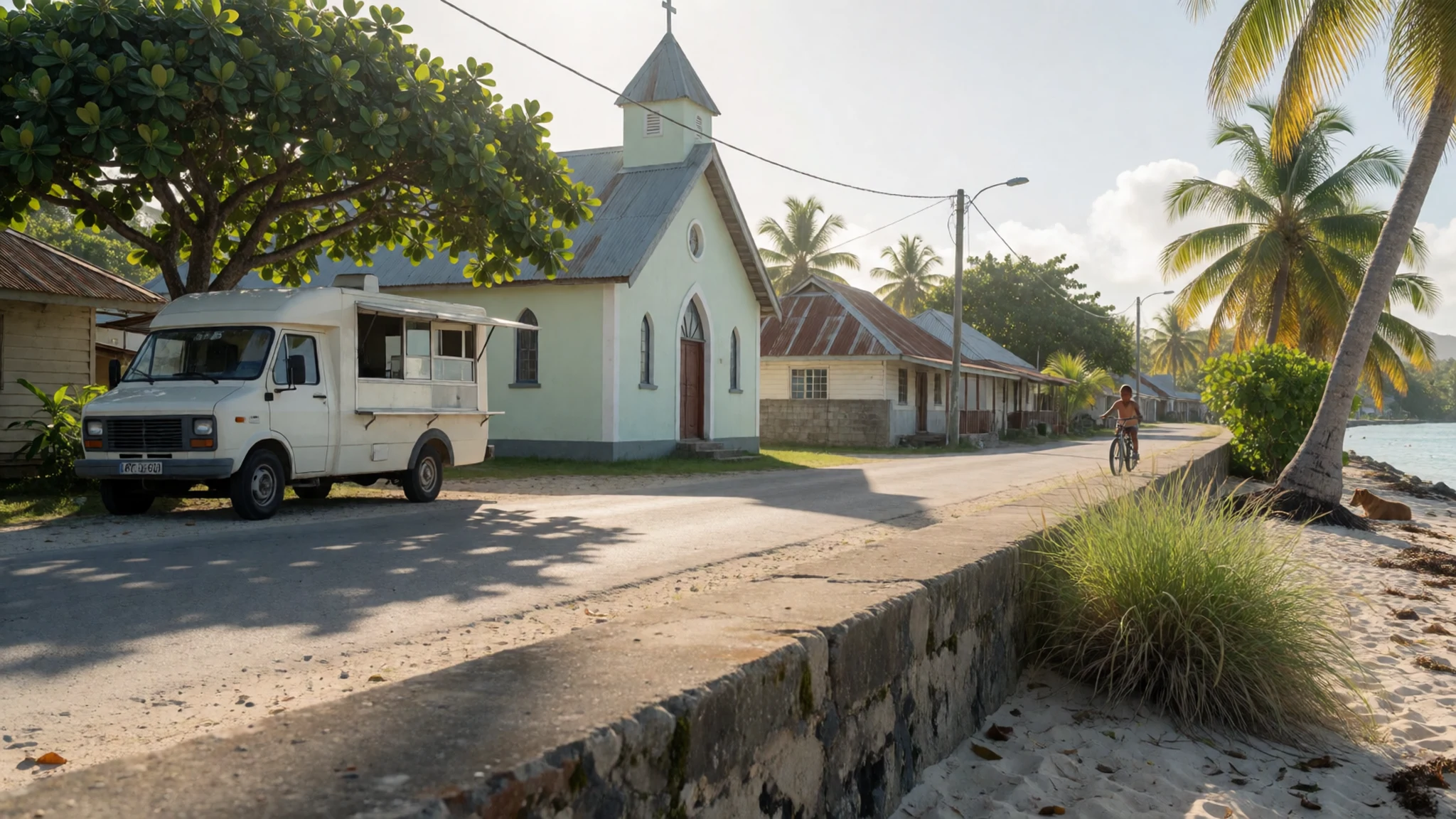
Culture
Taha'a is a place where old Polynesian practices sit comfortably beside church life. One of the best-known traditions is rock fishing, called tautai-taora in the local language. Fishing canoes sit in pairs within the reef, where one crew member positioned at the front uses a stone tied to a rope to disturb the water, while their partner paddles the vessel toward the beach. The noise drives fish into the shallows, where people, often women, stand ready to catch them by hand and fill baskets. Today the method is mostly seen at the October festival, when the canoes are decorated with garlands of tiare, the Polynesian gardenia. Most islanders are Christian, a legacy of missionary work by several Protestant groups and the Catholic Church, and the Archdiocese of Papeete runs two churches on Taha'a, in Patio in the far north and Poutoru in the far south. Sunday services, with their hymn singing, remain a community focus. Islanders are known for an easy, welcoming manner often summed up by the phrase aita pea pea, meaning no worries. Tipping is not customary. Marine life is protected: approaching whales and other marine mammals is regulated and needs official authorisation. When visiting a church service or photographing villagers, keep your voice low, cover your shoulders and knees, and ask permission before pointing a camera at anyone.
What to wear
Taha'a's traditional dress is built around the pareu, a rectangle of printed cotton wrapped around the body and worn by men and women, now mostly for dance, festivals and ceremonies. Women also wear flower crowns and garlands, often tiare, and woven hats made from plant fibres such as pandanus, which are especially common at church. Tifaifai, the bold appliqué quilts, are made for weddings and family gifts and show the same love of flower patterns. Dance costumes use fibre skirts, shells and feathers. Day to day, people wear what suits a hot, humid climate: shorts, T-shirts, light dresses, flip-flops and, near the water, swimwear and rash vests. Bright floral prints are common and often cut as shirts or dresses. For a visitor, the sensible kit is light cotton or linen, quick-drying swimwear, a wide-brimmed hat, strong sun protection and a thin waterproof layer for showers. Reef shoes protect feet from coral and sea urchins, and sandals will do for the village road. At church services and in villages, cover shoulders and knees, and keep beachwear for the beach and the boat. Nights are warm, but a light shirt helps with breezes on the water and air-conditioning in resorts.
What to eat
- Poisson cru — Roulottes (food trucks) and small snack eateries near the harbours
Raw tuna or another reef fish marinated in lime juice and coconut milk, served cold with chopped vegetables. It is the dish most often recommended on Taha'a and tastes best very fresh.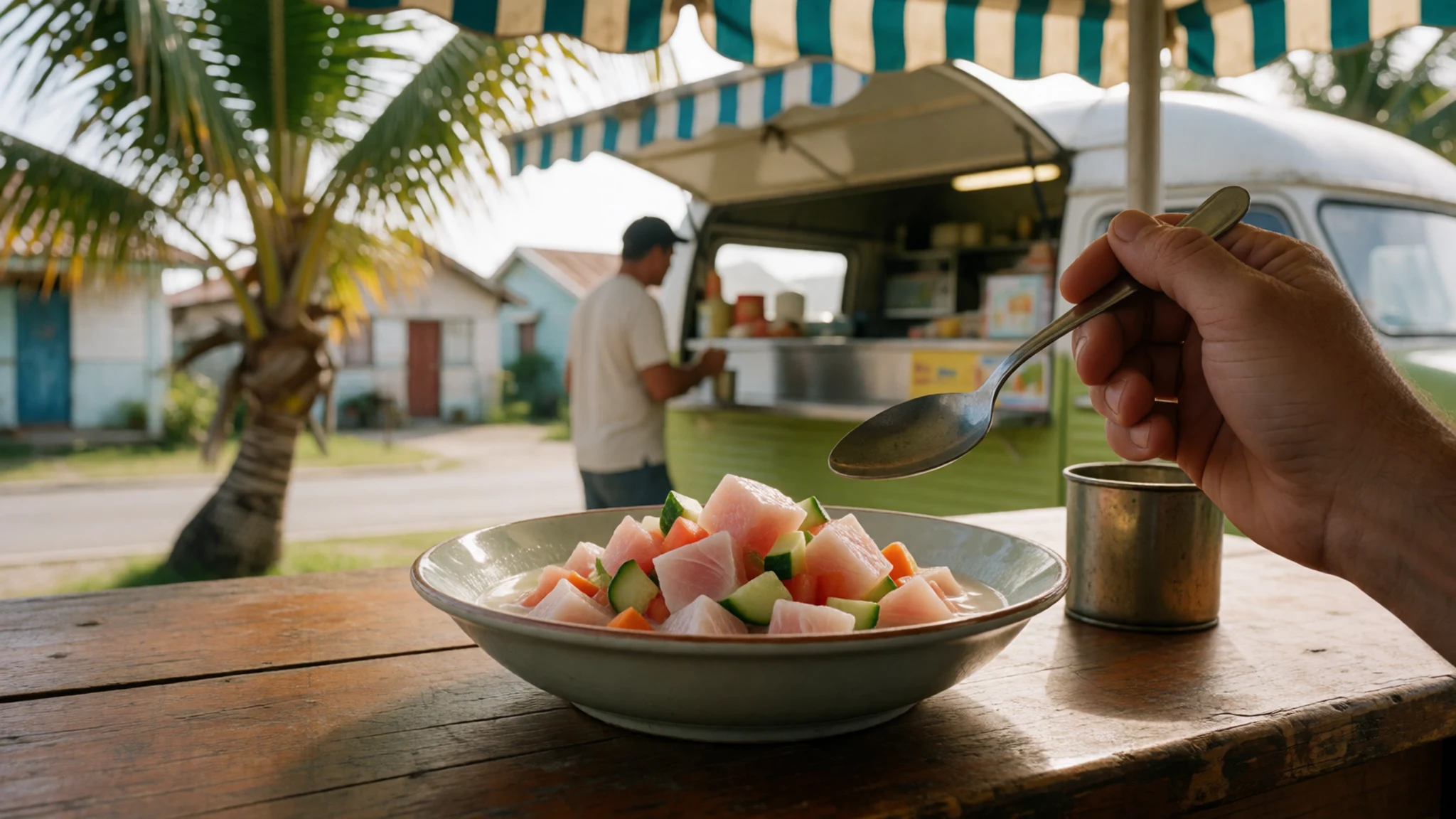
- Grilled mahi-mahi or tuna — Roulottes and local snack counters in the main villages
Fish caught offshore is often simply grilled and served with rice, fries or breadfruit. The flavour is clean and the portions are generous, making it a reliable everyday meal on an island with limited choice.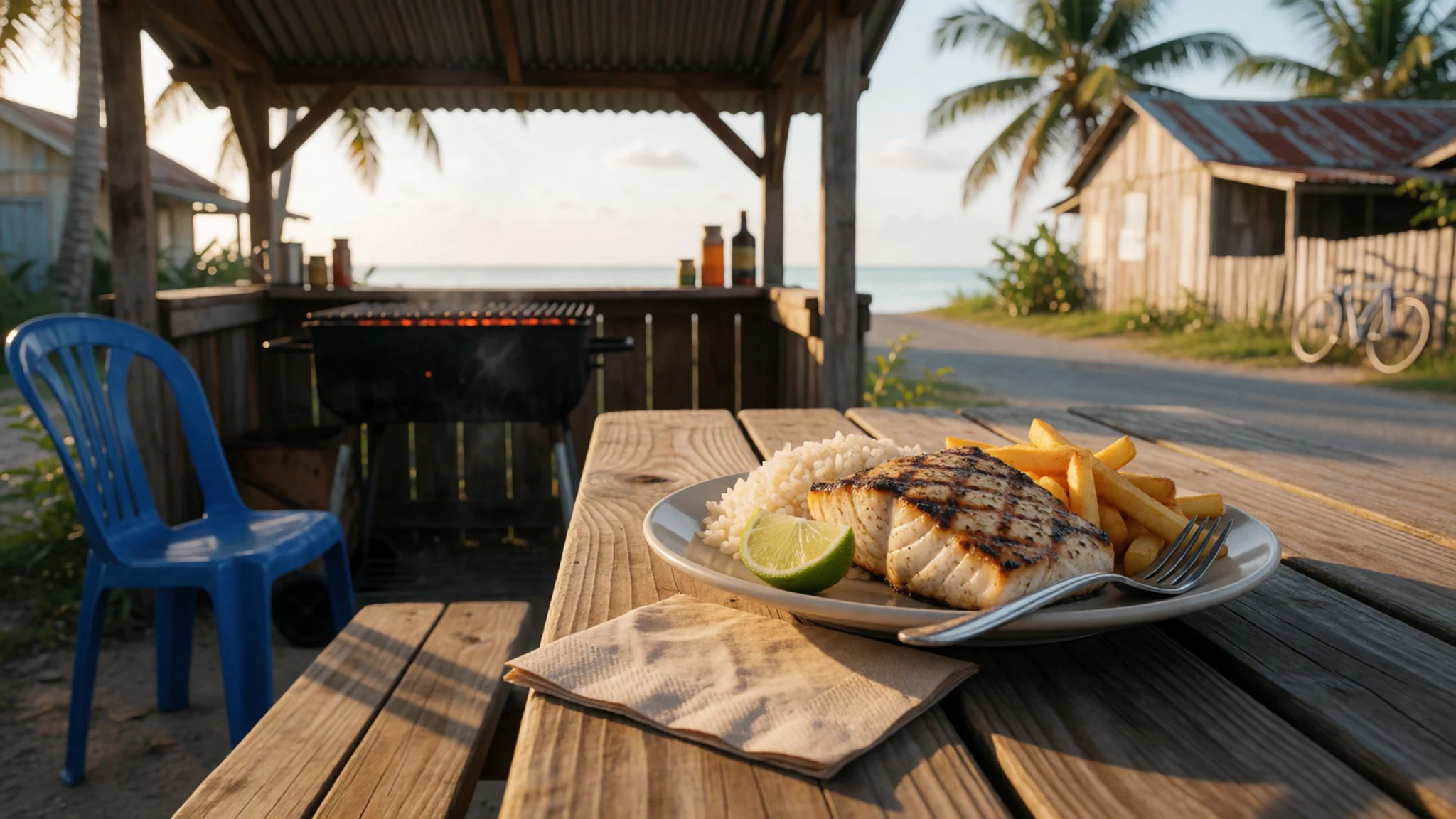
- Ma'a tinito — Village snack eateries and family-run lunch places
A Chinese-influenced home dish of pork, red beans, cabbage and macaroni in a savoury sauce. It reflects the Asian communities in French Polynesia and is filling, ordinary food that locals eat often. - Tamaara'a feast — Family occasions, festivals and resort evenings
The Tahitian feast centres on food cooked slowly in an earth oven: pork, fish, breadfruit, yams and sweet bananas wrapped in leaves. Families prepare it for celebrations, and some resorts stage a version with dance. - Vanilla-flavoured desserts — Farm tasting rooms and guesthouse dining rooms
As the Vanilla Island, Taha'a puts its crop into puddings, ice creams, cakes and coconut-based sweets. A dessert flavoured with local pods tastes noticeably richer than anything made with essence.
Plan it
Best time. May to October is the cooler season and a comfortable time to visit; November to April is the hot season, with heavier humidity. The island is warm and humid all year, so lagoon time is possible in any month.
How long. 2–3
Getting there. Fly to Tahiti first, then take a short domestic flight to neighbouring Raiatea and cross the shared lagoon to Taha'a by boat. Rules differ from mainland France, so check entry and visa requirements for French Polynesia with a French diplomatic mission before booking.
Budget. high
Tips
- Book boat transfers and any lagoon trips in advance, as services are limited
- Carry some cash for village snacks, small shops and farm stops, since card acceptance is patchy outside resorts
- Bring reef shoes, reef-safe sun cream and a refillable bottle, since bottled water is easy to find but adds plastic
- Plan lagoon outings for the morning, when the water is calmer and the heat lower
- Tipping is not customary, so leave it out unless you want to reward something exceptional
Etiquette
- Cover shoulders and knees for church services and in villages
- Ask before photographing people, especially at worship or fishing
- Do not approach whales or other marine mammals without authorised guides
Nearby
Sources
- Wikidata Q926768 (CC0)
- Wikipedia: Tahaʻa (rev 1382026531) (CC BY-SA 4.0)
- Wikivoyage: French Polynesia (rev 5399125) (CC BY-SA 4.0)
- Photo: Ile de Taha vue aérienne, Laurent Seignobos (CC BY-SA 4.0)
- Photo: Location of the community of Tahaa, Society Islands, Hardouin (CC BY 3.0)
- Photo: Tahaa bungalows, Laurent Seignobos (CC BY-SA 4.0)
- Photo: Tahaa, church at Tiva on West side, David Broad (CC BY 3.0)


Wildlife
- Napoleon wrasse (animal)
Think of the Napoleon wrasse as the giant of the wrasse family, a large reef fish that is also called the Māori wrasse or Napoleonfish. It lives around coral reefs, and the waters of Taha'a count it among their residents, which is why snorkelling is the best way to look for it. Ask a local guide about the best season and hour. Float quietly, keep a respectful distance, let it come and go as it pleases, and never feed it.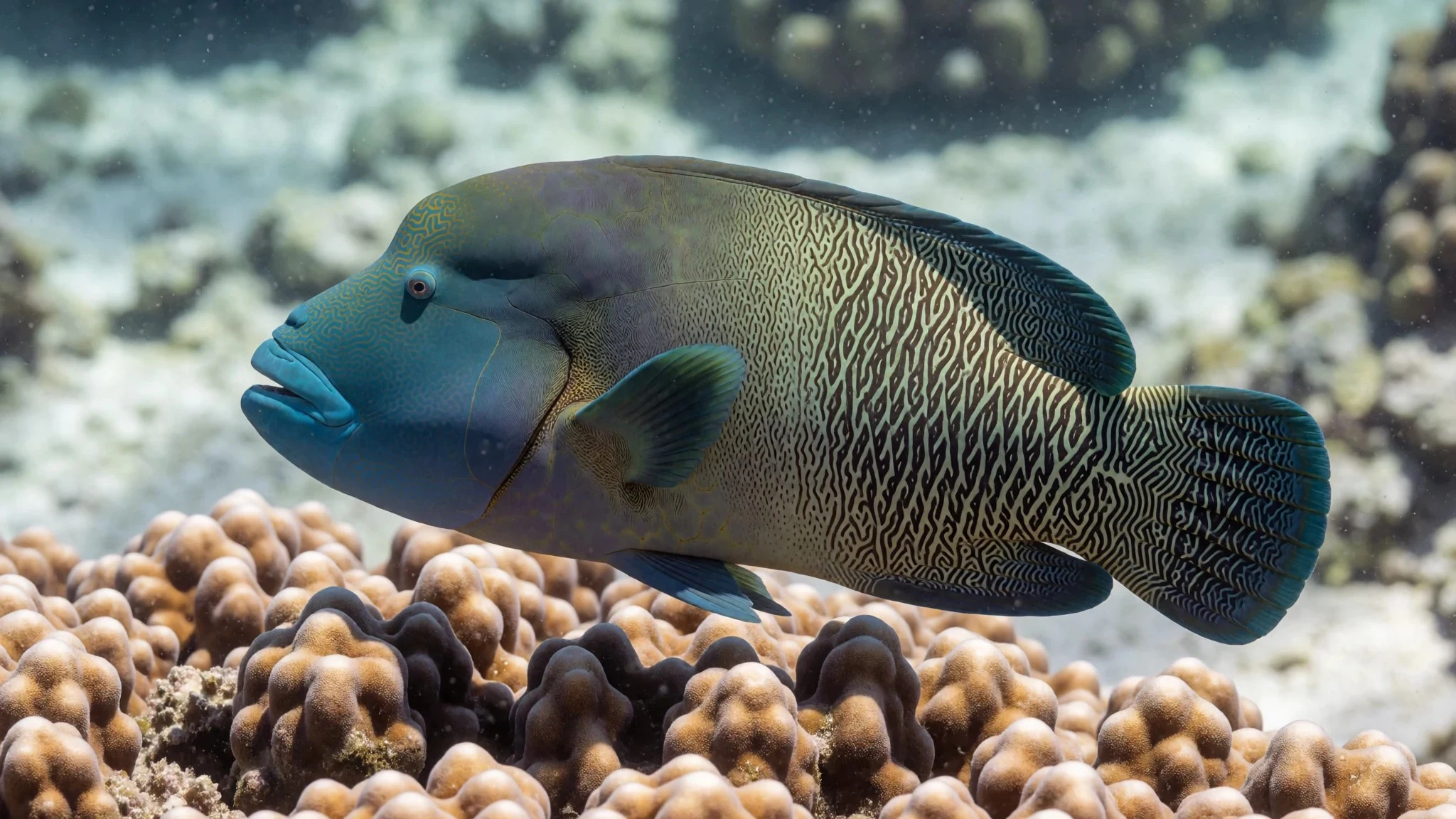
- Grey reef shark (animal)
Picture a sleek reef shark with a rounded snout, big eyes and a broad black edge on its tail: that is the grey reef shark, one of the most widespread sharks of reefs in this part of the world. It is often seen in shallow water close to where the coral drops away into deeper sea. Taha'a's waters hold grey sharks, so snorkellers may meet one. Go with a guide, stay calm, keep your distance, and never feed it.