Speedwell Island
Speedwell Island, United Kingdom
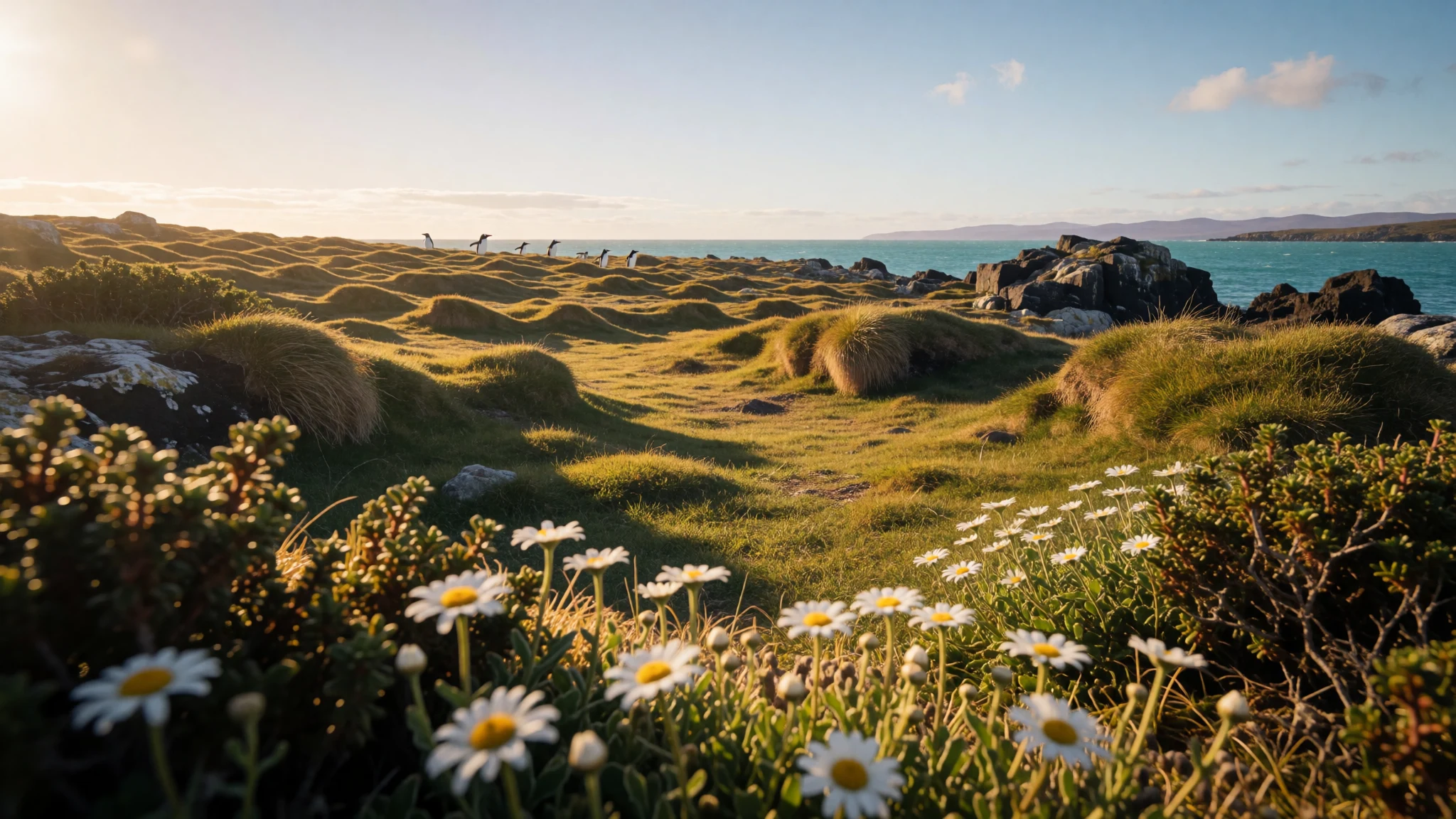
Speedwell Island is a low, quiet corner of the Falklands, with ponds, penguins and a famous shipwreck story, reached only with local help.
The place
Speedwell Island lies in Falkland Sound, off the south-western edge of Lafonia on East Falkland. The facts list a population of two, which says most of what needs saying about the pace of life: this is a working island with almost nobody on it. It covers about 51.5 sq km, running roughly 17.5 km from north to south and about 5 km across its broadest middle. The ground is low and gentle, dotted with permanent ponds rather than rising into hills. A narrow stretch of water called Eagle Passage divides it from Lafonia. That name is a relic, because the island itself was once called Eagle Island, and Spanish-language maps knew it as Isla Águila. Smaller neighbours share the water: the Elephant Cays, George Island, Barren Island and Annie Island make up the Speedwell group. Politically the Falklands are a UK Overseas Territory, although Argentina claims them as the Islas Malvinas, and the 1982 war still shapes how people talk. For a visitor the appeal is space, weather and wildlife rather than facilities. Wind is constant, shelter is scarce and services are thin, so a trip is normally built around Stanley and arranged well ahead with local operators or the landowner. Expect heath, open sky, tussocky shorelines and long silences.
Its story
Speedwell Island, then called Eagle Island, is best known for a shipwreck with an unusually happy ending. On 8 February 1813 the Isabella, a British vessel sailing from Sydney towards London, ran aground off its shore. All 54 people on board survived, among them Joseph Holt, an Irish rebel general sent into exile, who later wrote up the episode in his memoirs. One passenger, Joanna Durie, was close to term and gave birth to a daughter, Elizabeth Providence, within two weeks of the wreck. With no help in sight, six volunteers set off in one of the ship's longboats, only about five metres long, hoping to reach a Spanish outpost. They crossed the South Atlantic and landed near the River Plate after roughly a month, and a Royal Navy gun brig was later sent to fetch the stranded group. Rescue of another kind arrived first. In early April the American sealer Nanina was hunting seals offshore when her captain, Charles Barnard, noticed smoke and heard gunfire. His boat crew found a fresh moccasin and the remains of a butchered seal, and that evening a group of men came out to the ship. Each side feared the other was Spanish, and relief was mutual. Over dinner Barnard told the castaways that Britain and America were at war, news they had not yet heard.
What to see
- The museum on Holdfast Road — Holdfast Road
Speedwell Island has a small museum on Holdfast Road, a sensible first stop for the island's farming and maritime past. It is the kind of place run on local goodwill, so opening arrangements can be informal. Ask the landowner or your tour operator before relying on a visit.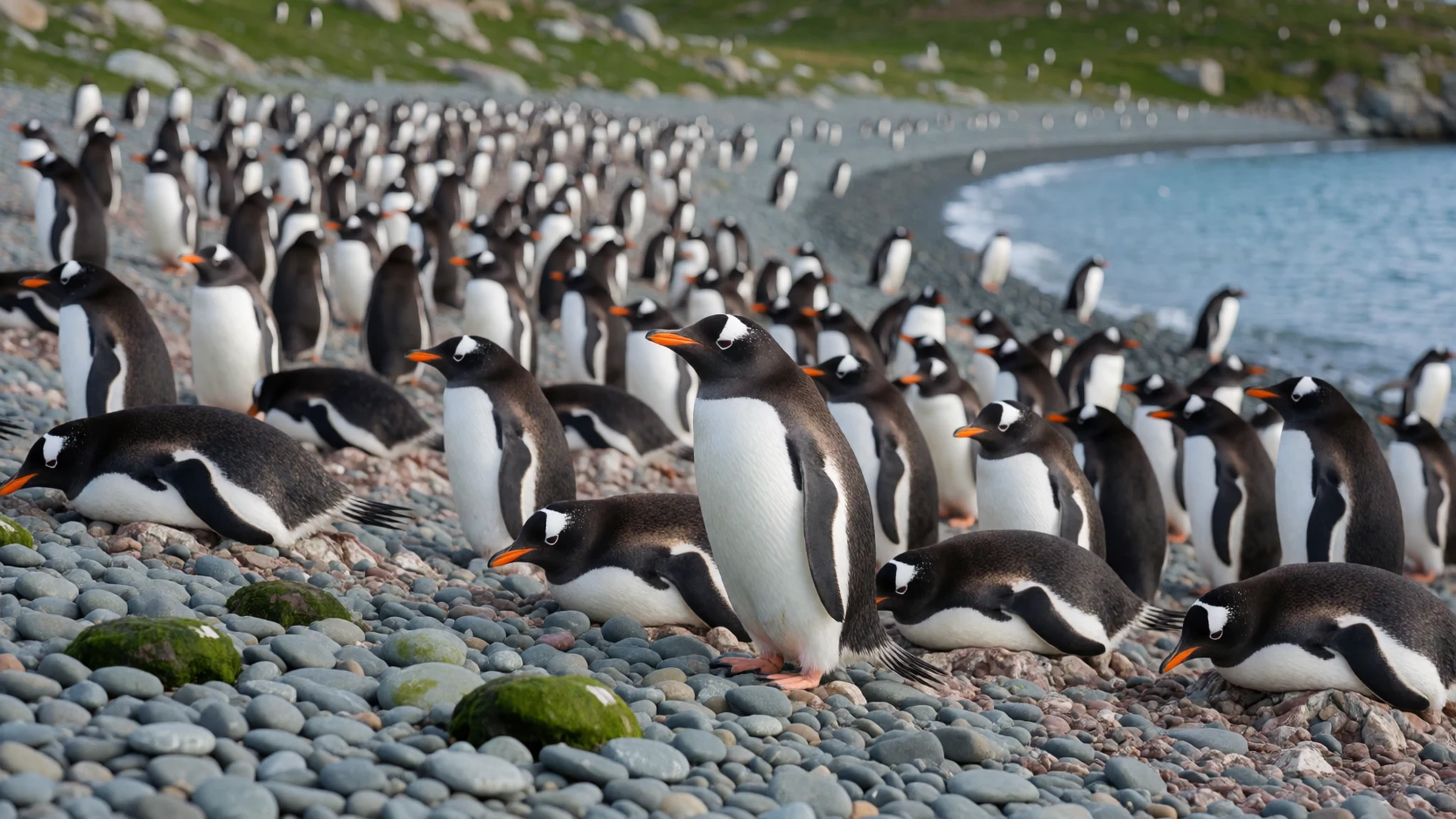
- Penguin watching — Coastal beaches and shoreline
Penguins are the main wildlife draw on the island and its shores. Several species live in the Falklands, and the best approach is slow and patient: sit low, keep a respectful distance and let birds come to you. A local guide will know which beaches are active in a given month.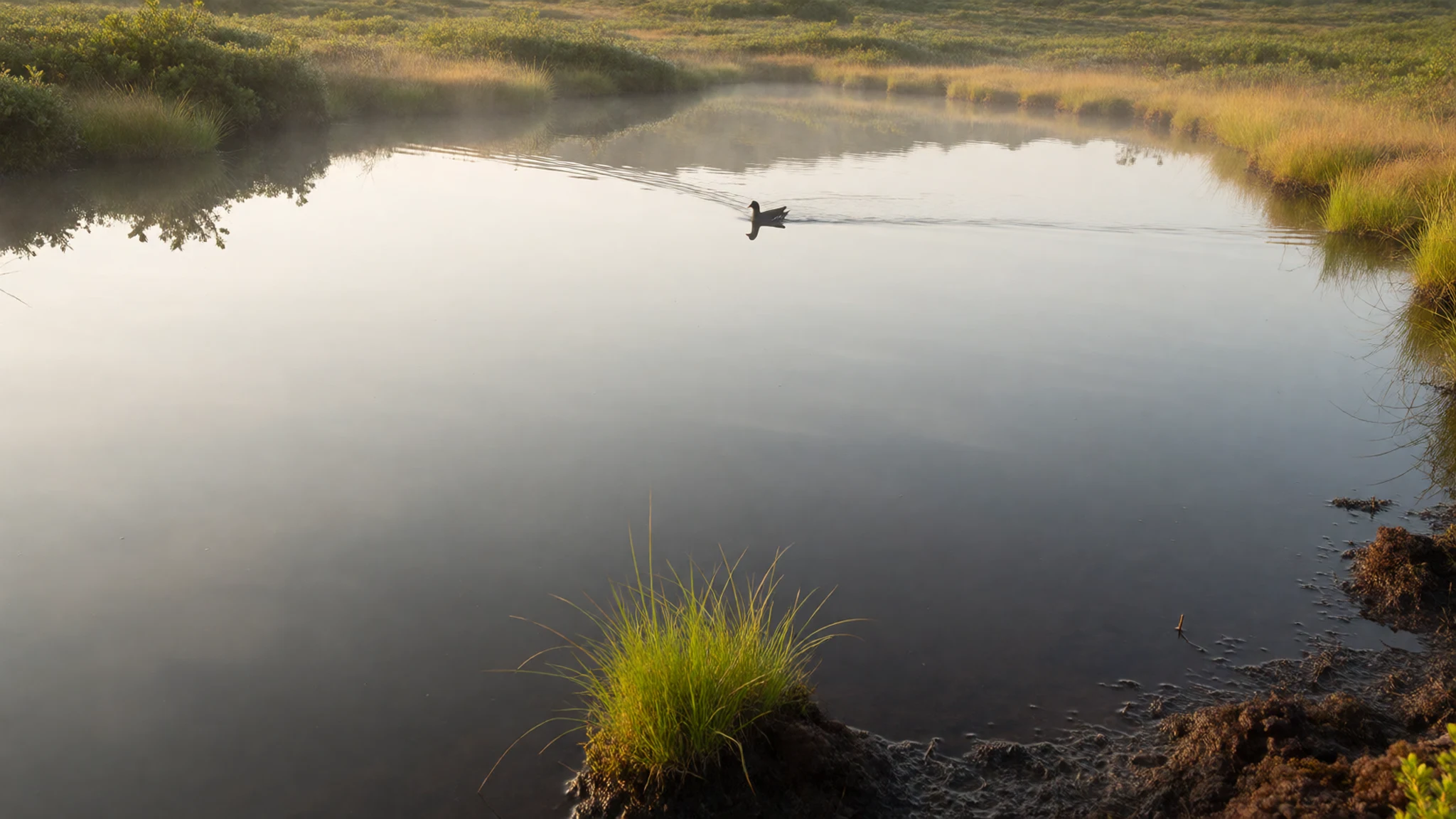
- Sea-trout and mullet fishing — Island shoreline and inlets
Anglers come for sea trout and mullet, with the productive months running from September into April. Local knowledge matters here: tides, wind and access across private land all affect where a line can go in. Arrange permission and guidance in advance rather than turning up with a rod and hope.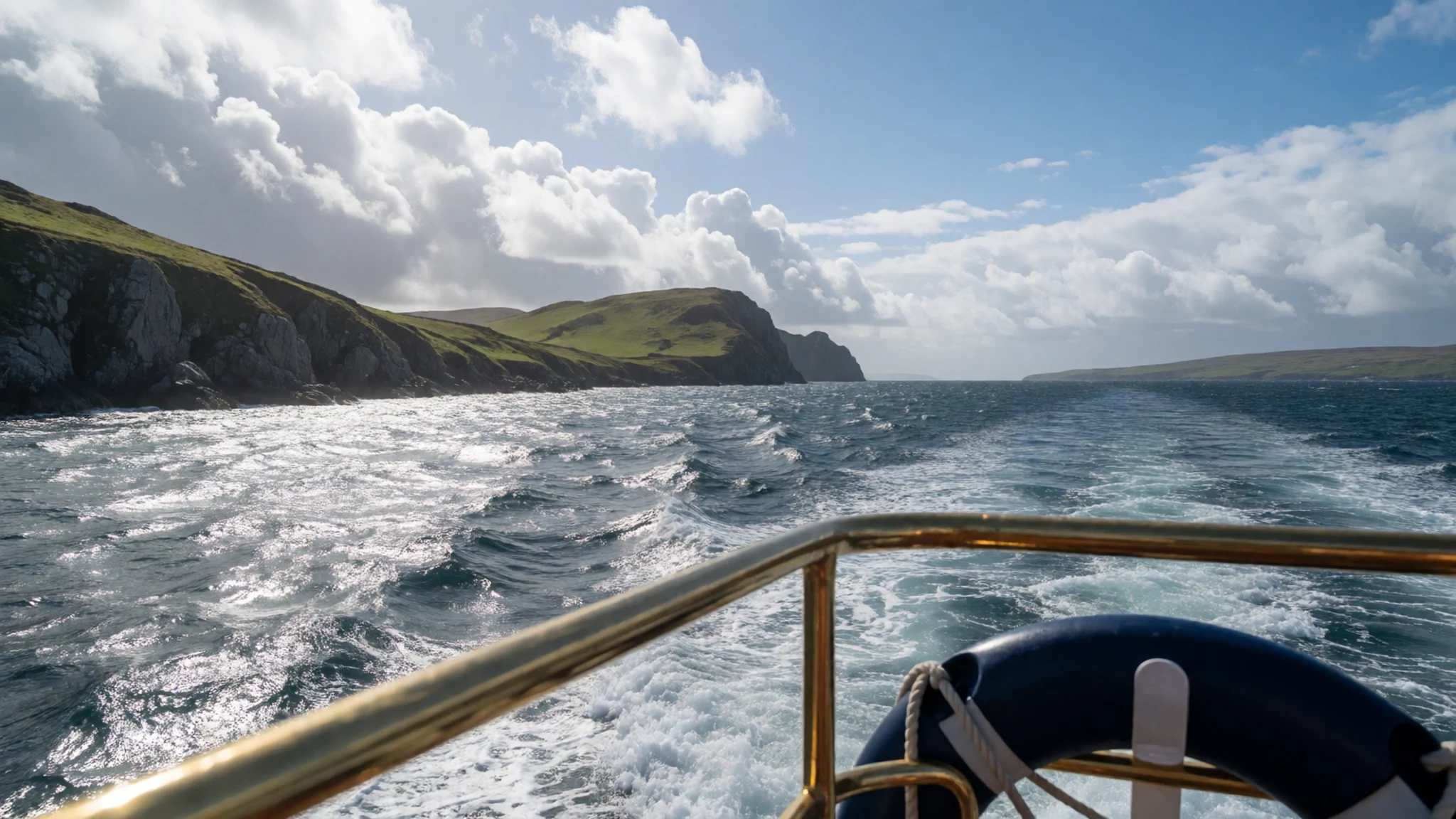
- Eagle Passage shoreline — East side, facing Lafonia
The shore facing Eagle Passage looks across to Lafonia and shows how close the two islands lie. It is a good spot for wind-bent grass, kelp-strewn rocks and passing seabirds. Watch the weather, as squalls cross the water quickly and exposed walking leaves little shelter.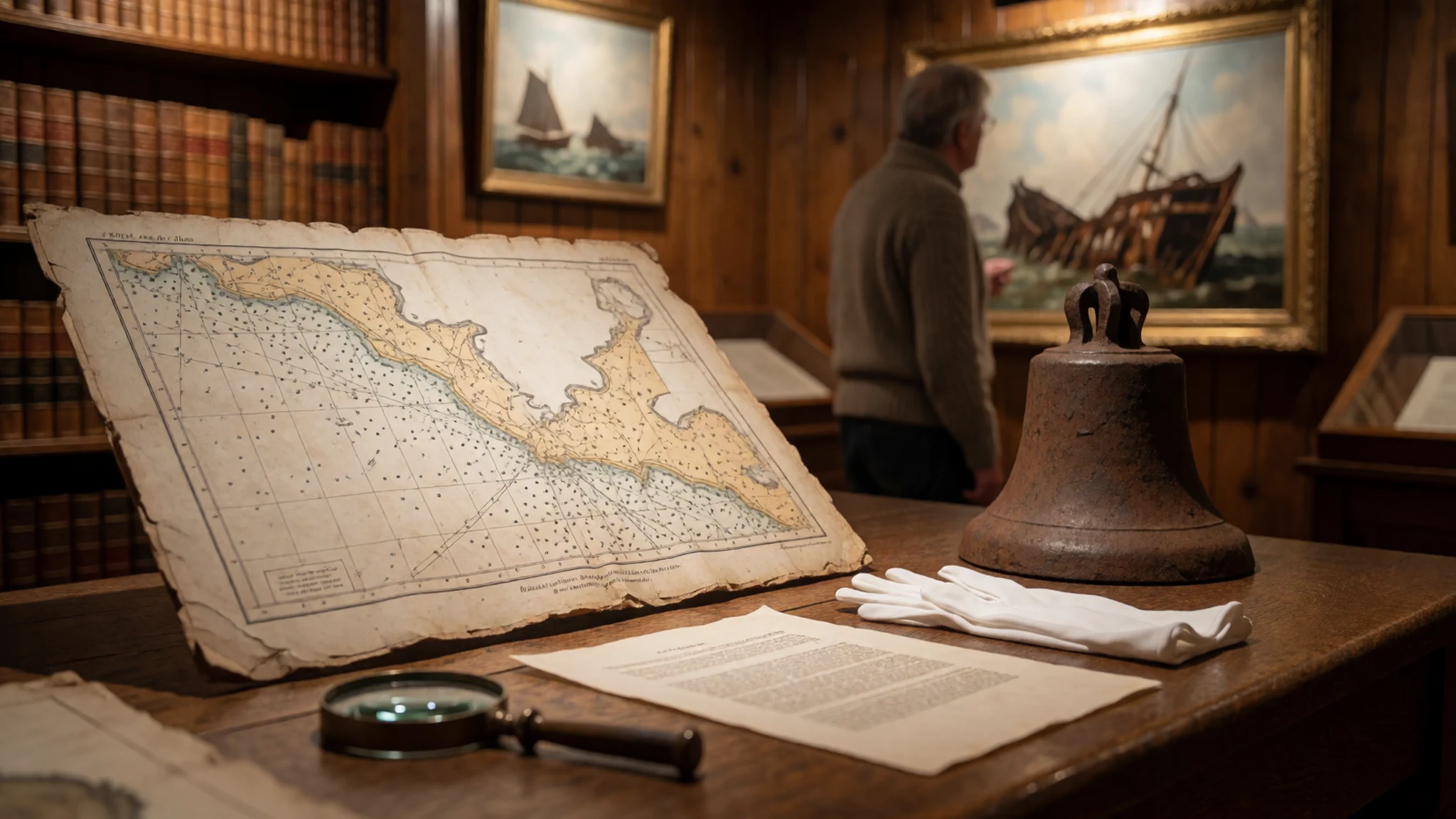
- The Speedwell island group — Surrounding islets
Beyond the main island, the Elephant Cays, George Island, Barren Island and Annie Island form a scatter of small, mostly empty landmasses. Reaching them depends on boats, tides and local goodwill, so treat them as an optional extra to raise with operators in Stanley.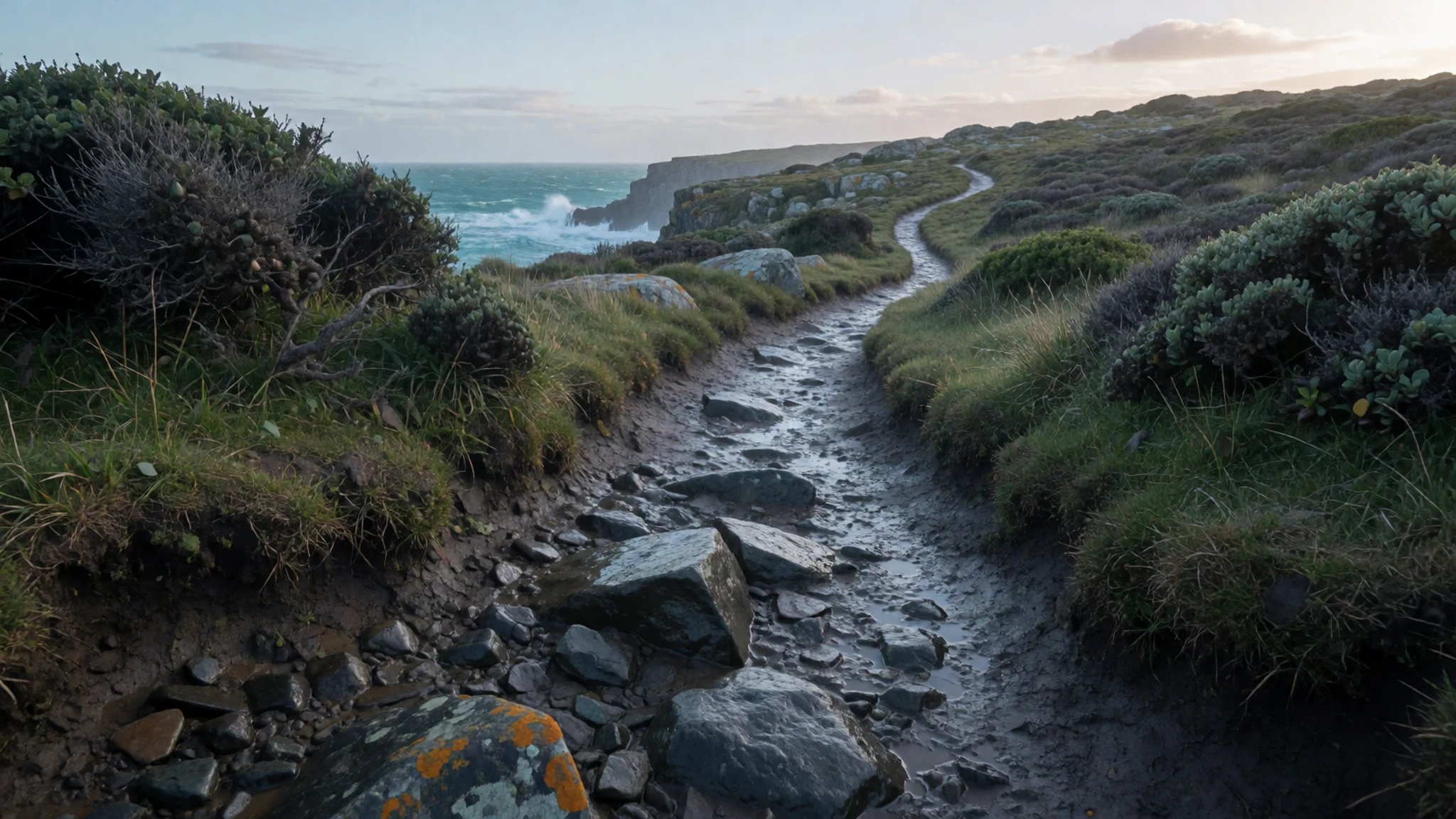
Culture
Speedwell Island follows the customs of the wider Falklands, which are British in root and, by most accounts, a little more conservative than in Britain itself. Manners are plain and friendly: a wave to passing vehicles, a cup of tea offered without ceremony, and an expectation that guests look after themselves. Drug use is not tolerated. Margaret Thatcher, prime minister in 1982, is regarded warmly rather than as the divisive figure she remains elsewhere. Attitudes to LGBT people are broadly welcoming; same-sex marriage became legal in 2017 and discrimination on grounds of sexual orientation is unlawful. History sits close to the surface. Many residents lived through the 1982 conflict, and a 2013 referendum produced an overwhelming vote to remain British. Some islanders still feel wary of Argentines because of the war, so political small talk needs care. Farming and wildlife shape the rhythm of life more than anything else, and landowners expect visitors to respect gates, livestock and nesting birds. Self-reliance matters in places this remote, and neighbours help one another as a matter of course. Weather decides most plans, and nobody takes offence at a cancelled boat or a delayed flight. Always ask the landowner before camping, crossing farmland or approaching wildlife, and call the archipelago the Falkland Islands, never Argentine.
What to wear
Speedwell Island has no national costume of its own, and the Falklands have no ceremonial dress or textile tradition comparable to those of the Andes further west. What the islands do have is a working heritage built on sheep farming, and wool is the nearest thing to a traditional fabric: knitted jumpers, thick socks, felted hats and tweed-style jackets belong to everyday farm life, with waxed or oilskin coats and rubber boots for the wet. Daily wear now is practical and unfussy: fleeces, windproof shells, work trousers or jeans, wellingtons and sturdy boots, with something tidier for pubs and church in Stanley. Nobody dresses for show. A visitor should dress for wind rather than for temperature alone, since weather can swing from bright to sleet within an afternoon, even in summer. Pack layers: a thermal base, a fleece, a waterproof and windproof outer, a hat, gloves and sunglasses, because the light off the water can be harsh. Waterproof walking boots with good ankle support suit boggy heath and rocky shore, and wellingtons are handy near ponds. There are no modesty rules to worry about and no dress code at wildlife sites, though subdued colours disturb birds less than bright ones.
What to eat
- Roast mutton — Farmhouse and lodge dinner tables, and pubs in Stanley
Mutton is the everyday meat of the Falklands, and it is often the only fresh meat on shop shelves. Expect it roasted with potatoes and gravy, plain and filling, in the traditional British style.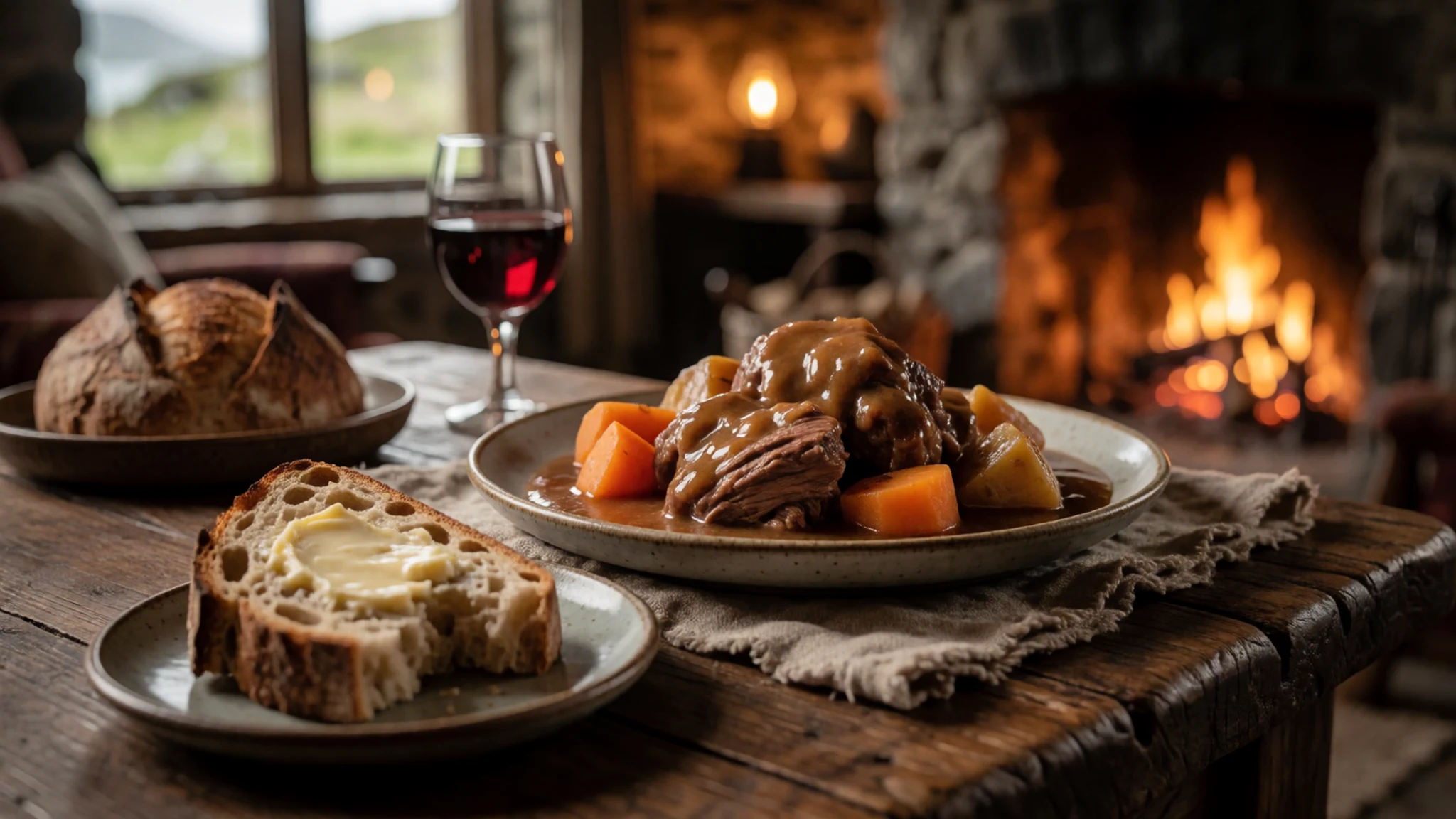
- Fish and chips — Pubs and cafés in Stanley
Fish and chips is standard fare across the islands, a reminder that the food is mostly British in outline. Quality varies, but it suits the cold, windy weather and a long day outdoors.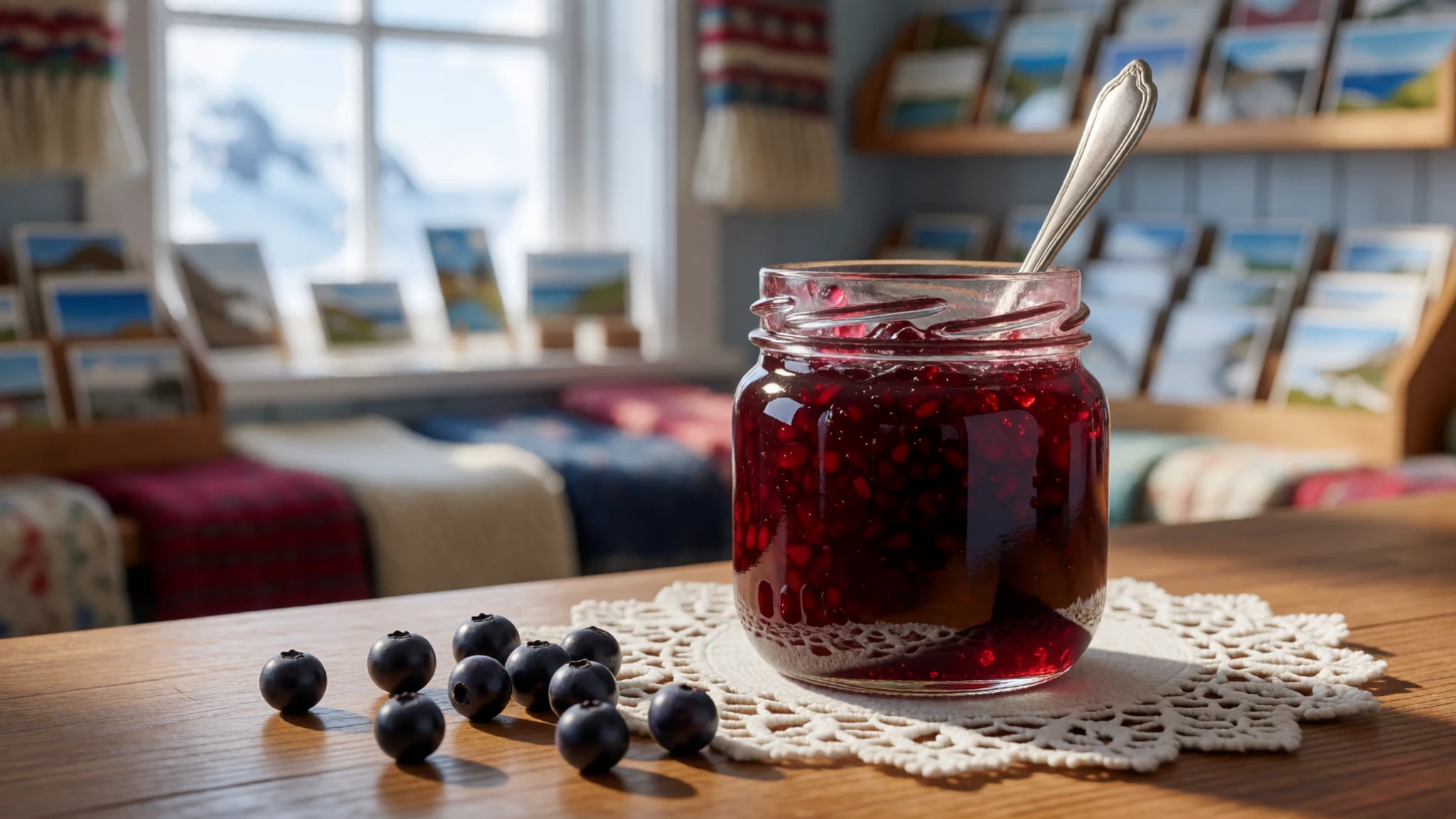
- Diddle-dee jam — Gift shops and farm kitchens, often sold in jars
Diddle-dee, a red crowberry that grows wild on the heaths, is cooked into a tart, slightly earthy jam. It is a true local speciality and a good edible souvenir, spread on bread or scones. - Home-cooked lodge meals — Lodges and farmhouses outside Stanley
Lodges out in camp, as the countryside is called, usually serve generous home cooking, often better than Stanley's pubs. Expect hearty portions of meat, vegetables and puddings, followed by plenty of tea. - Local microbrewery beer — Stanley bars and gift shops
Alcohol is untaxed, which keeps beer reasonably priced, and a few small breweries make drinks inspired by the local landscape. Most pours come from cans or bottles, though some are on tap in Stanley.
Plan it
Best time. November to March is the southern summer, with the longest days and the mildest weather for walking, wildlife and boat trips; fishing for sea trout and mullet runs roughly September to April. Even then it is windy and changeable, and winter is cold, dark and quiet.
How long. 2–3
Getting there. Fly or sail to Stanley, then arrange the last leg to Speedwell Island by light aircraft or boat through local operators or the landowner. Check entry rules, return-ticket and insurance requirements with the Falkland Islands government before booking, as the territory controls its own immigration.
Budget. high
Tips
- Book transport and accommodation well ahead, as the island is remote and places are few
- Bring waterproofs and layers whatever the month, as wind is constant and weather turns fast
- Stock up on food and supplies in Stanley, since many places are self-catering
- Carry some cash and a card, and do not count on shops or cash machines near the island
- Keep a safe distance from seals and sea lions, which can be dangerous with young or when cornered
Etiquette
- Ask the landowner before camping or crossing farmland, and close every gate behind you
- Give wildlife space: if an animal notices you, you are too close
- Refer to the islands as the Falklands and avoid calling them Argentine
Nearby
Sources
- Wikidata Q1771338 (CC0)
- Wikipedia: Speedwell Island (rev 1365985409) (CC BY-SA 4.0)
- Wikivoyage: Falkland Islands (rev 5400949) (CC BY-SA 4.0)
Wildlife
- Gentoo penguin (animal)
The gentoo is a penguin that tips its head back and trumpets loudly, as if announcing itself to the whole shore. On Speedwell Island it lives in large colonies, so you may well hear the birds before you see them. Keep a respectful distance, stay quiet and unhurried, and go with a local guide if you can. Let the penguins go about their day as they please, and never feed them.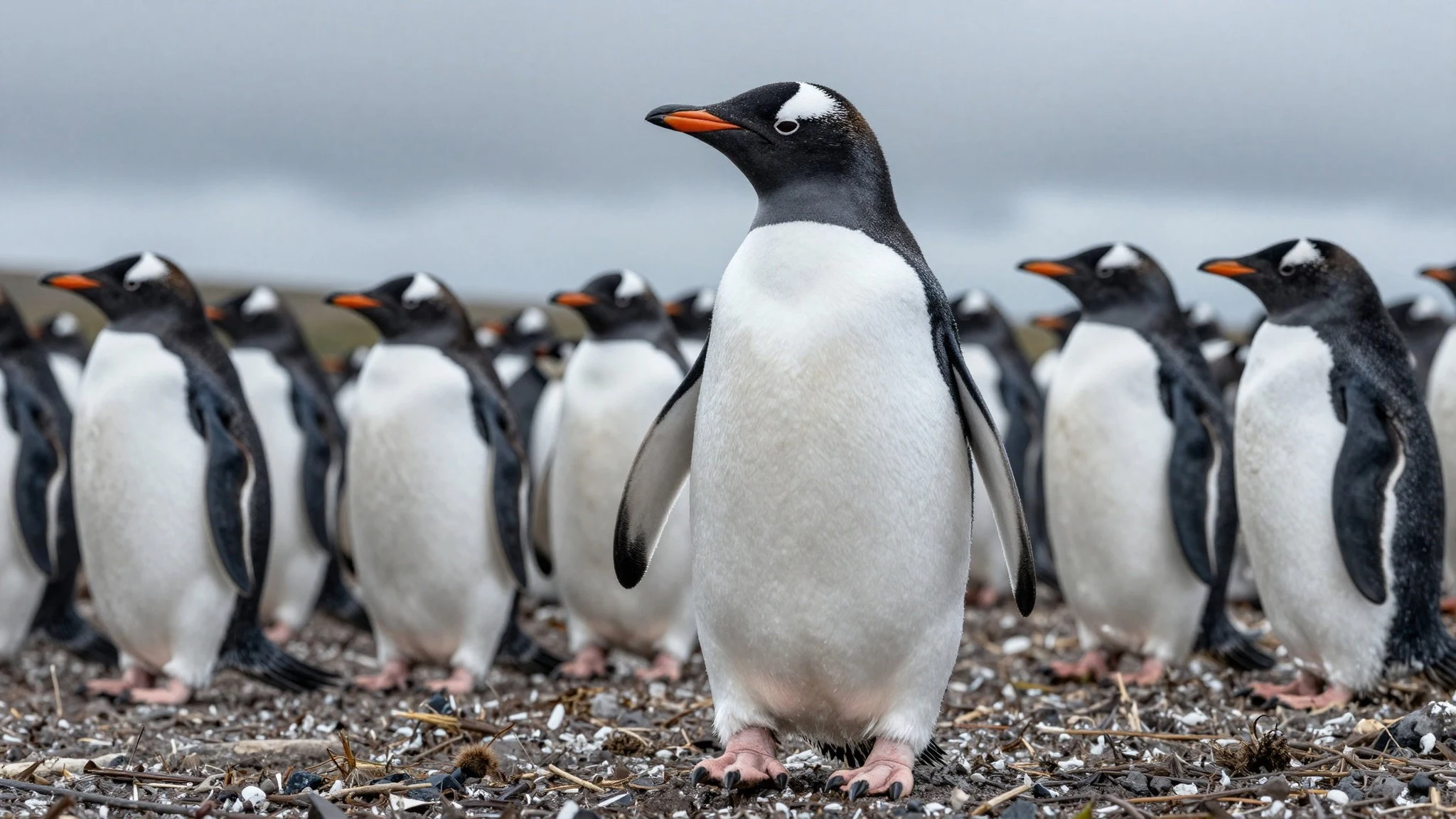
- Gentoo penguin (bird)
The gentoo is a penguin that tips its head back and trumpets loudly, as if announcing itself to the whole shore. On Speedwell Island it lives in large colonies, so you may well hear the birds before you see them. Keep a respectful distance, stay quiet and unhurried, and go with a local guide if you can. Let the penguins go about their day as they please, and never feed them. - Magellanic penguin (animal)
The Magellanic penguin is a banded South American seabird, named after the explorer Ferdinand Magellan, who noticed it long ago. Speedwell Island is home to large colonies of them, alongside the gentoos. Keep well back, speak softly and move slowly so the birds stay at ease. A guide will help you watch without disturbing them. Never offer food; these are wild animals, and they are best left to find their own meals. - Magellanic penguin (bird)
The Magellanic penguin is a banded South American seabird, named after the explorer Ferdinand Magellan, who noticed it long ago. Speedwell Island is home to large colonies of them, alongside the gentoos. Keep well back, speak softly and move slowly so the birds stay at ease. A guide will help you watch without disturbing them. Never offer food; these are wild animals, and they are best left to find their own meals.