Sonamarg
Sonamarg, India
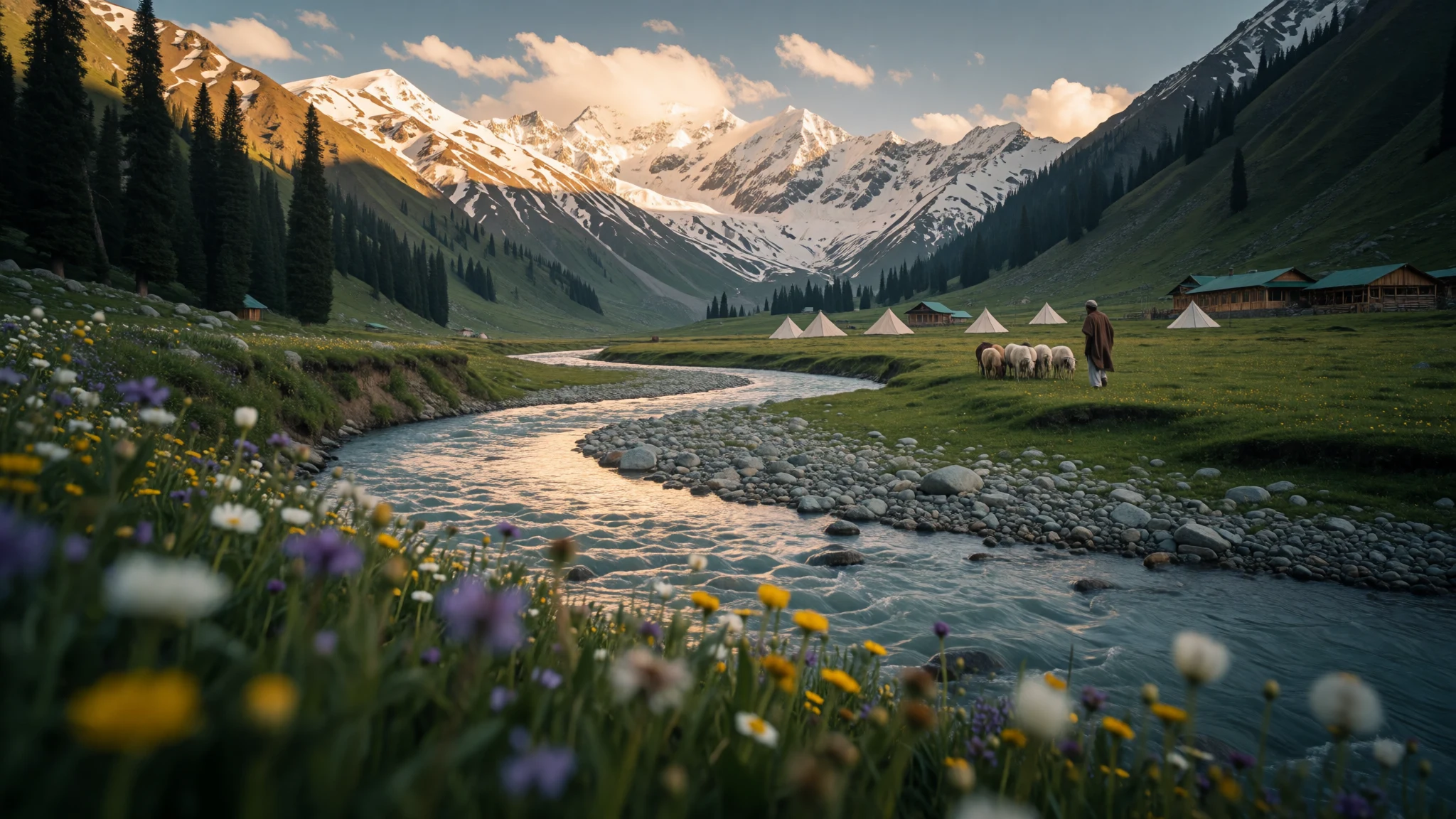
Sonamarg is a high Kashmir meadow with glacier walks, trout rivers and the trailheads for some of the Himalaya's best-known lake treks.
The place
Sonamarg sits in the Ganderbal district of Jammu and Kashmir, on the road that climbs north-east from Srinagar towards the Zoji La pass, at about 2800 metres. Its Kashmiri name, Sonamarag, means meadow of gold, and in early summer the description is fair: the grass fills with flowers and the low sun lights up the slopes. The valley is wide and open, with the Sind river braiding through the middle and snow peaks closing the view on every side. This is a small settlement, not a town. There is a main market with lodges and eateries, a spread of guesthouses, and tented camps pitched on the meadows for trekkers and groups. Altitude governs everything. Nights stay cold even in midsummer, rain arrives quickly, and winter snow is heavy enough to close the road for long stretches, so the season is short. Summer weekends bring crowds of day-trippers from Srinagar, and the lanes towards the glacier fill with ponies, sledge operators and people selling snacks. Midweek, or at first light, the place is far quieter. Fishing, rafting, camping and long treks all start here. The area also has a visible military presence, and conditions on the road and in the wider region can change, so it is sensible to check current advice before setting out.
Its story
Sonamarg was a waypoint on the old Silk Road, the mountain route that tied Kashmir to Tibet and the high plateau beyond. Traders, pilgrims and herders crossed the Zoji La from here, and the pass still decides who can travel onwards to Ladakh and when. A local tale says the valley's water is enchanted and turns whatever it touches to riches, a nice story for a place whose name means gold. Older traces lie along the Great Lakes trek, where the descent towards Naranag passes the ruins of early Buddhist temples, a reminder that these valleys carried religion as well as trade. In modern times the town's position gained a different weight. After the Kargil conflict of 1999, the road through Sonamarg became strategically important to the Indian Army, which is why checkpoints and convoys are part of the scenery. The yatra to the Amarnath cave shrine also draws large numbers of pilgrims to this corridor each season. The mountains themselves are still working. In May and June 2024, sections of ice near Thajiwas Glacier collapsed, and visitors and a labourer died. The episodes are a sober lesson in how unstable even a familiar tourist glacier can be, and they are why walking on or beneath its edges is a poor idea.
What to see
- Thajiwas Glacier — Sonamarg, Ganderbal
The usual first outing from Sonamarg is Thajiwas, about 3 km from the market, reached on foot or by pony along a stony track. Snow lingers here into summer, and operators offer sledge rides on the lower slopes. Stay well back from the ice edge and overhangs, especially after the 2024 collapses.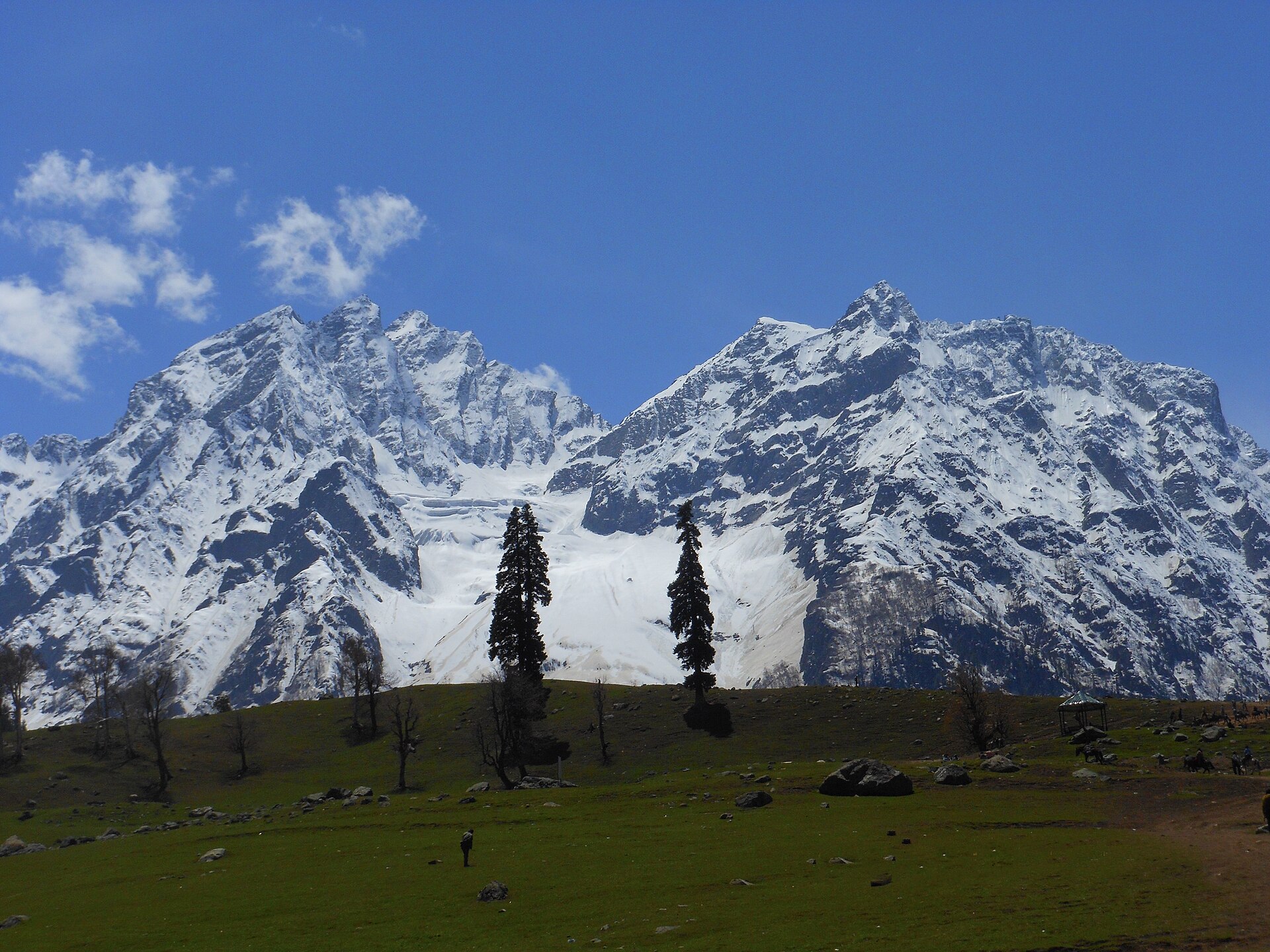
- The Sind river and its trout — Sonamarg, Ganderbal
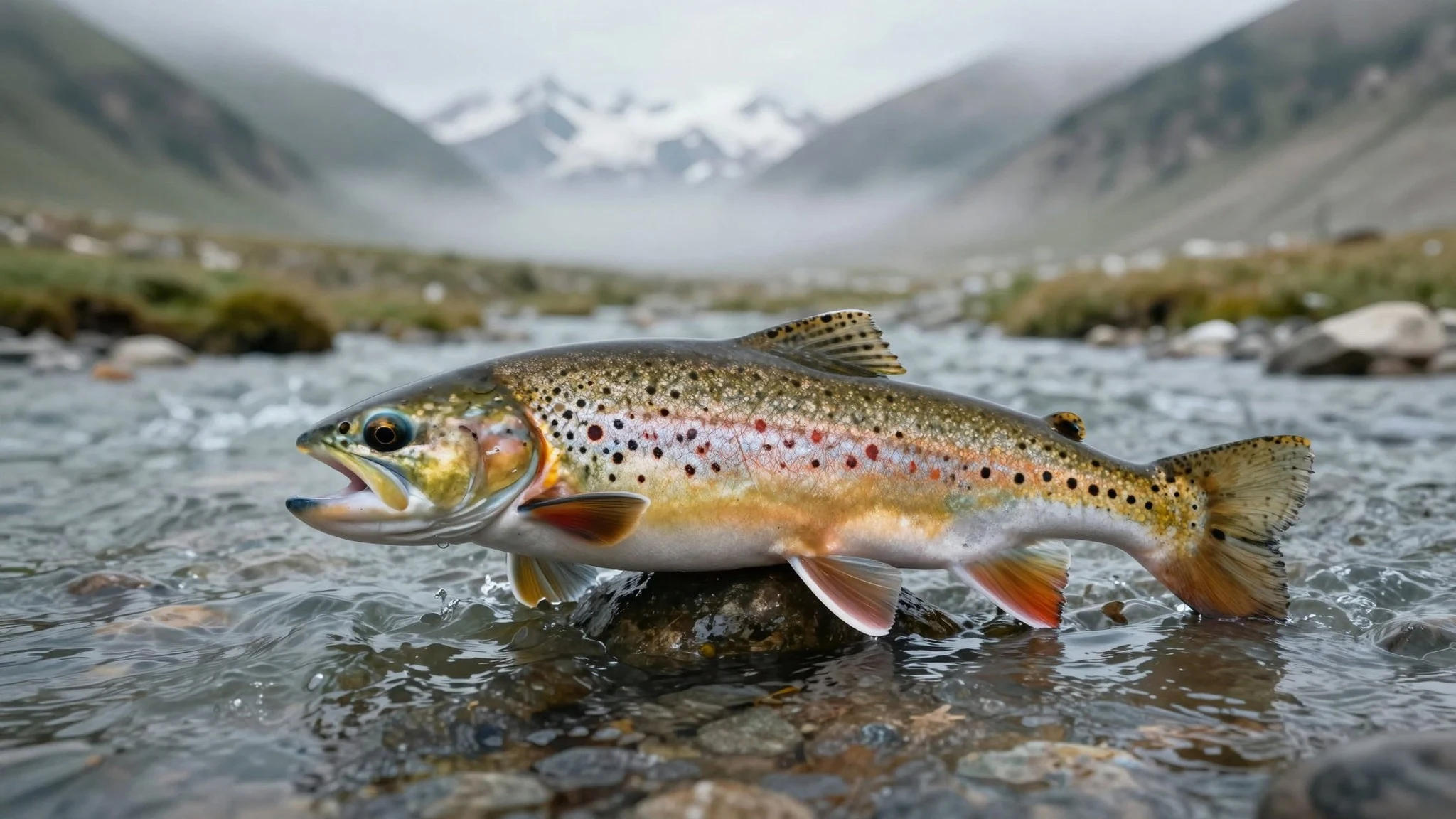
The Sind runs cold and clear beside the road and has long been known for trout, and for mahseer further down. Anglers need permission from the fisheries department before casting a line. Others come simply to sit on the banks, and the river also supports rafting runs during the season.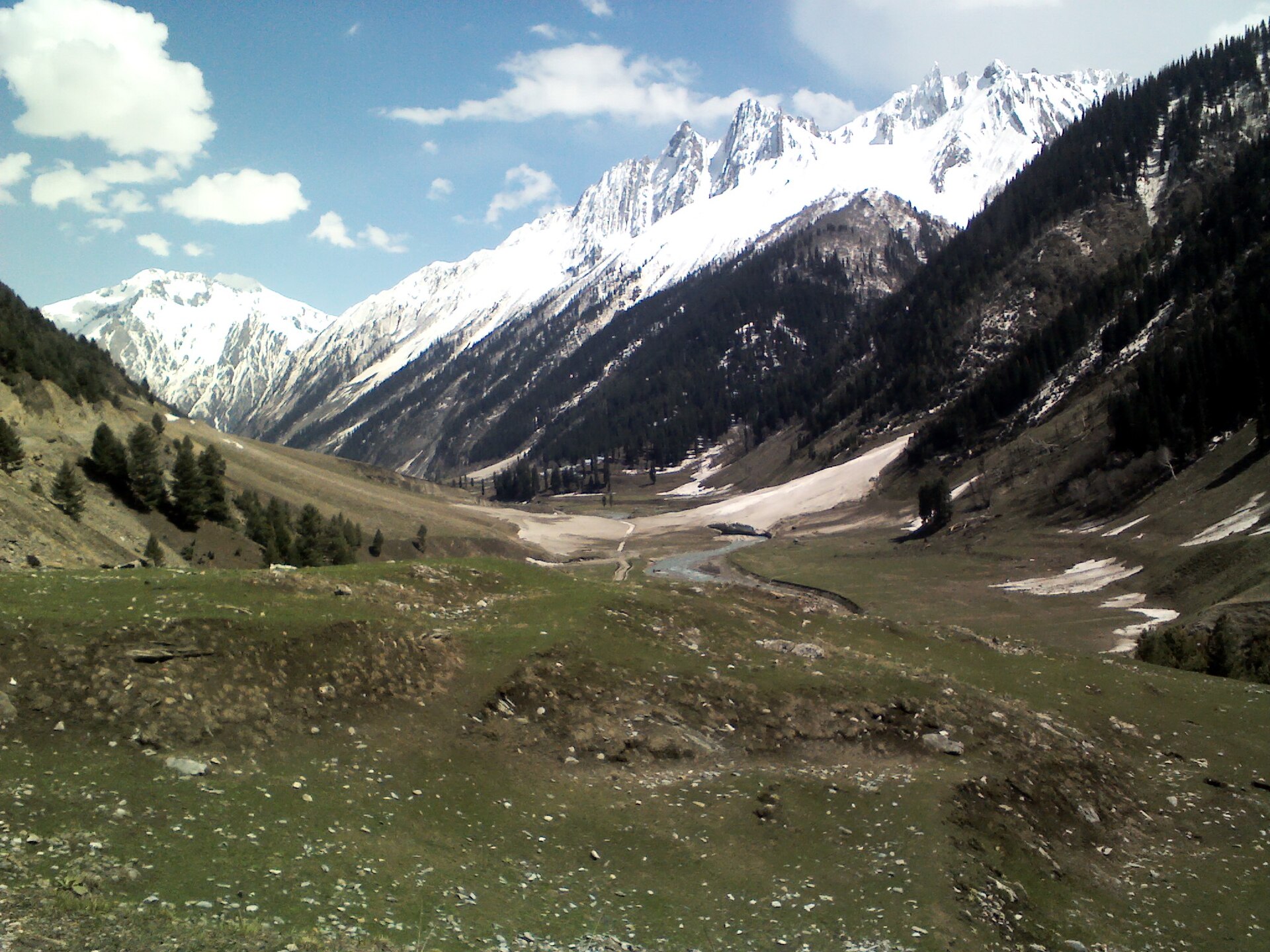
- The meadows and camp flats — Sonamarg, Ganderbal
The grassy flats around the market are Sonamarg's real draw: flat enough to wander without a guide, ringed by snow slopes and dotted with tents in summer. Early morning gives the clearest views and the fewest people. Bring a rain layer, since weather can shift within the hour.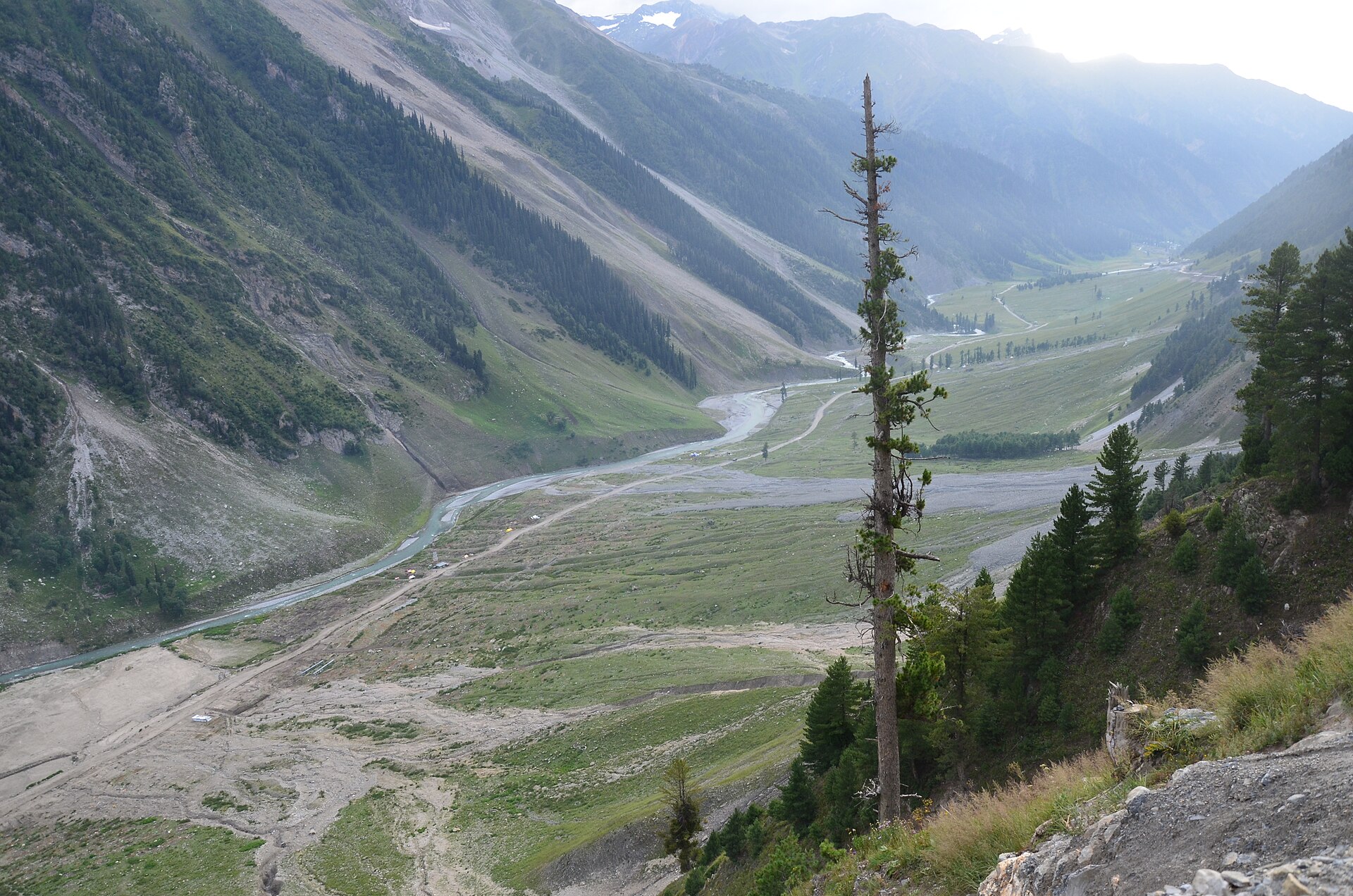
- Great Lakes trailheads — Sonamarg to Naranag
Sonamarg is the start for the Great Lakes trek, which links Vishansar, Krishansar, Gadsar and Gangabal lakes, several stocked with trout. It is a multi-day route needing fitness, acclimatisation and, for most walkers, a registered operator. Kolahoi's glaciers appear on the skyline along the way. - Baltal and the Zoji La — Baltal, Ganderbal
Baltal lies about 15 km east of Sonamarg, in a valley at the foot of the Zoji La, and is the staging point during the Amarnath pilgrimage. Beyond it the pass leads towards Ladakh. Road conditions change with weather and security, so check before driving up.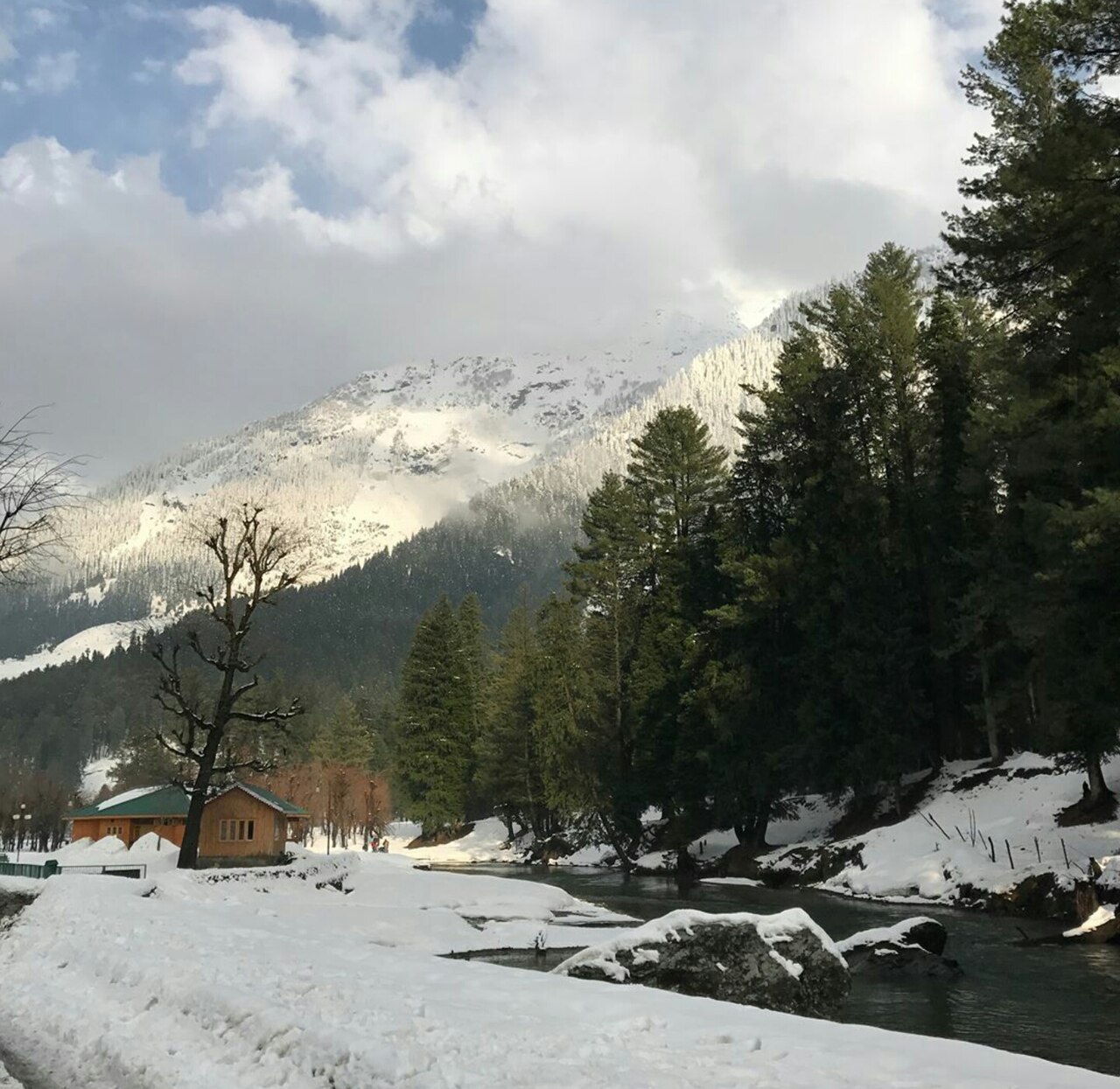
Culture
Sonamarg is part of the Kashmir Valley's cultural world, where hospitality is a point of pride and a guest is quickly offered tea. Kashmiri is the home language, with Urdu widely understood, and Hindi and English are used in the tourist trade. The summer meadows are also grazing country for herding communities such as the Gujjars and Bakarwals, who bring flocks up from lower ground as the snow retreats, and whose camps are a normal part of the landscape rather than an attraction. The market's rhythms follow the season: lively from late spring to early autumn, then largely shuttered as the cold sets in. Pilgrim traffic for the Amarnath yatra adds another layer, with volunteer kitchens, security checks and busy roads during the pilgrimage period. Local people make a living from ponies, sledges, camps, lodges and food stalls, and the small transactions that come with them are part of how the economy works. Bargaining is expected for pony and sledge rides, but is done lightly and with good humour, and fixed rates are worth confirming before you set off. Most locals are Muslim, and the region has a quiet, conservative everyday tone. Before photographing herders, families or women at camp, ask first and accept a refusal, since a quick snapshot of strangers is often unwelcome.
What to wear
Sonamarg's traditional dress is the Kashmiri pheran, a long loose woollen gown worn by men and women through the cold months, often with embroidery at the neck and cuffs on women's versions. Beneath it many people carry a kangri, a small wicker-cased clay pot of embers, for warmth. Finer shawls and wraps are woven from pashmina or wool, and Kashmiri needlework such as sozni embroidery is prized. Herding families favour thick wool, caps and sturdy boots suited to steep ground. In everyday life today, local people wear a mix of pheran, jackets, jeans, sweaters and rubber boots, with traditional wear more common among older residents and in winter. Visitors should dress for a cold, damp mountain: layers, a warm jacket, a waterproof shell, gloves and a hat, even in summer. Shoes need a grip, since the tracks to the glacier are loose and wet, and there are places in the market that rent woollen gear and gum boots if you arrive unprepared. Dress modestly in the market and around villages, with covered shoulders and knees, which also suits the weather. A scarf is useful for sun, wind and any shrine visit.
What to eat
- Grilled or fried trout — Riverside eateries and lodge dining rooms along the main road
Trout from the Sind and nearby streams is a Sonamarg staple, usually pan-fried or grilled with Kashmiri spices. It is best eaten fresh at a riverside eatery or a lodge dining room. Ask what was caught locally and what was brought up from elsewhere. - Rogan josh — Restaurants in the main market
The Kashmiri classic: mutton cooked slowly in a red gravy coloured by dried chillies and flavoured with fennel and ginger. It is warming and rich, and it goes well with rice. Most eateries in the market can serve a version. - Noon chai and kahwa — Tea stalls and tented rest points on the glacier path
Noon chai is pink, salted tea made with milk, often served with bread. Kahwa is a green tea scented with saffron, cardamom and almonds. Both are welcome after a cold morning outdoors and are easy to find at tea stalls. - Roasted corn cobs — Single sellers beside the walking path to the glacier
Vendors along the walking path to Thajiwas roast corn over charcoal and rub it with salt, chilli and lime. It is a cheap snack, ideal for a break, and best eaten hot while the wind blows. Carry small notes for these sellers. - Spiced stuffed chapatti — Stalls along the path up to the glacier
Roadside sellers fill hot chapattis with a spicy mixture, typically potato or vegetable, and fold them into a quick lunch. They are filling and portable, handy on the way up to the glacier. Choose stalls cooking to order.
Plan it
Best time. June to September, when the road is open, the meadows are green and trekking routes are usable. July and August can be wet, and evenings are cold at any time. Winter brings heavy snow and road closures, so check conditions before travelling outside summer.
How long. 2–3
Getting there. Fly to Srinagar, the nearest airport, then continue by road north-east, about 80 km, in a taxi or shared vehicle. The last stretch climbs a mountain road that can be slowed or closed by weather, landslides or pilgrimage traffic, so check the day's status before leaving.
Budget. mid
Tips
- Book lodges early for summer weekends and during the Amarnath yatra period, when rooms fill and prices rise
- Start for Thajiwas early, before the day-trippers and the afternoon cloud
- Carry cash, since cards and mobile networks can be patchy
- Agree pony and sledge rates before you set off, and expect to bargain
- Give yourself a night to adjust to the altitude before any long trek
- Check road, weather and security advice on the day of travel
Etiquette
- Ask before photographing local families, herders or women
- Keep clear of glacier edges and overhangs, and follow local guides' warnings
- Take rubbish back down with you, especially on trails and campsites
Nearby
Sources
- Wikidata Q4379433 (CC0)
- Wikipedia — Sonamarg (rev 1376879897) (CC BY-SA 4.0)
- Wikivoyage — Sonamarg (rev 4824759) (CC BY-SA 4.0)
- Photo: Sonamarg — Mehraj Mir (CC BY 3.0)
- Photo: A beautiful scenery in Sonmarg — Wikiditot (CC BY-SA 4.0)
- Photo: The view of Sonmarg valley — Revoshots (CC BY-SA 4.0)
- Photo: Sirbal Sonamarg — Mehrajmir13 (CC BY 3.0)
- Photo: Sonamarg 7 — Unknown author (Public domain)
- Photo: Ice Covered mountain view from Sonmarg Valley — Pranav Joshi (CC BY 3.0)
- Photo: Kashmir, the Paradise of India — Sanke8th (CC BY-SA 4.0)
- Photo: A Beautiful home, Sonmarg — Sanu N (CC BY-SA 4.0)


Wildlife
- Brown trout (animal)
The brown trout is a meat-eating fish that glides through cold water, a bit like a quiet little river hunter. In Sonamarg, look for it in the clear, chilly Sind, which flows right beside the road and has long been loved for its trout. Though the fish belongs to Europe, West Asia and North Africa originally, people have carried it to rivers all over the world for anglers. Watch from the bank, stay still and soft-footed, ask a local guide where to look, and never feed it.