Soberanía National Park
Soberanía National Park, Panama
Soberanía National Park puts real tropical rainforest, a colonial gold road and serious birdwatching within a short drive of Panama City.
The place
Soberanía National Park sits on the narrow Isthmus of Panama, about 25 km from Panama City, running along the edge of the Panama Canal across the provinces of Panamá and Colón. It was established in 1980 and protects humid tropical forest. The Chagres River flows through it, and the park forms part of the canal's ecological corridor, linking forest on land with the waterways beside it. That link is why conservationists value it: animals can move between habitats rather than being stranded in pockets. What strikes people first is how close it all is. Ships pass along the canal, and a few minutes up the road the canopy closes overhead and the air turns heavy and green. The park has no food services or shops, and no bins on the trails, so it feels more like a working forest than a managed attraction. Most visitors come to walk, birdwatch, cycle or photograph wildlife, often with a certified guide. The nearest settlements are Gamboa and Summit, where restaurants and small shops serve people before or after a hike. Land that was once part of the park was handed to Panama City in 1985 and became the Summit municipal park, which is why the two names often appear together. Heat and humidity are constant, and rain can make trails slippery. A half day gives a taste of the place, though birders tend to want far longer.
Its story
Soberanía National Park protects ground that was a crossing long before it was a reserve. In the 16th century the Spanish needed a way to move gold and other goods between the Pacific and Atlantic sides of the isthmus, and the Camino de Cruces, also called the Las Cruces Trail, became that route. People and cargo used it through the 16th and 17th centuries, and some stretches are still edged with the old stones that marked its original line. At the Atlantic end stood Fort Lorenzo, and at the Pacific end lay Panamá Viejo, the abandoned early city, with Casco Viejo, the old town of present-day Panama City, nearby. Forest growing back over the trail helped preserve what remains. Centuries later the Panama Canal was cut through the same narrow neck of land, and the main crossing shifted from a forest path to a waterway, though the logic of the place stayed the same. The park was created in 1980, and its protection has always been tied to the canal, since intact forest helps safeguard the water and the wildlife corridor around it. In 1985 a portion of the original park was turned over to Panama City as the Summit municipal park. Today the park holds two layers at once, living rainforest and a colonial road, and a walker can meet both on the same morning.
What to see
- Pipeline Road — Near Gamboa
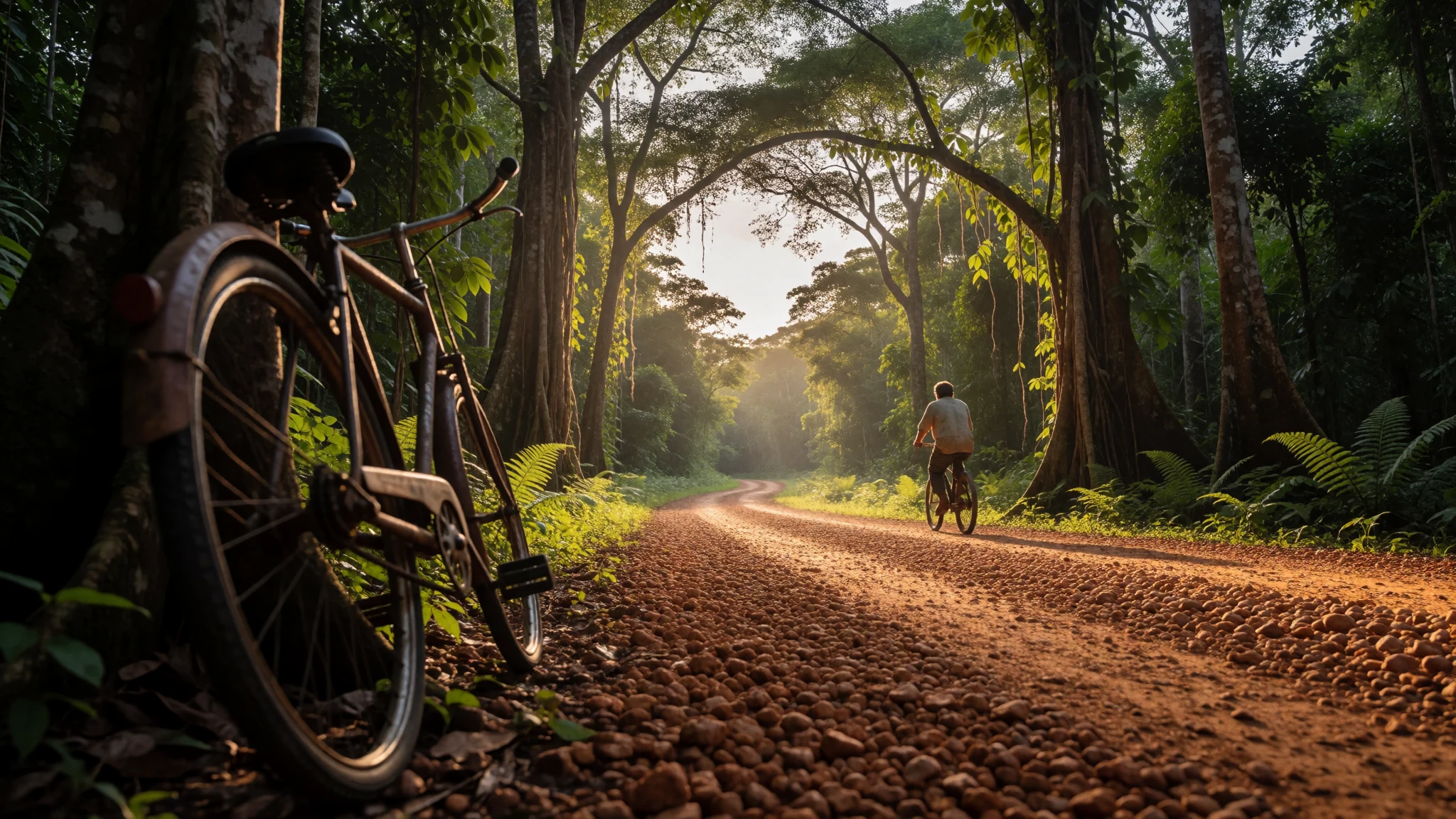
Pipeline Road is a 17 km track through the forest and the park's best-known birding route. Walkers and cyclists go slowly, stopping for trogons, antbirds and other species. Early morning is the quietest and most active time. Many visitors hire a guide, who can spot and name birds that an untrained eye would miss.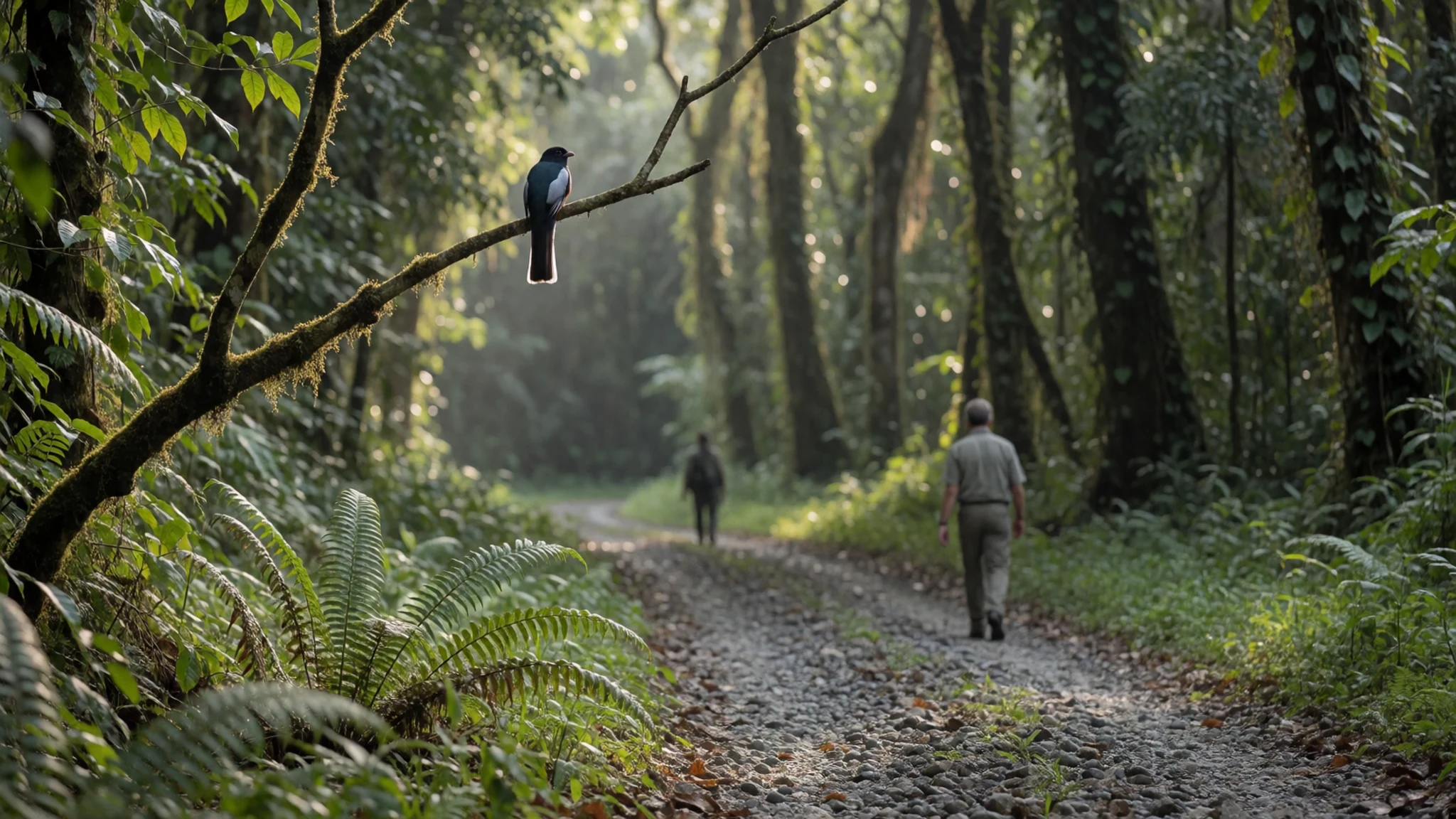
- Camino de Cruces — Along the canal side of the park
The Camino de Cruces is a 10.8 km historic route that formed part of the colonial transit system across the isthmus. Some sections keep their old paving stones. It is a longer, more demanding outing than the short loops, so a guide is recommended, especially for anyone interested in the history.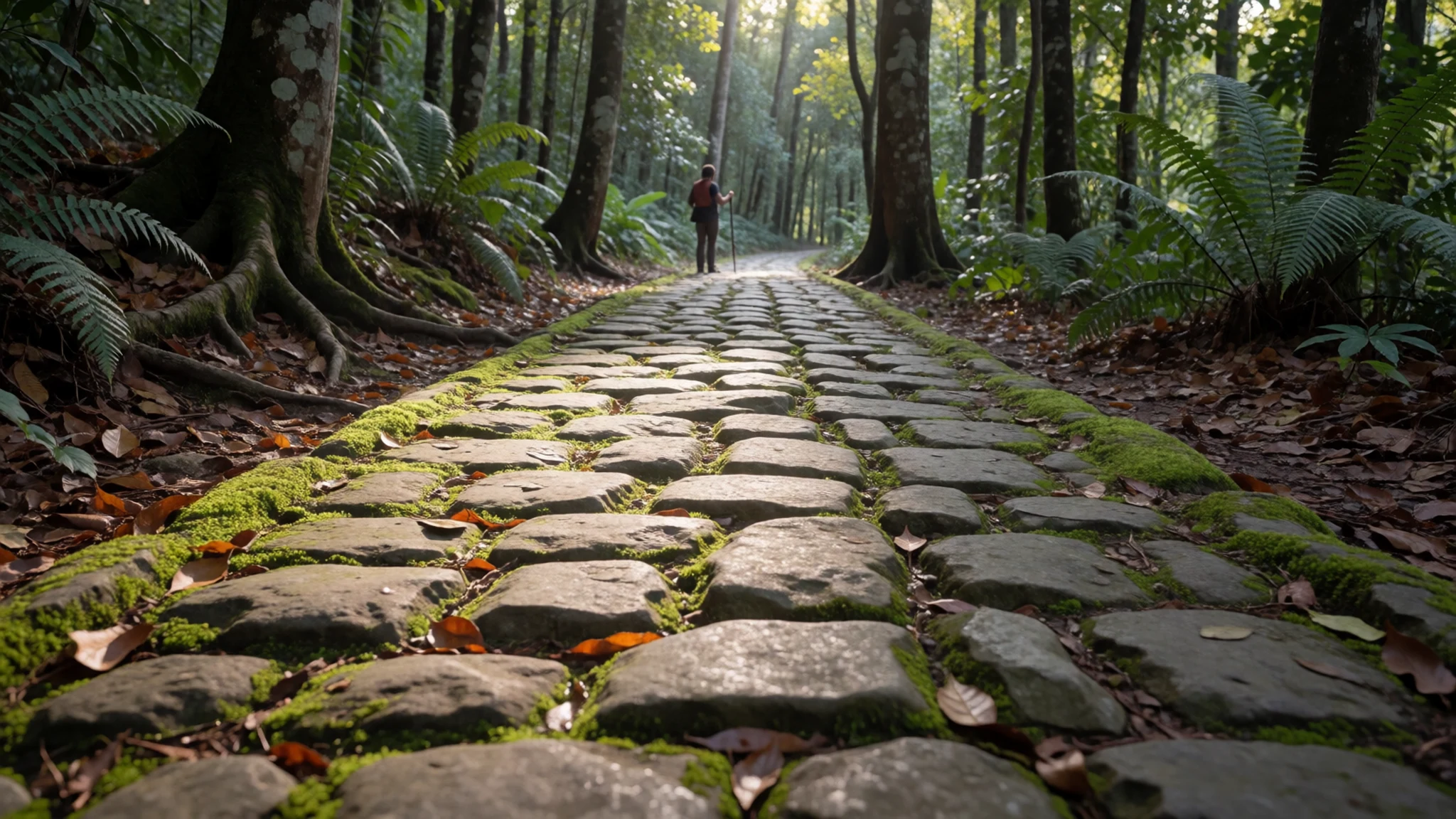
- El Charco Trail — Park trail network
El Charco Trail is a short route with natural pools, and it suits families or anyone short of time. The walking is easy compared with the longer trails, but the ground can be wet and slippery after rain. Sturdy shoes still make sense, and so does repellent.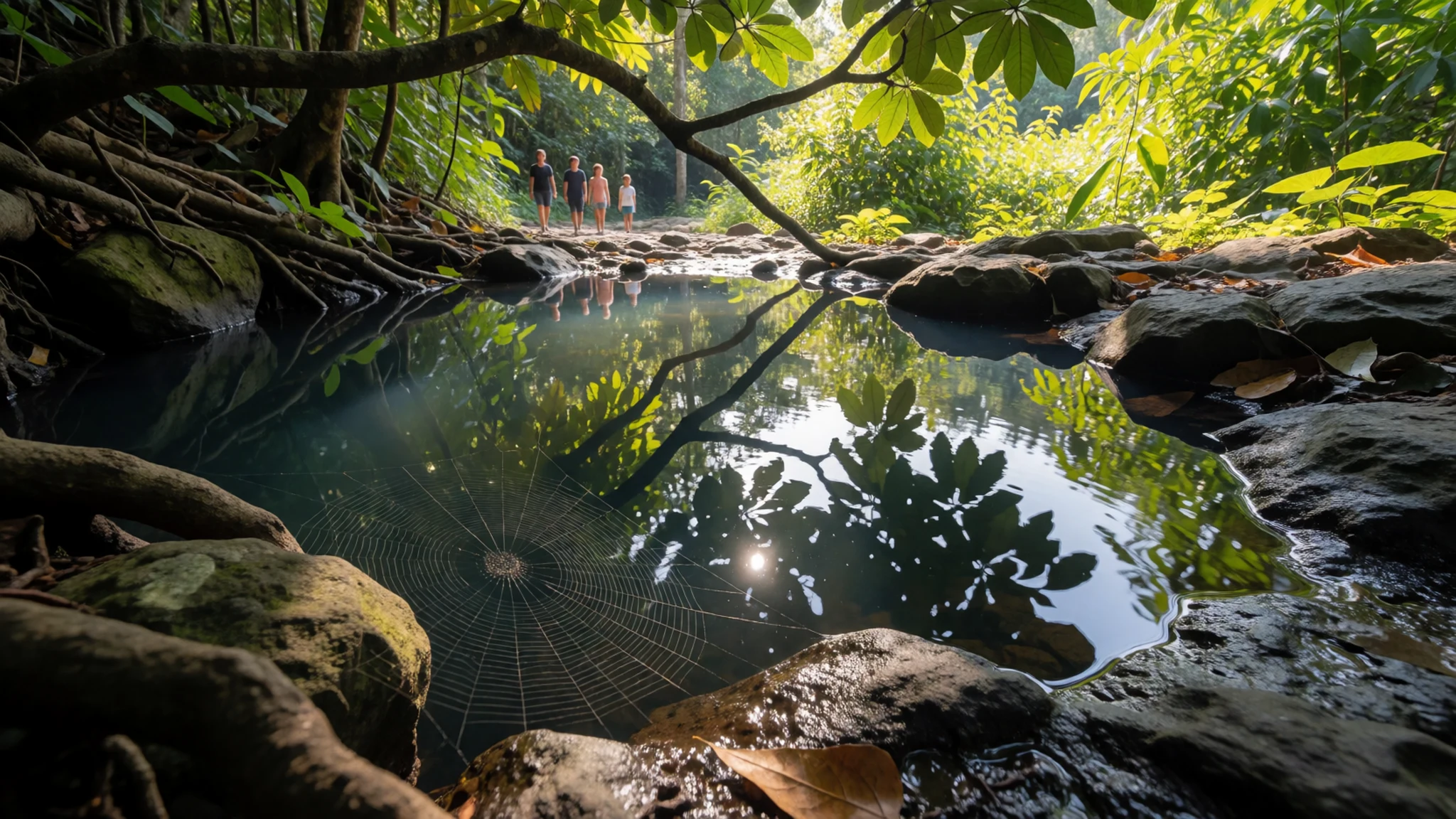
- Plantation Road — Park trail network
Plantation Road runs through secondary forest, the kind that regrows after land has been cleared or farmed. It shows the area's agricultural past as well as its present wildlife. It is a good choice for walkers who want varied habitat without committing to a long trek.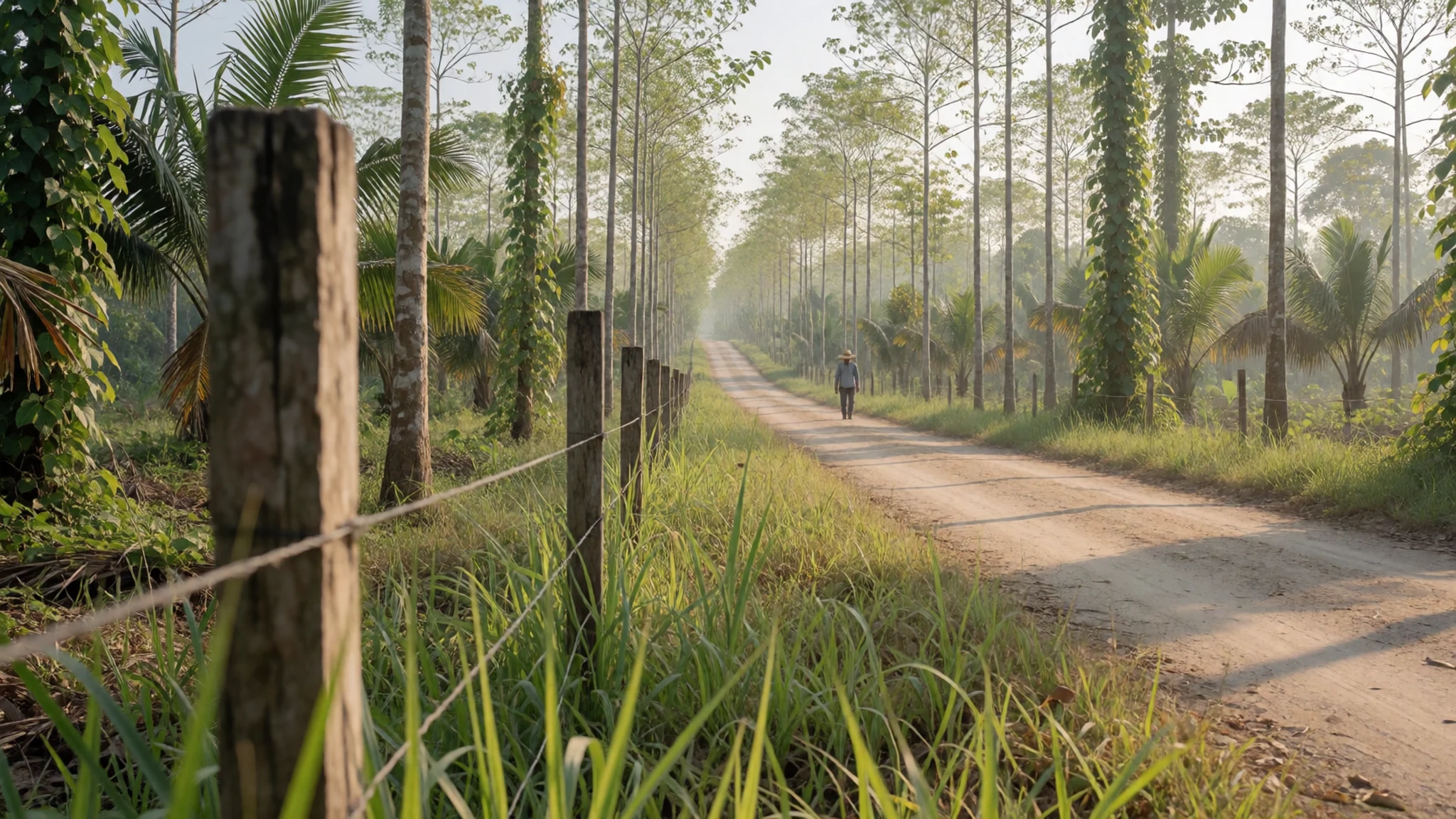
- Spirit of the Forest Trail — Near the park's main trail area
The Spirit of the Forest Trail is a brief interpretive walk, set up to explain how the forest works. It suits a first visit, a short window of time, or anyone travelling with children. Signs and ranger advice help with the basics before a longer hike elsewhere.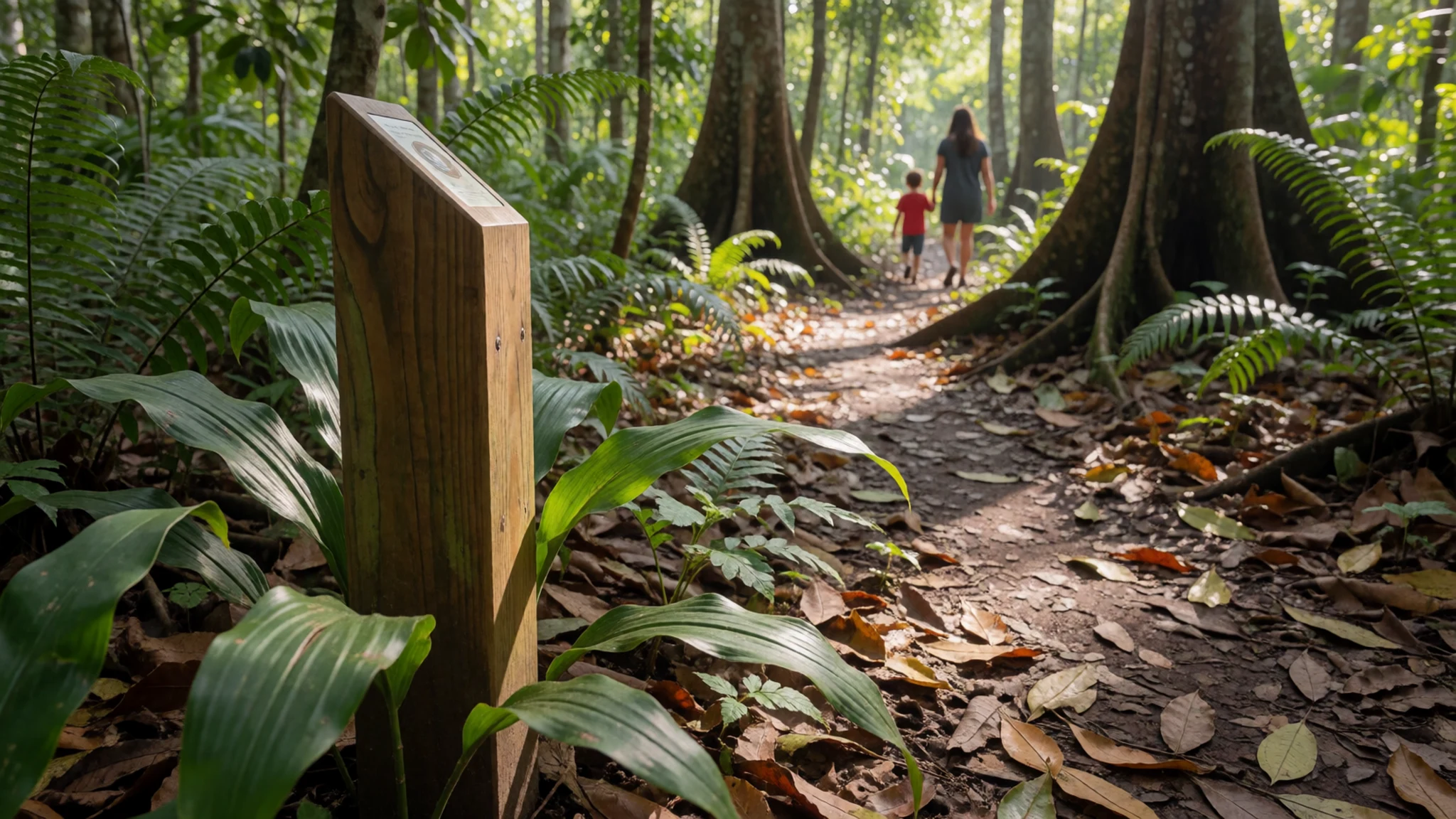
Culture
Soberanía National Park carries a strong sense of Panama as a place of passage. The Camino de Cruces belongs to a colonial history of moving goods and people across the isthmus, and the canal beside the forest is the modern version of the same idea. Many Panamanians know the park as a short escape from the capital, and weekend walkers, school groups and birdwatchers share the trails. Gamboa, at the park's edge, is a small canal community whose life is closely tied to the waterway and to the forest around it. Park rangers manage entry, and the park has clear rules: no hunting, no feeding animals, no removing plants, no campfires outside authorised areas, no smoking and no excessive noise. Quiet is part of the experience, because the wildlife that visitors come for, from birds to monkeys and sloths, tends to retreat from loud groups. Guides in the area often combine natural history with stories of the old trail, and hiring one supports local livelihoods as well as improving what a visitor sees. Panama's colonial heritage is also visible in the old town of Panama City, which pairs well with a day in the forest. Register at the park office before starting any hike, stay on marked trails, and carry every scrap of rubbish out with you, as there are no bins.
What to wear
Soberanía National Park is a rainforest, so fashion here is mostly about function, but Panama has a rich dress tradition worth knowing. The best-known national garment is the pollera, a full, layered skirt with a matching blouse, usually white and heavily embroidered or trimmed with lace, worn by women at festivals, parades and Carnival. Men's traditional dress, the montuno, is a plain white shirt and trousers with a straw hat. The sombrero pintao, woven from plant fibre and patterned in black and cream, is the classic example. Day to day, Panamanians wear light cotton, shorts, T-shirts and sandals, with smarter clothes in offices and cities. Nothing at the park requires special dress for religious reasons, but the conditions do. Visitors should wear lightweight long-sleeved tops and long trousers in quick-drying fabric, which protect against insects and scratches, and sturdy closed shoes with a good grip, since trails turn slippery in wet weather. Light colours show ticks and insects more easily, and a thin rain jacket is more useful than an umbrella under the trees. A hat, a torch for dusk and a small bag that can carry water and rubbish complete the kit. Leave flip-flops for Gamboa or the hotel pool.
What to eat
- Sancocho — Local eateries in Gamboa and Summit
Sancocho is Panama's comforting chicken soup, cooked with root vegetables such as ñame and flavoured with culantro. It is the dish locals recommend after a walk, and it is a good way to rehydrate and refuel.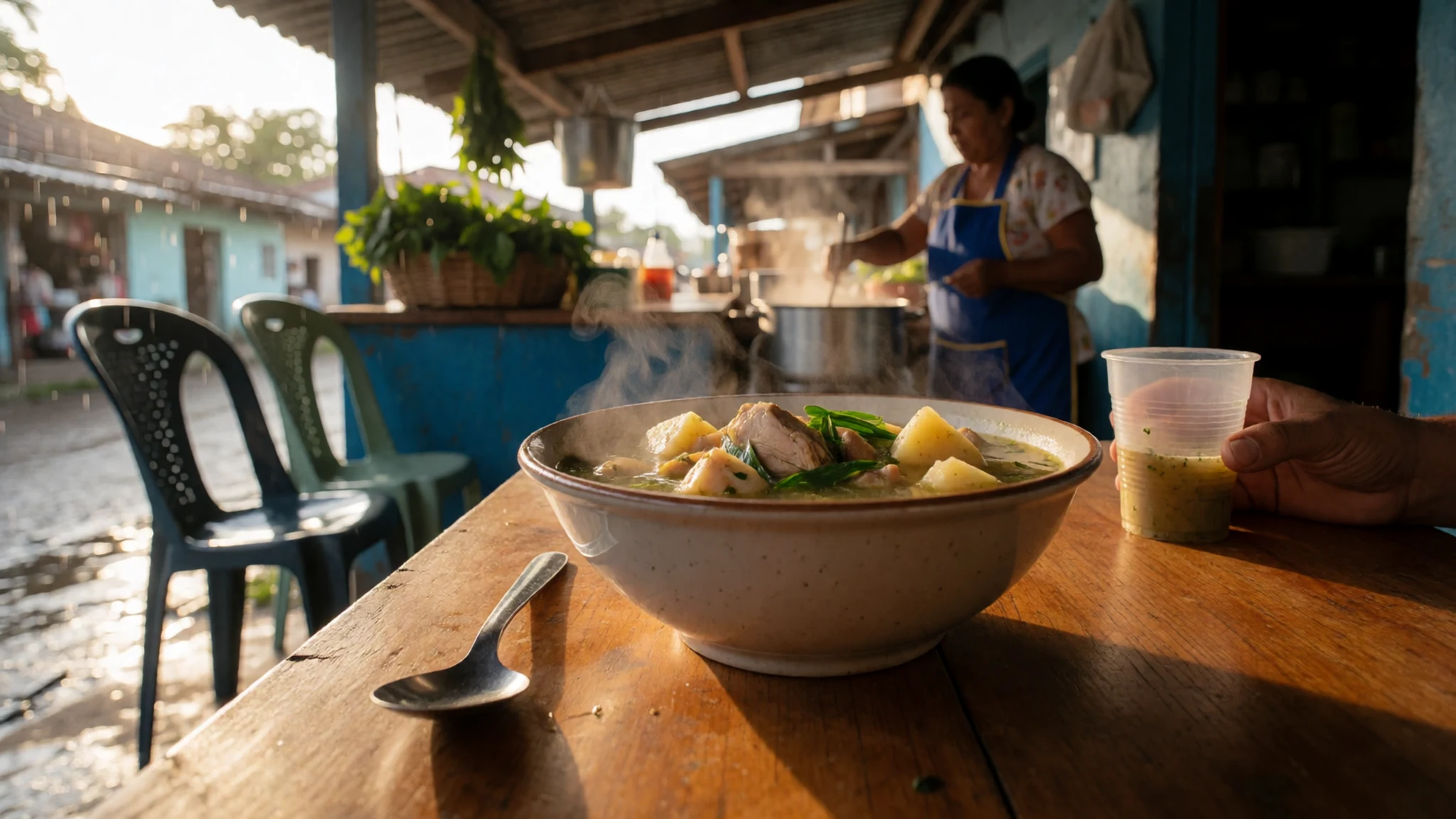
- Arroz con pollo — Small restaurants near the park entrance roads
Arroz con pollo is rice cooked with chicken, vegetables and spices, served as a filling plate. It is a staple of everyday Panamanian meals and an easy choice for hungry hikers who want something plain and substantial.
- Patacones — Roadside stalls and casual eateries on the way from Panama City
Patacones are twice-fried slices of green plantain, flattened and crisp, served as a side or a snack. They go with fish, meat or a simple dip, and they are common wherever Panamanians eat casually. - Carimañolas — Bakeries and small stalls in Summit and Gamboa
Carimañolas are torpedo-shaped fritters made from cassava dough, filled with seasoned meat and fried until crisp. They are easy to eat by hand, which makes them a handy snack before a hike. - Fried fish with coconut rice — Casual restaurants near the canal and in Gamboa
Fried whole fish with coconut rice is a common plate in Panama, particularly near water. The fish arrives crisp and the rice slightly sweet. Ask what the catch is rather than assuming, as availability varies.
Plan it
Best time. January–April, the drier months, when trails are firmer and rain is less likely to interrupt a walk. The rest of the year is wetter and more humid, and rain can make trails slippery, though the forest is greener and wildlife is still active.
How long. 1–2
Getting there. Fly to Panama City, then drive from the city along Omar Torrijos Road towards Gamboa, about 30 minutes and roughly 25 km, following signs to the park office and trail car parks. By bus, take a Gamboa service from Albrook bus terminal, about 1 hour, which stops in front of the park's administrative centre.
Budget. low
Tips
- Check bus return times before setting out, as afternoon service is limited
- Bring all the drinking water and snacks needed, as there are no shops or food services inside the park
- Register at the park office before starting any hike, and consider a certified guide for long or historic trails
- Use insect repellent and carry a torch and a basic first aid kit, especially if a hike may run to dusk
- Public transport needs a rechargeable travel card, so sort it out in advance
Etiquette
- Take every piece of rubbish out with you, as there are no bins on the trails
- Keep to marked trails and avoid loud noise so wildlife is not disturbed
- Do not feed animals, collect plants, smoke or light fires
Nearby
Sources
- Wikidata Q1473095 (CC0)
- Wikipedia: Soberanía National Park (rev 1362908428) (CC BY-SA 4.0)
- Wikivoyage: Soberanía National Park (rev 5100693) (CC BY-SA 4.0)
- Photo: The Pipeline at Rio Mendoza, Katja Schulz (CC BY 2.5)
- Photo: Rainforest, Geoff Gallice (CC BY 2.5)
- Photo: Panama relief location map, Alexrk2 (CC BY 3.0)
- Photo: White-tailed Trogon, Mdf (CC BY 3.0)
- Photo: Panamanian Night Monkeys, birdphotos.com / WolfmanSF (CC BY 3.0)
- Photo: Anole, Katja Schulz (CC BY 2.5)
- Photo: Anole, Katja Schulz (CC BY 2.5)
- Photo: Another Nephila, Katja Schulz (CC BY 2.5)


Wildlife
- Sloth (animal)
The brown-throated sloth is a three-toed sloth, so remember it as the one with a brown throat and three toes. It lives in the warm forests of Central and South America, and travellers to Soberanía hope to glimpse one among the park's wildlife. The best way to watch is simply to be quiet: sloths, like many forest animals, tend to slip away from loud groups, so a hushed, patient visit gives you the best chance of seeing one.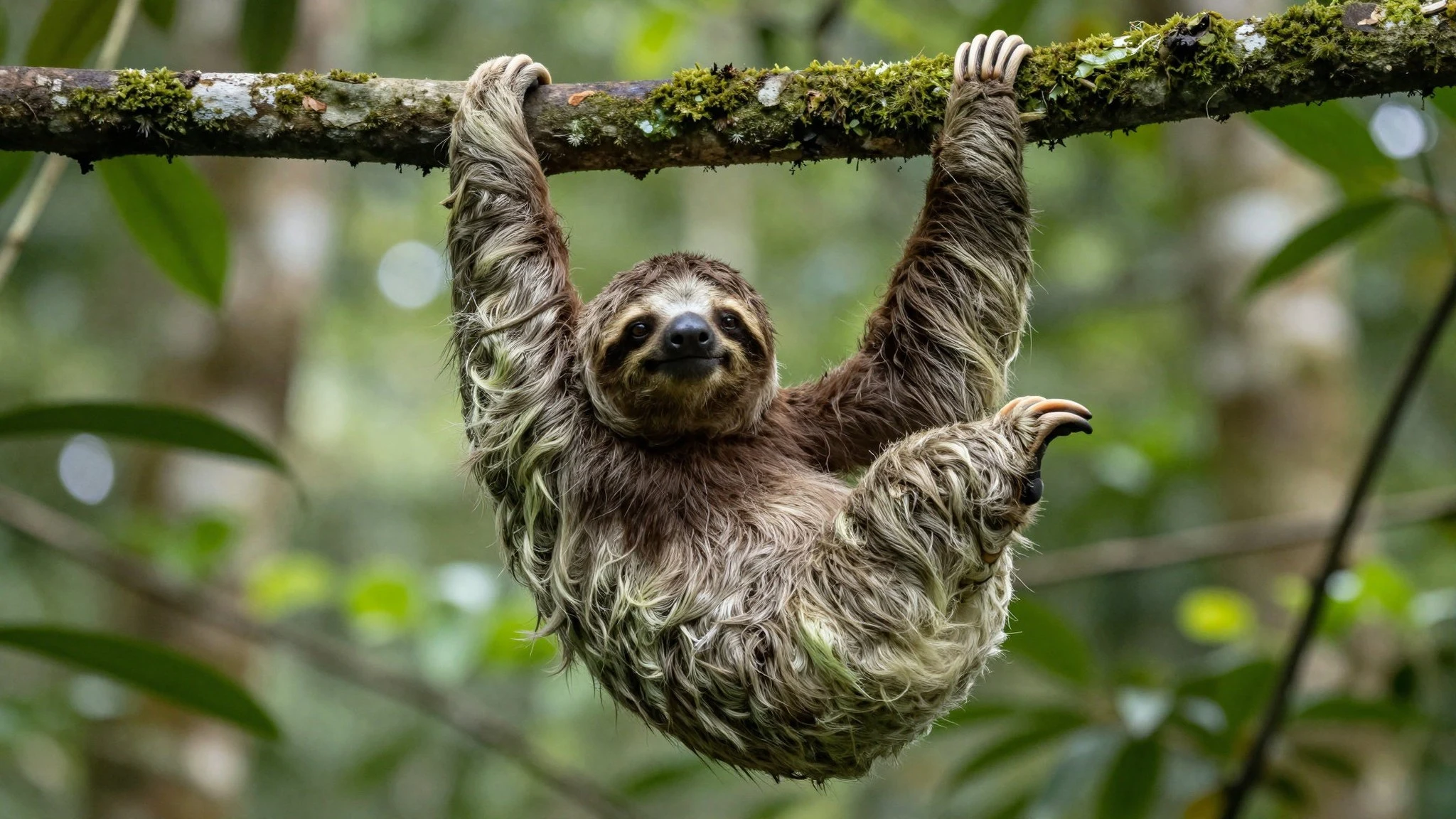
- Capuchin monkey (animal)
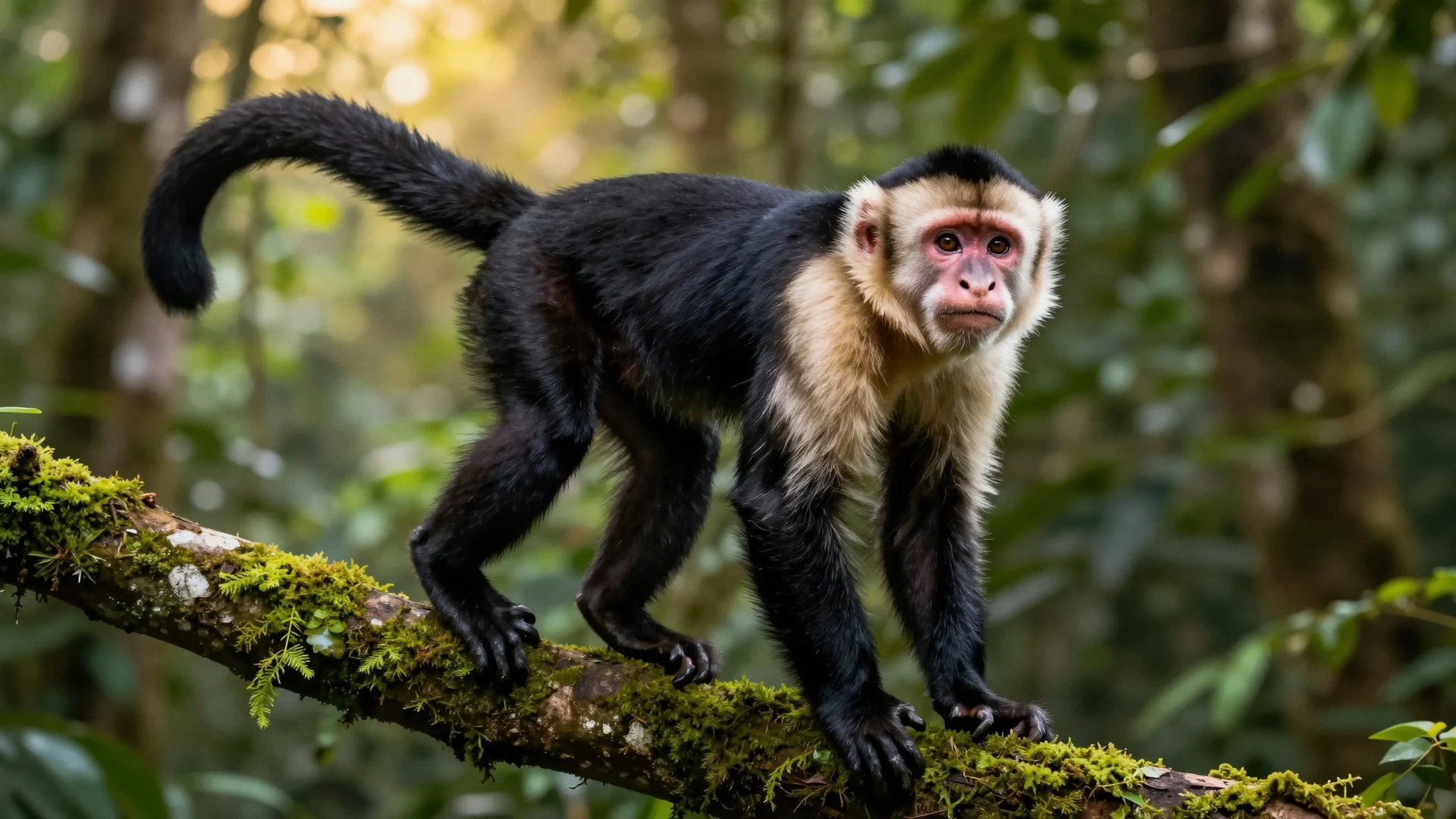
The white-faced capuchin is a slender monkey, easy to remember by its pale face. The name covers two closely related kinds, and one of them is called the Panamanian white-faced capuchin. Visitors to Soberanía hope to spot monkeys like this one. Keep your voices low as you watch, because monkeys, like other wildlife, tend to retreat from loud groups, and a calm, quiet party is far more likely to enjoy a good sighting.