El Valle de Antón
El Valle de Antón, Panama
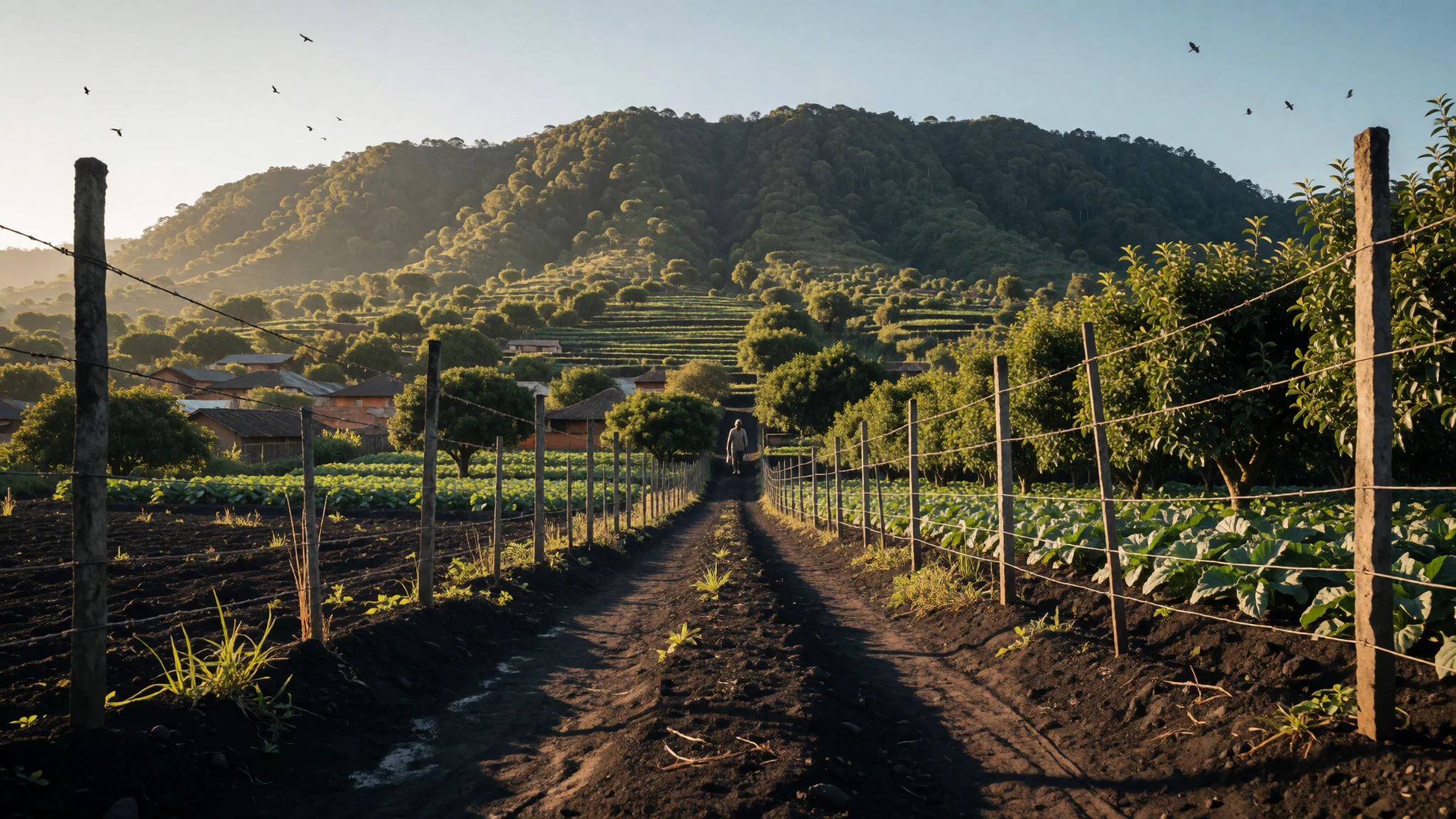
El Valle de Antón is a cool, green town on the floor of an old volcano crater, an easy mountain break from Panama City.
The place
El Valle de Antón sits in the province of Coclé, on the floor of a volcanic caldera about 6 km across. The volcano is regarded as inactive, and the evidence points to its last eruption roughly 300,000 years ago. What remains is a wide, flat bowl of gardens, small farms and quiet lanes, ringed by forested ridges whose tops often disappear into cloud.
About 7,600 people live in the town, and it still feels like a village rather than a resort. The level ground makes bicycles an ordinary way to get around, often carrying more than one passenger. The main street has no fast-food chains, only small restaurants, neighbourhood grocery stores, bakeries and a produce market that peaks at weekends.
The valley's soil is its quiet fortune. When the old crater lake drained, it left dark volcanic earth that gardeners call tierra negra, bagged and sold across Panama. Cuttings pushed into the ground as fence posts regularly take root and sprout leaves, which gives the roadsides a slightly unruly look.
The altitude keeps the air cooler than the lowlands, which is why Panamanian families have kept second homes here since the early twentieth century. Around the town, Cerro Gaital National Monument protects cloud-shrouded forest where birds, amphibians, orchids and butterflies are easy to find on a slow walk or with a patient guide. The valley suits gentle days outdoors rather than nightlife or big monuments, and weekends can be busy with visitors from the capital.
Its story
El Valle de Antón has a story that begins with a lake. The caldera once held deep water; then, some thousands of years ago, the crater wall gave way, the lake drained and fertile volcanic soil was left across the valley floor. People followed the soil. Local accounts say the valley has been lived in for around 11,000 years, and a stone with carvings beside the India Dormida trail is a reminder of early inhabitants whose names were never recorded.
For most of its later history the valley was reached only by tracks. A proper road arrived in 1927, following the route taken by the builder's horse and paid for with money and labour given by the community; it was repaved in 1997. Until then the valley was a place apart. In the early twentieth century well-off Panamanian families began building weekend houses here to escape the lowland heat, and the habit has never faded.
The town's modern chapter is partly about conservation. The surrounding forest is home to the Panamanian golden frog, a critically endangered toad found only in Panama, and the valley hosts an amphibian conservation centre that keeps and studies animals threatened in the wild. Visitors now come as much for frogs, orchids and cloud forest as for the weather. The result is a town that still carries the slower rhythm of interior Panama, with a growing layer of nature tourism on top.
What to see
- El Valle Amphibian Conservation Centre — Town centre
The El Valle Amphibian Conservation Centre keeps frogs and other amphibians that are under threat in the wild, including the Panamanian golden frog, a critically endangered toad found only in Panama. It is a small, quiet visit, more about understanding why amphibians are disappearing than about spectacle. Check the official channels for opening arrangements before going.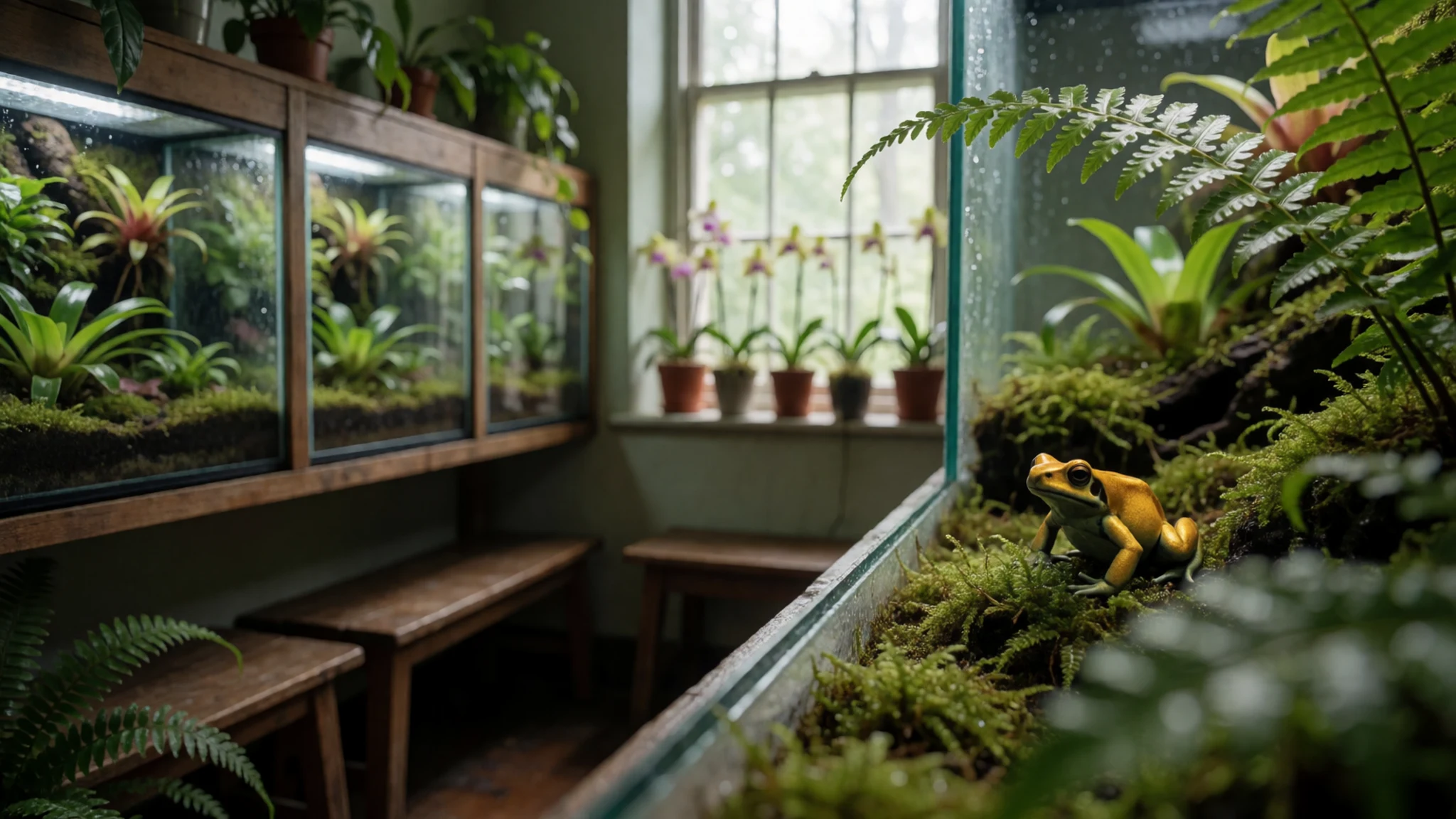
- El Macho waterfall — Edge of the valley
El Macho is the waterfall most often mentioned in the valley, and it is at its best after rain, when the flow is strong. Paths turn slippery at the same time, so wear shoes with grip. Local guides and the tourist information point at the market can explain the route and any entry arrangements.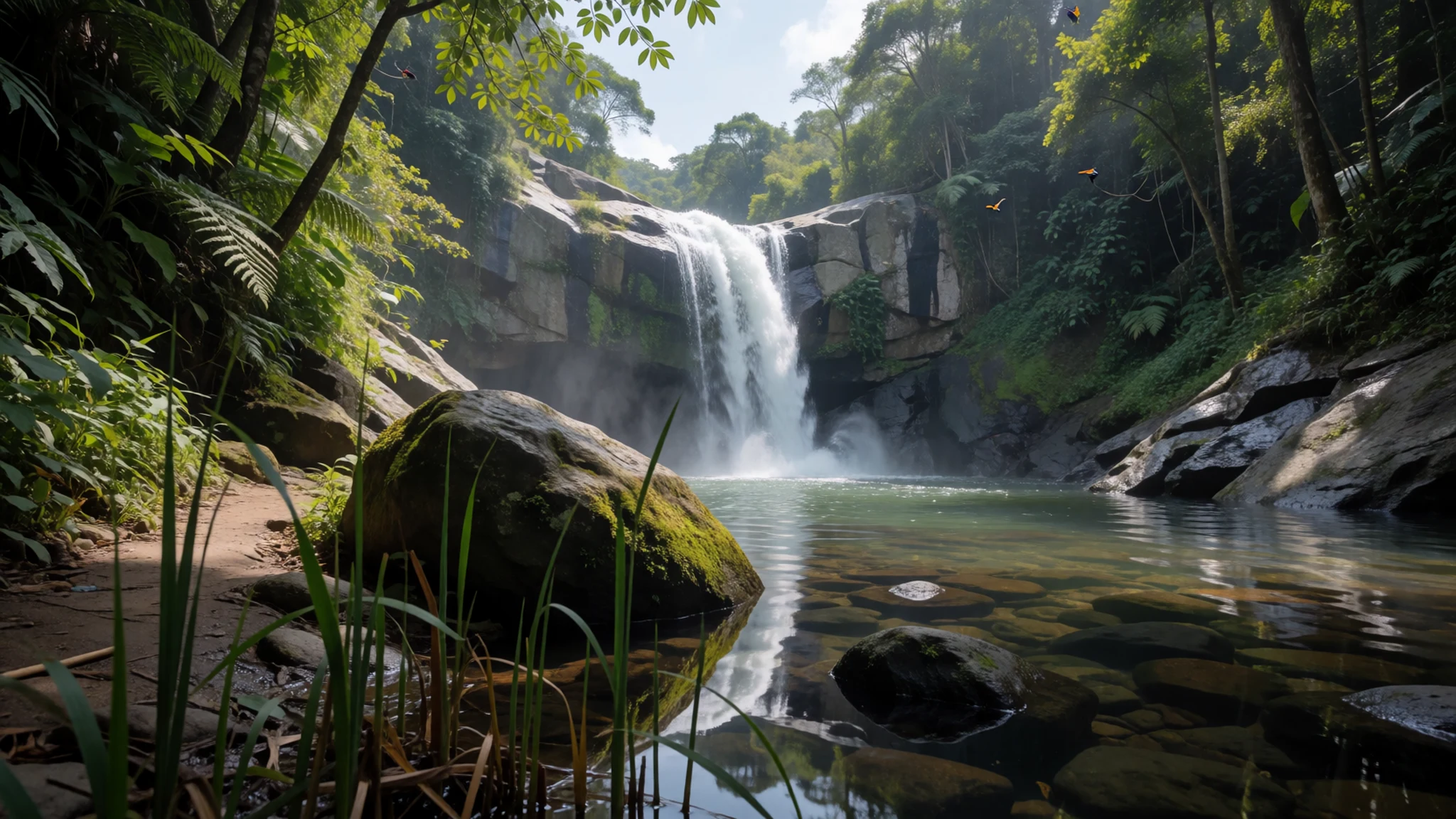
- India Dormida trail — Western side of the valley
The India Dormida trail climbs about 250 m through woodland before emerging onto the western ridge, where views open across the whole caldera. Shortly after the start, a stone wall carries carvings. Walk early, before cloud settles over the ridge, and wear footwear with a good tread.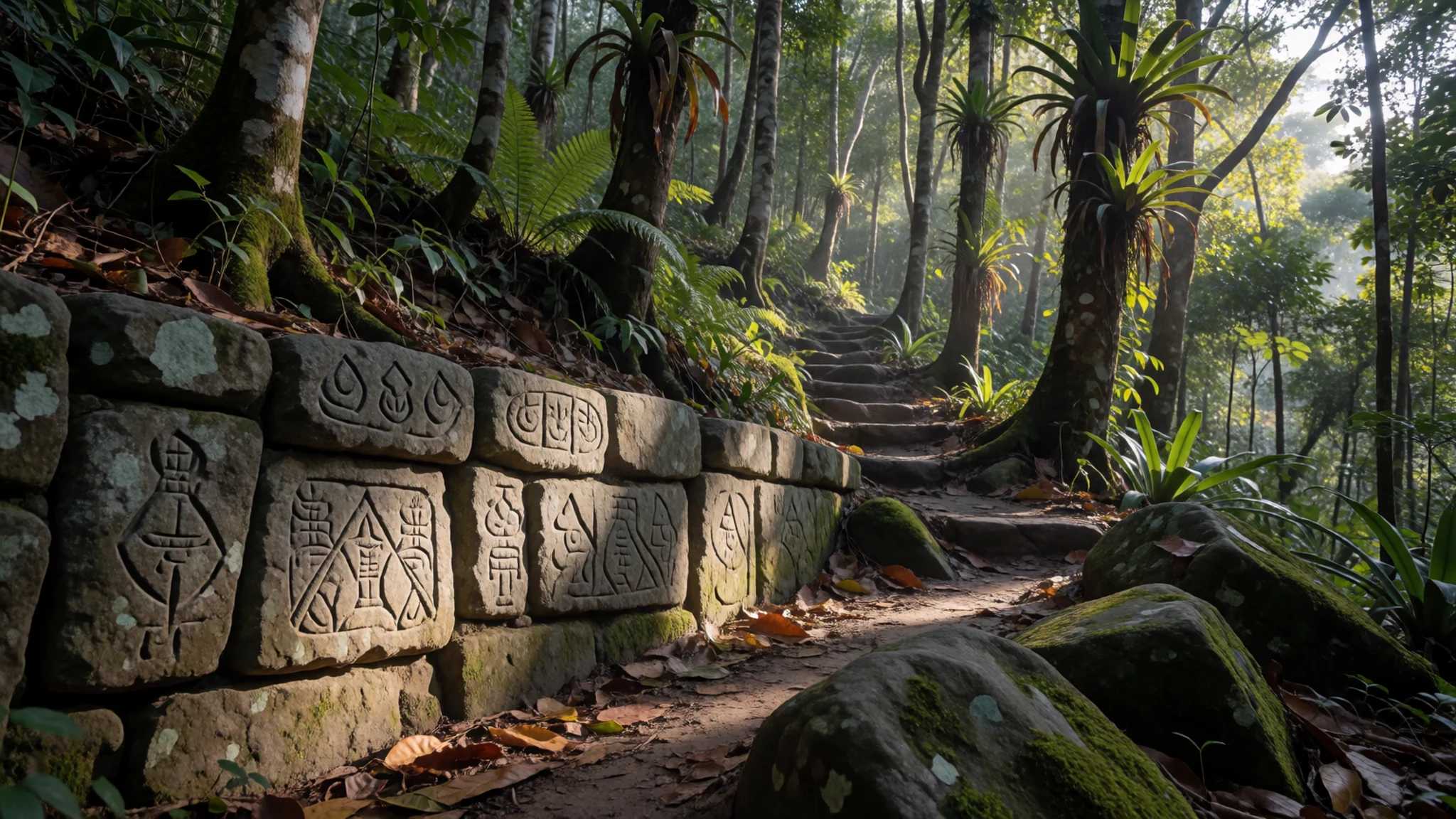
- Mirador Cerro Gaital — Northern ridge
The Cerro Gaital lookout stands on the northern ridge. The height gained is only about 140 m, so it suits a short morning walk, though the path turns slippery when wet. Cloud often covers this forest, which is part of its character, so a clear view is a bonus rather than a promise.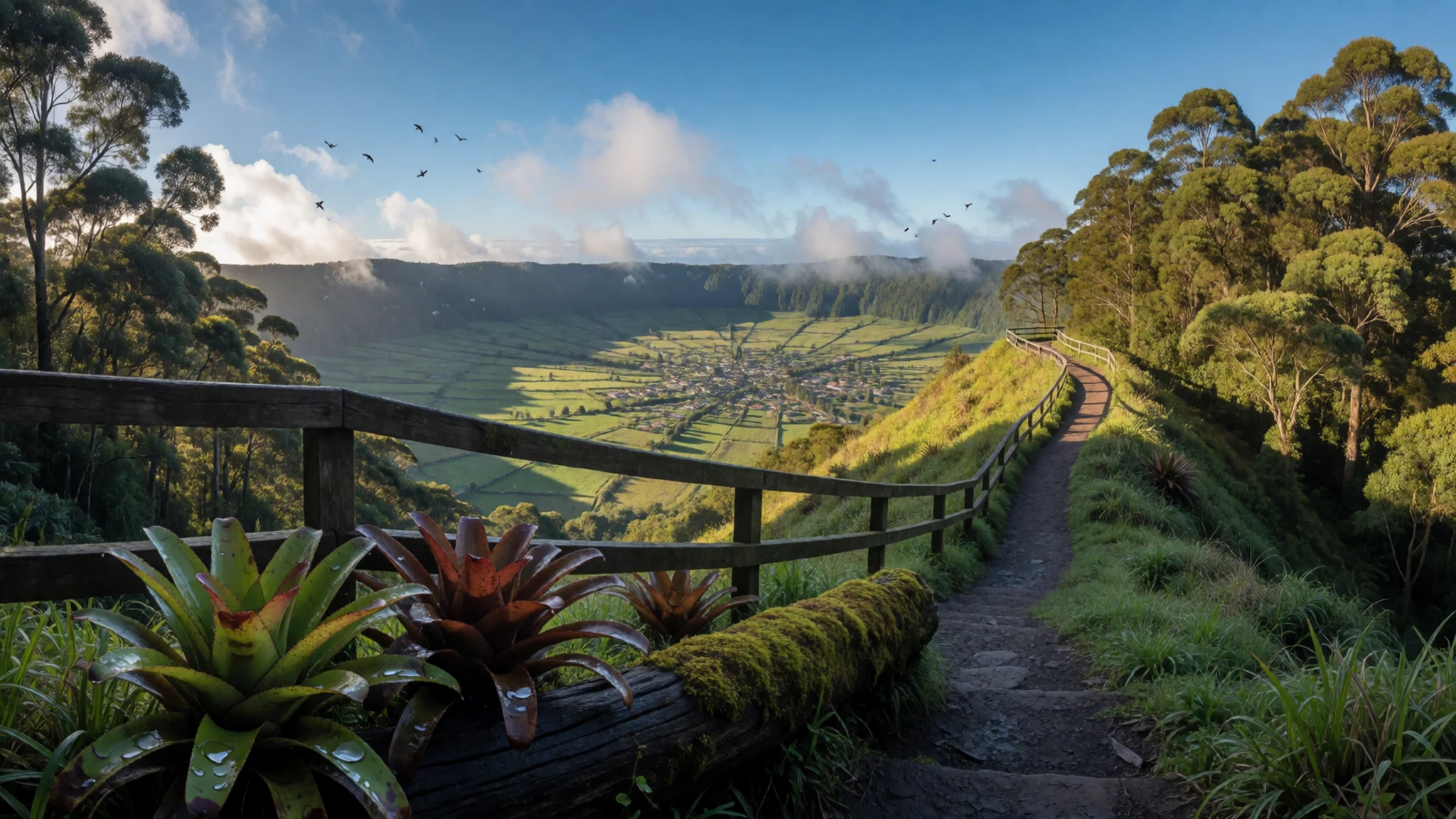
- El Nispero Zoo — North of the town
El Nispero is a small private zoo with landscaped grounds in the north of the valley, where monkeys and a jaguar share the site with birds and tropical plants. It suits families and slow wanderers, and works well as a shaded half-day when trails are too wet. Check the official channels for opening arrangements.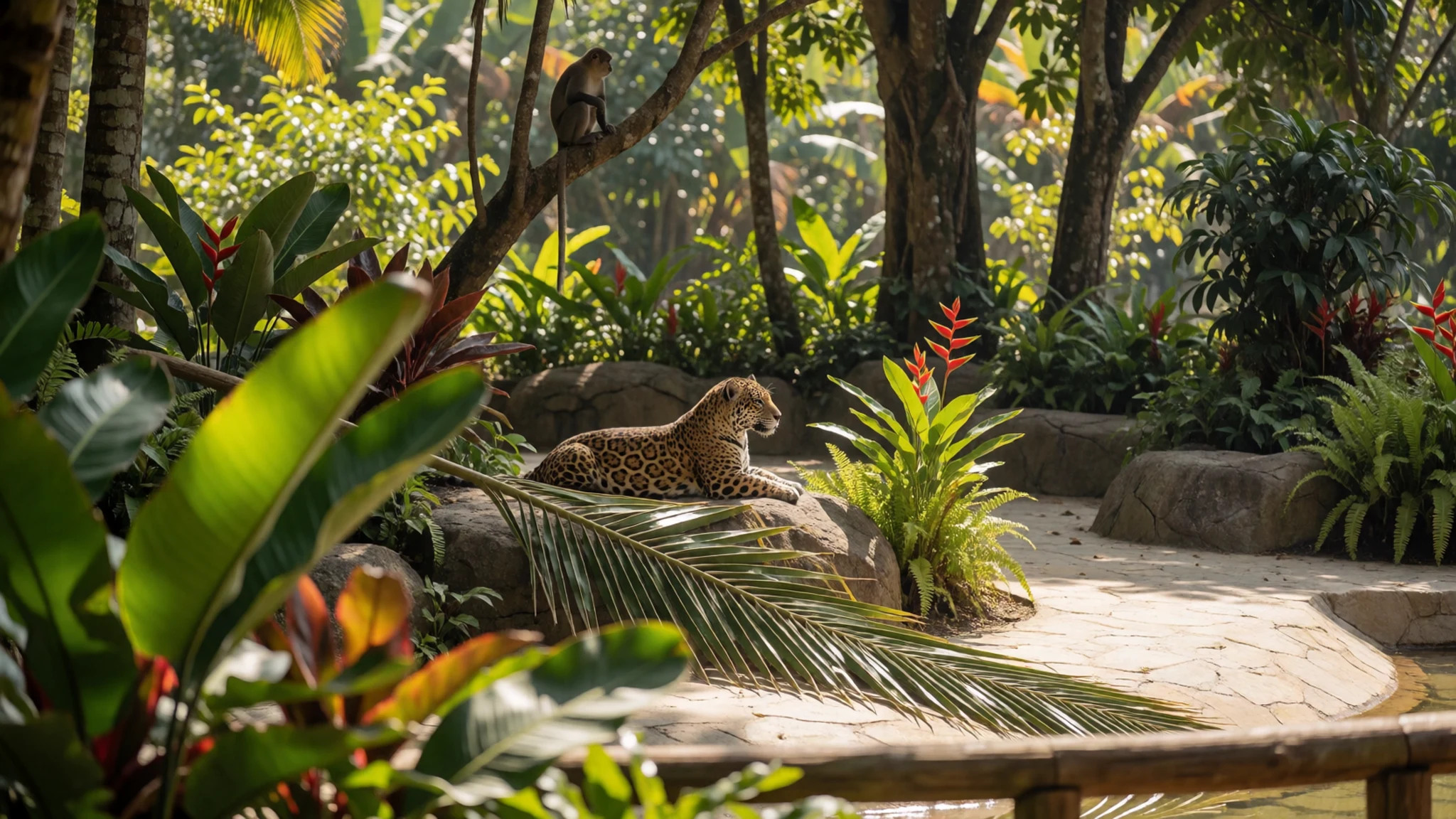
- Butterfly Haven — Near the town centre
Butterfly Haven, close to the centre of town, is a small enclosure where butterflies fly freely among tropical plants. It is a short, gentle stop that works well in drizzle, and children tend to enjoy it. Visit in the warmer part of the day, when the insects are most active.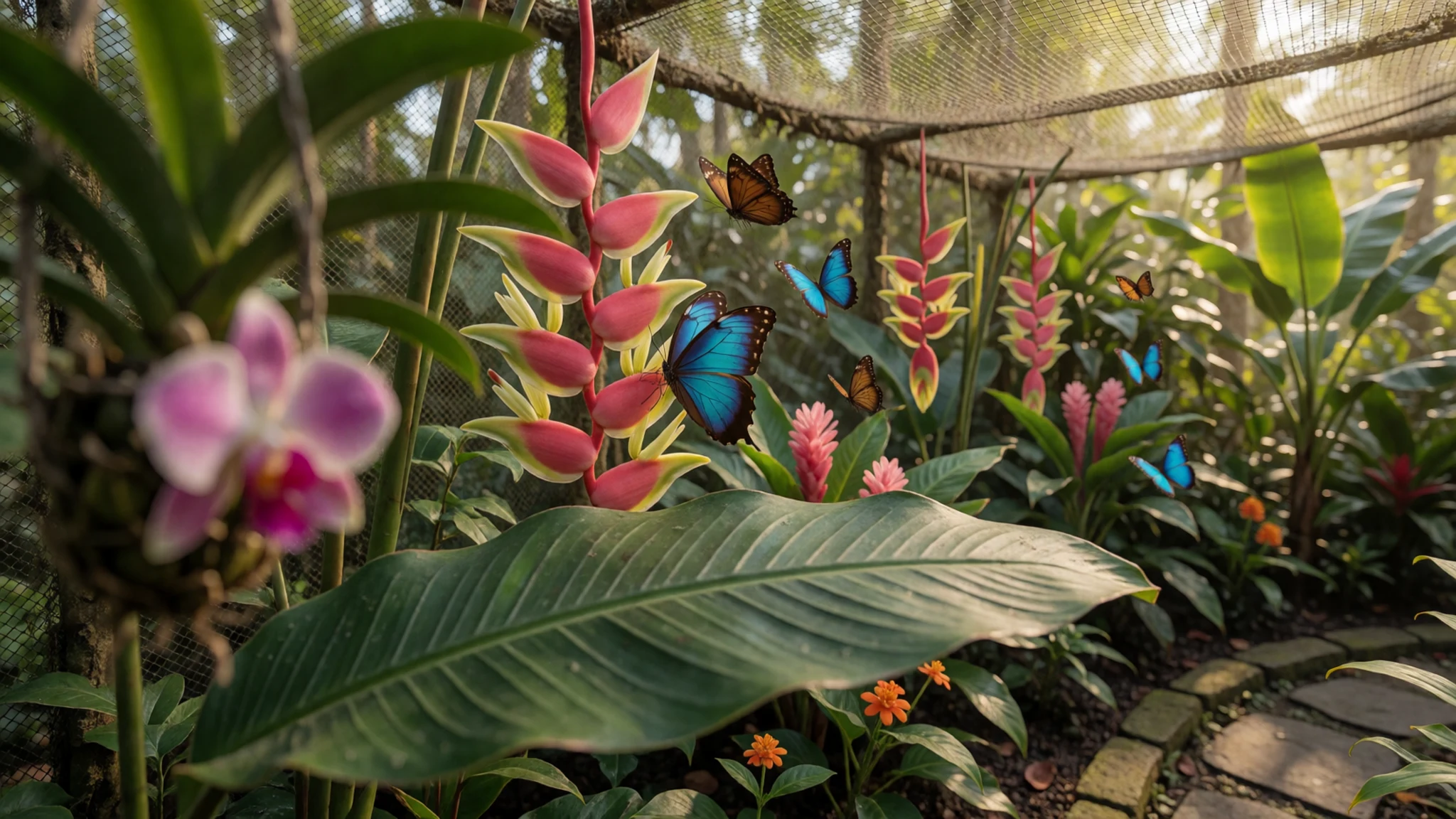
Culture
El Valle de Antón is an interior Panamanian town, Spanish-speaking, Catholic and centred on family, with deep roots in farming and gardening. Life revolves around the weekend, when relatives arrive from Panama City, the produce market fills up and cyclists share the main street with cars. Some people in guesthouses and tour offices speak English, but a few words of Spanish are noticed and appreciated.
The valley's indigenous heritage shows in the carved stones around the area and in the molas sold at the weekend market by Guna women (spelled Kuna in some older sources). A mola is a hand-stitched textile panel, and buying directly from the maker is the simplest way to support the craft. Local artists also run a cooperative that now and then offers small events, including an occasional vegetarian meal that residents rate highly.
Gardening is a point of local pride. Nurseries, orchid growers and plant sellers are all over the valley, and people will happily name a plant for a curious visitor. Conversation is unhurried, service in small restaurants can be slow, and nobody is likely to apologise for it, so patience is part of the deal. Evenings are cool and quiet, with little nightlife beyond a sports bar and a few restaurants.
Greet people with a quick 'buenos días' or 'buenas tardes' when you enter a shop or pass someone on a trail, and always ask before photographing a person, especially the Guna women selling molas at the market.
What to wear
El Valle de Antón shares Panama's national dress, the pollera, a full, layered skirt and embroidered blouse in white cotton or fine lawn, worn with gold jewellery and hair ornaments called tembleques. It appears at festivals, parades and church celebrations rather than daily life. Men's festival dress, the montuno, is a plain white cotton shirt and trousers, often with a straw hat. At the market, Guna women wear molas, layered reverse-appliqué panels sewn onto blouses, with wraparound skirts, headscarves and beaded bands on the arms and legs.
Everyday clothing in the valley is practical and casual: jeans or light trousers, T-shirts, caps, and rubber boots for people working in gardens and fields. Families up from the capital dress for weekends in comfortable resort-casual clothes, and nobody dresses up for dinner.
Visitors should pack for a cool, damp mountain climate rather than a tropical beach. Light layers, a rain jacket and a hat cover most days. Trails can be steep and slippery, so closed shoes with good grip matter more than anything else; sandals will not do for waterfalls or ridge walks. Long, quick-drying trousers help against insects and wet undergrowth. Shorts and sleeveless tops are fine around town, but cover shoulders and knees when stepping into a church.
What to eat
- Sancocho — Small family eateries on the main street
Sancocho is Panama's everyday comfort soup: chicken simmered with root vegetables, corn and fresh culantro herb. It is a lunchtime staple in the valley and tastes best on a cool, cloudy day. Look for it at small family-run eateries along the main street.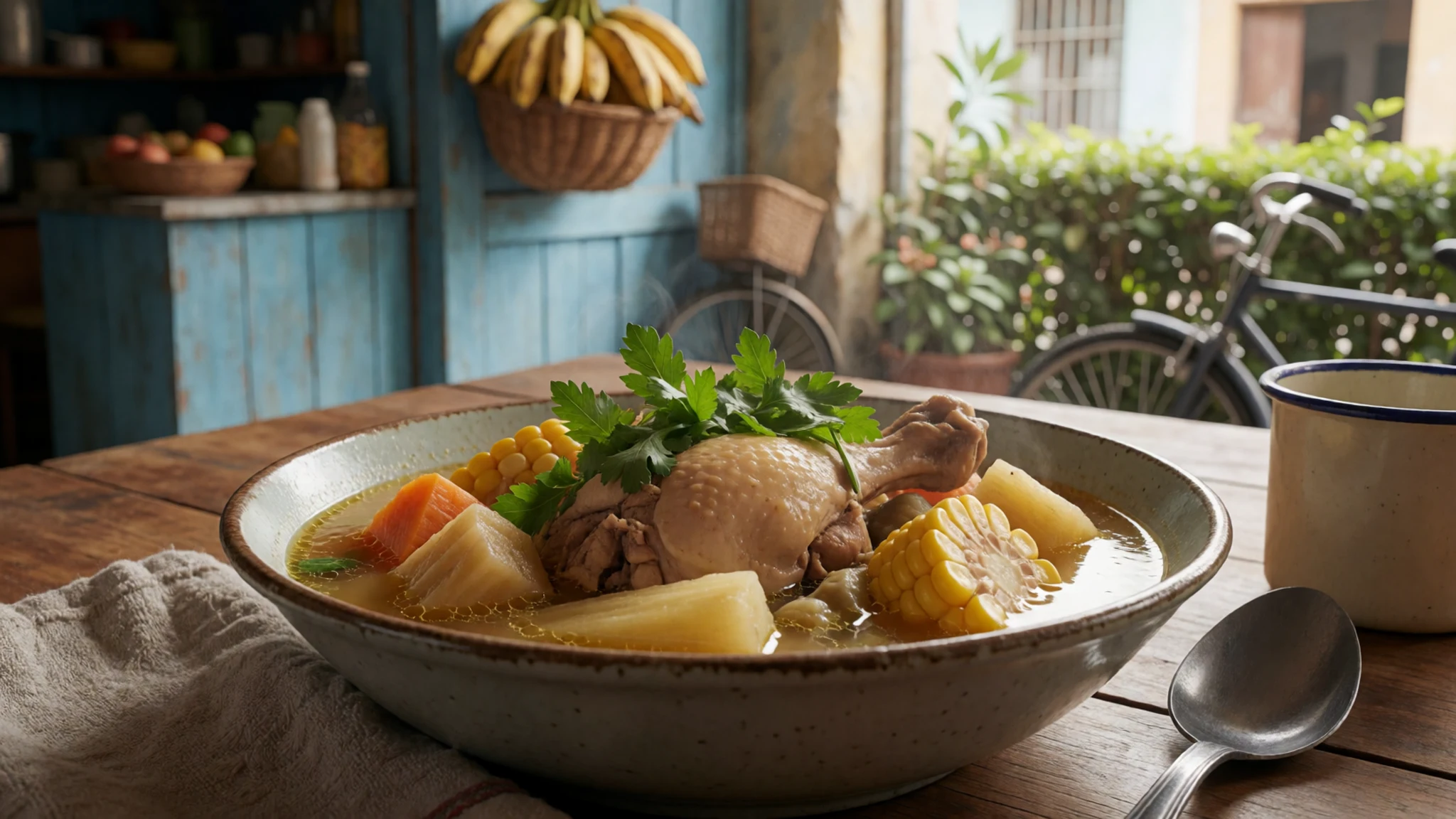
- Grilled or fried chicken and fish with patacones — Simple local restaurants around the centre
Chicken or fish, grilled or fried and served with rice and crisp patacones, which are twice-fried slices of green plantain. This is the most reliable order at the town's simple local eateries, where cooking tends to be plain and filling.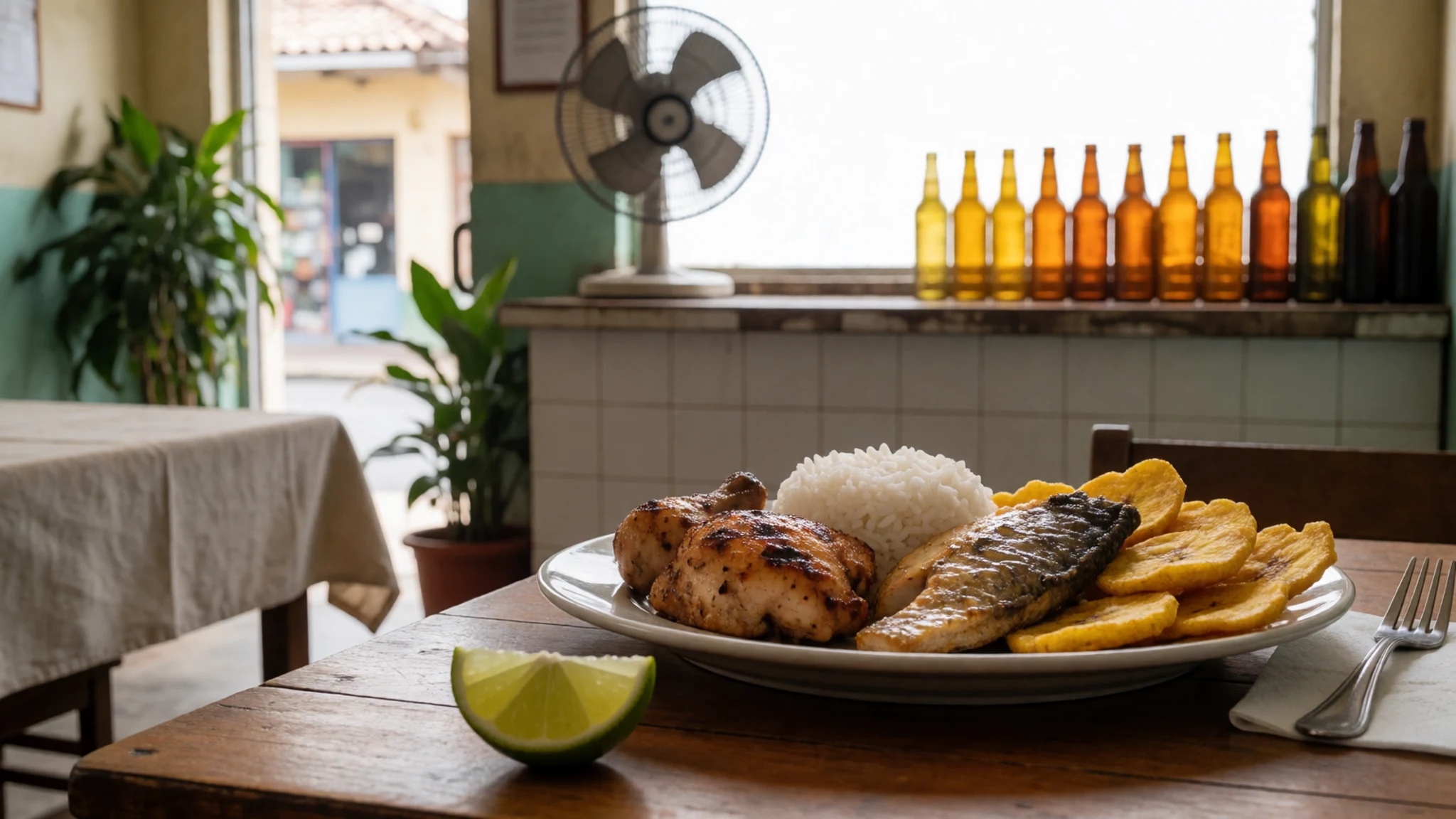
- Carne guisada — Local Panamanian restaurants
Carne guisada is beef braised slowly with onions, peppers and tomato. Slow cooking suits the lean, tough local beef far better than quick grilling. Ask at a small restaurant whether the meat is raised in Panama or imported, as the texture differs. - Fresh fruit and produce — The weekend open-air market
The weekend produce market sells fruit and vegetables grown in the valley's dark soil, including several fruits unfamiliar to many visitors. Take a bag, point at what looks interesting and ask how it is eaten; most sellers are happy to explain. - Bakery bread and sandwiches — Local bakeries in the town centre
The village bakeries turn out fresh bread, sweet rolls and simple sandwiches, useful for a trail lunch or a quick breakfast. Go in the morning, when the shelves are fullest, and pair them with strong Panamanian coffee from a nearby café. - Italian and Spanish dishes — Restaurants along Calle Central
Calle Central, also called Calle El Hato, has a few restaurants serving pasta, pizza and Spanish dishes alongside Panamanian cooking. Kitchens can be slow, so arrive early at weekends and treat a long wait as part of the evening.
Plan it
Best time. December to April is the drier season, with clearer mornings and firmer trails. From May to November the valley is greener, but showers are frequent and paths turn slippery. The altitude keeps the air cooler than Panama City all year, and weekends are busiest.
How long. 2–3
Getting there. Fly to Tocumen International Airport at Panama City, then take a taxi or bus to the Albrook terminal. Frequent buses run from there to El Valle, with services through the day. Drivers can reach the valley in under an hour from the Pan-American Highway on a paved rural road. In town, walking and cycling cover most distances.
Budget. low
Tips
- Carry cash for the market, bakeries and small eateries
- Start trails early, before cloud settles over the ridges
- Bring a rain jacket and shoes with grip, as paths are slippery when wet
- Expect slow kitchens at weekends and arrive at restaurants early
- Ask at the tourist information point in the market for trail and guide advice
Etiquette
- Greet shopkeepers and people on trails with a 'buenos días' or 'buenas tardes'
- Ask before photographing people, especially market sellers
- Take litter back out of trails and waterfall areas
Nearby
Sources
- Wikidata Q4845114 (CC0)
- Wikipedia: El Valle de Antón (rev 1380100405) (CC BY-SA 4.0)
- Wikivoyage: El Valle (rev 5350683) (CC BY-SA 4.0)
- Photo: El Valle at nightfall (Garrison Gunter) (CC BY-SA 2.0)
- Photo: Fotografía aérea del Valle de Antón (Garcia.dennis) (CC BY-SA 4.0)
- Photo: Panamanian golden frog, Atelopus zeteki (Brian Gratwicke) (CC BY 2.5)
- Photo: PIA03369 shaded relief, Central Panama (NASA/JPL) (Public domain)
- Photo: Cerroelmacho.jpg (Adumoul) (CC0 1.0)
- Photo: Los petroglifos en Panamá (Almudena Díaz Pagés) (CC BY 3.0)
- Photo: Manhole cover in El Valle, Panama, 1400621 (Bärbel Miemietz) (CC BY-SA 4.0)
- Photo: Manhole cover in El Valle, Panama, 1400624 (Bärbel Miemietz) (CC BY-SA 4.0)


Wildlife
- Panamanian golden frog (animal)
The Panamanian golden frog is really a toad, and it lives nowhere in the world except Panama. In the forest around El Valle de Antón it is critically endangered, and it may no longer survive in the wild at all, so a chance sighting along the mountain streams is unlikely. Your best hope is the valley's amphibian conservation centre, where threatened animals are looked after and studied. No season or time of day is known to us, so ask the centre when to visit.