Coiba
Coiba, Panama
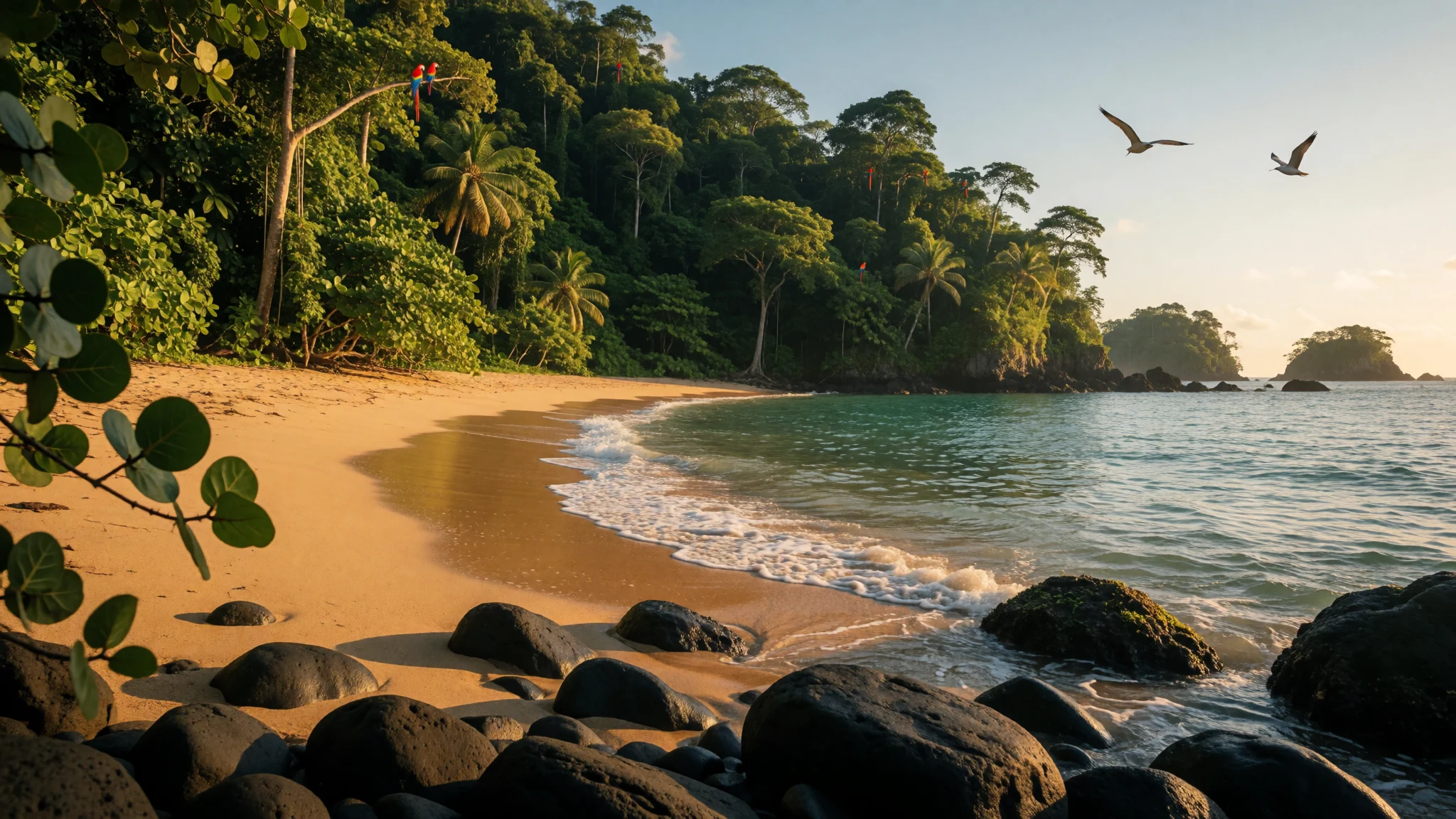
Coiba is a remote Central American island-park where marine life feels less like a trip and more like research in motion.
The place
Coiba (Parque Nacional Coiba) sits off Panama’s Pacific coast in the Gulf of Chiriquí, in the province of Veraguas. It’s the largest island in Central America, and the park isn’t just one piece of land: it includes Coiba plus 37 surrounding islands and islets, positioned roughly 50 km offshore. That distance from the mainland is part of the appeal—less development, stronger protection, and water that stays consistently wild.
On Coiba, the land and sea are inseparable. Forested slopes shelter endemic species, while the surrounding marine area does the heavy lifting for snorkelling and diving. The island’s isolation is long-term: sea levels separated it from continental Panama between 12,000 and 18,000 years ago, and over time species diverged, creating a mix of animals found nowhere else.
The scenery is also practical for travellers. “Getting there” usually means a boat connection to one of the nearby coastal launch points, then a day (or longer) on the water. Depending on the route, the trip can feel like you’re stepping away from all regular holiday comforts. There’s often less choice of restaurants, fewer spontaneous detours, and a stronger need to pack well—especially for sun, insects and wet weather.
Coiba tends to attract people who want quality time under water or on trails, rather than a sightseeing checklist. Crowds are typically nothing like major city attractions, but marine spots can still fill on popular departure days, so timing and booking matter.
Its story
Coiba’s story is shaped by isolation. After splitting away from mainland Panama 12,000 to 18,000 years ago, the island forged its own distinct biological identity as its plants and animals were isolated and evolved across thousands of years. That long separation still shows up in the park’s wildlife: endemic birds, mammals and other creatures occur only here.
Human history then took a hard turn. From 1919 to 1991, Coiba was a penal colony. During the years of Panama’s dictatorships, the prison became feared, with accounts tied to brutal conditions and political violence. Records are unclear about how many people died, but the island became known locally as a “Devil’s Island” and avoided by many.
When the prison closed, the landscape’s physical state became an accidental advantage. Coiba was later turned into a protected marine environment, with parts of the penal-era infrastructure preserved well enough to visit in restored form, while other structures have been left to weather and decay. The island’s remoteness helped it keep its biodiversity edge, and the former prison grounds sit alongside the rainforest and surrounding waters—an uneasy, fascinating juxtaposition.
Some people add local folklore, including tales of hauntings around the prison. Whether or not those stories convince anyone, they’re another way Coiba stays memorable: it’s not only about wildlife—its past is built into how visitors experience the place.
What to see
- Isla Granito de Oro (reef snorkelling area)
Coiba’s offshore reefs are where the park turns scenic curiosity into close-up marine encounters. Expect calm water sessions guided by local operators, with reef life staying visible in the shallows and a strong chance of spotting turtles and reef sharks.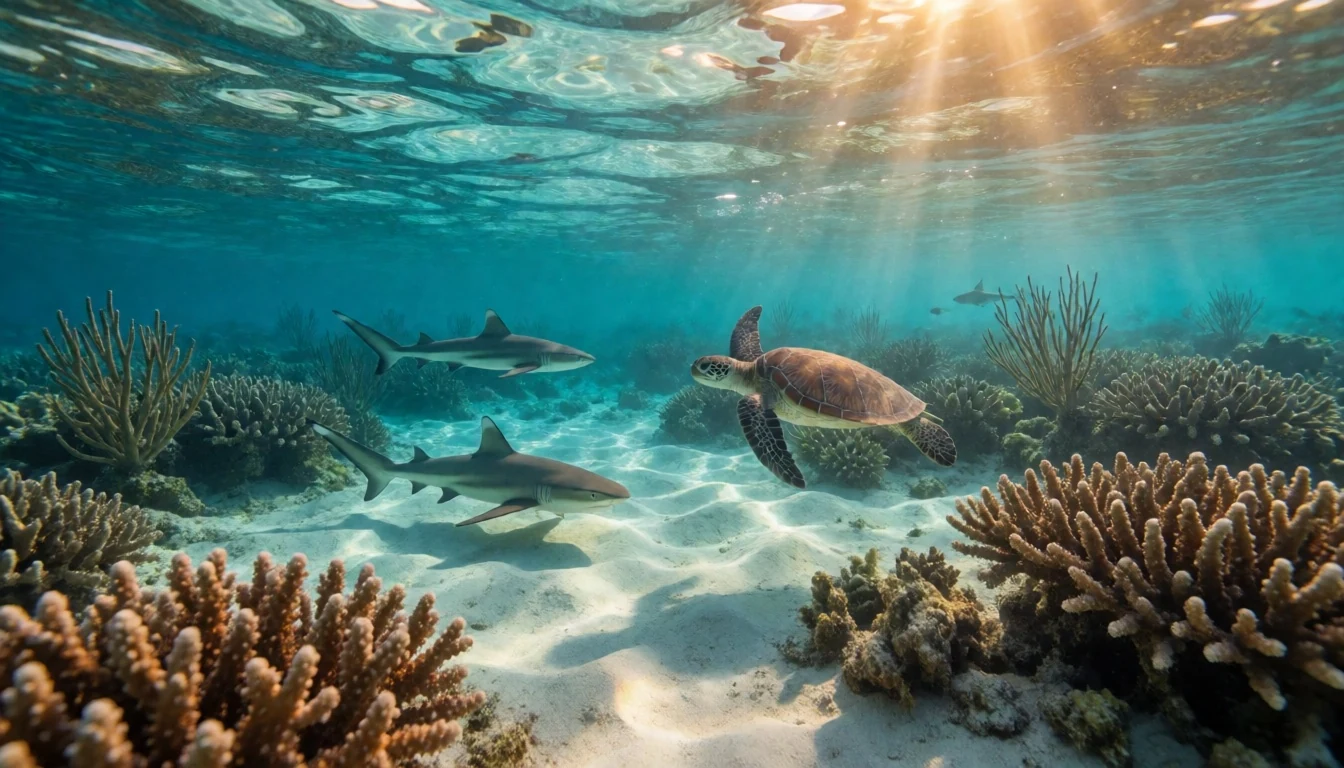
- Rehabilitated prison buildings (former penal colony)
Coiba’s prison history is still present, including rehabilitated structures that visitors can see. These buildings offer a clear sense of the place’s past, standing against the surrounding wilderness and reminding people why access has long been restricted.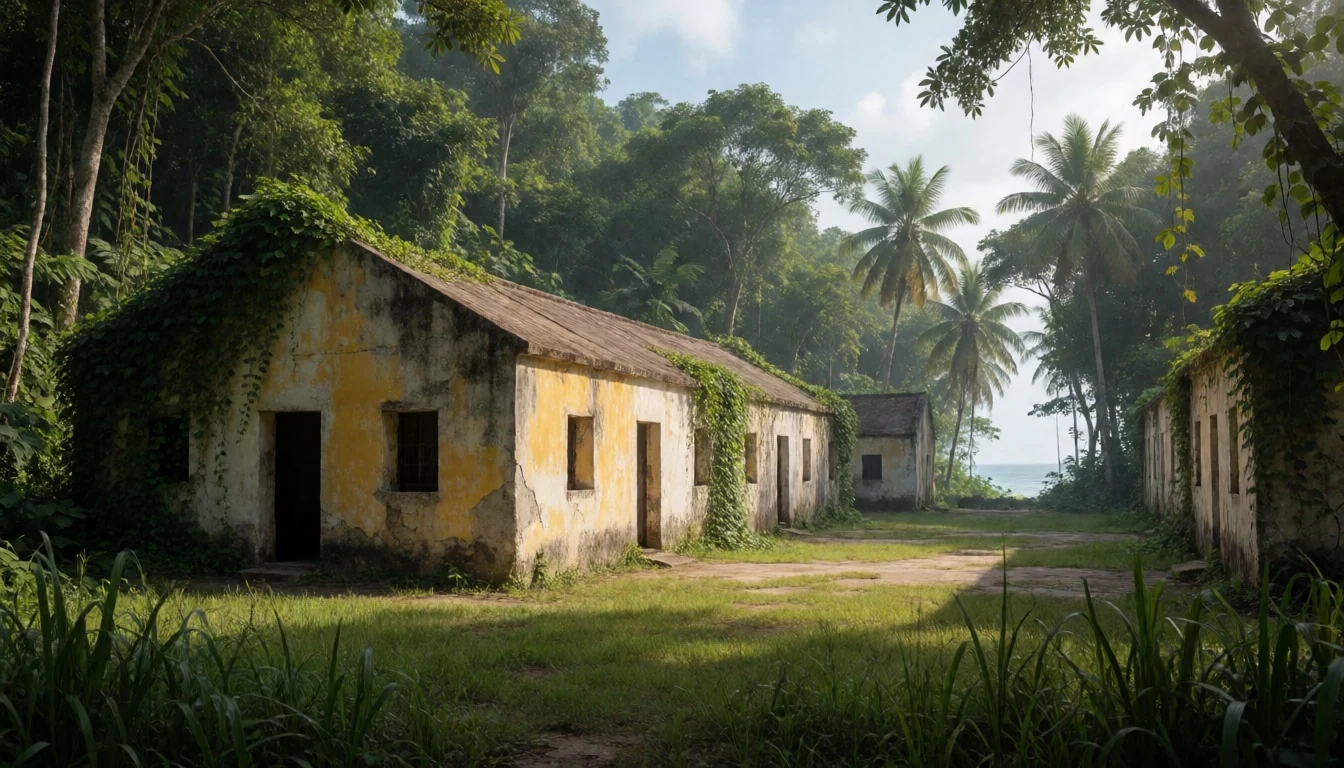
- Sendero de monos (forest walk)
A walk on Sendero de monos helps translate Coiba from “island on the map” into real forest atmosphere. The route is a straightforward way to notice how the island’s vegetation and wildlife sit close together, especially when you move slowly and listen.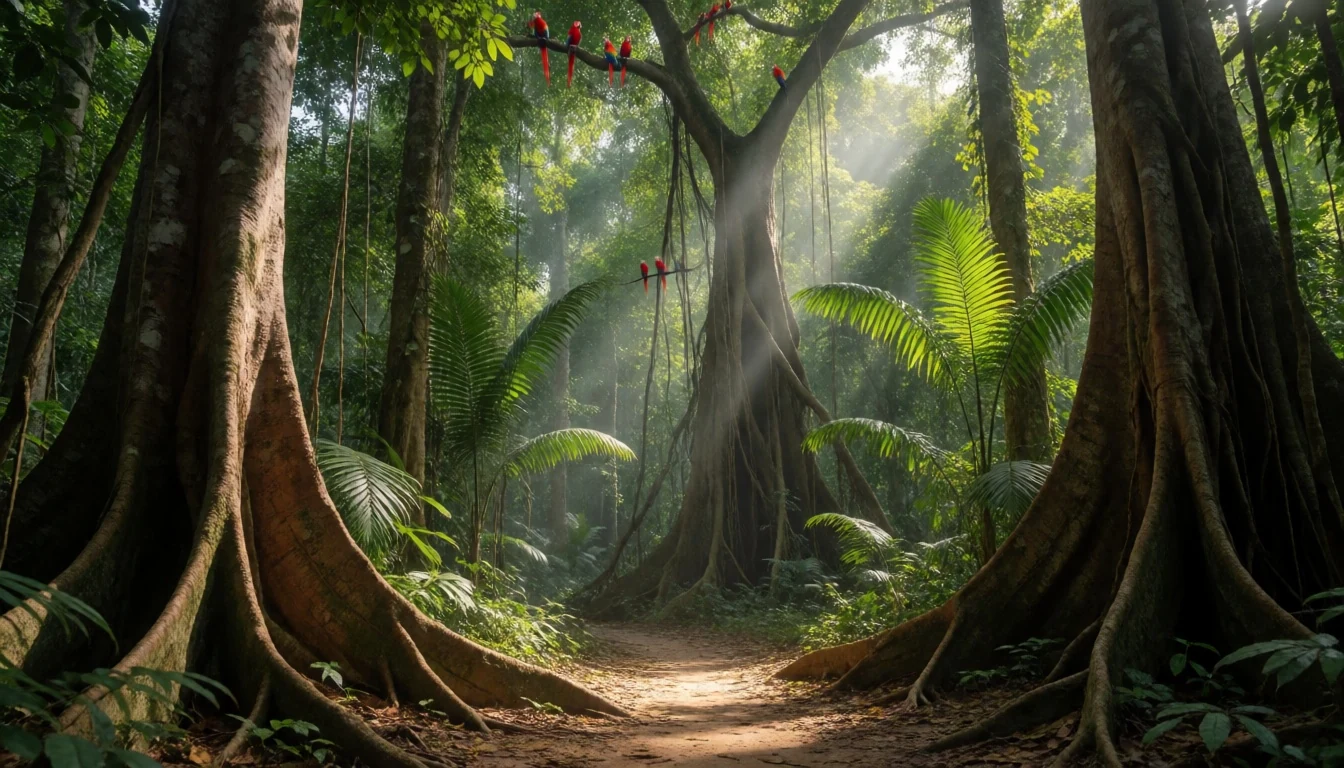
- Bahia Damas Reef (marine area)
Bahia Damas Reef is a major underwater highlight in the park’s Pacific waters. The reef brings the kind of visibility that suits longer snorkel sessions, with fish activity that tends to keep changing as boats drift and divers settle.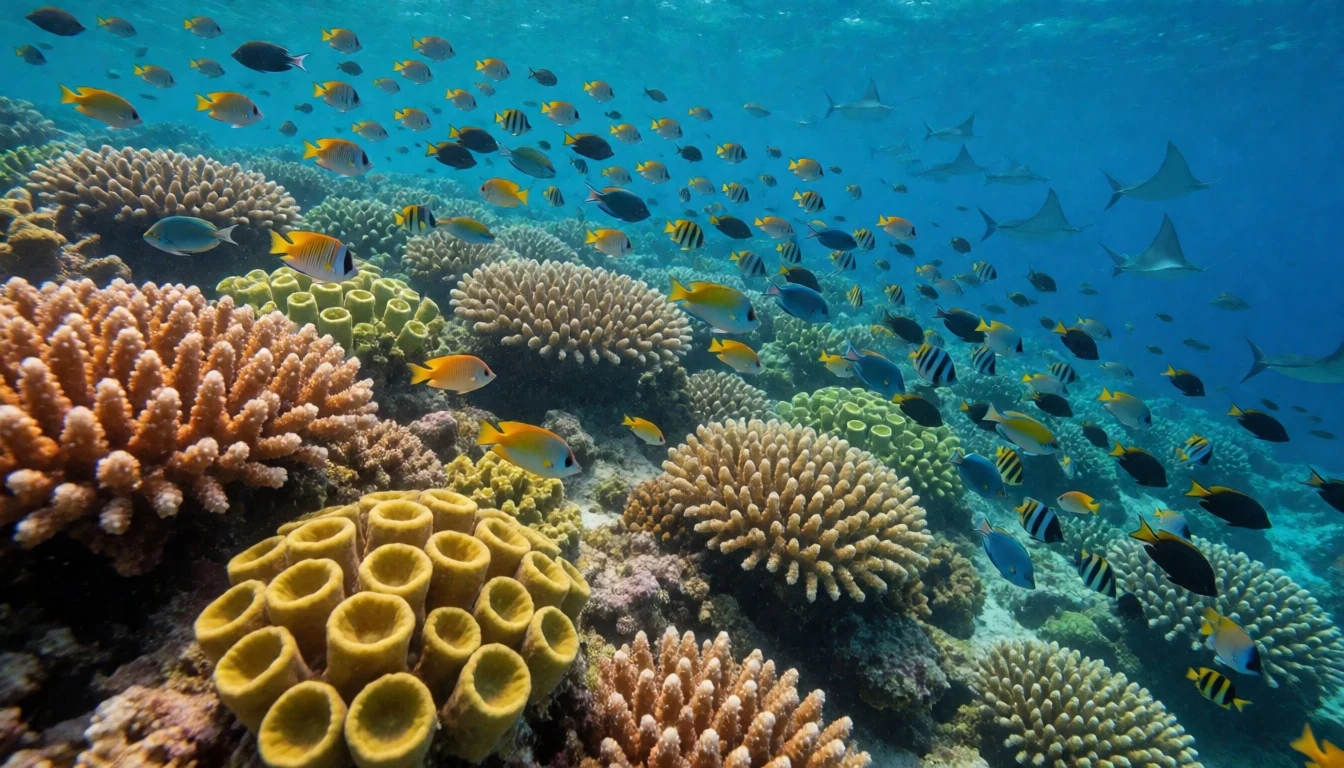
- Iglesia dive site (reef and resident fish)
Iglesia is a dive area associated with older reef structure, where divers can look over coral and the animals that live around it. It’s a good stop when the focus is steady underwater viewing rather than just a quick swim.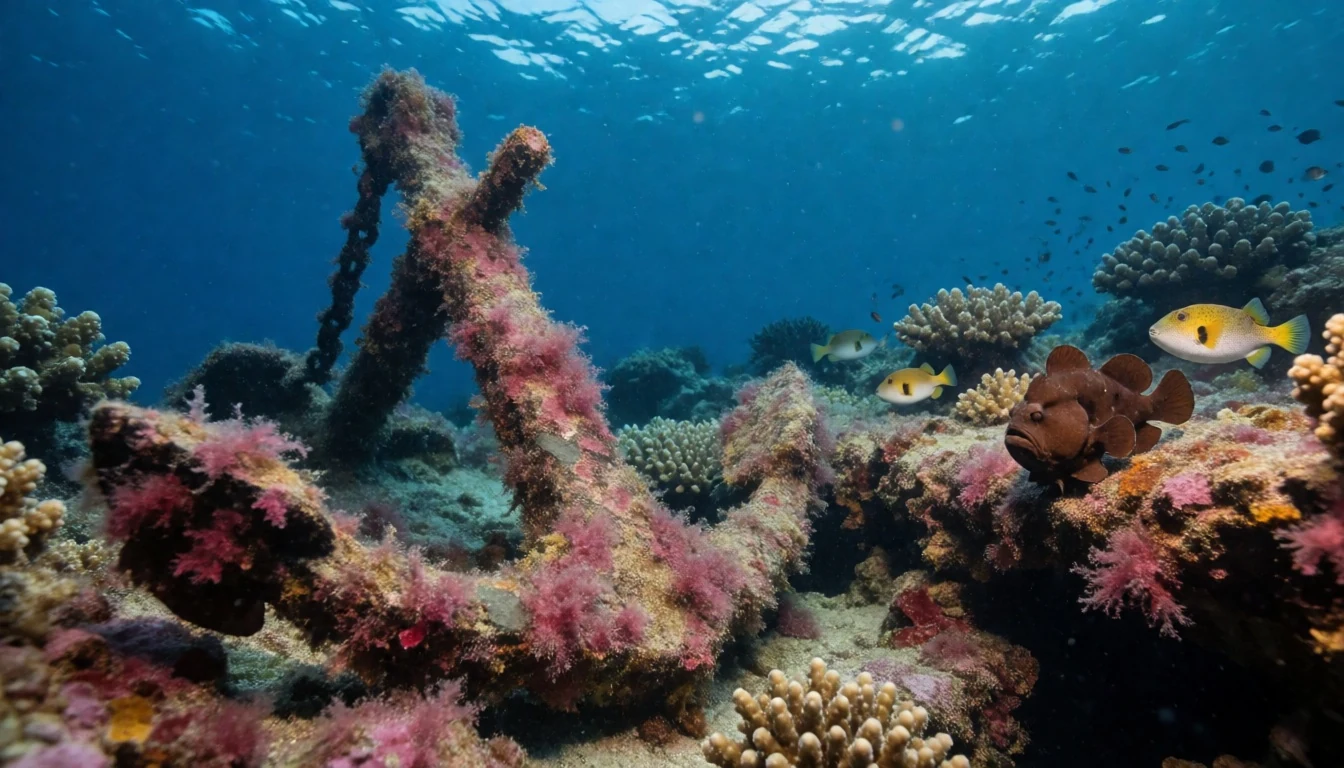
Culture
Coiba’s culture is mostly about how people behave inside a protected landscape. Because the island and its surrounding waters are managed for conservation, tourism there runs on rules rather than spontaneity: trips are typically operator-led, movements are guided, and activity is expected to stay non-invasive. In practice, that means visitors are often focused on listening to instructions—whether for boat safety, snorkelling technique, or how close (or far) to keep from marine life.
There’s also a strong “place history” layer. The penal-colony era is part of the visitor experience, and even when the atmosphere feels calm, it carries weight. Pair that with rumours and local stories about the prison, and you get a destination that makes people slow down and think, not just photograph.
Off the water, the key cultural skill is restraint: don’t treat reefs and forest edges like playgrounds. Even casual contact—stepping where it’s not meant, reaching for wildlife, or trying to improvise camping—can change how the park functions. The park’s success depends on collective discipline across every trip.
Visitor etiquette: keep to marked areas, avoid touching wildlife, and follow the guide’s instructions on where boats and snorkels can go.
What to wear
Coiba’s weather is tropical and island-based, so clothing choices are about comfort in sun and humidity rather than style. On Coiba trips, many people spend long stretches in swimwear and quick-dry layers, then switch into covered clothing when moving on land or waiting on boats.
Traditional dress isn’t a major feature of daily life on Coiba itself; most visitors dress according to practical island norms. The key is to keep things manageable for both water and forest: lightweight breathable tops, quick-dry shorts or trousers, and a rash top or swim shirt for sun protection.
For what to wear now, plan for glare off the water, wet conditions, and insects. A wide-brim hat, reef-safe sunscreen, and a light cover-up help a lot. Footwear matters on land: water sandals or reef shoes protect feet on rocky or uneven surfaces, while keeping socks-for-dry-cushion optional if weather is calm.
For visiting, dress modestly when passing through managed areas around the island’s facilities and when moving near historic sites. Avoid anything too loose that might snag on gear, and keep a small towel or dry bag so belongings don’t end up damp for the next transfer.
What to eat
- Tour-included meals — On organised day trips from nearby coastal towns
Meals are commonly included in Coiba tours, so many visitors eat on schedule rather than hunting for restaurants. The simplest approach is to assume the day’s food is bundled with the boat trip and bring a little extra for snacks.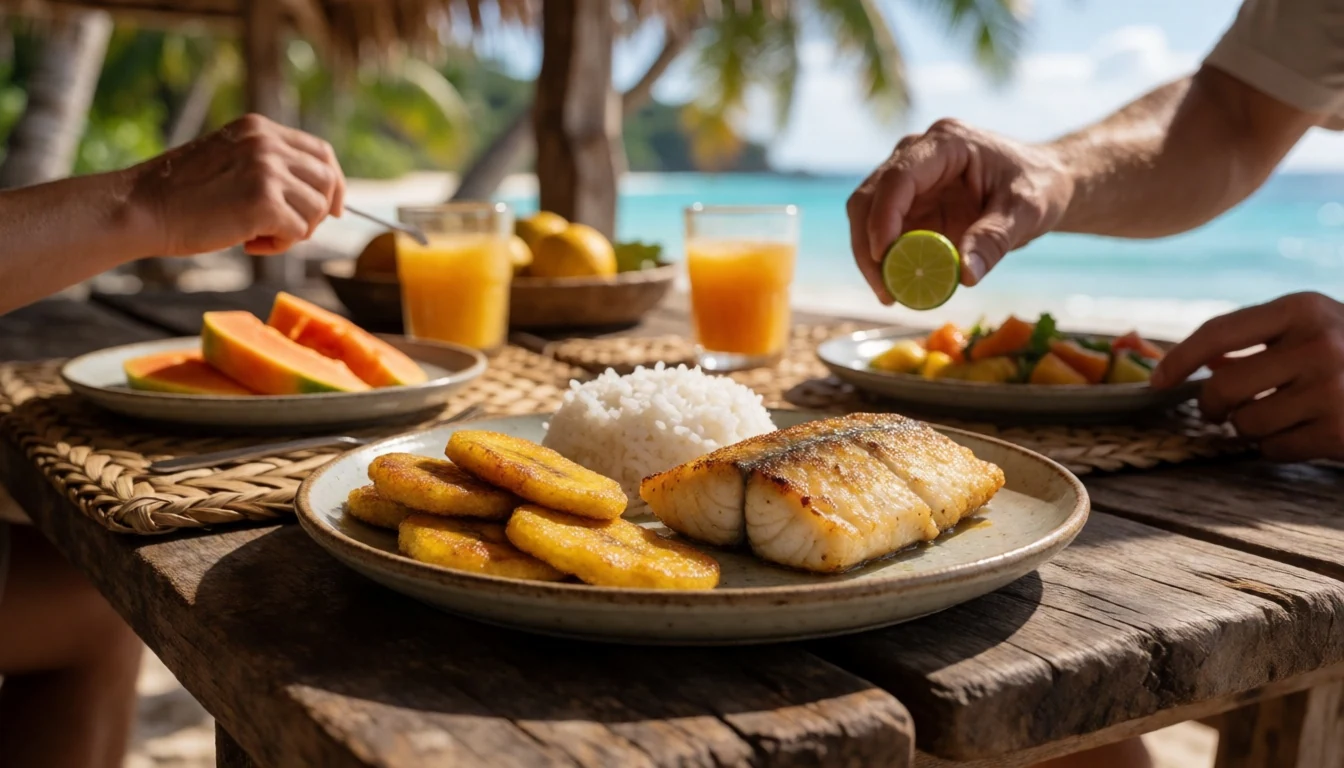
- Snacks and water in Santa Catalina / Boca Chica / Boca Brava — Convenience shops around Santa Catalina, Boca Chica and Boca Brava
Before boats head out, basic snacks and water are often easiest to pick up around the coastal bases where trips depart. These places are the practical “prep stops”, especially if the tour day starts early or runs long.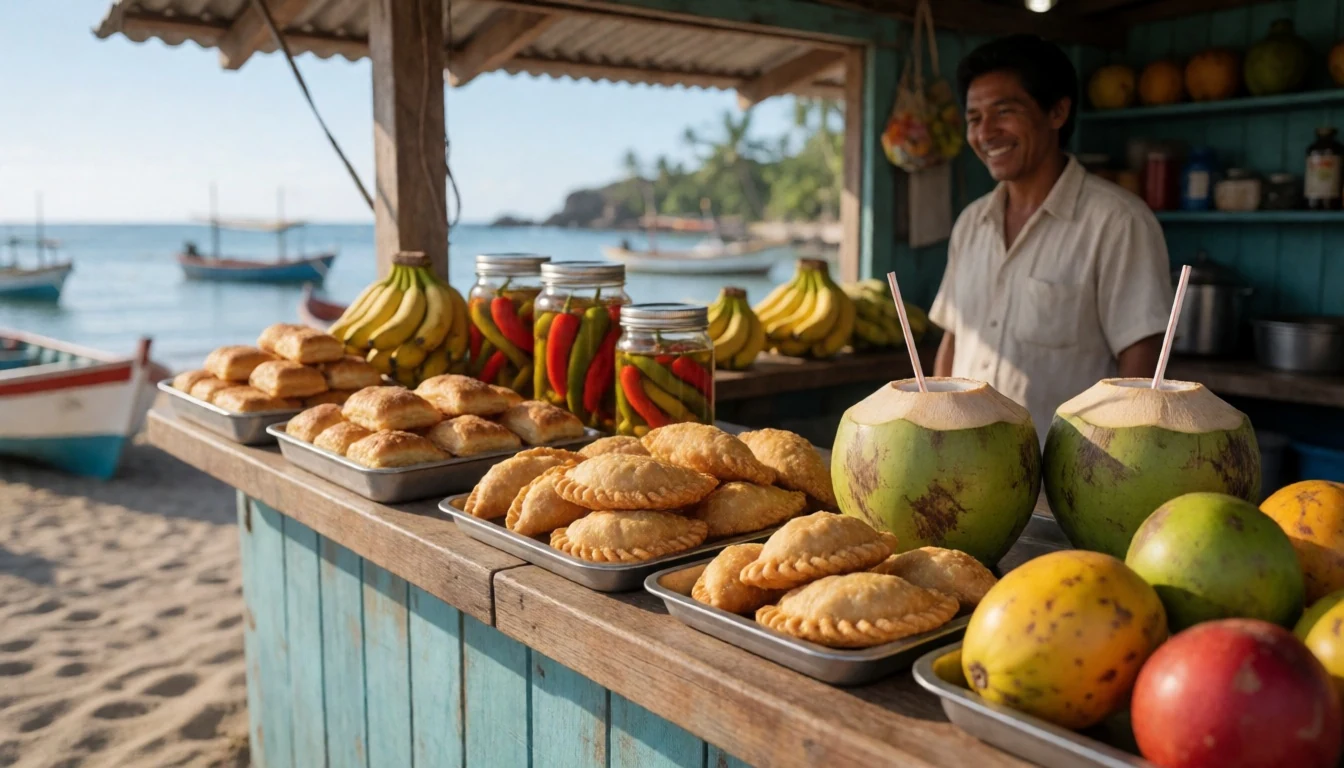
- Resort/eatery meals in the Gulf of Chiriquí area — Around the Gulf of Chiriquí National Marine Park
Around the Gulf of Chiriquí National Marine Park, resorts and smaller places to eat handle casual meals for travellers. It’s a convenient option when waiting for transfers or when staying off the island itself. - Extra snacks to keep between swim sessions — Bring-along provisions from departure points
Because the day can be active—boat time, snorkel time, then waiting for the next shift—extra snacks help avoid energy crashes. Carrying a few simple items also works well if appetite varies during rougher weather days. - Simple pre-trip fuel from nearby markets — Local markets near the departure towns
If there’s time before the boat day, pick up straightforward supplies like fruit and dry snacks from local market stalls. It’s not about cooking—just topping up calories so the day feels smoother once the sea part of the itinerary starts.
Plan it
Best time. August for humpback whales; and March–April or October–November for more comfortable conditions outside the wet season peaks.
How long. 2–3
Getting there. Fly into Panama City, then travel onward to the coastal departure point (commonly Santa Catalina, or Boca Chica depending on your route). From there, take the scheduled boat transfer to Coiba.
Budget. high
Tips
- Book an operator-led trip; access is limited and routes are best handled with local guidance
- Pack insect repellent and a basic first aid kit, plus a flashlight
- Bring water and wet-weather protection—sea conditions can change
- Wear appropriate clothing and footwear for boat-to-land transfers
- Keep trash with you and avoid leaving anything behind on day trips or land visits
Etiquette
- Respect flora and fauna: don’t extract plants or feed or hunt animals
- Follow signs and prohibited areas, and don’t light unauthorised campfires
- Keep noise down inside the park and don’t smoke inside the park
Nearby
Sources
- Wikidata Q741636 (CC0)
- Wikipedia (Coiba) (CC BY-SA 4.0)
- Wikivoyage (Coiba National Marine Park) (CC BY-SA 4.0)
- Coiba.JPG (photo) (CC BY-SA 1.0)
