Bastimentos Island National Marine Park
Bastimentos Island National Marine Park, Panama
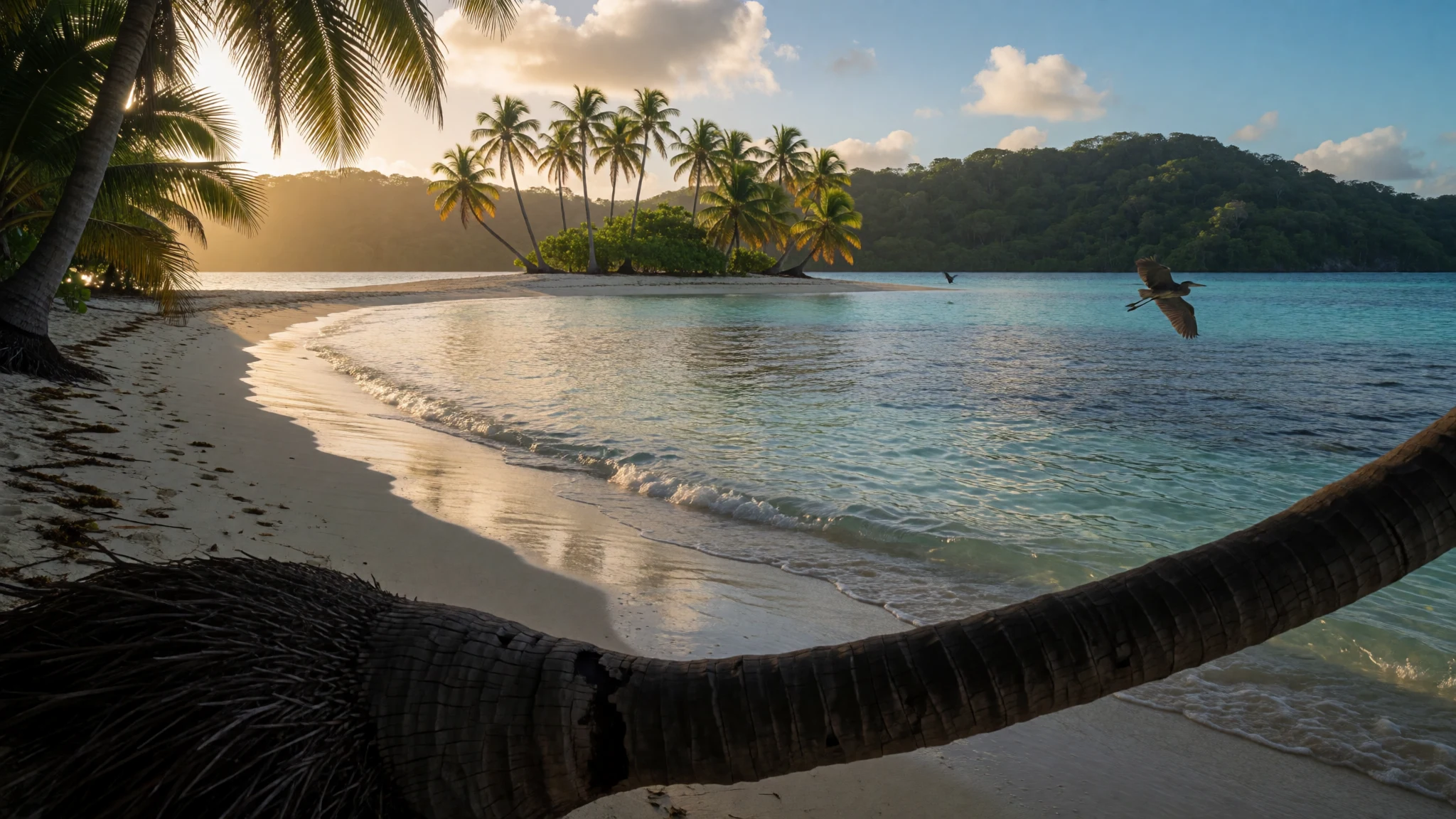
Bastimentos Island National Marine Park is a Caribbean mix of rainforest trails, nesting beaches, mangroves and reef, reached only by boat from Bocas Town.
The place
Bastimentos Island National Marine Park sits in the Bocas del Toro archipelago on Panama's Caribbean coast, and it is as much water as land. Protected since 1988, it takes in part of Bastimentos island itself, a scatter of small cays and the sea around them, roughly 13,000 hectares in all. Inside that boundary are habitats that rarely sit so close together: wet forest, coastal wetland, mangrove channels, lagoons, long open beaches and living coral reef.
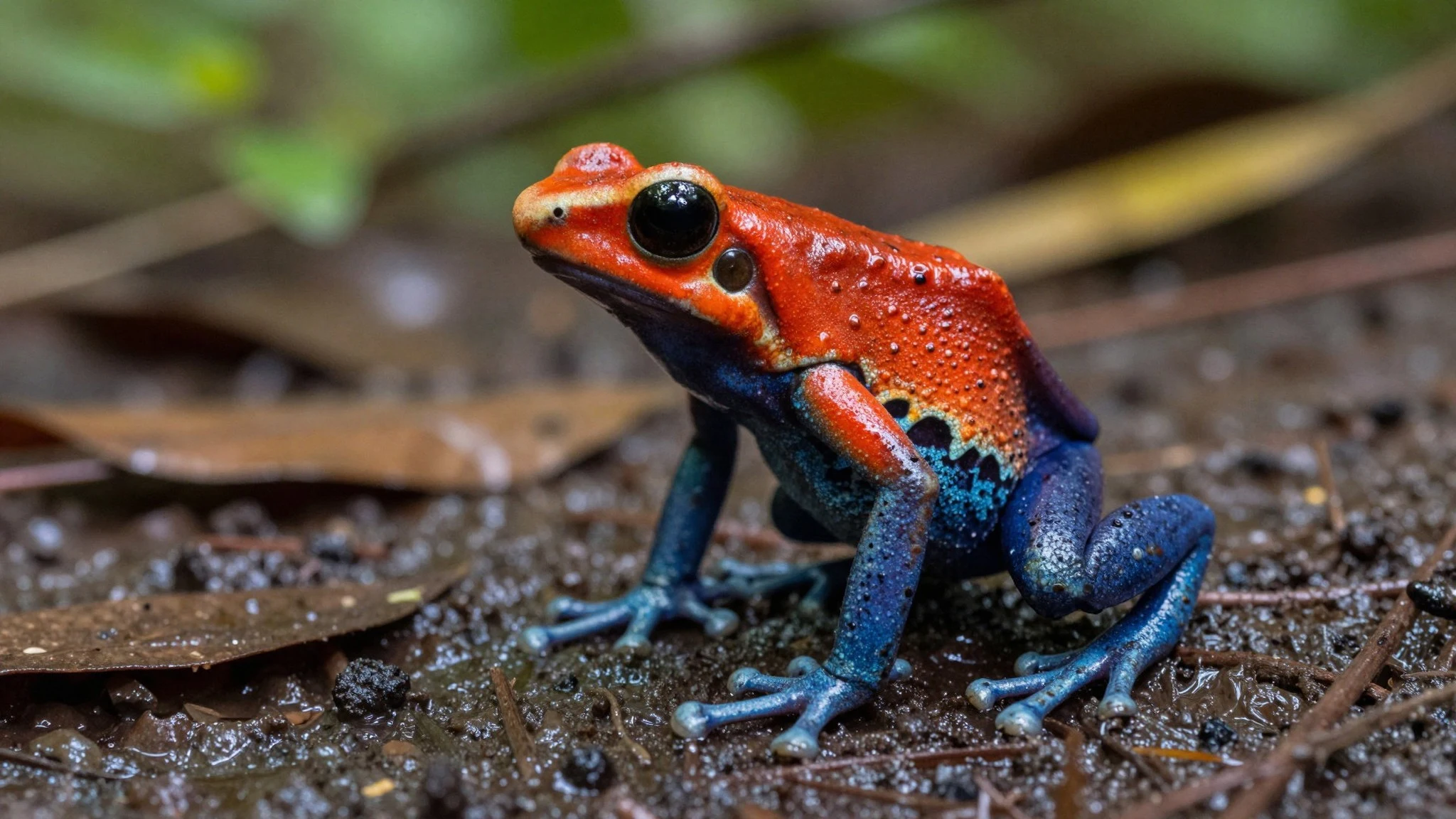
The land side is hilly, green and nearly roadless. Movement is by boat or on foot along muddy forest trails that end at the sea. The marine side is shallow, warm and often clear, which is why snorkellers and divers base themselves in the archipelago. Wildlife includes the small red frogs that give one beach its name, monkeys, birds and nesting sea turtles.
People live here as well as visit. Afro-Caribbean and Ngäbe communities have fished, farmed and travelled these shores for generations, and the park's edges overlap with their villages and with the small town of Bastimentos. Most visitors arrive from Bocas Town on Isla Colón, either on a shared boat or a guided tour.
The character of a visit depends on which corner is chosen. The cays are about sand, shallows and reef. The north coast is about surf, turtles and forest walks. The inner bays are about slow boat rides through mangroves. Several areas can only be reached by private boat or with a guide, so a little planning pays off. Weather is tropical and changeable, with sudden rain at any time of year, and the more popular cays get busy around midday.
Its story
The story of Bastimentos Island National Marine Park is one of a shelter that became a protected area. For centuries the island's coves, mangroves and reefs gave refuge and a living to indigenous peoples, fishing families and sailors working this coast. Fish, shellfish, timber and garden crops sustained the communities, and the sea was the main road between settlements.
In 1988 Panama created the park to safeguard one of the more varied and fragile stretches of its Caribbean shoreline. The aim was to protect the forest, the wetlands and the reef together, since each depends on the others: mangroves nurse young fish, reefs blunt the waves, and forest soil keeps silt out of the water. Management fell to Panama's national environmental authority, and park rules now cover littering, collecting, fire and contact with wildlife.
The decades since have brought change. Tourism in Bocas del Toro has grown considerably, and with it the pressure on beaches, coral and nesting sites. Boat traffic, rubbish, unplanned building and over-eager visitors are the usual worries. At the same time, tourism has given local families work as guides, boat drivers, cooks and lodge keepers, and has given the park a constituency that wants it to last.
The present picture is therefore mixed and still unfolding. The protected status holds, the communities remain, and the visitor economy sits uneasily but productively alongside both. How well that balance survives depends partly on ordinary choices made by those who come: which operator to book, how closely to follow the rules, and how lightly to move through the place.
What to see
- Zapatilla Cays — Offshore cays, southern part of the park
Two small cays of pale sand edged with palms and forest, ringed by clear shallow water and reef. A short trail crosses the larger cay from the landing beach to the open-sea side. Boat tours from Bocas Town are the usual way in, so the cays fill up around midday; an early departure leaves more space.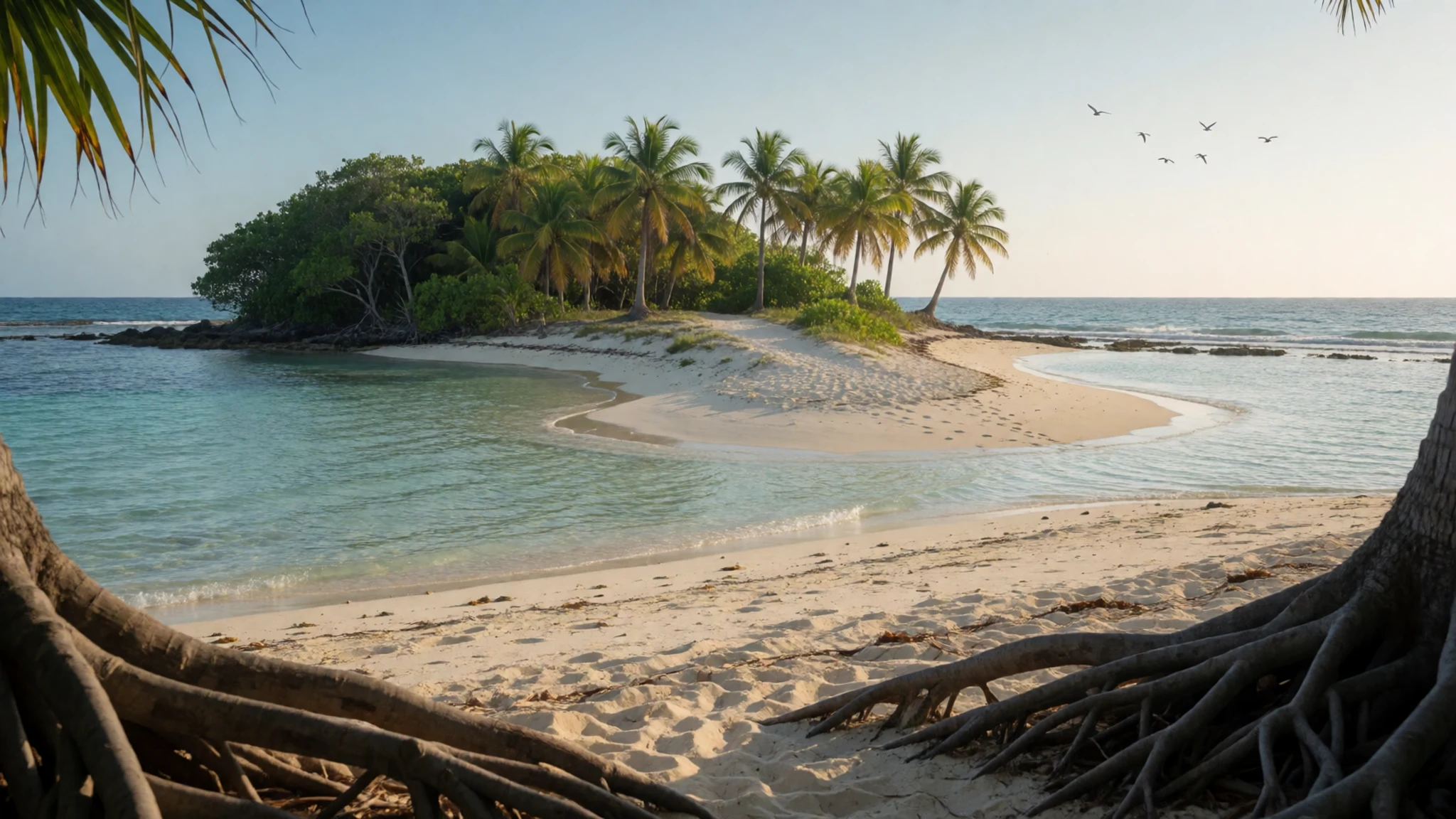
- Playa Larga — Open-sea side of Bastimentos island
A long, exposed beach known as a nesting site for sea turtles. The surf can be heavy and swimming here is unwise. Visits during the nesting months, April to September, call for care with lights, footprints and distance from nests, and a local guide helps with all three.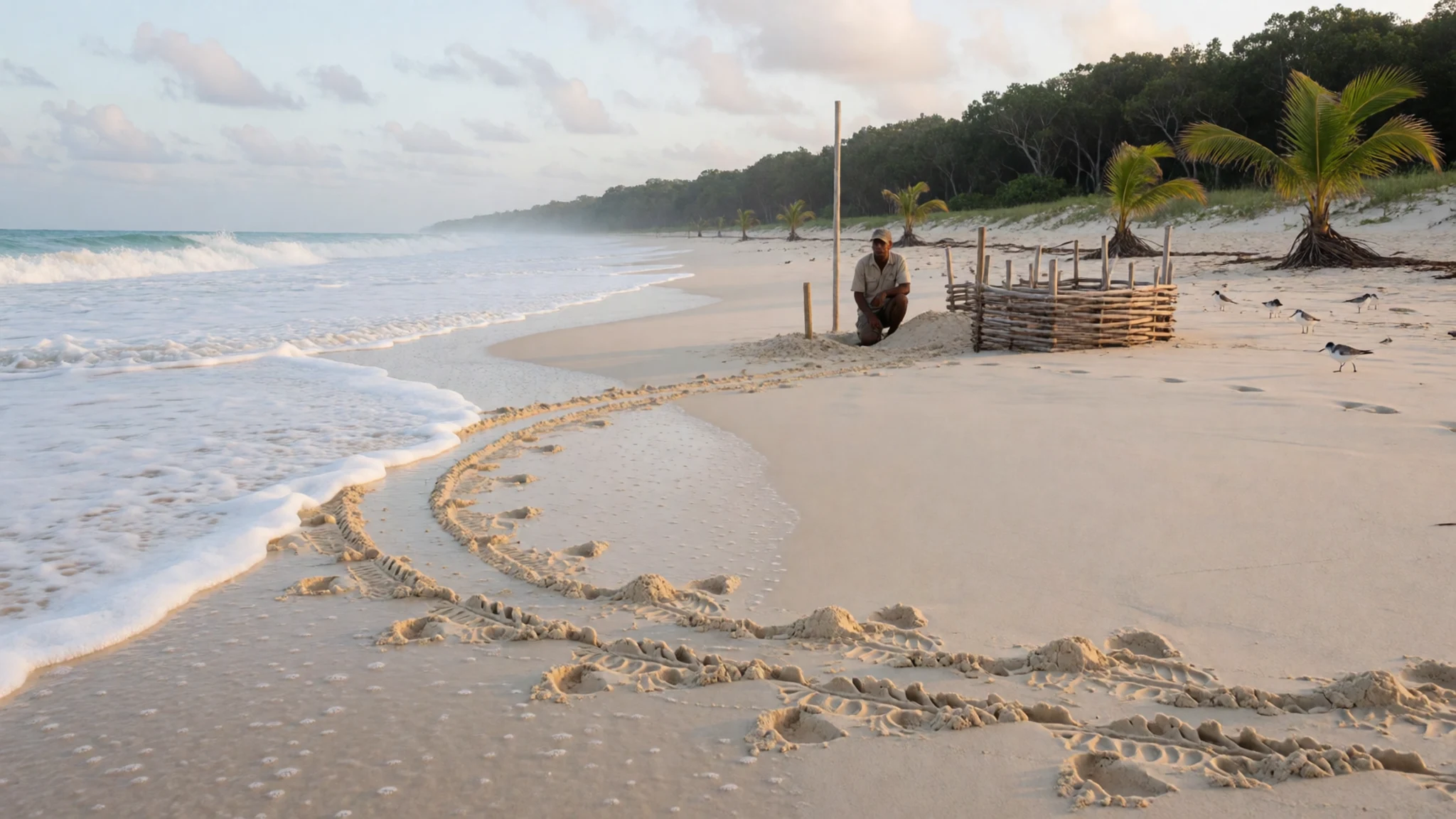
- Cayo Coral — Reef area between the cays and the main island
A snorkelling stop where live coral still grows close to the surface. Operators with certified guides run trips from Bocas Town, often combined with other cays. Keep fins well clear of the reef, wear a rash vest rather than heavy sunscreen, and look for small fish tucked among the coral heads.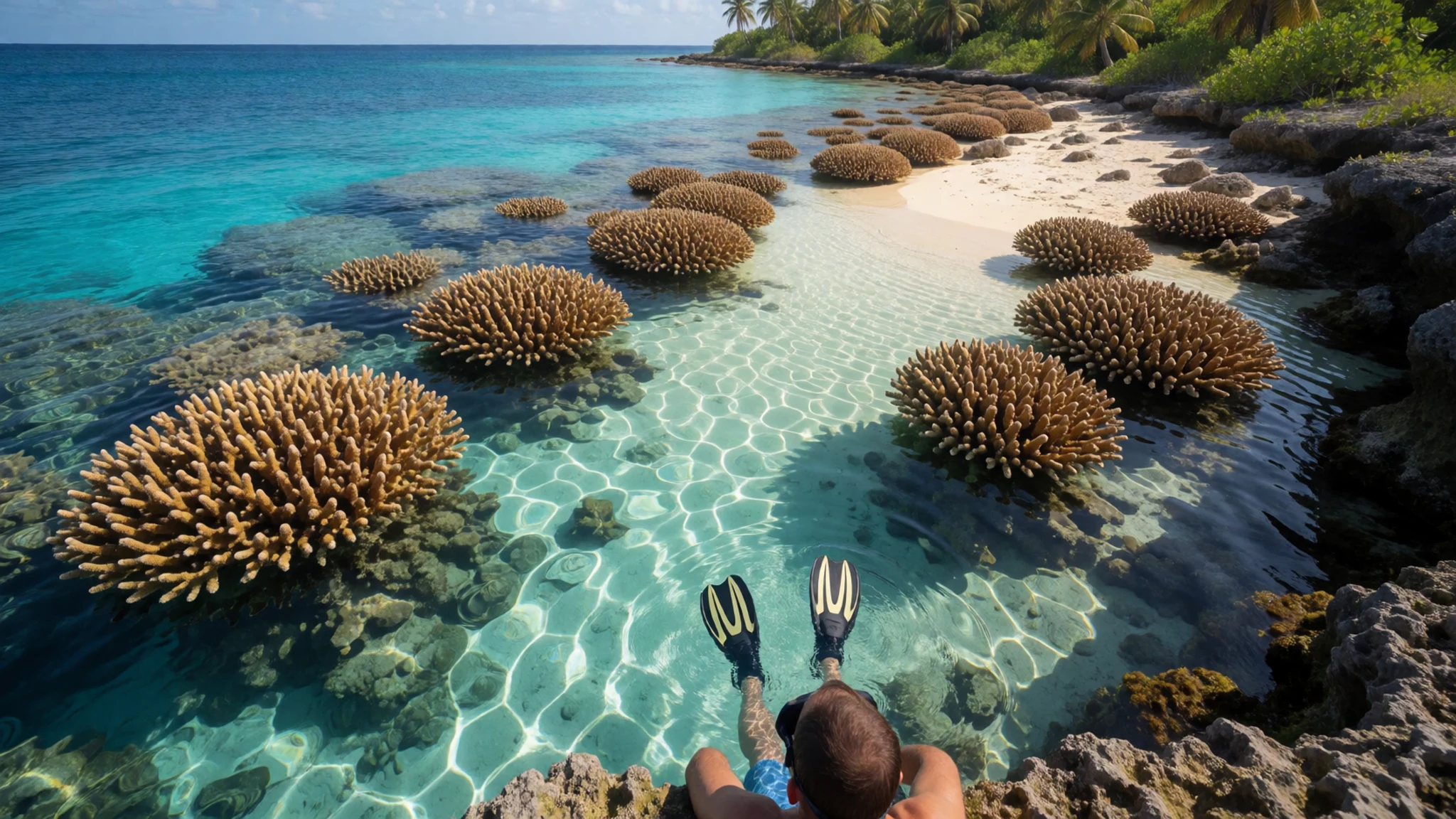
- Wizard and Red Frog beaches — North coast of Bastimentos island
Forest paths join the beaches of the north coast, including Wizard and Red Frog, through wet rainforest. Small red frogs appear on the leaf litter, and monkeys and birds are regular in the canopy. Sandals struggle on muddy days; boots or sturdy trainers are the better choice.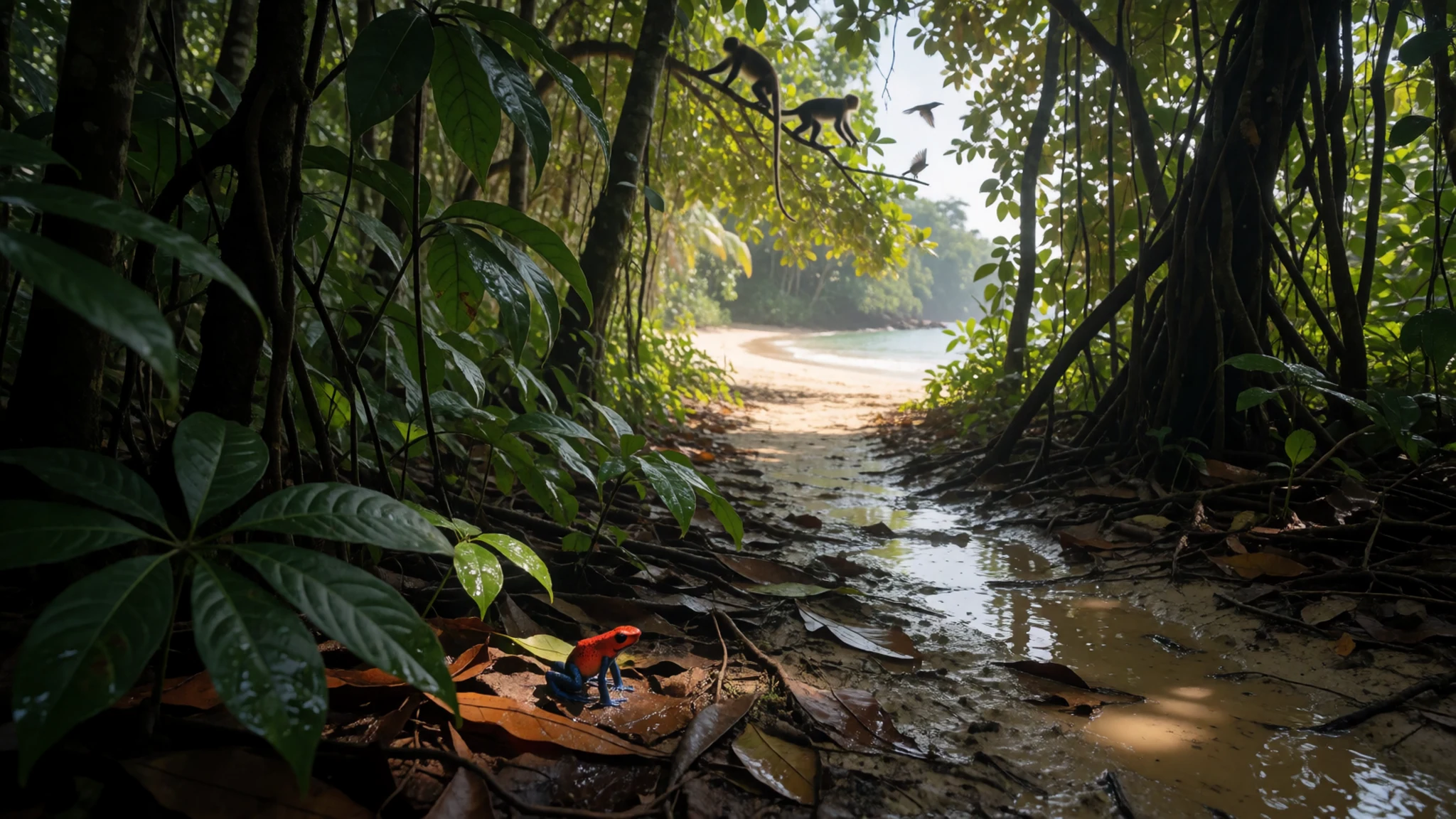
- Bahía Honda — Inner bays of the park
A bay lined with mangroves and rich in wildlife, best explored by boat with a local guide who knows the channels and the tides. The ride winds between root tangles and still water, with birds overhead. Go early, when the light is soft and the water calm.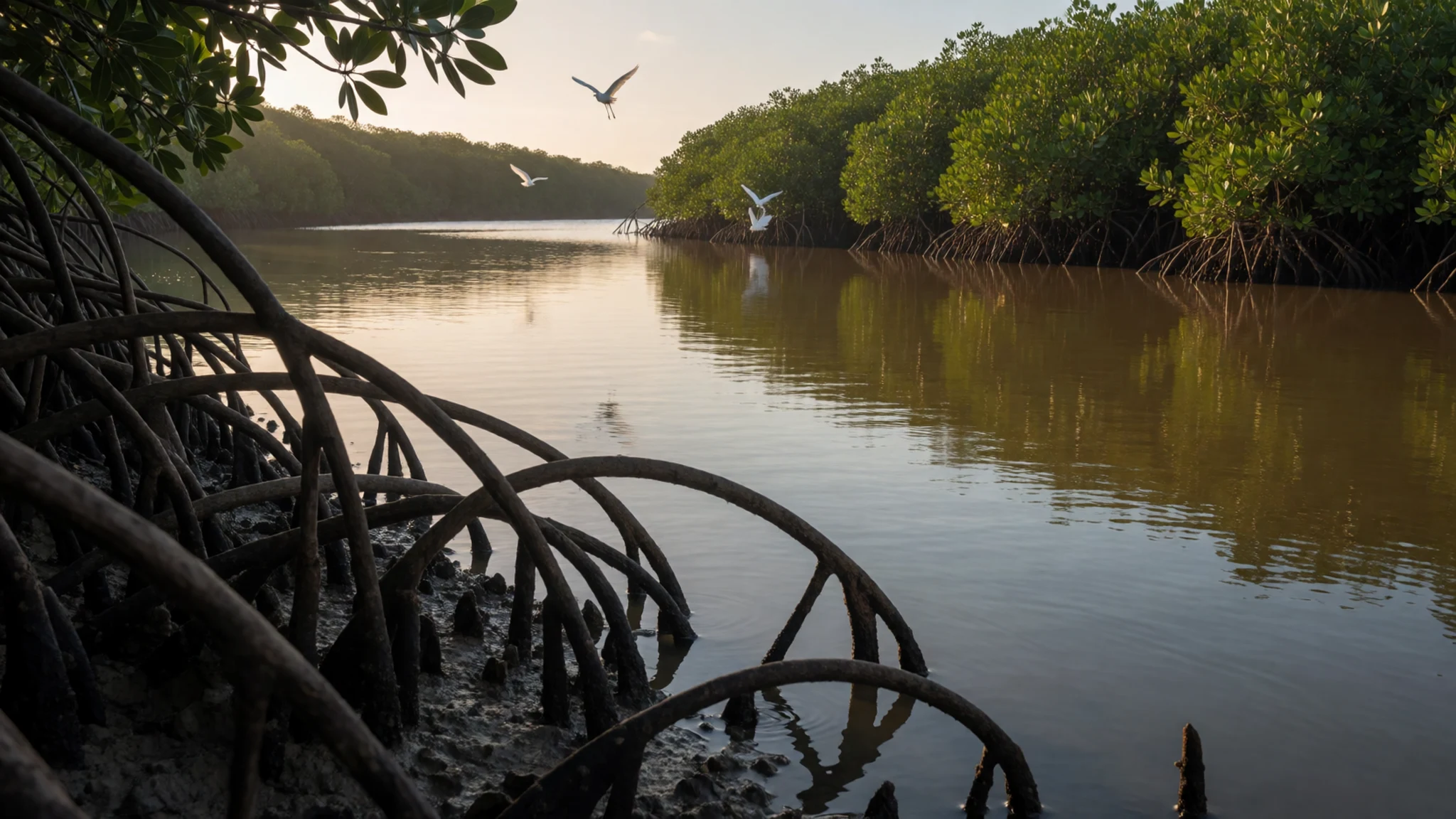
Culture
Bastimentos Island National Marine Park is also a cultural landscape. Two communities in particular shape life around it: Afro-Caribbean families, many descended from people who came to the archipelago over the last couple of centuries, and Ngäbe indigenous families, whose roots on this coast run far deeper. Spanish is the national language, but an English-based Creole is widely heard in Bocas del Toro, and Ngäbe is spoken at home in Ngäbe villages. Visitors who listen will notice how many tongues share the same dock.
The relationship with the sea is practical and respectful. Fishing, small-scale farming and boat work are the long-standing livelihoods, and many families now add guiding, cooking, lodging and craft sales. Community centres and guided visits often explain local ways of using the forest and shore without exhausting them, which is worth an hour for anyone curious about how people actually live inside a protected area.
Daily rhythms are unhurried. Boats leave when they are ready, meals take time, and rain can rearrange a day. Greeting people before asking for anything is normal courtesy, and a patient attitude goes a long way. Church, music and family gatherings anchor village life, and visitors are welcome to watch in a quiet, respectful way when invited.
Ask before photographing people, their homes or their children, and carry every piece of rubbish back out of the park.
What to wear
Dress around Bastimentos Island National Marine Park reflects both the heat and the communities who live here. The best-known traditional garment belongs to Ngäbe women: the nagua, a long, wide, flounced cotton dress in bright colours, trimmed with bands of geometric stitching. It is worn daily in many villages and always on festive or formal occasions. Beaded necklaces and bracelets, made by hand in strong colours, are the usual accompaniment and are often sold as crafts.
What most people wear now is simple and practical: shorts or light trousers, T-shirts, sandals or rubber boots, and a hat against the sun. Afro-Caribbean families in Bastimentos town dress casually in the same way, with something smarter for church and celebrations. Swimwear belongs on the beach and boat, not in the village lanes or in eateries.
For visitors, light, quick-drying clothes work best, since everything gets damp sooner or later. Pack a rash vest or long-sleeved top for the sun and for insects, a waterproof layer for sudden downpours, and a spare dry set for the boat ride back. Reef shoes protect feet on rocky entries; boots or trainers with a good grip suit the forest trails, which turn to mud quickly. In villages, cover shoulders and knees over swimwear. A dry bag for phone, money and documents is worth far more than any outfit.
What to eat
- Coconut rice — Village eateries in Bastimentos town and Bocas Town
Rice cooked in coconut milk until fragrant and slightly sweet, the base of many Afro-Caribbean meals here. It usually arrives beside fish or stewed meat, with a little chilli on the side. Ask for it at village eateries in Bastimentos town and in Bocas Town.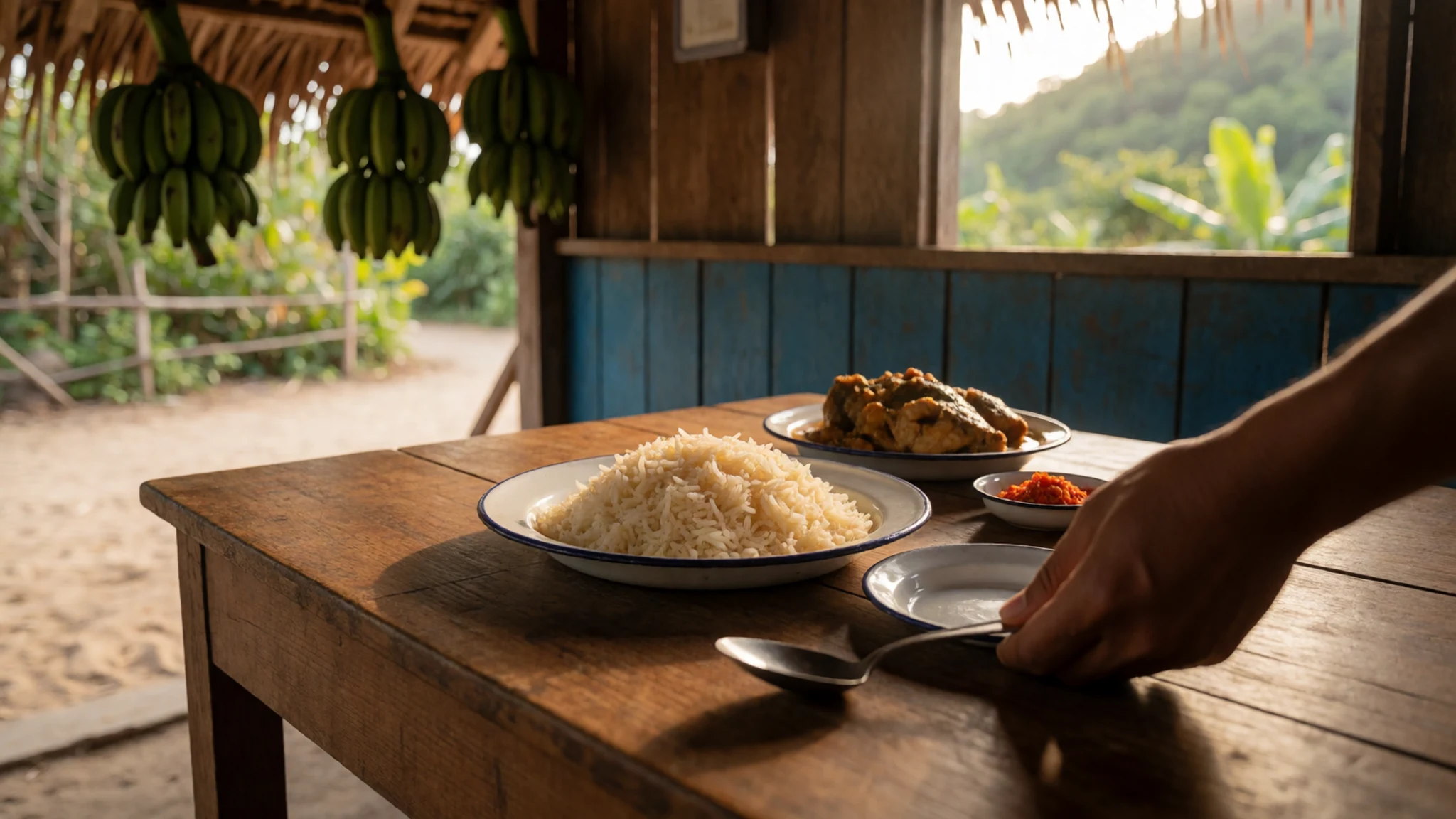
- Fried fish — Simple seafront eateries and beach shacks
Whole fish from the morning's catch, fried crisp and served with coconut rice and salad. Snapper is typical, though what appears depends on the boats. It is usually eaten with the fingers, so expect to pick around the bones.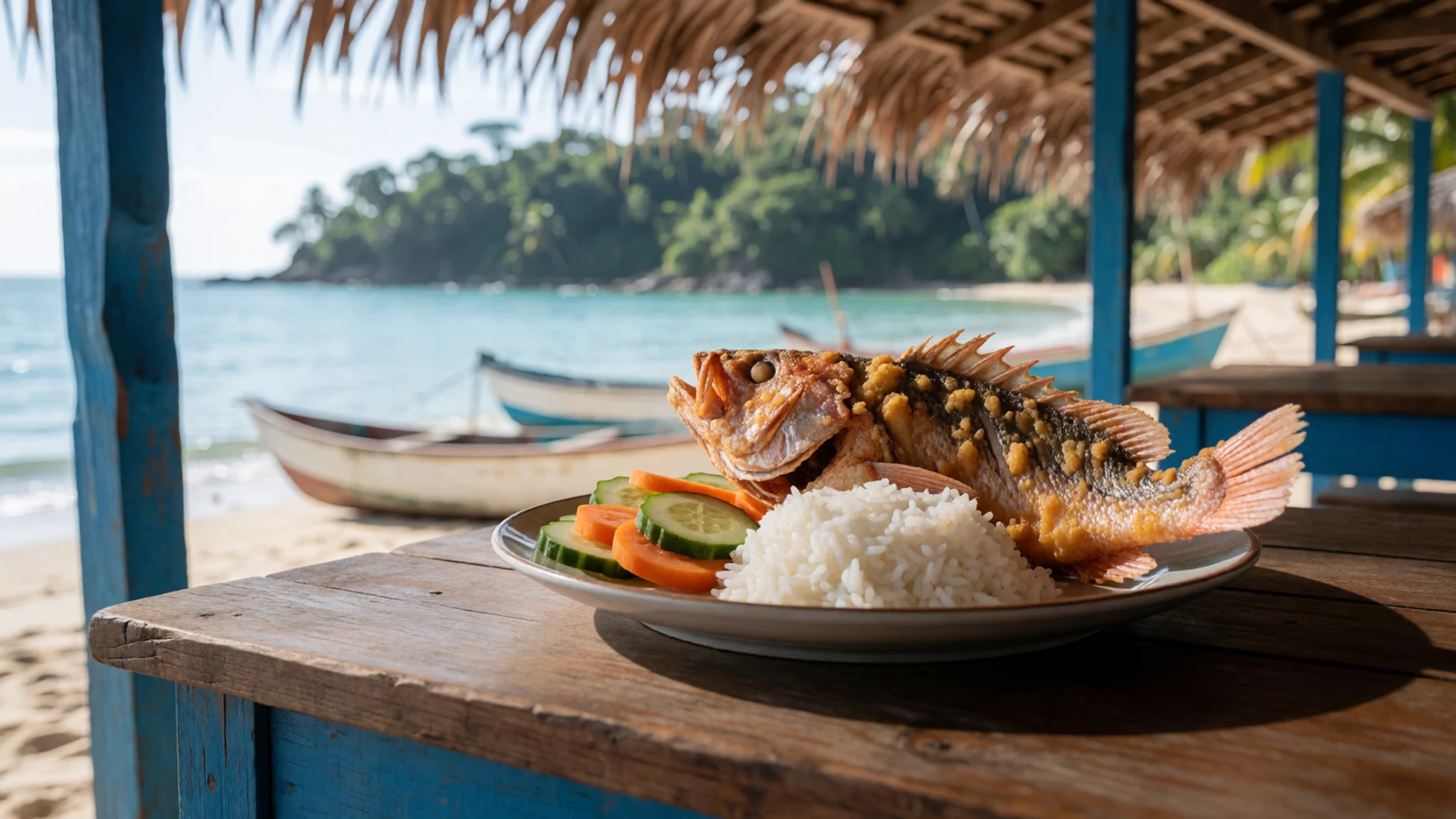
- Plantains — Street stalls, village kitchens and lodge restaurants
Ripe plantain fried until caramelised, or green plantain fried and flattened into crisp discs. Both come as a side with almost any meal, and they travel well as a snack on a long boat day. - Cassava dishes — Community kitchens and indigenous village stops
Cassava is a staple of indigenous cooking, boiled, fried or ground into dough-based preparations alongside plantain and tropical fruit. The flavour is mild and filling, and it suits hungry walkers. Ngäbe-run community kitchens and craft stops sometimes serve it. - Fresh juices and coconut water — Stalls, beach bars and eco-lodge restaurants
Pressed fruit juices, blended smoothies and coconut water cut straight from the nut are the standard cure for heat. Flavours follow whatever is ripe. They are widely sold, and a cold coconut after a muddy hike is hard to beat.
Plan it
Best time. February and March are usually the drier, calmer spells in Bocas del Toro, with better visibility for snorkelling. Rain can fall in any month. April to September is turtle nesting season, so beach rules matter then. Expect heat and humidity all year.
How long. 2–3
Getting there. Fly from Albrook Airport in Panama City to the airport on Isla Colón, a short hop. The cheaper alternative is a long bus ride across the country to Almirante, followed by a water taxi to Bocas Town. From Bocas Town a short boat ride reaches Bastimentos town; the cays and north-coast beaches need a tour or a private boat.
Budget. mid
Tips
- Book boat tours a day ahead through a guesthouse or operator in Bocas Town, and confirm the fare before boarding
- Hire a local guide for forest and mangrove trips; some park areas are reachable only by guided tour or private boat
- Bring drinking water, insect repellent, sunscreen and a small first-aid kit, and tell someone your plan before setting out
- Carry cash for small boats and village eateries, where cards may not work
- Check current entry rules and fees locally, as they can change
Etiquette
- Look at coral, turtles and other marine life without touching them, and take nothing from the water or sand
- Carry out all rubbish, and leave campfires to the lodges
- Keep well back from nesting turtles and follow the guide's lead on beaches
Nearby
Sources
- Wikidata Q1751287 (CC0)
- Wikipedia: Isla Bastimentos National Marine Park (rev 1362767740) (CC BY-SA 4.0)
- Wikivoyage: Isla Bastimentos National Marine Park (rev 5329581) (CC BY-SA 4.0)
- Photo: Isla Bastimentos La Mochila, Aaron O'Dea (CC BY 3.0)
- Photo: Bastimentos Panama 3, Dronepicr (CC BY 3.0)
- Photo: Bastimentos Red Frog Beach, Dronepicr (CC BY 3.0)
- Photo: Bastimentos Wizzard Beach, Dronepicr (CC BY 3.0)
- Photo: Nationalpark Zapatilla Panama, Dronepicr (CC BY 3.0)
- Photo: Red Frog Beach Bastimentos 2, Dronepicr (CC BY 3.0)
- Photo: Red Frog Beach Bastimentos 3, Dronepicr (CC BY 3.0)
- Photo: Red Frog Beach Bastimentos 4, Dronepicr (CC BY 3.0)


Wildlife
- Strawberry poison-dart frog (animal)
The strawberry poison-dart frog is a tiny, brightly coloured frog whose skin carries a warning: look, but never touch. In the park, its little red frogs give one beach its name, and the species likes damp, low forest. Ask your guide where and when to look. Walk slowly and quietly, keep your distance, and let a local guide point them out. Never handle or feed them; their skin is toxic, and calm watching keeps them safe too.