Gulf of Chiriquí
Gulf of Chiriquí, Panama
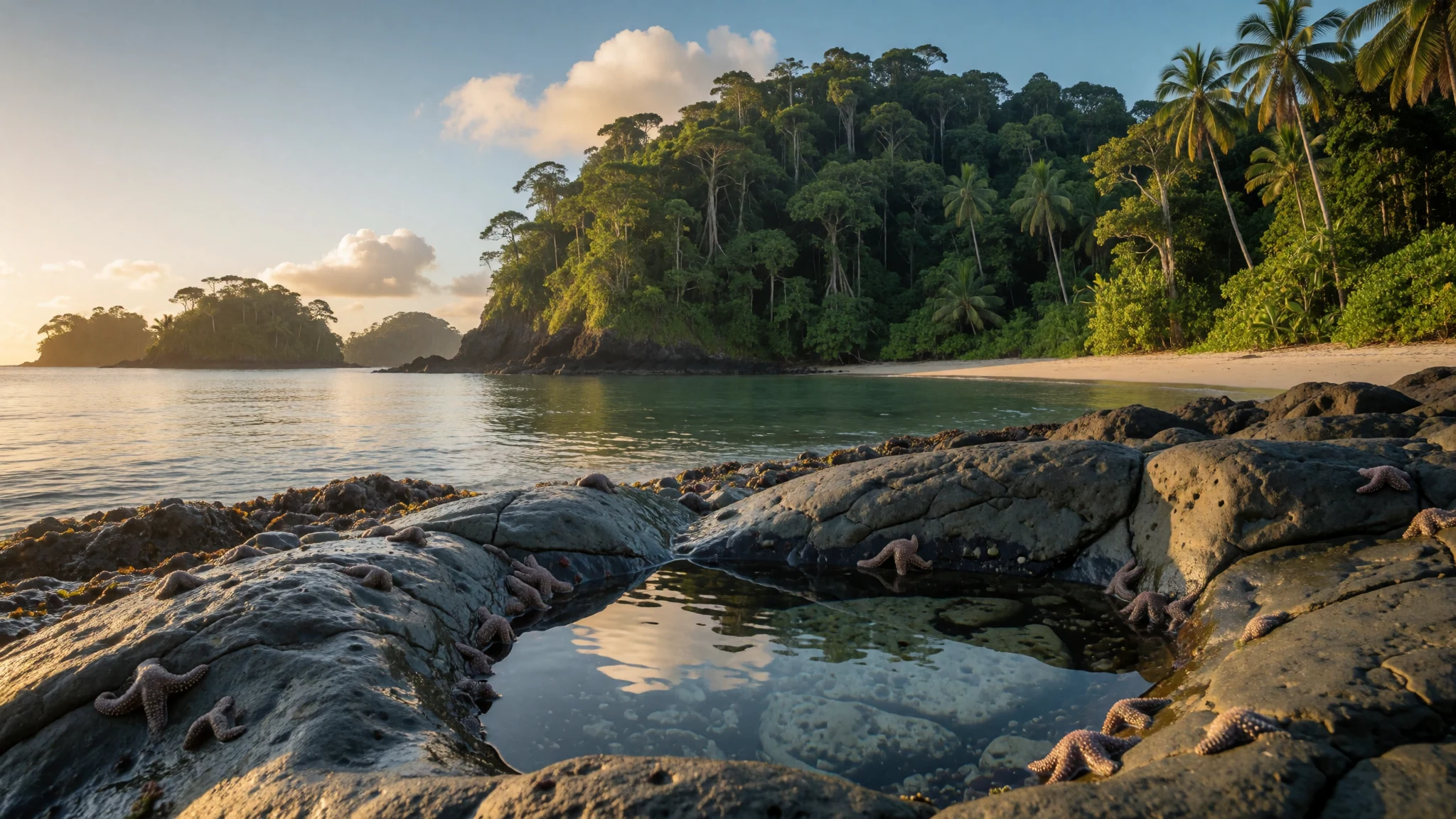
Gulf of Chiriquí scatters dozens of forested islands and reefs off Panama's Pacific coast, with howler monkeys, whales and fishing boats for company.
The place
The Gulf of Chiriquí is a wide stretch of Pacific water off southwestern Panama, dotted with dozens of islands, reefs and rocky outcrops. It takes in two protected areas, Coiba National Park and Golfo de Chiriquí National Park. Between and around them sit names that boat captains know well: Islas Secas, Isla Parida, Boca Brava, Isla Palenque, Los Ladrones and, farthest out, Isla Montuosa. Most trips begin at Boca Chica, a small fishing village reached by a side road off the Interamerican Highway through Horconcitos. From there, water taxis make the short hop to Boca Brava, where forest runs down to the shore and howler monkeys live in the trees, as they do on neighbouring Isla Palenque. Parida lies further offshore, ringed by smaller islands. Los Ladrones is a small cluster of rocks that break the surface, but many more lie just beneath it, which makes navigation tricky, and deep channels cut through the area, drawing in big fish and marine mammals. Hannibal Bank, a well-known offshore fishing ground, sits out beyond Montuosa, where Galapagos seals are seen in some seasons. The whole gulf belongs to Chiriquí Province, whose capital is David, and most visitors arrive through that city by air or road. Facilities on the islands are limited, so the experience is built around boats, forest and open water rather than promenades and resorts. Sea conditions decide the day, and operators in Boca Chica are the usual way to arrange a crossing.
Its story
The Gulf of Chiriquí's modern story is mostly about being left alone. Coiba, the main island of the park that carries its name, was used for decades as a penal colony, and the difficulty of landing there kept settlers, farms and hotels away. The forest and reefs that visitors go to see today survived partly because of that isolation, and the island became a national park once the prison era ended. Fishing has a different kind of history. Offshore banks such as Hannibal Bank, where deep water meets shallow ground, attracted anglers chasing big game fish, and Boca Chica grew up as the jumping-off village for those boats. Local fishing families and sportfishing crews still share the same quays. Conservation and tourism are now tied together. Golfo de Chiriquí National Park and Coiba National Park cover much of the island chain, and dive and whale-watching operators have joined the fishermen as regular users of the water. Humpback whales are the clearest example: they pass through the gulf, with sightings reported in large numbers between May and November, so the busiest wildlife season overlaps with the wetter months. Behind the coast, Chiriquí Province has its own identity, built on cattle farms, highland coffee country around Boquete and a reputation for friendly, talkative people. The gulf's future depends on whether the parks stay properly patrolled and whether visitor numbers stay modest, which remains an open question rather than a settled one.
What to see
- Boca Chica — Mainland coast, San Lorenzo District
Boca Chica is a small fishing village and the main departure point for the gulf. Boats, tackle shops and guesthouses cluster around the quay, and the mood is working rather than polished. It is a practical place to compare operators, sort out a boat for the day and watch the morning catch come in.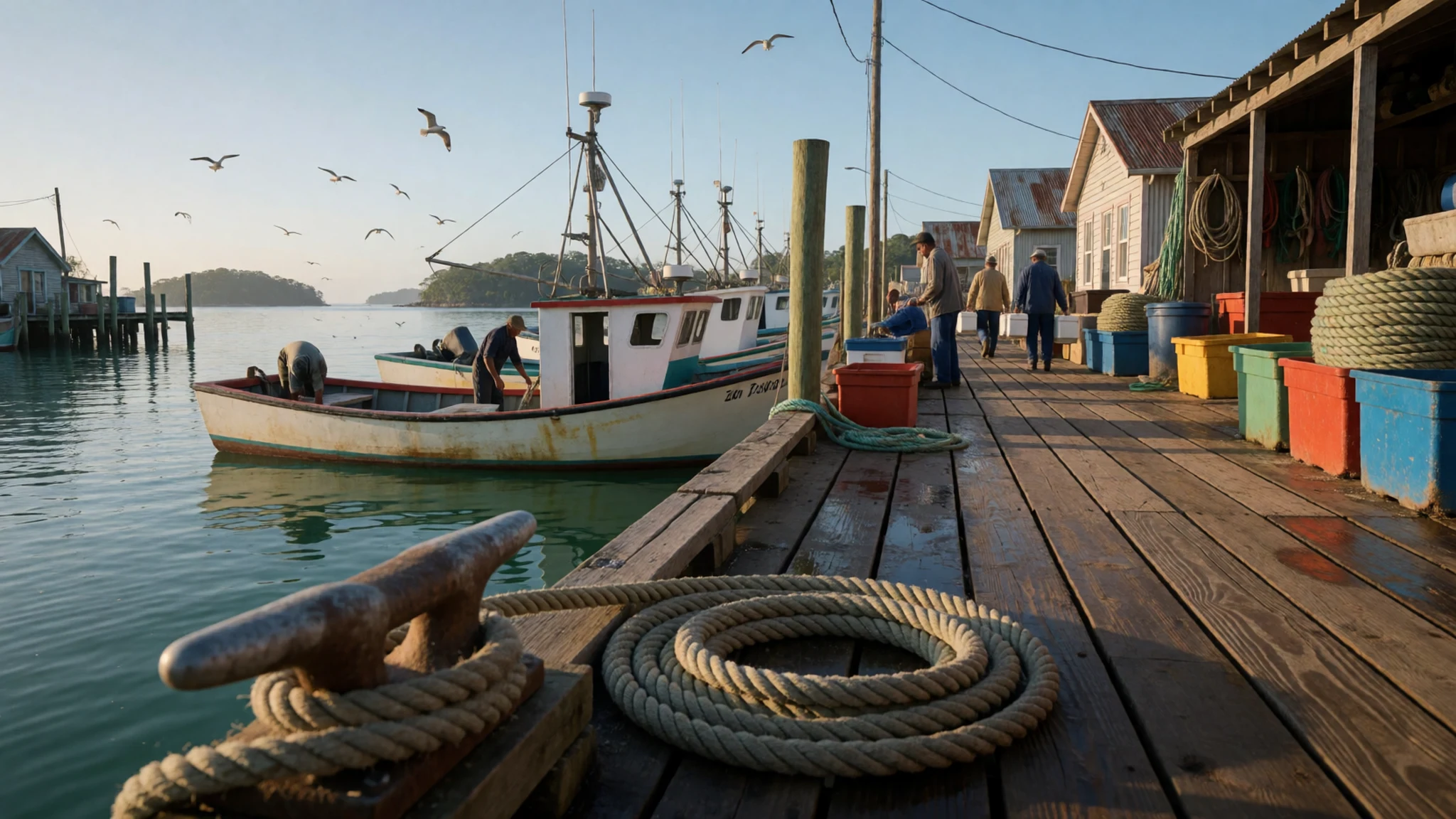
- Boca Brava and Isla Palenque — Just off Boca Chica
A short water-taxi ride from Boca Chica, these two forested islands are known for howler monkeys, which are heard more often than seen at dawn. Walking tracks and quiet coves make an easy first outing, and the islands suit anyone wanting wildlife without a long open-sea crossing.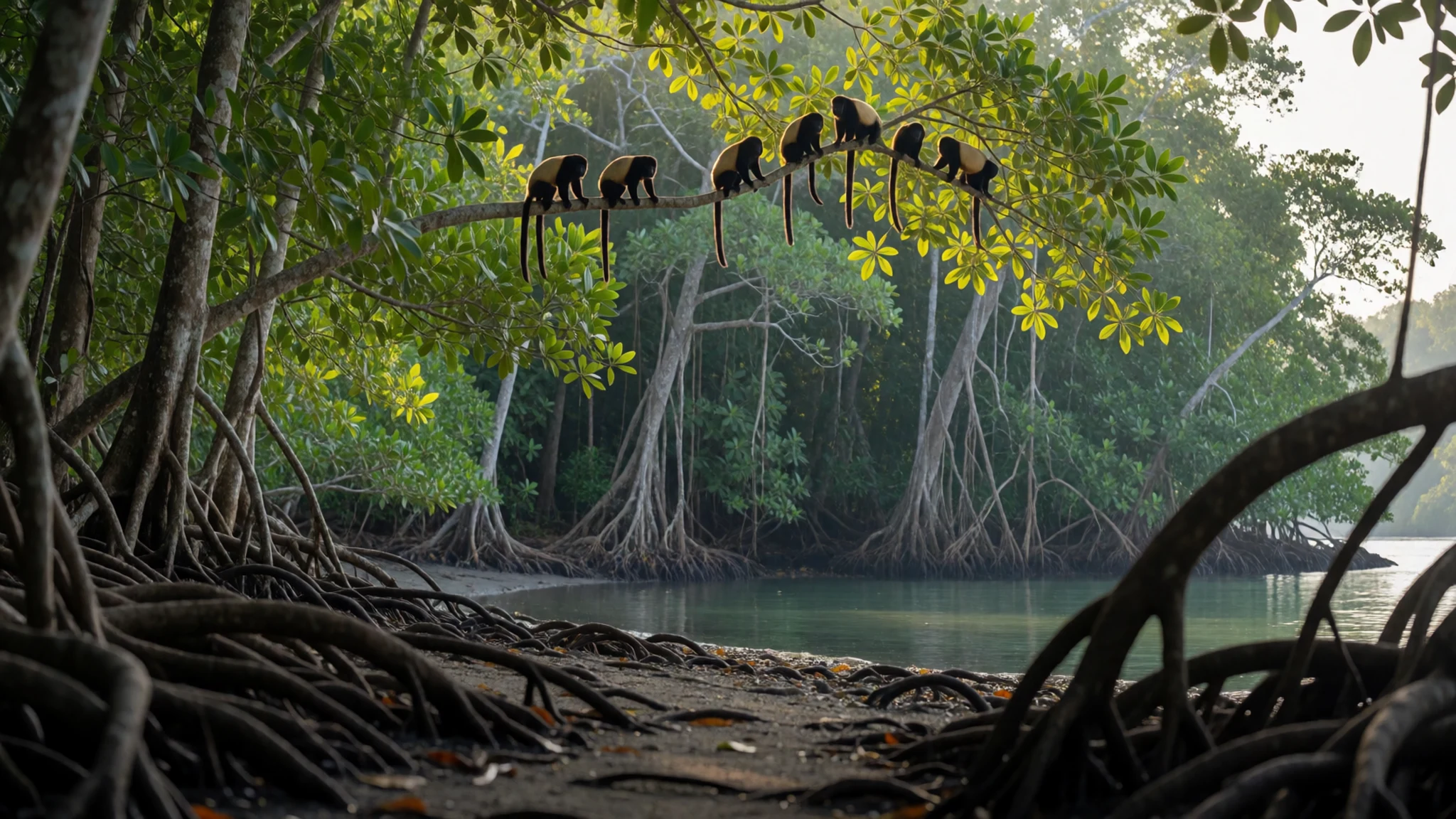
- Isla Parida — Golfo de Chiriquí National Park
Isla Parida is the main island of a cluster inside Golfo de Chiriquí National Park, offshore and south-west of Boca Chica. Beaches, rocky headlands and snorkelling spots are the draw, and the smaller islands around it can be visited by boat as part of a longer day.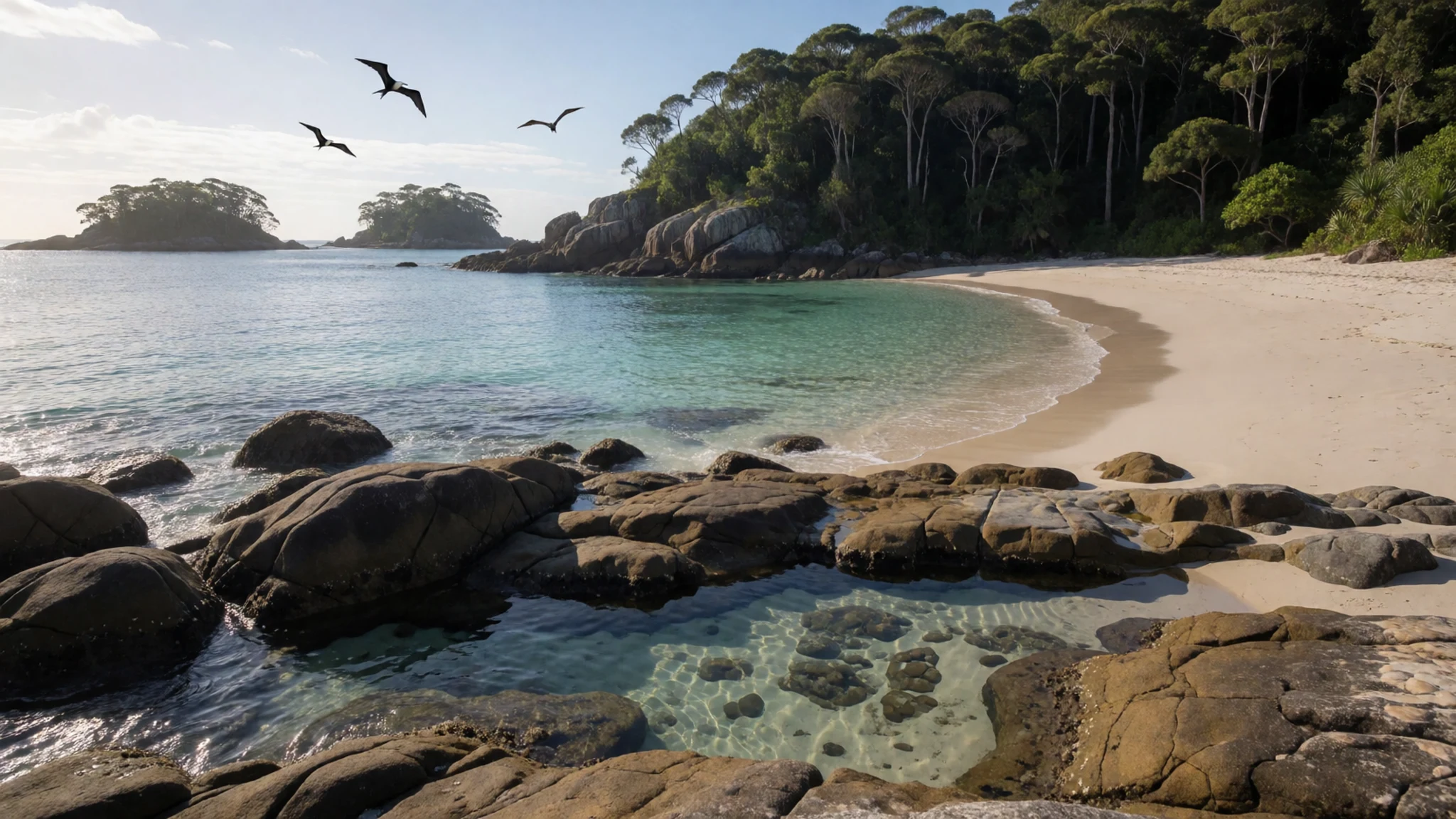
- Coiba National Park — Open Pacific, south-east of the gulf's inner islands
Coiba is the former prison island and the heart of the national park that shares its name. Much of its forest and reef is intact, and many species seen here also appear elsewhere in the gulf. Reaching it takes a proper boat trip arranged through an established operator, so plan around weather.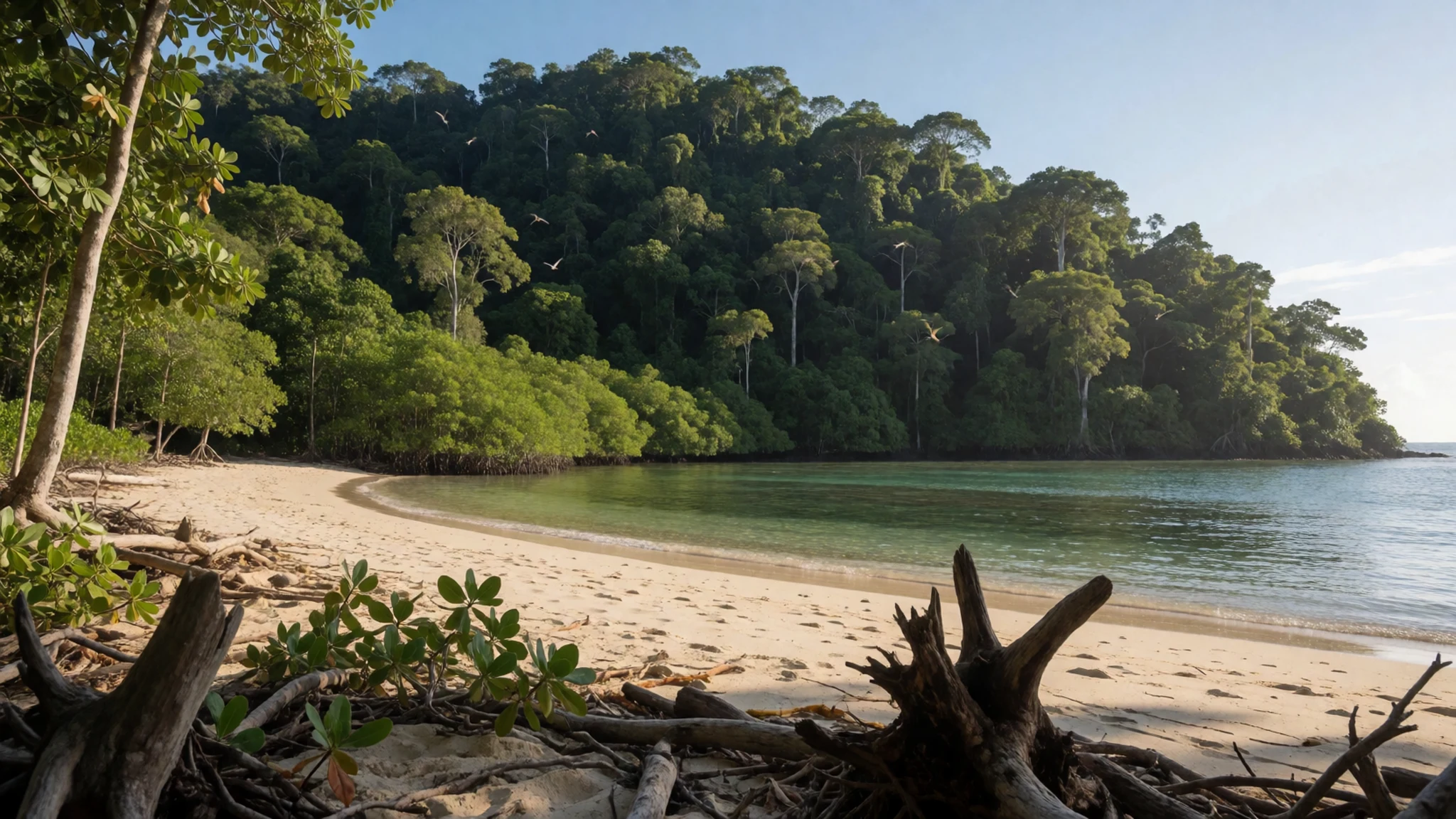
- Isla Montuosa and Hannibal Bank — Outer gulf
Isla Montuosa is the farthest island of the gulf from the mainland, where Galapagos seals can be spotted in certain seasons. Hannibal Bank, a renowned offshore fishing ground, lies beyond it. Both are reached on long sea days, mostly by sportfishing and diving boats rather than casual visitors.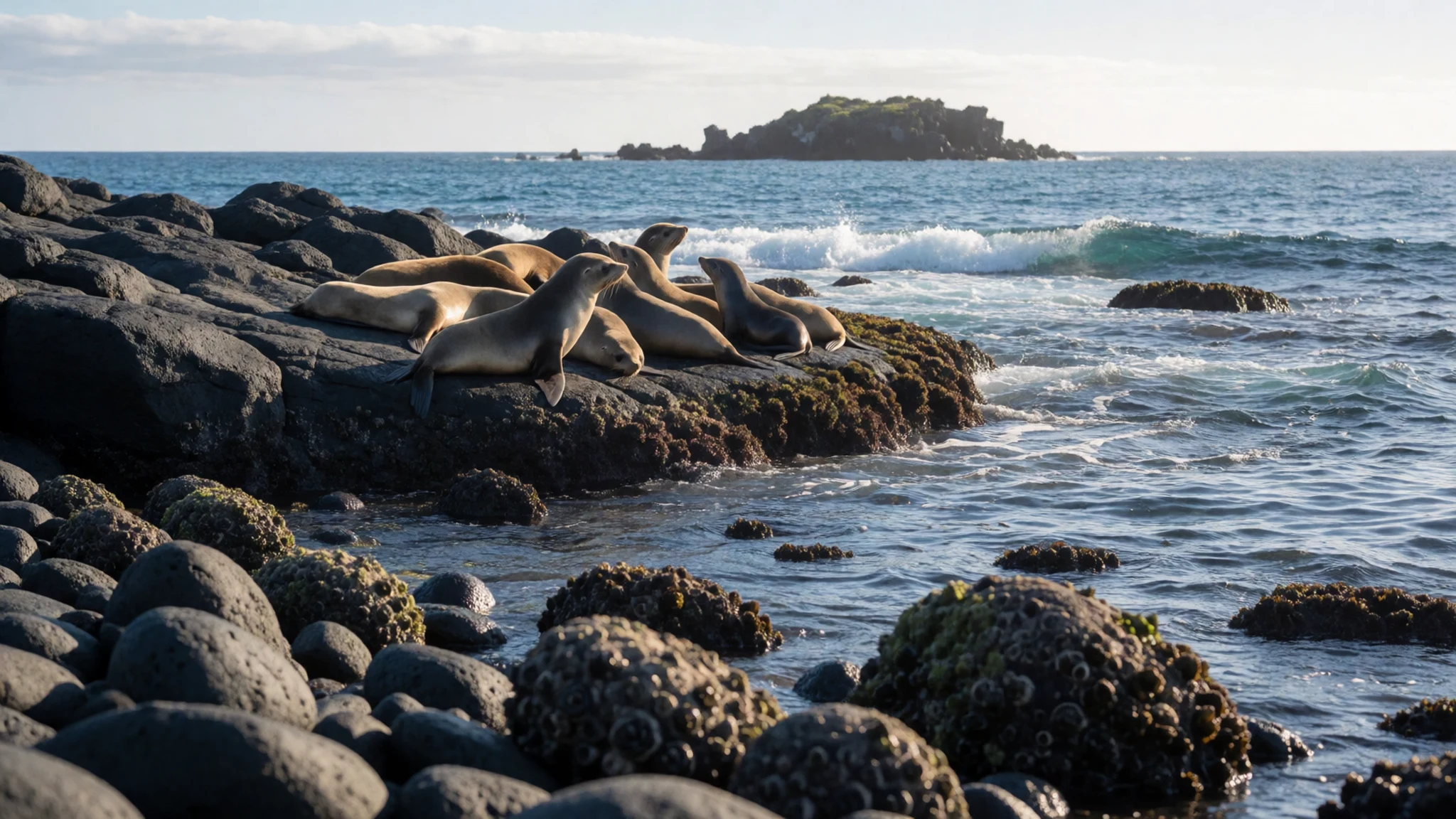
Culture
The Gulf of Chiriquí belongs to a province whose people, the Chiricanos, have a name across Panama for being outgoing, talkative and proud of home. Life near the water runs on small fishing villages such as Boca Chica, where boats leave early, catches are sold off the quay and neighbours recognise each other's engines by sound. Behind the coast lies cattle country, and ranching habits of early starts, straw hats and long lunches shape the rhythm of towns like David. Indigenous Ngäbe communities live in the wider province, and their craft and dress are part of everyday life rather than a show for visitors. Catholic feast days and village fairs bring people together, with music, food and conversation that is usually loud, friendly and quick to turn to family, football or the weather. Sportfishing crews and dive operators now give many boat families a second income, so the gulf's culture is a working one: diesel, ice, bait and tide tables. Greetings matter, and a friendly buenos días to the boatman, the shopkeeper and anyone met on the path goes a long way. Ask before photographing people, especially Ngäbe women and children, and cover shoulders and knees when stepping into a village church.
What to wear
Panama's best-known traditional dress is the pollera, a full, layered gown of fine white cotton or similar cloth, with embroidery or lace and worn with gold or pearl jewellery and hair ornaments. Men's equivalent is the montuno, a plain shirt and trousers with a straw hat. In Chiriquí both appear at festivals, parades and national holidays rather than daily. Ngäbe women wear the nagua, a long, loose, brightly coloured dress trimmed with bands of geometric triangles, and many still wear it every day. Everyday clothes around the gulf are practical: shorts, T-shirts, fishing shirts, caps and rubber sandals on the coast, with straw hats and boots in the cattle country inland. Smart dress is rare outside churches and celebrations. Visitors should dress for heat, humidity and sun on the water: light, quick-drying clothes, a long-sleeved sun shirt, a wide-brimmed hat and reef-safe sunscreen. Sandals with a grip or water shoes help on slippery boat landings and rocky beaches, and a light rain jacket is useful in the wetter months. A dry bag protects phones and cameras on small boats. In villages and churches, cover shoulders and knees, and keep swimwear for the beach and boat.
What to eat
- Ceviche de corvina — Fish stalls and waterfront eateries near the quay in Boca Chica
Raw sea bass cured in lime juice with onion, chilli and coriander, usually served cold in a cup with crackers. The fish comes from local boats, so freshness is the point. It makes a light lunch before an afternoon on the water.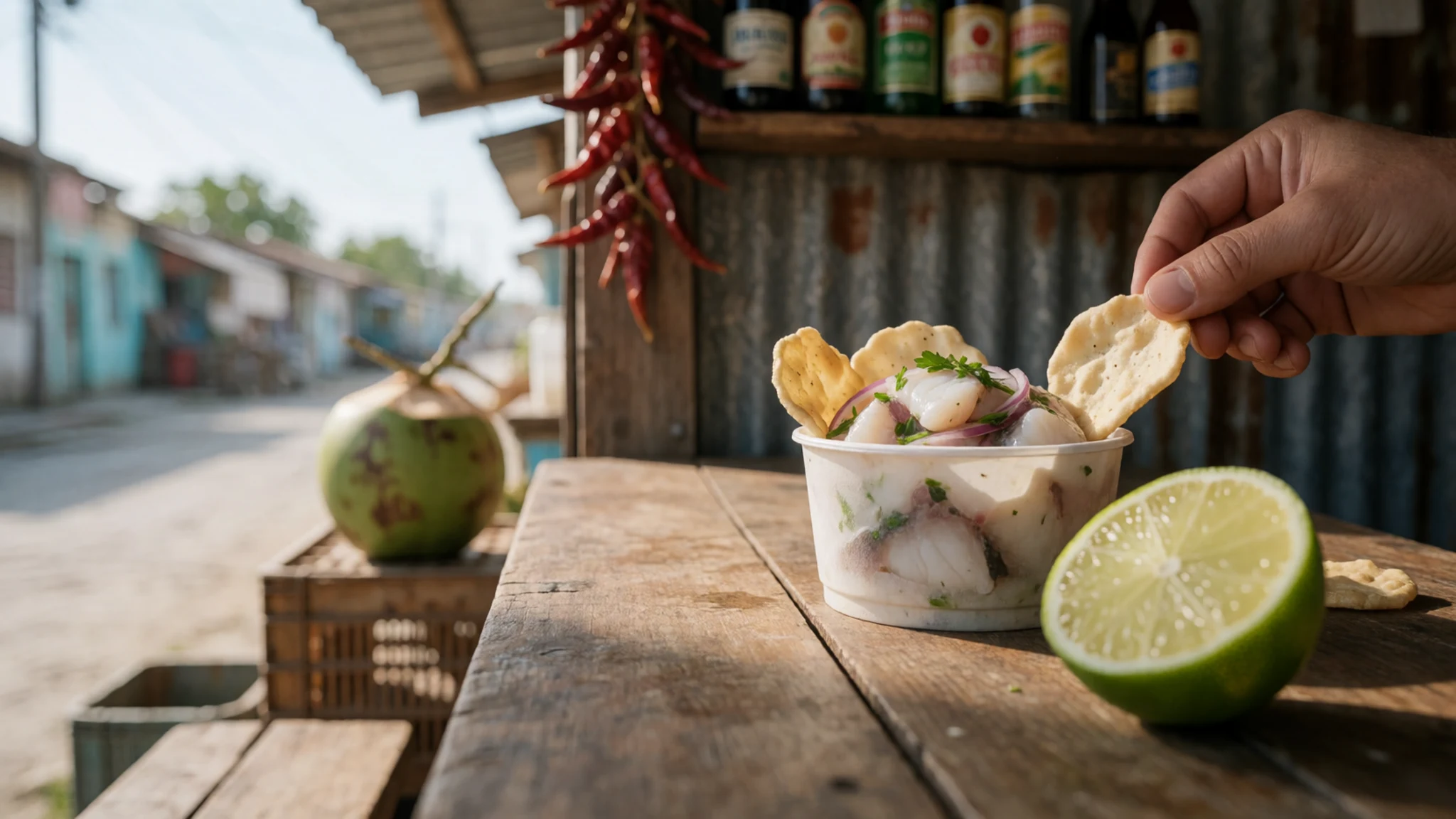
- Pescado frito with patacones — Family-run eateries along the coast and around David
Whole fried fish, crisp outside and soft within, served with patacones, which are twice-fried green plantain discs. A squeeze of lime and a little hot sauce is all it needs. The catch changes daily, so ask what came in.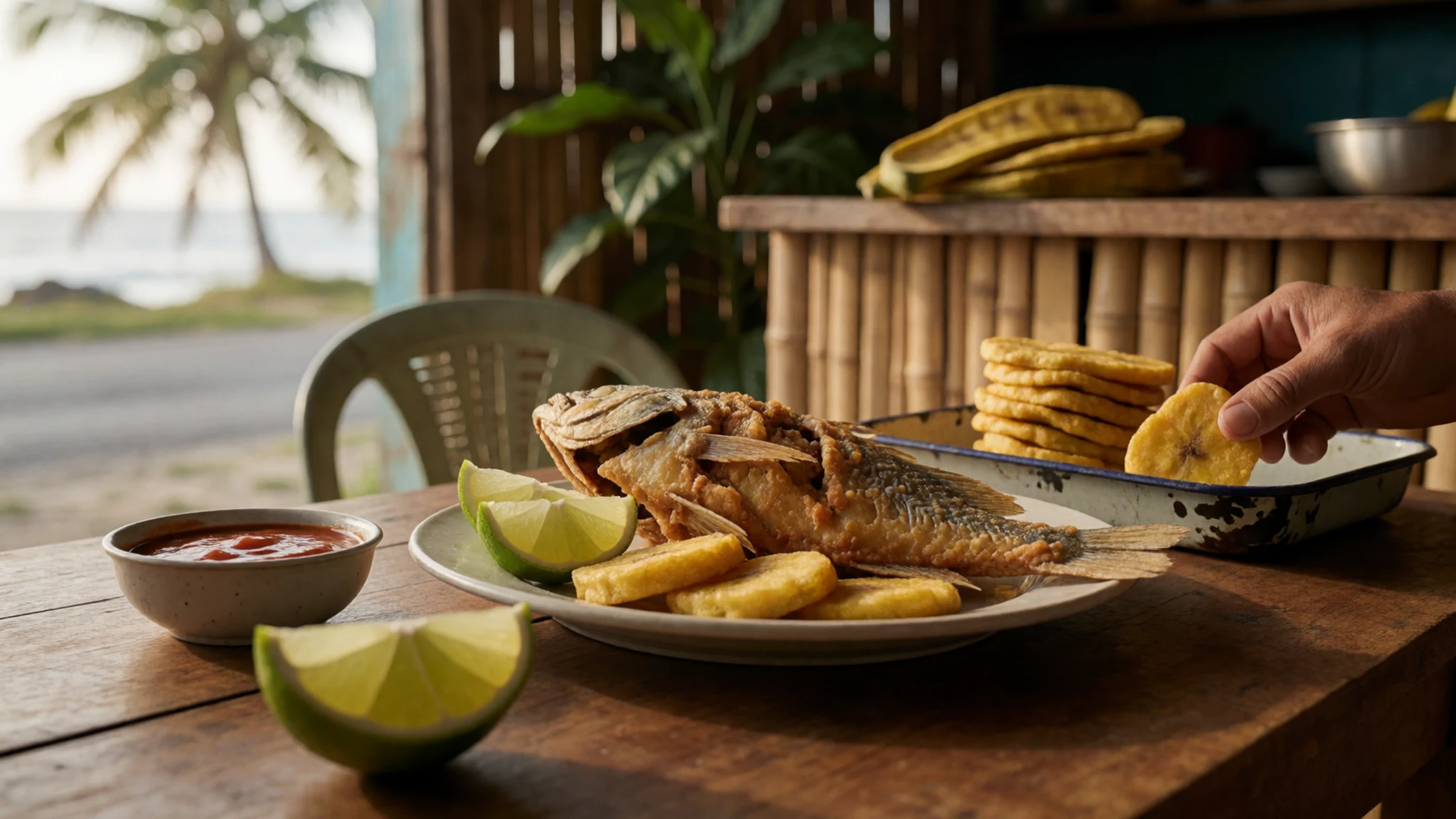
- Arroz con coco y frijoles — Almost any local eatery in the gulf's coastal villages
Coconut rice with beans is the standard side dish for seafood and grilled meat on this coast. It is slightly sweet, creamy and filling, often served with a vegetable or squash. It reflects the Afro-Caribbean influence on Panamanian cooking. - Sancocho de gallina — Home-style restaurants and market counters in David
A clear chicken soup with yam, corn and coriander, widely regarded as comfort food across Panama. It is eaten hot even in warm weather, and is a favourite for recovering after a long day or night. Portions are generous and usually come with rice. - Carne a la parrilla — Grill restaurants and roadside stalls in the cattle country around David
Grilled beef is common here because of the area's cattle farms. It is typically served with rice, beans and fried plantain or yuca. Cuts are simple and well seasoned. It is the sensible option for anyone tired of seafood by the third day.
Plan it
Best time. December to April is the drier season, with calmer seas and clearer days for boat trips, snorkelling and diving. May to November is wetter and the sea can be rougher, though that is also when whale sightings are reported in the largest numbers.
How long. 3–4
Getting there. Fly from Panama City's Albrook airport to David (DAV), or take a bus from Albrook terminal or drive the Interamerican Highway, then continue by road via Horconcitos to Boca Chica, where water taxis and tour boats take over. Check current airline and bus schedules before travelling.
Budget. mid
Tips
- Book boats and dive trips through an established operator in Boca Chica a few days ahead, especially in the dry season
- Start early, as the sea is usually calmest in the morning and afternoon rain or wind can change plans
- Carry cash for water taxis, small eateries and village shops, as cards are unreliable outside David
- Bring drinking water, sun protection and a dry bag, as there is little shade or shopping on the islands
- Allow a spare day in the schedule for weather, particularly for long crossings to Coiba or Montuosa
Etiquette
- Do not feed or touch wildlife such as monkeys, seals or whales, and keep a respectful distance from them
- Ask before photographing people in villages and respect any park rules about landing and fishing
- Take all rubbish back to the mainland, as the islands have almost no waste services
Nearby
Sources
- Wikidata Q5617574 (CC0)
- Wikipedia: Gulf of Chiriquí (rev 1383679217) (CC BY-SA 4.0)
- Wikivoyage: Gulf of Chiriquí (rev 5299682) (CC BY-SA 4.0)
Wildlife
- Howler monkey (animal)
The mantled howler is a monkey with a big voice, named for the long fringe of hair along its sides. In the Gulf of Chiriquí, look for it in the forest trees at Boca Brava and on neighbouring Isla Palenque, where woodland meets the shore. These monkeys are among the easiest in Central America to hear as well as see. Keep a respectful distance, stay quiet so they remain relaxed, go with a local guide, and never offer them food.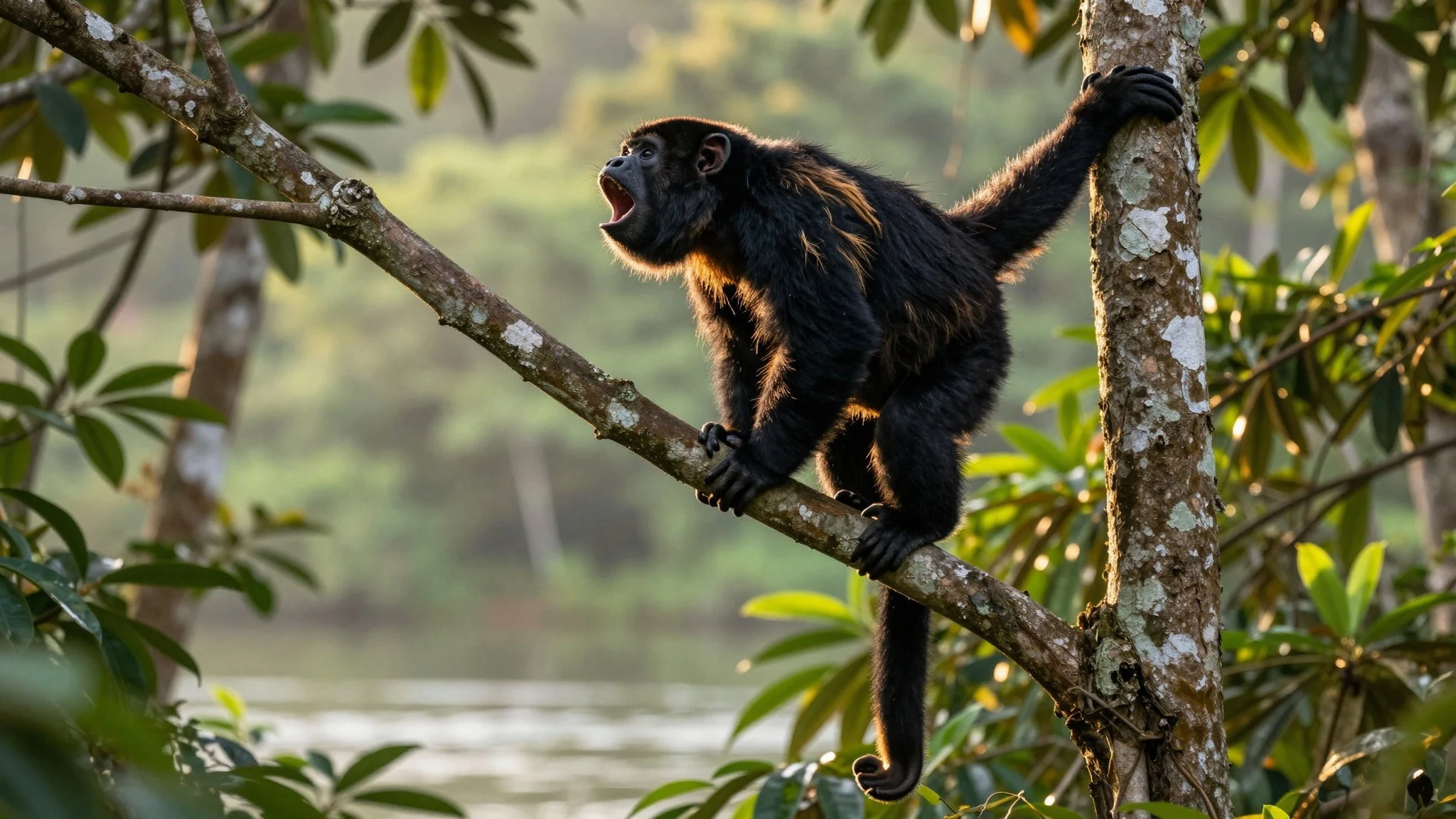
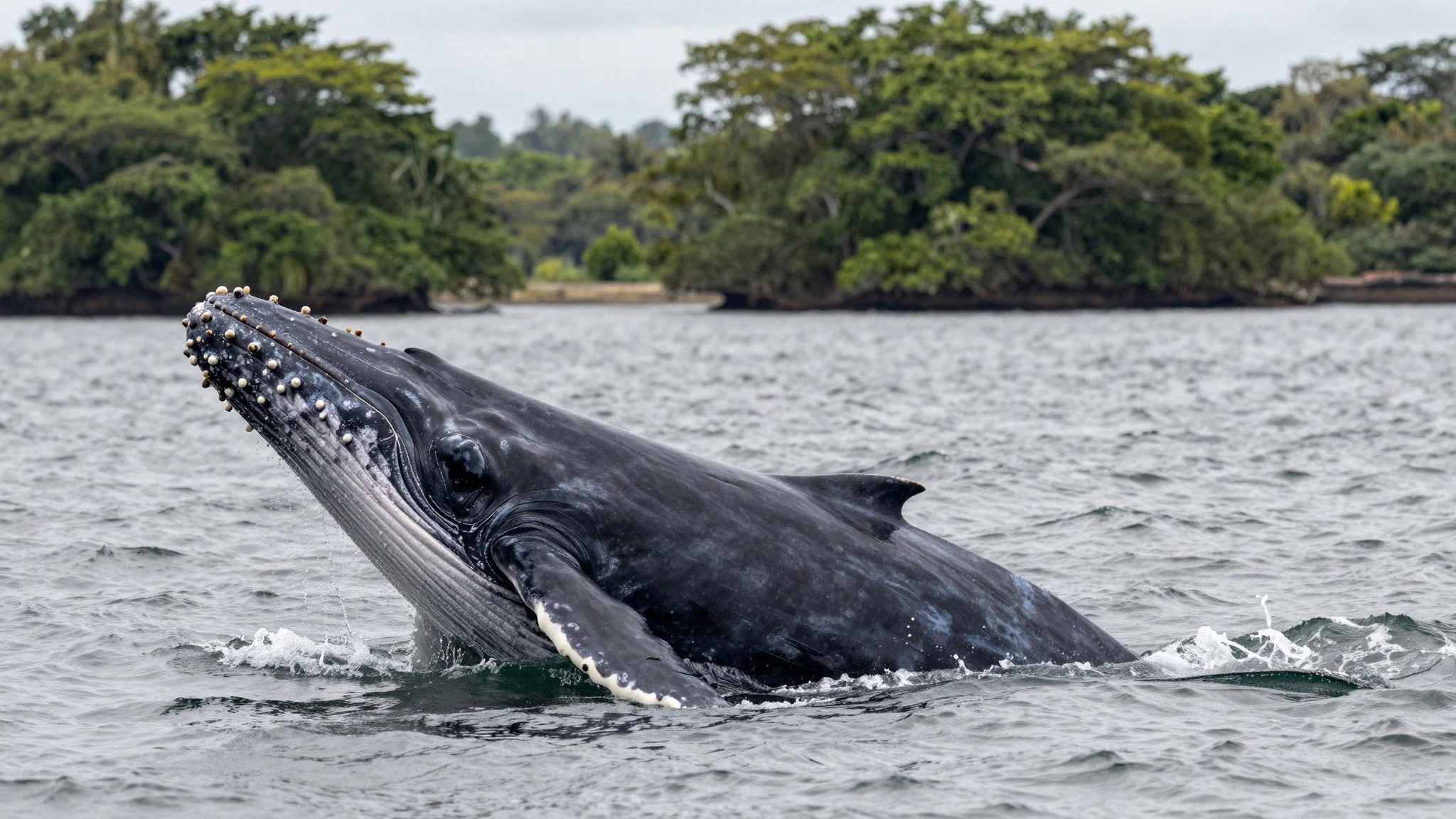
- Humpback whale (animal)
The humpback whale is a huge, gentle giant of the sea, famous for leaping out of the water and singing long, complicated songs. It passes through the Gulf of Chiriquí, and sightings are reported in large numbers from May to November, so the best whale season falls in the wetter months. Watch from a licensed boat with an experienced guide, keep well back, stay calm and quiet, and never try to feed or touch these magnificent animals.