Boquete
Boquete, Panama
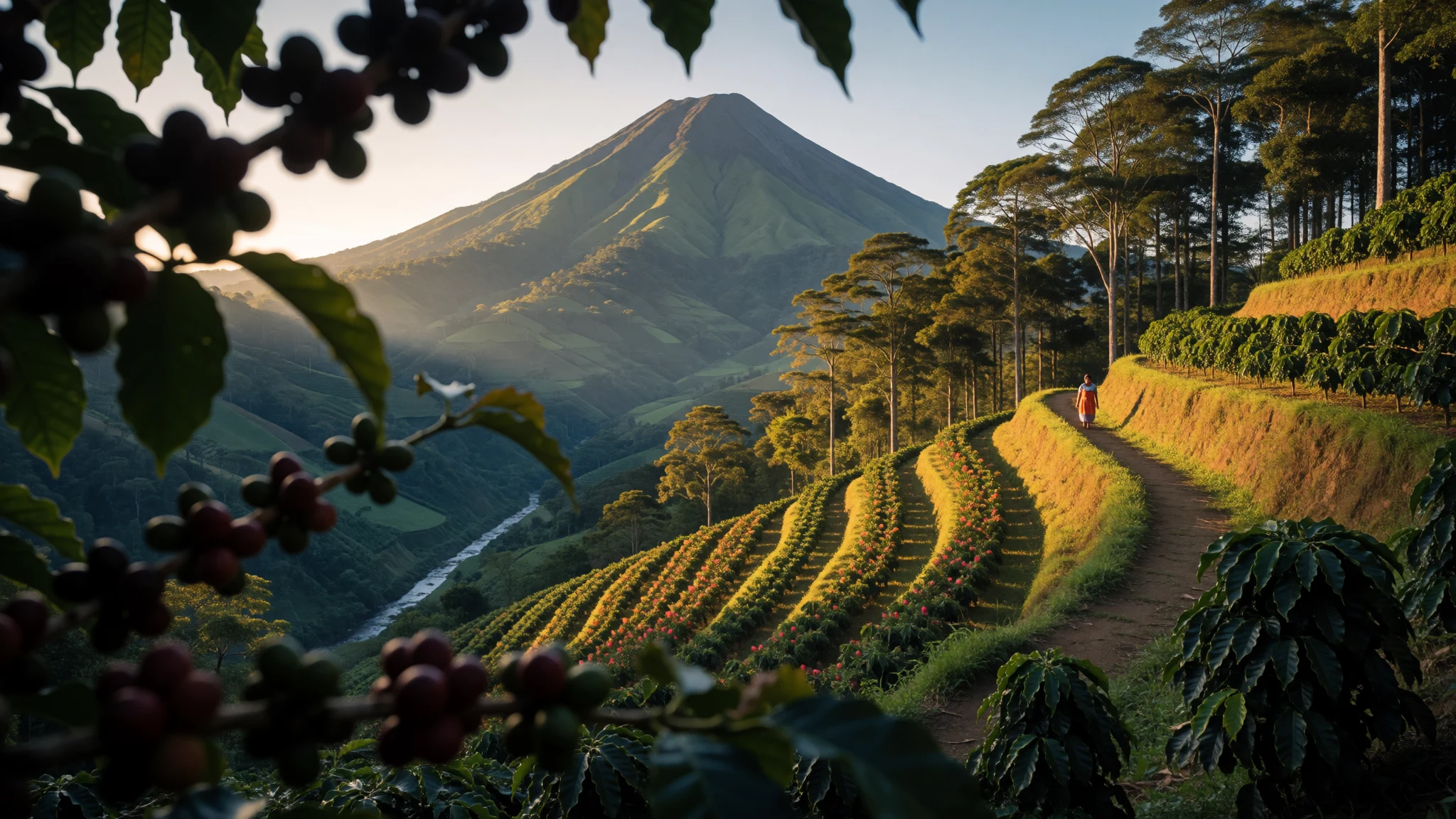
Boquete is a cool, cloud-draped highland valley in western Panama, good for coffee farms, forest trails, hot springs and birdwatching.
The place
Boquete is a highland town in Chiriquí province, western Panama, set in a valley where the air is noticeably cooler than on the Pacific plain below. Cloud often rolls down from Volcán Barú, which stands above the town, and afternoons bring mist or light rain for much of the year. The Caldera river runs through the area, and steep green hillsides are cut into coffee farms, flower nurseries and vegetable plots. The town itself is small and low-rise: a main street with bakeries, outfitters and restaurants, a central park, and neighbourhoods of villas spreading up the slopes. Most visitors treat it as a base for walking, birdwatching, coffee tours and soaking in hot springs rather than for sightseeing in town. Crowds stay modest, except during the flower and coffee fair early in the year and on long weekends, when Panamanian families come up from the lowlands. Heat is rarely the problem here; rain and mud are, so the dry season is easier for hiking. Prices run higher than elsewhere in Chiriquí, because the town caters to retirees and long-stay foreigners as well as backpackers, and costs vary widely between simple eateries and polished cafés. Pavements are patchy, and many farms and trailheads are a taxi ride away. Costa Rica and the Caribbean islands of Bocas del Toro are both within a long day's reach, which makes Boquete a useful stop on a wider loop through the country.
Its story
Boquete's name is usually explained as the Spanish word for a gap or opening, which suits a valley tucked into the mountains. Long before a town existed, the highlands of Chiriquí were home to Indigenous peoples. The Ngäbe and Buglé, whose homeland lies in the nearby comarca, still make up much of the workforce on the coffee farms, many arriving for the harvest. Spanish rule reached western Panama in the colonial period, but the cool valley stayed thinly settled for a long time. Farmers and later arrivals from Europe and North America came, drawn by fertile volcanic soil and a climate that suits fruit, vegetables and coffee. Coffee became the valley's defining crop, and its farms came to be known abroad for small lots of carefully grown beans, including the Geisha variety that has drawn buyers from around the world. In recent decades the town has changed again. Retirees from North America and elsewhere built homes on the hillsides, and tourism, with walking, birdwatching, rafting and coffee tours, became a second economy. That has brought cafés, gated developments and rising land prices, and it has also raised questions about water, traffic and who benefits. The seasonal flower and coffee fair, held early in the year, keeps older farming traditions in view alongside the newcomers, and local families still treat it as their own event rather than a show for outsiders.
What to see
- Sendero Los Quetzales — Alto Chiquero, northwest of town
This forest trail links the Boquete side of Volcán Barú National Park with the highland village of Cerro Punta. It runs through cloud forest, with river crossings, moss-covered trunks and a good chance of resplendent quetzals in the early months of the year. Expect mud, and start early.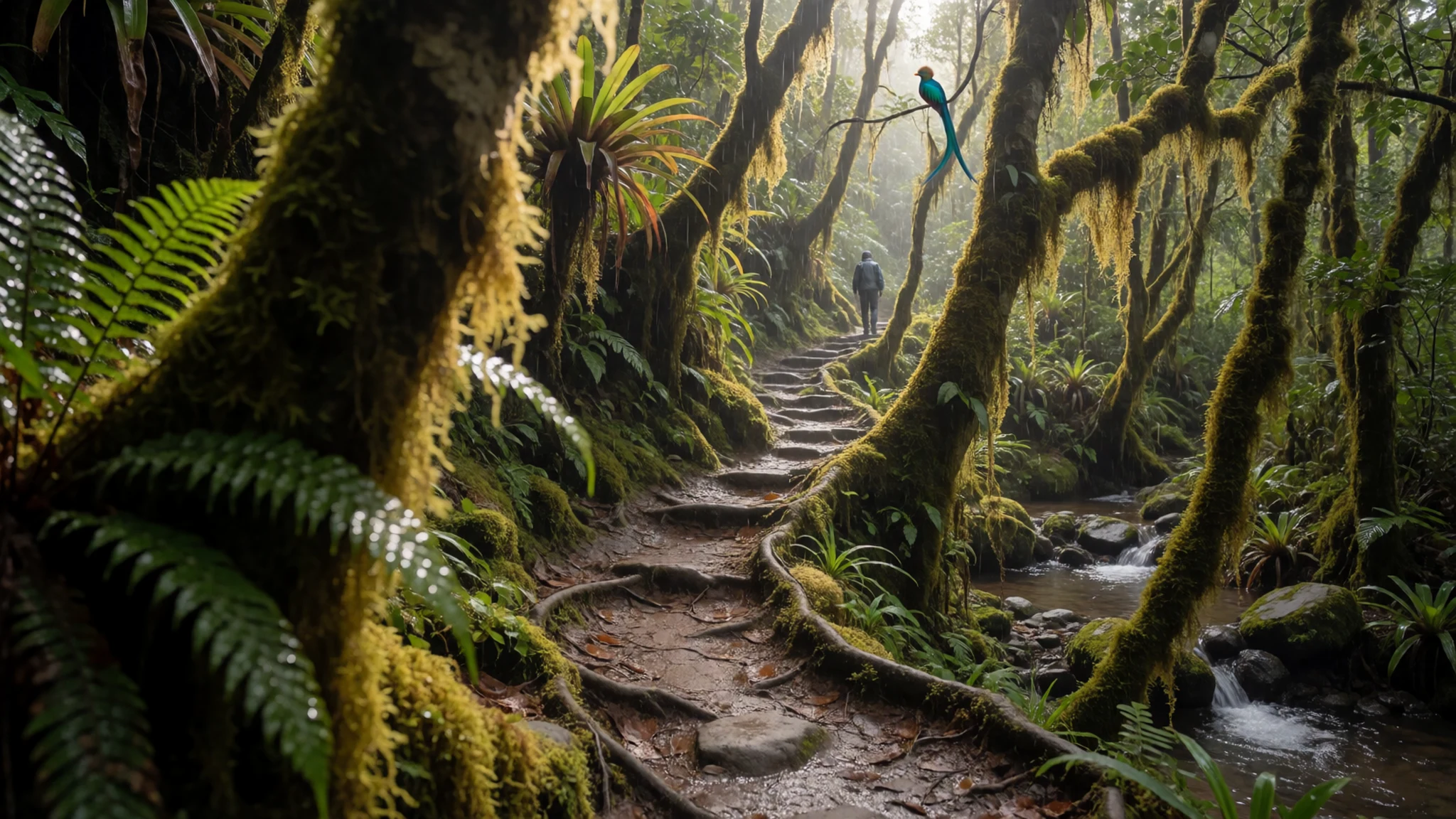
- Volcán Barú National Park — Above Boquete
The park protects the slopes of the volcano that dominates the district. Hardy walkers climb it by a steep track, often setting off in the dark to reach the summit by sunrise, when clear days reveal both oceans. Cloud is common, so views are never guaranteed. Check access and permits before going.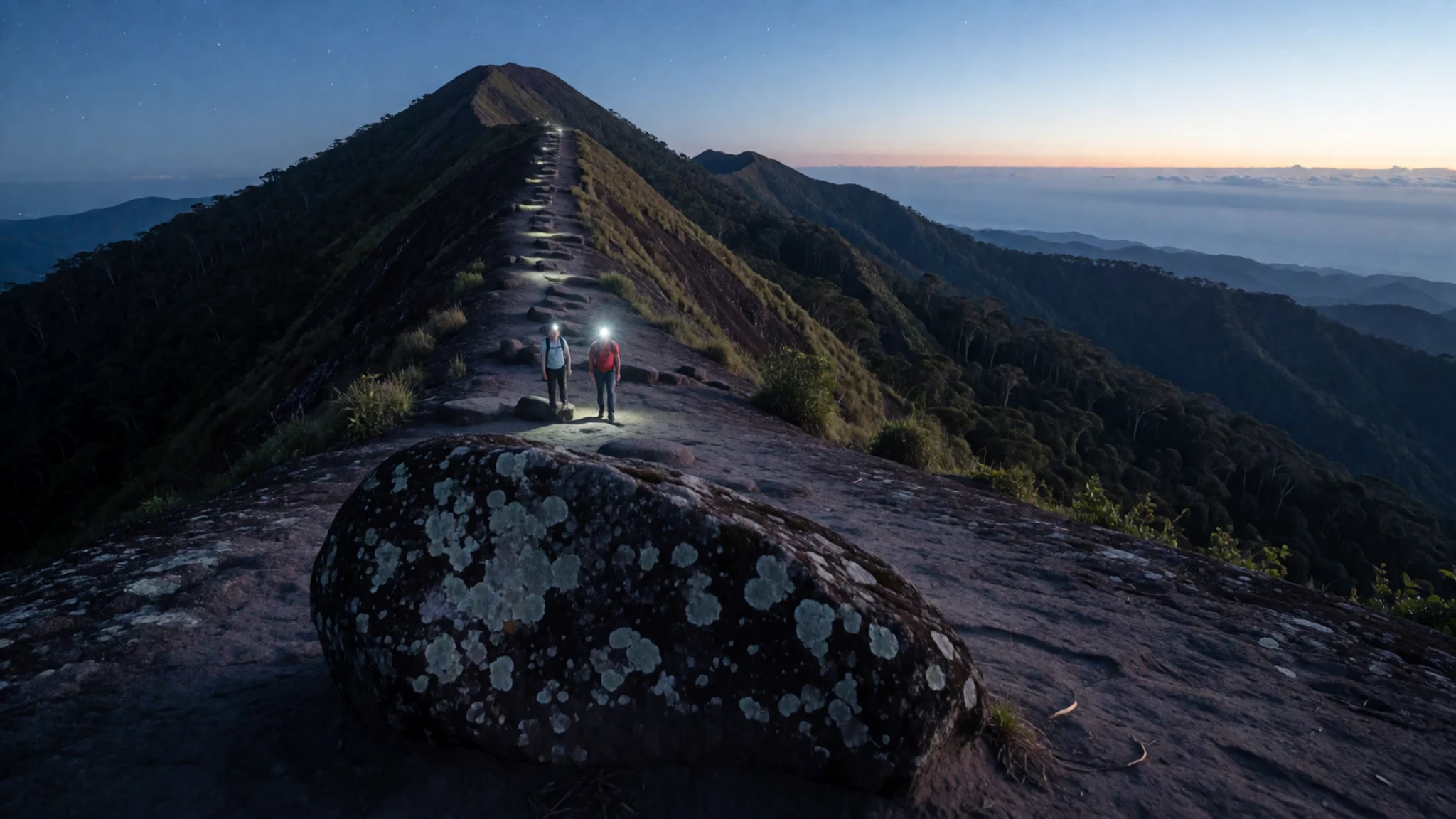
- A working coffee farm — Farms in the hills around Boquete
Several estates around Boquete run guided visits covering picking, drying, roasting and cupping. The tours explain why altitude and shade matter and let visitors taste different lots side by side. Harvest season, in the cooler months, is the most lively time. Book ahead through the farm or your accommodation.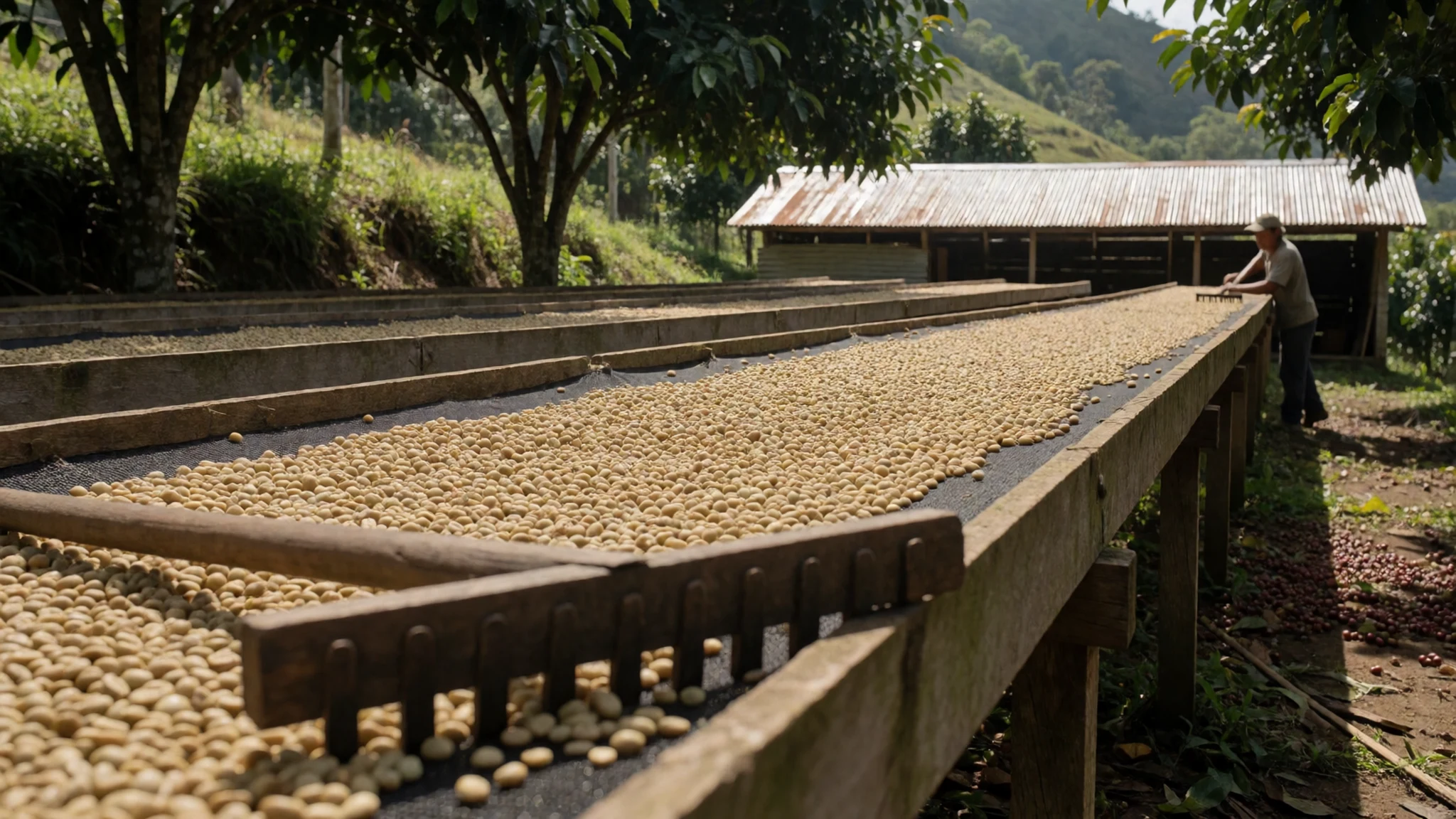
- Caldera hot springs — Caldera, south of Boquete
Natural hot pools sit beside the Caldera river, a short drive south of Boquete, reached by a dirt track in places. They are simple and rustic, popular with locals at weekends and rewarding after a day of hiking. Take sandals, a towel and cash, and ask about river levels in the rainy season.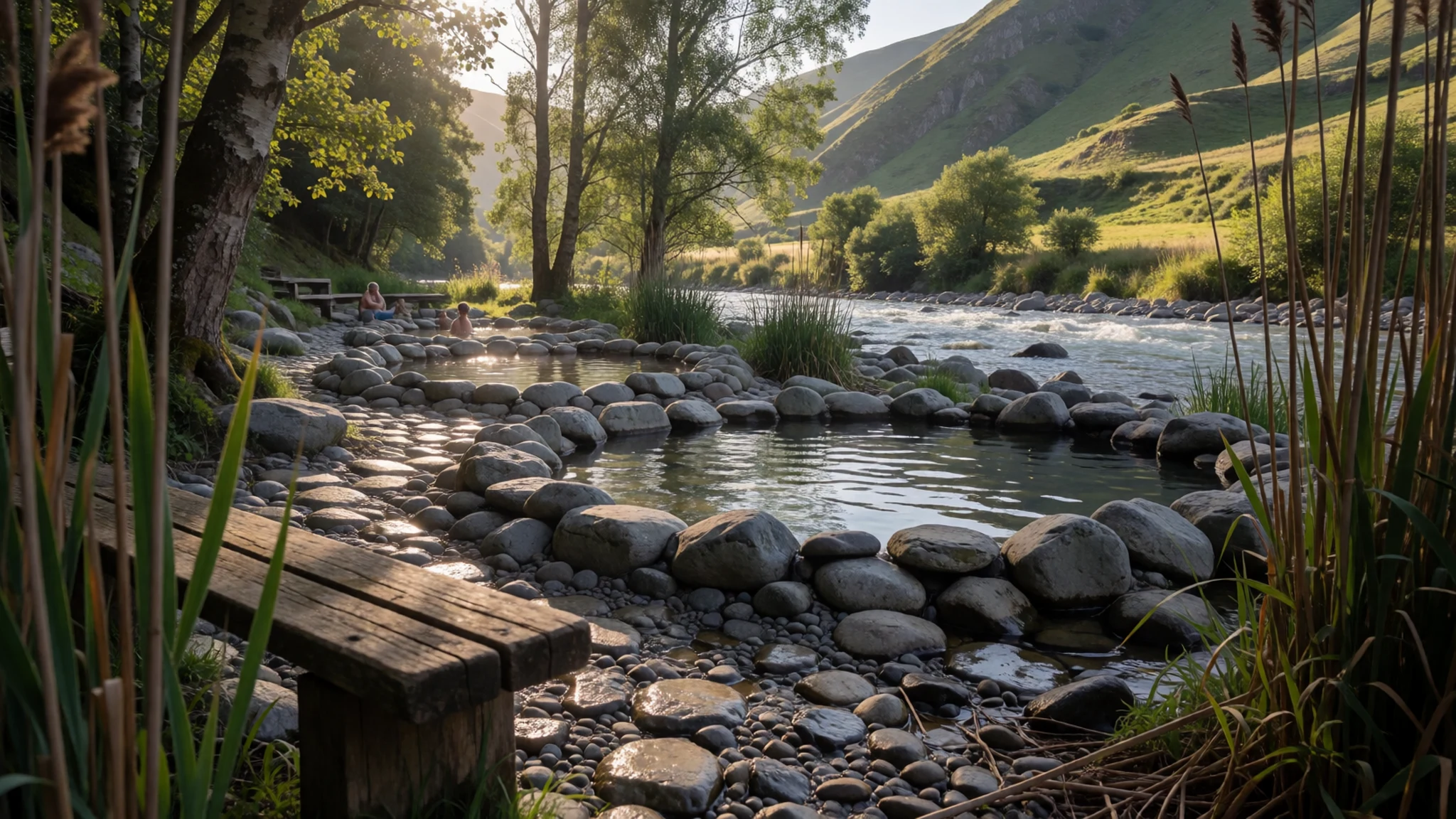
- Pipeline Trail — Edge of Boquete, near the river
This easy walk follows an old water pipeline through secondary forest on the edge of the valley, close enough to reach from town. It suits a morning of birdwatching, with tanagers, hummingbirds and the occasional waterfall. Paths are wet and slippery after rain, so wear shoes with real grip.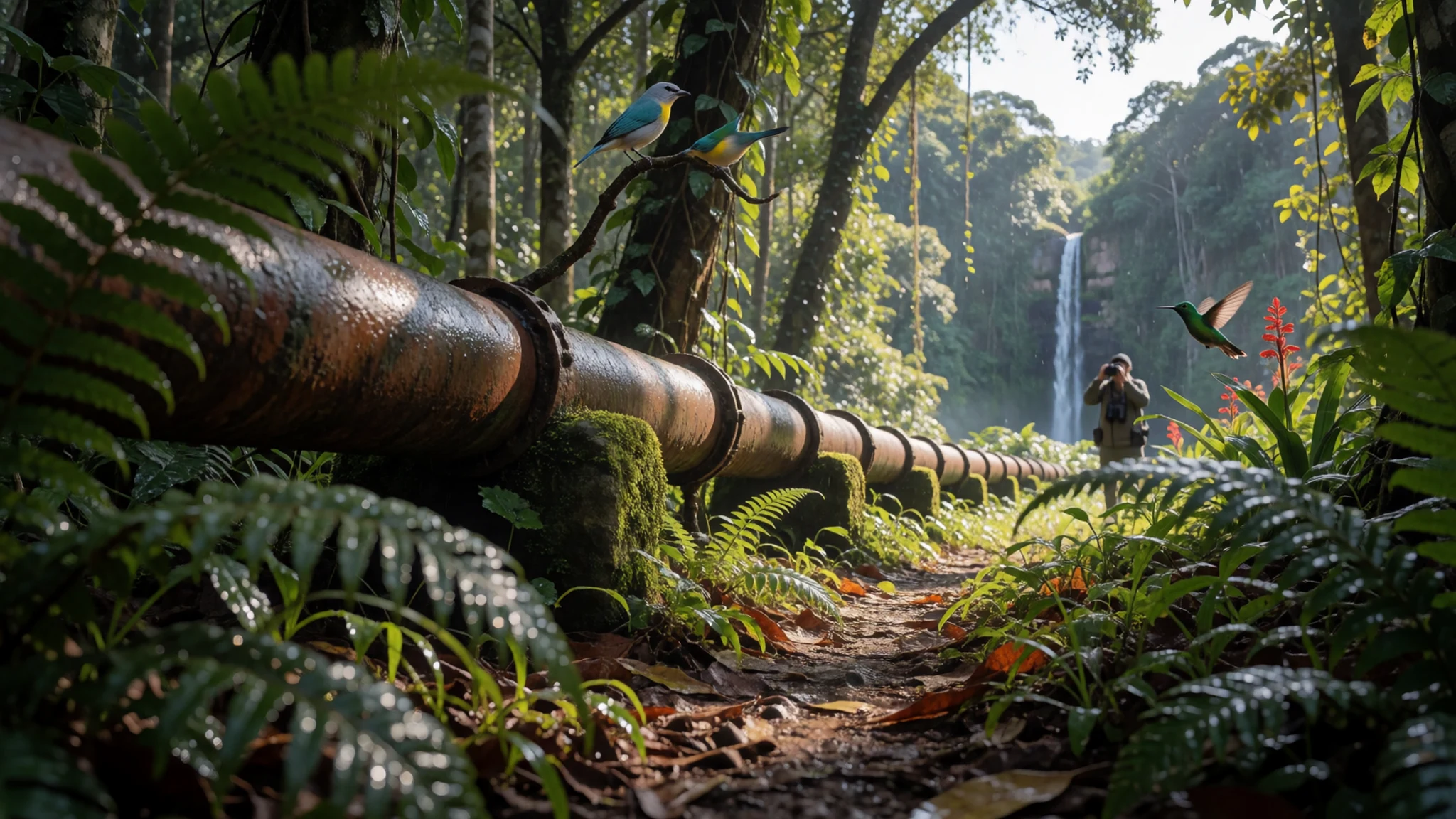
Culture
Boquete's culture is a layering of three groups. Chiricano farming families have worked the valley for generations, the Ngäbe and Buglé bring Indigenous traditions from the surrounding highlands, and foreign residents have added their own habits over recent decades. Coffee sets the rhythm of the year: the harvest draws whole families from the comarca to pick, and farm owners, pickers and exporters all appear at the flower and coffee fair held early in the year. Spanish is the everyday language, though English is common in cafés and tour offices. Catholic churches and small evangelical congregations both play a visible part in town life, and Sundays are quieter than other days. Panamanians tend to greet people warmly before getting to business, so a short hello in a shop or taxi goes a long way. Evenings are early and calm; the nightlife is modest compared with Panama City. Local farming communities and the Ngäbe have strong ties to the land, and many trails and farms cross private or community property. When visiting a farm or village, ask permission before photographing people or their homes, and always say thank you in Spanish with a quick "gracias" if someone agrees.
What to wear
The best-known traditional garment in the Boquete area is the nagua, the long, loose dress worn by Ngäbe women. It is usually made of cotton in bright blocks of colour, with geometric bands and zigzag trim around the yoke and hem, and many women still wear it daily, in the village and the market. Panama's national dress, the pollera, a full lace-trimmed skirt and blouse in white cotton, appears at festivals and parades but is not everyday wear in the highlands. Rural men sometimes wear the montuno, a simple cotton shirt and trousers with a straw hat. In town, most people dress casually. Jeans, trainers, fleeces and light jackets are common, and farm workers favour rubber boots and wide-brimmed hats. Boquete is cool in the mornings and evenings and often wet, so visitors should pack layers, a proper rain jacket and shoes with grip, since trails turn muddy quickly. Sun is strong in the dry season, so bring a hat and sunscreen. Boots with ankle support suit forest walks and the volcano. Shorts and sandals are fine in town and at the hot springs, but cover shoulders and knees when entering a church. A warm layer is worth packing for pre-dawn starts.
What to eat
- Local coffee — Cafés and roasteries on the main street, and farm tasting rooms
A cup of freshly roasted Boquete coffee is the obvious first order. Cafés in town pour filter, espresso and pour-over from nearby farms, and roasteries sell bags of beans. Ask for the farm and altitude on the label.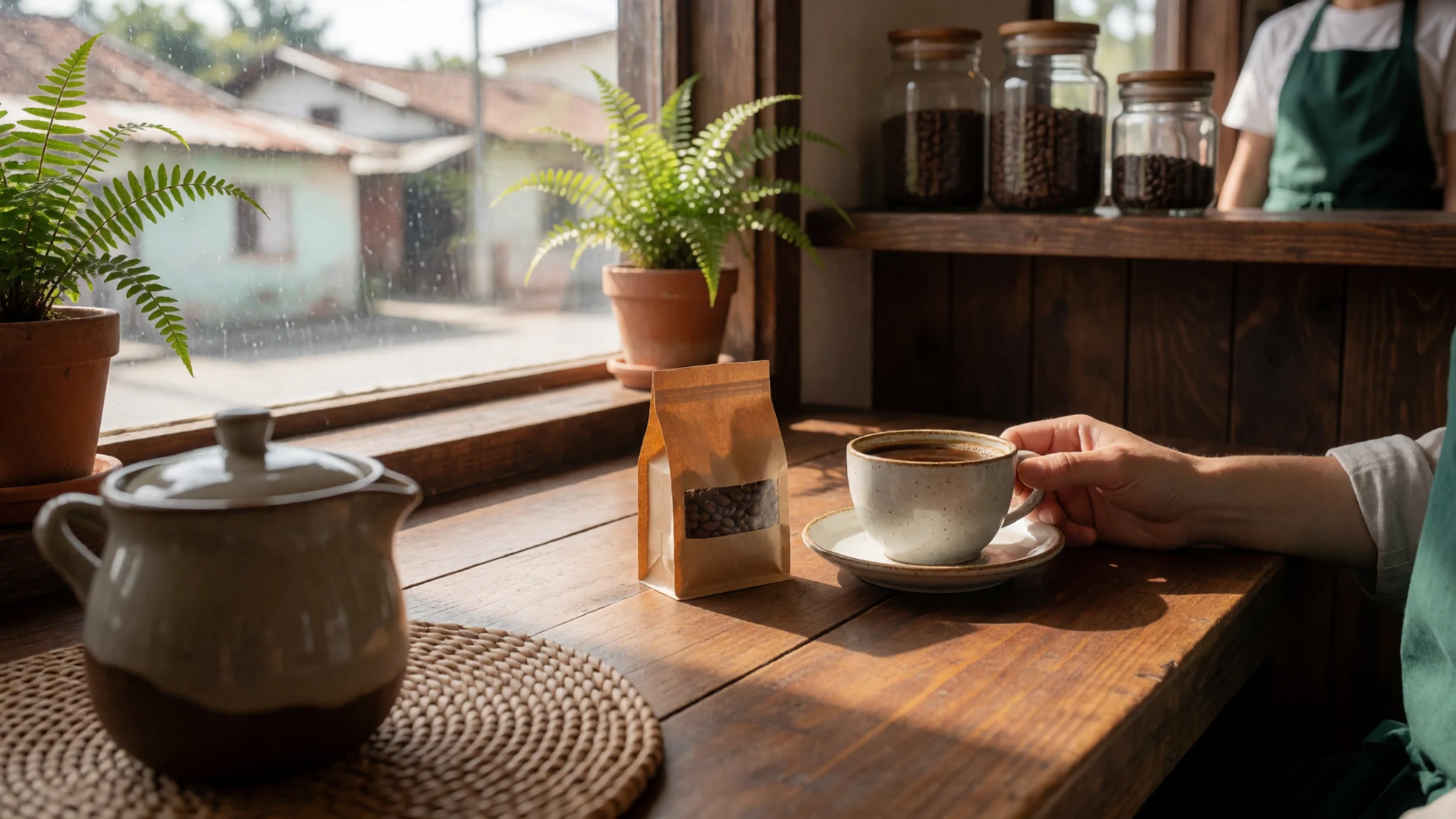
- Sancocho de gallina — Simple family eateries and market stalls in town
Panama's comfort soup is a clear chicken broth with yuca, otoe or yam, and fresh coriander. It is the dish locals eat when the weather turns cold and damp, which in Boquete is often.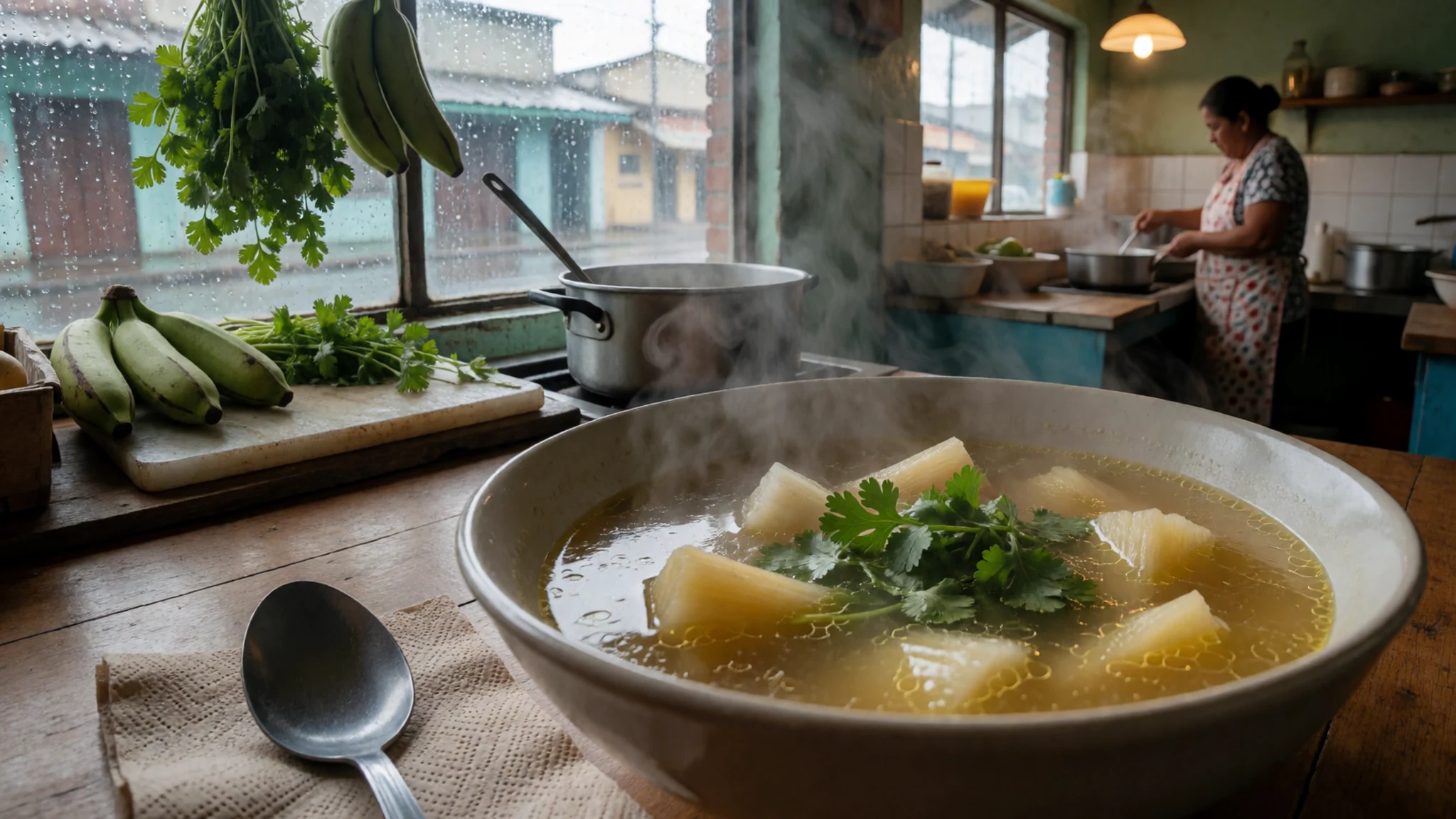
- Patacones — Roadside stalls and casual restaurants
Slices of green plantain are fried, flattened and fried again until crisp, then salted and served with meat, fish or cheese. They are the standard side dish across Panama and an easy snack between trailheads. - Hojaldras and empanadas — Bakeries and breakfast counters near the central park
Hojaldras are fried dough rounds, eaten at breakfast with cheese, eggs or coffee. Empanadas are fried pastry turnovers filled with beef, chicken or cheese. Both are cheap, filling and best eaten fresh. - Highland strawberries and fresh juice — The weekend produce market and roadside fruit stands
The cool climate suits strawberries, citrus and other fruit, sold in season as ripe produce, juices and jams. Fresh orange or blackberry juice is a good way to cool down after a morning's walk.
Plan it
Best time. December to April is the dry season, with clearer mornings, firmer trails and better odds of seeing Volcán Barú. The rainy season brings daily afternoon downpours, mud and more cloud, though the valley stays green and quieter, and coffee harvest takes place in the cooler months.
How long. 2–4
Getting there. Fly to David's Enrique Malek airport, then take a bus or taxi up to Boquete, a drive of under an hour. Panama City's Tocumen airport has onward domestic flights and long-distance buses; check current timetables with the carriers.
Budget. mid
Tips
- Start hikes and the volcano climb early, before cloud builds in the afternoon
- Carry a rain jacket even in the dry season, as weather changes fast
- Bring some cash for hot springs, small eateries and taxis
- Book popular coffee tours and holiday-weekend rooms ahead, especially around the flower and coffee fair
- Drink bottled or filtered water on trails, and check the park authority for current access and permits
Etiquette
- Ask before photographing people, homes or children, especially in Indigenous communities
- Stay on marked trails and do not cross farm fences without permission
- Greet shopkeepers and drivers with a quick hello before asking for anything
Nearby
Sources
- Wikidata: Boquete (CC0)
- Wikipedia: Boquete, Chiriquí (CC BY-SA 4.0)
- Wikivoyage: Boquete (CC BY-SA 4.0)
- Wikimedia Commons staged photographs of Boquete (CC BY-SA 4.0, CC BY 3.0 and public domain)
Wildlife
- Resplendent quetzal (animal)
The resplendent quetzal is a small forest bird that mostly eats fruit from trees of the laurel family, with the odd insect, lizard, frog or snail as a change. Around Boquete it favours the damp cloud forest, and the early months of the year give a good chance of meeting one. Stay well back, speak softly, and walk with a guide who can read the forest. Never feed it; the forest already provides its meals.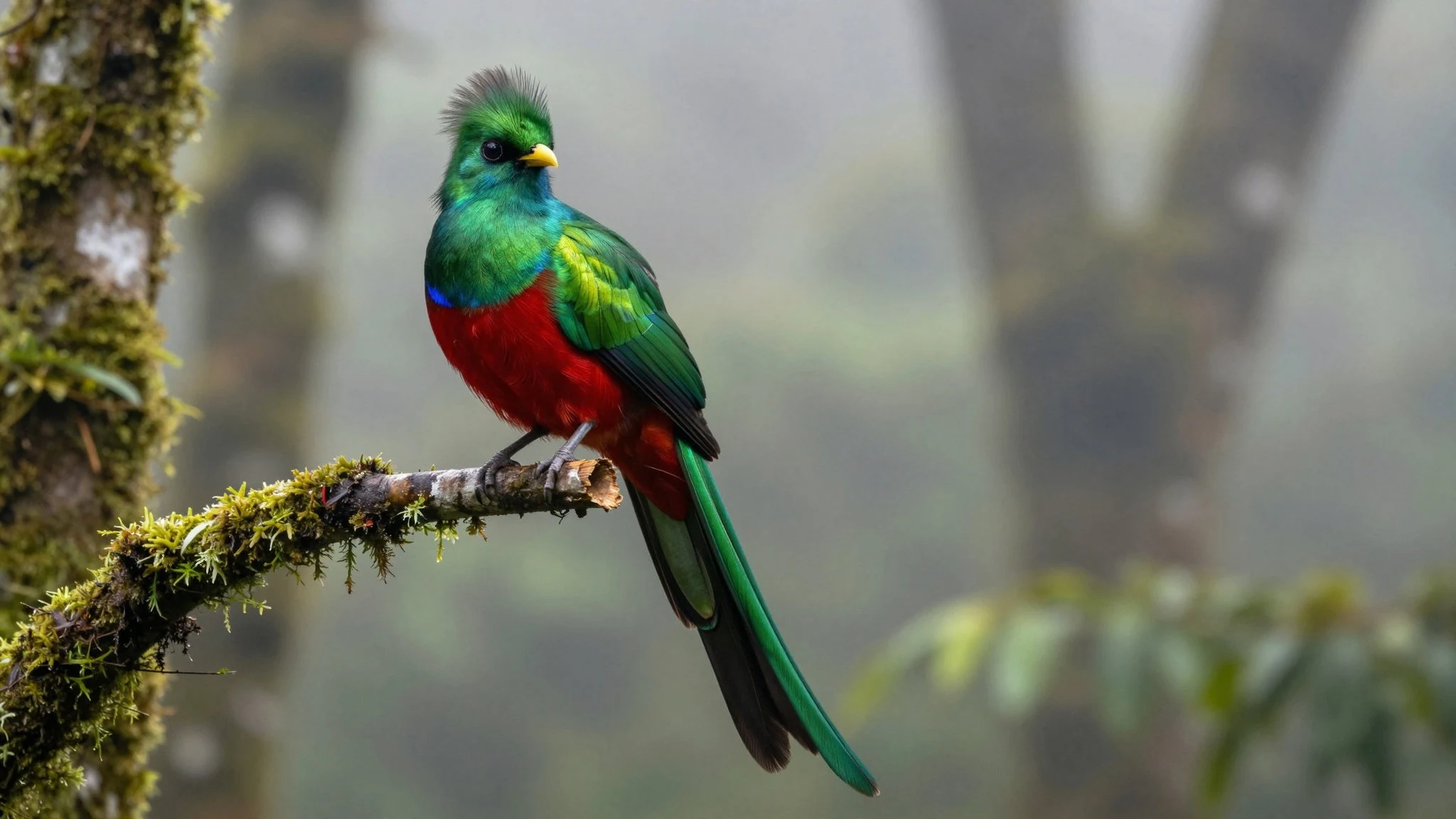
- Resplendent quetzal (bird)
The resplendent quetzal is a small forest bird that mostly eats fruit from trees of the laurel family, with the odd insect, lizard, frog or snail as a change. Around Boquete it favours the damp cloud forest, and the early months of the year give a good chance of meeting one. Stay well back, speak softly, and walk with a guide who can read the forest. Never feed it; the forest already provides its meals.