Panamá Viejo
Panamá Viejo, Panama
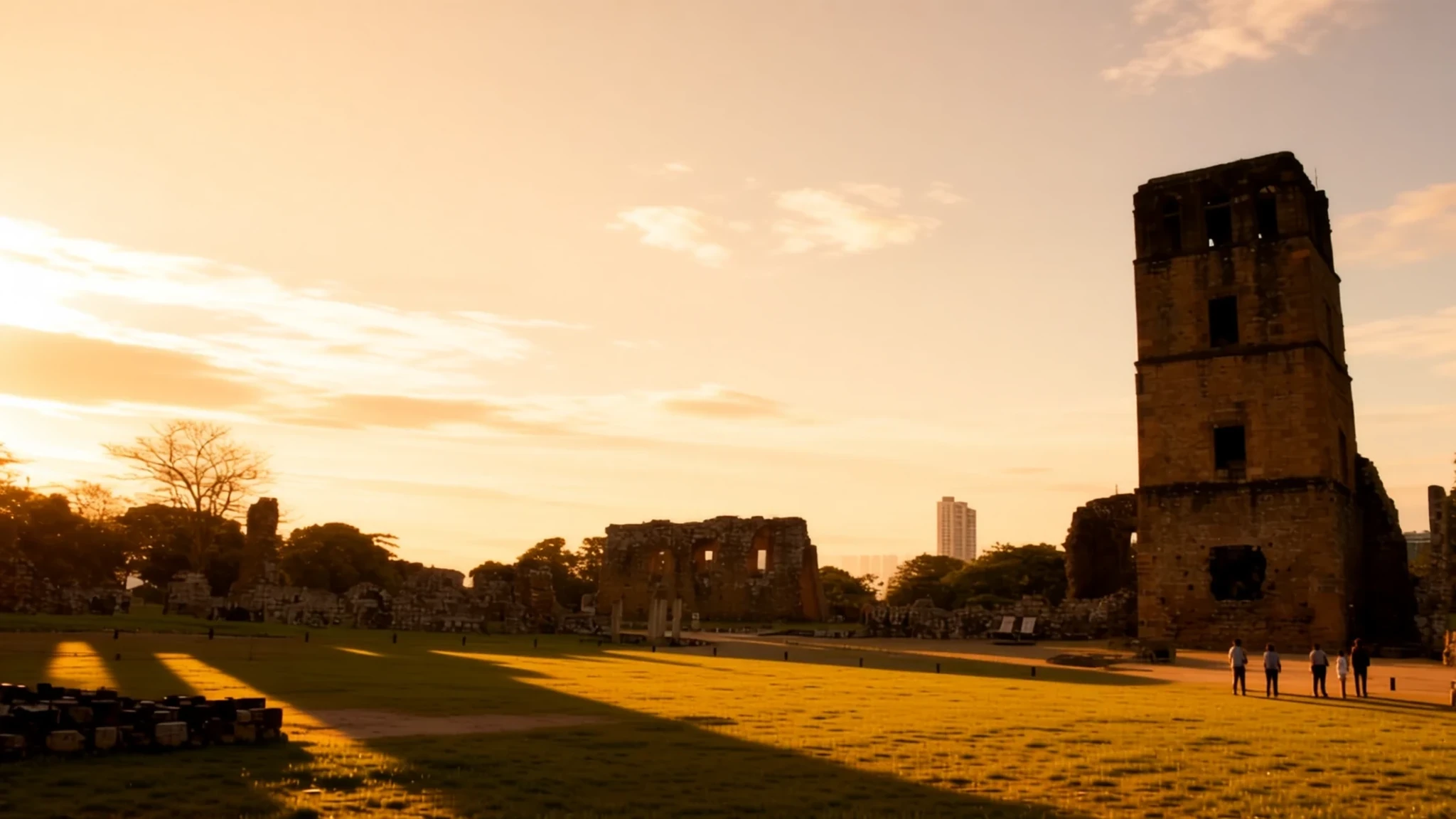
Walk among the stone ruins of a colonial Spanish city on the Pacific shore, minutes from the modern skyline.
The place
Panamá Viejo, which translates as Old Panama, is the surviving part of the original Panama City. The town that stood here was the country's capital until 1671, when the Welsh privateer Henry Morgan attacked and destroyed it. What remains now lies in the suburbs of the modern capital, a short drive from the glass towers of the banking district. The most striking survivor is a tall stone tower, its empty openings framing the sky, which once belonged to the cathedral. Low walls and footings trace the grid of streets and houses, so the layout is easier to read than at many ruined sites. Grass covers much of the ground, and in late afternoon the stone takes on a warm colour that photographers tend to wait for. The site is part of the UNESCO listing from 1997 that also covers the historic district of Panama City, and the two places read well together as one story of the city. Visitors who see only one of them miss half of how the city grew.
Its story
Panamá Viejo was founded on 15 August 1519 by Pedro Arias Dávila and about a hundred settlers. It replaced two older towns on the Caribbean side of the isthmus, Santa María la Antigua del Darién and Acla, and it quickly became a base for Spanish expeditions into Peru. Gold and silver travelled from here to Spain, which gave the young town a central role in the empire's Pacific trade. A royal decree soon raised the settlement to the rank of city and granted it a coat of arms from Charles V, and a local council was formed to govern it. Fires in its early decades damaged parts of the town, yet they did not stop its growth.
From the early 1520s, Genoese merchants held much of the commerce on the Pacific side for about a century. They worked under a concession from the Spanish crown, which had the Republic of Genoa as an ally, and their presence left a visible mark on the town's houses and trading habits. Some of their families settled permanently, and the house still known as the Casa de los Genoveses recalls them today.
The city's wealth made it a target. In 1671 the Welsh privateer Henry Morgan sacked and burned it, and the survivors and the city's government moved to a new site on the coast, the basis of today's Panama City. The ruins were left in place, and what stands now is what survived that attack and the centuries since. The story of the place is one of a city built to move precious metal, then left behind after a single devastating raid.
What to see
- The cathedral tower
The tall stone tower is the image most people carry away from Panamá Viejo. It belonged to the cathedral dedicated to Our Lady of the Assumption, and its empty openings now frame the sky. Standing at the base and looking up gives a sense of the scale that survived the sacking of the town.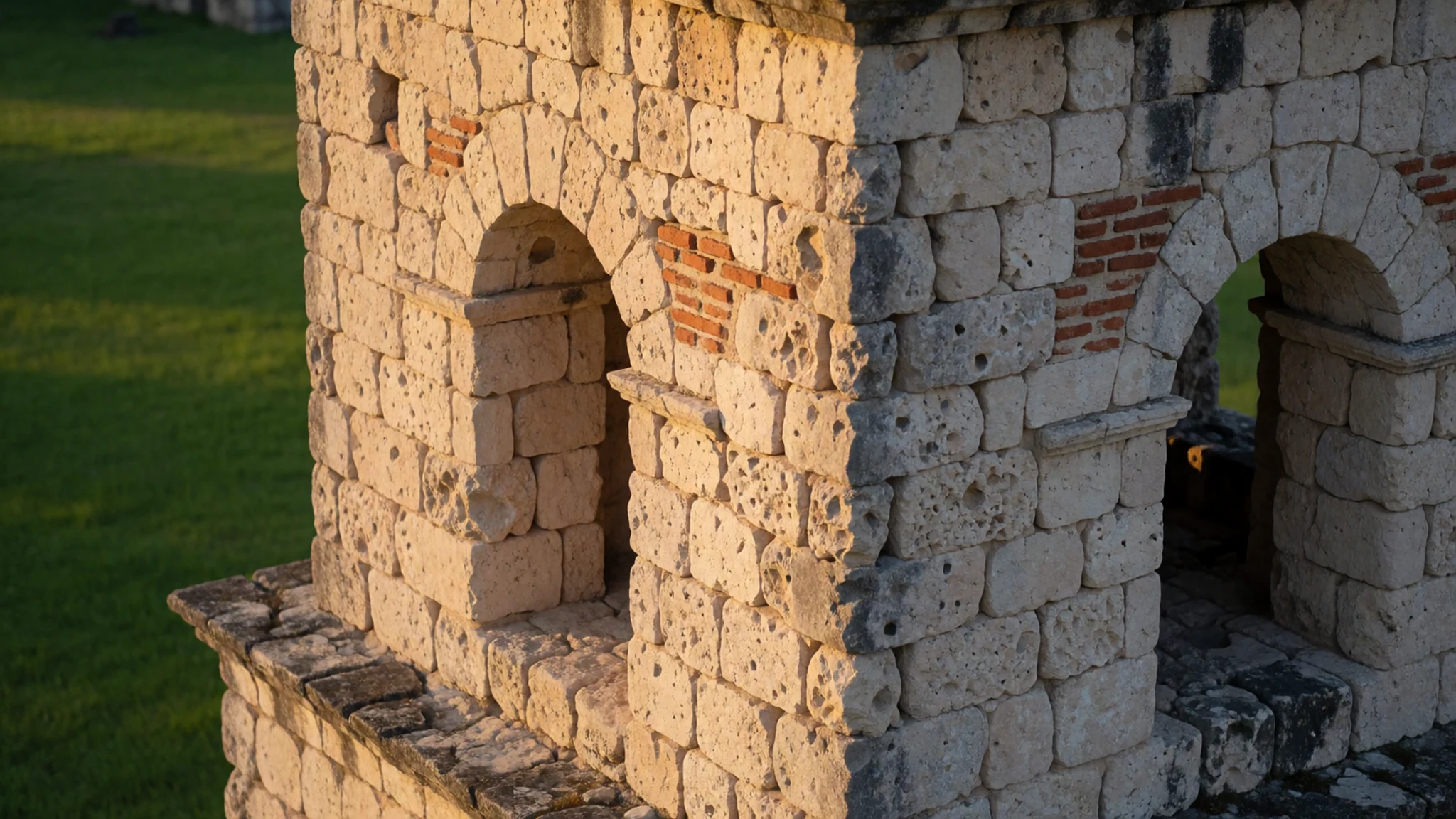
- Casa de los Genoveses
The Genoese house is one of the easiest remains to connect with the town's merchant past. Its foundations show how the Italian traders who dominated Pacific commerce lived and stored goods near the centre of town. Information boards on site, where present, explain the building's history, and visitors should keep to the marked paths around the walls.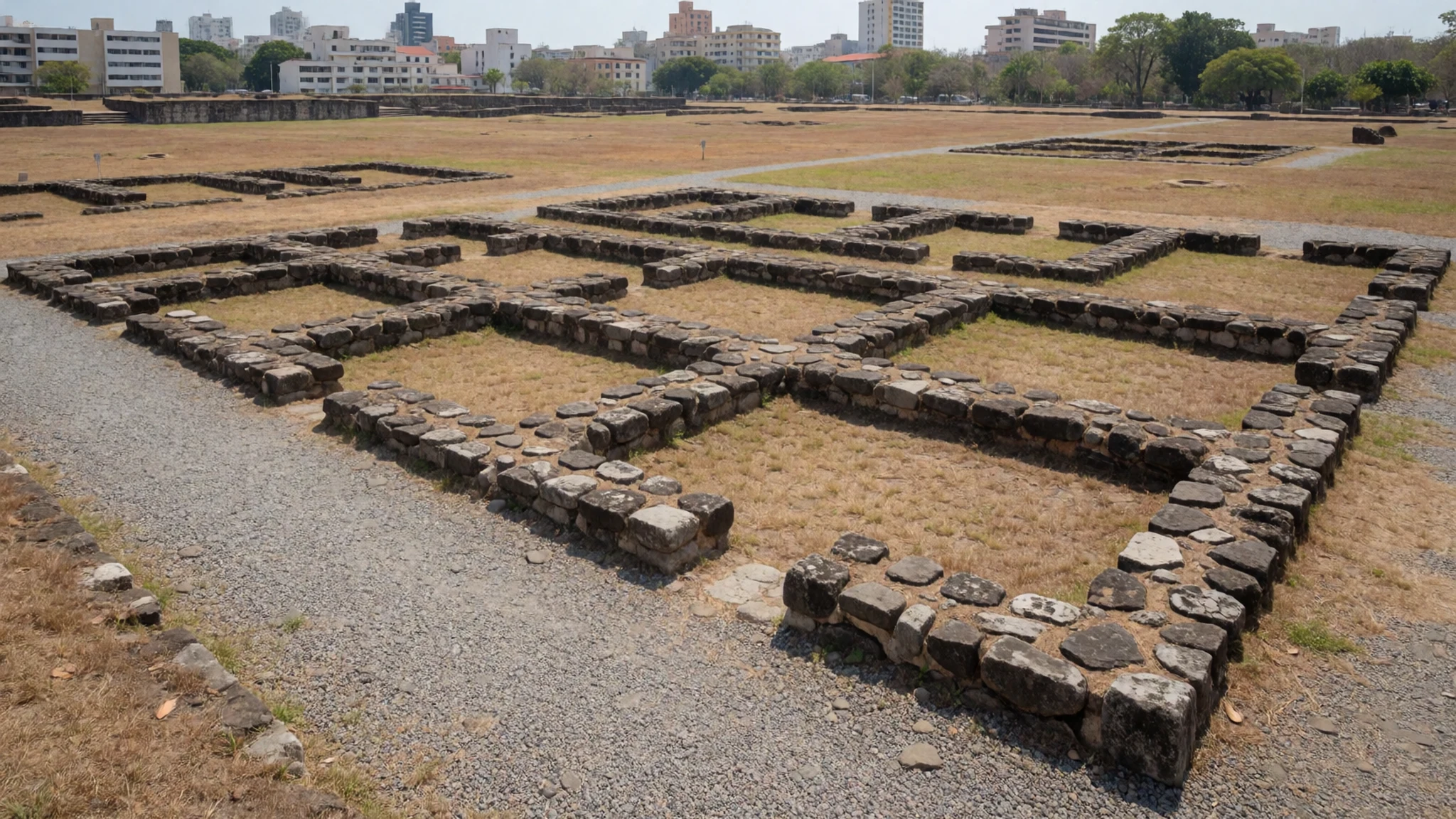
- The Bell Tower view
The Bell Tower gives a wide view over the grounds and the surrounding suburbs, with the modern skyline visible on clear days. From here the layout of the old town and its closeness to the water become easier to picture. Check the official site before going up, as access to towers can change.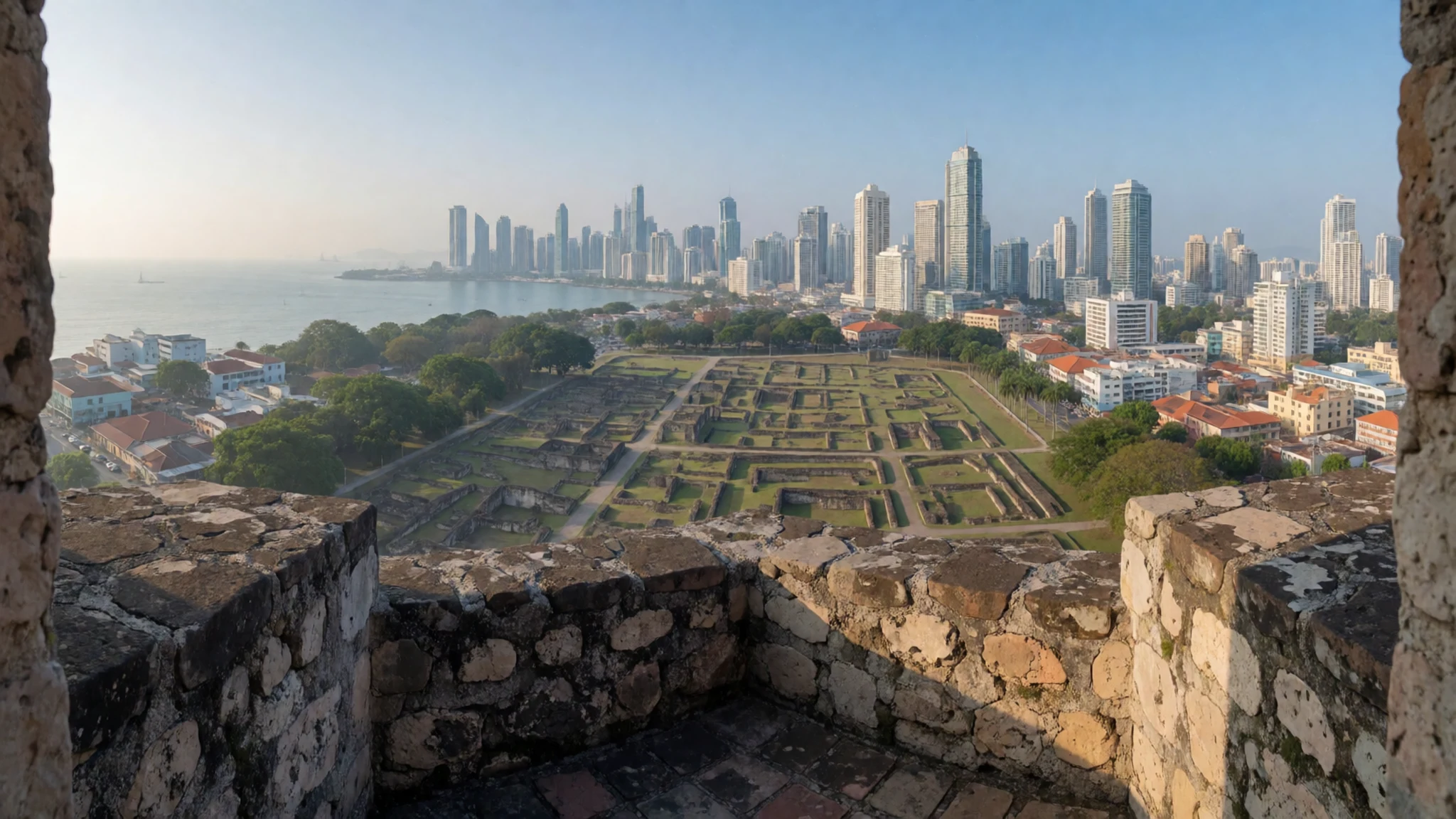
- Church and convent of the Concepción
The church and convent of the Concepción nuns is one of the more atmospheric ruins on the site, its walls and arches set among trees and grass. The community that lived here was enclosed, and the building reflects the quieter, inward-looking side of colonial religious life. Dress modestly and keep voices low, as it remains a place of reflection.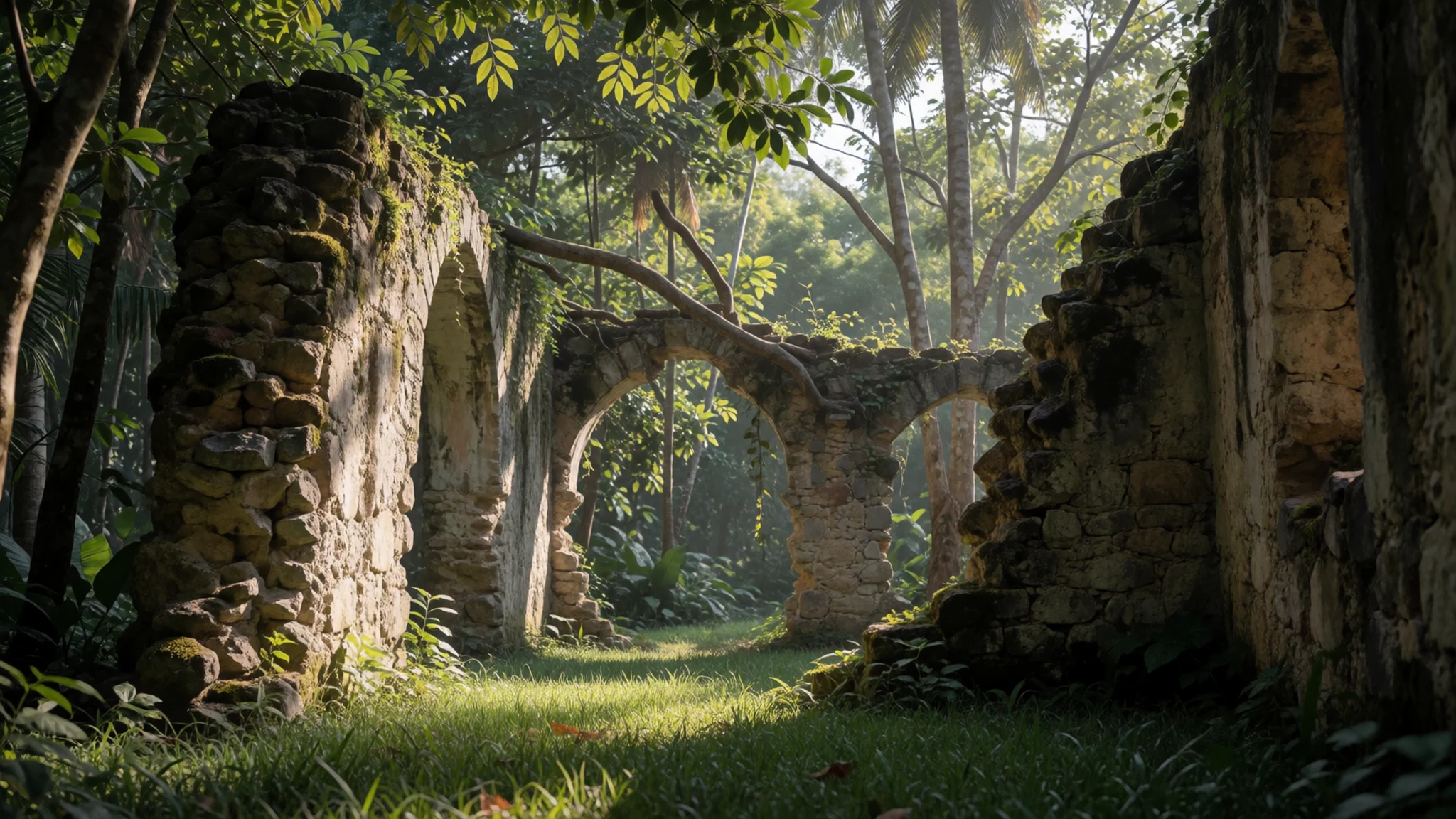
- Casco Viejo
Casco Viejo, the historic district of Panama City, shares the UNESCO listing with the ruins and offers a different kind of visit. Its colonial plazas, churches, museums and cobblestone streets preserve the Spanish legacy that the ruins once anchored. A half day there works well after the ruins, in the cooler hours.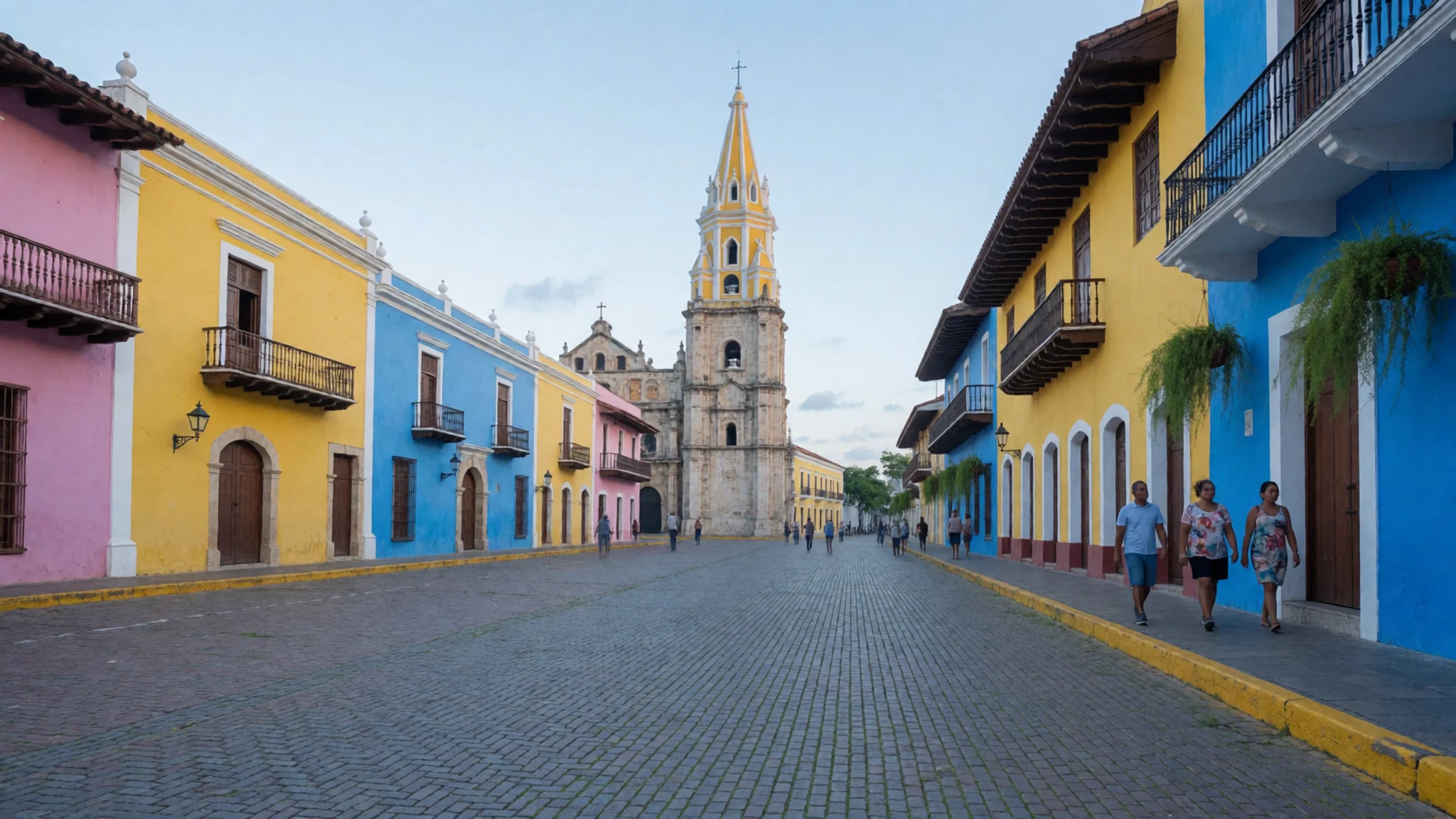
Culture
Panamá Viejo sits in a country where people share a relaxed, mixed culture, and visitors are generally welcomed warmly. Panamanians are direct in conversation. In the capital, people can seem abrupt or hurried because the city moves quickly, but that is usually pace rather than rudeness. Outside the cities, conversations tend to be slower, friendlier and more hospitable to visitors and locals alike.
Respect for Indigenous peoples is central to the national culture, and several communities still live much as their ancestors did. Each Indigenous territory has its own dress and style, and those clothes carry identity. When talking about these communities, the word ‘Indian’ should be avoided, because many find it offensive. At the ruins, the site is a heritage place, so visitors should keep to the paths and avoid climbing on walls or leaning on carved stone. Churches and the convent may be used for prayer, so speaking quietly there is appreciated. Ask permission before photographing anyone wearing traditional Indigenous dress, and never point at them.
What to wear
Traditional dress varies across the country. The best-known national costume is the pollera, a full skirt with an embroidered blouse, worn most often at festivals and in the rural interior rather than on everyday city streets. Its embroidery and jewellery reflect a blend of Spanish and local craft traditions. Indigenous communities have their own textiles. Guna women are known for the mola, a panel of layered, reverse-appliquéd cloth in bright colours, stitched into blouses and worn with pride. Molas are sold in many markets, and buyers should check that the work is handmade.
Today most people in Panama City dress in ordinary Western clothes, shaped by the heat. Lightweight shirts, cotton trousers or skirts and sandals are common in offices and cafés, and smart casual is typical for evenings. Traditional costume appears at national holidays, cultural events and some festivals rather than in daily life.
For a visit to the ruins, dress for open sun and uneven ground. Light, breathable cotton, a hat, sunscreen and closed shoes with good grip are sensible, since stone and grass paths can be rough. Modest clothing is wise when entering the churches and the convent, with shoulders and knees covered. Swimwear belongs on the coast rather than in the city.
What to eat
- Sancocho — a neighbourhood fonda in Casco Viejo, or the eateries near the central markets
A thick chicken soup simmered with yuca, corn and culantro, often served with rice on the side. It turns up most days at lunchtime, and it is at its most comforting on a rainy afternoon. Sancocho is a classic of Panamanian home cooking.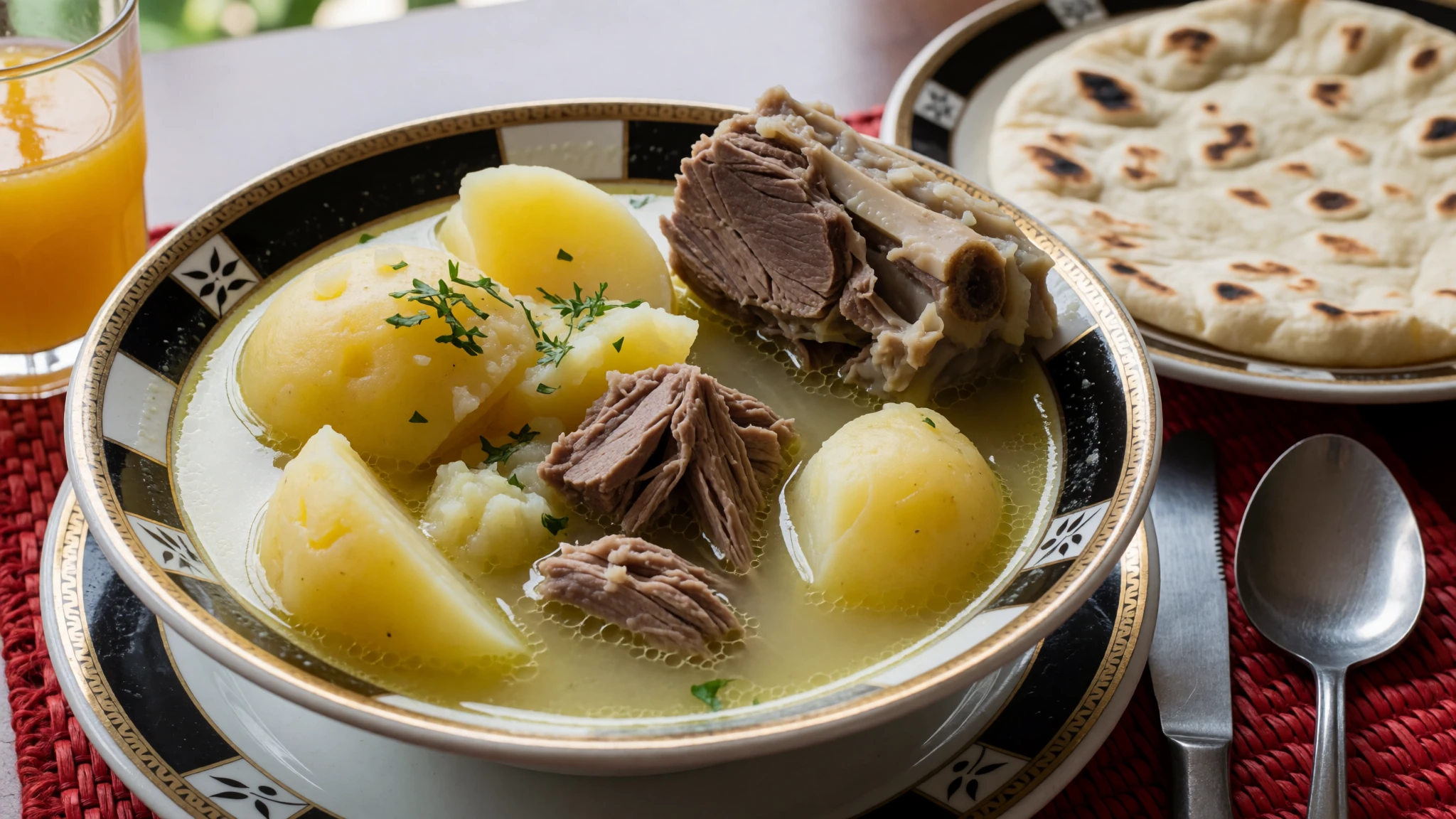
- Ceviche — seafood counters in the old quarter and the fish market by the bay
Raw fish or prawns cured in lime juice with onion, coriander and chilli, typically sold in tall glasses. Coastal seafood counters serve it freshest in the morning, when the catch is still cold. It is a light option in the heat.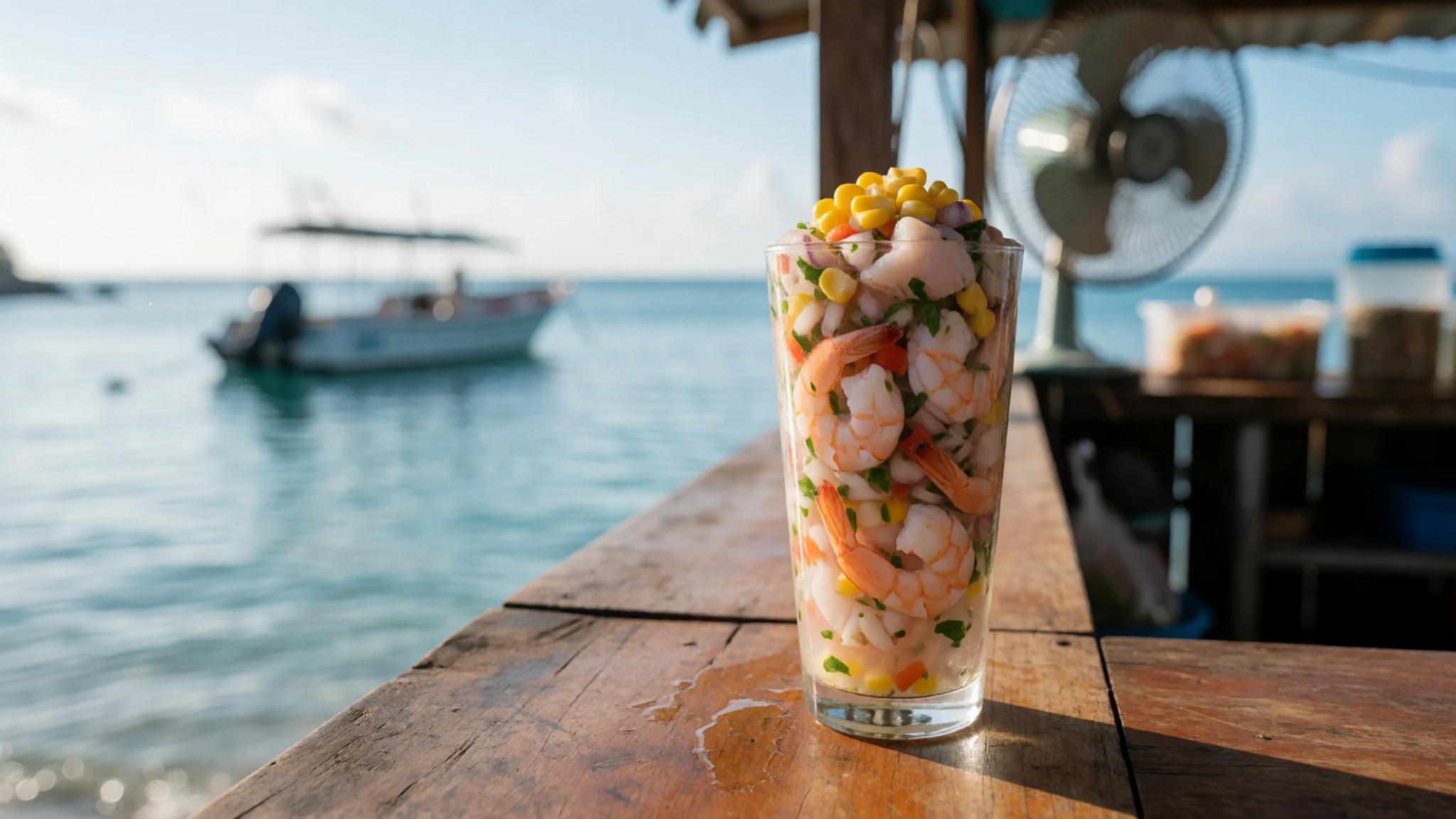
- Patacones — street stalls and roadside eateries across the city
Green plantain sliced, fried, flattened and fried again until crisp, then served with garlic dip, cheese or stewed meat. They reflect the country's strong Caribbean side, where plantain takes the place that rice and beans hold elsewhere in Central America. They make a satisfying snack.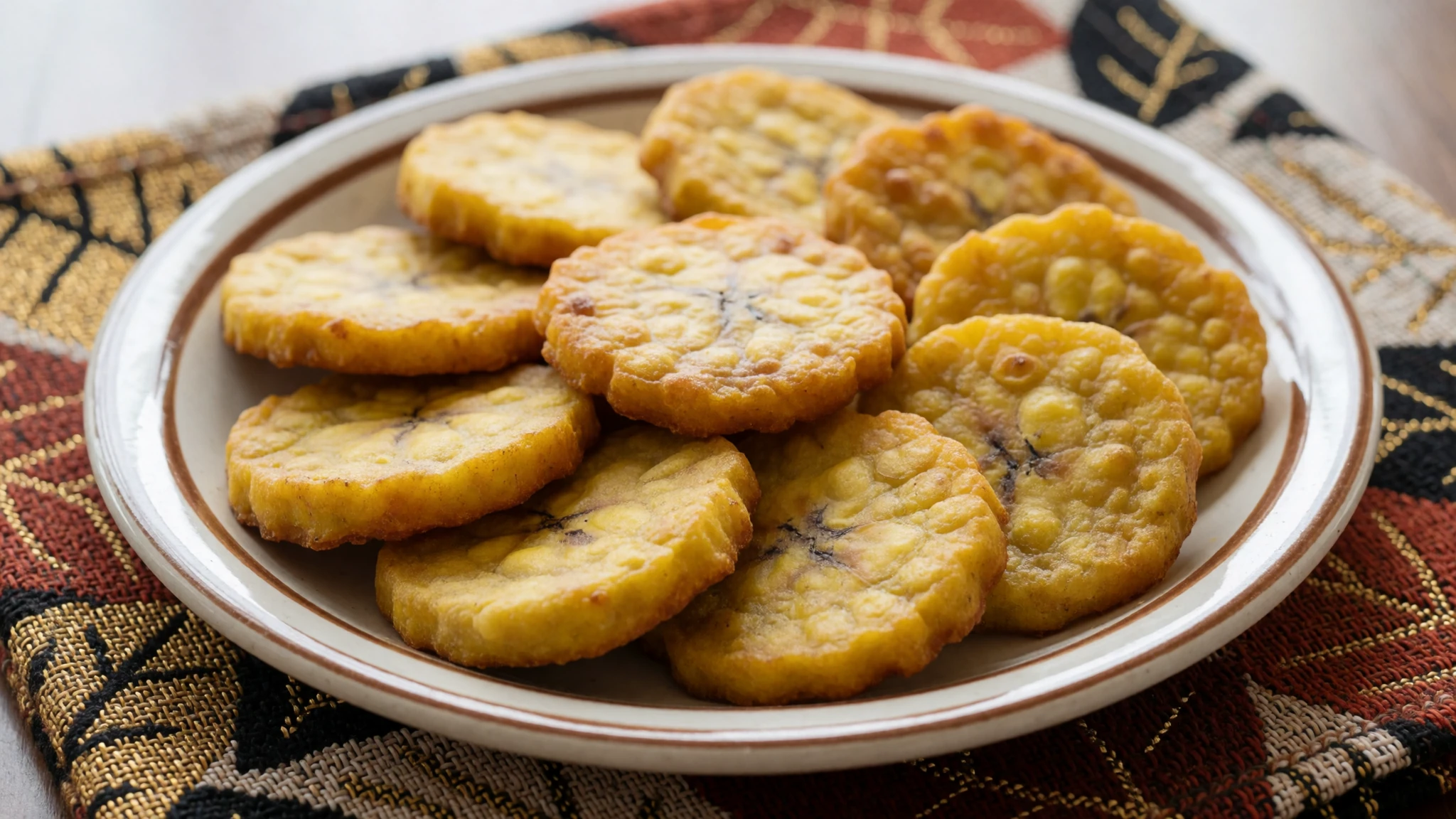
- Hojaldras — early-morning bakeries and stalls in the older neighbourhoods
Puffed fried dough, crisp outside and soft within, usually eaten at breakfast with coffee or hot chocolate. The dough is often dusted with sugar. They are a simple, everyday start to a morning.
Plan it
Best time. December to April is the drier season and the easiest time to walk the open ruins. May to November brings heavy afternoon rain and higher humidity, so mornings are the best window in those months.
How long. 1–2
Getting there. Fly into Tocumen International Airport in Panama City, then take a short taxi or ride-hail to the ruins in the suburbs. Casco Viejo is a separate short taxi ride from the centre.
Budget. low
Tips
- Go early in the morning, before the heat builds
- Pair the ruins with Casco Viejo, which shares the UNESCO listing, on a separate half day
- Carry water and sunscreen, as there is little shade among the walls
- Carry some cash for small purchases and taxis, though cards work in larger places
- Check the official site at patronatopanamaviejo.org for opening times and any entry fees before you go
Etiquette
- Ask before photographing people in traditional Indigenous dress
- Keep to marked paths and do not climb on the walls
- Dress modestly when visiting the churches and convent
Nearby
Sources
- Wikidata Q712335 (CC0)
- Wikipedia: Panamá Viejo (rev 1364871992) (CC BY-SA 4.0)
- Wikivoyage: Panama (rev 5403480) (CC BY-SA 4.0)
- Torre de Panamá Viejo, Editorpana (CC BY 3.0)
- Torre de Panamá Viejo, Melpanama (CC BY 3.0)
- Diorama of Panamá Viejo, Ivo Kruusamägi (CC BY-SA 4.0)
- Casa de los Genoveses en Panamá Viejo, Ssaucedoc (CC BY-SA 4.0)
- Vista desde Torre en Panamá Viejo, Garcia.dennis (CC BY-SA 4.0)
- Iglesia y Convento de las Monjas de la Concepción, Ivo Kruusamägi (CC BY-SA 4.0)
- Casa Terrín, Panamá, Ivo Kruusamägi (CC BY-SA 4.0)
- Torre de la Catedral, Panamá, Ivo Kruusamägi (CC BY-SA 4.0)


