Guna Yala
Guna Yala, Panama
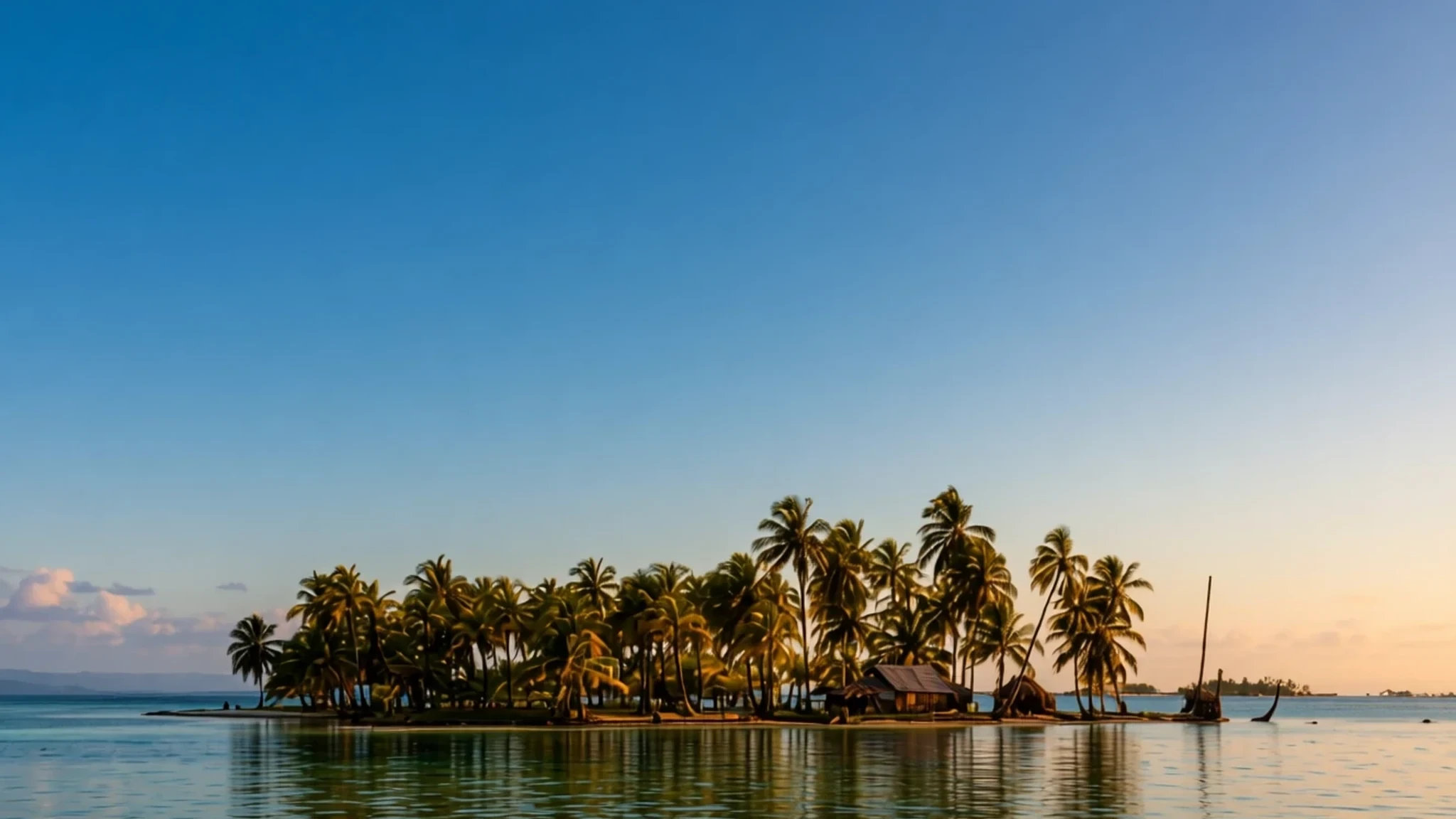
A chain of palm-fringed Caribbean islands governed by the Guna people, reached by a short flight or a long boat ride from Panama City.
The place
Guna Yala is a comarca, an indigenous province, on the northeast coast of Panama. Its mainland strip runs for about 373 kilometres along the Caribbean, and offshore lies an archipelago of 365 islands, roughly 50 of them inhabited. The population is around 33,000, and the large majority are Guna people, who run the region through their own congresses and local customs. Most of the land is reached by water rather than road, so the rhythm of daily life follows the tides, the wind and the boats that move between islands and the mainland. Coconut palms dominate many of the islands, and the mainland behind them holds farms and forest that feed the communities. The sea is the obvious draw for visitors: clear water, white sand and an easy pace. Expect simple accommodation, limited electricity in places, and a cash-based economy. Nothing here is built for mass tourism, and that is much of the appeal. Plan for a slower trip than the map suggests, because a short distance by boat can take a long time when the wind is strong.
Its story
The Guna did not always live on the islands. When Spanish arrivals reached the isthmus, Guna communities lived around the Gulf of Urabá, in what is now Colombia. Contact brought violence and a narrowing of trade, and people moved westward into what became Panama. At first they settled along rivers that drained into the Caribbean. Over the following decades they began to move out onto the islands near the mouths of freshwater rivers. The islands offered shelter from mosquitoes, snakes and some diseases, and they put people within reach of coastal trade in forest products, coconuts and turtle shell. Families kept their farms on the mainland and travelled back and forth, a pattern that still shapes the region. The coast was also a route for shipping, and for centuries the wider isthmus saw a string of colonial and commercial schemes. A Scottish attempt to found a colony here, intended to open an overland route between the two oceans, ended in failure. The area also held the Spanish stronghold of Acla, where the explorer Balboa was put on trial before his death. Through all of this, the Guna kept a degree of autonomy that few other peoples in the region managed to hold on to.
What to see
- El Porvenir and the Guna museum — El Porvenir, the island settlement
El Porvenir is the main settlement that visitors reach first, and its museum is the best starting point for understanding the Guna. Displays cover traditional life, the making of textiles, and the political history that led to the comarca's creation. Allow an hour or so, and ask whether a guide is available, since explanations in Spanish or English make the exhibits far more useful.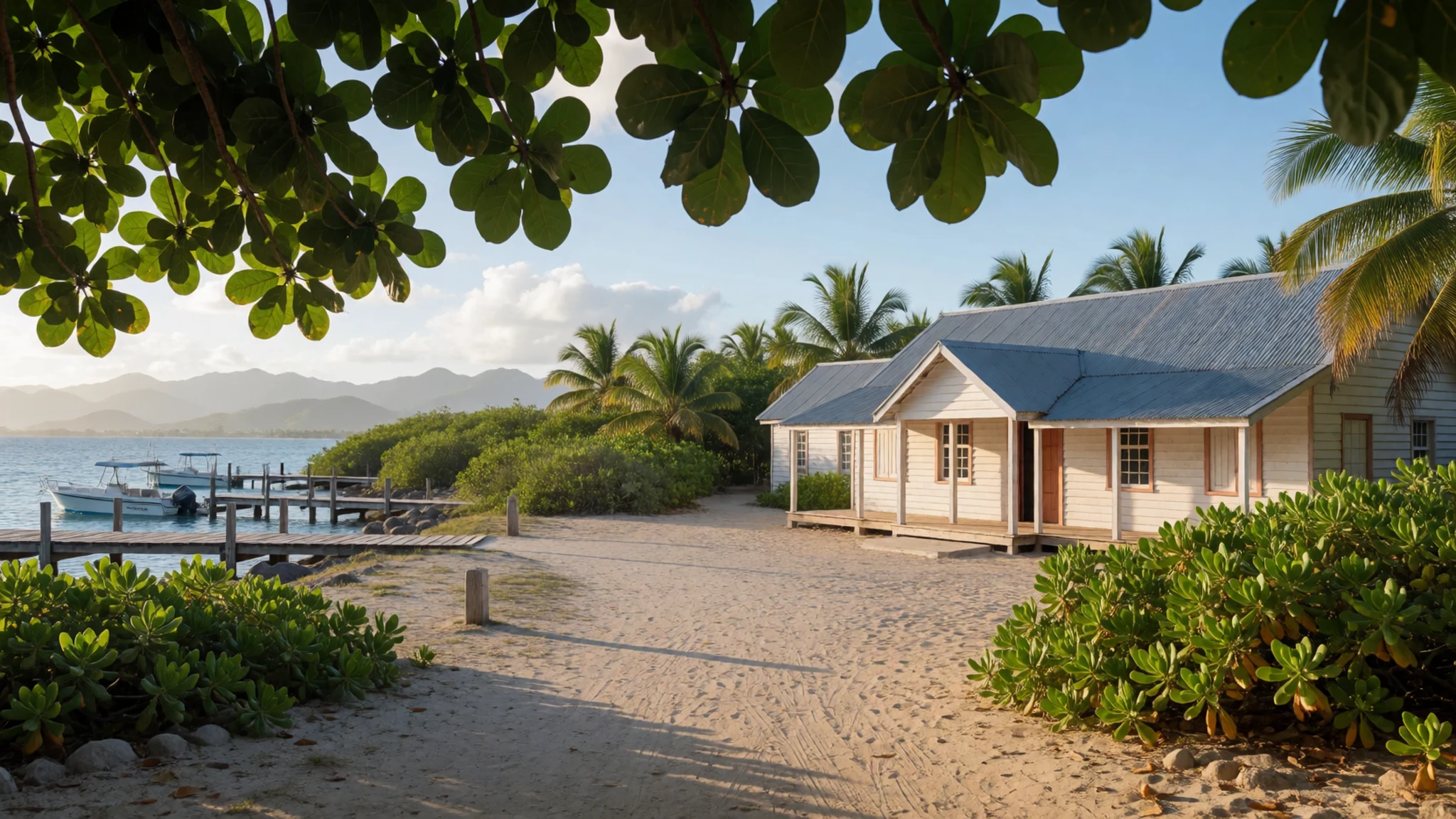
- Beaches of the outer islands — Scattered across the archipelago, reached by boat
The white sand beaches are the reason most people come. Many lie on small islands a short boat ride from the main settlements, with shallow water suited to swimming and snorkelling. Shade is limited on some beaches, so bring a hat and extra water, and take your rubbish back with you when you leave.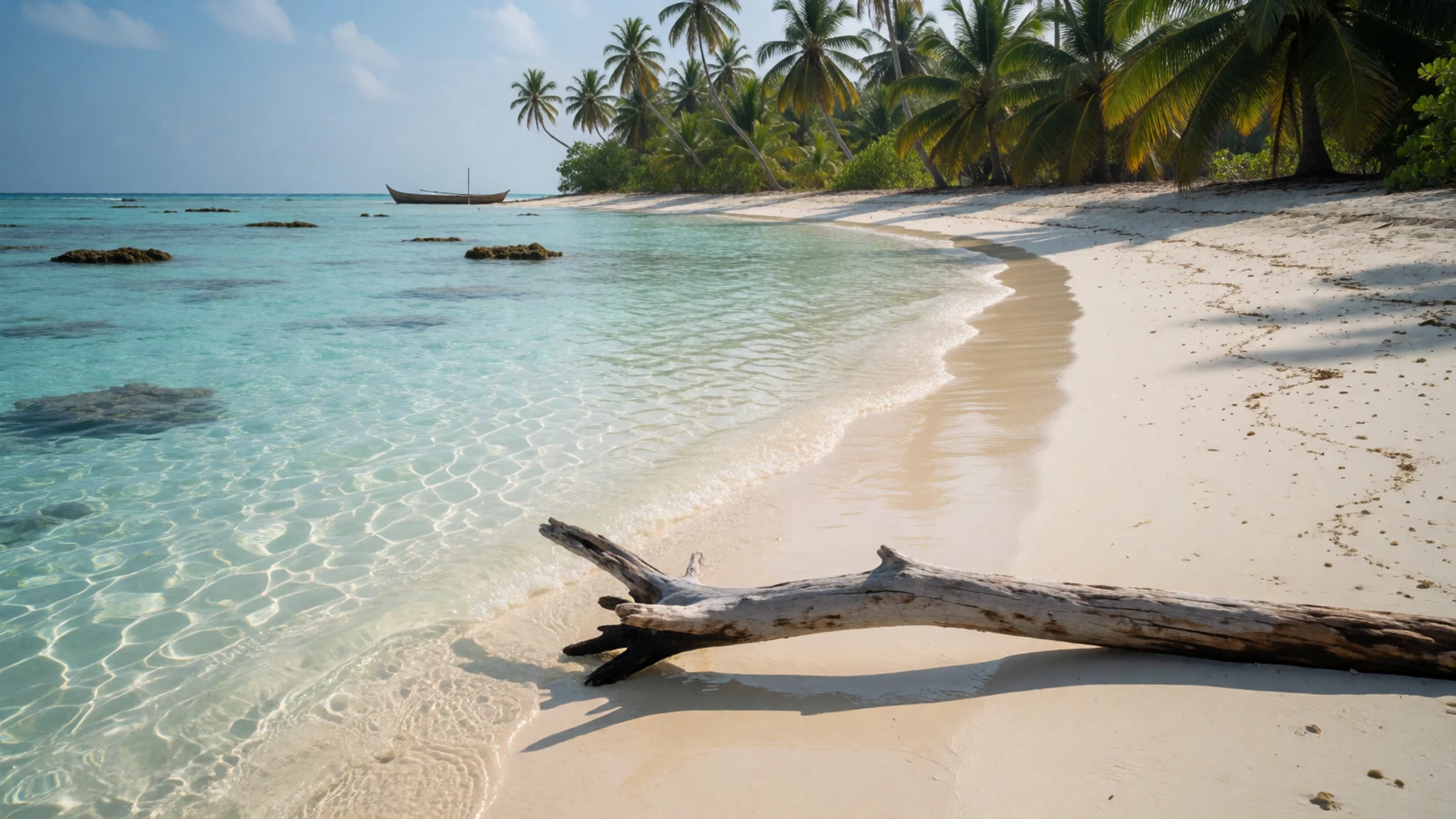
- Island-hopping by dugout canoe — Between the inhabited islands and the mainland coast
Small wooden canoes, often made from local palm and driven by a single paddler or an outboard, carry people between islands. A half-day trip among the islands lets you see village life, stilt houses and the traffic of fishing boats. Agree on the price before you set off, and ask your host to recommend a reliable boatman.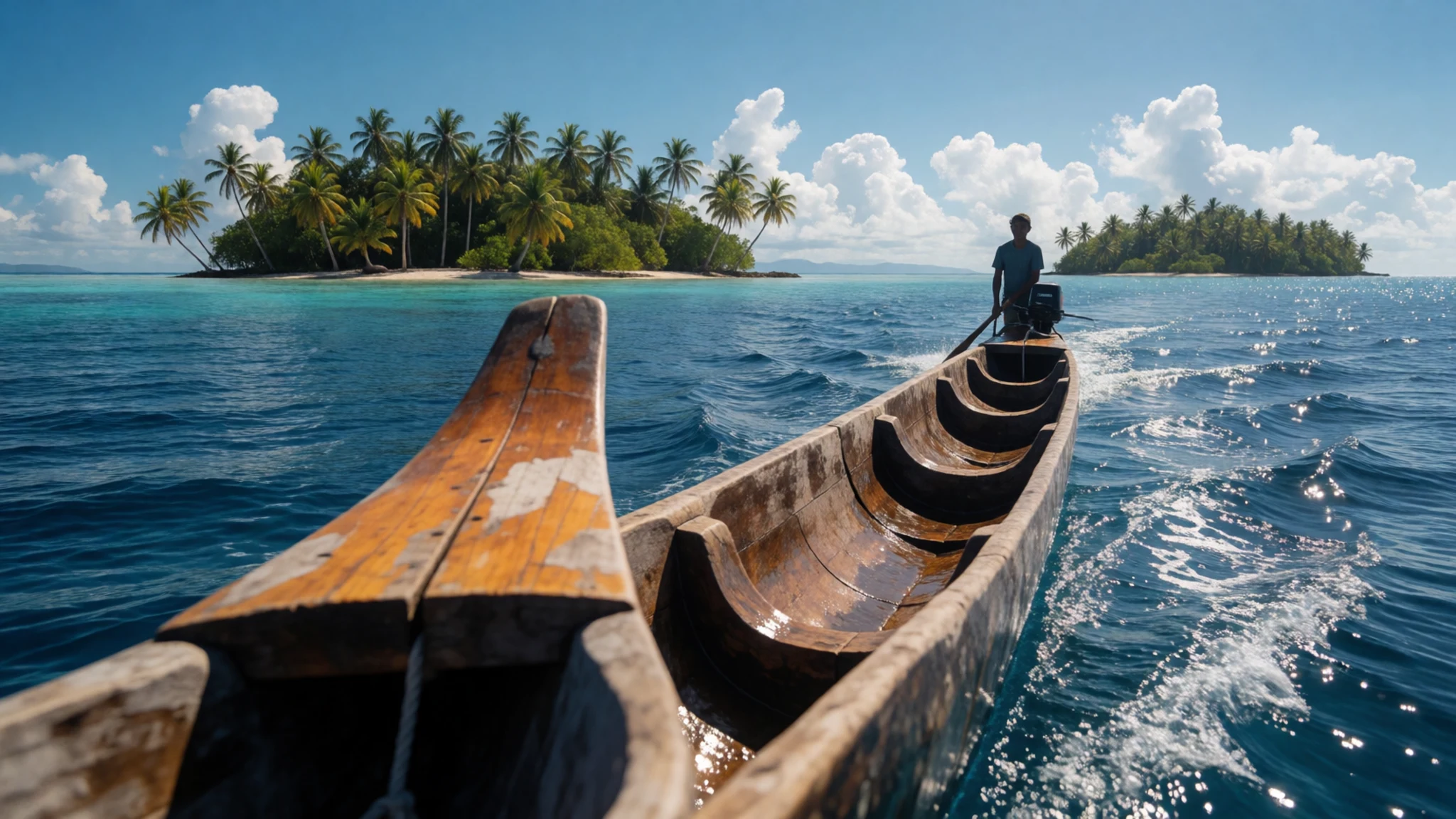
- Isla Perro and the reef islands — Reef islands west of the main archipelago
Isla Perro is one of the small islands that show the typical scene of the archipelago: a few palms, a ring of sand and clear water over reef. Visits are usually arranged through a local boatman or a guesthouse. Bring reef-safe sunscreen and avoid touching coral, which is easily damaged.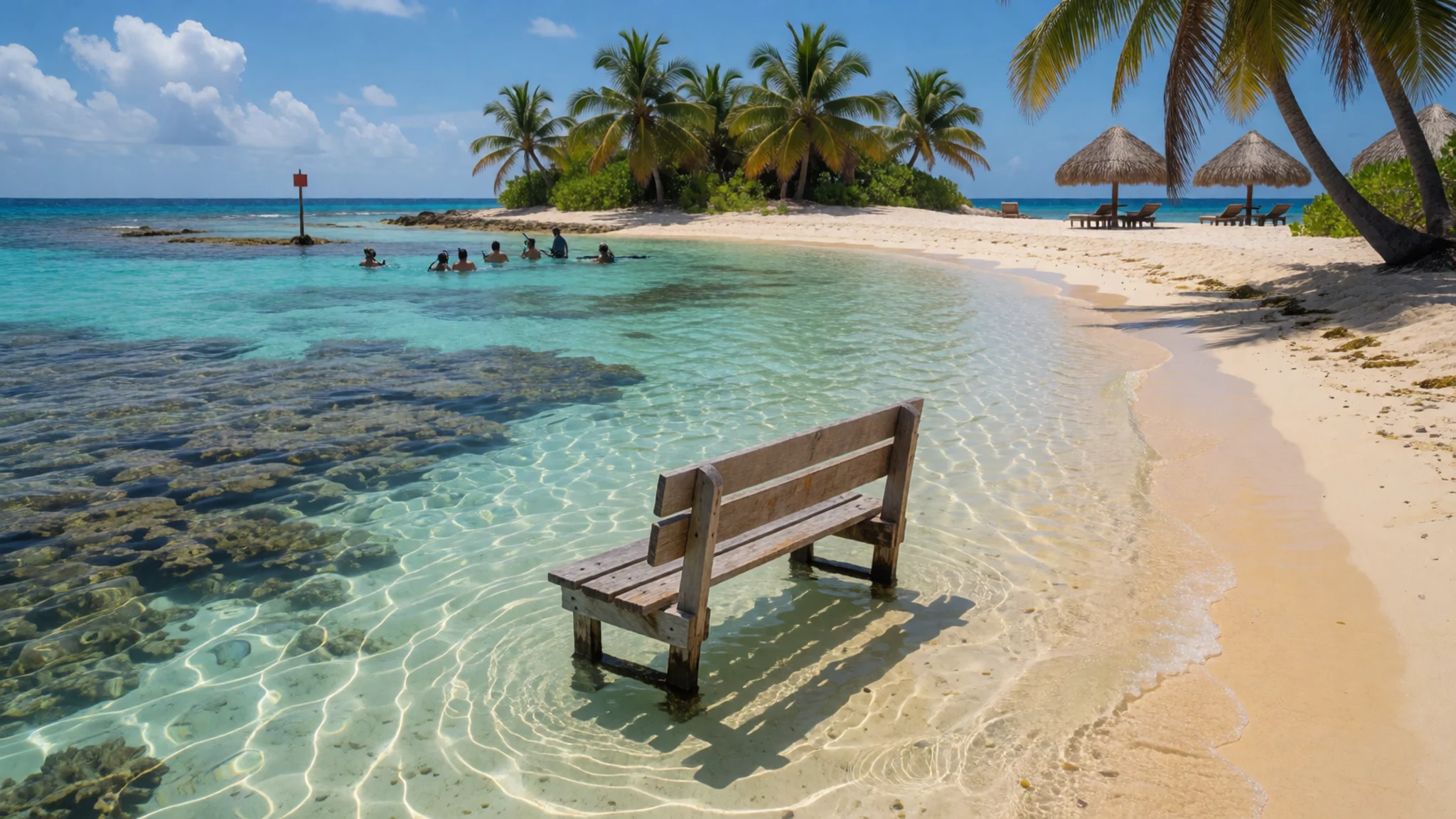
- Community dancing and festivals — Village gatherings across the comarca
Guna communities hold gatherings with music, dancing and traditional dress, and these events are sometimes open to visitors. The timing is set by the communities rather than by any calendar you can buy, so ask your host what is happening. Stand back unless invited, and do not treat the event as a stage for photography.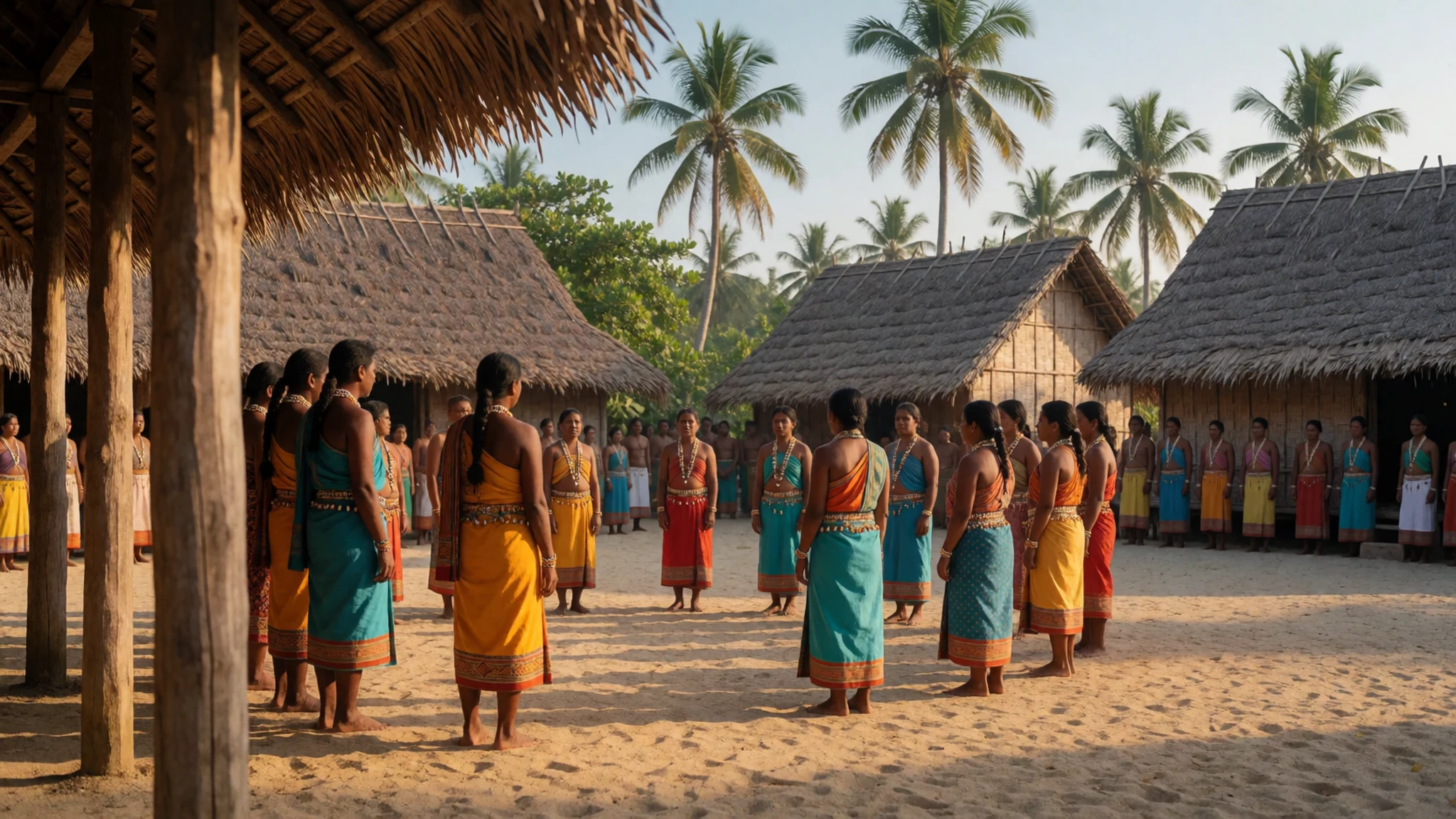
- The airstrip at Playón Chico — Playón Chico, on the mainland edge of the comarca
Playón Chico is the small airstrip that many visitors use to enter the region. Flights are short and the landing is part of the experience, with the sea close to the runway. Flights can be cancelled in strong wind, so leave a spare day at the end of your trip before any onward connection.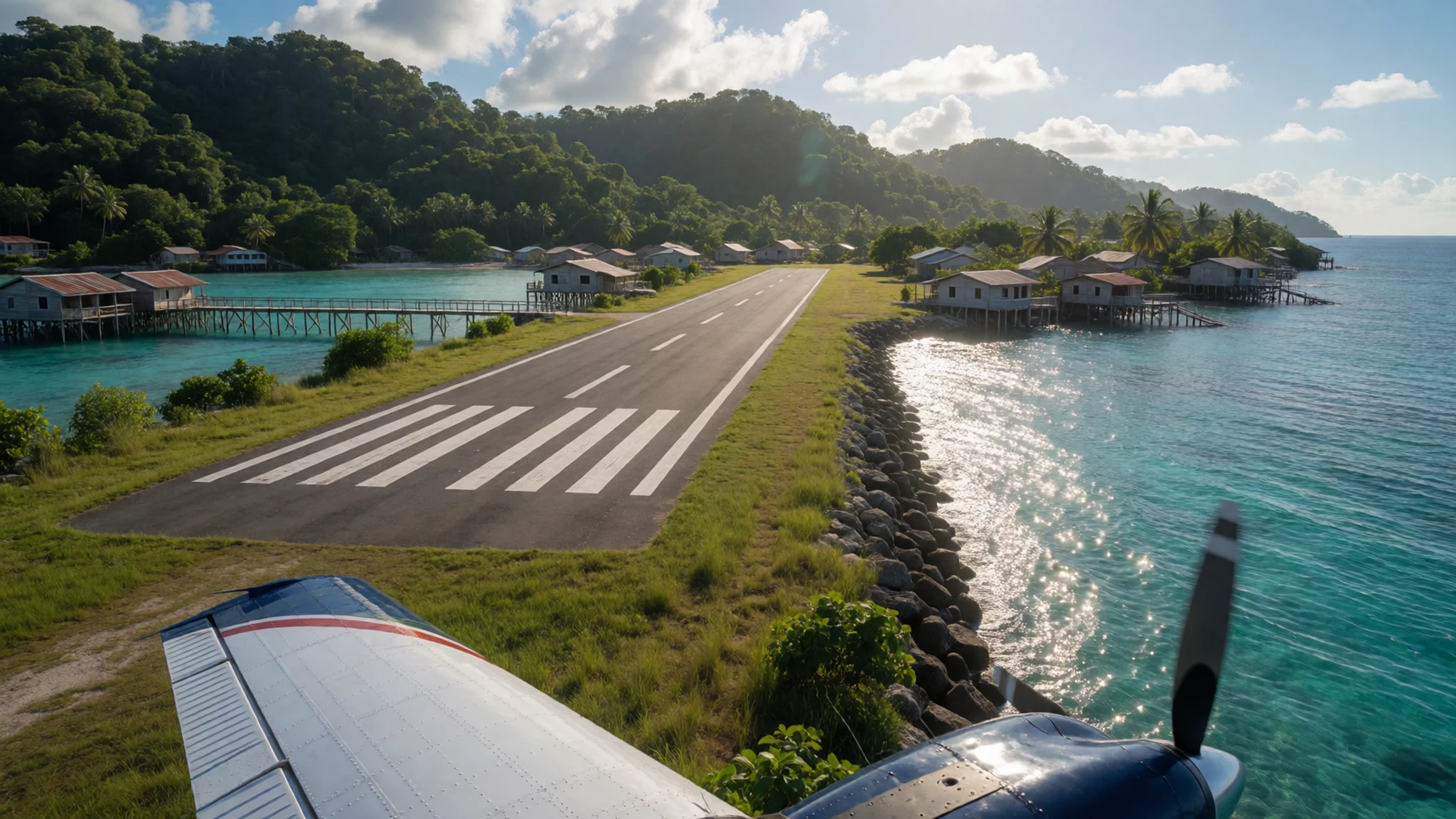
Culture
The Guna govern their own territory, and their customs shape daily life across the islands. Their traditional dress, the mola, is worn by women and reflects the community's identity, so treat it as part of a living culture rather than a costume. Respect for Indigenous culture is central here. If someone wears traditional clothing, do not point at them or photograph them without permission, and avoid the term 'Indian', which many people find offensive. Visitors who stay in villages should follow the community's rules on alcohol, noise and visiting hours, which are set locally and can be stricter than in Panama City. Speak directly but calmly, since the Guna, like many Panamanians, value courtesy over haste. Some villages ask for a fee or a donation to enter, and paying it is part of showing respect. Above all, ask before you photograph a person, a home or a ceremony, and accept a refusal without argument.
What to wear
The traditional dress of Guna women is built around the mola, a blouse made of several layers of cotton cloth. Artists cut through the top layers and stitch the edges so that the colours and patterns show through, a technique called reverse appliqué. Designs often draw on nature and daily life, and their lines carry community meaning. Molas are typically worn with a wrap skirt, beaded leg bands and necklaces, and the outfit signals the wearer's identity. Many Guna women still wear full traditional dress every day, especially on the islands, though younger people often mix it with jeans or simple tops. For visitors, the best approach is practical. The coast is hot and humid, so choose loose cotton or linen in light colours, and cover your shoulders and knees when you walk through villages. Swimwear is fine on the beach but should be covered when you leave it. Good footwear matters for the sand, the wet wooden jetties and the rocky reef edges, so bring sandals with a grip. A light layer helps on evening boat trips when the wind picks up.
What to eat
- Fresh fish and seafood — Simple eateries and cooking huts by the island jetties
The islands are surrounded by reef and open sea, so the day's catch is the most reliable food on offer. Fish is usually grilled whole or fried with simple seasoning and served with rice or plantain. Ask what came in that morning, and expect the menu to change with the weather and the boats.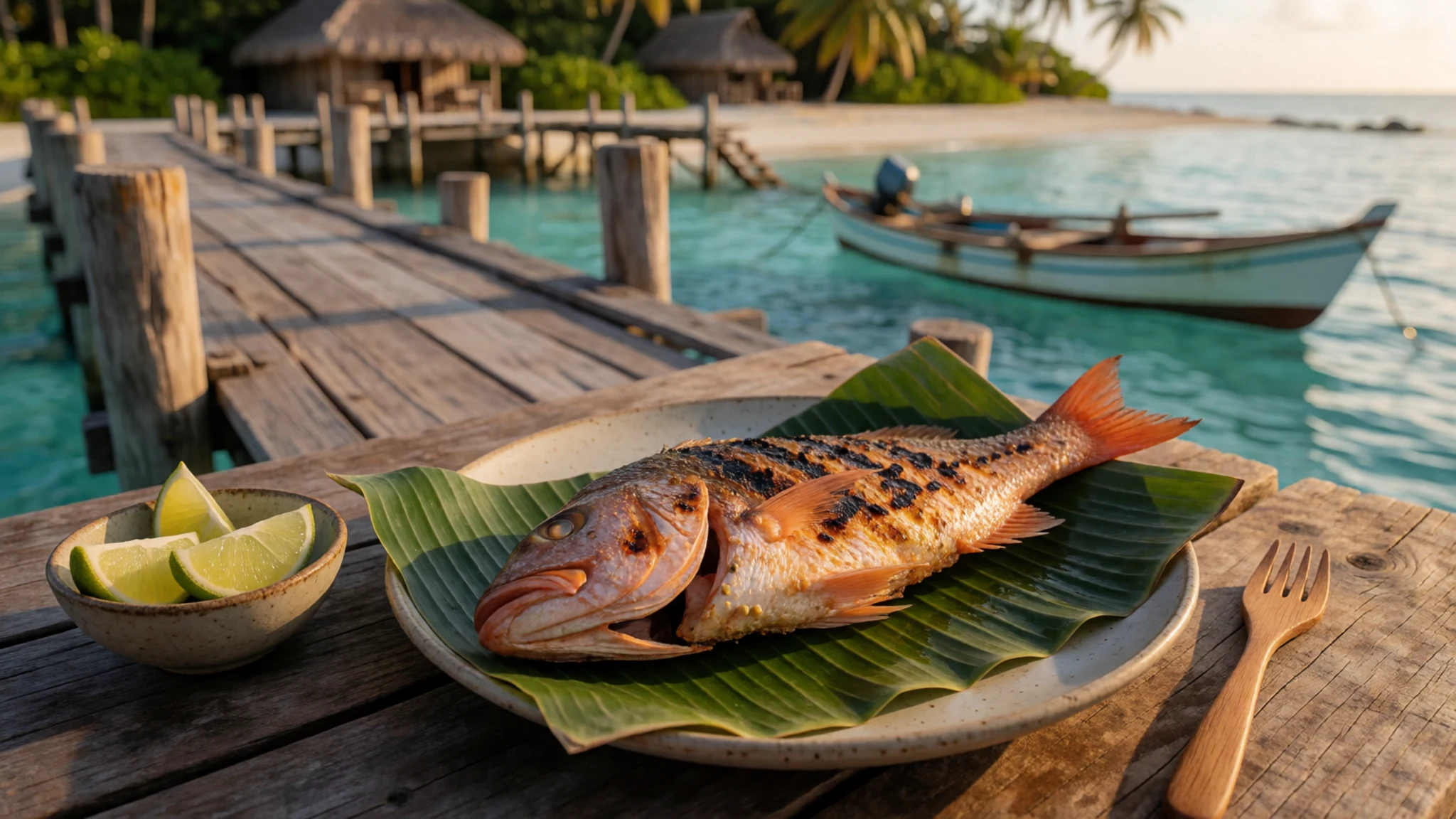
- Coconut rice and bread — Morning stalls and family kitchens on the islands
Coconut is central to Guna cooking and appears in rice, sweet dishes and bread. Coconut rice is often cooked with fish or served alongside it. Breakfast can include coconut bread or pastries, which are best eaten early when they are fresh.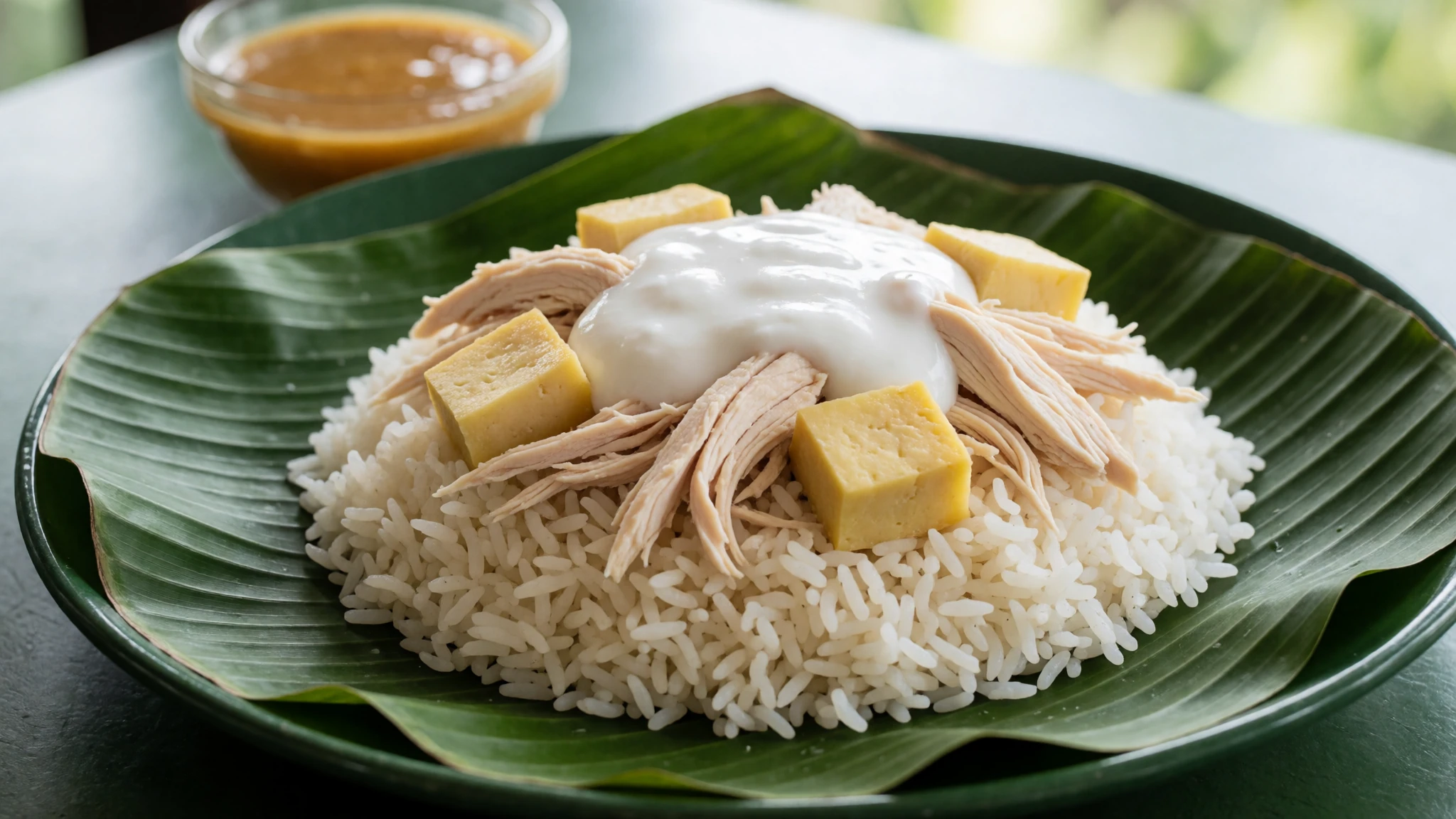
- Plantain dishes — Any small eatery, or the market on the mainland
Plantain is eaten fried, boiled or mashed, and it is a more common side here than beans. Fried ripe plantain, sometimes sweetened, makes an easy snack. It is cheap and filling, and you will see it on most plates across the region. - Beef and farm produce — Mainland markets and the larger eateries near the coast
Beef and fresh produce come from the mainland farms and are carried out to the islands by boat. Meat is more often served in larger villages or at mainland eateries than on the small islands. Fruit and vegetables are seasonal and can be limited, so eat what is local.
Plan it
Best time. December to April is the drier season, with the best sea conditions and the calmest boat trips, though the trade winds can be strong. May to November is wetter, with more rain and rougher seas, and boat travel can be disrupted.
How long. 3–4
Getting there. Fly from Panama City to Playón Chico airstrip on the mainland edge of the comarca, then take a boat to your island. Road access is limited, so boats are the usual final leg.
Budget. mid
Tips
- Book flights and island stays well ahead for the dry season
- Carry enough cash in small denominations, as cards are rarely accepted
- Bring water, sun protection and insect repellent
- Leave a spare day in case wind cancels flights or boat trips
- Confirm the price of any boat trip before setting off
Etiquette
- Ask before photographing any person, home or ceremony
- Dress modestly when walking through villages
- Follow local rules on alcohol, noise and visiting hours
Nearby
Sources
- Wikidata Q919017 (CC0)
- Wikipedia, Guna Yala (rev 1376350887) (CC BY-SA 4.0)
- Wikivoyage, Panama (rev 5403480) (CC BY-SA 4.0)
- Museo de la Nación Guna (1), P.sutermeister (CC BY-SA 4.0)
- Beach in Kuna Yala, Olosipu (Public domain)
- Isla Perro en la Comarca Guna Yala, Mónica J. Mora (CC BY 3.0)
- Tribal Gathering 2013 Kuna Yala dancing, Jeffreyray (CC BY 3.0)
- Aeropuerto de Playón Chico, Jose Jiménez (CC BY-SA 2.0)
- Atardecer en El Porvenir, Esteban Folch (CC BY-SA 4.0)
- Blusa Mola, Ferenc Schwetz / Världskulturmuseet (CC BY 2.5)
- Bote Madera Palma, TejadaH04 (CC BY-SA 4.0)


