Pearl Islands
Pearl Islands, Panama
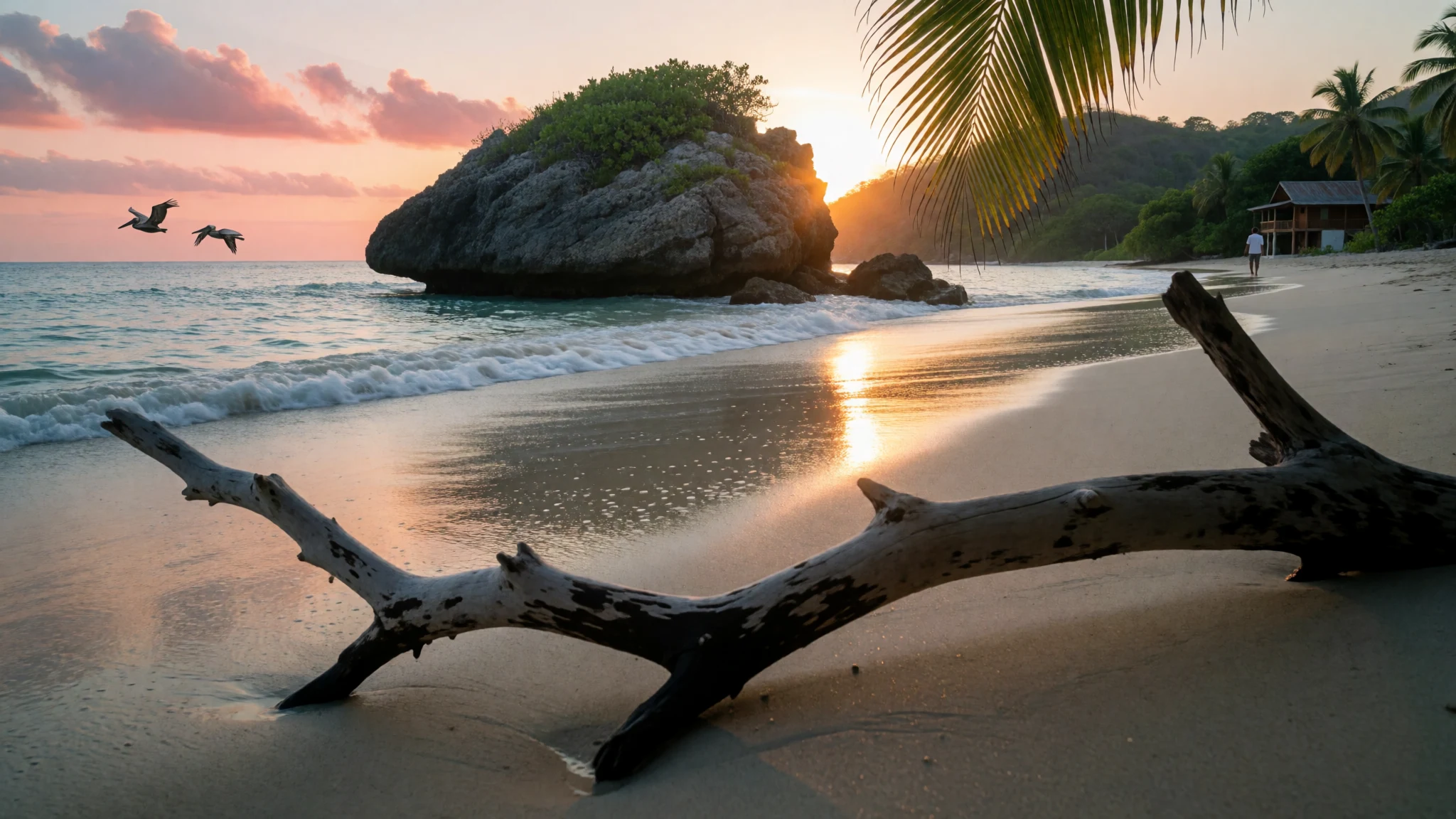
Pearl Islands, a scatter of Pacific islands off Panama, mix quiet beaches, pirate and pearl history, and fishing within easy reach of Panama City.
The place
The Pearl Islands are an archipelago of 200 or more islands and islets scattered across the Gulf of Panama, about 48 km off the country's Pacific coast. Many are tiny and uninhabited, little more than rock and scrub ringed by sand. A handful carry the villages and small resorts that make up nearly all the visitor scene. The facts record a population of about 4,500, so even the busiest island feels calm outside holiday weekends. Isla del Rey is the largest island and home to most of the archipelago's people, many of them descendants of Africans brought here in colonial times to work the pearl beds. Contadora is far smaller, but it is the island most visitors reach: it has the airstrip, the main beaches, holiday houses and a few places to eat and sleep. Beyond it, boats run to empty coves where the loudest sounds are surf and pelicans. The land is low and green, with a high point of about 206 m. The water is the real draw. Anglers come for sailfish, marlin, tuna and wahoo offshore, and for snapper and corvina near the bottom, while others snorkel, kayak or simply sit on a beach. Some honest caveats apply. This is the tropics, so the wet season brings heavy downpours and sticky heat. Weekends fill up with day-trippers and house-owners from Panama City. Nightlife and shopping are thin, supplies arrive by boat or plane, and island prices run above those on the mainland. The Pearl Islands suit people who want sea, shade and quiet rather than a list of sights.
Its story
The Pearl Islands rose from the sea as the plates beneath Central America pushed together, around the time the land bridge joining the two Americas formed about three million years ago. People lived here long before any European ship appeared. Pre-Columbian remains have turned up on Contadora and other islands, and Isla del Rey holds more than fifteen recognised archaeological sites tied to the Cueva and Coclé cultures. Everything changed in 1513, when the Spaniard Vasco Núñez de Balboa reached the group and named it for the pearls his men found. The island peoples and their leader Terarequí were gone within roughly two years. Violence by rogue Spanish bands, including the killing of local chiefs by Gaspar de Morales, was part of that collapse. The colonists still needed divers and labourers, so they brought enslaved Africans to the islands in the sixteenth century. Their descendants live here today, above all on Isla del Rey. Legend says Contadora, the Counting Island, was where pearls from across the region were tallied, registered and readied for the crossing of the isthmus and the voyage to Spain. A store of treasure like that drew pirates, who raided Spanish fleets and then came back to these islands to divide and hide their loot. After the pirate era the archipelago stayed relatively undisturbed until the later twentieth century, when resorts began to appear. In 1979 the exiled Shah of Iran took refuge in the resort buildings on Contadora, which gave this quiet island a brief place in world news.
What to see
- Isla Contadora — Contadora
Contadora is the usual first stop, with its airstrip, small beaches and a handful of places to stay. Walk the shoreline in the morning, swim or snorkel in the calm coves, and imagine the legend of pearls being counted here before shipment. Weekends are livelier than weekdays.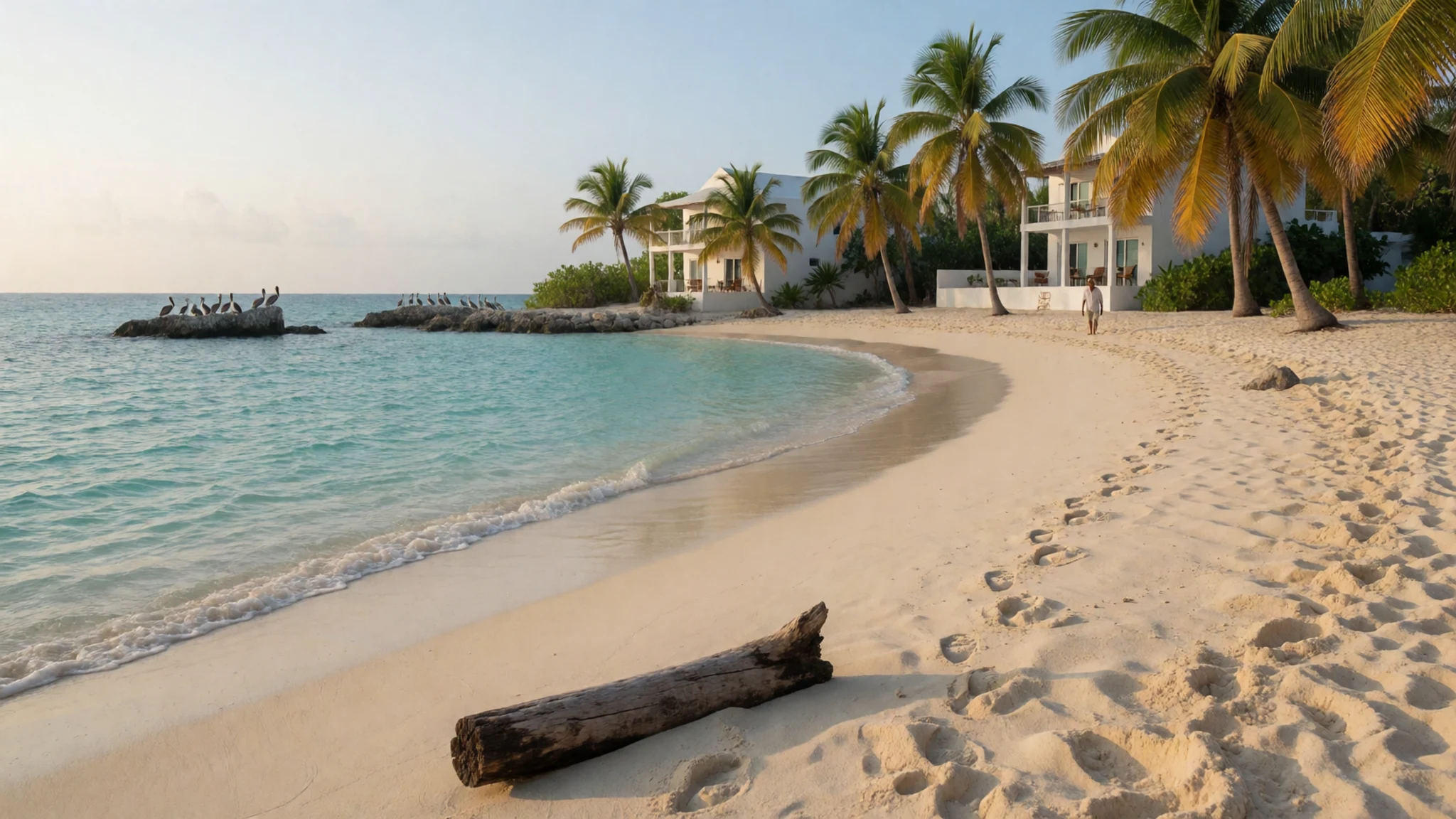
- Isla del Rey — Isla del Rey
The largest island in the group feels like a different place from Contadora: larger, greener and mostly residential. Afro-Panamanian villages sit along its coast, and archaeologists have recorded many pre-Columbian sites here. Go for the people and the scenery rather than resort comforts.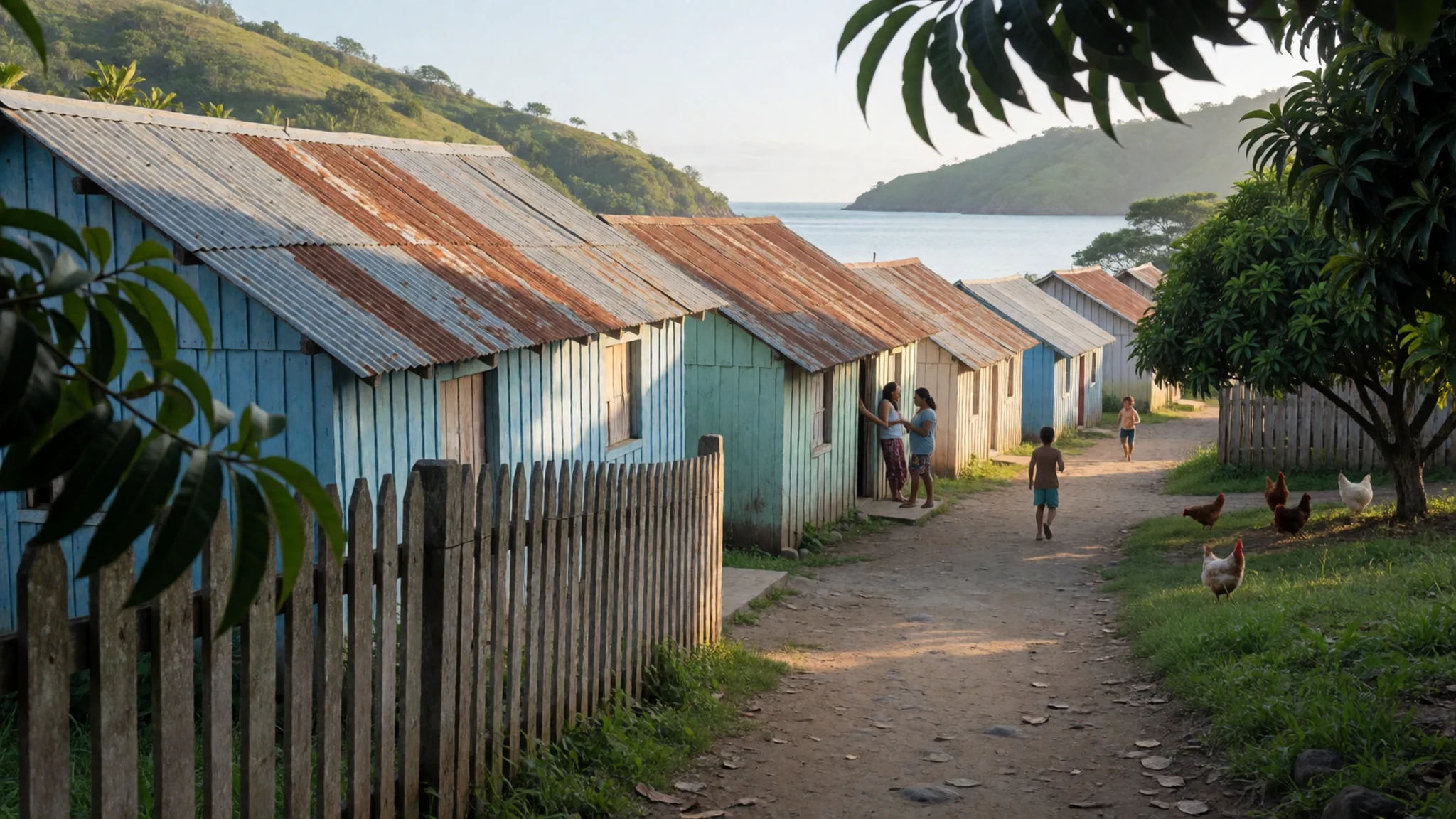
- San Miguel — Isla del Rey
San Miguel is a village on Isla del Rey, best met from the water, where boats pull up beside houses along the shore. It gives a plain, unpolished view of island life, with fishing boats, small shops and neighbours who know each other. Ask locally about boat trips.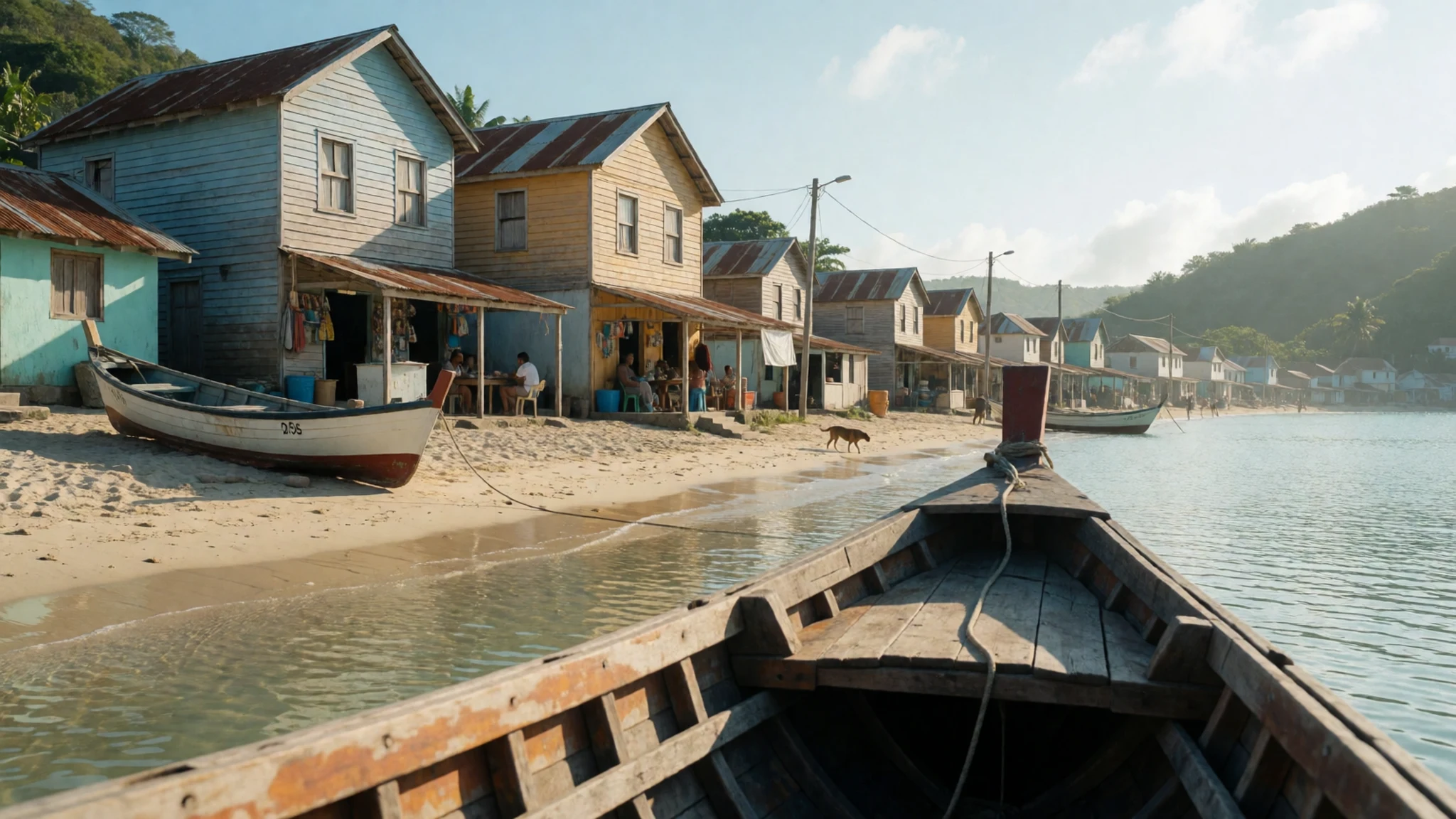
- Offshore fishing waters — Gulf of Panama, around the archipelago
The deeper water around the islands is the archipelago's best-known activity. Charter crews work the surface for sailfish, marlin, tuna and wahoo, and the bottom for snapper and corvina. Book through a reputable operator in Panama City or on Contadora, and ask about catch-and-release rules.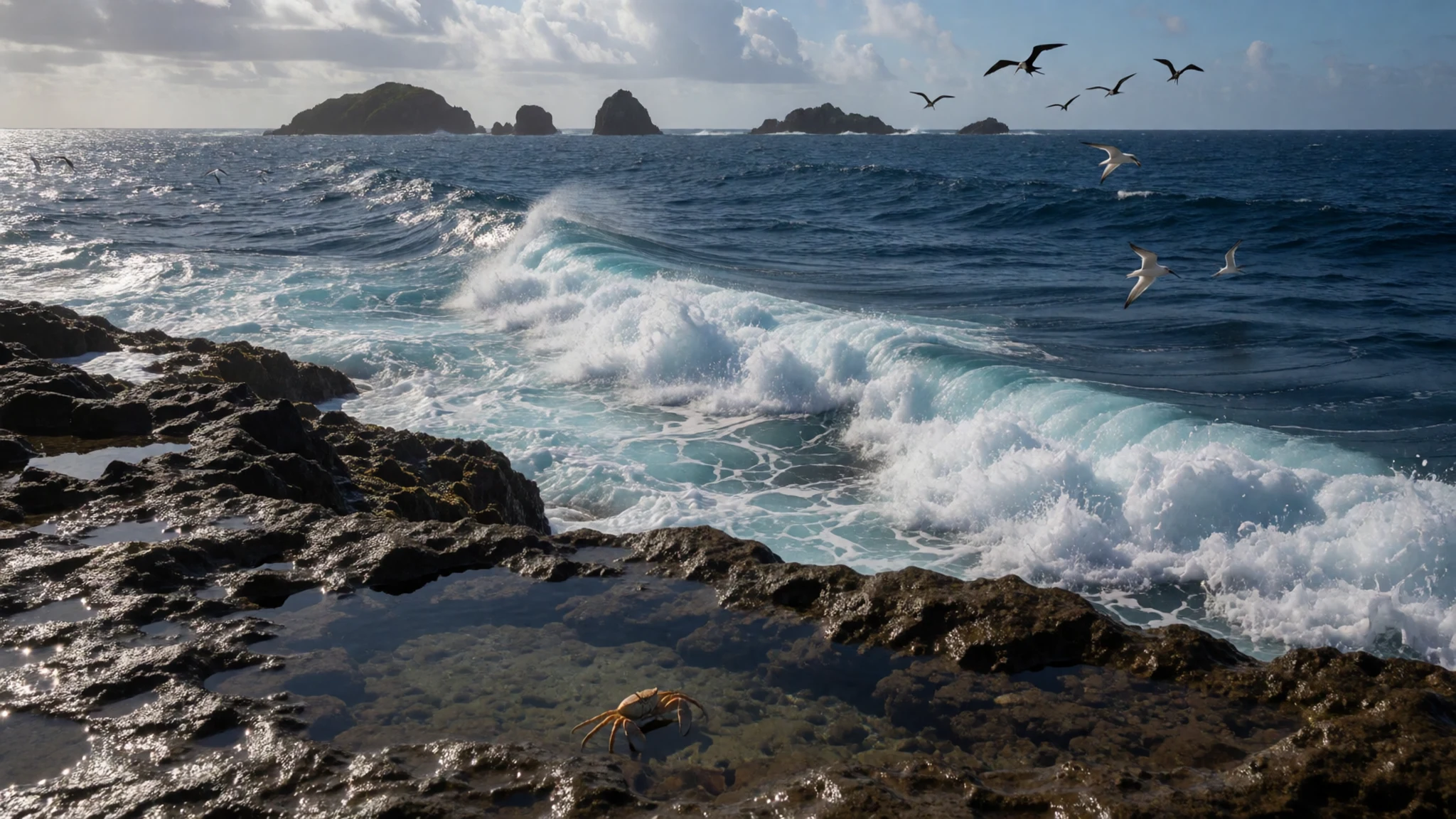
- Uninhabited coves by boat — Smaller islets across the archipelago
With 200 or more islands and islets, a hired boat can reach beaches with no buildings in sight. Agree the route, return time and any landing arrangements first. Take your own water, shade and rubbish bag, because nothing is provided on the smaller islands.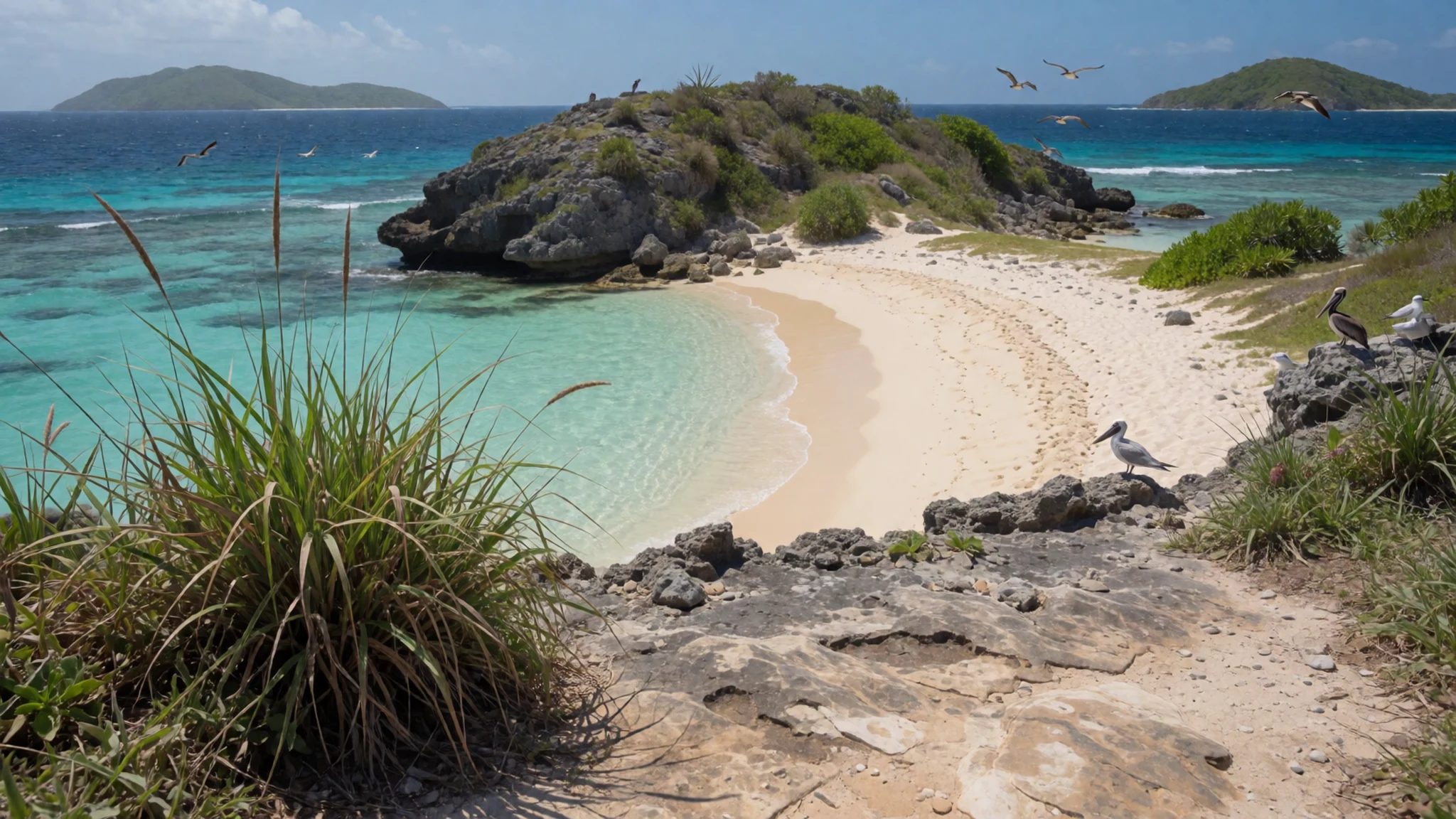
Culture
Pearl Islands culture is the culture of a small Spanish-speaking island community shaped by the sea. Fishing is a livelihood as well as a pastime, and boats are the road network. On Isla del Rey in particular, many families trace their roots to the Africans brought in the colonial era to harvest pearls, and that Afro-Panamanian heritage runs through local food, music and family life. The pre-Columbian peoples have left archaeological traces but no living community, and the islands' early history is remembered mostly through stories of Balboa, pearls and pirates. Contadora has a different feel, with holiday houses, resort buildings and weekend visitors from Panama City, so the archipelago holds two worlds side by side: a leisure island and working villages. Pace matters here. Shops and boat services may keep flexible hours, plans shift with weather and tides, and patience is expected. A greeting goes a long way, and even a few words of Spanish are noticed and appreciated. Religion is a quiet part of daily life rather than something on display, and village churches are modest. Visitors who spend money in local shops, eat at small local eateries and hire local boatmen add something real to communities that have few other sources of income. Greet people with a friendly "buenos días" and ask permission before photographing villagers, their homes or their boats.
What to wear
The Pearl Islands have no single traditional costume of their own. Panama's best-known national dress, the pollera, is a long, layered, embroidered gown worn by women on festival days and at parades, and it may appear at celebrations here as it does across the country. Everyday island dress is plain and practical: lightweight cotton shirts, shorts or loose trousers, sun hats and rubber sandals or bare feet, suited to heat, salt and boats. Fishermen wear long sleeves and caps against the sun, and on Isla del Rey you will see simple, worn work clothes more than anything decorative. On Contadora, weekenders from Panama City dress in beachwear, linen and sundresses, with a more polished look in the evening, though nothing formal is expected. Visitors should pack for strong sun and hot, damp air: breathable cotton or quick-dry fabrics, a wide-brimmed hat, sunglasses, reef-safe sunscreen and a light rain jacket for the wet season. Bring water shoes or sturdy sandals for rocky coves and boat landings, plus one dry set of clothes in a waterproof bag. In villages and shops, cover swimwear with a shirt or wrap, as people there dress modestly away from the beach. Keep any jewellery simple, because salt water and small boats are hard on it.
What to eat
- Ceviche — Seaside eateries on Contadora and village kitchens on Isla del Rey
Raw fish or seafood cured in lime juice with onion, chilli and coriander is a staple of the Panamanian coast. On the islands it is made from the day's catch, so ask what came in that morning. Eat it soon after it is made.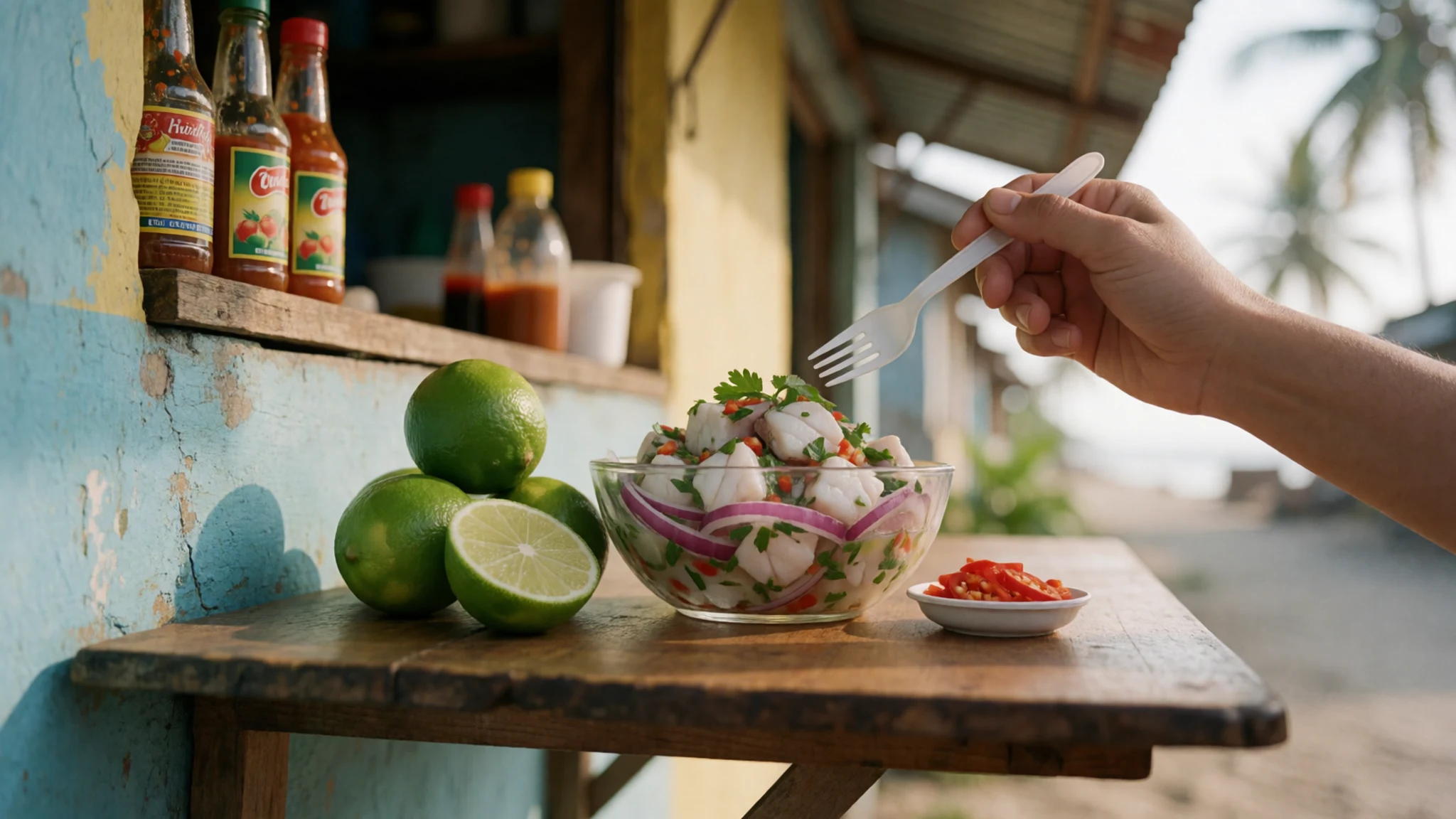
- Pargo frito — Beachside restaurants and small family eateries near the landing points
Whole fried red snapper, crisp outside and soft within, is the classic island plate. It usually arrives with rice and fried plantain, and you pick the flesh from the bone with your fingers. A simple dish that depends on very fresh fish.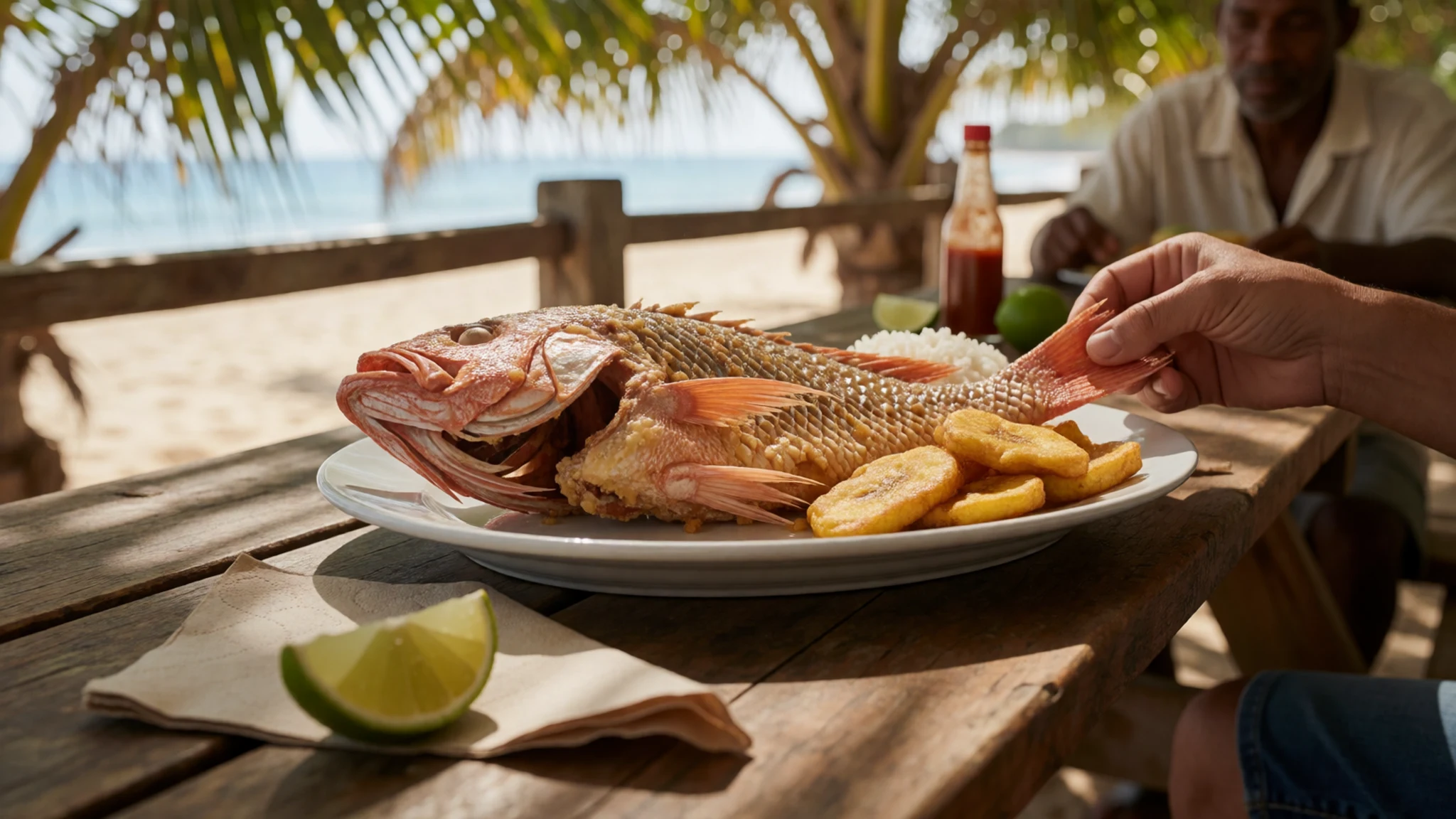
- Patacones — Almost any local eatery or roadside stall in the islands
Green plantain is sliced, fried, pressed flat and fried again, then salted and served as a side or snack. They are crunchy, filling and good with fish or a squeeze of lime. You will find them with almost every meal. - Arroz con coco — Village kitchens on Isla del Rey and family-run places on the larger islands
Rice cooked in coconut milk is a favourite in coastal and Afro-Panamanian kitchens, sometimes with a little sweetness or seafood mixed through. It makes a gentle, fragrant partner for grilled fish and is worth asking about in village homes and eateries. - Sancocho — Local eateries and family tables, usually at lunchtime
This is a comforting chicken and root-vegetable soup with yuca, yam and coriander, considered a national comfort dish across Panama. It is hot, savoury and eaten at any time of day. Islanders often serve it for lunch or when someone is unwell.
Plan it
Best time. January–April is the dry season, with more sun, calmer seas and easier boat trips. May to November is wetter, with frequent heavy showers and humid heat, though it is greener and quieter. December is also a good time but busy around holidays.
How long. 2–3
Getting there. Fly to Tocumen International Airport in Panama City, then take a short flight from the city to the airstrip on Contadora, or travel by boat from the Panama City coast. A ferry from the causeway near Panama City has run in the past, so check current operators and schedules before you plan around it. Last-leg transfers on small boats are arranged locally.
Budget. mid
Tips
- Book flights or boats and rooms ahead for weekends and public holidays, when Panama City visitors fill the main island
- Check the official Panama tourism site or the operator for current schedules, fees and luggage limits rather than relying on old figures
- Carry cash, as cards may not work in small shops, villages and for boatmen
- Bring sun protection, drinking water and insect repellent, and cover phones and cameras against spray
- Go in the morning for calmer seas and cooler hours, and keep a flexible day in case weather delays boats or flights
Etiquette
- Greet people and ask before photographing villagers, homes or boats
- Take all rubbish back with you from beaches and coves, and do not touch or remove coral or shells
- Agree prices and routes with boatmen before setting out
Nearby
Sources
- Wikidata Q1142129 (CC0)
- Wikipedia: Pearl Islands (rev 1322061057) (CC BY-SA 4.0)
- Wikivoyage: Pearl Islands (rev 5217474) (CC BY-SA 4.0)
- Photo: San Miguel (1), Ken Erickson (Public domain)
- Photo: 1949 map of the Pearl Islands, US Army Map Service (Public domain)
- Photo: Page 075 of Le Canal de Panama (1866) (Public domain)
- Photo: Ensenada Playa Grande, Golfo de Panamá, Murray Foubister (CC BY-SA 2.0)
- Photo: Carta de navegar de las Islas del Rey o de las Perlas, Tomás López de Vargas Machuca (Public domain)
- Photo: Contadora (150229863), Dronepicr (CC BY 3.0)
- Photo: Contadora Perleninseln (150229857), Dronepicr (CC BY 3.0)
- Photo: Aeroperlas departing Contadora, Bernal Saborio (CC BY-SA 2.0)


Wildlife
- Brown pelican (animal)
Look for a pelican dressed for the season: in breeding plumage its head is white with a yellowish wash and its neck dark maroon-brown, while outside that time head and neck turn white. It feeds by diving into the water. In the Pearl Islands, boats reach empty coves where pelicans share the soundscape with the surf. Keep your distance, stay quiet, go with a guide, and never offer food. The notes give no month or hour.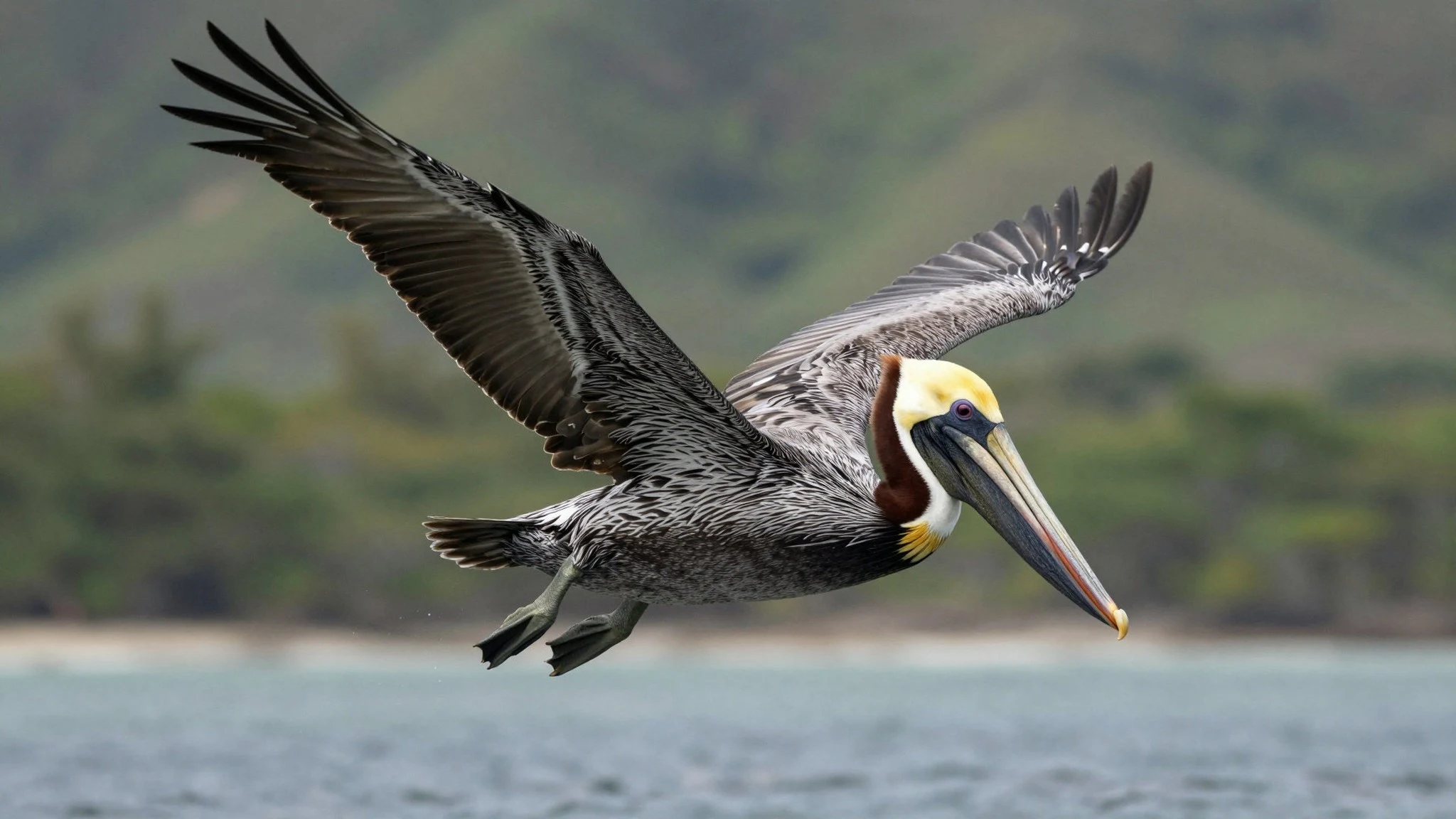
- Brown pelican (bird)
Look for a pelican dressed for the season: in breeding plumage its head is white with a yellowish wash and its neck dark maroon-brown, while outside that time head and neck turn white. It feeds by diving into the water. In the Pearl Islands, boats reach empty coves where pelicans share the soundscape with the surf. Keep your distance, stay quiet, go with a guide, and never offer food. The notes give no month or hour. - Sailfish (animal)
The sailfish is a sea fish with a spear for a nose and a great sail on its back. Around the Pearl Islands it lives offshore, where anglers come hoping to meet it. It hunts with its sharp bill, chasing fast fish such as tuna and mackerel. The notes give no season or time of day. To watch it well, go out with a local guide, keep a calm distance, stay quiet, and never feed it.