Darién National Park
Darién National Park, Panama
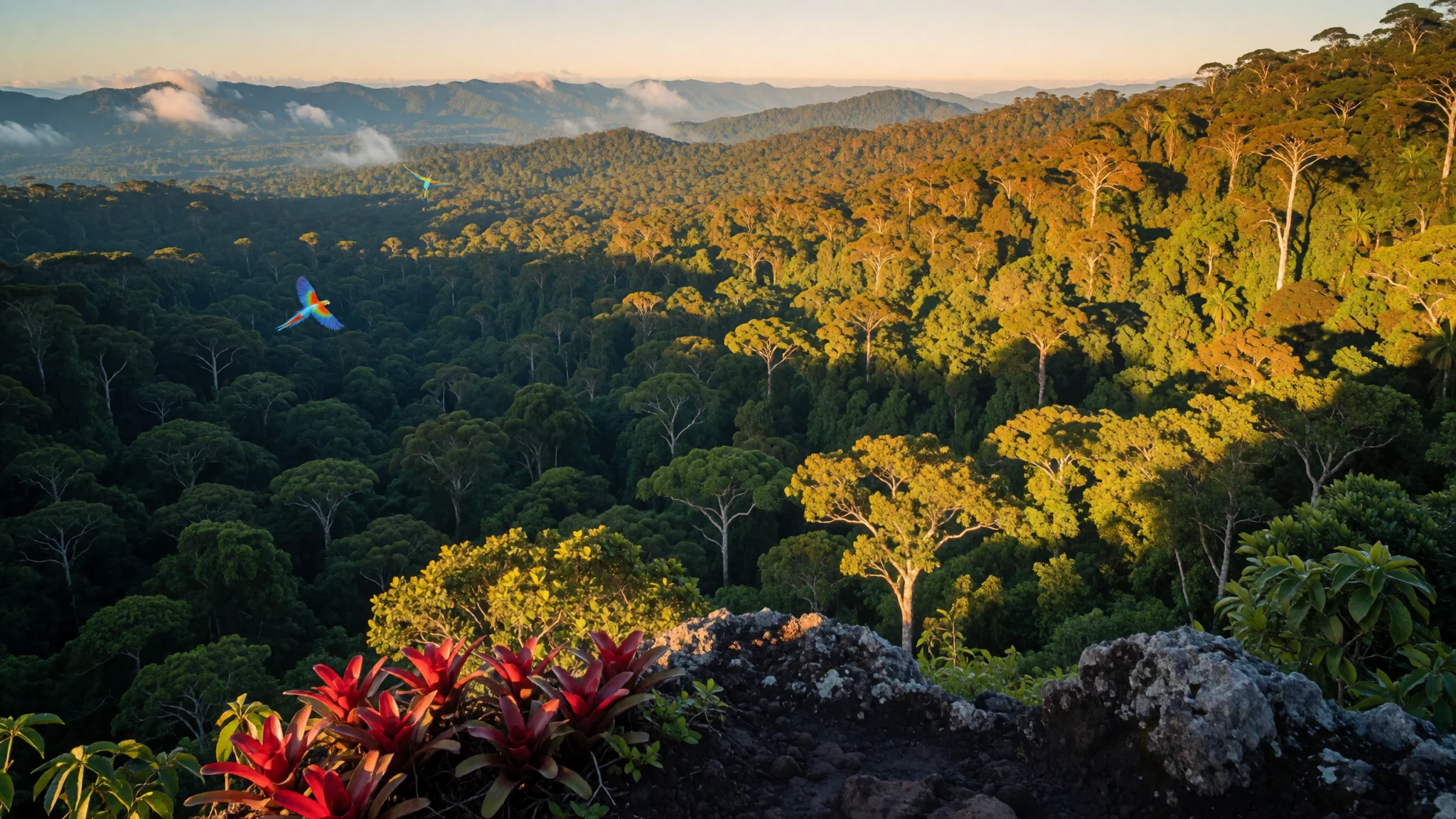
Darién National Park is where geography turns into a rainforest wall, with huge ecosystems and wildlife that still feel hard to reach.
The place
Darién National Park (Parque Nacional Darién) sits in southern Panama, in the Darién province, and forms a natural link between North and South America. It runs alongside the Colombia–Panama border, set between the Serranía del Darién range to the north-east and the Pacific coast to the south. Its remoteness is the whole point: the park’s ecosystems are preserved not by fences, but by the difficulty of getting there.
The landscape is a mix of tropical rainforest, mangroves, beaches and mountain country, with different ecosystems shaped by elevation and exposure. The park was established in 1980, and it later gained UNESCO recognition. The surrounding region is sometimes described as the Darién Gap, a thick belt of jungle that forms a break in the Pan-American Highway between Panama and Colombia.
This isn’t a place for “quick sights”. Most travel experiences revolve around reaching the entry towns, hiring local support and moving in stages—often with river transport—so you can actually get into the protected interior. Indigenous communities such as Emberá and Wounaan live in the wider area and maintain cultural connections to the land, which shapes how visits are organised.
Expect humidity and a strong need for practical preparation. What you gain is an environment that still feels wild and comparatively untouched, even if bird calls and river sounds are the only “timeline” you get.
Its story
Darién National Park has a reputation that’s earned: it’s remote, logistically complex and not something most travellers casually “fit in”. The park’s setting is part of why. It lies across the southern edge of Panama, with its boundary extending along most of the Colombia–Panama border, and it sits between mountain terrain and the coast. That natural position makes it more than scenic wilderness—it’s a biogeographical hinge, a dense jungle corridor between continents.
The park’s official dates add a sense of how long it has been protected. In 1980, the area was set up as a national park, and later it gained additional international recognition. But protection here isn’t about visitor numbers; it’s about access. The road network stops far short, and reaching the park typically involves moving from Panama City towards the end of the northern Pan-American Highway route, then continuing by air and river or by multi-stage travel supported by local guides.
Culturally, Darién is not blank. Indigenous communities in the wider region have longstanding connections with the forest, and visits often involve cultural ecotourism, craft learning or shared knowledge connected to local environments. Wildlife encounters are possible, but the most reliable “sight” is the scale of the ecosystem itself: rainforest layers, mangrove edges and the constant presence of insects and birds.
If the goal is comfort or easy logistics, Darién will disappoint. If the goal is a deep, grounded encounter with wilderness—on a schedule that prioritises safety, guides and preparation—it’s one of the experiences that stays with people.
What to see
- Untouched rainforest trekking — Interior rainforest zones
Darién National Park is about rainforest at full density: guided jungle treks through thick vegetation, with slow navigation and frequent stops for terrain and wildlife checks. Routes depend on conditions and local planning.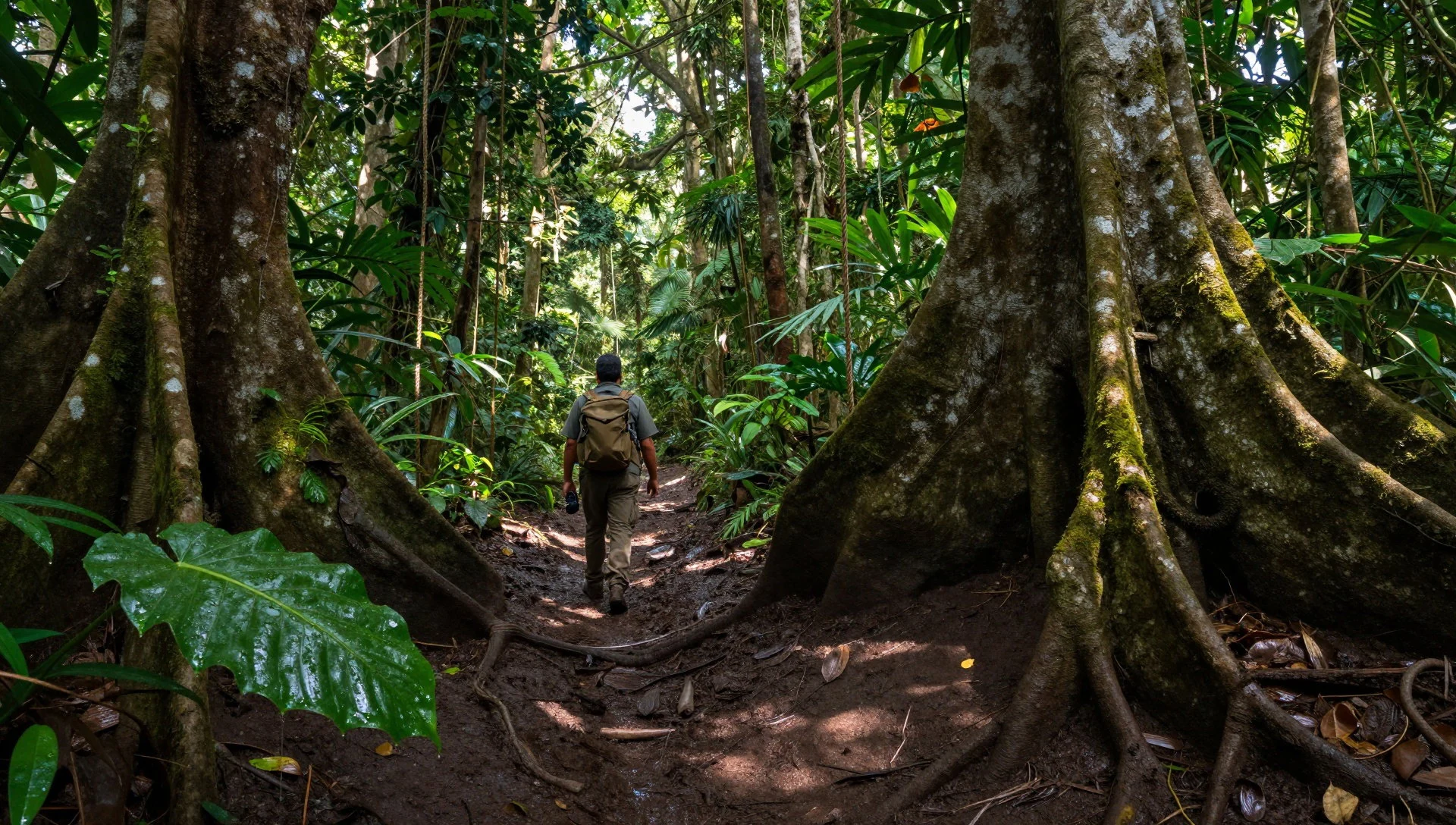
- Wildlife and canopy birds — Forest canopy and shaded clearings
Wildlife viewing in Darién tends to be patient and opportunistic. Birdwatching can focus on movement and calls rather than instant sightings, with canopy species often seen from strategic pauses during guided walks.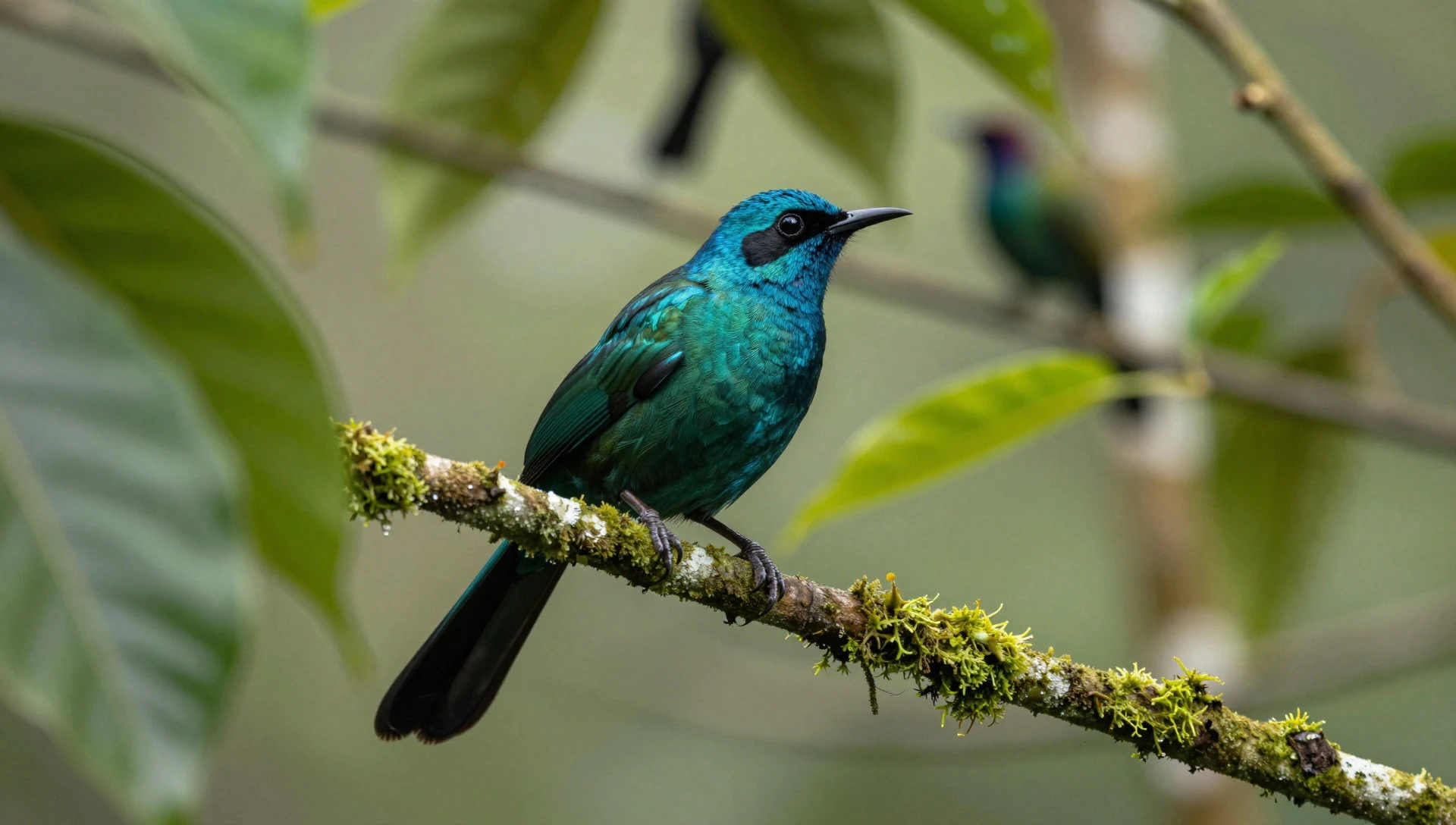
- Mangroves and coastal edges — Coastal and river-connected mangrove areas
Mangroves and coastal ecosystems add a different rhythm: quieter water channels, shoreline plants and the chance to see animals adapted to brackish habitats. You’ll often approach these areas via river transport with local guidance.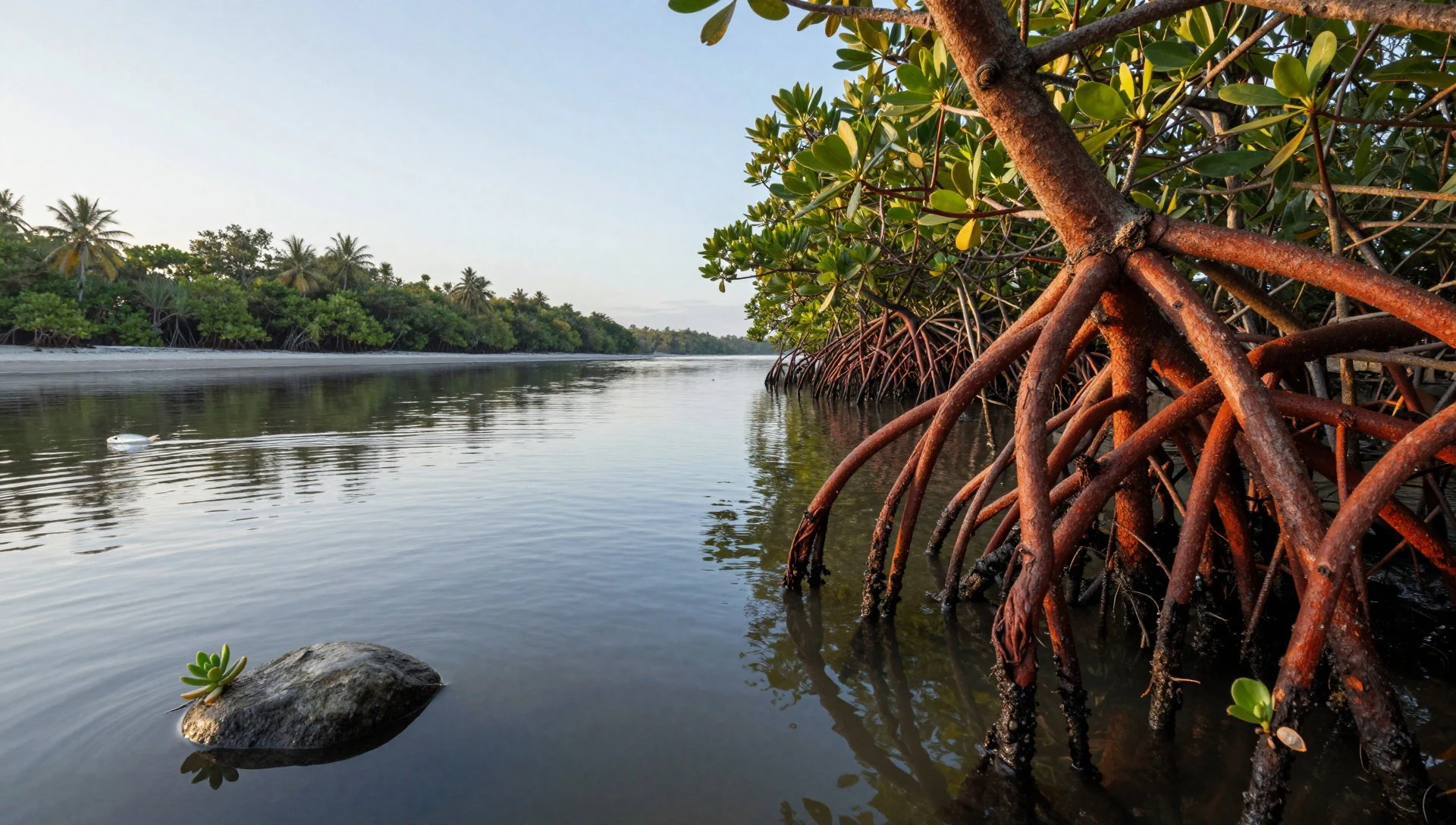
- Indigenous village cultural visits — Indigenous community areas around the park
Cultural visits with Emberá and Wounaan communities can focus on local knowledge, traditional medicine, crafts and shared routines linked to the environment. These are generally organised through community-linked tours rather than independent wandering.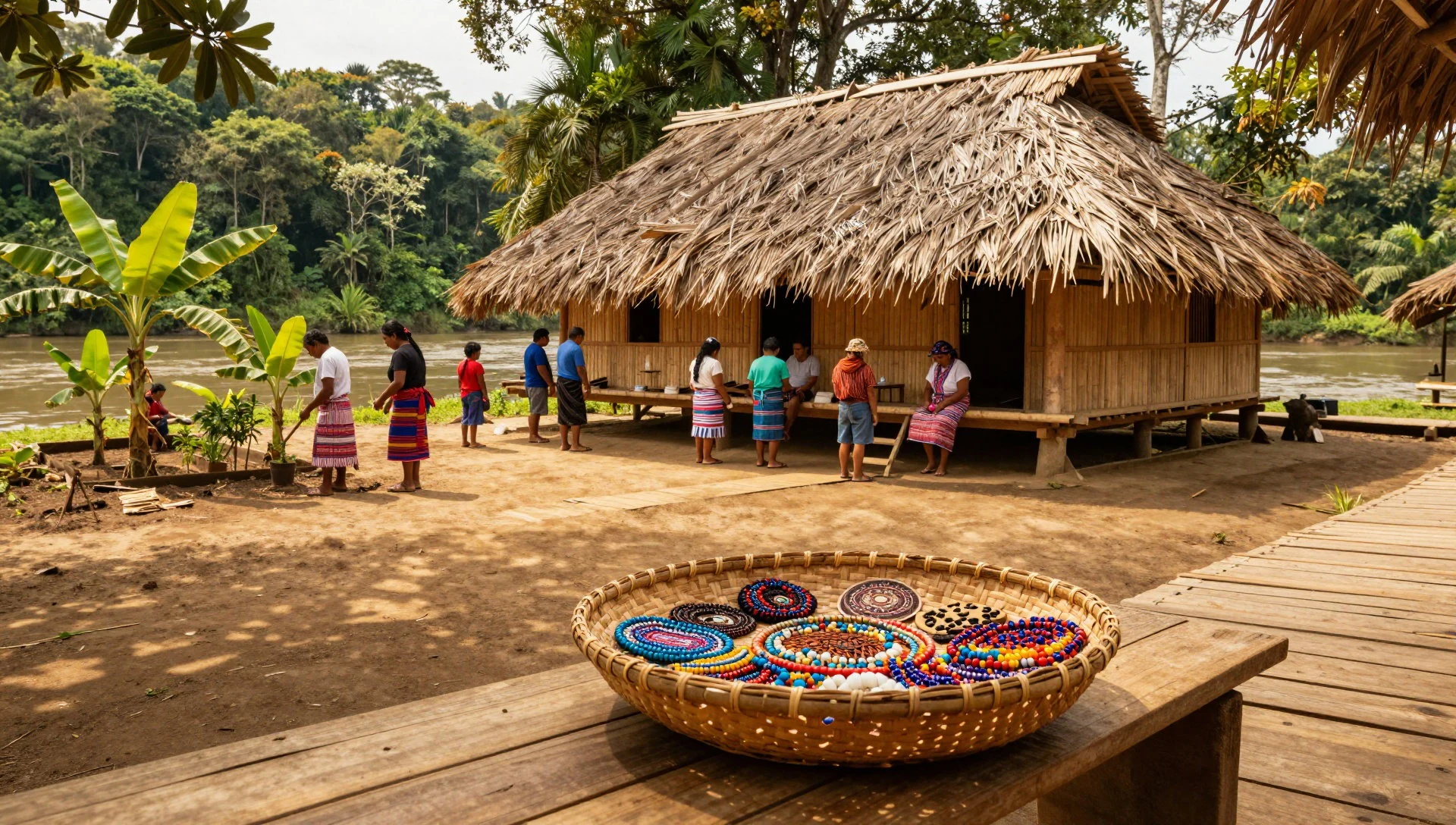
- Darién Mountains viewpoints — Serranía del Darién mountain sections
In the Darién Mountains, viewpoints come from guided routes that follow the logic of the terrain. Expect steep, humid conditions and short observation windows, where the payoff is wide forest cover stretching across ridges.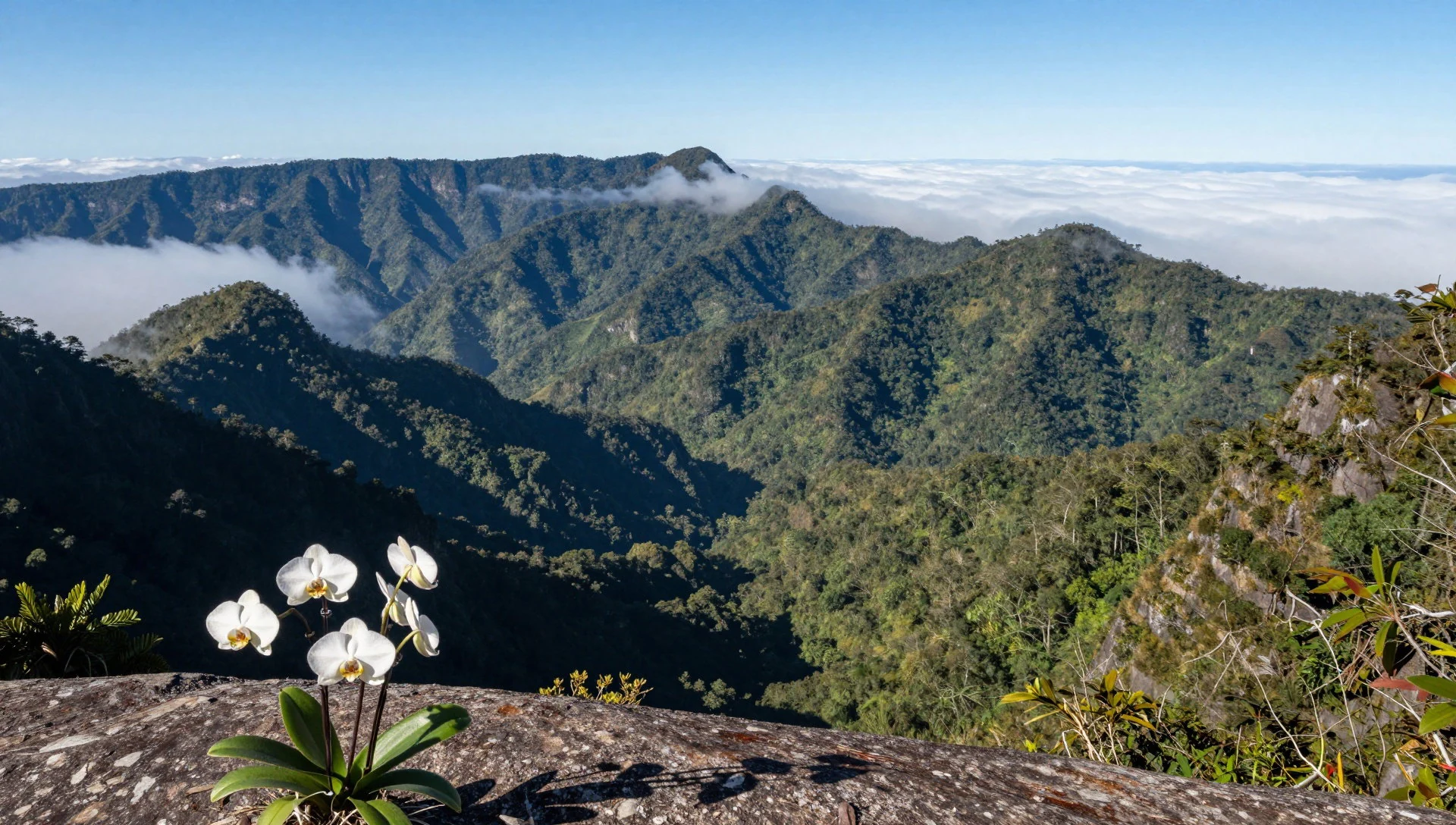
Culture
Darién National Park sits in a region where the forest is not just “the backdrop”. Indigenous communities such as Emberá and Wounaan have maintained traditions, languages and day-to-day connections to the environment, and visits are often framed as cultural ecotourism rather than sightseeing alone. That matters because it changes how journeys are planned: cultural experiences are typically organised with local agencies or community-linked partners, and they expect respect for routines and shared knowledge.
Good cultural travel here is less about collecting photos and more about listening and asking thoughtful questions—especially when learning about practical matters like traditional medicine or craft processes. If an activity involves village spaces, river areas or seasonal work, it’s best treated as part of the community’s tempo, not a staged performance for outsiders.
Because the park is remote and infrastructure is limited, cultural visits can also feel like logistical anchors: they may determine when you rest, how you move and what you need to carry. The flip side of that intimacy is responsibility—show up prepared, keep your expectations realistic, and follow whatever guidance your hosts give about safety, routes and photography.
Visitor etiquette: ask before photographing people, keep voices low in shared spaces, and follow your guide’s instructions around sacred or private areas.
What to wear
In and around Darién National Park, clothes are about heat management, insect protection and practicality, not fashion. The traditional textiles of Emberá and Wounaan communities are often woven and made into clothing that reflects cultural identity; visitors may see crafted pieces during village visits, and these are best appreciated as part of everyday tradition rather than “costume”. Many garments are lightweight and suited to warm conditions, but the exact styles vary by community and context.
Today, most practical clothing for the region is simple: breathable shirts, long trousers or leggings to reduce insect bites, and a comfortable hat. Footwear matters. Expect wet ground, muddy patches and river-side approaches, so sturdy shoes or boots with good grip help more than sandals.
For visitors, the main packing checklist is: long-sleeved, quick-drying layers; a rain-ready outer layer; a hat; and clothing that covers skin during guided treks. If the plan includes mangroves and coastal edges, bring items that can dry quickly. For village visits, modesty is a good default—avoid very revealing outfits and be prepared to dress down or up depending on what the hosts suggest.
Colour isn’t the biggest issue here; fabric and coverage are.
What to eat
- Traditional Emberá-style meal — Community or village-linked visits
Traditional Emberá meals are often centred on boiled plantain, roasted fish and seasonal tropical fruits. These are usually shared through community-linked tours rather than found as standard restaurant fare.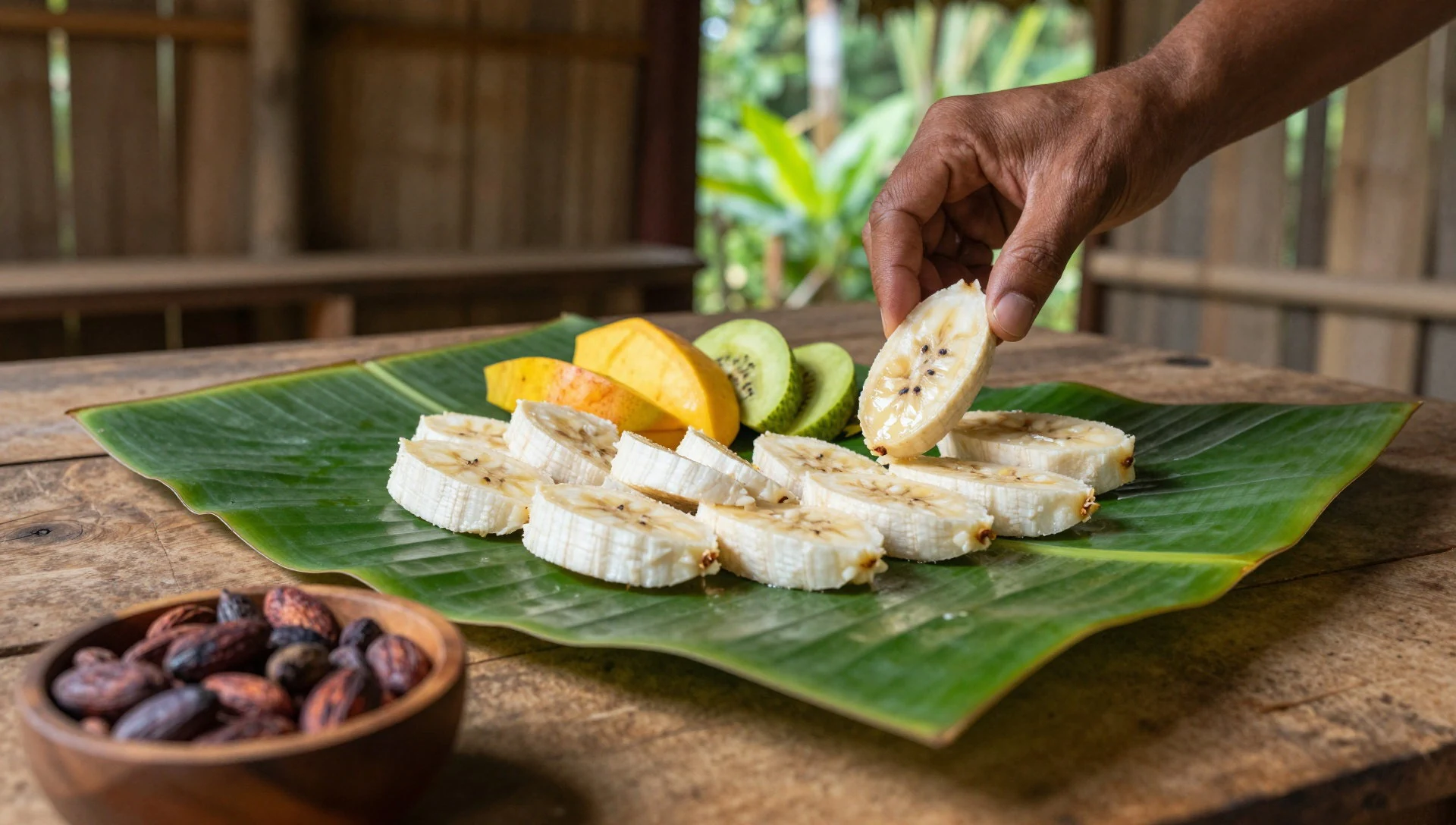
- Roasted fish with local sides — Guided tour cook-ups and local supply points
Roasted fish commonly shows up with local, fruit-and-starch sides depending on what’s available. In Darién, food options are limited, so plans are typically based around what tour partners can source safely and reliably.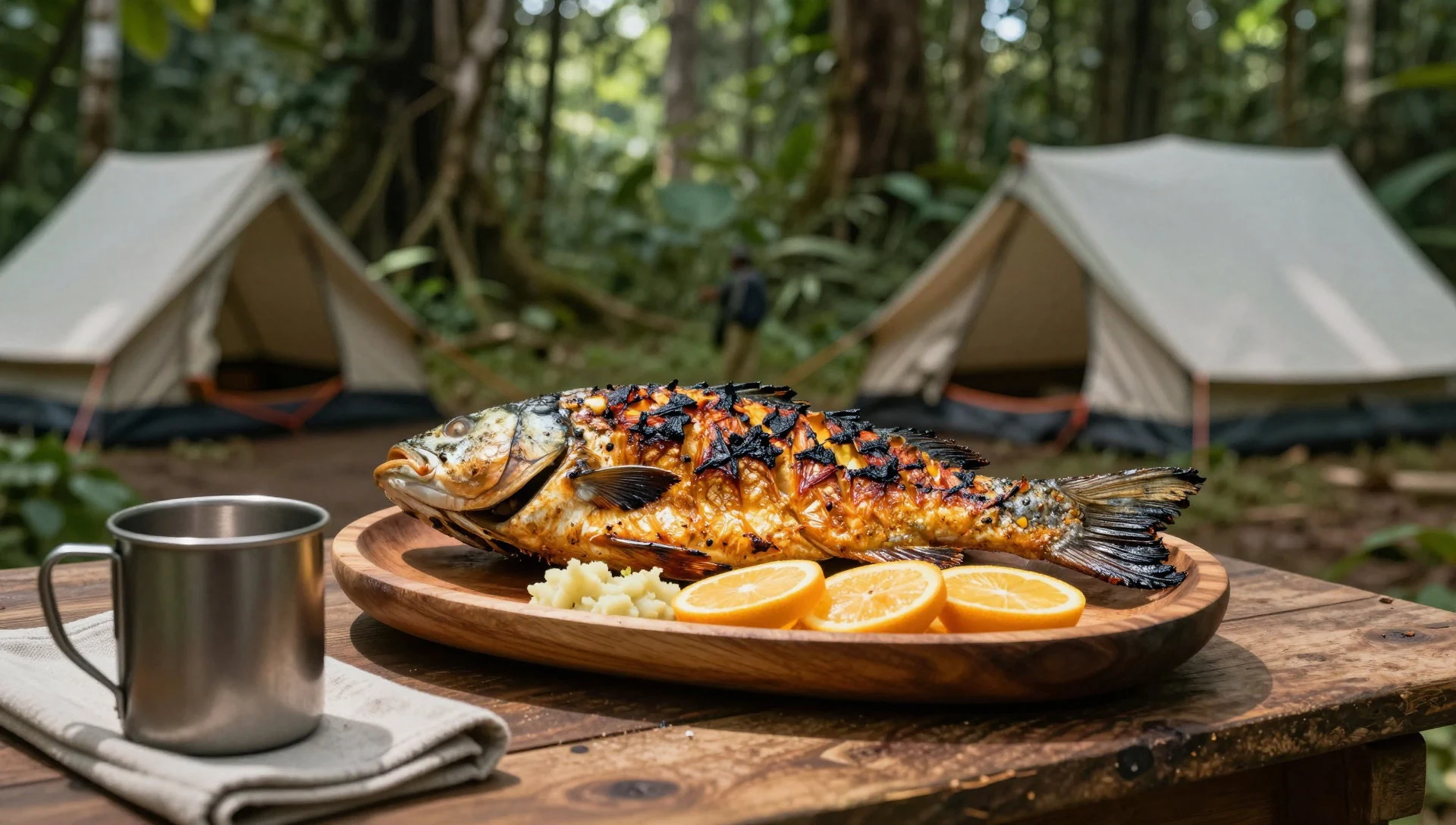
- Tropical fruits — Community markets and tour provisioning
Tropical fruit is an everyday part of meals in the region, and it can also appear as simple snacks during travel days. Bring any dietary extras you need, because options can be constrained away from towns. - Local coffee or cocoa — Rest stops and community-run hospitality
Local coffee or cocoa may be offered as a warm drink during rest breaks or after meals through community contacts. It’s worth asking what’s available through your guides, since supplies can vary. - Non-perishable supply snacks — Along the journey from entry towns to the park
Food options are limited, so carrying non-perishable supplies is practical. Snacks that travel well help cover long travel stretches, and they’re a sensible backup when meal timing or availability shifts.
Plan it
Best time. The most comfortable time is usually February and March: they combine the lowest rainfall with moderate temperatures. April, May and October–November are much wetter, and the heaviest rain can mean higher river levels and wetter ground.
How long. 3–4
Getting there. Start by travelling from Panama City to the entry point town of Yaviza, then continue via local arrangements that may involve air to El Real or La Palma followed by river transport with guides, depending on the season and your itinerary.
Budget. high
Tips
- Book through operators or guides that regularly work this route; on-the-ground conditions can change.
- Plan for staged travel: the journey is often the hardest part, not just the days inside the park.
- Pack a complete first aid kit and insect repellent before leaving town.
- Bring treated or purified water systems, since reliable safe water shouldn’t be assumed.
- Keep basic night gear (such as a flashlight) because accommodation can be rustic.
Etiquette
- Avoid areas close to the Colombia–Panama border due to security concerns.
- Follow wildlife-safety guidance from your guides rather than trying to push viewpoints on your own.
- In village visits, ask before photographing people and respect community instructions about spaces and timing.
Nearby
Sources
- Wikidata Q48608 (CC0)
- Wikipedia (rev 1362719800) (CC BY-SA 4.0)
- Wikivoyage (rev 5100533) (CC BY-SA 4.0)
- Photo photos/01-pteroglossus-torquatus-001.jpg (CC BY 3.0)
- Photo photos/02-cuniculus-paca.jpg (CC BY 3.0)
- Photo photos/03-american-crocodile-j-n-ding-darling-national-wildlife-refuge.jpg (Public domain)
- Photo photos/04-crotophaga-ani-001.jpg (CC BY 3.0)
- Photo photos/05-darien-national-park-wikivoyage-banner.jpg (CC BY 3.0)
- Photo photos/06-gymnopithys-leucaspis-001-edit2.jpg (CC BY 3.0)
- Photo photos/07-gymnopithys-leucaspis-001.jpg (CC BY 3.0)
- Photo photos/08-gymnopithys-leucaspis-002.jpg (CC BY 3.0)


