Smolensk
Smolensk, Russia
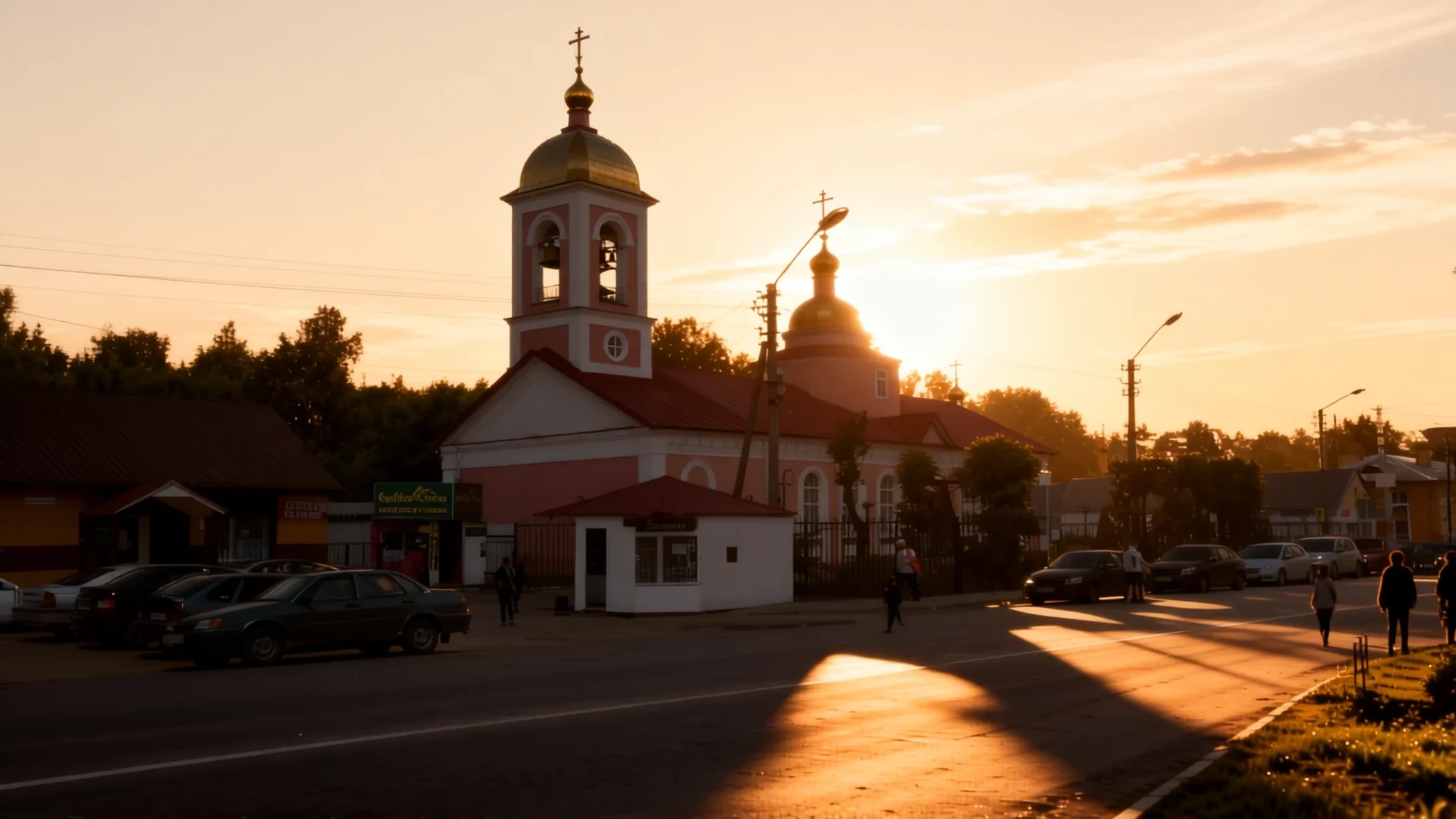
Smolensk is an old frontier city on the Dnieper, where fortress walls, a baroque cathedral and hard history sit in a quiet green setting.
The place
Smolensk is a city of about 310,000 people on the upper Dnieper, in western Russia, roughly 360 km (220 mi) west-southwest of Moscow. It is the administrative centre of its oblast, and it feels like a working regional capital rather than a polished tourist town. The river runs through it from east to west and splits it in two: the older centre and most of the sights lie on the southern bank, while the northern side, known as Zadneprove, is more residential.
The ground is hilly, part of an upland that rolls across this corner of the country, and the city sits at an elevation of 254 m. That gives its streets real slopes, so views open suddenly from parks and from the top of the old walls. Churches with domes stand on the high points, and the fortress towers appear between modern blocks and tree-lined avenues.
Smolensk has long been a place people passed through on the way somewhere else, a meeting point of trade routes, armies and borders. That shows in the mix of buildings: medieval stonework, baroque churches, grand nineteenth-century civic halls and plain Soviet rebuilding. Visitors should expect a calm, walkable centre, modest crowds even in summer, and few English signs. It suits a slow day or two of strolling, with a stop at a park café, rather than a checklist of famous names. The climate is cold for the latitude, so winters are long and summers pleasantly warm rather than hot.
Its story
Smolensk is counted among the oldest Russian cities. A chronicle compiled centuries later first records it under the year 863, though the earliest excavated settlement on the left bank of the Dnieper is later, and scholars still argue about whether the first town stood here or at nearby Gnyozdovo. Early on it was the centre of the Krivichi, an East Slavic tribal union, and it passed into Kievan Rus' after Oleg the Wise took Kiev.
Its fortune came from the water. A Byzantine emperor writing around the middle of the tenth century described it as a stop on the route linking Scandinavian traders with the Greek world. Boats came down from the Baltic side, were dragged overland to the Dnieper, and were patched at Smolensk with tar, which is one explanation offered for the name.
The city became the seat of its own principality in 1054 and stayed a regional capital for most of the next thousand years. Control then shifted repeatedly between Lithuania, Moscow and the Polish–Lithuanian Commonwealth before Russia took it again for good in the seventeenth century. Its position on the road to Moscow also made it a target: it was fought over when Napoleon's army advanced in 1812, and again in the Second World War when German forces came east. Much of what stands today is the result of rebuilding after such damage.
What to see
- Smolensk Kremlin walls — Central Smolensk, southern bank
Fragments of the old fortress wall survive, with several towers still standing, and the circuit was built at the turn of the seventeenth century. Walking along it shows how the city was defended. On the western side a park with a pond and a small Ferris wheel gives a wide view over the rooftops.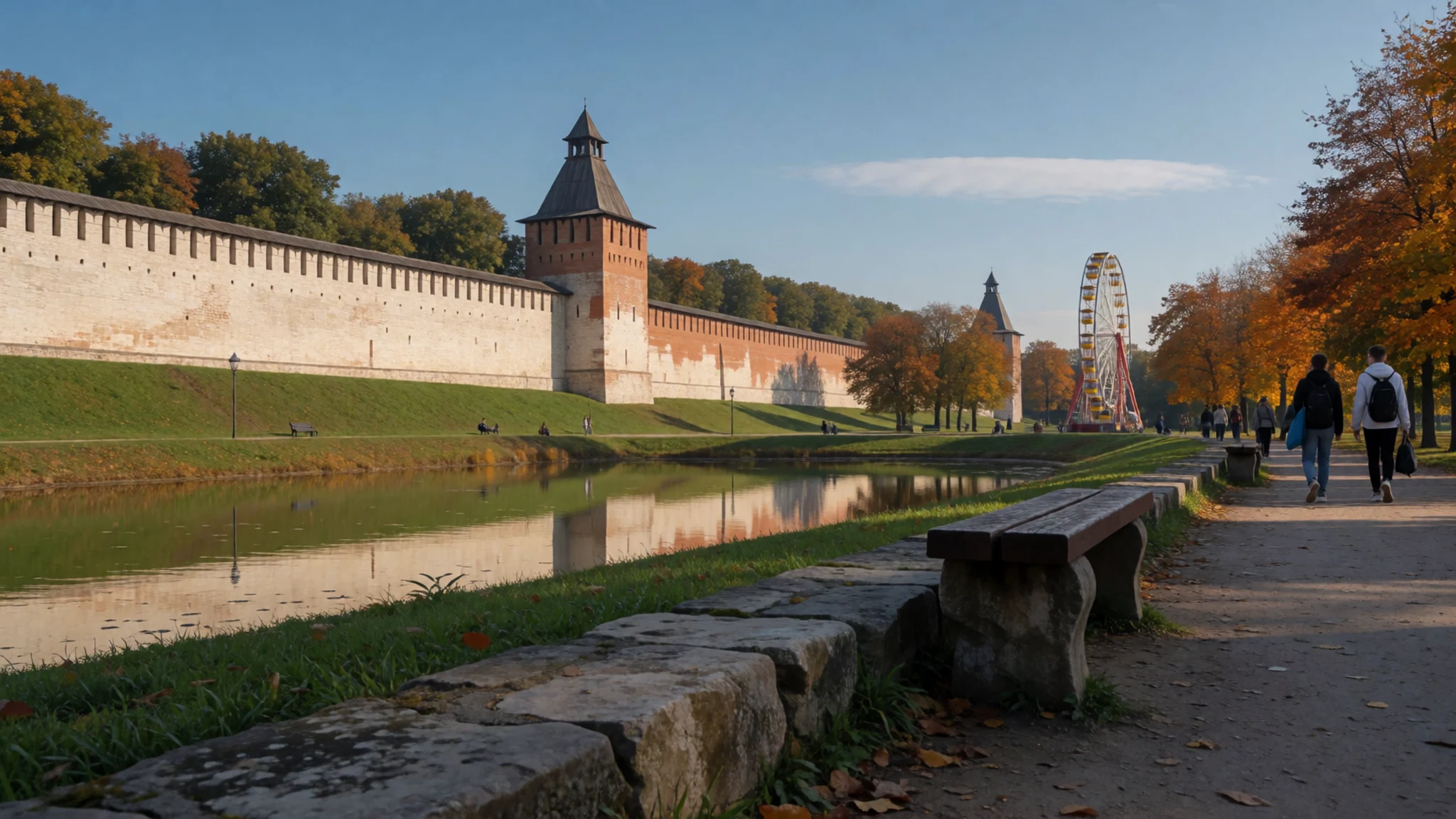
- Dormition Cathedral — Cathedral Hill, central Smolensk
A large baroque cathedral on a hill above the centre, about 300 years old, with a tall bell tower and a bright interior. It is the city's landmark and visible from many streets. Go inside to see the ornate iconostasis, and walk the surrounding slope for views across the river.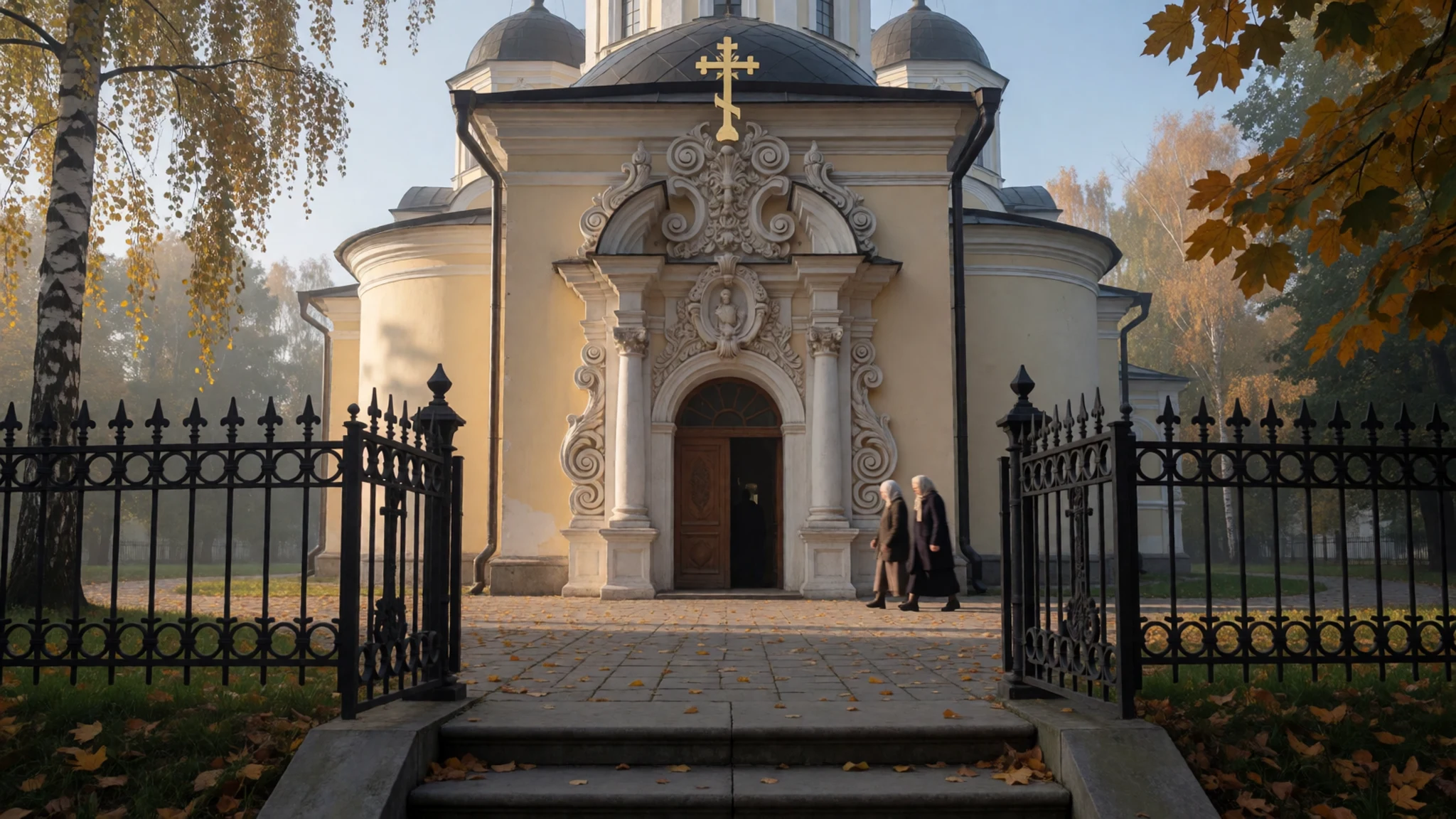
- Dolgochevskaya Tower — Along the fortress wall
One of the surviving towers of the fortress wall, a solid brick drum that gives a clear sense of the original defences. It is easy to include on a walk along the wall, and works well for photographs in soft morning light when the surrounding streets are quiet.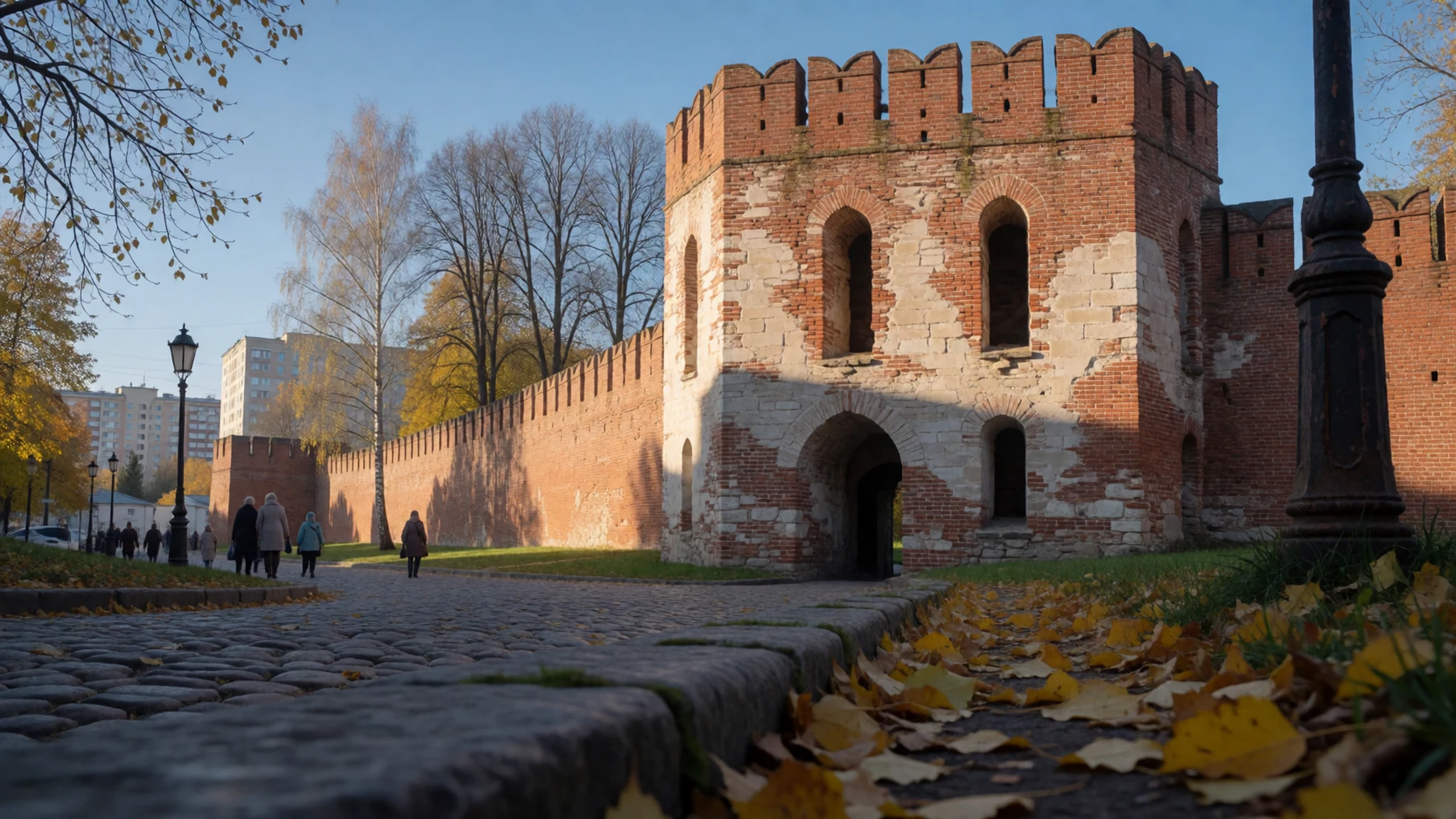
- Nobility Assembly building — Central Smolensk
A grand nineteenth-century hall that now houses the city's philharmonic. Its classical façade shows the wealth of the provincial gentry in imperial times. Check the philharmonic's own listings if you would like to hear a concert, and otherwise admire it from the street.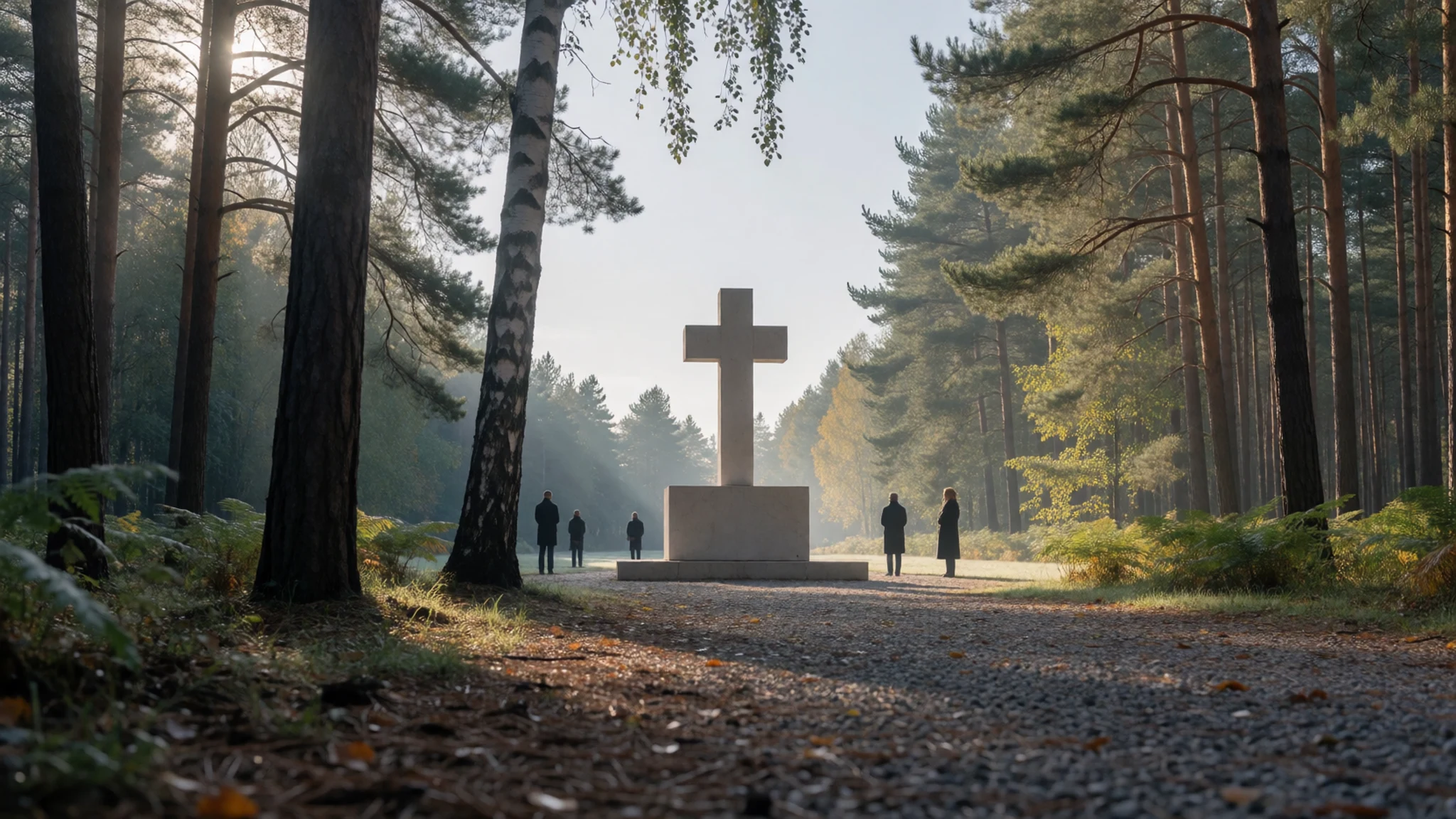
- Katyn memorial — West of Smolensk
A forest a few kilometres west of the city where thousands of Polish prisoners were killed during the Second World War. It is a sombre memorial site, with graves and monuments, and many Polish visitors come here. Allow a half day, and go quietly and respectfully.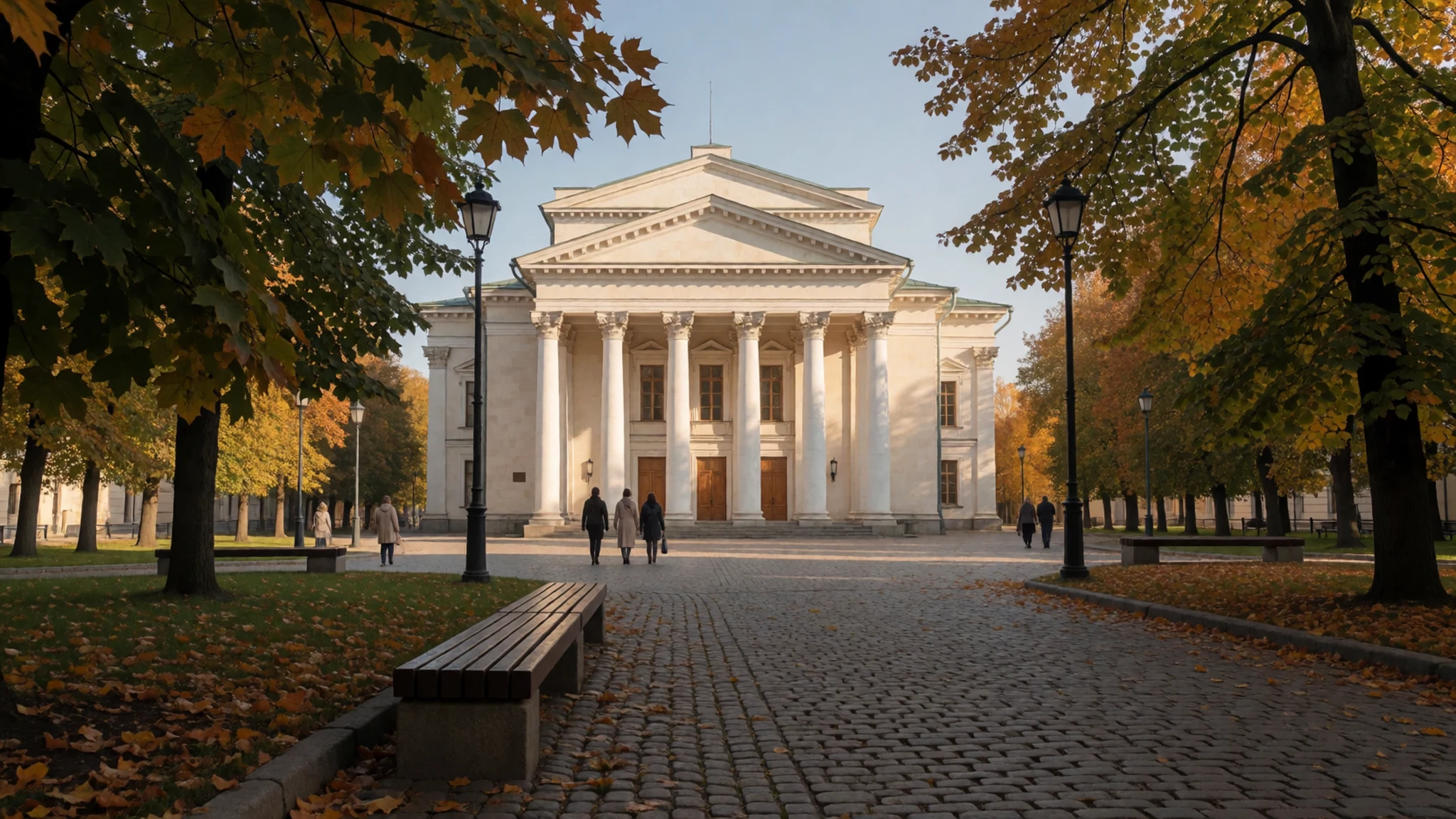
Culture
Smolensk's culture carries the marks of a border city. Orthodox Christianity shapes much of its heritage, and the churches are active places of worship as well as monuments, with candles, icons and quiet singing during services. Over the centuries Lithuanian, Polish and Russian rule all left traces in language, architecture and memory, and local people take pride in the city's long record as a fortress and gateway.
The wars of the nineteenth and twentieth centuries remain close to everyday life. Memorials, plaques and museums are common, and Victory Day in May is marked with parades and flowers at monuments. The nearby Katyn forest holds particular weight for Poles, and its history is still sensitive.
Day to day, the city is easy-going. Residents tend to be reserved with strangers at first but helpful once a conversation starts, and a few words of Russian are appreciated, since English is not widely spoken. There is a lively university student population, a philharmonic, theatres and a steady calendar of local concerts, and park walks on summer evenings are a favourite pastime. Tea, home baking and long meals with family are central to hospitality, and visitors invited into a home will be fed generously.
When entering an Orthodox church, women should cover their hair with a scarf, everyone should dress modestly, men should remove hats, and photography during services should be avoided unless someone clearly says it is fine.
What to wear
Traditional dress in the Smolensk area followed the wider Russian peasant pattern: women wore a linen shirt with embroidered cuffs and hem, a sarafan or wraparound skirt in wool or home-woven cloth, and a patterned headscarf or a kokoshnik-style headdress on festive days. Men wore linen tunics with a sash, wool trousers and caps. Flax was the key local fibre, and white-on-white and red-thread embroidery was typical. These costumes now appear mainly at folk festivals, in museums and on stage.
Everyday clothing today is practical and fairly urban. People dress smartly for the theatre, philharmonic or church, and casually for the street, with dark coats, boots and fur or knitted hats in winter. Young people follow the same trends seen across European cities, and the style is generally tidy rather than flashy.
Visitors should plan for the climate first. Winters are long and cold, so thermal layers, a windproof coat, a hat, gloves and boots with good grip are needed. Summers are warm, so light cotton clothing suits, with a rain jacket and a sweater for evenings. Comfortable walking shoes matter, since the centre is hilly and pavements can be uneven. For churches, bring a light scarf for the head and keep shoulders and knees covered. Smart-casual clothing is fine for restaurants and concerts.
What to eat
- Shchi — Traditional restaurants and canteen-style eateries in the centre
A cabbage soup, often with beef or pork and served with sour cream and rye bread. It is a staple of Russian home cooking and comforting in cold weather. Look for it on the lunch menu at any traditional Russian restaurant.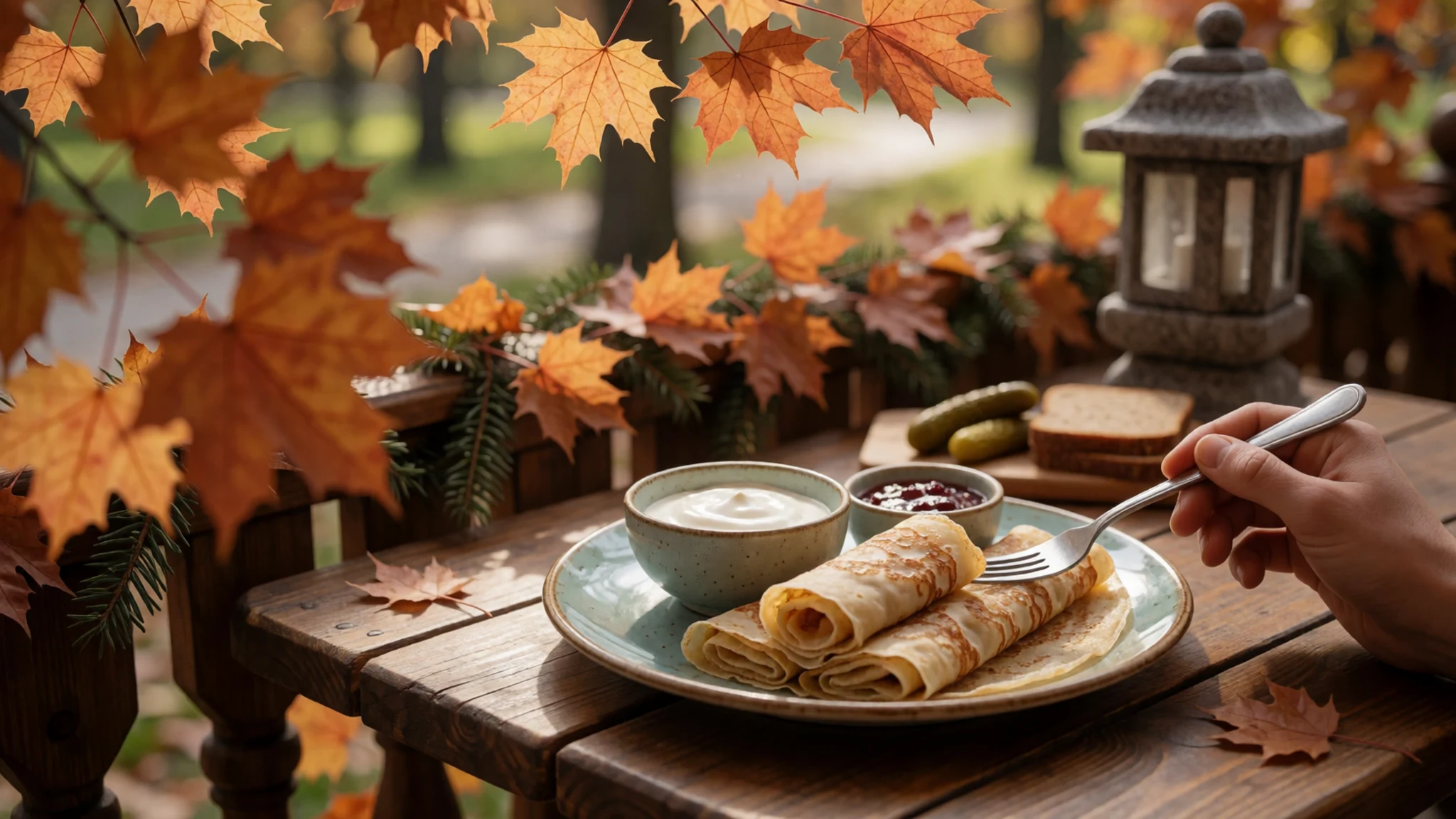
- Pelmeni — Cafés and cheap lunch places around the centre
Small dumplings filled with minced meat, boiled and served with butter, vinegar or sour cream. They are filling, cheap and easy to order even without much Russian. Many cafés offer them, and home-style versions appear on set lunch menus.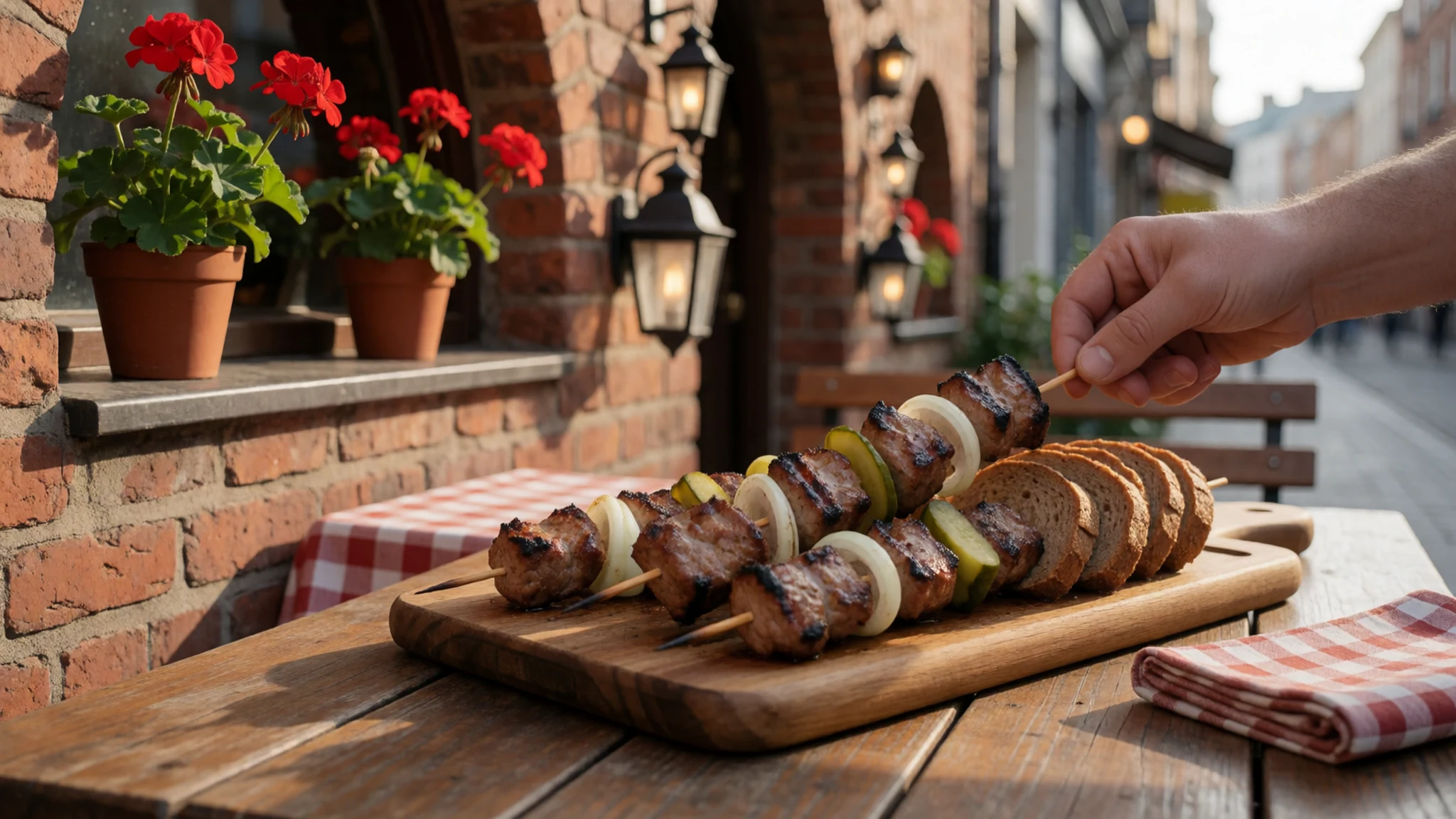
- Draniki — Local restaurants and family-run eateries
Potato pancakes, crisp at the edges and usually eaten with sour cream. They are popular across this region, close to Belarus, where potatoes are central to cooking. Often served as a side or a light meal with mushrooms. - Blini — Pancake counters and cafés in the centre
Thin pancakes, served plain with sour cream or jam, or filled with meat, cottage cheese or mushrooms. They suit breakfast or a quick snack, and are found at casual pancake counters and cafés throughout the city. - Grilled meat and Russian classics — The leafy city-centre park restaurants
Skewers of pork or chicken cooked over coals sit alongside Soviet-era favourites such as salads with beef or potatoes and mayonnaise. A restaurant in the central park serves a mix of these dishes, and a grill bar is part of it.
Plan it
Best time. May to September. Spring warms quickly inland, with May noticeably milder than September, and summers are pleasantly warm. Winters are long and cold, which suits those who like snow but demands proper clothing.
How long. 1–2
Getting there. Smolensk has no regular passenger flights, so the usual way is by train from Moscow's Belorusskiy station, which takes several hours. Buses and the M1 highway also link the city with Moscow, Minsk and other towns. In town, buses, trolleybuses and trams run, and the centre is walkable.
Budget. low
Tips
- Check current travel advice and entry rules for Russia before planning, as conditions change
- Carry some cash and a card, and check that card payments work at your bank
- Start sightseeing in the morning, when the fortress wall and cathedral are quiet
- Wear sturdy shoes for the hills and uneven paving
- Download an offline map and translation app, as English is not widely spoken
Etiquette
- Cover your head and shoulders when entering Orthodox churches
- Keep voices low and ask before photographing people or services
- Treat memorial sites such as Katyn with quiet respect
Nearby
Sources
- Wikidata Q2337 (CC0)
- Wikipedia: Smolensk (rev 1382950661) (CC BY-SA 4.0)
- Wikivoyage: Smolensk (rev 5424700) (CC BY-SA 4.0)
- Photo: Собор Успенский (Ghirlandajo) (CC BY-SA 4.0)
- Photo: Здание реального училища (Николай Смолянкин) (CC BY-SA 4.0)
- Photo: Башня Долгочевская (Николай Смолянкин) (CC BY-SA 4.0)
- Photo: Smolensk (Alexxx Malev) (CC BY 3.0)
- Photo: Smolensk Nobility building (Alexxx Malev) (CC BY 3.0)
- Photo: Flag of Smolensk (Public domain)
- Photo: Coat of arms of Smolensk (Public domain)
- Photo: Smalensk 1610 plan (Public domain)


