Smangus
Smangus, Taiwan
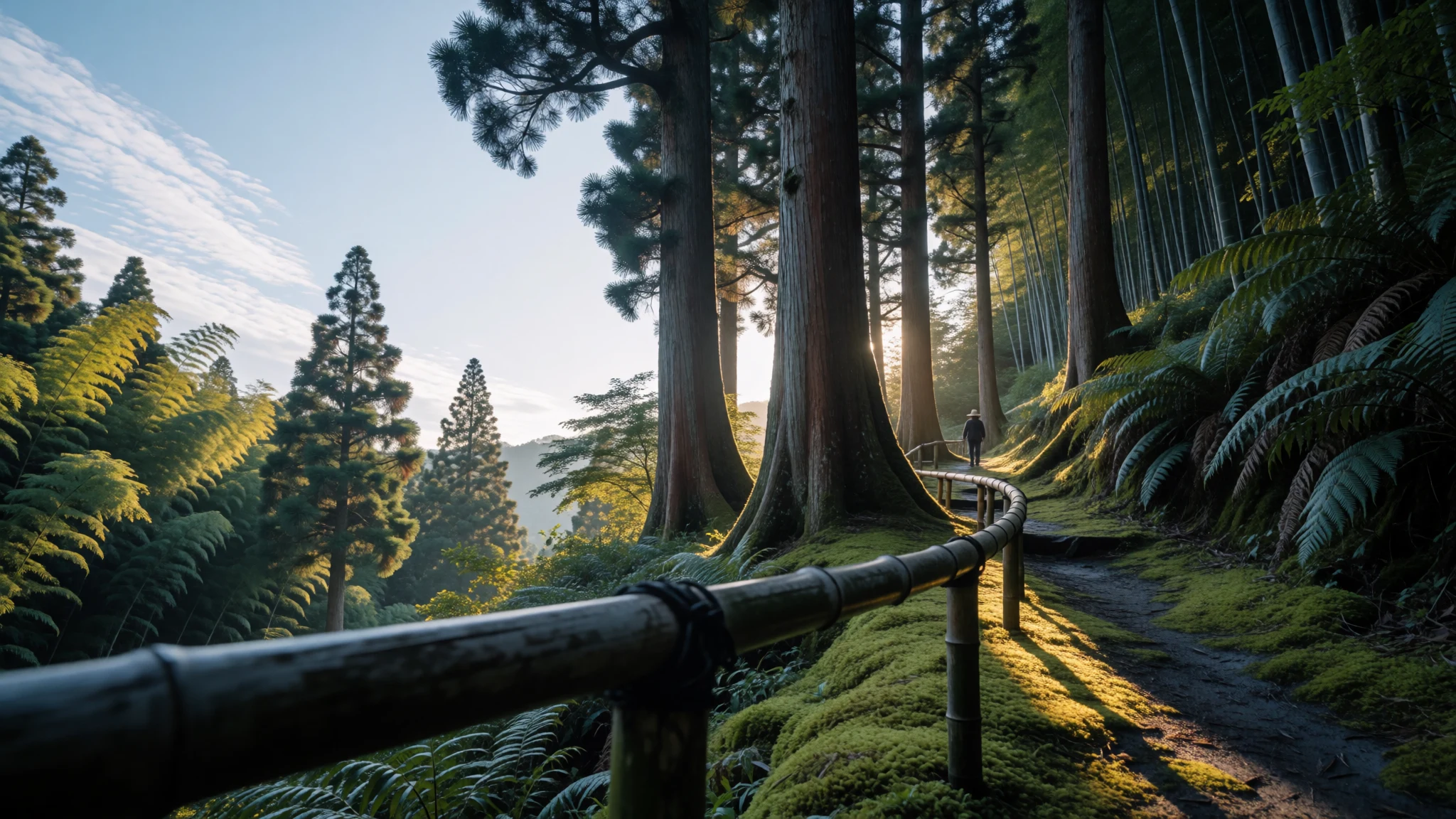
Smangus is a small Atayal village on a high ridge, where old cypress forest, communal meals and a long mountain drive make for a slow stay.
The place
Smangus is an Atayal village on a ridge in Jianshi Township, Hsinchu County, in the mountains of northern Taiwan. The Atayal are one of Taiwan's indigenous peoples, and this settlement has a population of 165. It sits at about 1,500 metres, well above Takechin Creek, with forest pressing in on all sides: bamboo on the slopes and stands of ancient cypress that give the village its reputation. Houses are mostly timber or bamboo, and the layout is simple: a few guesthouses, a shared dining space, and paths leading out into the trees. Because of the altitude, nights are cold for much of the year and winter is colder still, though snow falls only about once every five years. Reaching Smangus takes effort. One mountain road climbs from the Neiwan side through other Atayal communities, with a police registration point partway up, and the final stretch rules out a casual day trip. For most visitors that remoteness is the attraction. The village suits walkers, people curious about indigenous Taiwan, and anyone content to eat when the village eats and to turn in early. It is a poor fit for travellers who want late nights, flexible meal times or a packed itinerary. Fuel, warm layers and a booked bed matter far more here than in most Taiwanese destinations.
Its story
Smangus has a short recent history that explains most of what a visitor sees. Until the road arrived, the village was cut off from the rest of Taiwan. The nearest road ran along the far side of the valley, so anything the community could not make itself was carried in on people's backs, and children walked for about three hours across the valley to reach school. Electricity came only in 1979, and the road that now serves the village was finished in 1995. That isolation gave the place a reputation among outsiders, who once called it the Black Village. After the giant trees in the surrounding forest became known, visitors began to arrive, and the name shifted to God's Village. The community itself is small, about 23 families, and it runs as an experiment in shared living. Its communal management draws on older Atayal ways of organising life and also borrows ideas from elsewhere, including the Israeli kibbutz. Work, meals and the income from visitors are handled collectively rather than house by house. For a traveller this history is not background decoration. It is why meals are set, why the guesthouse arrangements feel organised by the village rather than by individuals, and why the cypress forest is treated as shared property.
What to see
- The village on the ridge — Smangus village, Jianshi Township
Smangus village itself rewards an unhurried walk. Timber and bamboo houses line the ridge, with the valley falling away on either side and cloud often drifting through. Go early, before tour groups stir, and let the pace of the place settle in. Ask at your guesthouse about paths open to visitors.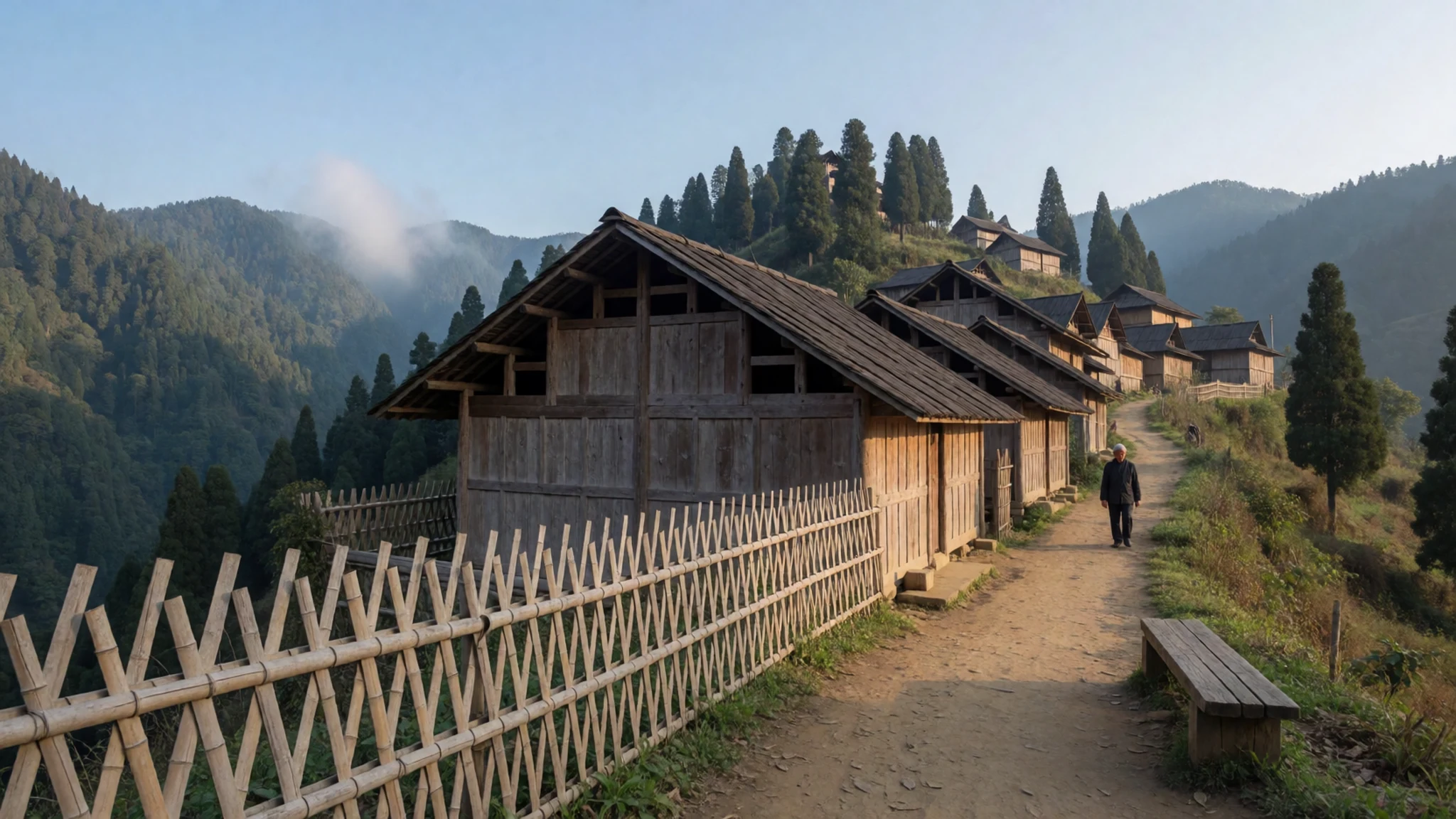
- Giant cypress trail — Forest above the village
The old cypress trees are the reason most people make the journey. A forest trail leads to the biggest stands, where the trunks are wide enough to make a person feel small. Wear shoes with grip, since paths are damp and uneven, and check locally whether a guide is needed or advised.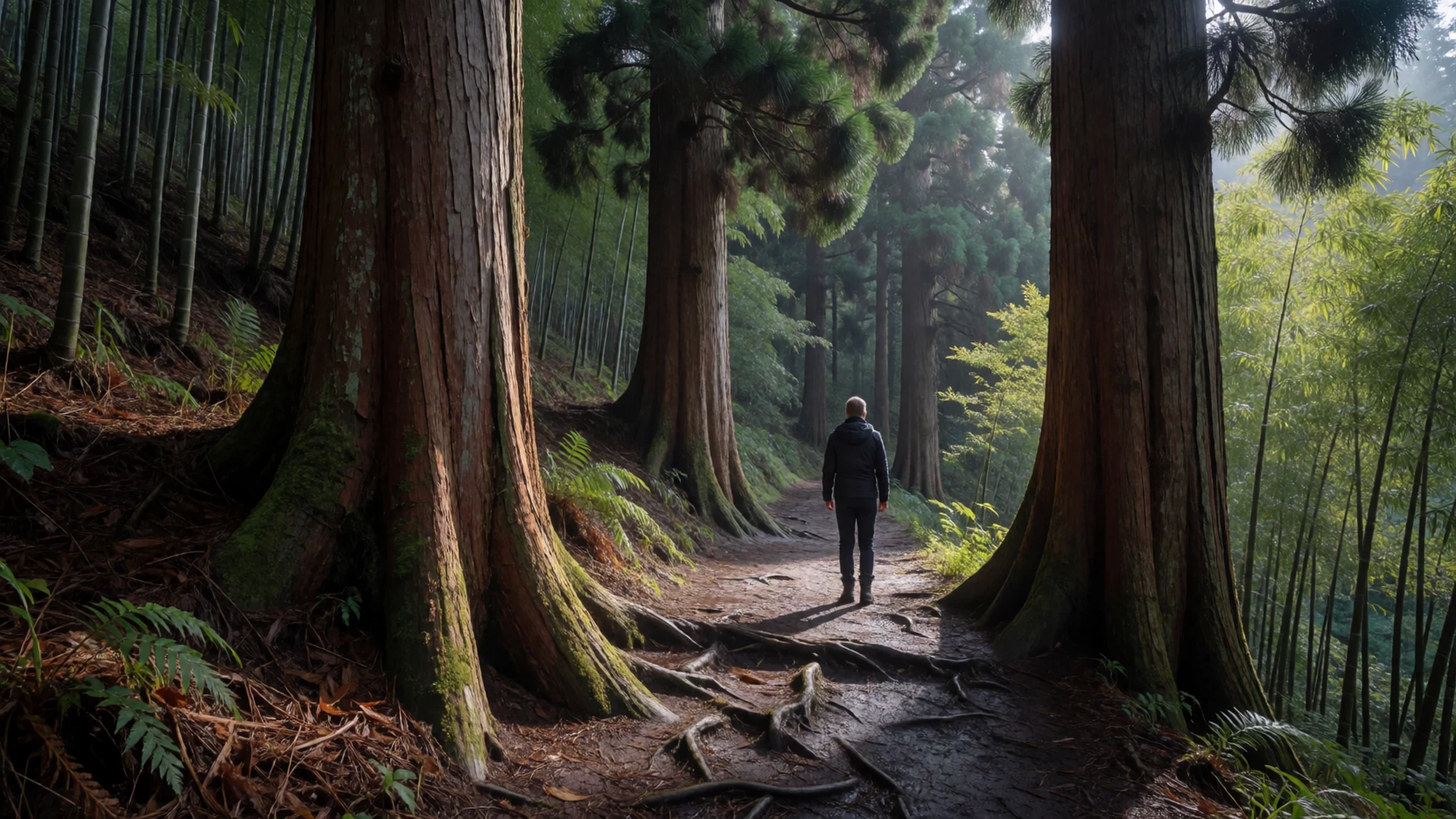
- Watch tower — Edge of the village
The watch tower gives a broad view over the ridge, the forested slopes and the creek valley below. It is a good place to understand how steep and isolated the terrain is. Clear mornings are best for views, while mist can hide everything by afternoon, so keep the plan flexible.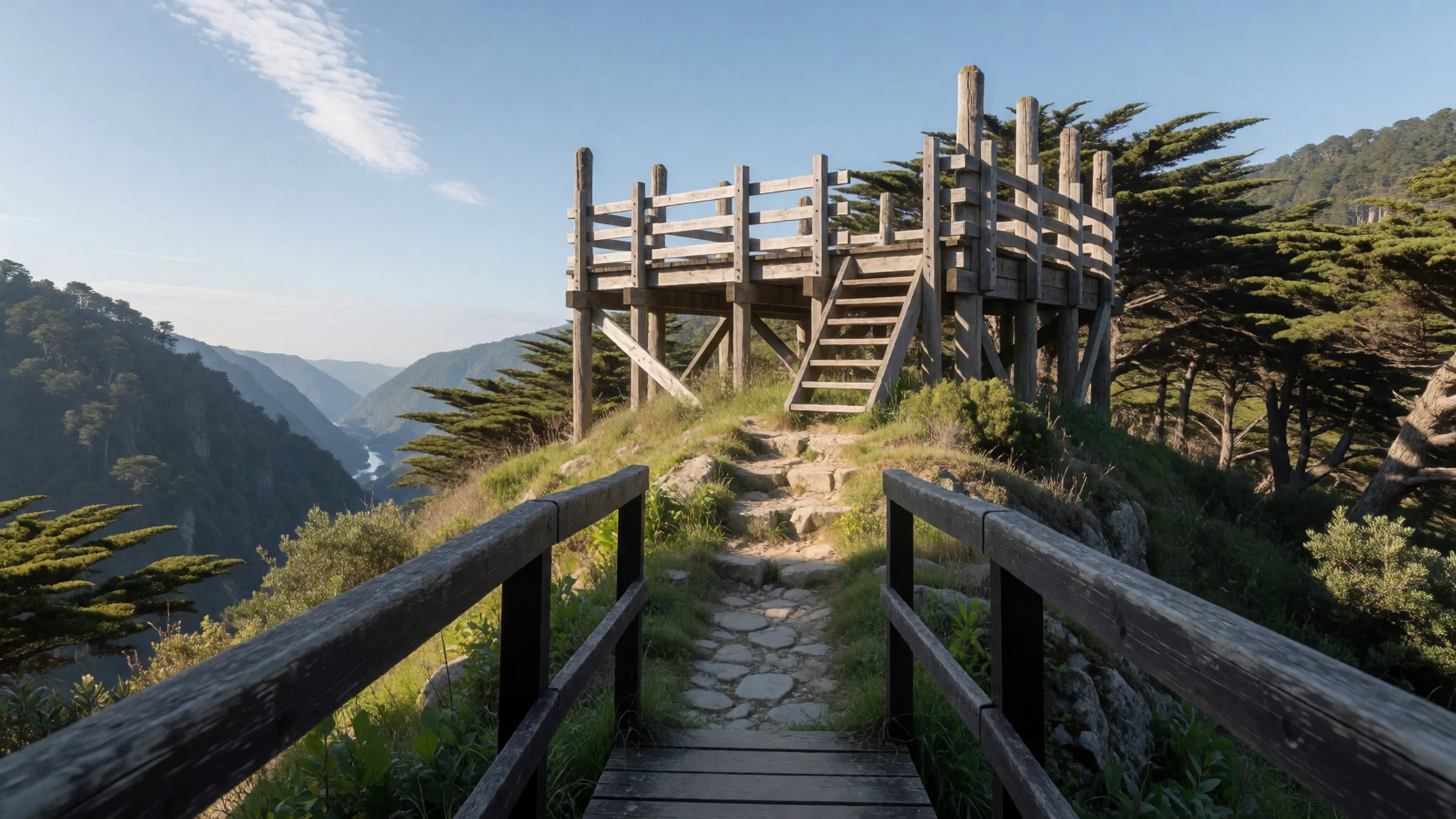
- Silifu Waterfall — Near Smangus village
Silifu Waterfall lies a short distance from the village and makes a pleasant objective for a half-day walk. Conditions vary with recent rain, so ask residents about the trail before setting out. Take water, wear sturdy footwear, and expect slippery rock near the falls.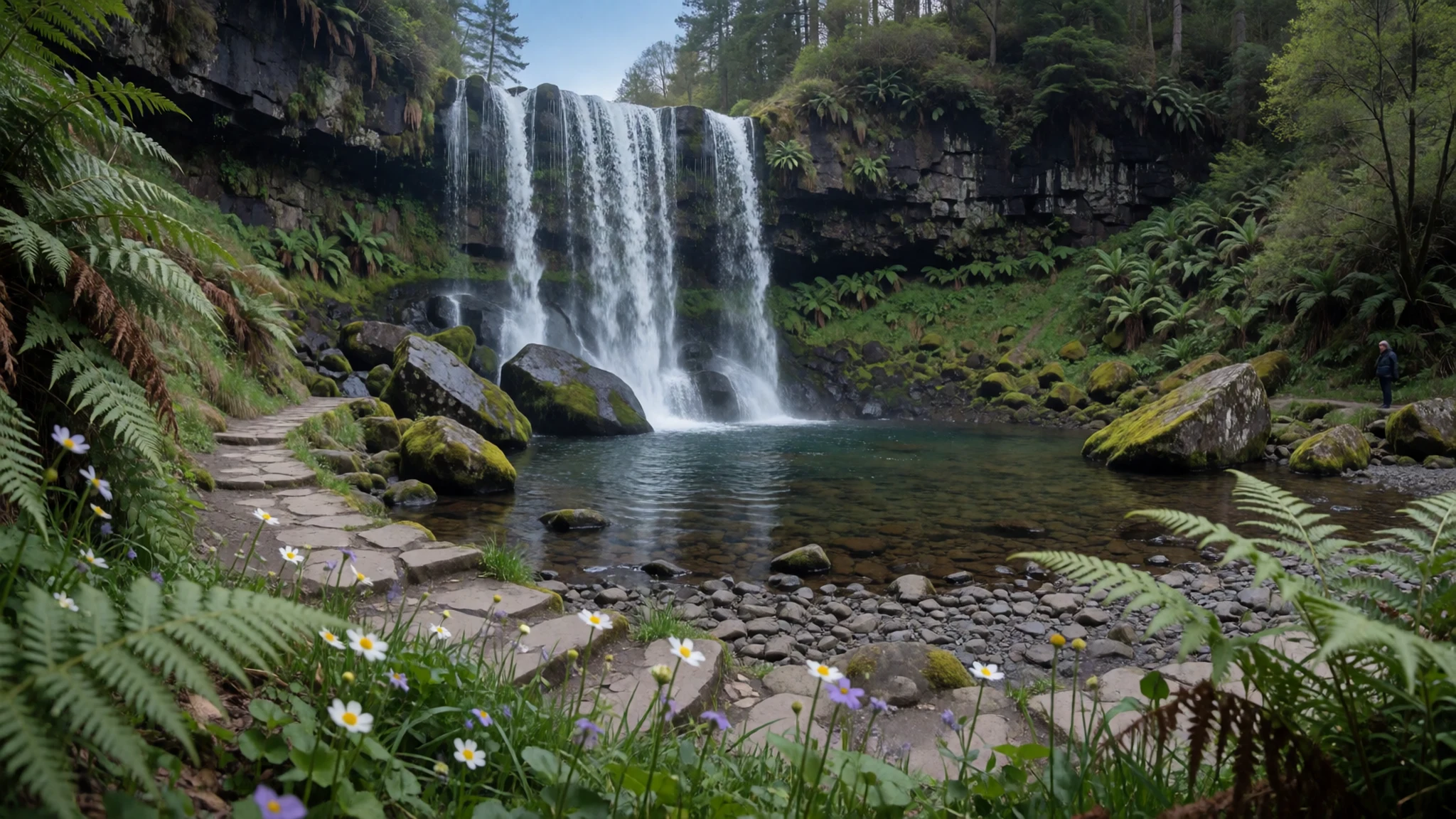
- Ridge and valley views — Ridge above Takechin Creek
Beyond the formal sights, the ridge itself is the draw: forest in every direction and the Takechin Creek valley far below. Short walks at dawn and dusk bring the best light and the quietest hours. In cold weather the mist can shift quickly, so carry a warm layer even for short outings.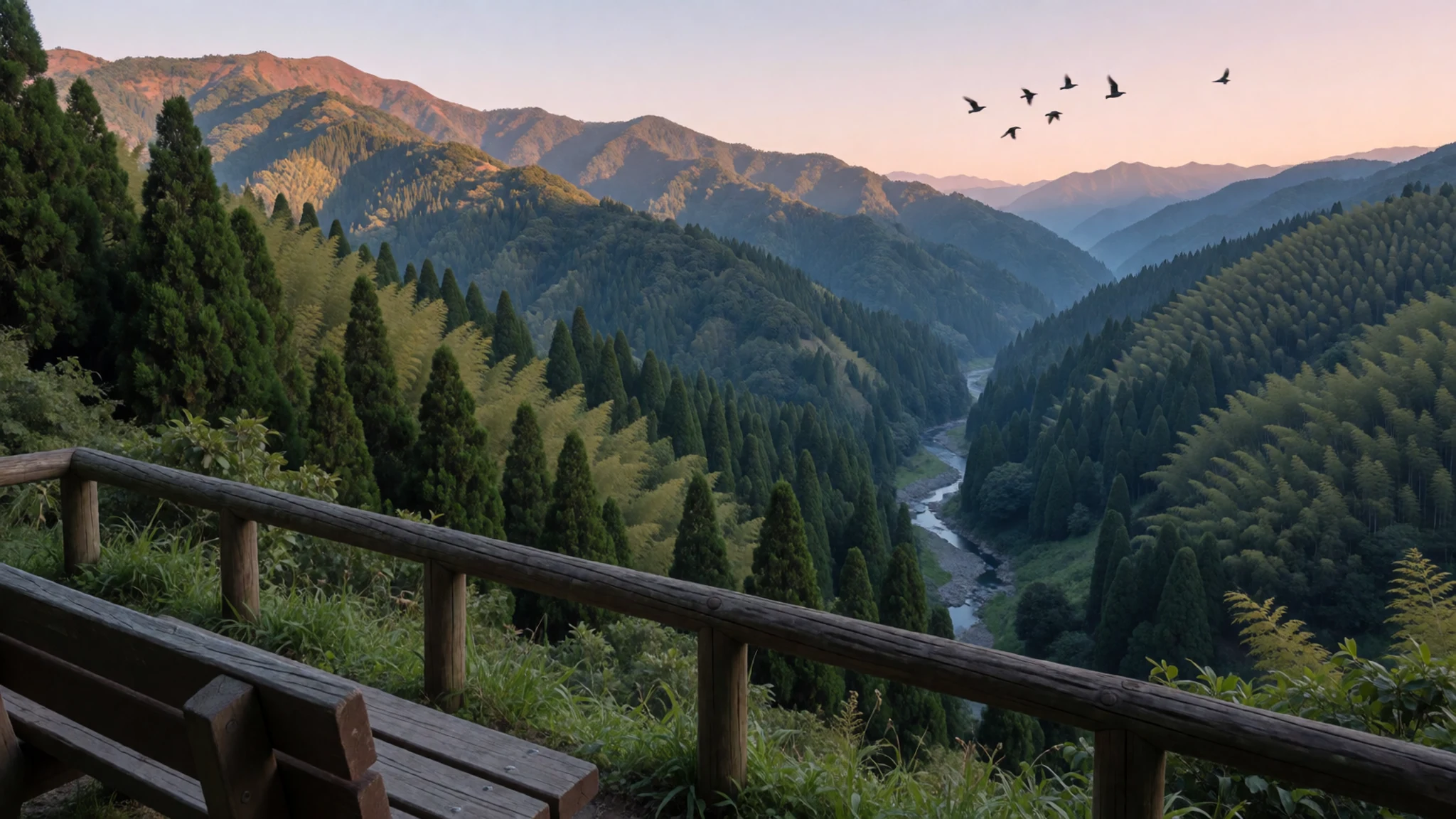
Culture
Smangus is an Atayal community, and its daily life follows ideas that go back well before the road. The Atayal traditionally organise social life around a shared moral code, often called gaga, which covers how people treat one another, the land and the forest. In Smangus this shows in the communal approach to work, meals and income, and in the way the old trees are regarded as part of the community's inheritance rather than a resource to be sold off. Atayal culture is also known for weaving, traditionally done by women, and for the facial tattooing once given to mark adulthood and skill. Few people now wear the tattoos, but the history is known and spoken of with pride. Visitors who stay overnight will notice that the village keeps a rhythm of its own. Meals happen together at set times, evenings are quiet, and decisions are shared. It is worth treating the stay as a visit to a working community rather than a theme park, which means arriving with advance notice, listening to guidance from residents and being patient about timings. Conversations with villagers are often the best part of a stay, so take time for them if invited. Ask before photographing any resident, and follow the village's instructions on where visitors may walk and when meals are served.
What to wear
Smangus has a clear traditional dress, though it is mostly seen at festivals and ceremonies today. Atayal textiles are woven by hand on a backstrap loom, historically from ramie, a plant fibre, with wool and cotton yarns more common now. The cloth is known for bold bands and diamond patterns, often in red and white with darker accents, and is made into jackets, sashes, skirts and shoulder cloths. Weaving is a women's craft, and patterns carry meaning within families and communities. In daily life, residents wear what suits cold mountain work: fleeces, waterproof jackets, trousers, boots and caps, with colour more often practical than ceremonial. Visitors should dress for the altitude and the trail rather than the occasion. Layers matter, because mornings and nights are cold and the forest is damp, even in months that are warm in the lowlands. Pack a waterproof shell, a warm mid-layer, a hat and gloves for winter, and trousers that can handle mud. Shoes need real grip for wet forest paths. Modest, comfortable clothing is appropriate in the village, and a spare dry set is useful. Nothing special is needed for ceremonies, but it is respectful to avoid revealing or flashy clothes if invited to a community event.
What to eat
- Communal set meal — The village's shared dining space or your guesthouse
Meals in Smangus are cooked ahead and eaten together at fixed times, using what the village has prepared that day. Tell staff as soon as you arrive that you will join in, ideally booking a day or two beforehand, because nothing extra is made for latecomers.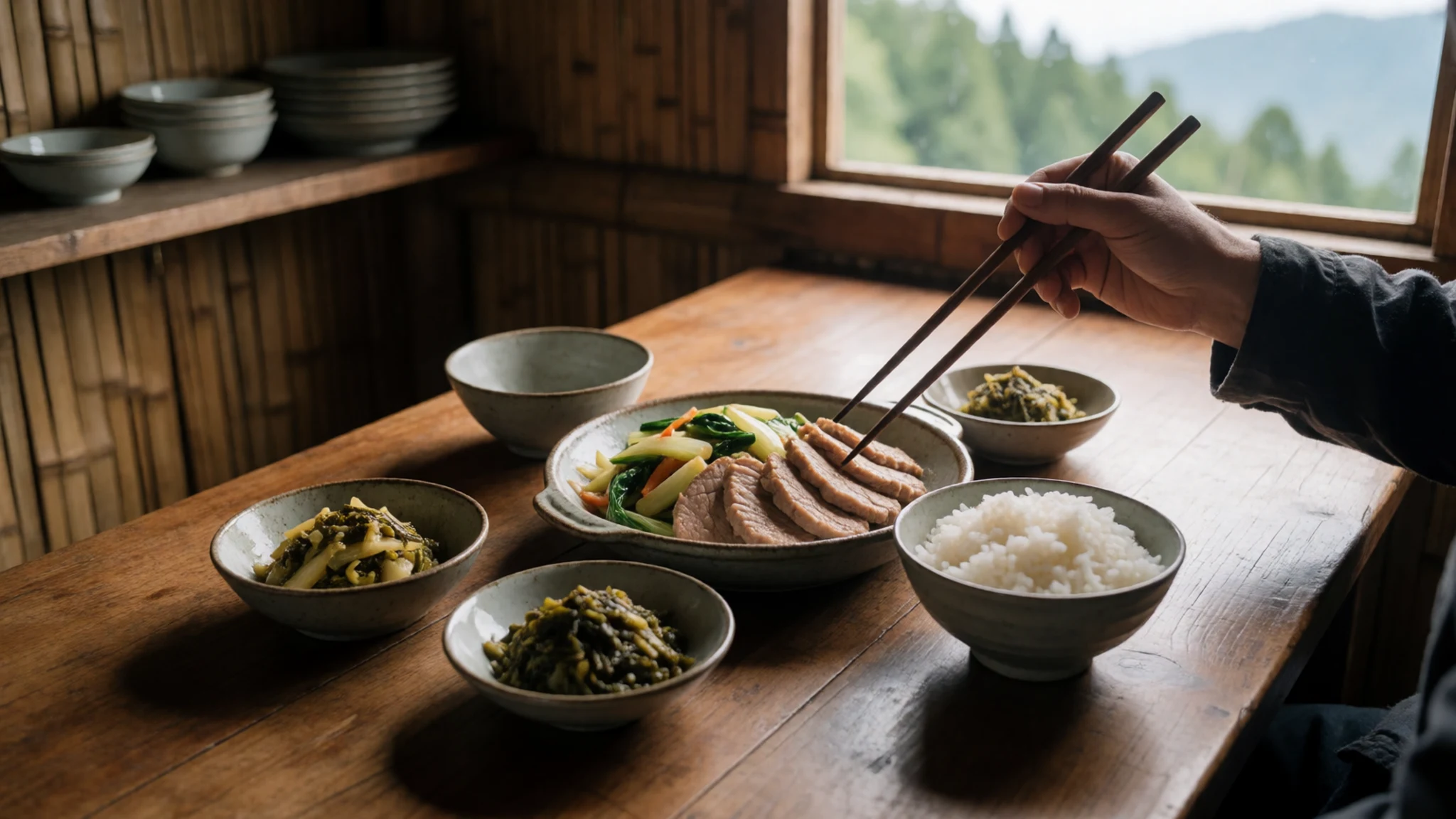
- Mountain greens — Communal meals in the village
Stir-fried mountain greens are a regular part of the table, cooked simply with garlic or oil to let the leaf flavour come through. Exact vegetables depend on season and what has been picked, so expect variety rather than a fixed menu.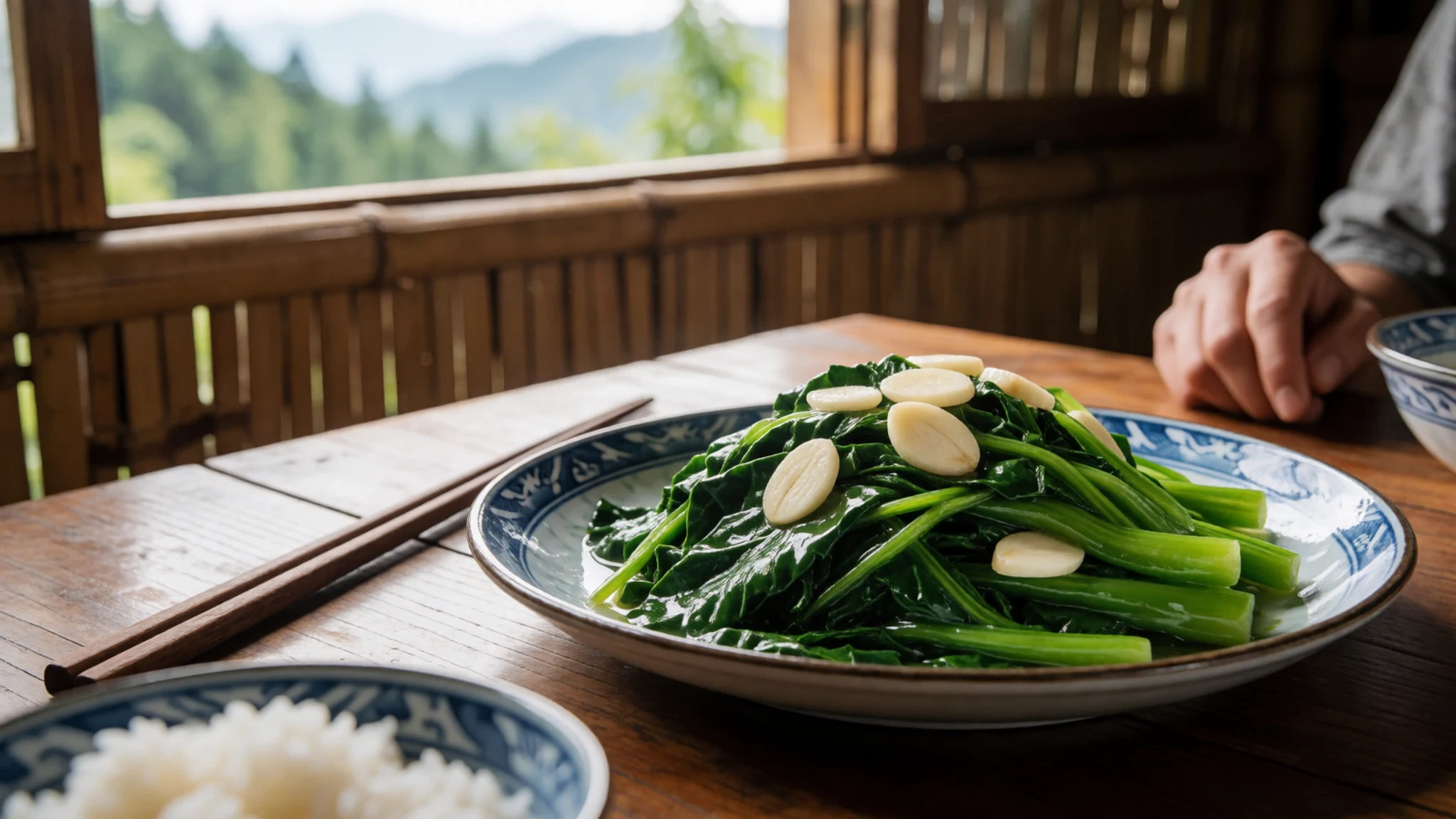
- Bamboo shoots — Village meals and guesthouse kitchens
Bamboo grows around the village, and shoots are a natural fit for soups and stir-fries. They bring a mild, slightly sweet crunch, and they appear at the table when in season. Ask your host what is fresh that week. - Millet dishes and millet drink — Village meals and community gatherings, when offered
Millet has long been a staple for Atayal communities and may appear as porridge, rice-like dishes or a fermented drink at festivals. Availability varies, so ask politely rather than expecting it, and sample alcohol only if offered and in moderation. - Hot soup — Communal meals in the village
After a cold day on the ridge, a bowl of hot soup is often the most welcome part of a meal. Broths are usually light and built around vegetables, sometimes with meat. Eat slowly and take seconds if offered, since everything is prepared in set quantities.
Plan it
Best time. April–May and October–November, when days are usable for walking, though nights are still cold at this altitude. Winter is colder and snow falls only about once every five years. Check the forecast and road conditions before leaving, since heavy rain can make the mountain road dangerous.
How long. 2–3
Getting there. Fly to Taoyuan International Airport near Taipei, then take a train or high-speed rail towards Hsinchu and on to Neiwan. The last leg is a mountain road from Neiwan through Xiuluan and Taigang, normally driven by car or arranged through the village. Check current road and transport arrangements before travelling.
Budget. mid
Tips
- Fill the fuel tank at the station about 2 km past Neiwan, and keep more than half a tank when you reach Taigang
- Register at the police booth in Xiuluan before continuing up the mountain
- Tell the village you wish to eat communally, ideally 1–2 days before arrival, because meals are prepared in advance
- Pack warm layers, a waterproof jacket and shoes with grip, as nights are cold and trails are damp
- Book accommodation ahead and ask the village directly about guides, trail access and current arrangements
Etiquette
- Ask before photographing residents or their homes
- Arrive for meals on time and eat with the community
- Stay on permitted paths and take nothing from the forest
Nearby
Sources
- Wikidata Q7252224 (CC0)
- Wikivoyage: Smangus (rev 5196090) (CC BY-SA 4.0)
- Smangus, Hsinchu, Taiwan (Peellden) (CC BY 3.0)
- Official Photo by Wang Yu Ching / Office of the President (CC BY 2.5)
- 313, Taiwan, 新竹縣尖石鄉秀巒村 (2) (徐月春) (CC BY 3.0)
- 313, Taiwan, 新竹縣尖石鄉秀巒村 (3) (徐月春) (CC BY 3.0)
- 313, Taiwan, 新竹縣尖石鄉秀巒村 (5) (徐月春) (CC BY 3.0)
- Smangus Giant Trees 司馬庫斯巨木群 (lienyuan lee) (CC BY 3.0)
- Smangus Watch Tower 司馬庫斯暸望台 (lienyuan lee) (CC BY 3.0)
- Smangus 司馬庫斯 (lienyuan lee) (CC BY 3.0)
- Wikipedia (CC BY-SA 4.0)


