Šiauliai
Šiauliai, Lithuania
Šiauliai is a quiet Lithuanian city of sundials, odd little museums and lakes, and the usual base for the Hill of Crosses.
The place
Šiauliai sits on the northern plateau of Lithuania, close to the Mūša, Dubysa and Venta rivers. It has a population of about 104,300 and stands at roughly 107 metres above sea level. Among Lithuanian cities it ranks near the top by size, yet it feels like a manageable provincial town rather than a metropolis.
The centre is laid out on a tidy rectangular grid, with a long pedestrian-friendly main street, Vilniaus gatvė, running through it. Around it are lakes and green patches, with Lake Rėkyva on the edge of town being the biggest stretch of water. Rėkyva is a place for walking and cycling rather than swimming for most visitors.
The mood is calm and a little eccentric. Museums here are devoted to bicycles, angels, photography and chocolate, which tells you something about how the city likes to spend its time. Soviet-era blocks sit beside classical-style streets and a few handsome villas.
The climate is humid continental with warm summers. January sits around minus three degrees Celsius, while July averages about eighteen. Winters are dark and cold, and the best weather for wandering outdoors comes between late spring and early autumn.
Most foreigners come for a day trip to the Hill of Crosses nearby, but the city rewards a night or two. It is also a practical stop between Vilnius and Riga, with the Latvian border within easy reach, so it fits neatly into a Baltic route.
Its story
Šiauliai first appears in written records as Soule, in Livonian Order chronicles describing the Battle of Saule. That fight took place on 22 September 1236, and the city treats the date as its founding. The name echoes the word for sun, which is why sundials and golden suns recur around town.
In its early centuries Šiauliai was a defensive outpost against raids by the Teutonic and Livonian Orders. After the Battle of Grunwald in 1410 the raids ceased, and it settled into life as an agricultural community. A wooden church arrived in 1445 and was replaced by the brick one that still stands in the centre, finished in 1625.
The town received Magdeburg rights in the 16th century and became a regional administrative seat. Then came hard times: floods, plague and epidemics battered it across the following two centuries.
Its revival is credited to Antoni Tyzenhaus, who ran the royal estates in the 18th century. After the peasant uprising of 1769, which was a response to attempts to tighten serfdom and unpaid labour, the authorities pursued sweeping economic and town-planning reforms. Tyzenhaus rebuilt the place along classical principles. Houses that had been scattered in a radial pattern were rearranged into the orderly grid that the centre still follows today.
That planned layout is the clearest historical mark on the city that a visitor can read on the ground, just by walking the straight streets.
What to see
- Sundial Square and the Golden Boy — Lakeside, central Šiauliai
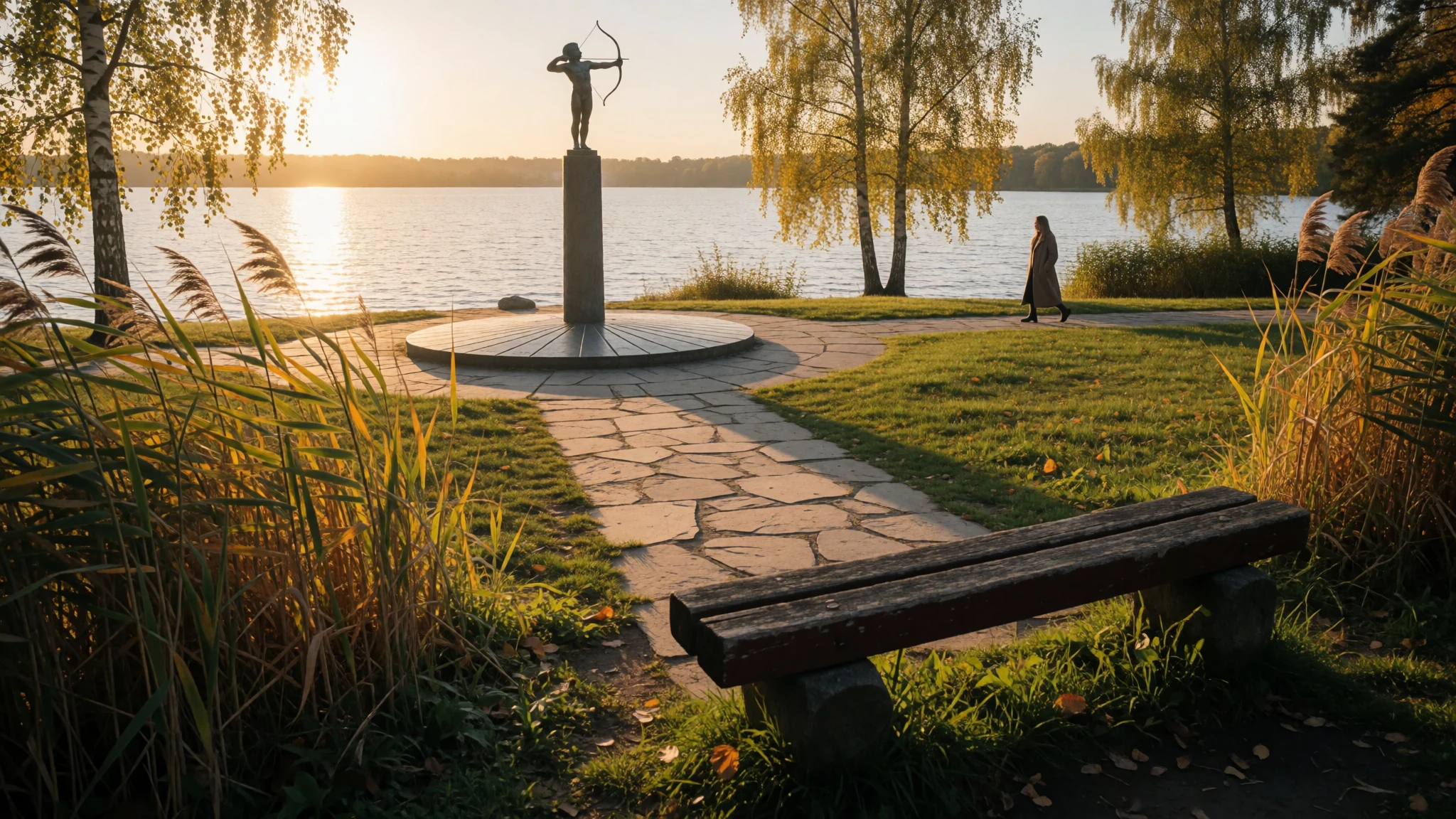
A lakeside park where a golden boy on a tall column draws his bow. The column throws a shadow across a sundial below, and the whole monument recalls the Battle of Saule of 1236. It is the most photographed spot in town and pleasant at dusk, with the water beside it.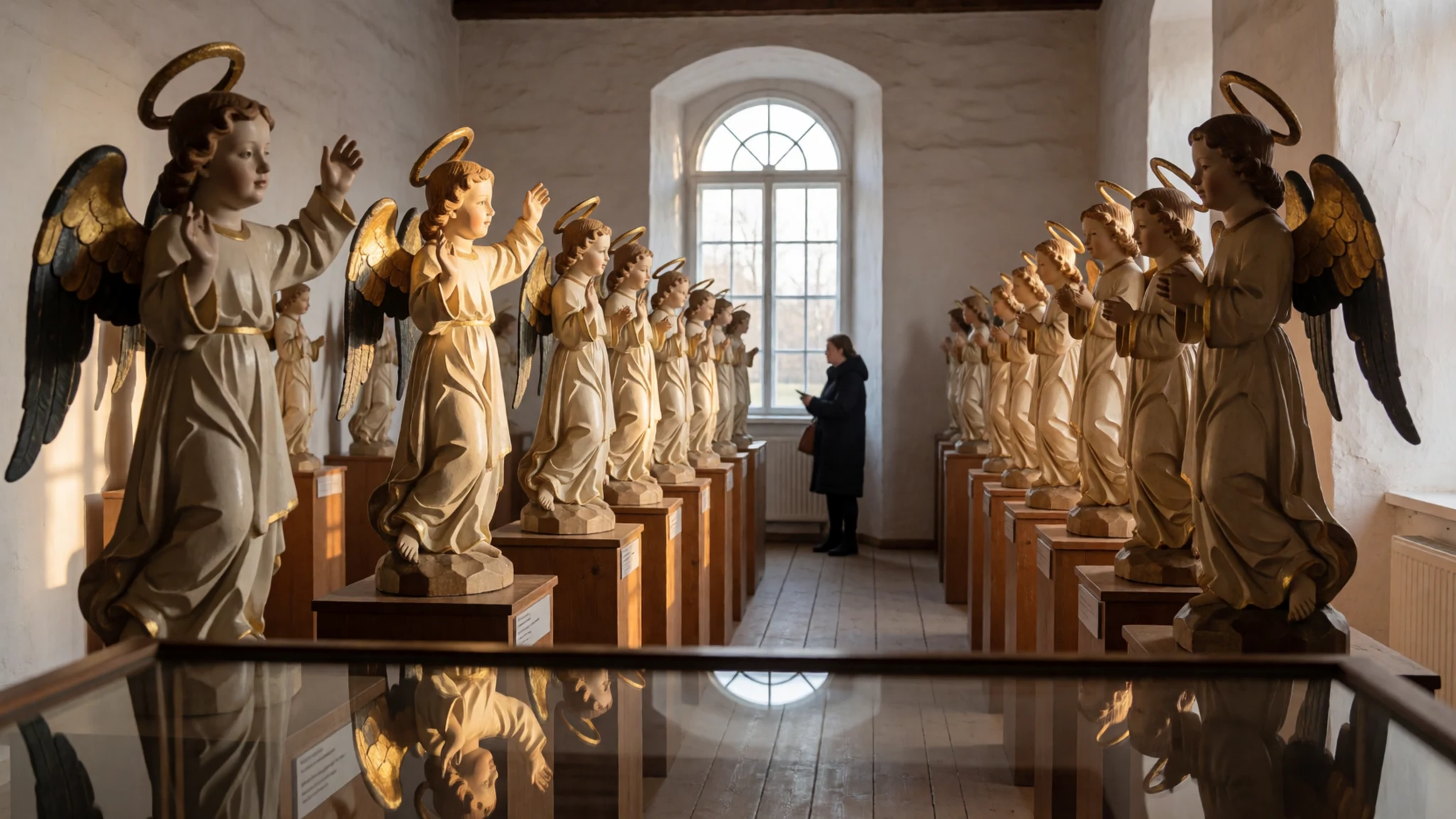
- Saints Peter and Paul Cathedral — City centre
A large Roman Catholic church built in Renaissance style in the 17th century, with a spire about 75 metres high that dominates the skyline. It is the landmark to steer by from almost anywhere in the centre. Step inside for a quiet, cool pause, but check service times before visiting.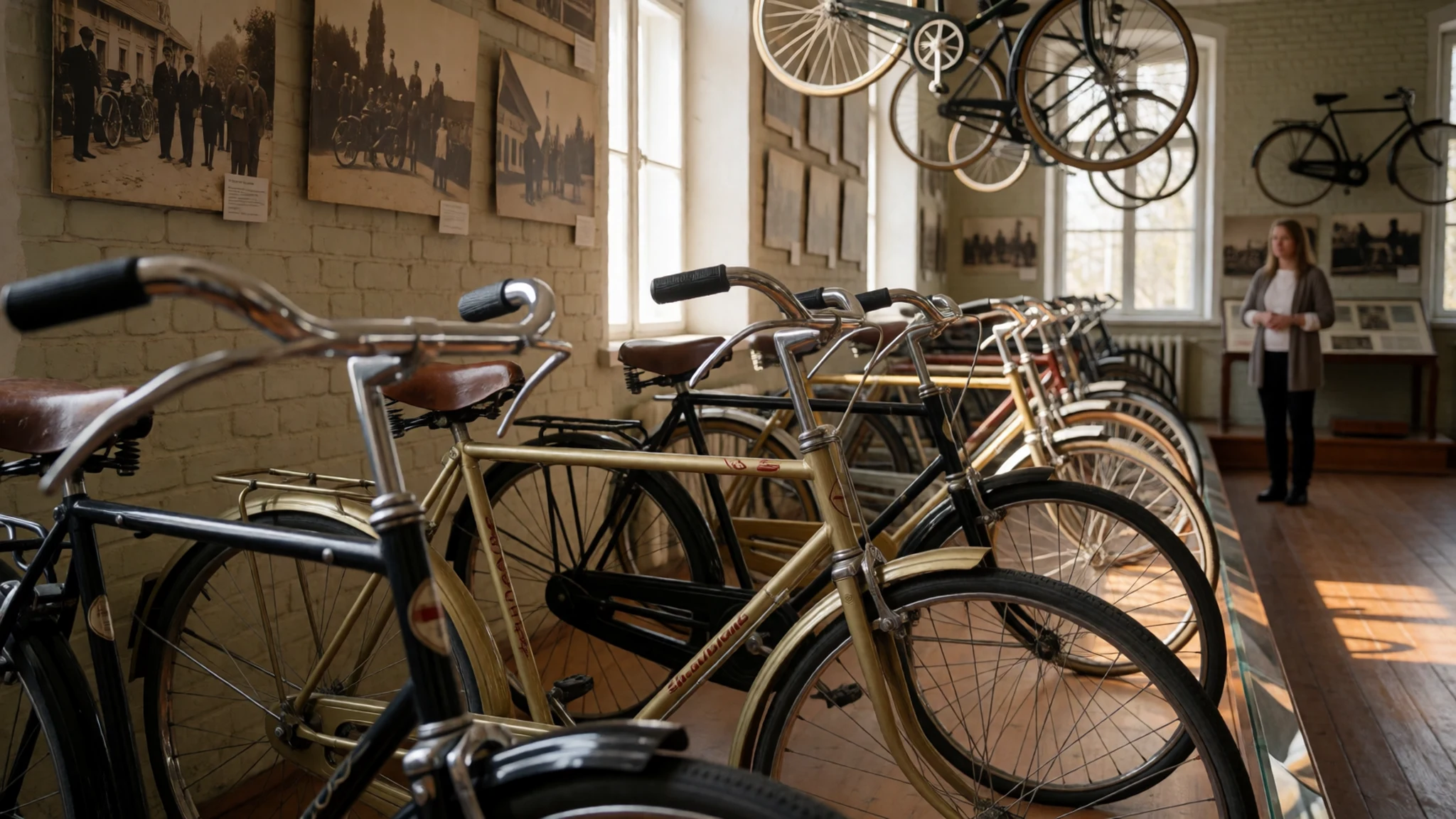
- Hill of Crosses — Outside the city, north
A short trip from the city, this low hill is covered in countless crosses of every size, left by pilgrims and visitors over generations. It is a moving, slightly eerie place, especially when wind rattles the smaller crosses. Arrange a taxi, tour or car, and allow a couple of hours.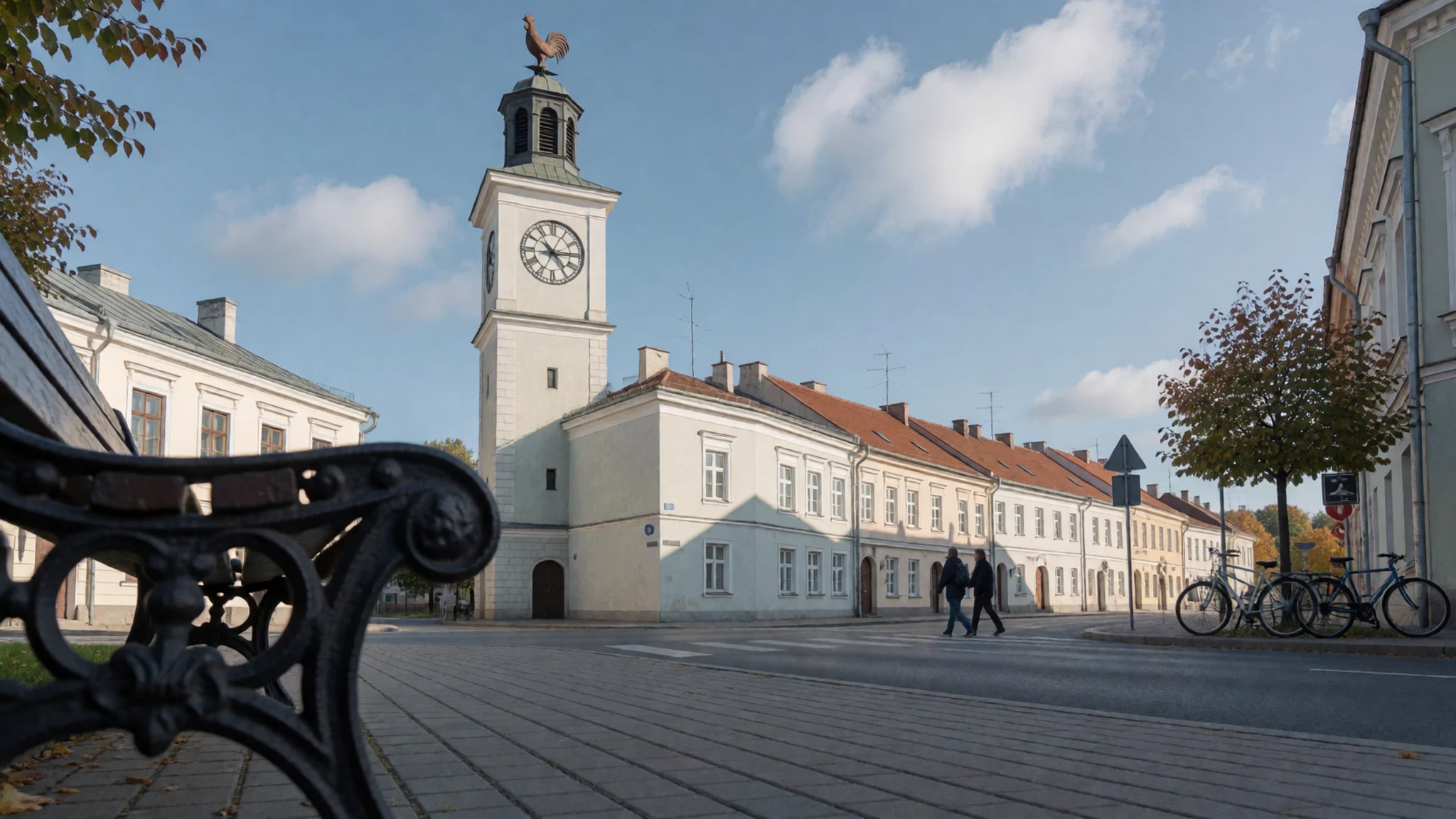
- Museums of bikes, angels and photography — Central Šiauliai
Šiauliai has a bicycle factory, so its Bicycle Museum traces the history of the machine in a playful way. The Angel Museum fills its rooms with sculptures and models of angels, and a small Photography Museum covers the camera's history. Together they make an easy, quirky afternoon on foot.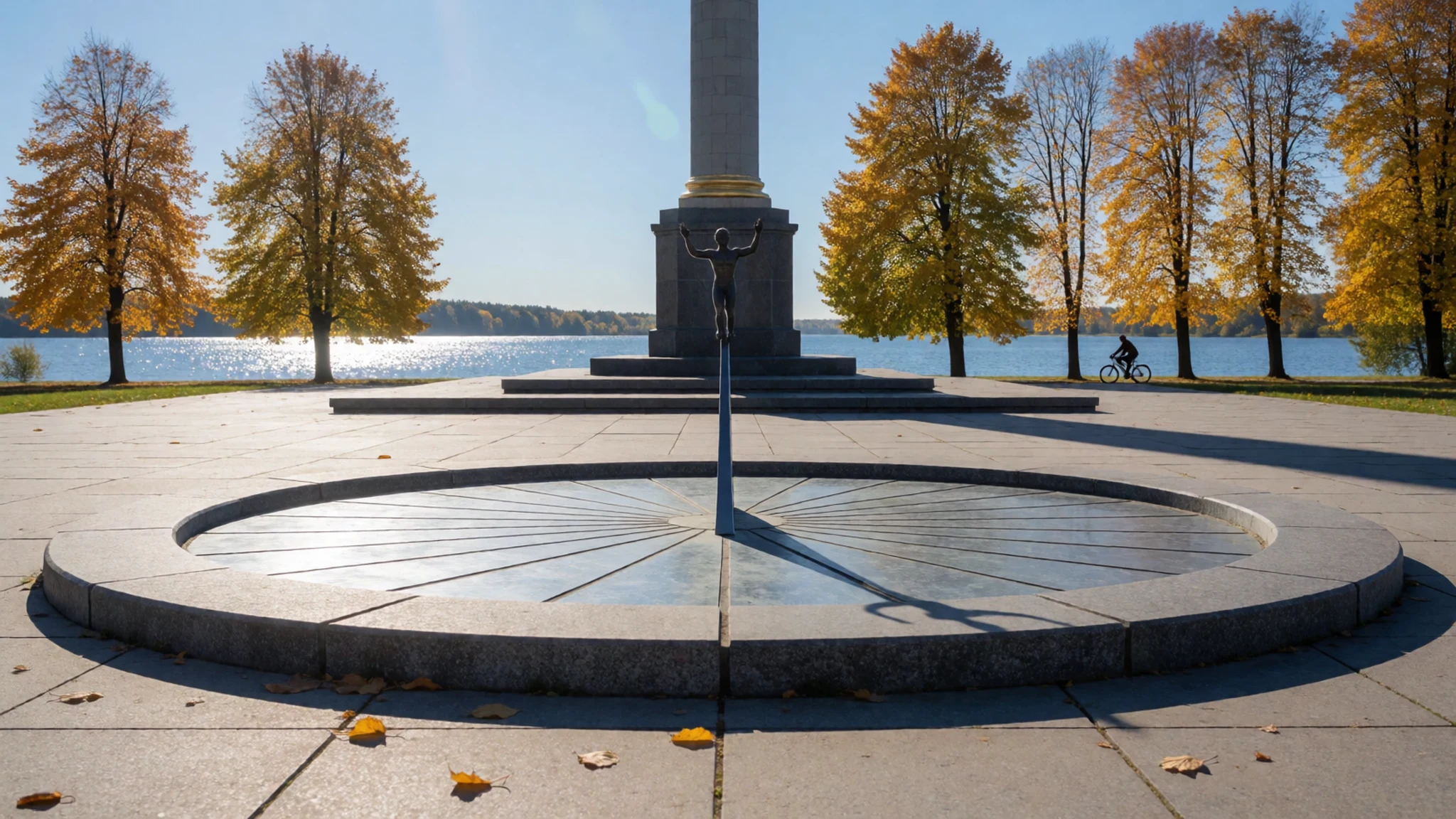
- Rooster Clock Square — Downtown crossroads
The crossroads in the middle of town, and the usual place to arrange a meeting. A rooster on the clock tower once flapped its wings and crowed a greeting on the hour, but the mechanism broke down in Soviet times. The corner still works well as a starting point for a walk.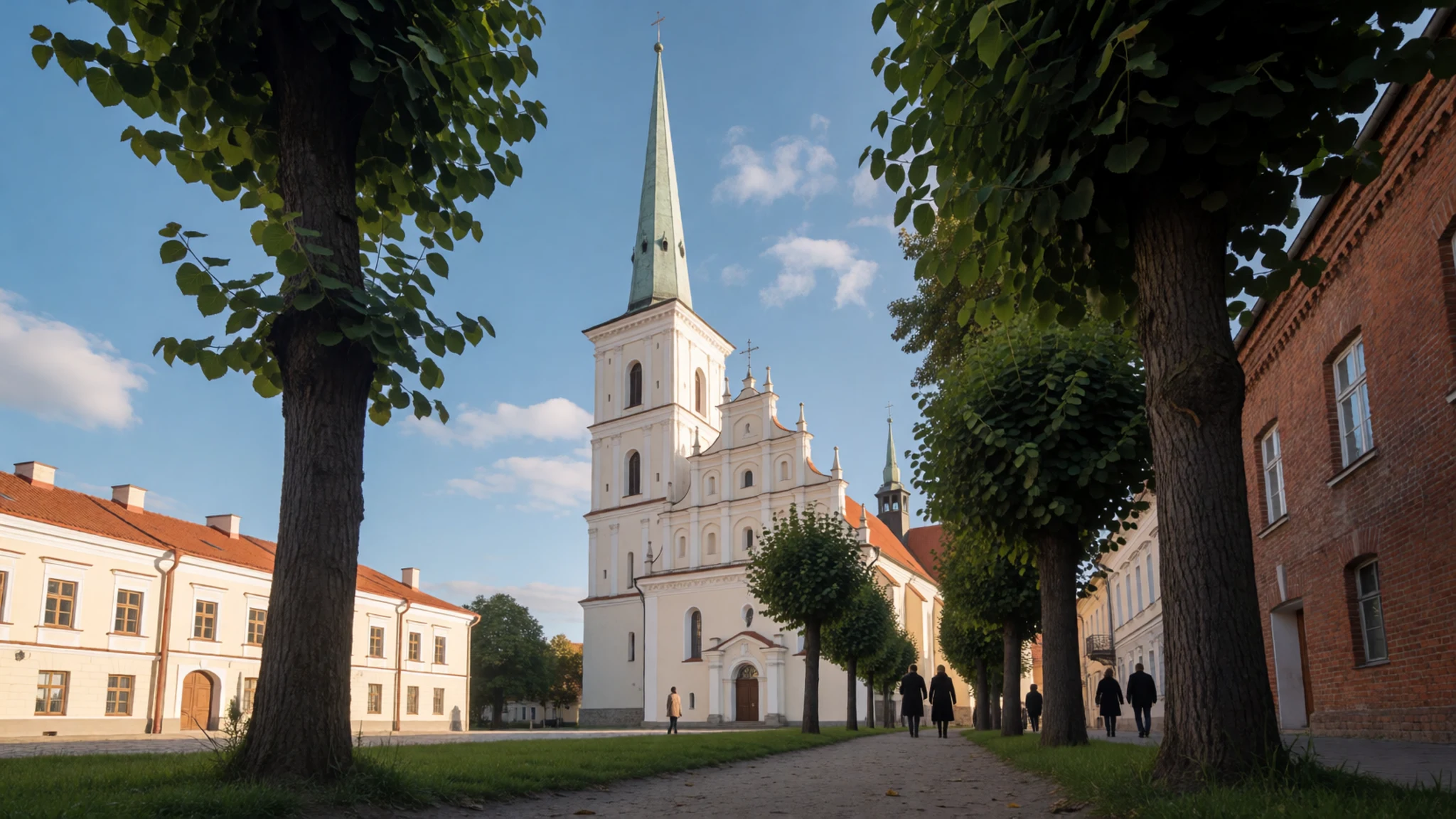
- St George's Church — Central Šiauliai
An unusual Roman Catholic church topped with onion domes, which look more Russian Orthodox than Lithuanian. It was built in the early 20th century for Russian troops stationed in the area. It is worth a look for the contrast with the Renaissance cathedral and for the story of how it came to be.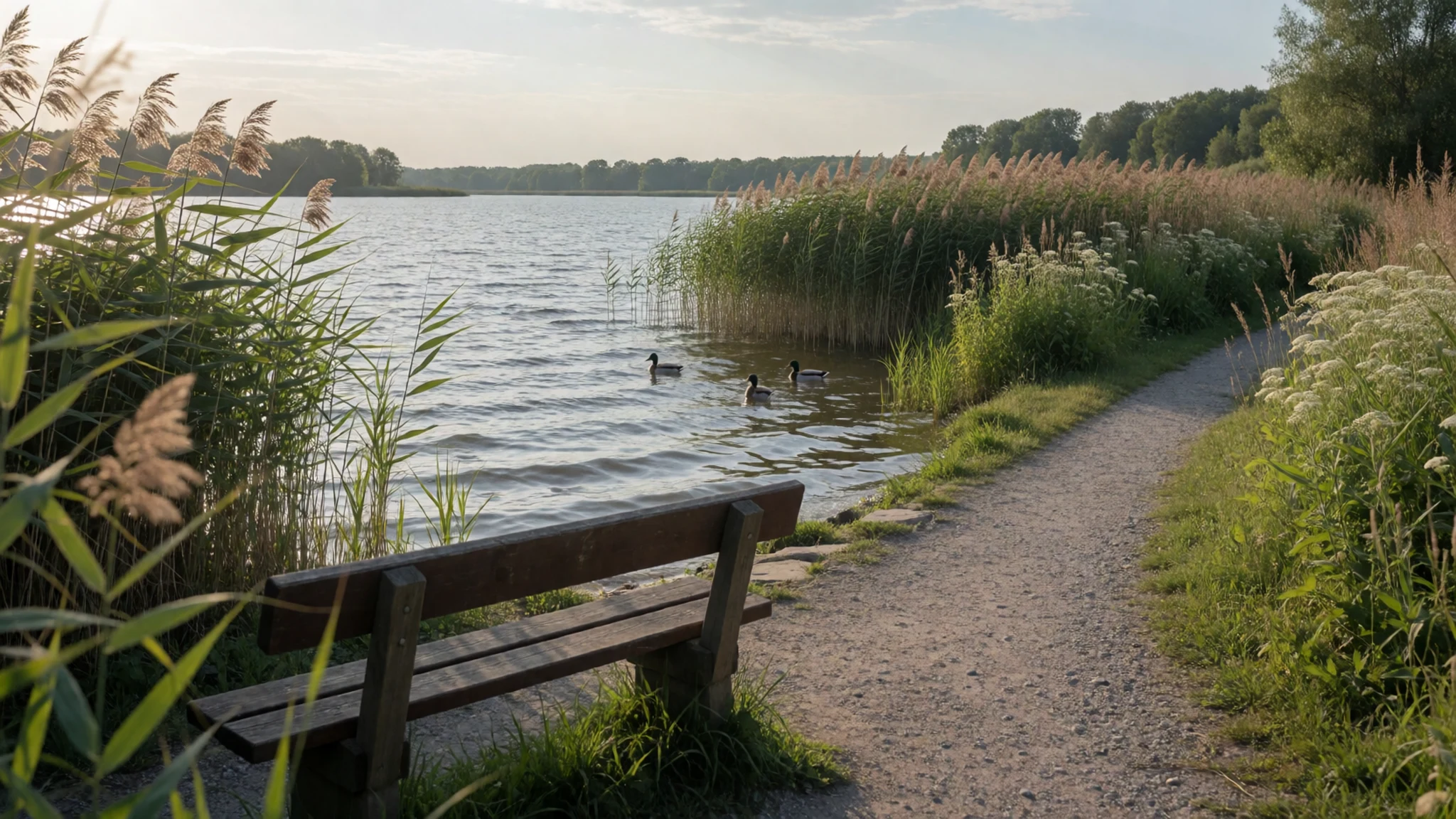
Culture
Šiauliai is a mostly Catholic city, and that shows in its churches, roadside crosses and the pilgrimage traffic to the Hill of Crosses nearby. The hill carries real weight in Lithuanian memory, as a place where people planted crosses as quiet acts of faith and defiance through the Soviet years, and it is still visited with respect rather than as a curiosity.
The city also keeps a lighter side. Its sun symbolism, from the Golden Boy to the sundial, comes straight from the name of the 1236 battle, and residents are fond of the odd museums that have grown up around bikes and angels. Lithuanians tend to be reserved at first, then friendly once a conversation starts. Small talk with strangers is less common than in India or the UK, so a quiet manner is not coldness.
The old cemetery woodland by the lake, opened during a cholera outbreak in 1831, has Catholic, Orthodox and free-thinker sections, which hints at the city's mixed past. Many cafés and eateries are casual, and service can be unhurried, so patience goes a long way.
Language is worth a thought. Younger people often speak English, but at simple canteens it may not be spoken at all, and a smile and some pointing will do. A few words of Lithuanian, such as labas for hello and ačiū for thanks, are warmly received.
At the Hill of Crosses, keep your voice low, do not move or take away any cross, and add one of your own only if you do so respectfully.
What to wear
Šiauliai, like the rest of Lithuania, has a rich folk-dress tradition, though it appears now mainly at festivals, song celebrations and school events. Traditional women's costume uses linen and wool, with woven striped skirts, embroidered blouses and vests, and woven sashes in bright, patterned bands. Amber jewellery is the classic accessory, reflecting the Baltic coast's long link with the stone. Men wore linen shirts, wool coats and sashes of similar weave.
Day to day, people in the city dress in a practical, understated way. Dark colours, jeans, good coats and sturdy boots are common, and locals tend to dress up a little for evenings out, though nothing flashy. Winters call for proper layers, and the cold shapes a lot of what people wear.
For visitors, comfort and weather are the main guide. Summers are warm but rarely hot, with July around eighteen degrees Celsius, so bring a light jacket and something waterproof as showers are common. In winter, with January near minus three, pack a warm coat, hat, gloves and shoes with a good grip for icy pavements.
For churches and the Hill of Crosses, modest dress is appreciated: cover shoulders and avoid very short shorts. Comfortable walking shoes matter, since the centre is best seen on foot and the path at the Hill of Crosses can be muddy after rain. Amber jewellery makes a good, authentic souvenir to buy.
What to eat
- Cepelinai — Traditional canteens and taverns
Large potato dumplings stuffed with meat, curd or mushrooms and served with sour cream and bacon bits. They are filling and heavy, a proper cold-weather meal. Look for them at traditional Lithuanian canteens and taverns around the centre.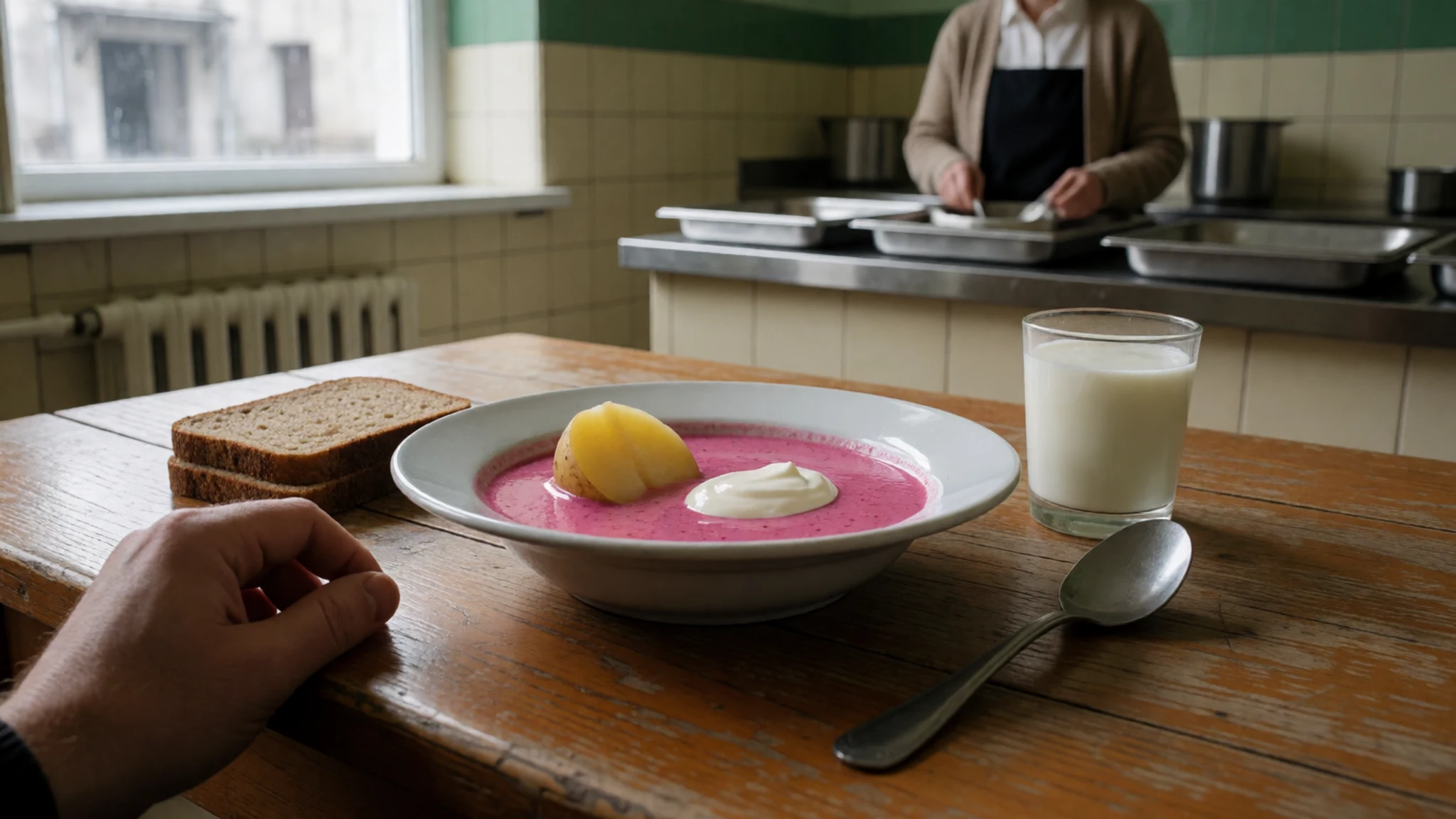
- Šaltibarščiai — Casual eateries, summer
A cold pink soup of beetroot and kefir, with cucumber and dill, usually eaten with hot boiled potatoes on the side. It is refreshing in summer and surprisingly addictive. Most casual Lithuanian eateries offer it in the warmer months.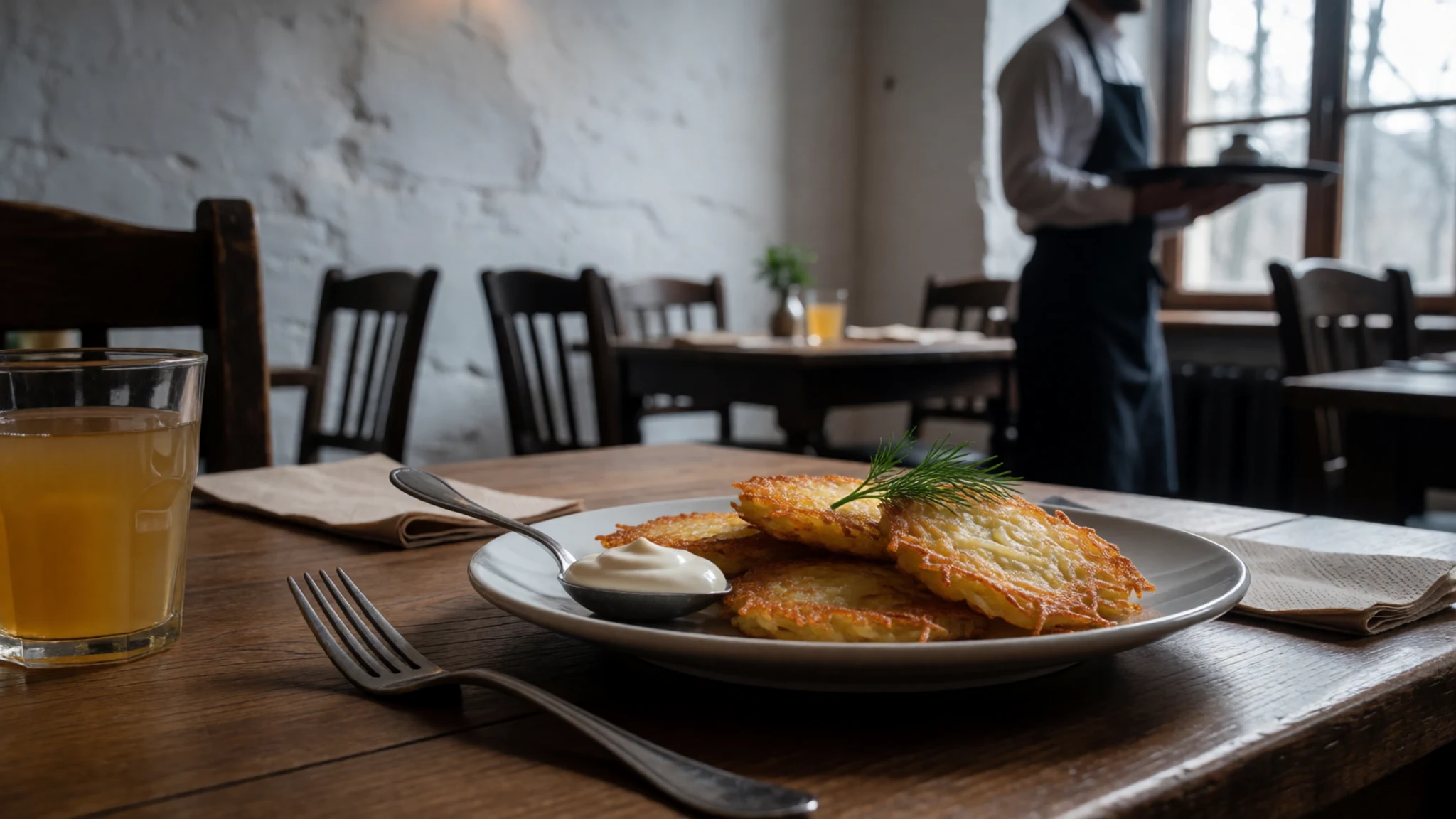
- Kepta duona — Pubs along Vilniaus gatvė
Fried rye bread cut into sticks and rubbed with garlic, often served with a cheesy or garlicky dip. It is the classic bar snack and goes well with local beer. Expect it on almost every pub menu along the main street. - Kugelis — Taverns and simple restaurants
A baked potato pudding with bacon or onion, dense, golden and served in thick slices with sour cream. It is homely food that appears in simple restaurants and taverns across the country, and a good choice if you want something local. - Local beer — Pubs near Vilniaus gatvė
Beer culture runs deep here. The Gubernija brewery has roots going back to the 17th century and was revived recently. Try a local lager or dark beer at a pub in the centre, ideally with a plate of fried bread.
Plan it
Best time. May to September for the best weather, with long daylight and mild temperatures; July averages about eighteen degrees Celsius. Winters are cold and dark, with January around minus three, though they have their own snowy charm.
How long. 1–2
Getting there. Fly into Vilnius, which is the most convenient commercial airport, or into Kaunas on budget airlines. From either, buses and trains run regularly to Šiauliai; check the operators' official timetables for current times. Šiauliai's own airport is mostly military and has no commercial flights. Riga is another gateway, with buses and a rail link.
Budget. low
Tips
- Check bus and train timetables ahead, as services vary by day and season
- Arrange transport to the Hill of Crosses in advance, as it lies outside the city
- Carry some cash, since small canteens may not take cards
- Bring a rain layer in summer and warm clothes in winter
- Visit Sundial Square in the evening, when the light is soft and the park is quiet
Etiquette
- Keep quiet and respectful at the Hill of Crosses and in churches
- Dress modestly when entering churches
- Learn a few Lithuanian words, which are appreciated
Nearby
Sources
- Wikidata Q134712 (CC0)
- Wikipedia: Šiauliai (rev 1384524968) (CC BY-SA 4.0)
- Wikivoyage: Šiauliai (rev 5423426) (CC BY-SA 4.0)
- Photo 01-svk-pastatai-2022.jpg (CC BY-SA 4.0)
- Photo 02-auksinis-berniukas.jpg (CC BY-SA 4.0)
- Photo 03-hill-of-crosses-1-siauliai-lithuania.jpg (CC BY 3.0)
- Photo 04-ayuntamiento-de-siauliai-lituania-2012-08-09-dd-02.jpg (CC BY 3.0)
- Photo 05-rekyvos-ezeras.jpg (CC BY 3.0)
- Photo 06-iauliai-church-in-19th-c.jpg (Public domain)
- Photo 07-calle-vilnius-siauliai-lituania-2012-08-09-dd-01.jpg (CC BY 3.0)
- Photo 08-chaimas-frenkelis-villa-panoramio-1.jpg (CC BY 3.0)


