Trakai Historical National Park
Trakai Historical National Park, Lithuania
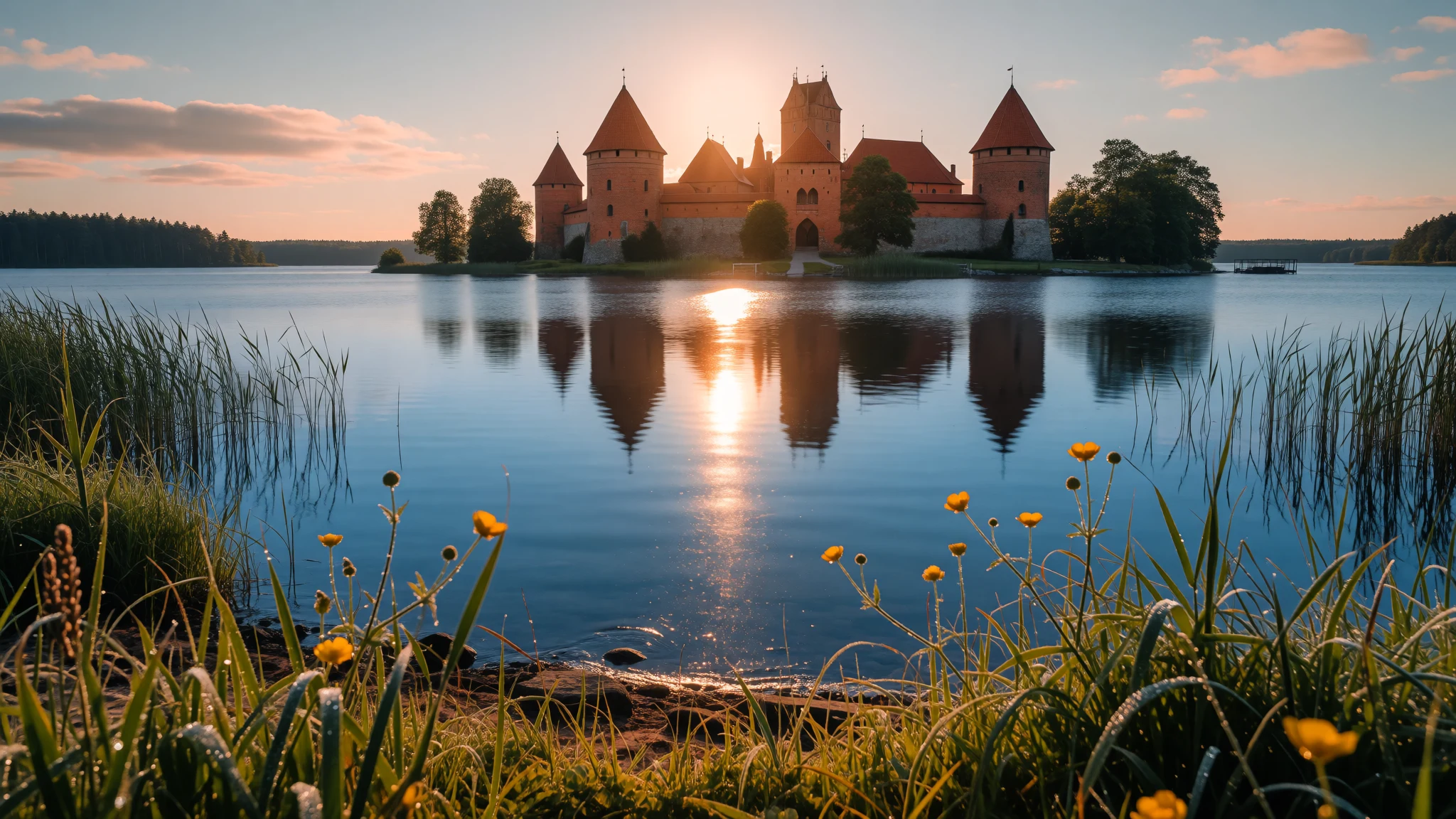
Trakai Historical National Park pairs lakeside castles with forests and villages, so history and scenery feel like they’re walking together.
The place
Trakai Historical National Park (Trakų istorinis nacionalinis parkas) is Lithuania’s national park built around the historic town of Trakai and the lakes, forests and surrounding settlements that shape its everyday landscape. The park was designated in 1992, which is the big headline, but the real draw is how quickly the setting becomes “story”: waterlines, wooded edges, and castle mounds that hint at how this borderland was defended.
Trakai sits around lake systems that make the area feel quietly dramatic even when the weather is plain. On a calm day, the island castle reads like a postcard—red towers meeting the water—while nearby peninsula walls and palace buildings help you piece together the fuller picture of how Trakai functioned through time. Outside the core sights, walking and short drives let you swap crowds for birdlife, reedbeds and forest paths.
Crowds are manageable compared with the big Western Europe capitals, but Trakai can still feel busy in peak summer weekends, and island settings mean you’ll want to time your photos. Late spring and autumn are especially comfortable for lingering: temperatures are usually gentler, and the light has that soft Baltic quality. Winter is colder and darker, but it can be wonderfully atmospheric if you enjoy brisk walks and don’t mind fewer services.
For practical travel, Trakai is most rewarding as a focused base—half-day to full-day exploring—with an easy rail or road connection to Vilnius for the rest of your trip.
Its story
Trakai Historical National Park exists because this corner of Lithuania has long been shaped by movement, defence and changing beliefs. Long before castles and bridges, glaciers left behind plains, gravel and lakes, and that physical foundation still controls where settlements grew: the water and forests that make Trakai so photogenic also provided natural routes and natural barriers.
When early inhabitants settled, amber became one of the region’s key exports. In later centuries, the landscape’s defensible rises—hummocks strengthened with gravel and debris—became the locations for castle mounds, often paired with timber palisades. In other words, the park’s “geometry” is historical: you can trace past priorities by looking at where elevation meets cover.
Conflict also leaves fingerprints. From the 13th century, military campaigns from the Teutonic and Livonian orders brought looting and destruction under a Christianising justification. Lithuanian tribes eventually united, and Mindaugas was crowned king; political deals and conversions shifted more than once as power dynamics changed. Even when Christianity reached the leadership through diplomacy, broader religious change was uneven, and the old world didn’t vanish overnight.
Trakai, then, isn’t only a collection of buildings. It’s an inhabited boundary between land and water, where the park’s towns, castles and surrounding countryside reflect how people adapted—building, trading, fighting, and negotiating identity—over and over.
What to see
- Trakai Island Castle
Trakai Island Castle sits out in the lake, with red towers reflected in the water. Visiting it feels like stepping into the setting before you even reach the rooms: light wind, rippling reflections and the causeway rhythm make it visually memorable.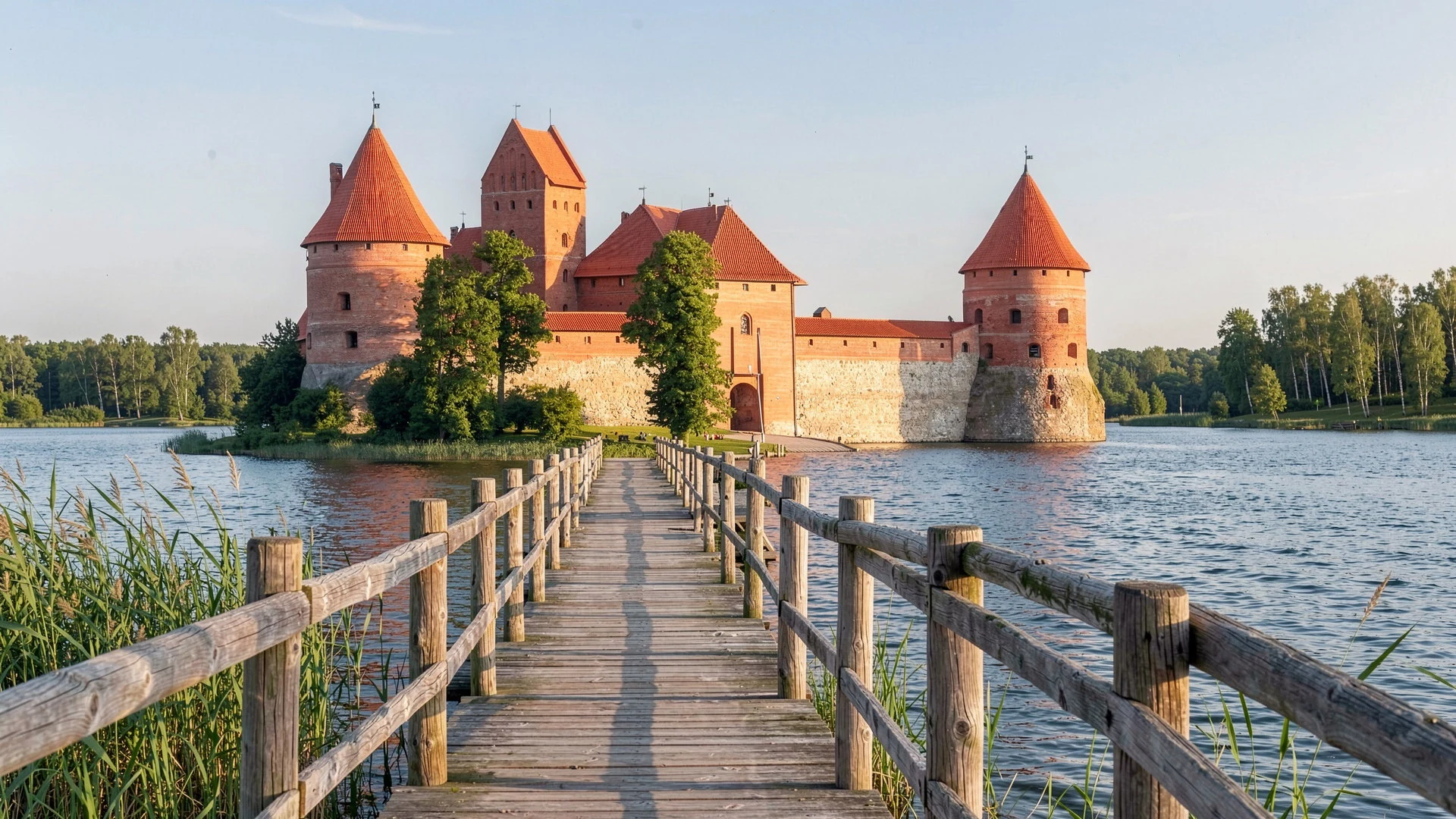
- Old Castle walls on the peninsula — Trakai peninsula
The peninsula side gives a more grounded view of Trakai’s fortifications. Look for how the walls and layout work with the shoreline, so you understand why castles were placed where they were—defence here wasn’t abstract, it was tied directly to water and approach routes.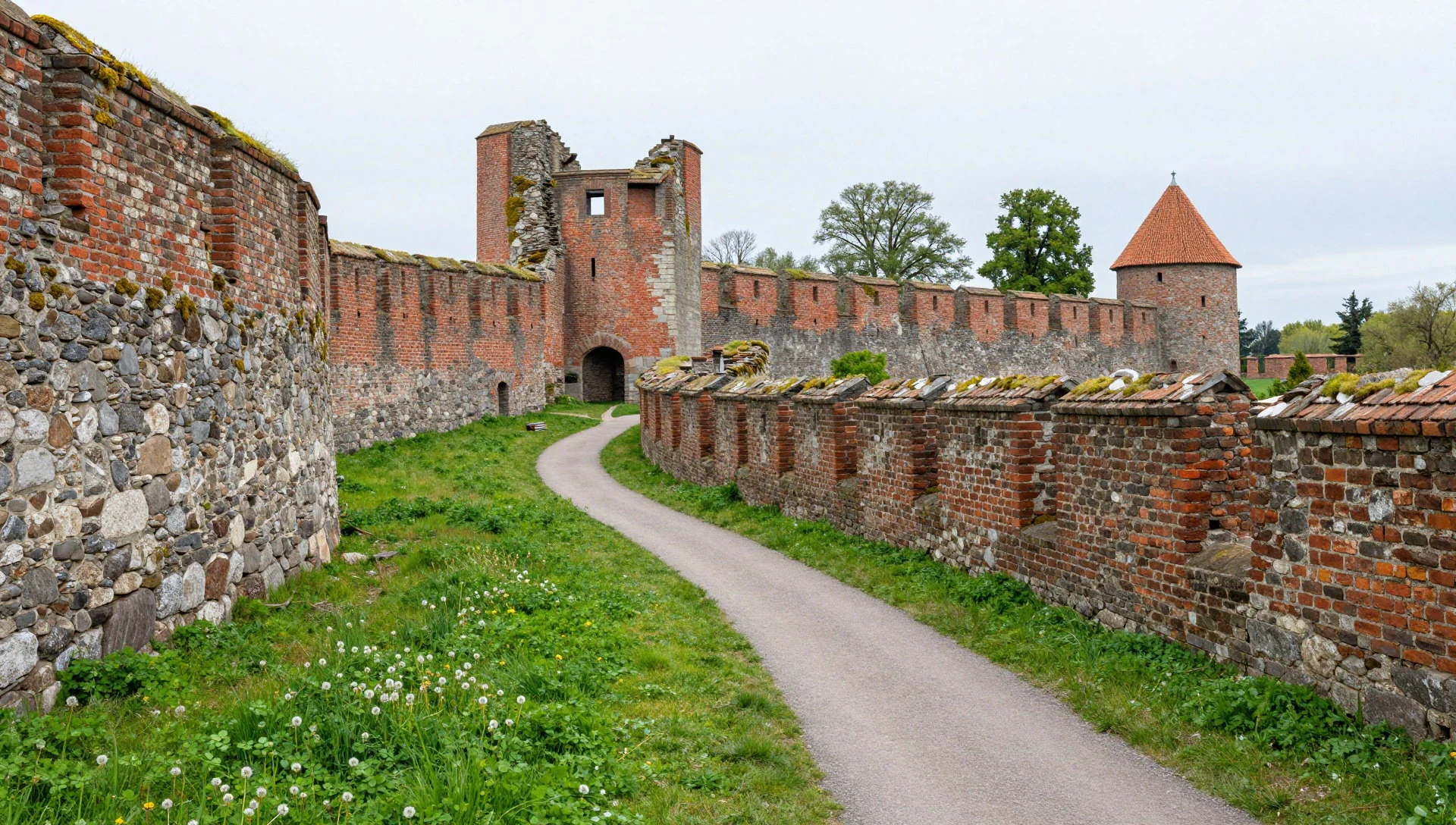
- Tyszkiewicz Palace — Trakai town centre
The Tyszkiewicz Palace adds a different mood: less battlefield, more civic presence. It helps you connect the castle story to later periods when aristocratic life shaped Trakai, and it’s a useful stop if you want variety beyond pure fortress walls.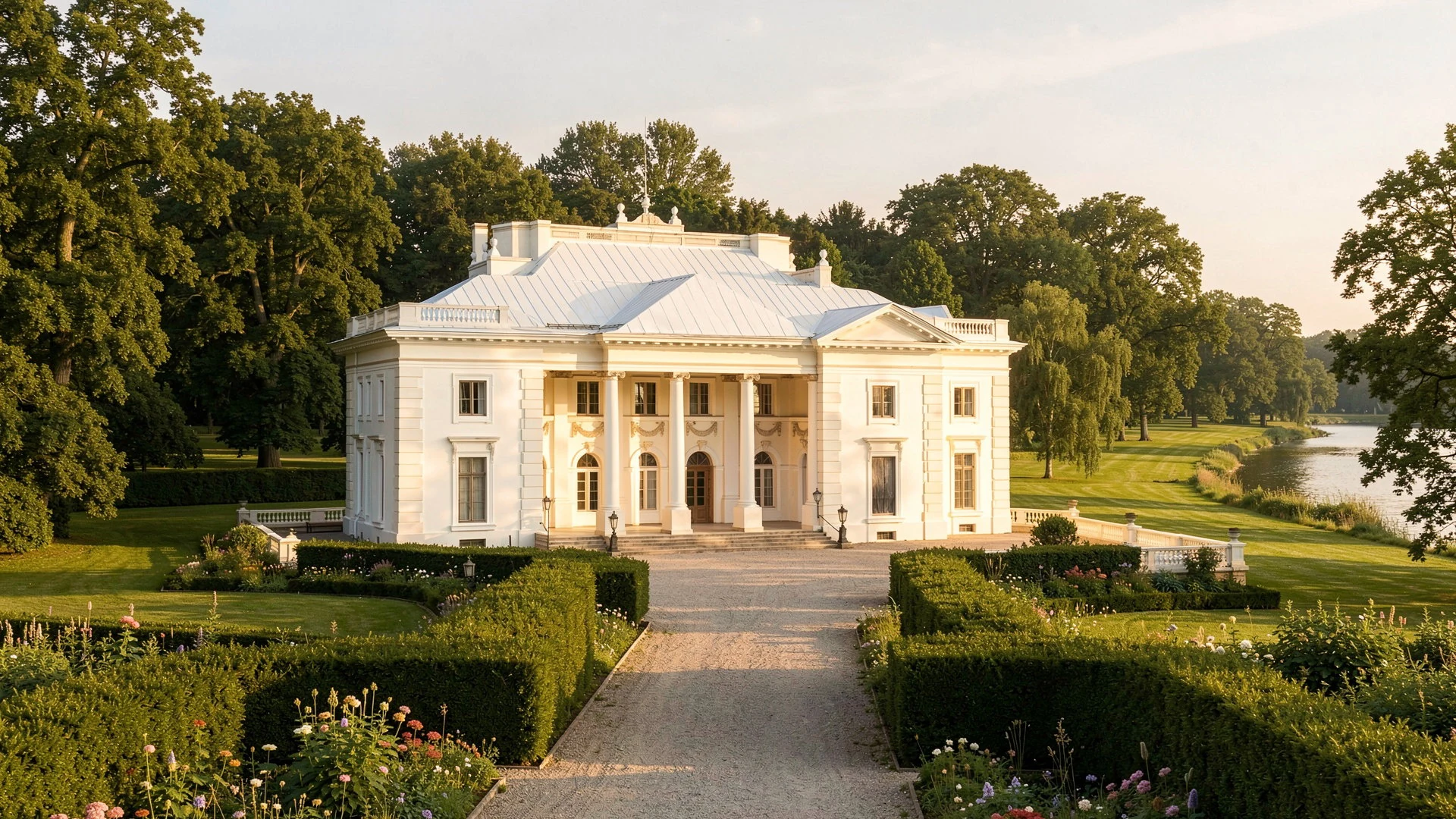
- Karaite Kenesa — Trakai historic area
The Karaite Kenesa of Trakai gives you a minority-religious perspective inside the park’s historic footprint. Its stillness contrasts with the castle drama, and it’s a good place to slow down and read Trakai as a cultural meeting-point.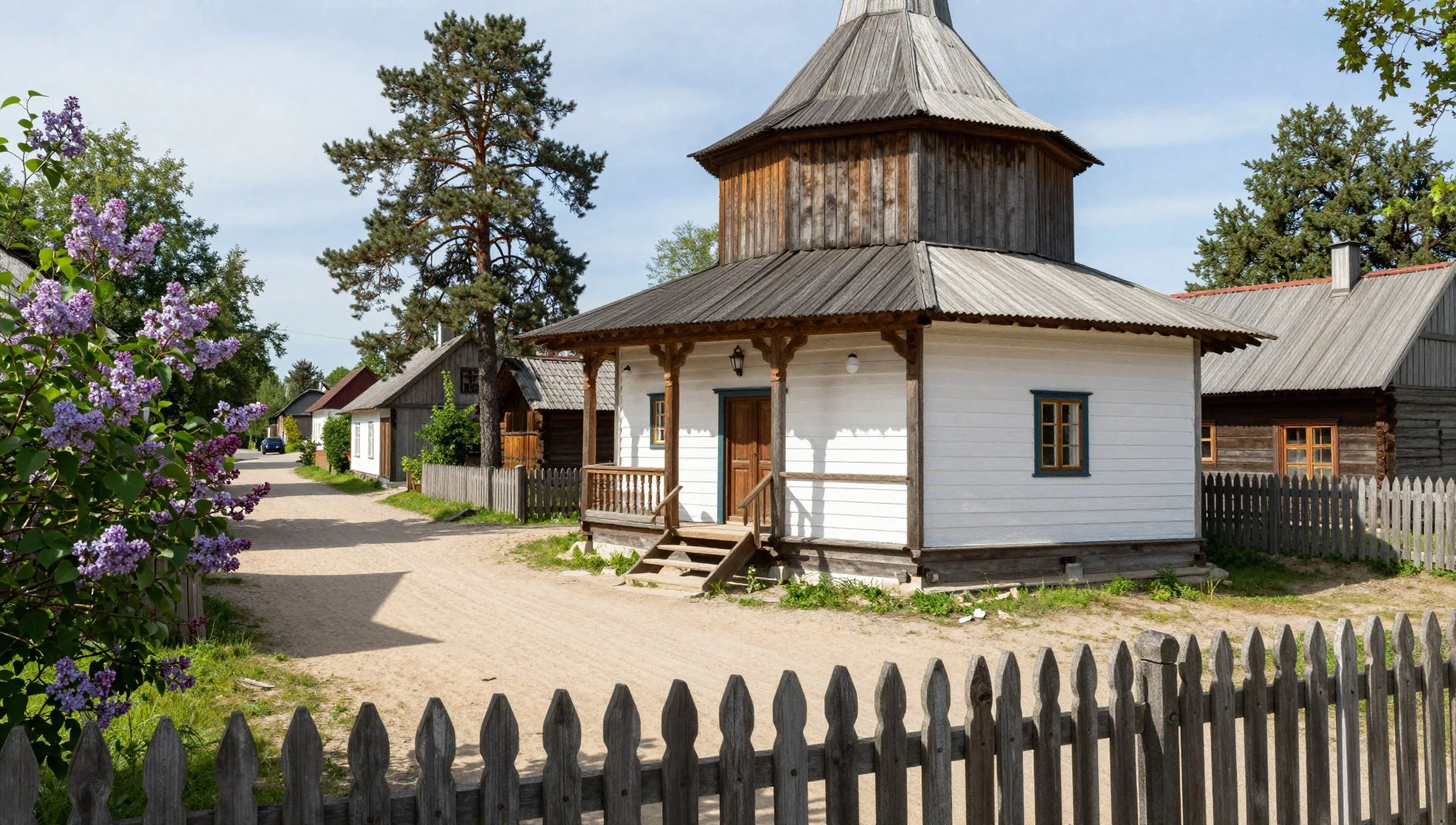
- Užutrakis manor grounds — Užutrakis area
Užutrakio dvaro rūmai (Užutrakis manor) is a calm, landscaped change of pace. The manor setting works well for an unhurried walk, and it gives a broader sense of how estates sat beside lakes and forests around Trakai, not just the castles themselves.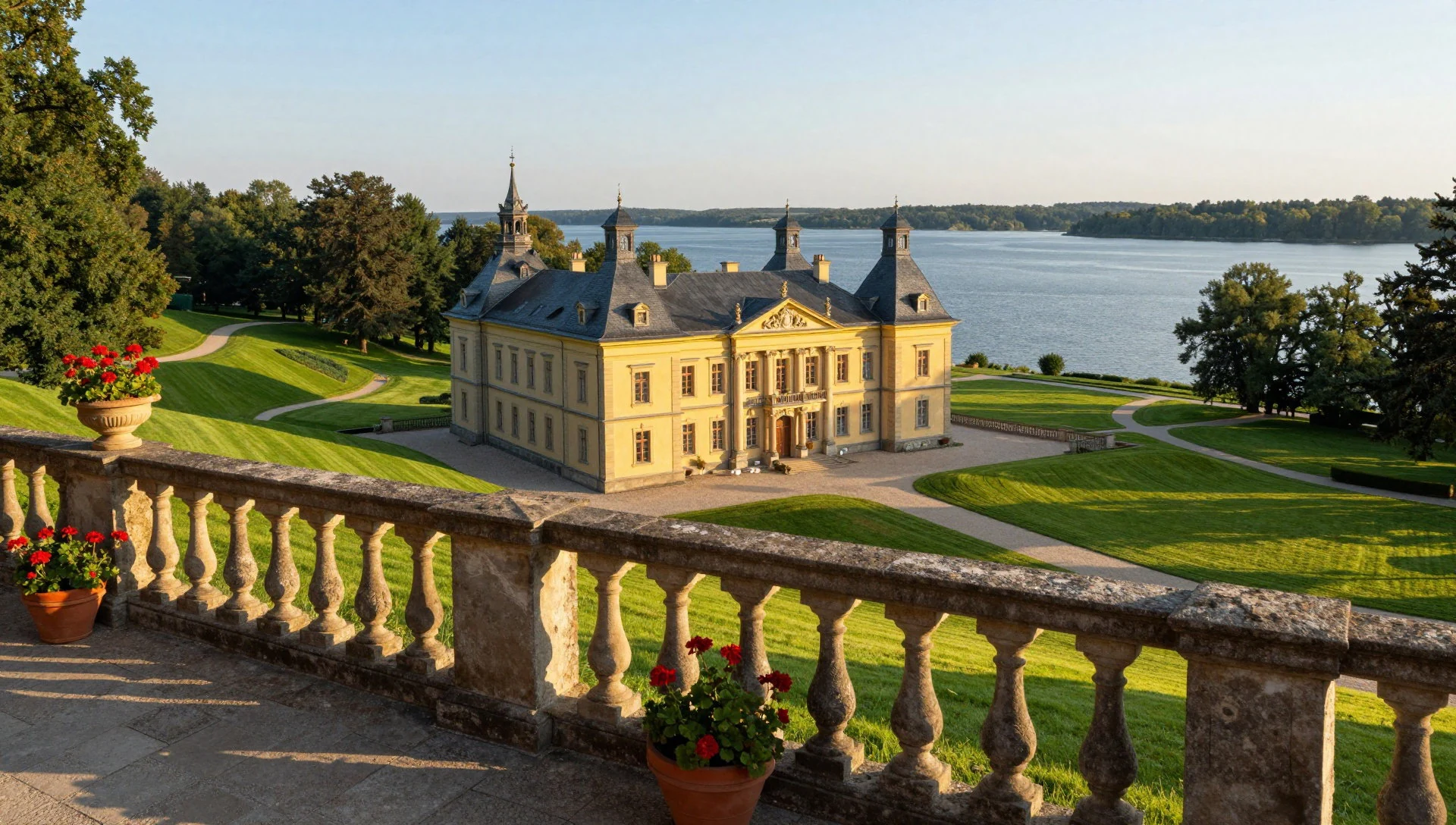
Culture
Trakai sits within Lithuania’s generally Roman Catholic-majority setting, but the town’s history also includes Karaite communities and other cultural layers. On the ground, that shows up in places of worship and in the way local life has long been shaped by arrivals, travel routes and changing rulers.
In practical terms, the culture you’ll feel in Trakai is more “lived-in” than ceremonial. People queue calmly, and you’ll often notice visitors speaking softly around religious and memorial spaces. When you’re near lakeside castles, it’s easy for photography to become the main event, but it helps to remember there are residents and worshippers nearby, and some parts of sights are about respect rather than views.
Lithuanian identity has become a stronger focus in recent years, and you may see subtle emphasis on national symbols in public spaces. That doesn’t mean every visit is politically charged, but it does mean being observant—and not treating everyday symbols as props for photos.
Visitor etiquette in Trakai: dress modestly inside religious buildings, keep voices down, and follow any shoe-removal or photography signs you see.
What to wear
In Trakai, traditional dress is most likely to appear during festivals, heritage events or cultural programmes rather than as everyday wear. When you do spot it, you’ll usually see richly patterned textiles—embroidered shirts and decorative details—that reflect Baltic tailoring traditions. These outfits are typically worn for ceremonies and performances, and they’re designed for standing, dancing and photographing rather than for long, wet walks.
What people wear day-to-day is much like in other parts of Northern Europe: practical layers for changing weather, with a mix of casual trousers, light jackets and warm knits depending on the season. In summer, expect breathable fabrics; in autumn, you’ll see thicker coats and waterproof outerwear. Footwear matters because the sites include lakeside paths and sometimes uneven ground near castle areas.
For visitors, pack for “Baltic weather, on repeat”: a light waterproof jacket, long trousers or comfortable layers, and shoes with grip. If you’re planning to enter any religious spaces, bring something that covers shoulders and knees comfortably, so you don’t need to rush at the door when temperatures drop.
What to eat
- Cepelinai (Zeppelins) — Traditional Lithuanian restaurants around Trakai and Vilnius
Cepelinai are potato dumplings filled with meat, usually served hot and comforting after a long day walking the lake and castle grounds. Look for them at traditional Lithuanian restaurants in Trakai and nearby Vilnius.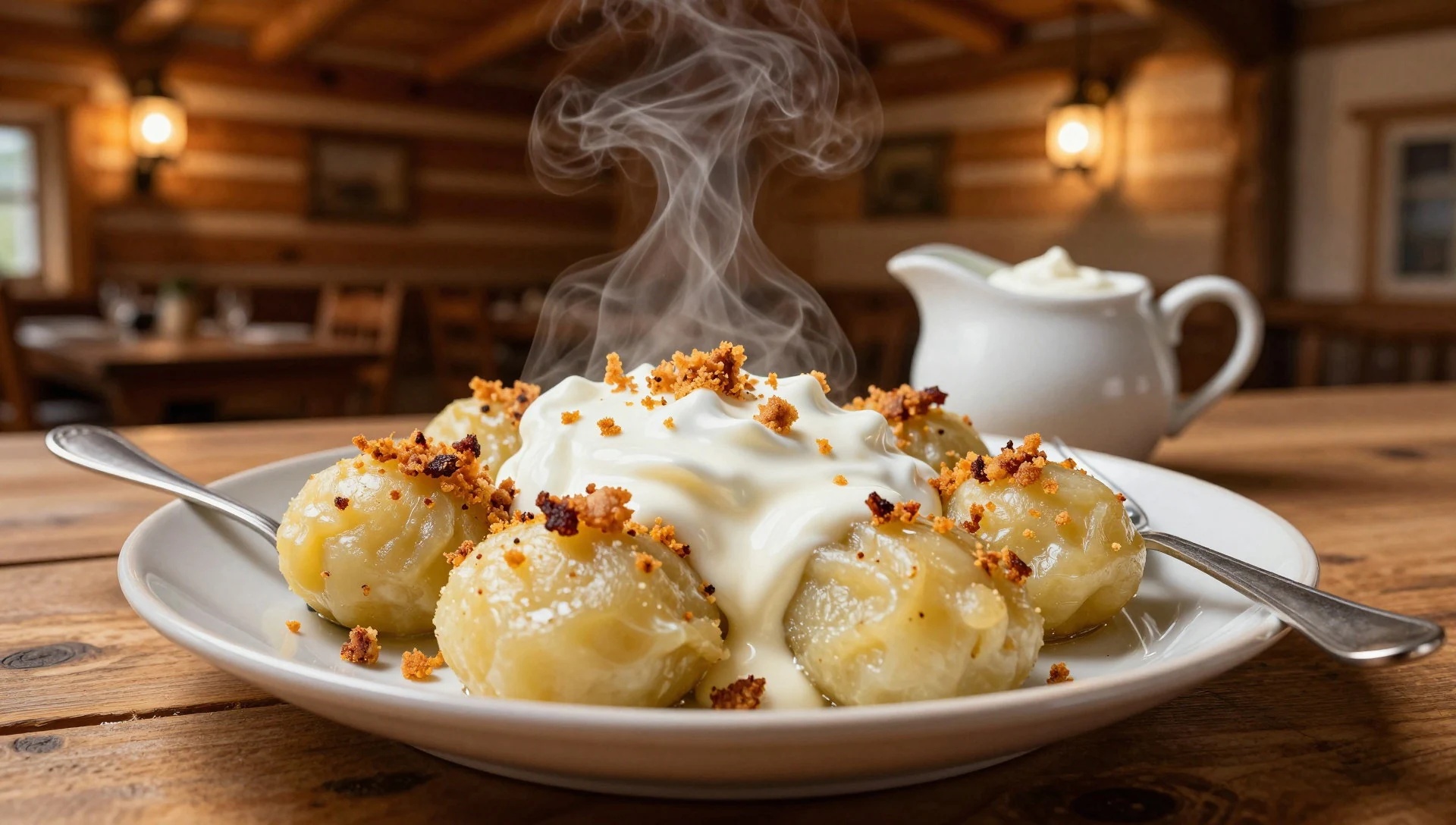
- Šaltibarščiai (cold beet soup) — Local eateries in Trakai and Vilnius
Šaltibarščiai is a summer-style soup based on beets and soured milk. It’s a refreshing break on warmer days when you’re bouncing between island viewpoints and manor gardens.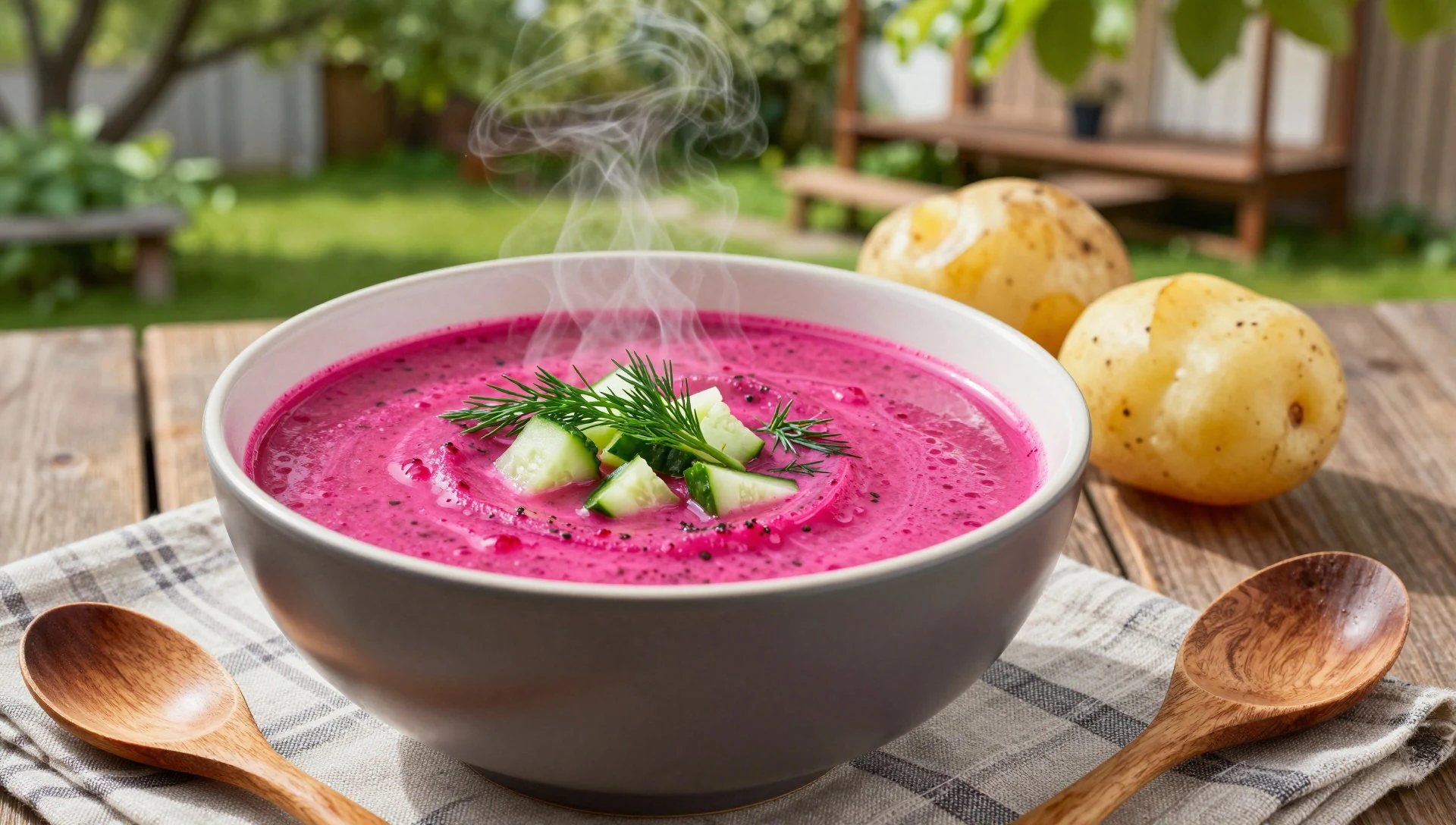
- Ruginė duona with soup — Bakeries and casual food counters in Trakai
Ruginė duona is dark rye bread, often eaten alongside soups. It’s simple, filling and works well as an on-the-go snack when you don’t want something heavy between sights. - Skilandis — Market stalls and deli-style counters
Skilandis is cold-smoked, stuffed pig stomach with ground meat and garlic. It’s the kind of dish that feels very local—good if you’re curious about Lithuanian uses of pork parts. Find it at traditional food spots and markets. - Kastinys — Traditional Lithuanian restaurants
Kastinys is a soft sour-cream butter sauce, often served with warm sides. It’s rich but not complicated, making it a reliable comfort-food choice after chilly lakeside walks. - Alus (Lithuanian beer) — Pubs and restaurants in central Trakai
Beer is the go-to drink, with many visitors ordering it as a default with meals. Ask for alus when you sit down, or look for Lithuanian brands at bars around the town centre.
Plan it
Best time. March–April and October–November are good for comfortable temperatures and moody light; July and August can be crowded and warm in town, especially near the lake.
How long. 2–3
Getting there. Reach Lithuania’s capital area first, then get to Trakai by local train or bus from Vilnius; the last leg is the short hop from Vilnius to the park and historic town.
Budget. mid
Tips
- Start castle-side sights early in the day to avoid the busiest photo windows.
- Build in time for lakeside walking; the viewpoints look best when you’re not rushing.
- Plan one slower stop (manor grounds or a quiet lane) to balance the fortress crowding.
- Keep some small cash for smaller eateries and local sellers, even if bigger places take cards.
- Pack a light waterproof layer—Baltic weather can change quickly around water.
Etiquette
- Dress modestly inside religious buildings and follow any posted guidance.
- Keep noise down near worship spaces, even if it feels like a scenic viewpoint.
- When photographing people, be mindful and avoid blocking entrances or paths.
Nearby
Sources
- Wikidata Q1539772 (CC0)
- Wikipedia (rev 1362943381) (CC BY-SA 4.0)
- Wikivoyage (rev 5421490) (CC BY-SA 4.0)
- Photo photos/01-trakai-castle-a.jpg (CC BY 3.0)
- Photo photos/02-trakai-troki.jpg (CC BY 3.0)
- Photo photos/03-front-facade-of-the-trakai-island-castle-2009.jpg (CC BY 2.5)
- Photo photos/04-trakai-old-castle.jpg (CC BY-SA 2.5)
- Photo photos/05-trakai-tyszkiewicz-palace.jpg (CC BY 3.0)
- Photo photos/06-u-utrakio-dvaras-27.jpg (CC BY 3.0)
- Photo photos/07-trakai-kenesa.jpg (CC BY-SA 2.5)
- Photo photos/08-trakai-oro-svente.jpg (Public domain)


