Vilnius
Vilnius, Lithuania
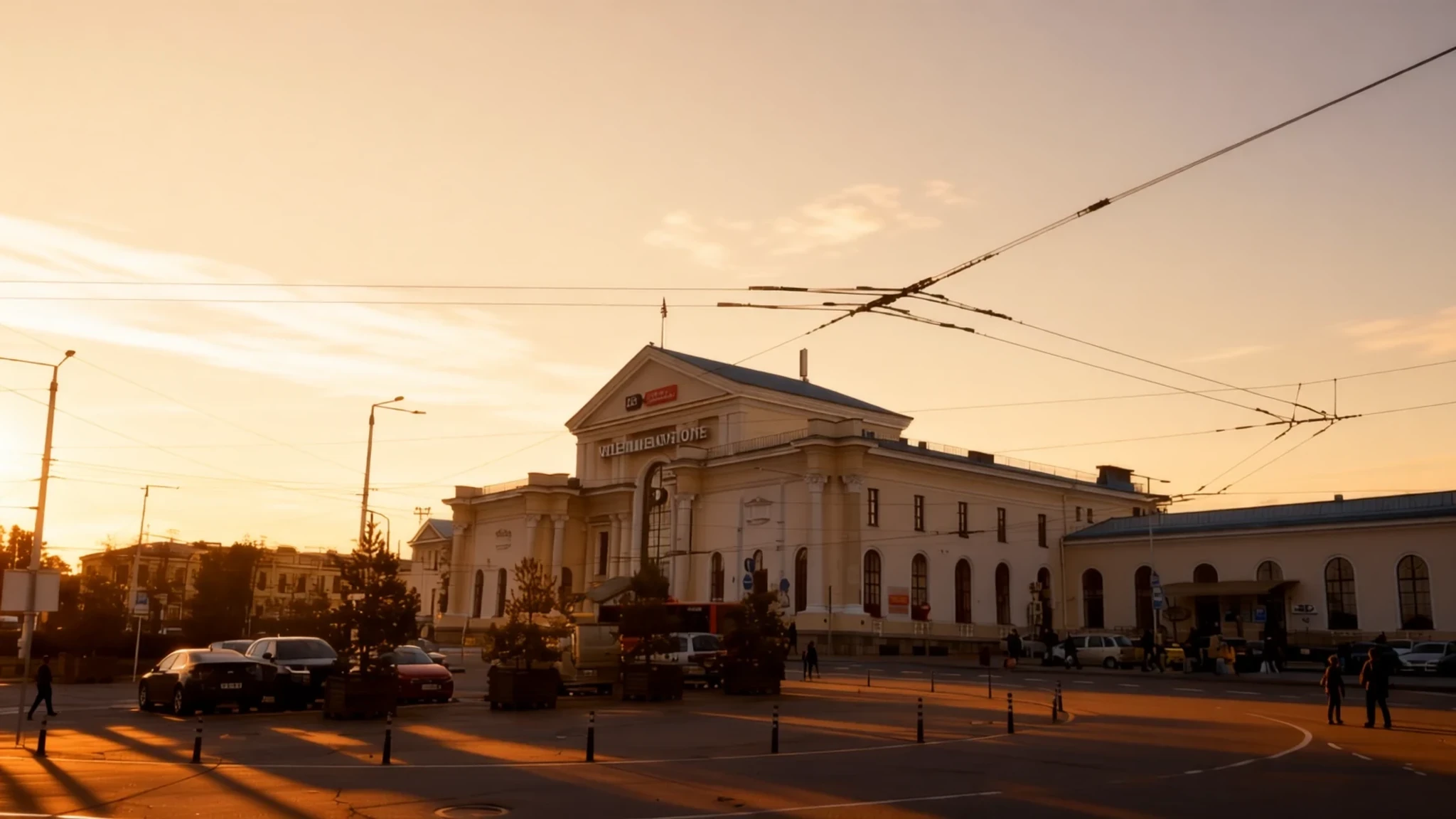
Visit Vilnius for its sprawling Baroque Old Town, a rich layers-of-history atmosphere, and an unexpectedly creative, green urban spirit.
The place
Vilnius is a city that feels like a living museum, yet it possesses a youthful, energetic pulse. As the capital of Lithuania, it is defined by its remarkably well-preserved Old Town, which is among the largest of its kind in Europe. The architecture here is a fascinating dialogue between eras; you will find the specific 'Vilnian Baroque' style, characterized by elegant, soaring lines, which was heavily influenced by Italian artists and architects who brought southern European sensibilities to the Baltic. This blend of influences makes the city feel more Mediterranean than one might expect for its northern latitude.
Walking through the centre, the layout is organic and winding, leading you past white-walled churches and hidden courtyards. The city is surprisingly green, with parks and riverbanks weaving through the urban fabric. While the historic core is the primary draw, there is a distinct contrast between the ecclesiastical grandeur of the past and the modern, design-led cafes and galleries that now occupy old warehouses. It is a place where the pace of life is slower than in Western European capitals, allowing for a more honest engagement with the surroundings. Crowds are generally manageable, though the central squares can get busy during summer festivals. The air is crisp, and the city's layout encourages exploration on foot, making it easy to stumble upon a quiet chapel or a contemporary art space.
Its story
The story of Vilnius is one of endurance and shifting borders. Early settlements date back to the Stone Age, but the city's formal narrative begins with Grand Duke Gediminas. He invited merchants and artisans from across Europe to settle here, establishing a multicultural foundation from the very start. A wooden castle was erected on a hill, marking the spot where the city would grow. Over the centuries, Vilnius served as the heart of the Grand Duchy of Lithuania, a period of immense power and territorial reach.
However, the city's location made it a prize for many empires. It has been shaped by the influences of the Polish–Lithuanian Commonwealth and later endured periods of rule under the Russian Empire, Napoleonic France, and Nazi Germany. The mid-century was particularly turbulent, with the city passing through Soviet hands multiple times. Each era left its mark: the Polish influence is visible in the Catholic churches, the Russian period in the neoclassical government buildings, and the Soviet era in the brutalist concrete outskirts. Despite these upheavals, the city regained its status as the capital of an independent Lithuania in the late twentieth century. This history of survival has fostered a deep national pride and a culture that fiercely protects its architectural heritage, treating the restoration of its baroque facades as an act of reclaiming its own identity.
What to see
- Gediminas Castle — Upper Castle hill
Perched on a hill, this site features the iconic tower of the Upper Castle. While the broader complex has seen centuries of destruction and abandonment, the climb to the top offers the best panoramic view of the red-tiled roofs of the city below.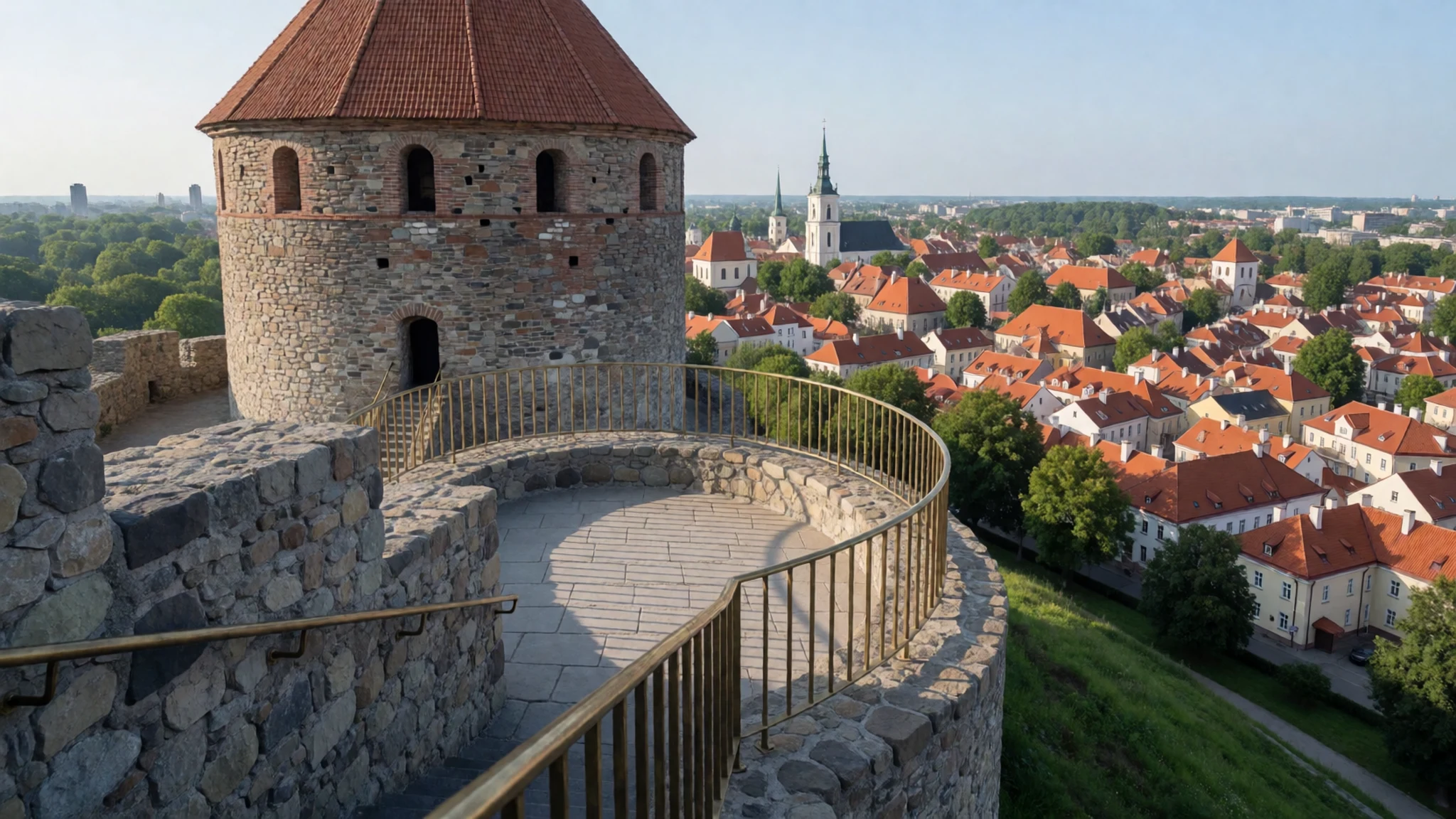
- Old Arsenal — Lower Castle
Located within the Lower Castle, this fifteenth-century building once housed heavy artillery. Today it serves as part of the National Museum, where you can explore Lithuania's early history and the transition to Christianity through a series of curated exhibits.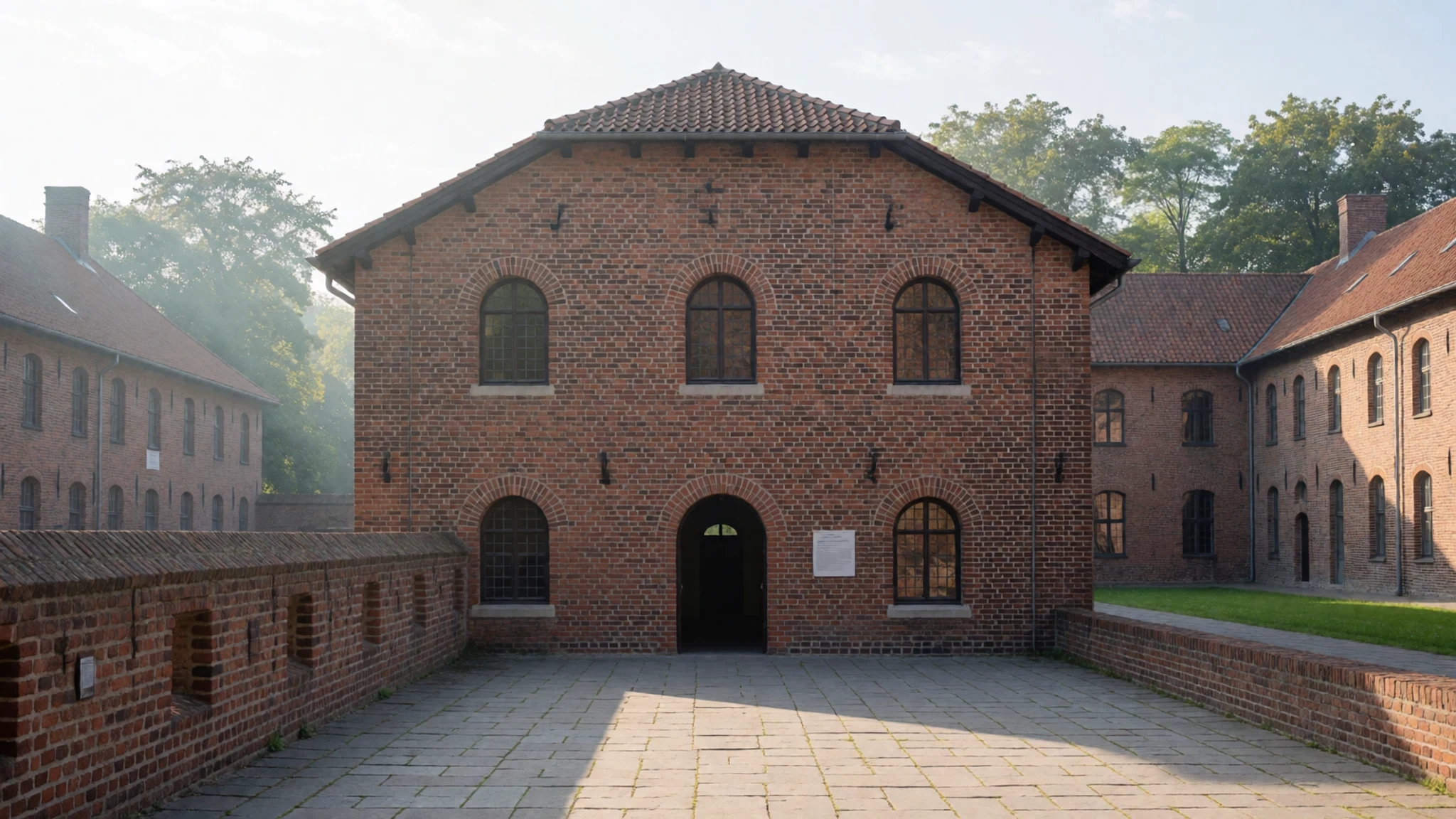
- Vilnius Cathedral — Cathedral Square
The spiritual heart of the city, this white neoclassical building is surrounded by a wide plaza. It is a symbol of the city's endurance and houses a belfry that stands slightly apart from the main structure.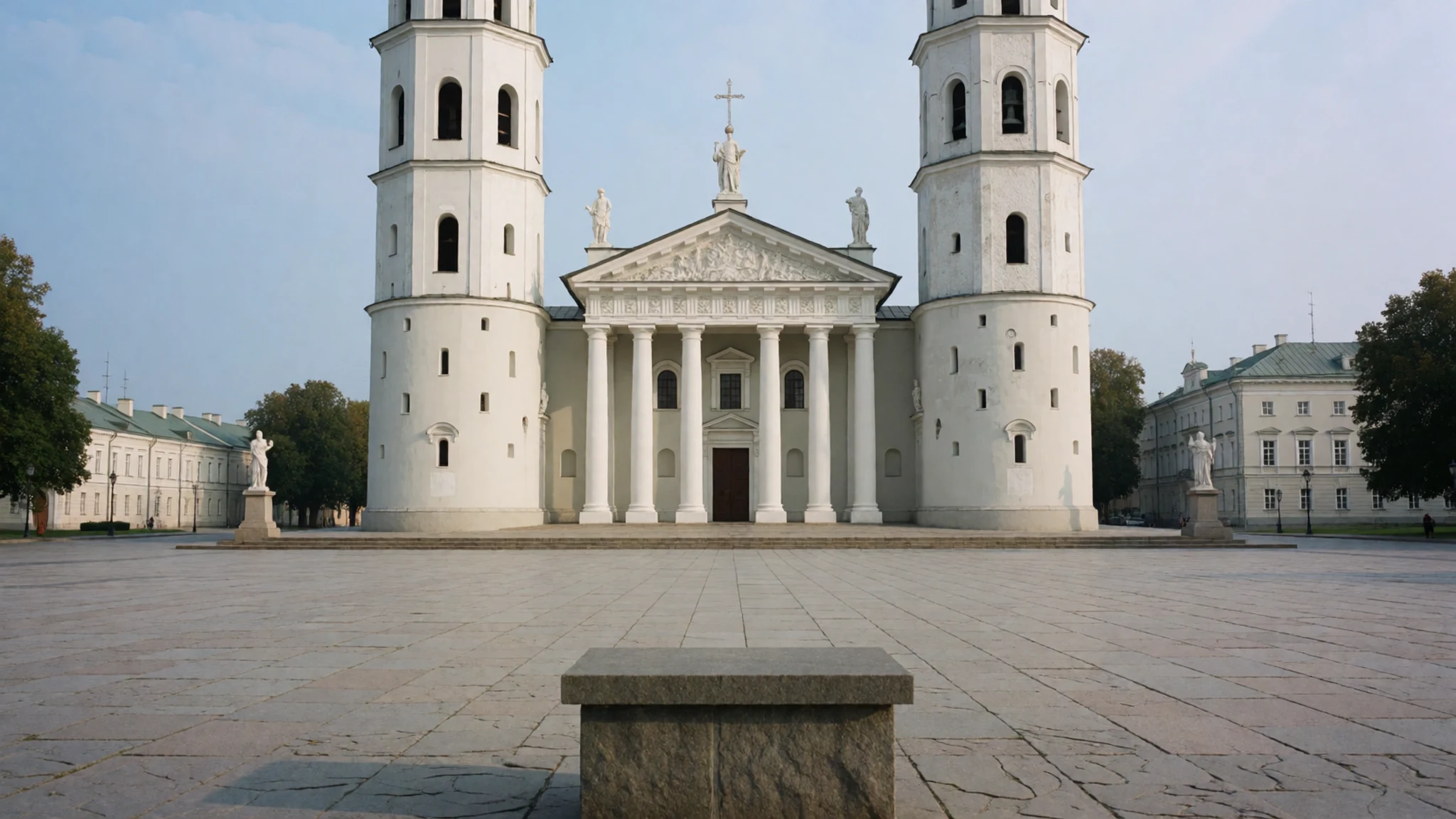
- Gate of Dawn — Old Town
The only remaining city gate of the old defensive walls. It is famous for the chapel built into the wall, which houses a revered painting of the Virgin Mary and attracts many pilgrims.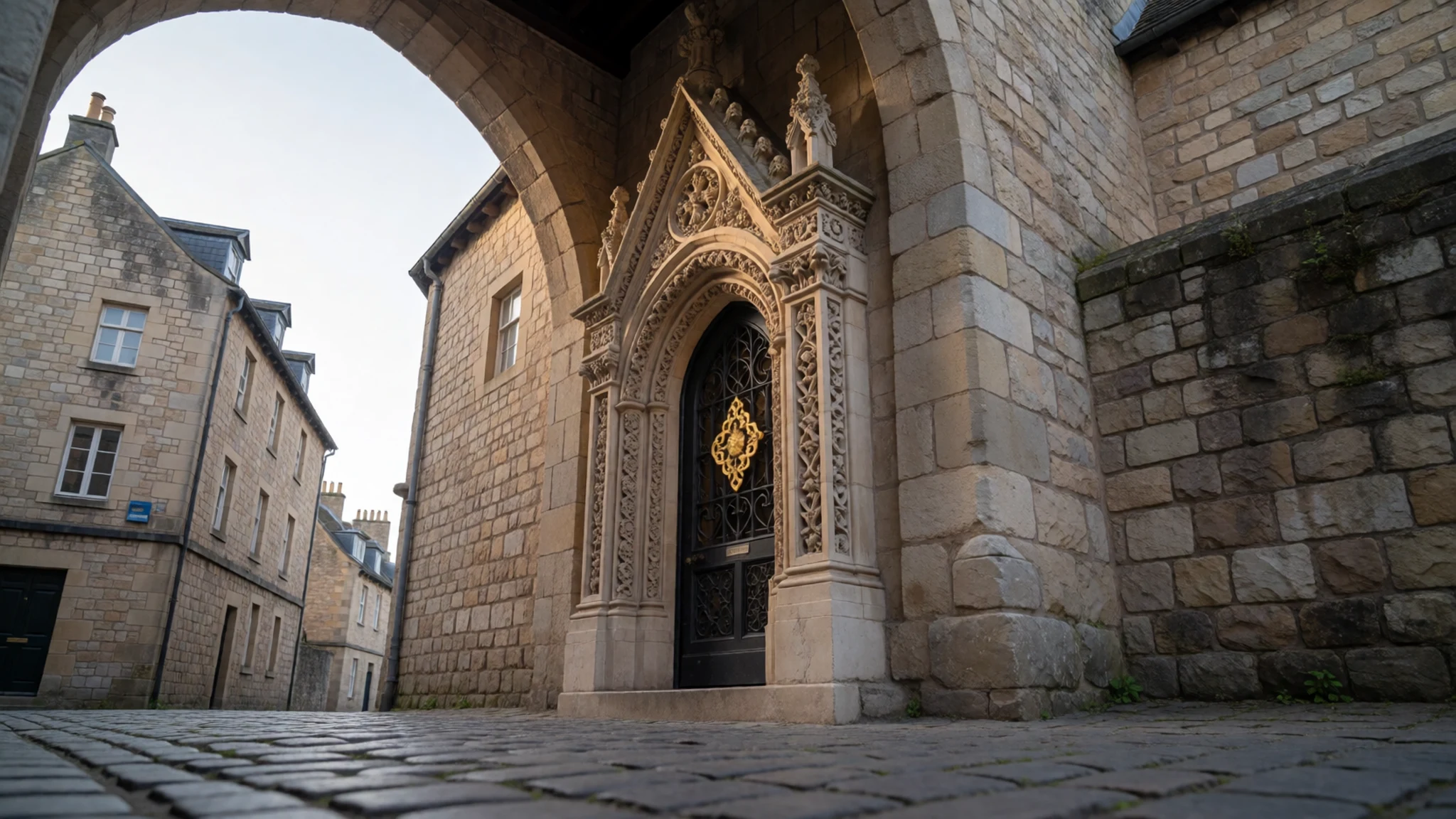
- New Arsenal — Lower Castle area
An eighteenth-century structure that transitioned from a military barracks to a center for culture. It provides a starker, more utilitarian contrast to the ornate baroque churches found throughout the surrounding streets.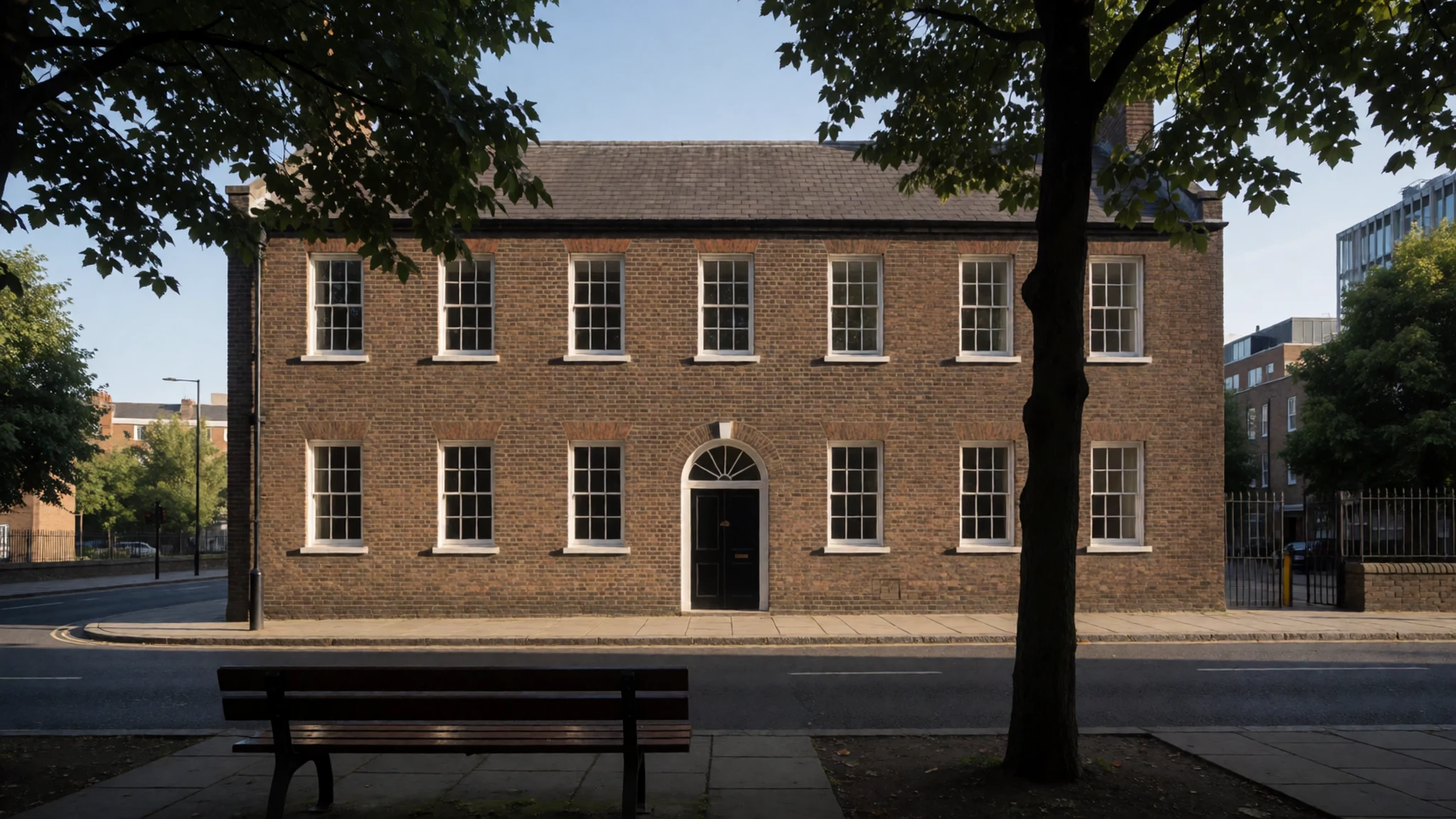
- Palace of the Grand Dukes — Lower Castle
A reconstructed seat of power that allows visitors to imagine the opulence of the Grand Duchy. The interiors are designed to reflect the luxury and political importance of the state in earlier centuries.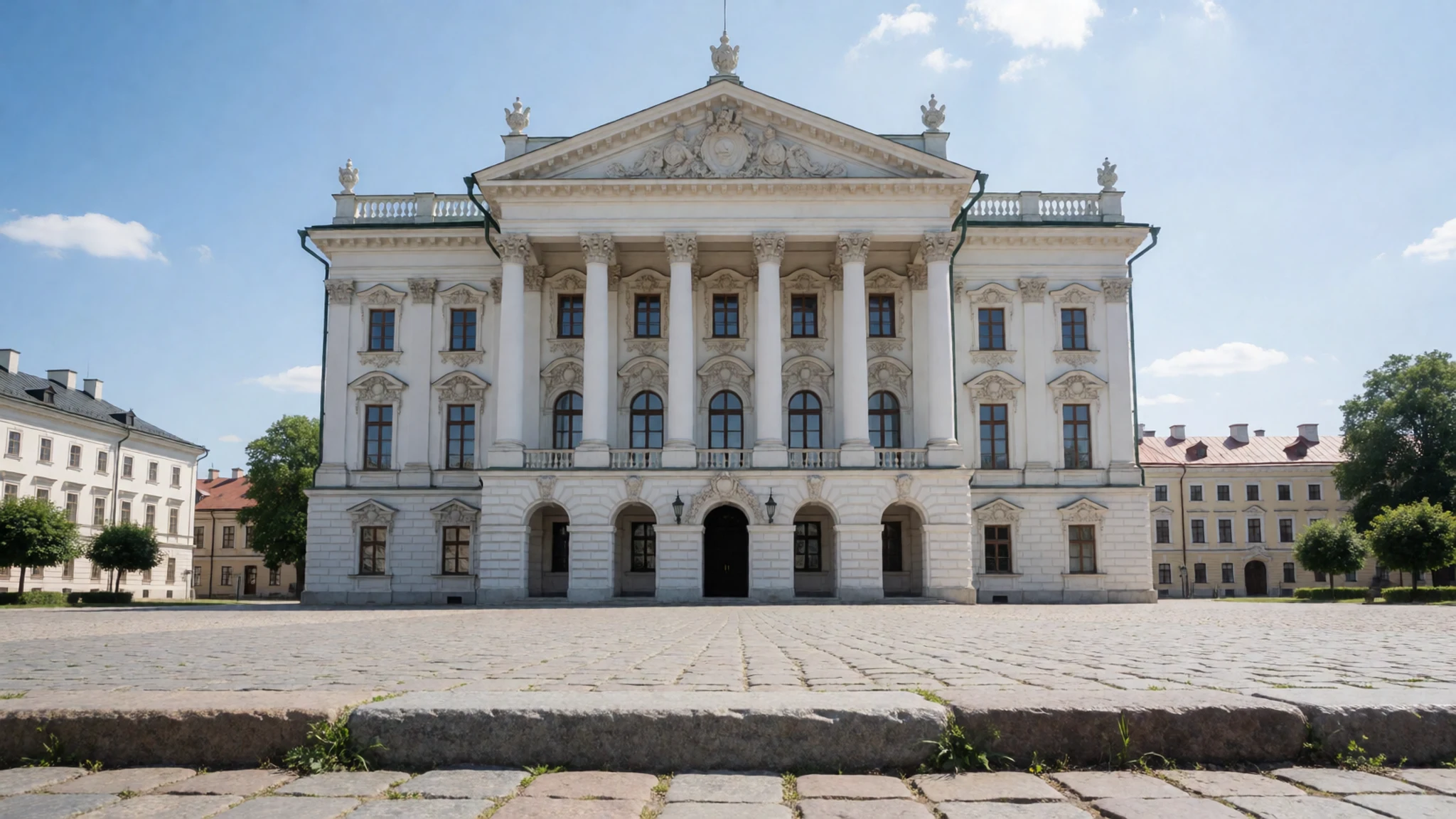
Culture
Culture in Vilnius is a blend of deep Catholic piety and a modern, avant-garde spirit. For centuries, the city was an artistic magnet, drawing painters and sculptors from across Europe. This legacy is most evident in the city's churches, where early Gothic frescoes and intricate wooden polychrome sculptures still adorn the altars. There is a strong tradition of liturgical art, with hymnbooks and crypt paintings that tell a story of faith and survival. Beyond the religious, the city has a thriving contemporary scene, with a particular love for public art and experimental galleries. The local people are generally reserved at first but are warm and deeply knowledgeable about their history. There is a palpable sense of intellectualism here, likely a result of the city's long history as a university town. You will find that people value quietude and discretion in public spaces, though the cafe culture is vibrant and social. When visiting religious sites, please dress modestly by covering your shoulders and knees.
What to wear
Fashion in Vilnius is a study in contrasts between rural tradition and urban minimalism. Traditional Lithuanian dress is characterised by heavy linen textiles, intricately woven belts, and woollen shawls, often featuring geometric folk patterns in red, white, and green. These are rarely worn daily but appear during national holidays and folk festivals. In the modern city, the aesthetic is decidedly 'Baltic chic'—clean lines, neutral colours like charcoal, beige, and black, and a preference for high-quality, understated tailoring. Locals favour a functional but polished look, often incorporating sustainable brands. For visitors, the wardrobe depends entirely on the season. In summer, light linens are ideal, though a light jacket is needed for breezy evenings. Winters are harsh, requiring heavy wool coats, thermal layers, and waterproof boots for the slushy streets. When exploring the Old Town, sturdy walking shoes are essential as the uneven cobblestones can be treacherous. For visits to the Cathedral or other churches, a smart-casual approach is appropriate, avoiding overly athletic wear.
What to eat
- Traditional Lithuanian Pastries — A bakery in the university district
Hearty, oven-baked goods and sweet treats that reflect the city's baking heritage, best enjoyed with a coffee.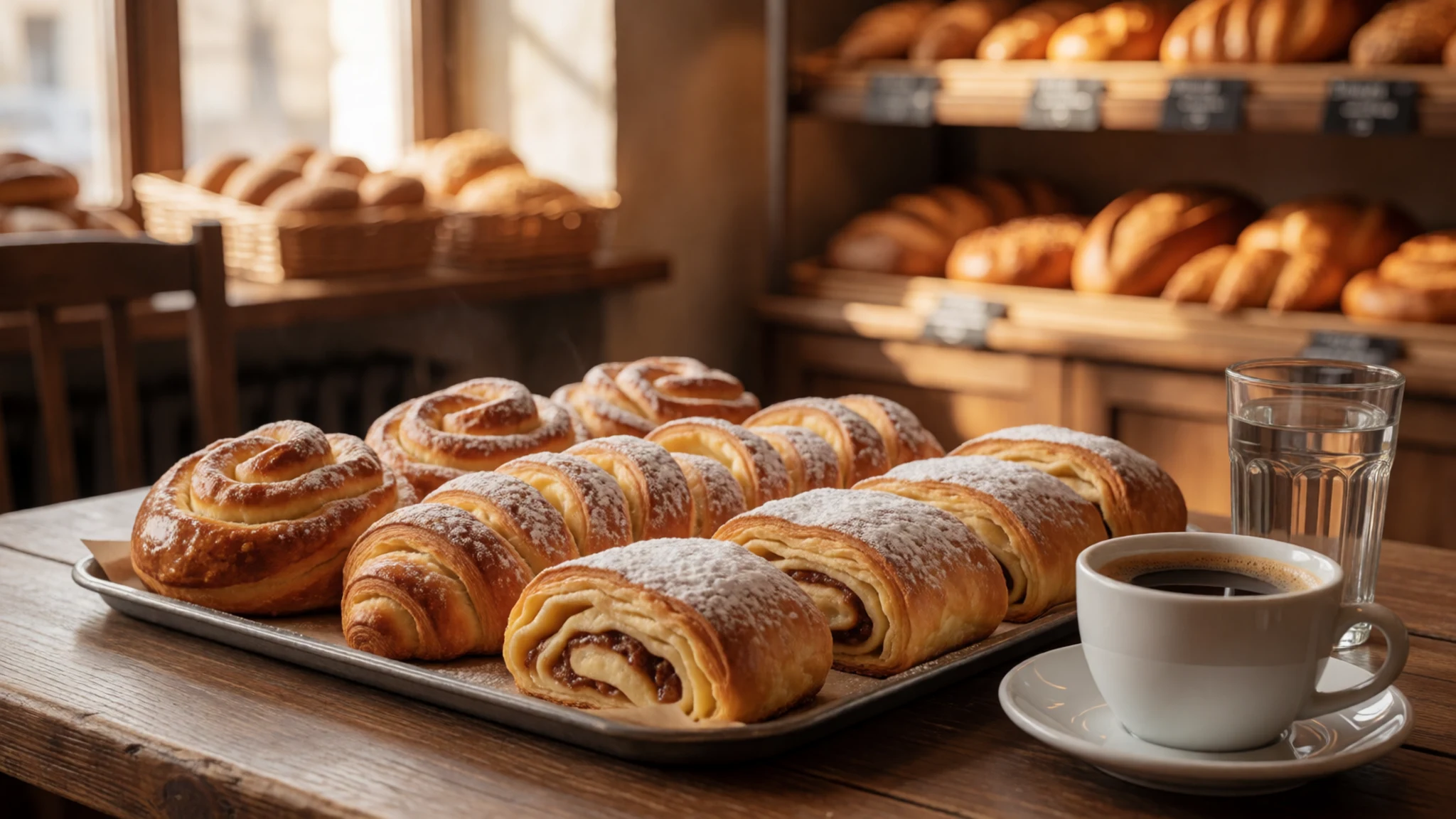
- Vegetarian Indian Cuisine — A specialised vegetarian restaurant
Aromatic curries and diverse plant-based options that provide a spicy contrast to the local Baltic flavours.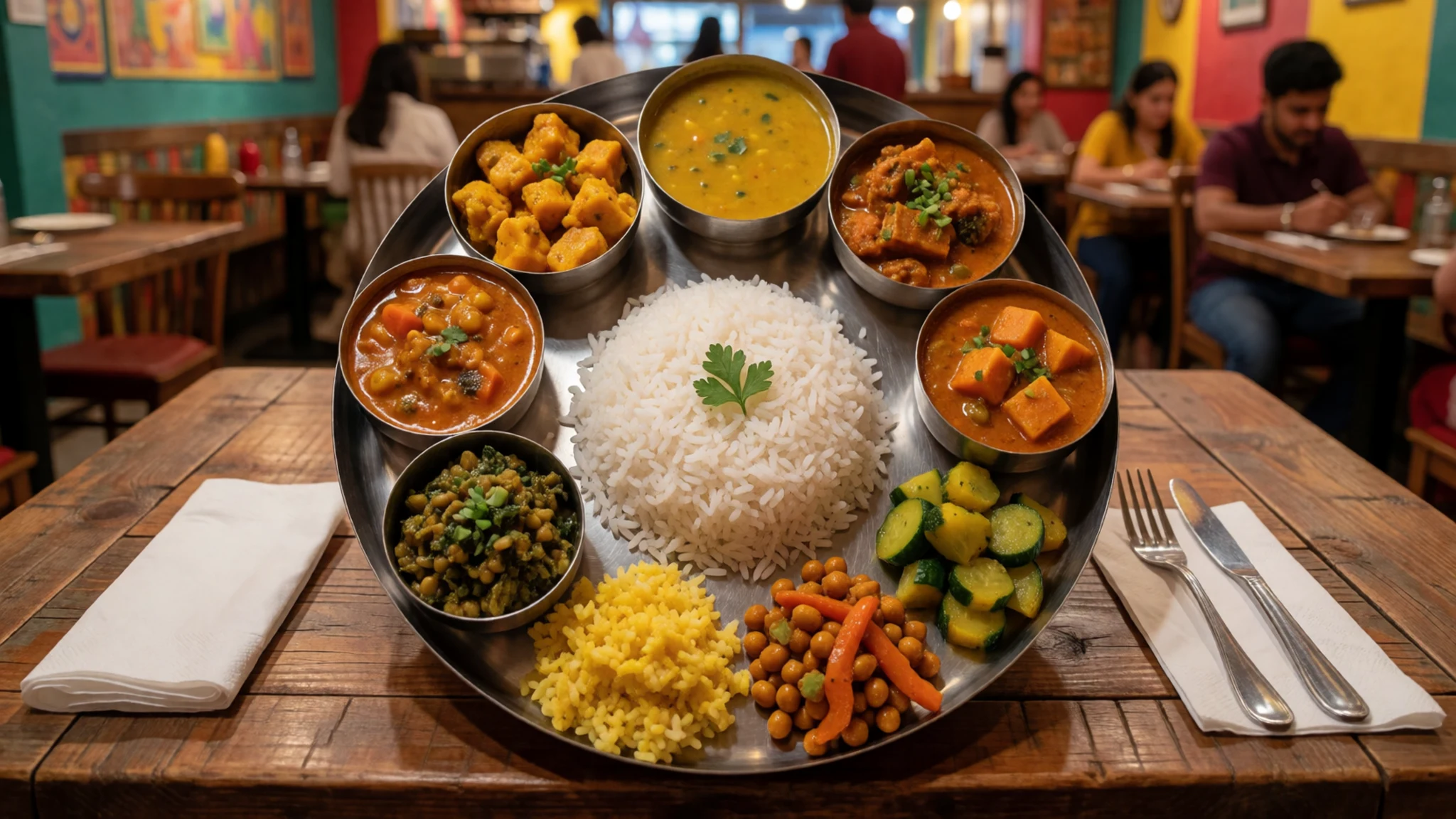
- Vegan Contemporary Dishes — A vegan cafe in the centre
Modern, plant-based interpretations of European classics, focusing on fresh, seasonal produce and creative plating. - Gastro-pub Fare — A local gastropub
Casual, filling plates including artisan pizzas and pita bread sandwiches, served in a relaxed, social atmosphere. - Asian Fusion — An Asian cuisine outlet
Quick, bold flavours from across Asia, ranging from wok-fried noodles to sushi, catering to the city's international crowd.
Plan it
Best time. May and October are the most comfortable months, with mild temperatures and autumn foliage; June to September run warm, with August the hottest and July the wettest, while winter is very cold.
How long. 2–3
Getting there. Vilnius International Airport, followed by a short taxi or bus ride to the city centre.
Budget. mid
Tips
- Walk as much as possible to discover hidden courtyards
- Use cards for most payments, but keep a small amount of cash for tiny kiosks
- Visit the tower at sunset for the best views
- Check official sites for museum closing days
Etiquette
- Keep noise levels low in residential Old Town alleys
- Dress modestly when entering churches
- Tipping is appreciated but not mandatory in cafes
Nearby
Sources
- Wikidata Q216 (CC0)
- Wikipedia (CC BY-SA 4.0)
- Wikivoyage (CC BY-SA 4.0)