Jonava
Jonava, Lithuania
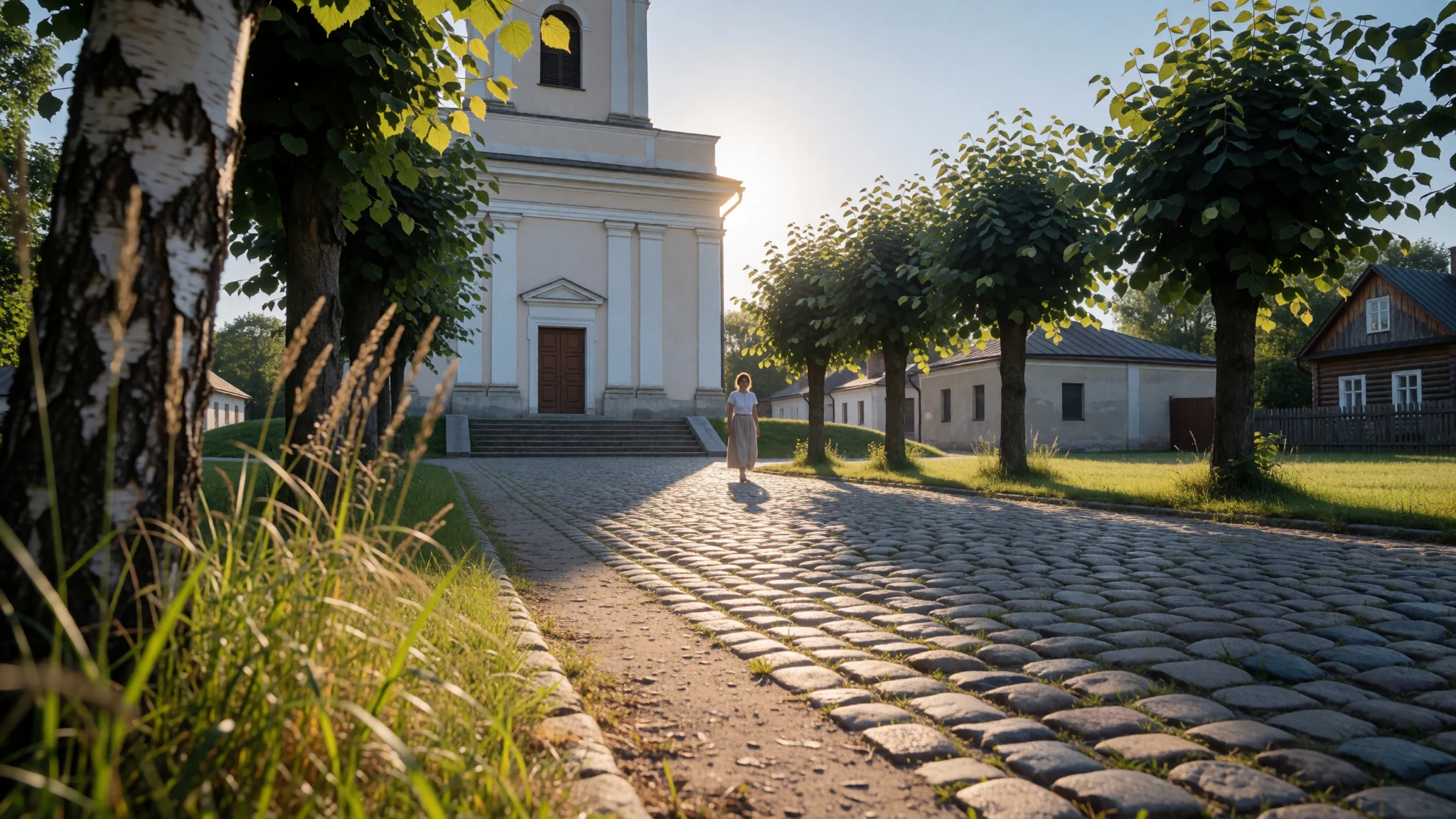
Jonava is an honest, unpolished Lithuanian river town, best for midsummer's Republic of Johns, a quiet walk by the Neris and a thoughtful look at its past.
The place
Jonava is a small river city of about twenty-seven thousand people in Kaunas County, central Lithuania, set on the Neris roughly 30 km north-east of Kaunas. Most of the modern town lies on the north bank, a grid of low-rise blocks, shops and quiet streets. The centre is plain, and anyone hoping for a postcard old town will not find one. The better rewards are on the side streets, where a few houses from the eighteenth and nineteenth centuries survive between newer buildings.
The south bank is a different world. A big chemical works making ammonia-based fertiliser dominates it, and it has shaped the town's jobs and identity for decades. Further out, the Skaruliai district holds an older church and the memory of the manor that gave the settlement its start.
Jonava has one date in the calendar that fills it up. At midsummer the town celebrates Joninės, and for a day it declares itself the Republic of Johns, offering citizenship to anyone who can document that their name is Jonas or Janina. People travel from other countries to join in, so a June weekend feels very different from the rest of the year, which is calm and local.
The town works best as a short stop: a night or a day trip from Kaunas, a walk by the river, a swim in the lake in summer, an evening of music at the culture centre, or a match of the local football club if the season suits. It is an ordinary working town, and it is more interesting for being one.
Its story
Jonava grew from a crossing on the Neris. A manor house stood on the south bank, and in 1740 its owner enlarged it into a palace; the settlement beside it took the name of his son Jonas, which gradually softened into Jonava. This was the age of the Polish–Lithuanian Commonwealth, and the place developed as a market and ford town. A wooden church was raised in 1750, and a brewery was working by 1778. Around 1812 Napoleon's army swept through the town and the villages around it. Independent Lithuania gave Jonava town status in 1923, and in 1950 it became the administrative centre of its district.
For generations the town was largely Jewish. Through the early twentieth century Jewish families ran most of its shops, a bank, a school and several synagogues. That life was destroyed in 1941. In August and September, German killing squads and Lithuanian auxiliary units murdered the town's Jews in two massacres, more than two thousand people in all, and the synagogues were wrecked along with a church. A remnant was sent to the Kaunas ghetto. Little of this is visible on the street today, so a visitor gains a great deal from reading about it before arriving.
After the war, a vast fertiliser works rose across the river and drew in workers, turning Jonava into one of the main industrial towns of Lithuania. The tidy blocks of the modern centre, and the chimneys beyond the Neris, are the legacy of that second founding.
What to see
- Church of St James the Apostle — Town centre
Jonava's Church of St James is a Roman Catholic church built in 1793 in a restrained neoclassical style, close to the centre. It is a calm place to see what the town looked like before industry arrived. Daylight visits are easiest; check with the parish for service times and step in quietly if Mass is under way.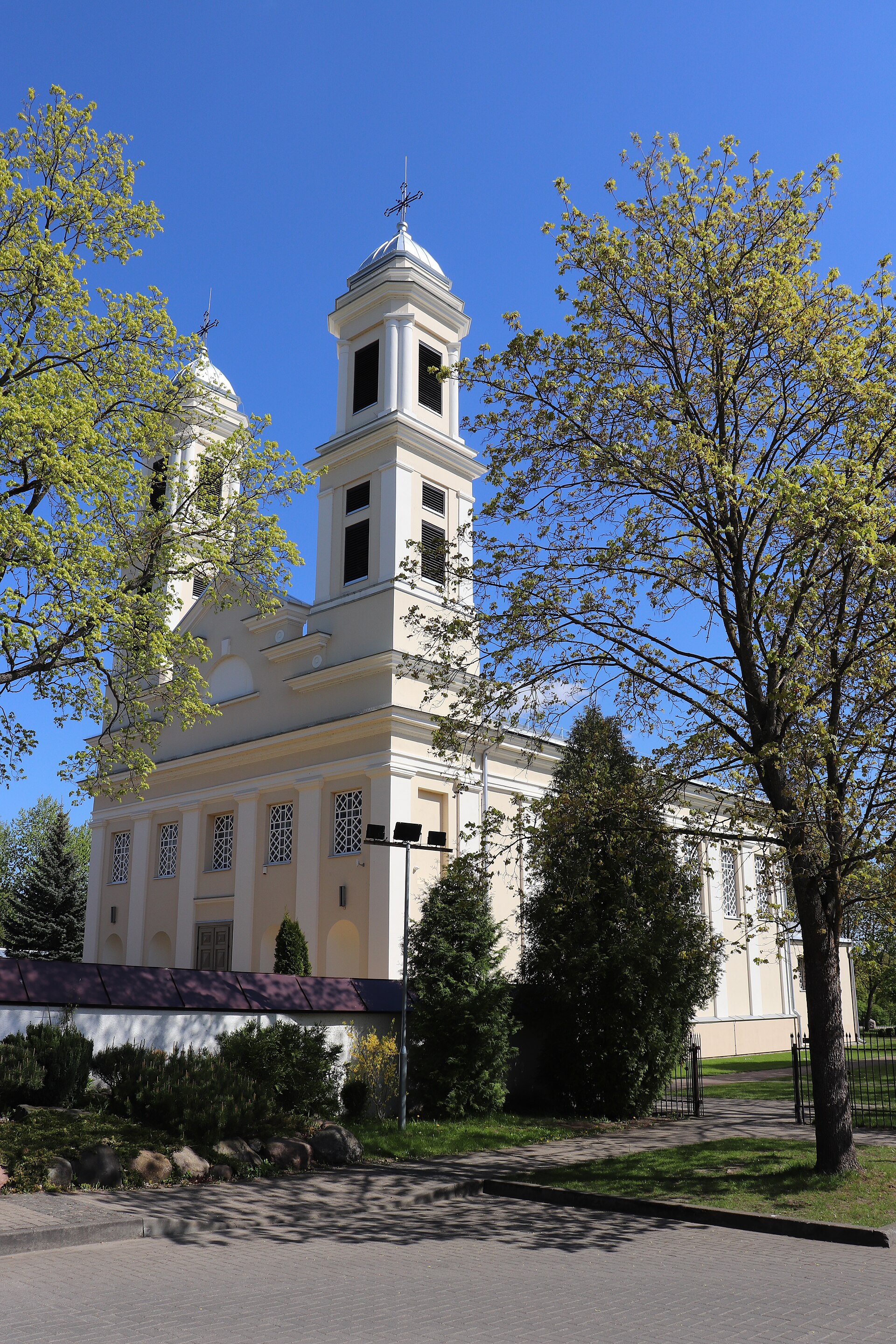
- Jonava Region Museum — Town centre
The Jonava Region Museum on Jonas Basanavičius Street is a small local-history museum, and the sensible place to put the town's industrial and Jewish past in context. Expect a modest visit rather than half a day. Opening days change, so check the official municipal site, jonava.lt, before walking over.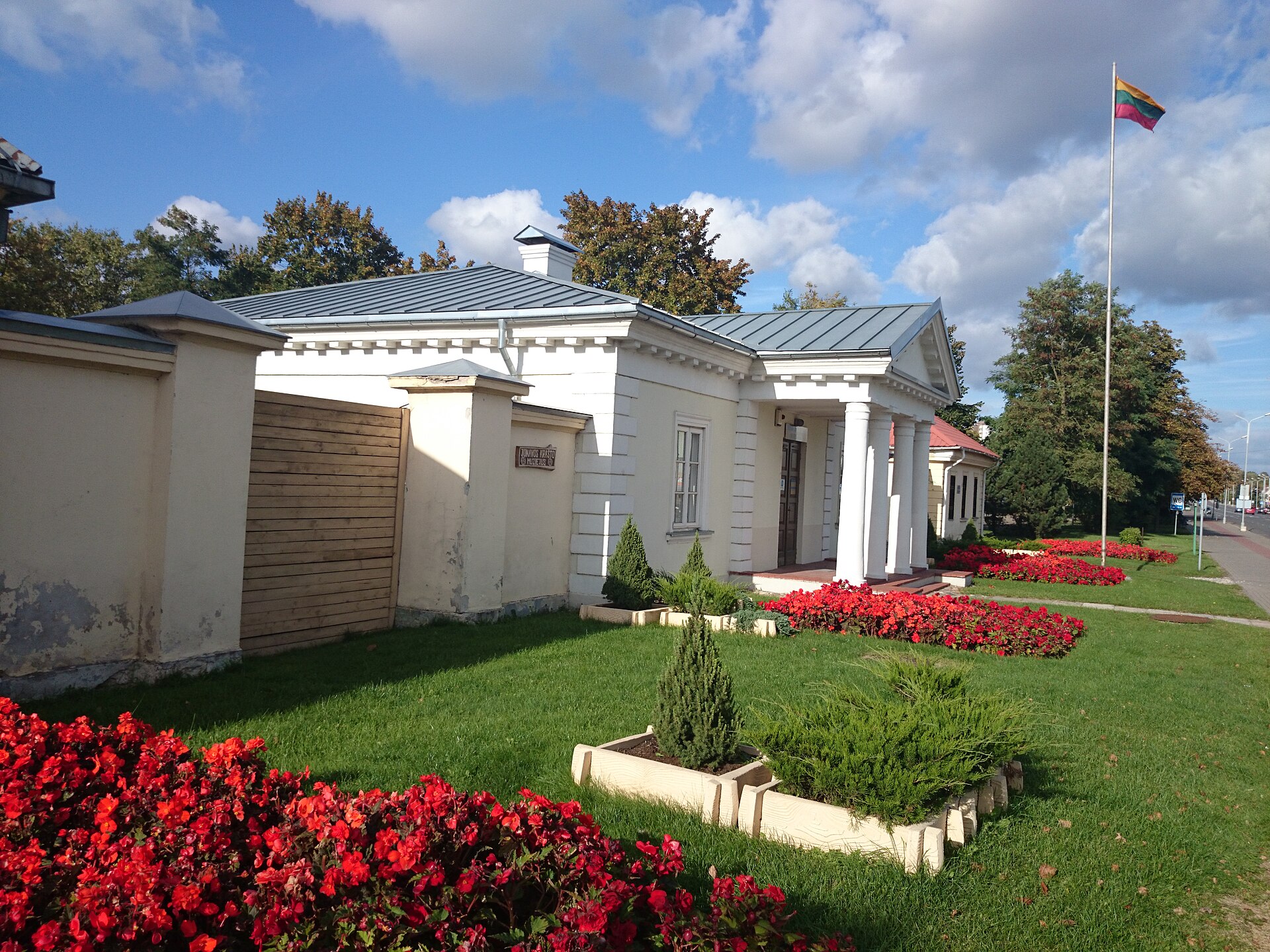
- The Neris and the town lake — Riverbank and north-west of centre
The Neris is the reason Jonava exists, and a stroll along it is the plainest way to feel the old ford. Guesthouses cluster near the bridge. North-west of the centre, a lake with a modest sandy shore is used for summer swimming; bring a towel and expect locals rather than crowds.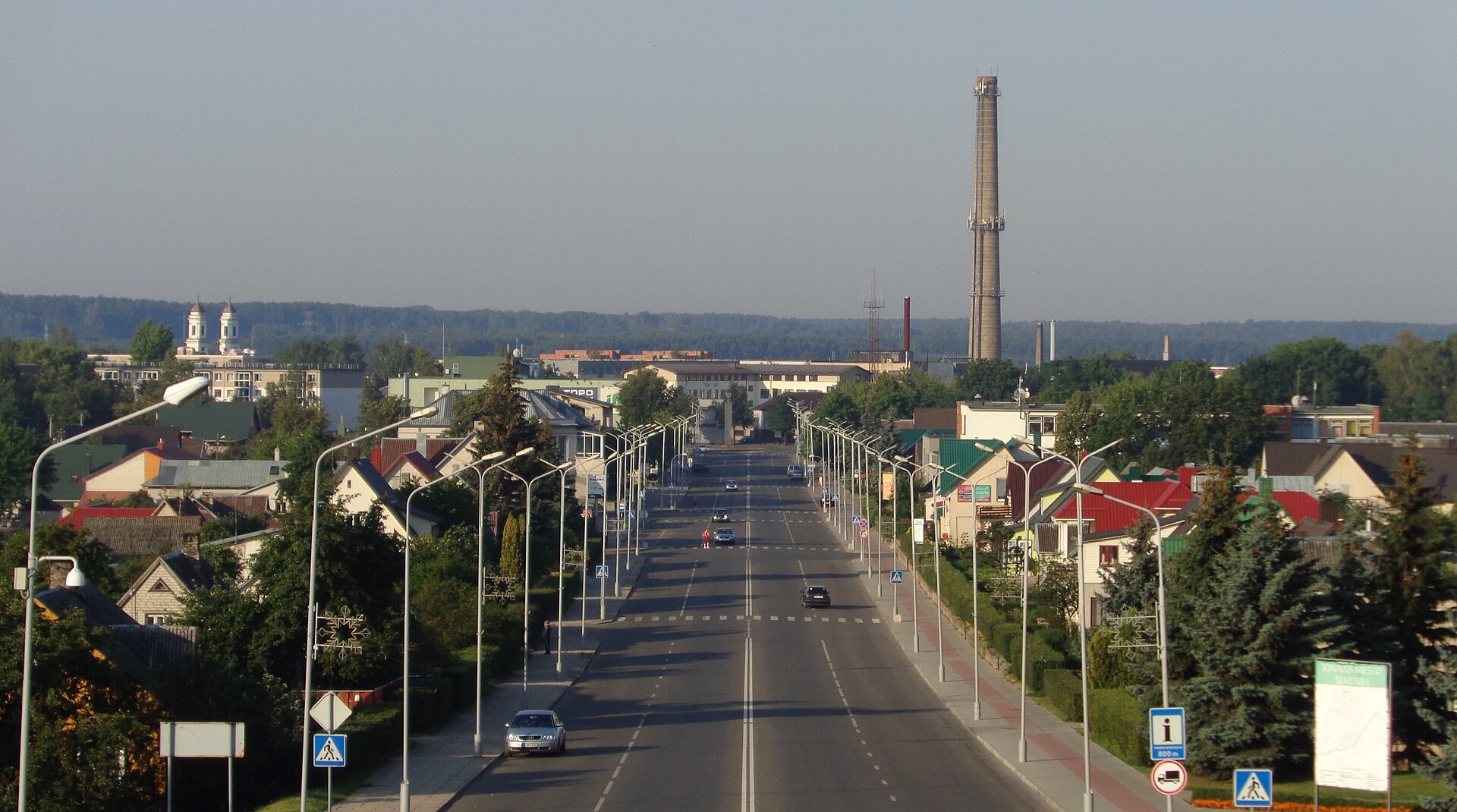
- Church of St Anne, Skaruliai — Skaruliai district, east of centre
The Church of St Anne (Šv. Onos bažnyčia) stands in the Skaruliai industrial district, about 2 km east of the centre, in the old manor area. It is worth the short ride for a quieter side of the town, framed by the works nearby. Allow time for the return journey. - Barborlaukio Dvaras — Countryside south of town
Barborlaukio Dvaras is a nineteenth-century wooden villa about 3 km south of the town, now used as an events venue and not open for tours. It makes a pleasant objective for a bike ride or drive through the countryside, but plan to admire it from outside unless attending an event.
Culture
Jonava is a Lithuanian town with a strong sense of its own small traditions, and the biggest of them is Joninės, the midsummer festival marking the shortest night of the year. Families and friends gather by water and fields for bonfires, songs, flower wreaths and games, and Jonava leans into the theme because the feast day belongs to everyone called Jonas. The one-day Republic of Johns, with its paper-checked citizenship, is a good-humoured local invention that draws visitors from several countries.
The country is mostly Catholic, and the neoclassical church near the centre still anchors parish life, with Sunday Mass and seasonal processions. Language matters too: Lithuanian is one of the oldest living Indo-European tongues in Europe by reputation among linguists, but visitors will find that younger people often speak English and older residents sometimes speak Russian, so a few Lithuanian greetings go a long way.
The town's memory is layered. Football is followed with real loyalty at the Central Stadium during the spring-to-autumn season, while the Jewish history, ended in 1941, is remembered through the museum and memorial places in the district. Conversations here tend to be reserved at first, then friendly.
In churches and at memorial sites, keep your voice low, cover bare shoulders, and do not photograph worshippers or mourners without asking first.
What to wear
Jonava follows the Lithuanian folk-dress tradition, which is built on linen and wool. Women's costume centres on a linen blouse, a woollen skirt in stripes or checks, a bodice or waistcoat, and amber beads. Men wear a linen shirt, a woollen coat and trousers. Both wear woven sashes (juostos) in patterned bands, often the most prized piece. At Joninės, women and girls wear wreaths of meadow flowers and leaves, and men sometimes wear oak. These outfits appear at midsummer, song and dance festivals and school events rather than in daily life.
Everyday dress is casual and practical, much like elsewhere in northern Europe: jeans, trainers, sports jackets, and warm layers in the long winter. Football scarves in club colours appear on match days. Smarter clothes come out for church, weddings and evenings at the culture centre.
A visitor should pack for variable weather. Summers are warm enough for light cottons, but evenings by the river can be cool and a rain jacket is useful in any month. Winter calls for a proper coat, hat, gloves and insulated boots, since pavements can be icy. Comfortable walking shoes suit the flat town and the riverside paths. For churches, cover shoulders and avoid very short shorts. A hat and mosquito repellent help on summer evenings near the water.
What to eat
- Cepelinai — Canteens and everyday eateries in the town centre
Large potato dumplings stuffed with minced meat, curd cheese or mushrooms, served with soured cream and bacon bits. They are filling, heavy and the standard Lithuanian comfort dish. Look for them in simple town canteens and home-style eateries around the centre. - Chebureki — Restaurants serving traditional Lithuanian food near the centre
Crisp, half-moon fried pastries with a minced-meat filling, a dish shared across the former Soviet region and common on Lithuanian menus. They are best hot, with a squeeze of lemon or a dip of sauce. Try them at restaurants serving traditional local fare. - Šaltibarščiai — Cafés and canteens in summer
A cold, bright-pink soup of kefir, beetroot, cucumber and dill, usually eaten with hot boiled potatoes on the side. It is a summer favourite, and ideal after a hot day by the lake. Ask for it at cafés and canteens between June and August. - Kepta duona — Pubs and bars in the town centre
Strips of dark rye bread fried until crisp, rubbed with garlic and often served with a cheese sauce. It is the standard beer snack in Lithuania, salty and addictive. Order it with a drink at a pub or bar. - Georgian takeaway: khachapuri and khinkali — Georgian takeaway counters, mostly near the centre
Jonava has a Georgian eatery mostly serving takeaway, handy for cheese-filled bread (khachapuri) or soup dumplings (khinkali). It is a fun change from heavier local fare, and easy to eat on a riverside bench on a dry day.
Plan it
Best time. June to August: warm days, the lake is swimmable, and Joninės at midsummer brings the town to life. Winters are cold, dark and snowy, and many visitors would find that bleak.
How long. 1
Getting there. Fly into Kaunas Airport (KUN), then take a bus to Jonava; they run about every 30 minutes and take about 50 minutes. Trains from Vilnius take about 70 minutes, but the station is 2.5 km north of the centre, a bare platform with no facilities, so buy your ticket on board. The bus station is 500 m north of the centre.
Budget. low
Tips
- Check timetables and fares for buses and trains before travelling, and keep some cash as some eateries only take it
- Book guesthouses well ahead for the midsummer weekend, when the town is busiest
- Treat Jonava as a day trip from Kaunas if you want more choice of cafés and sights
- Pack a rain jacket in any month, and insect repellent for summer evenings near the water
- Check the official site, jonava.lt, for events at the culture centre and for museum opening days
Etiquette
- Dress modestly and keep your voice low in churches and at memorial sites
- Ask before photographing people, especially at festivals and memorials
- Greet staff in shops and eateries before ordering
Nearby
Sources
- Wikidata Q743218 (CC0)
- Wikipedia: Jonava (rev 1381485128) (CC BY-SA 4.0)
- Wikivoyage: Jonava (rev 5405998) (CC BY-SA 4.0)
- Photo: A composition of different pictures of Jonava, Lithuania — Matasg Matasg ZwieRys Tomas Čekanavičius Bearas (CC BY 3.0)
- Photo: Jonavos Panorama 2014 — StaLustro (CC BY-SA 4.0)
- Photo: Church of St. James the Apostle in Jonava, Lithuania — Teemu Väisänen (CC BY-SA 4.0)
- Photo: Jonavos trinitorių vienuolynas — Tocekas (CC BY 3.0)
- Photo: Jonava Regional Museum — Pagulbi74 (CC0 1.0)
- Photo: Jonava — Bearas (CC BY 3.0)
- Photo: Commemoration of the 500th anniversary of the death of Vytautas the Great in Jonava, 1930 — Fotostudija „Union“ (CC0 1.0)
- Photo: Jonava Railway Station in Jonava, Lithuania — user:CD (CC BY-SA 4.0)


