Aukštaitija National Park
Aukštaitija National Park, Lithuania
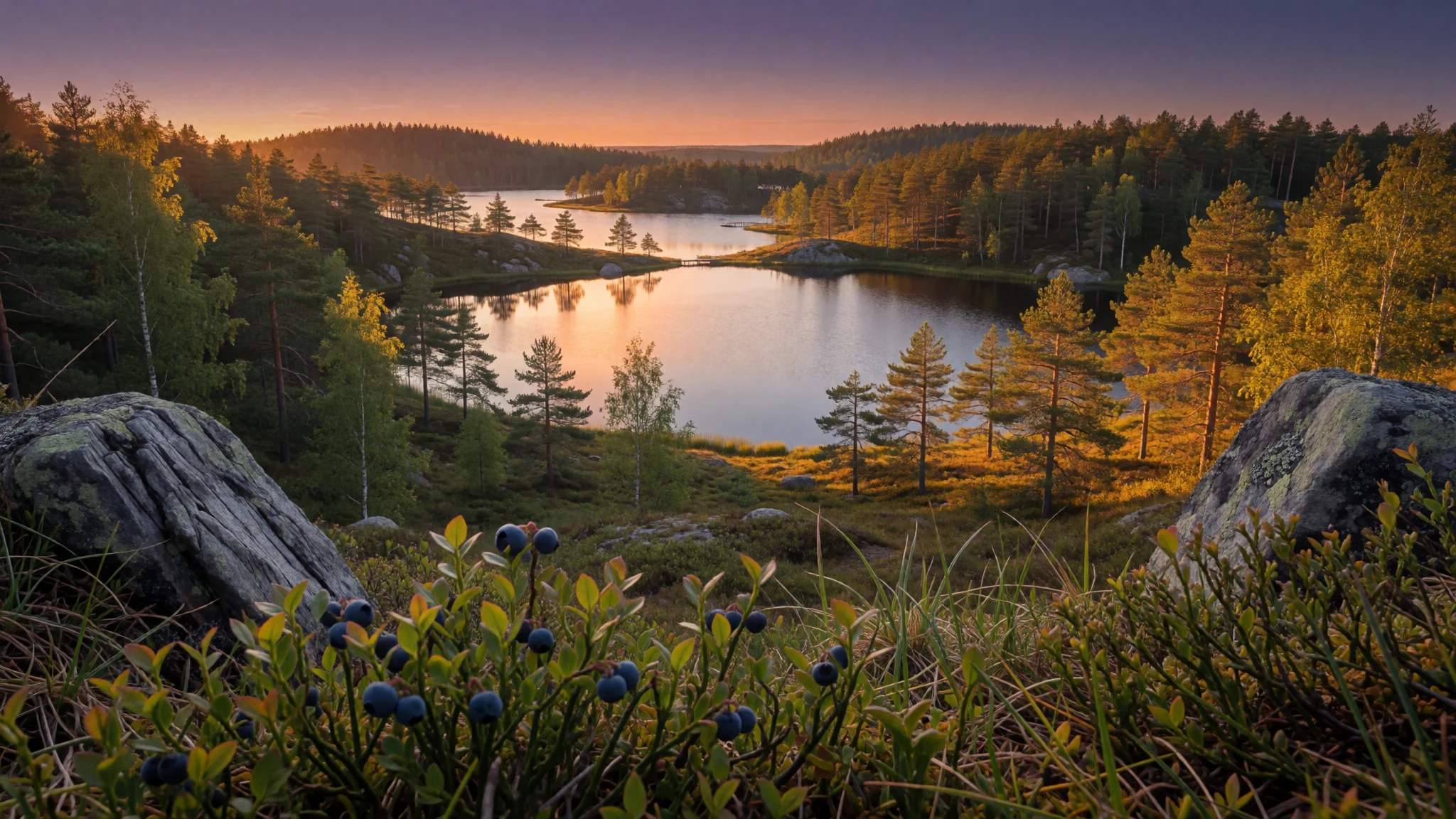
Aukštaitija National Park is a pine-and-lake playground where glacial leftovers, small villages, and quiet trails meet.
The place
Aukštaitija National Park sits in north-eastern Lithuania, a little over 100 km north of Vilnius, in a landscape shaped by the last Ice Age. As glaciers retreated, they left behind gravel banks and uneven ground; water then collected in shallow places, and woodland grew into a patchwork of forests, rough grazing and small lakes.
The park’s character is strongly “human-scale”. This isn’t a sealed-off wilderness where nothing changes—traditional farming and forestry have long been part of the scenery, and leisure use also has a place. Today, over time, the mix of water and trees still does most of the work for visitors: paths wander between pine stands, and the lakes give frequent reasons to pause, even when the route is simple.
Aukštaitija is also one of Lithuania’s older national parks, founded in 1974 and later renamed after the ethnographic region of Aukštaitija. The wider area includes protected zones, and some strictly protected areas can only be entered with a park employee—so it pays to check local guidance rather than assume every footpath is open to roam freely.
Seasonal feel is noticeable. Seasonal feel is noticeable: summers are the mildest and wettest months, while winters are cold and dry; spring brings the first real warming, and autumn cools down as the woods feel calmer. Summer is pleasant for lake time but can bring busier village edges and the usual travel-season pressure on parking. If the goal is “big scenery without big crowds”, this park delivers—especially with an early start and a willingness to explore beyond the easiest viewpoints.
Its story
Aukštaitija National Park is the kind of place where the past is written into the land, then reinforced by local routines. The bones of the scenery are glacial: scraped terrain, gravel, and shallow lake basins that formed as meltwaters found low spots. Once the ice was gone, mixed woodland and grazed patches appeared, and people gradually shaped what survived.
Over the decades, the story shifts from geology to policy. The area that became a national park was established in 1974, initially under a Lithuanian SSR name that framed it as the first national park in the republic. After independence, the park was re-titled in line with the country’s ethnographic regions, and the Aukštaitija name stuck.
What makes the park feel “alive” on a walk is that nature protection here has never only meant fences. Forest management and farming practices have long been treated as part of the habitat. Even leisure has had an official place in the mix, so visitor routes tend to pass near towns and small communities rather than cutting through completely remote ground.
In daily terms, that means encounters are practical. People move between villages, fields, and shorelines; old churches and timber-built structures sit alongside lake views; and the landscape is never just a backdrop. It’s a working region that happens to be protected, and that blend is exactly why a day in Aukštaitija feels different from a purely wilderness-style park.
What to see
- Church of St Joseph (Šv Juozapo bažnyčia), Palūšė — Palūšė
In Palūšė, the Church of St Joseph is a wooden church that gives the park a gentle cultural anchor. It’s the sort of stop that breaks up a lake walk: quiet grounds, simple lines, and a reminder that communities here have long organised life around these waters.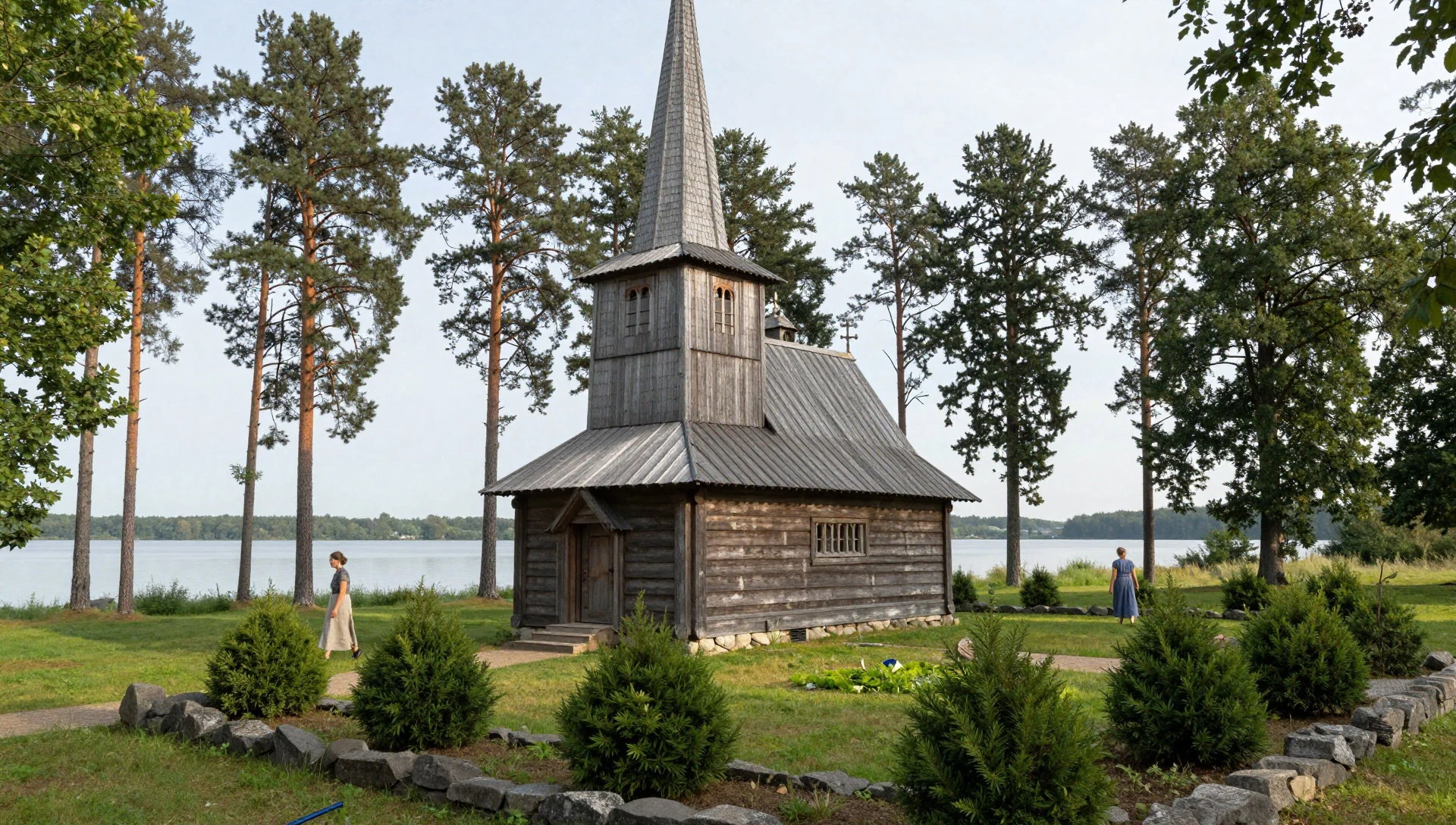
- Piliakalnis castle mounds (viewpoints across the landscape) — Rural districts around the park
Piliakalnis are castle mounds scattered around Lithuania, and Aukštaitija’s countryside has its share. They’re artificial hummocks that often sit where the ground already gives an advantage—so even without a long climb, they work well as quick viewpoint stops and photo breaks.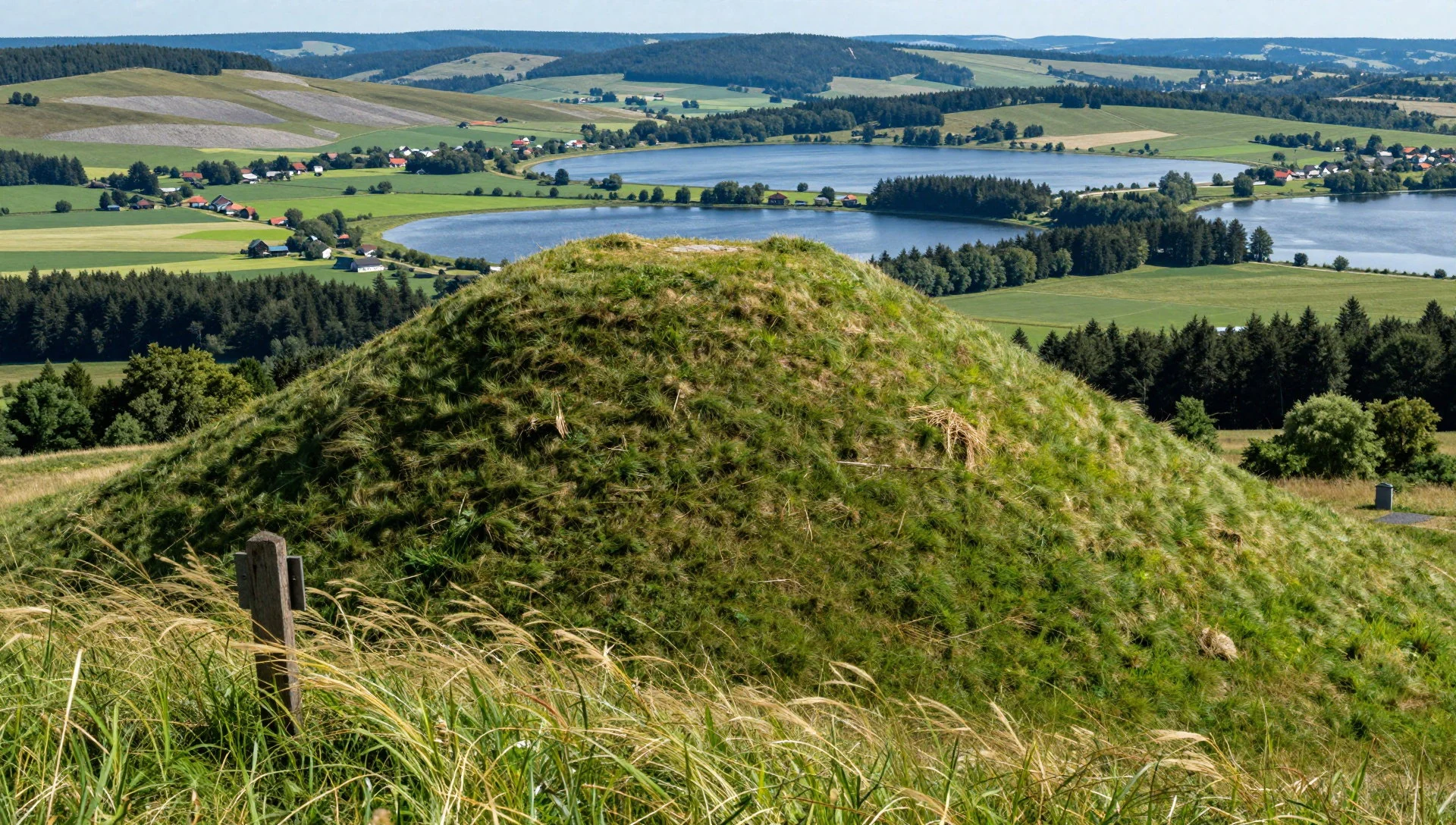
- Ladakalnis observation tower (lake views) — Near Ginučiai/Ladakalnis area
Near the watermill area, Ladakalnis offers an observation tower made for panorama moments. Climb steadily, then pause—this is one of those places where the value is in seeing many water surfaces in one sweep, not in rushing onward.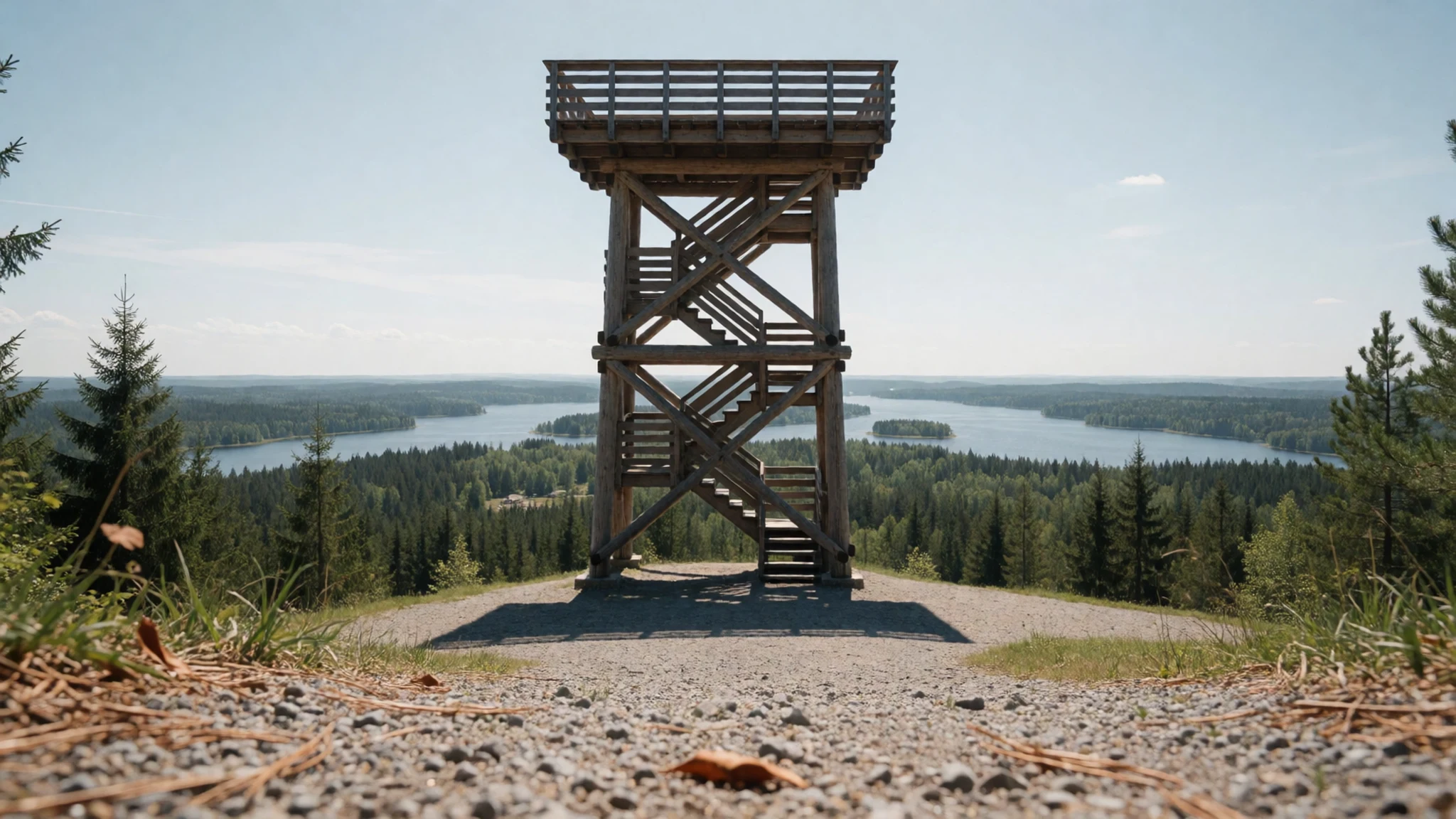
- Šuminai village old architecture — Šuminai village area
Šuminai village is known for older built character, so it’s a nice “slow travel” detour when the route needs a breather. Take time to look at the street edges and building shapes rather than treating it like a one-minute photo stop—this place is about atmosphere.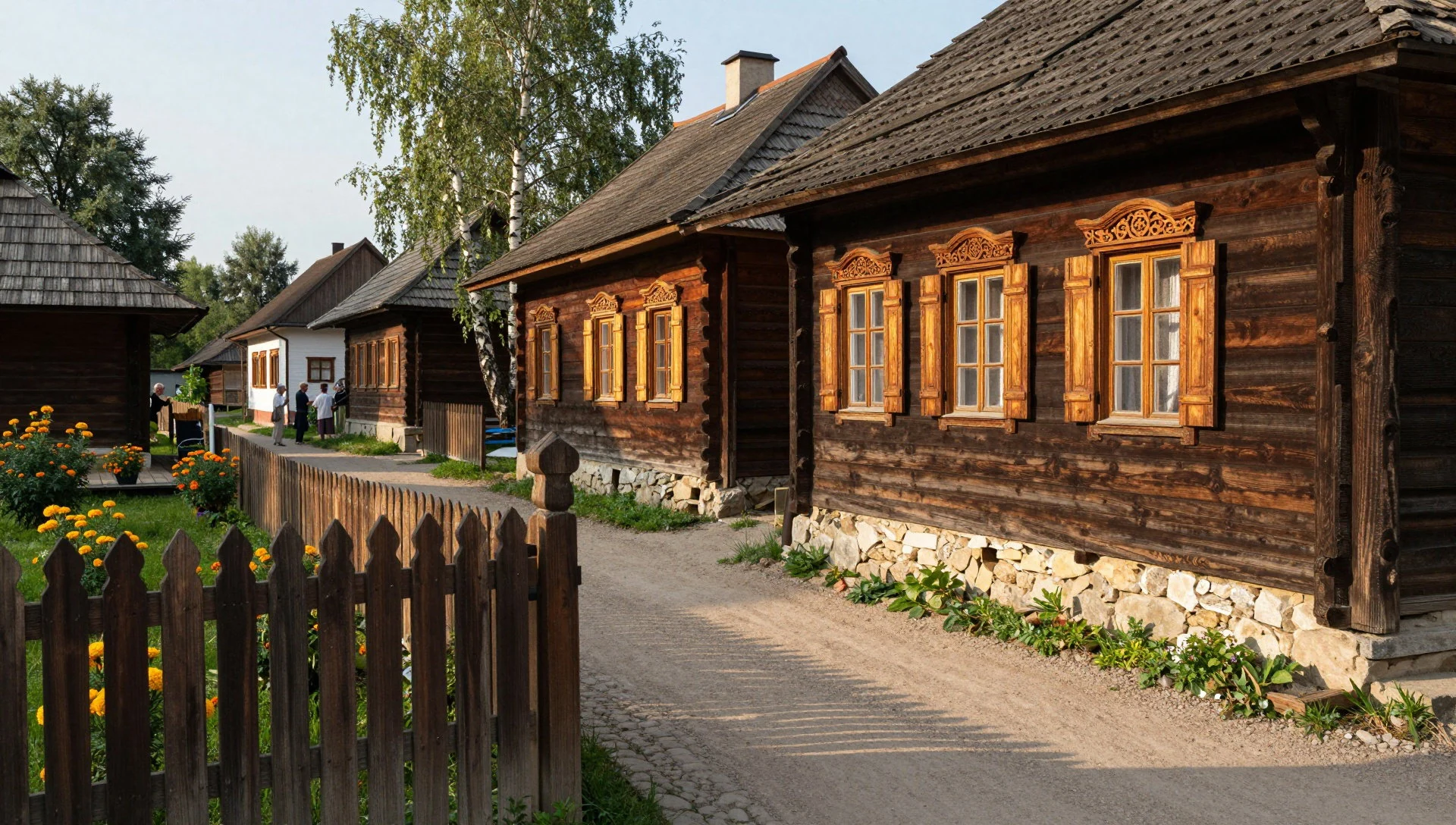
- Ginučiai water mill (river setting) — Ginučiai
In Ginučiai, a water mill sits by the river bridge, with original equipment still in working order. It’s a good stop for understanding how the region used water power, and the river corridor makes it feel scenic even if the visit is short.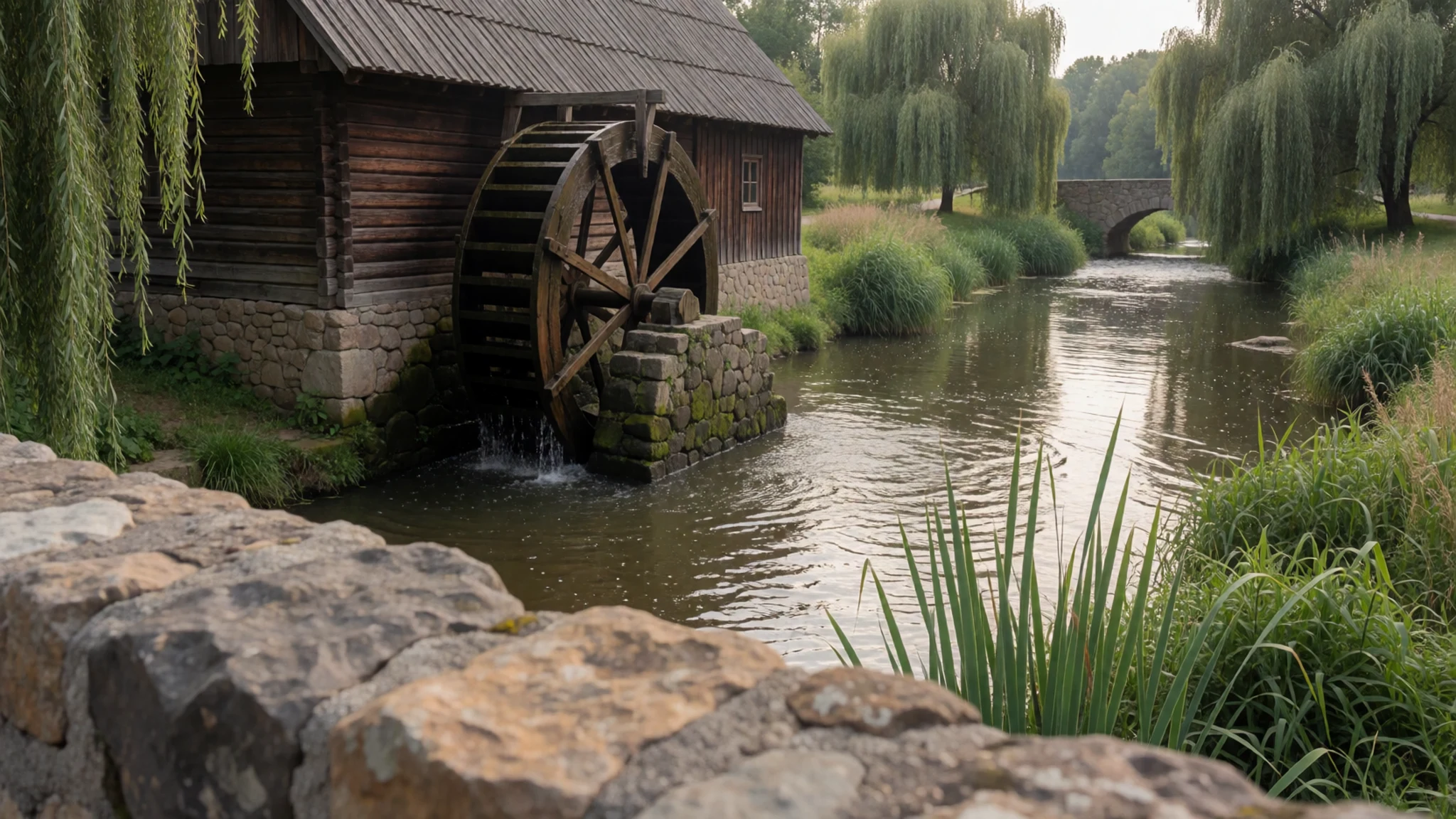
Culture
Aukštaitija National Park is culturally tied to the ethnographic character of Aukštaitija, and that shows up in how the landscape is used rather than in set-piece attractions. Wooden churches and small village architecture sit alongside managed forest edges and lake-side settlements, so “heritage” here often means everyday structures that have endured.
A practical way to read the park is to watch how people treat water and forest as shared resources. The lakes are for walks and cooling down; the woods are for routes, work, and seasonal rhythms. Some strictly protected zones exist, and entry rules can be more specific than visitors expect, so a quick check with the park office or local guidance helps avoid awkward detours.
Villages also make a difference to how easy the day feels. Palūšė works well as a base because park information is centred there, and nearby areas connect to viewpoints and lake walks. As you move around, expect a countryside pace—this is not about racing between hotspots, it’s about stitching together a few good stops.
Visitor etiquette: keep to marked paths, respect any restricted areas, and keep noise low around villages and church grounds.
What to wear
In Aukštaitija National Park, outfits need to handle forest shade, lake-walk humidity, and the practical reality of uneven ground. Traditional dress in Lithuania is regional, and in Aukštaitija it’s often associated with linen and wool textiles—think patterned linen shirts and woven aprons for everyday village traditions, plus warmer wool layers when the season turns. Visitors usually only see these styles during festivals or cultural events rather than as daily wear.
What people wear now around the park is closer to “outdoors meets town”: breathable tops, light jumpers, and waterproof jackets when rain rolls in. Proper footwear matters because the best routes can involve mud near lakes and soft forest edges. A daypack helps, especially when switching between viewpoints and shoreline paths.
For a visitor, aim for layers: a waterproof outer layer, a warm mid-layer for early mornings, and shoes with grip. If visiting churches or heritage buildings, choose clothes that keep shoulders and legs reasonably covered, and carry a light scarf or layer for quick adjustments.
What to eat
- Lithuanian-style pizza and casual slices (eateries in Ignalina) — Ignalina
If the day runs long, Ignalina has casual places like Tuk Tuk Pizza where pizza is easy, filling, and low-effort after a long walk. It’s a straightforward option when the weather turns.
- Kebabs from a takeaway-style stop (Ignalina) — Ignalina
For something quick between lake viewpoints, Spartuko stotelė is one of the takeaway-style options in Ignalina. It’s the sort of meal that suits travelling with time constraints—grab, sit down nearby, and carry on.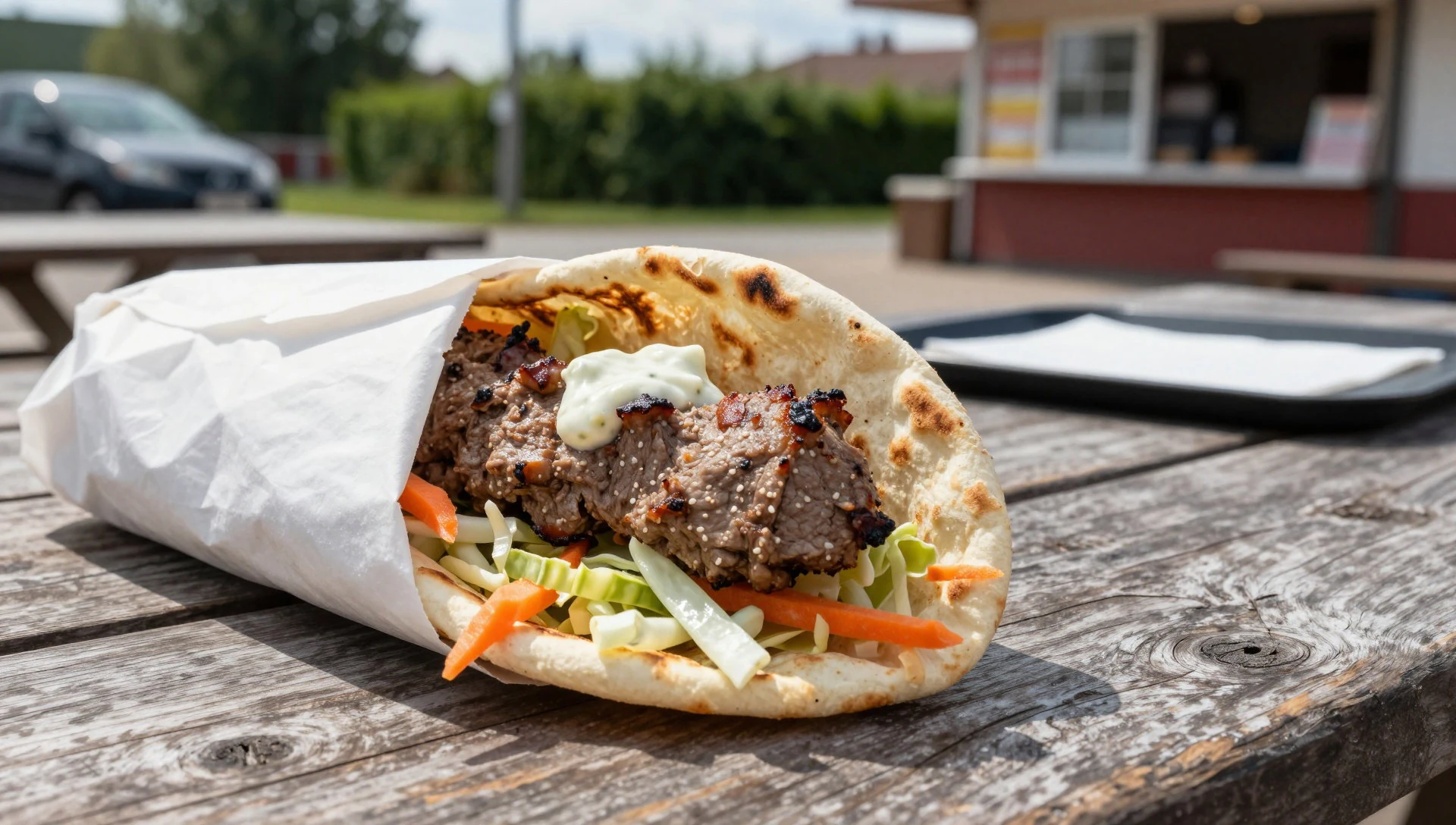
- Cafe meals in town (Ignalina) — Ignalina
Dringis Cafe and similar spots in Ignalina are good for an unhurried lunch: warm drinks, straightforward plates, and a chance to thaw out if you’ve been in cool forest air. Look for menu boards and seasonal specials. - Restaurant meals in the Ignalina town centre area — Ignalina
Laisvės 65 is listed among places to eat in Ignalina, and it works well for a proper sit-down meal after an active day. Choose this when time allows and a longer meal feels worth it. - Local hotel-area dining (Ignalina) — Ignalina
Zuvedra Hotel is one of the dining options around Ignalina. Even if the park day was outdoors-heavy, this is a comfortable place to eat and refuel without hunting too widely for food.
Plan it
Best time. May–August for the mildest, most comfortable conditions and the wettest months (rain peaks in summer), and late October–November for cooler, drier air and calmer light; April is still a bit cool, and nights in late autumn can feel especially chilly.
How long. 3–4
Getting there. Fly into Vilnius and take road transport north on A14 to Molėtai, then follow the route east on Route 114 towards Palūšė and Ignalina; Utena is about 50 km northwest of the park if routes connect via that town. Vilnius also has buses roughly hourly to Ignalina via Pabradė and Švenčionys, and trains run every few hours to Ignalina.
Budget. mid
Tips
- Use Palūšė as a convenient base: park info is centred there.
- Drive for flexibility: public transport gets you to Ignalina, but local exploring usually needs a vehicle.
- Start earlier for lake walks and viewpoints to avoid late-morning crowds on easier stops.
- Carry water and a light rain layer—forest conditions can feel cooler and wetter than nearby towns.
- In dry periods, pay extra attention to forest fire guidance and be ready to leave quickly if conditions change.
Etiquette
- Keep to marked trails and follow any access rules in strictly protected areas.
- Be cautious around water edges—take extra care with children.
- Don’t leave litter in forests or on shorelines; pick up what’s been dropped near your picnic spot.
Nearby
Sources
- Wikidata Q400200 (CC0)
- Wikipedia (rev 1362695766) — Aukštaitija National Park (CC BY-SA 4.0)
- Wikivoyage (rev 5378205) — Aukštaitija National Park (CC BY-SA 4.0)
- photos/01-lithuania-ladakalnis.jpg (CC BY-SA 2.5)
- photos/02-paluse-lusiai-lake.jpg (CC BY-SA 2.5)
- photos/03-almaja-river.jpg (CC BY-SA 1.0)
- photos/04-arbeitstreffen-wlm-netzwerk-2015-weimar-07.jpg (CC BY-SA 4.0)
- photos/05-aukstaitijanp001.jpg (CC BY-SA 1.0)
- photos/06-aukstaitijanp002.jpg (CC BY-SA 1.0)
- photos/07-ginuciaicastlehill001.jpg (CC BY-SA 2.5)
- photos/08-ginuciaicastlehill002.jpg (CC BY-SA 1.0)


