Dzūkija National Park
Dzūkija National Park, Lithuania
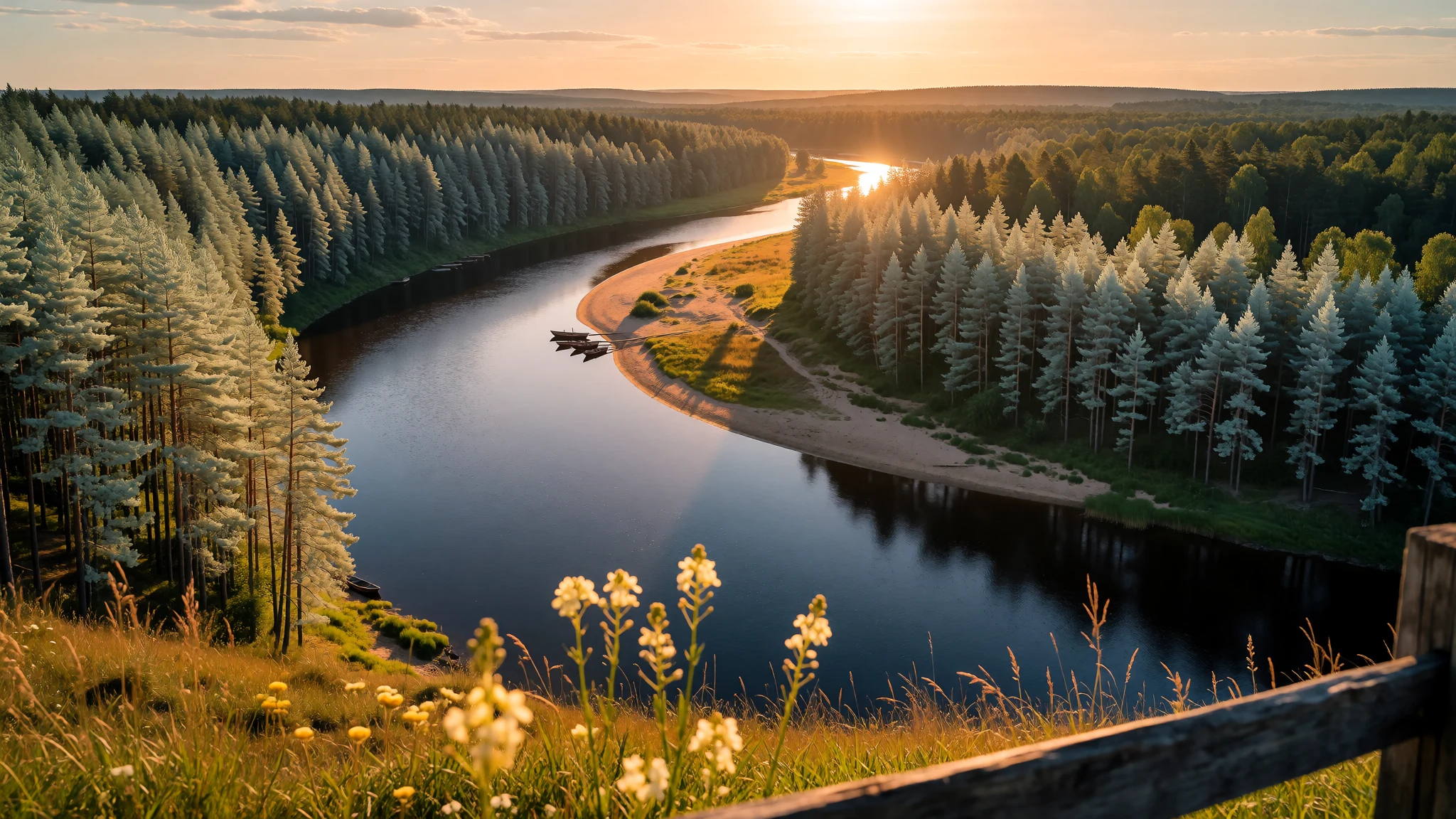
Dzūkija National Park is Lithuania's pine-and-sand wilderness: quiet river bends, bogs, mushroom woods and old tree-hollow beekeeping, all within reach of Vilnius.
The place
Dzūkija National Park lies in southern Lithuania, about 100 km southwest of Vilnius and south of Kaunas, in the sandy region that gives it its name, with the Nemunas river bending along its edge. Founded in 1991, it was set up to look after the countryside of Dainava, an old name for this corner of the country. It is a landscape of pine forest more than anything else, but the forest is broken up constantly: lakes, slow streams, raised bogs, wet meadows and low dunes left behind when the glaciers retreated. The ground is sandy and poor, which is why the woods grow tall, open and pale, and why the berries and mushrooms that carpet the floor in late summer matter so much to local households.
There is no single showpiece here. The pleasure is in the pattern of small things: a wooden boardwalk over a bog, a spring bubbling out of a wooded slope, a village of weathered timber houses at the end of a sandy track. Merkinė, a small town at the confluence of two rivers, is another important town nearby, while the park's administration is based in Marcinkonys. Musteika and the villages around it are quieter and more forested.
This is not a place for crowds, nightlife or grand monuments. Visitors who come for walking, cycling, paddling or simply a few days of birdsong and resin-scented air tend to be happy; those who need constant entertainment may find it thin. Public transport is limited, so a car or a bicycle makes a real difference. The park is also close to a neighbouring protected area, and the two share a website, which is the right place to check trails, events and any seasonal restrictions.
Its story
Dzūkija National Park sits on ground shaped by ice. When the last glaciation drew back, it left a flat, scoured plain of sand and gravel, with meltwater lakes, dunes and hollows that later filled with peat. Pine and birch followed, and the forest that grew on those thin soils has been the backdrop to human life here ever since.
The Balts, Indo-European peoples who settled this part of Europe in prehistory, built their world around forest and river. They traded with their neighbours, and amber was a famous export. Because the land had few natural barriers, communities repeatedly turned small natural hills into fortified mounds, strengthened with earth and topped with timber palisades. These castle mounds, called piliakalniai, are still scattered across Lithuania, and the one above the Nemunas at Merkinė gives one of the best views of the river in the region.
In the medieval period, raiding by crusading orders pressed on the Baltic tribes, and Mindaugas united them and became the country's first king. Much later, the forests of the south became places of shelter and, in the twentieth century, of resistance. Local memory of partisans hiding in the woods remains strong, and small memorials can turn up on quiet paths.
The modern chapter is simple. In 1991, as Lithuania was reasserting its independence, the park was created, protecting both the natural landscape and the customs that grew out of it: foraging, beekeeping in living trees, wooden village architecture and the Dzūkai dialect and songs. What looks like untouched wilderness is partly a working, lived-in countryside.
What to see
- Merkinė hillfort and the Nemunas bend — Merkinė
Merkinė is an important town near the park, and its old castle mound rises above the meeting of two rivers. A short climb gives a broad view of the Nemunas curling through forest. It is an easy first stop, with maps and advice available from the park's visitor centre.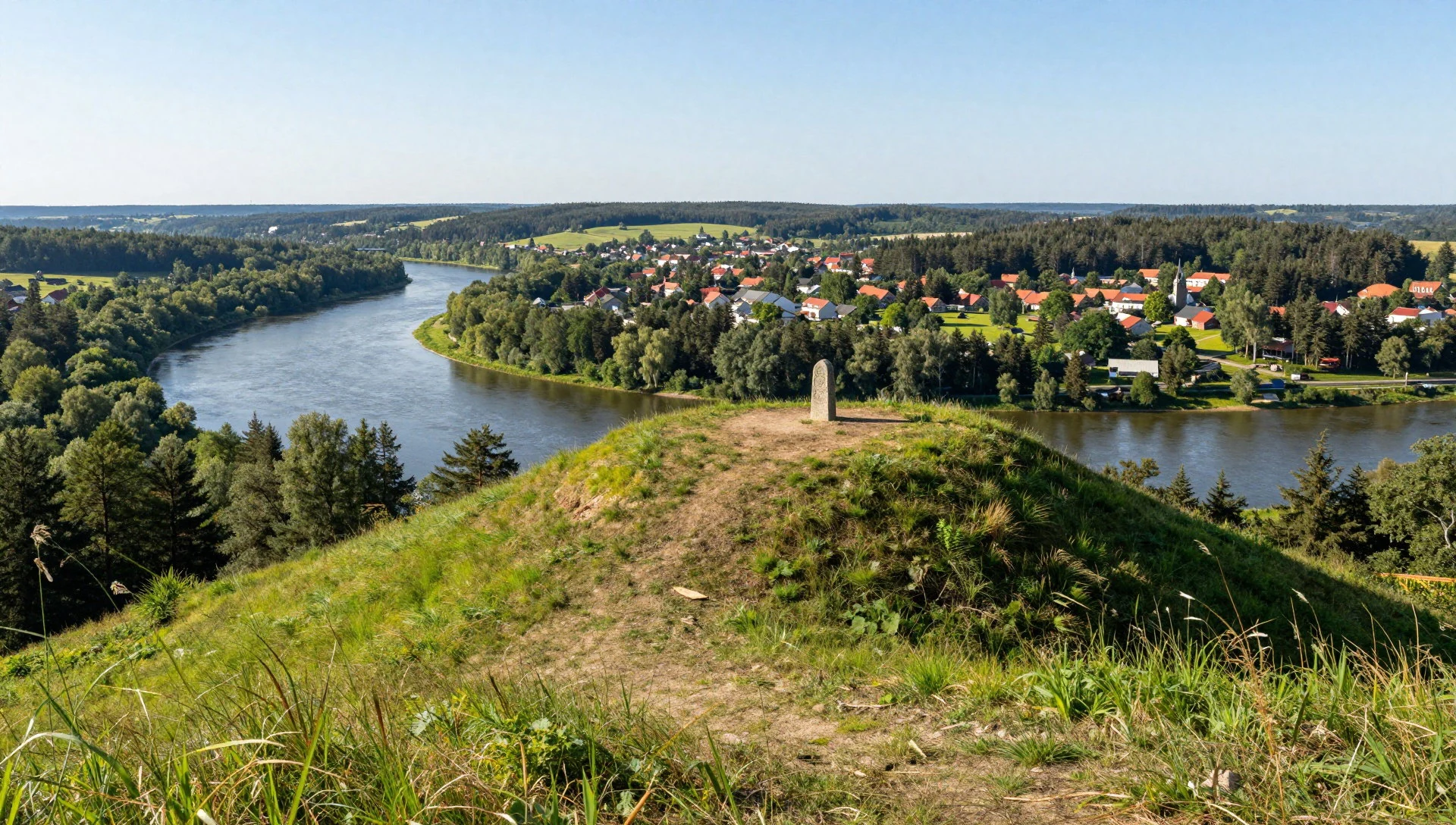
- Dzūkija visitor centre — Merkinė
The park's visitor centre is the place to ask about trails, guided walks, canoe routes and local events. Staff can explain what is open in the season you arrive. Opening arrangements change, so check the official website before relying on a particular day.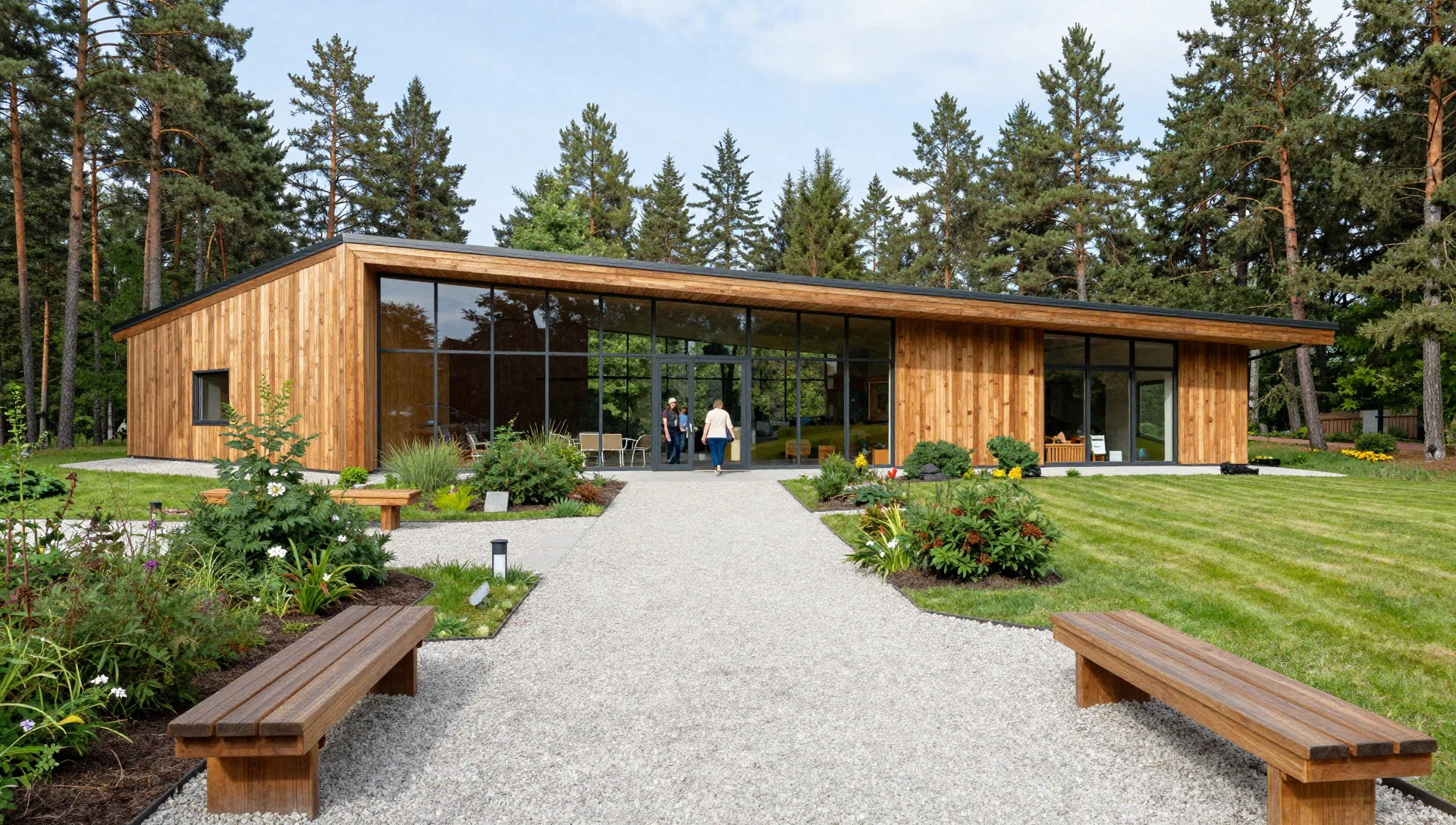
- Tree-hollow beekeeping trail — Musteika area
Near Musteika, an educational trail explains the old practice of keeping bees in hollows carved high into living pines. Carved log hives and information boards show how forest honey was gathered before frame hives. It is an easy, shaded walk, good with children and in light rain.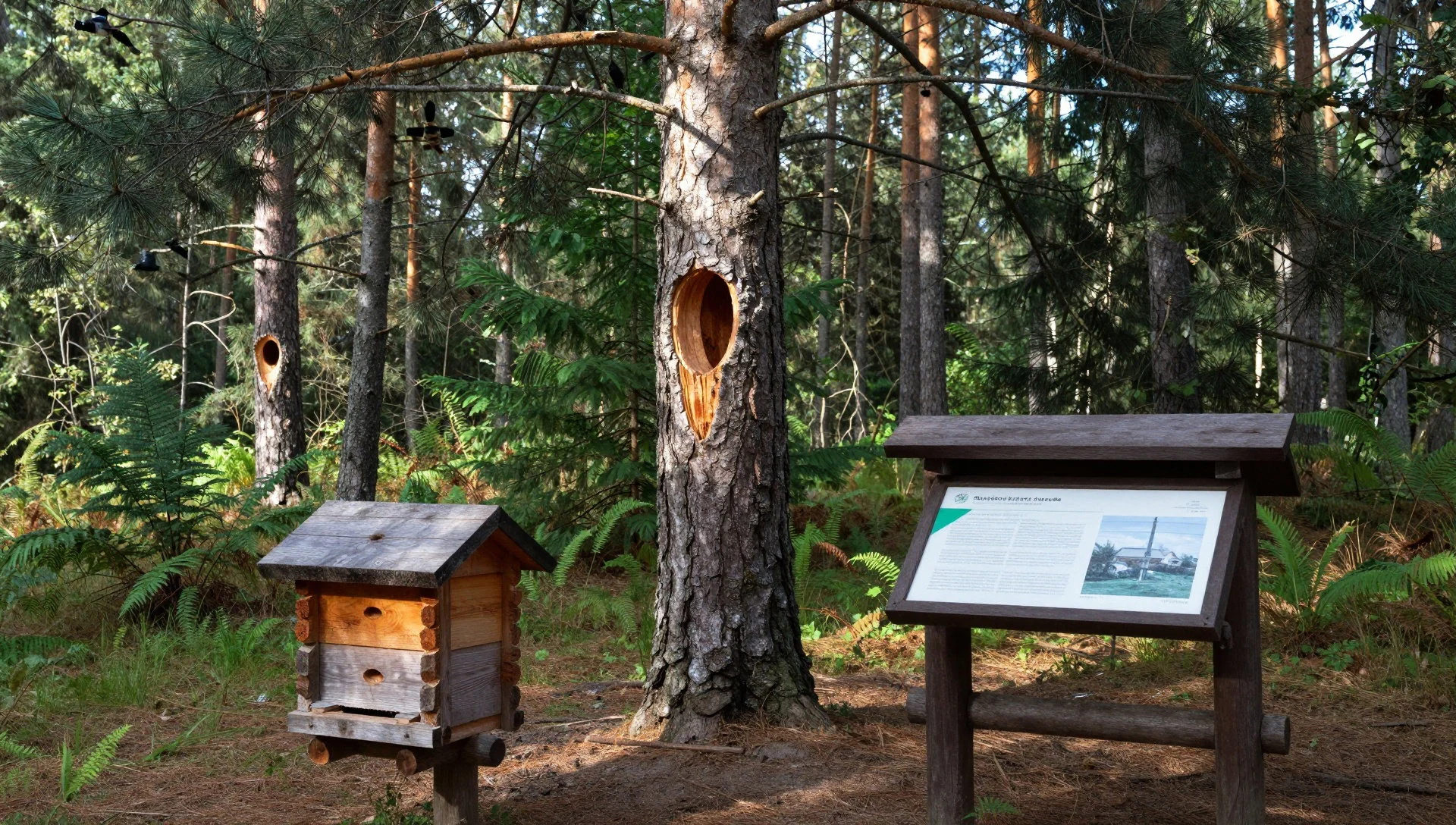
- Bakanauskas bog — near Varėna
Bakanauskas bog shows the wetter side of the park. A raised, spongy landscape of moss, dwarf pines and open pools, it is best crossed on boardwalks rather than freehand. Spring brings birdsong, and autumn colours the bog in rust and gold. Waterproof shoes and insect repellent are useful.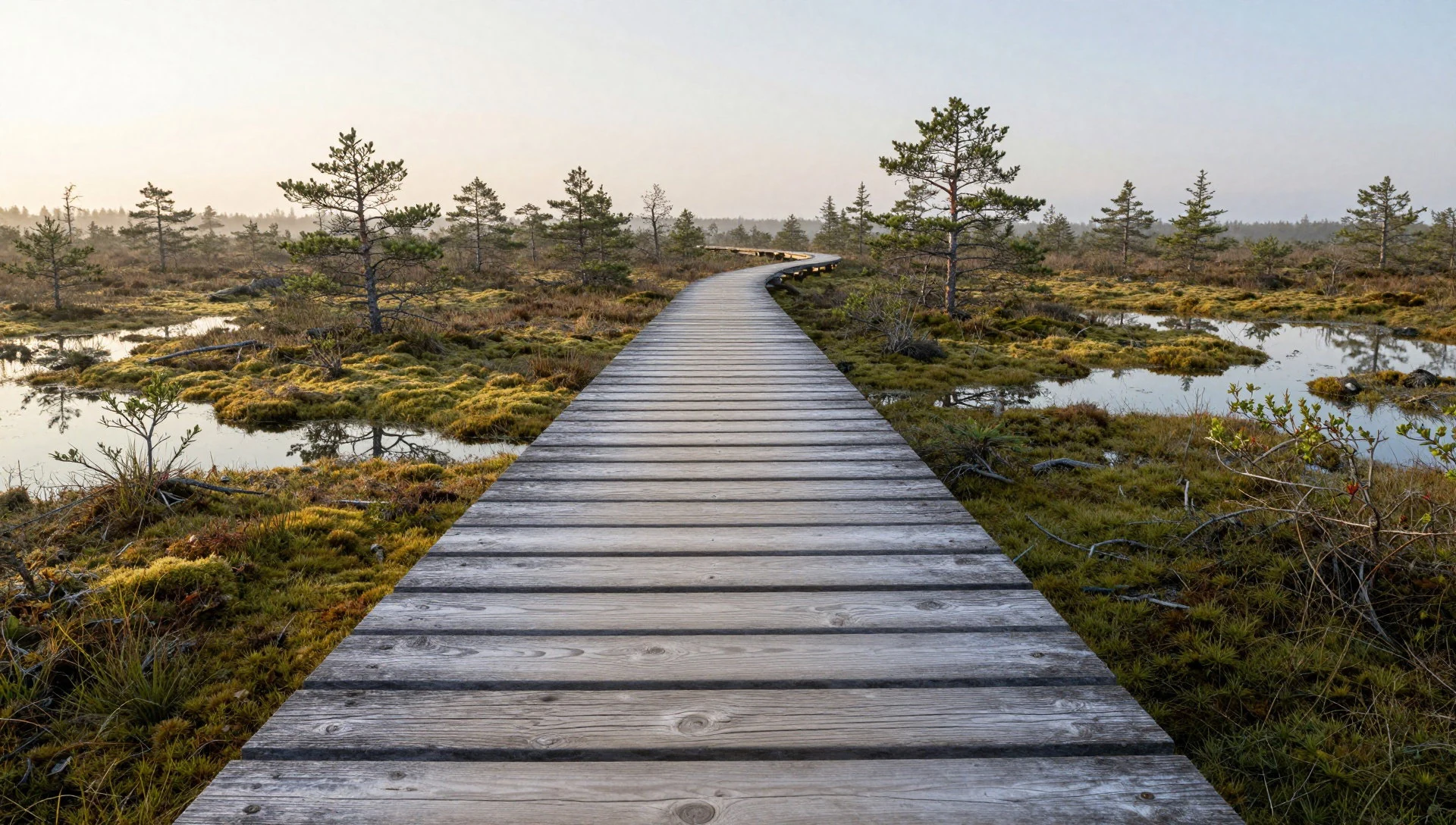
- Bobos daržas spring — Margionys
Near Margionys, a spring called Bobos daržas wells up on a wooded slope among hornbeam trees. It is small and unshowy, a place to stop for a few minutes rather than a destination. The surrounding paths are pleasant for a slow circuit through quiet forest.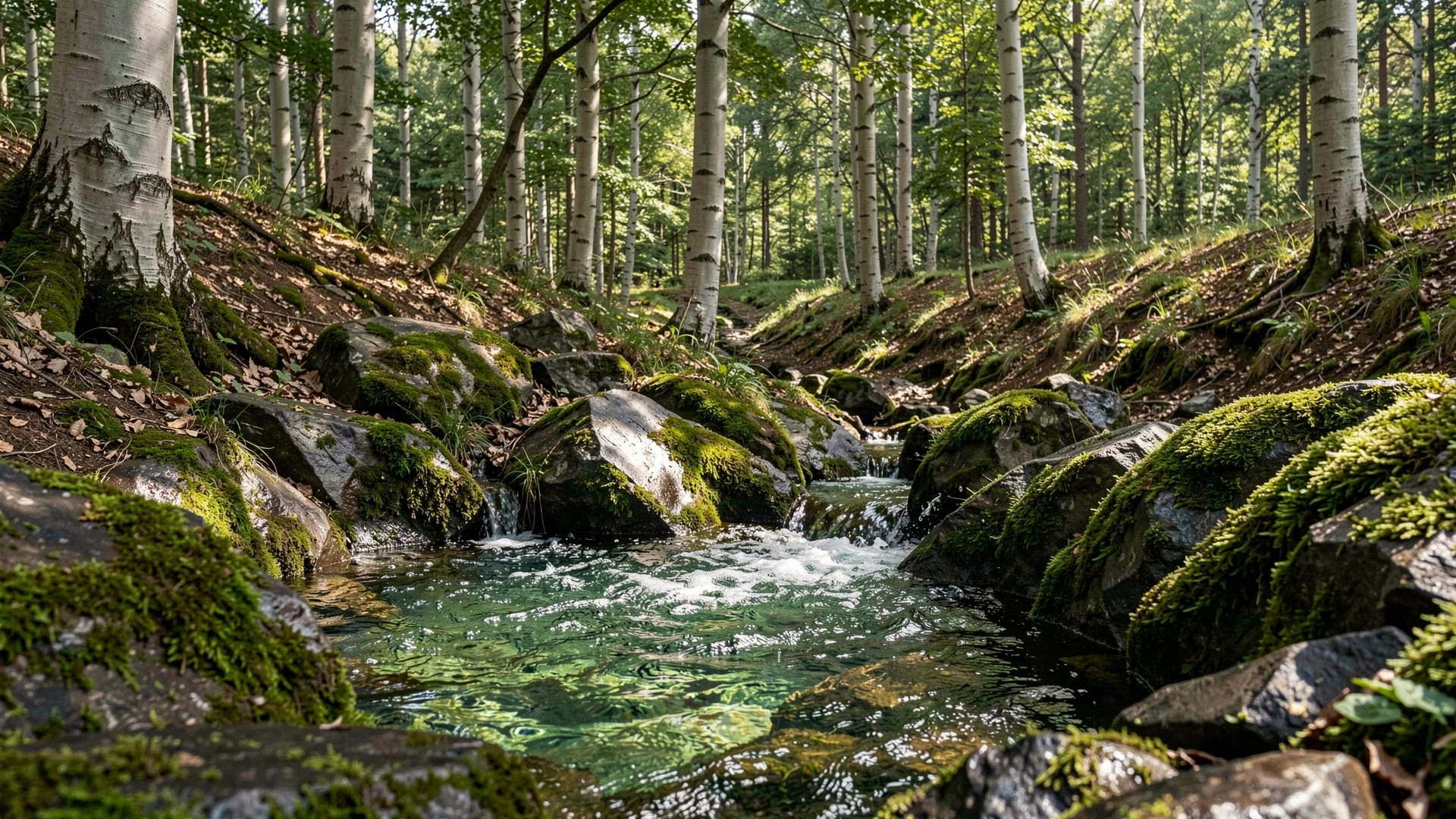
- Dubaklonis viewpoint — near Česukai
Dubaklonis is a wooded rise looking out over the surrounding forest and river valley. It suits a gentle half-day walk, with room for a picnic and long views over pine tops. Light is best in early morning or late afternoon, when the sandy soil turns golden.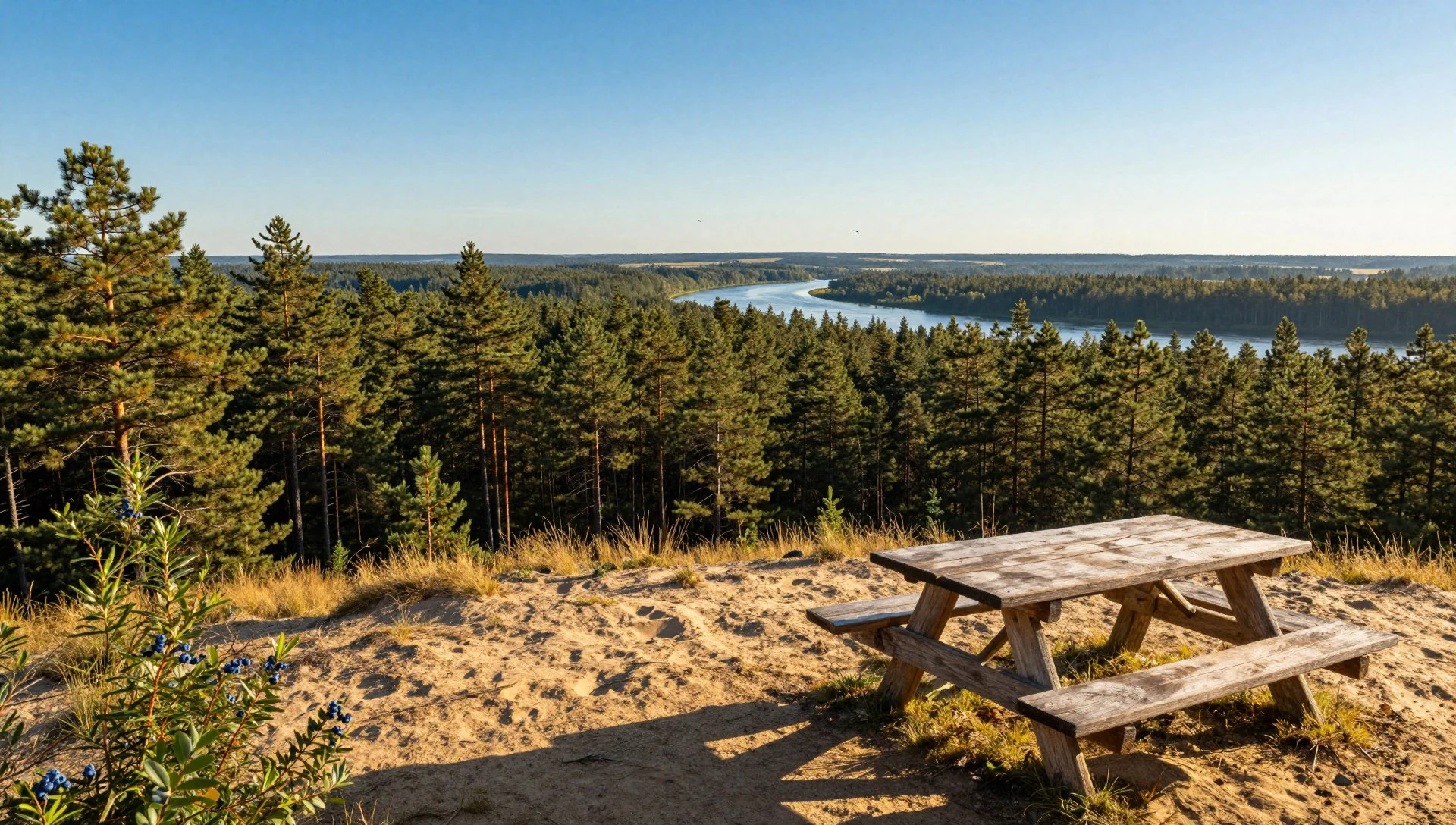
Culture
Dzūkija National Park belongs to a part of Lithuania that is more rural, traditional and quiet than Vilnius. Roman Catholicism is the main religion, and wayside crosses, small chapels and carved wooden shrines sit beside forest tracks and at village edges. Life in the villages around the park still follows the seasons: berries and mushrooms in summer and autumn, honey from local apiaries, firewood and vegetable plots through the year.
The Dzūkai, as people from this region are called, are known for their dialect, their songs and their hospitality. Folk singing remains a living tradition rather than a museum piece, and local festivals sometimes bring it out. Foraging is a point of pride, and households have favourite spots they will not give away. Do not expect a performance for visitors; much of the culture is domestic and understated, found in a farm gate stall selling honey or a neighbour's garden full of flowers.
Lithuanian national identity is held with feeling, especially since the invasion of Ukraine, and visitors will find national flags and colours displayed with pride. English is common among younger people and in tourism, but less so in remote villages, where a few words of Lithuanian, such as labas for hello and ačiū for thank you, are warmly received.
When you walk through the forest, keep to marked paths, take your rubbish home, and ask before photographing people or entering a private farmyard, as villagers in this region value their privacy.
What to wear
Dzūkija National Park lies in a region with a distinct folk costume, though it is now worn mostly on festival days, at singing events and in folk ensembles. Traditional women's dress in Dzūkija was built on home-woven linen and wool: white linen blouses, often embroidered, with striped or checked woollen skirts, a bodice or waistcoat, and woven sashes in bright geometric patterns. Men wore linen shirts, dark woollen trousers and waistcoats, with a coat in cold weather. Flax was grown and spun locally, which is why linen remains the textile most associated with the region.
Day to day, people in the villages and Merkinė dress as most rural Europeans do: practical jackets, jeans, rubber boots for the garden and mushroom basket, and a headscarf or cap against sun and midges. Younger residents dress much as they would in Vilnius. Folk motifs appear in modern form on scarves, woven belts and linen goods sold at craft stalls.
Visitors should dress for the forest rather than for any formal custom. Long trousers and long sleeves help against ticks and mosquitoes, particularly in summer. Sturdy, waterproof walking shoes or boots are better than trainers on wet boardwalks and sandy tracks. Take a light waterproof layer in any season, a warm layer for evenings, and a hat in strong sun. Winter calls for proper insulation and good grip. Churches and roadside chapels do not require special clothing, but covered shoulders and knees are a courteous choice when entering one.
What to eat
- Cepelinai — village cafés in Merkinė and Varėna
Large potato dumplings, shaped like small airships and stuffed with minced meat, then served with sour cream and bacon bits. They are filling, hearty food after a day outdoors, and are found in village cafés and family-run eateries throughout the region.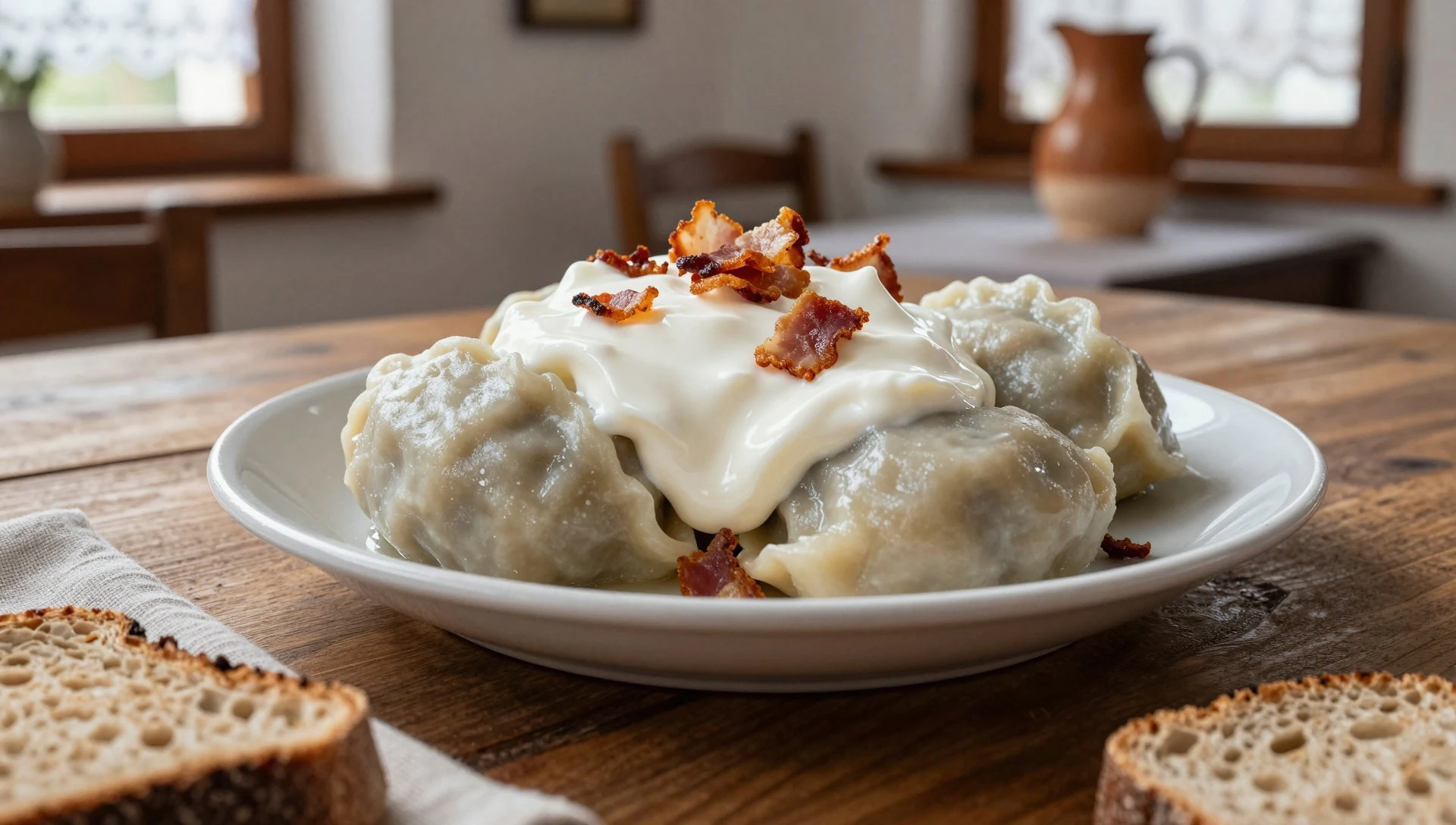
- Forest mushrooms — home-style eateries and roadside stalls in late summer and autumn
Mushroom picking is a seasonal passion in Dzūkija. Local cooks fry, stew, pickle or dry the harvest, and serve it with potatoes or in sauces. Late summer and autumn are the best times; ask a local before eating anything you have picked yourself.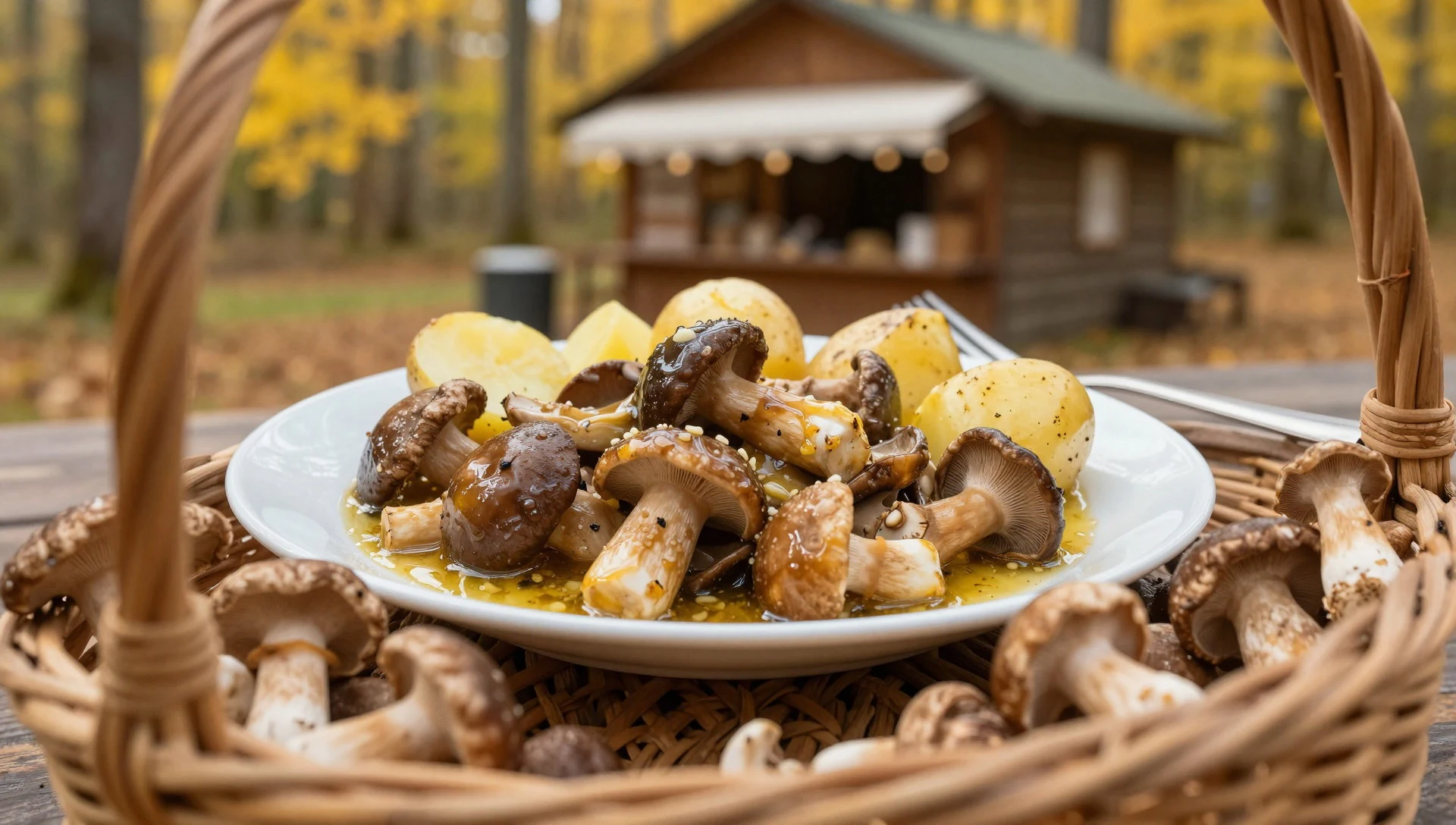
- Forest honey — farm gates and small village stalls
The region's beekeeping tradition makes honey a natural souvenir. Jars come in different shades depending on the flowers and season. It is eaten on bread, stirred into tea, and baked into cakes and gingerbread-style sweets. - Bulviniai blynai — village eateries and small town cafés
Grated potato pancakes, fried crisp and served with sour cream, meat sauce or mushrooms. Potatoes have long been a staple on the poor sandy soils of the south, and this is a simple, dependable dish to order almost anywhere. - Šaltibarščiai — cafés and eateries in summer
A cold pink soup of beetroot and soured milk, usually served with boiled potatoes on the side. It is refreshing in warm weather and a good vegetarian-friendly choice. Dark rye bread usually comes alongside. - Wild berry preserves — farm gates and small town markets
Bilberries, lingonberries and cranberries grow in the pine forests and bogs. They appear in jams, drinks, pastries and dumplings. Look for them at small markets, where jars often come from local households.
Plan it
Best time. Late May to June brings long daylight, birdsong and fresh green forest; September and early October suit mushrooms, berries and softer autumn colour. July and August are warm and good for canoeing, but mosquitoes and ticks are at their worst. Winters are cold and snowy, with fewer services.
How long. 2–3
Getting there. Fly to Vilnius airport, then continue by road to Merkinė or Varėna, which takes a little over an hour by car. Buses and trains reach Varėna, but services within the park are limited, so a hire car or bicycle is the practical last leg. Check the official website for current visitor information.
Budget. low
Tips
- Hire a car or arrange a lift, as public transport inside the park is thin
- Check the official site at http://www.cepkeliai-dzukija.lt/ for trails, guided walks and canoe routes before you travel
- Carry insect repellent and check yourself for ticks after walking in grass or forest
- Bring water and snacks, as shops are small and far apart in the forest villages
- Carry some cash, since small stalls and village shops may not take cards
Etiquette
- Keep to marked paths and boardwalks, especially in bogs
- Ask before photographing people or entering private farmland
- Do not pick mushrooms or berries unless you know what you are doing and the area allows it
Nearby
Sources
- Wikidata Q738428 (CC0)
- Wikipedia: Dzūkija National Park (rev 1365243049) (CC BY-SA 4.0)
- Wikivoyage: Lithuania (rev 5421490) (CC BY-SA 4.0)
- Photo: Merkinė Neman (Wojsyl) (CC BY-SA 2.5)
- Photo: Puvočių panoramine (Zove.mykolas) (CC BY 3.0)
- Photo: Bakanauskų pelkė (Hugo.arg) (Public domain)
- Photo: Bobos daržas (Šarūnas Šimkus) (Public domain)
- Photo: Drevinis avilys, Musteika (Hugo.arg) (Public domain)
- Photo: Drevinės bitininkystės pažintinis takas (Hugo.arg) (Public domain)
- Photo: Dubaklonis (Šarūnas) (Public domain)
- Photo: Dzūkijos NP būstinė, Merkinė (Šarūnas Šimkus) (Public domain)


