Shei-Pa
Shei-Pa, Taiwan
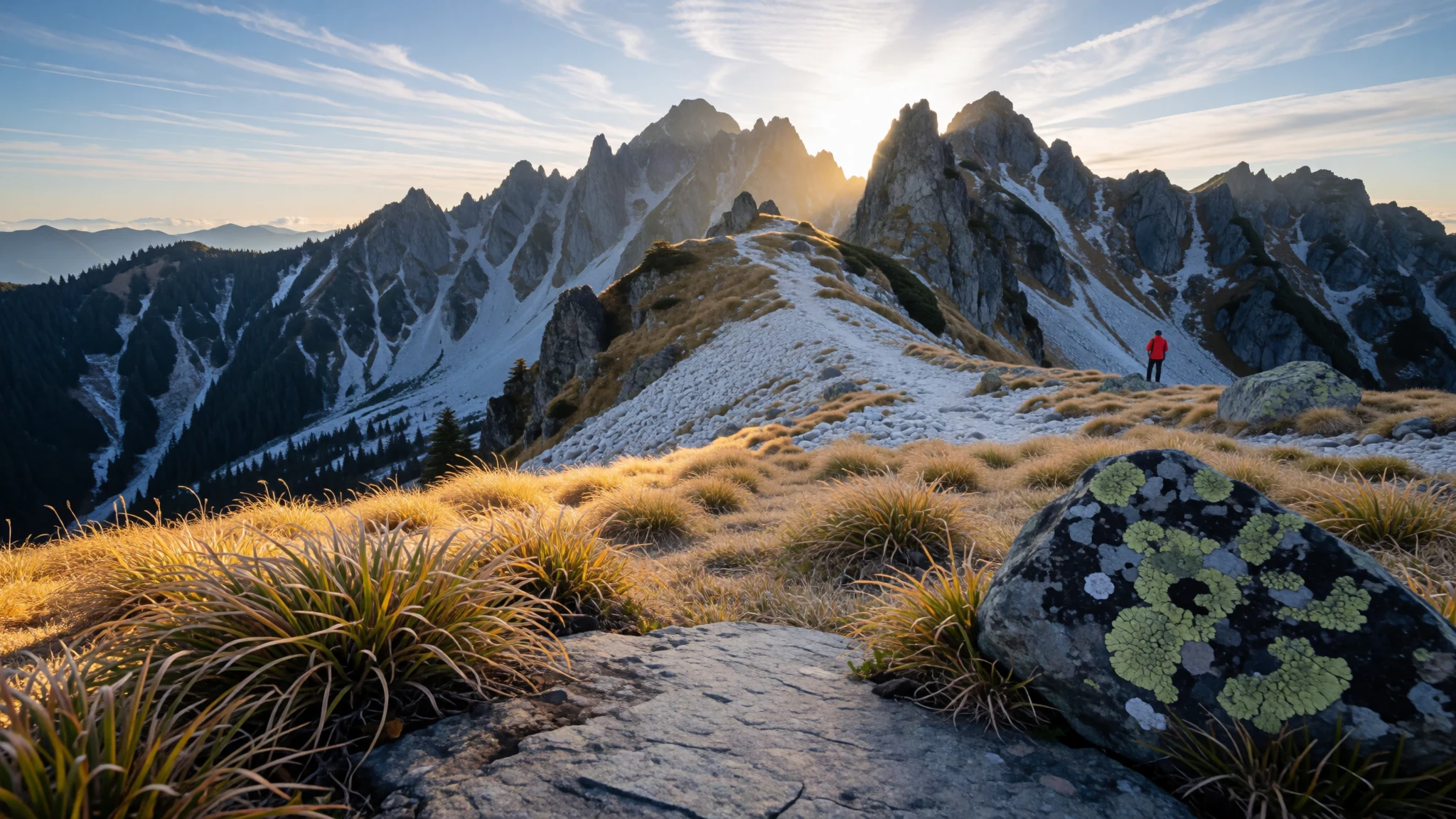
Shei-Pa is Taiwan's cloud-wrapped high-mountain park, where maple valleys, a famous ridgeline and some of the island's coldest, quietest nights sit within reach of Taipei.
The place
Shei-Pa National Park (雪霸國家公園, Xuěbà Guójiā Gōngyuán) occupies the high middle of Taiwan, where Hsinchu County, Miaoli County and Taichung City meet. It protects about 768.5 km² of ridges, river gorges and forest, arranged around two main summits: Xueshan, also called Sekuwan, and Dabajian, also called Papak Waqa. The park exists mainly for conservation, so the appeal is terrain and ecology rather than built attractions: cold streams, rock faces, several distinct forest types, and plants and animals that belong to the high country. Weather shapes every trip. Cloud and fog sit on the slopes much of the time and temperatures stay low; January averages about 6.6 °C and July only about 14.9 °C. Rain falls mainly from April to August, and the yearly total is around 3,150 mm, so waterproofs matter more than sun cream. Four recreation areas act as gateways, each with its own road and character. Wuling Farm is the easiest to reach by public transport and the busiest. Guanwu is the approach for Dabajian. Xuejian, on the north-west side near Taian Township, is the newest area and its road access is often awkward. Nobody comes here for nightlife, since there are no bars or night markets, and the reward is quiet and very dark skies.
Its story
Shei-Pa National Park is young as parks go: it was established in 1992, and its headquarters was set up on 1 July of that year. The case for it was ecological. Taiwan's central mountains stack habitats on top of one another, from river valleys through successive forest belts to cold summit rock, and the aim was to keep the geology, streams, rare animals and plants together as one protected block rather than leave them to be cut up by roads and farms. One animal the park is known for is the Taiwan salmon, a rare fish that has its own observation deck. Human history inside the boundary is layered. The paired names of the main peaks, Chinese and Indigenous-language, are a reminder that these mountains had names and routes long before a national park drew a line around them. Wuling Farm predates the park: it was founded in 1963 to give work to retired servicemen, and its fields and orchards turned a high valley into a place where people live and grow things. It later became the park's most popular base. Today the park balances two pressures. Walkers want summits and ridgelines, while managers use permits to protect fragile ground and to keep people clear of rockfall and cliff collapse. Open to visitors, but controlled where it matters, is the park's current chapter.
What to see
- Xueshan (雪山) — Taichung City side of the park
Xueshan stands at 3,886 m and ranks second among Taiwan's mountains. It is a serious multi-day hike with cold, thin air and fast weather changes. Two permits are required: one from the park headquarters and one from the national police. The reward is glacial-shaped terrain and a small lake, the Green Jade Pond, on the approach.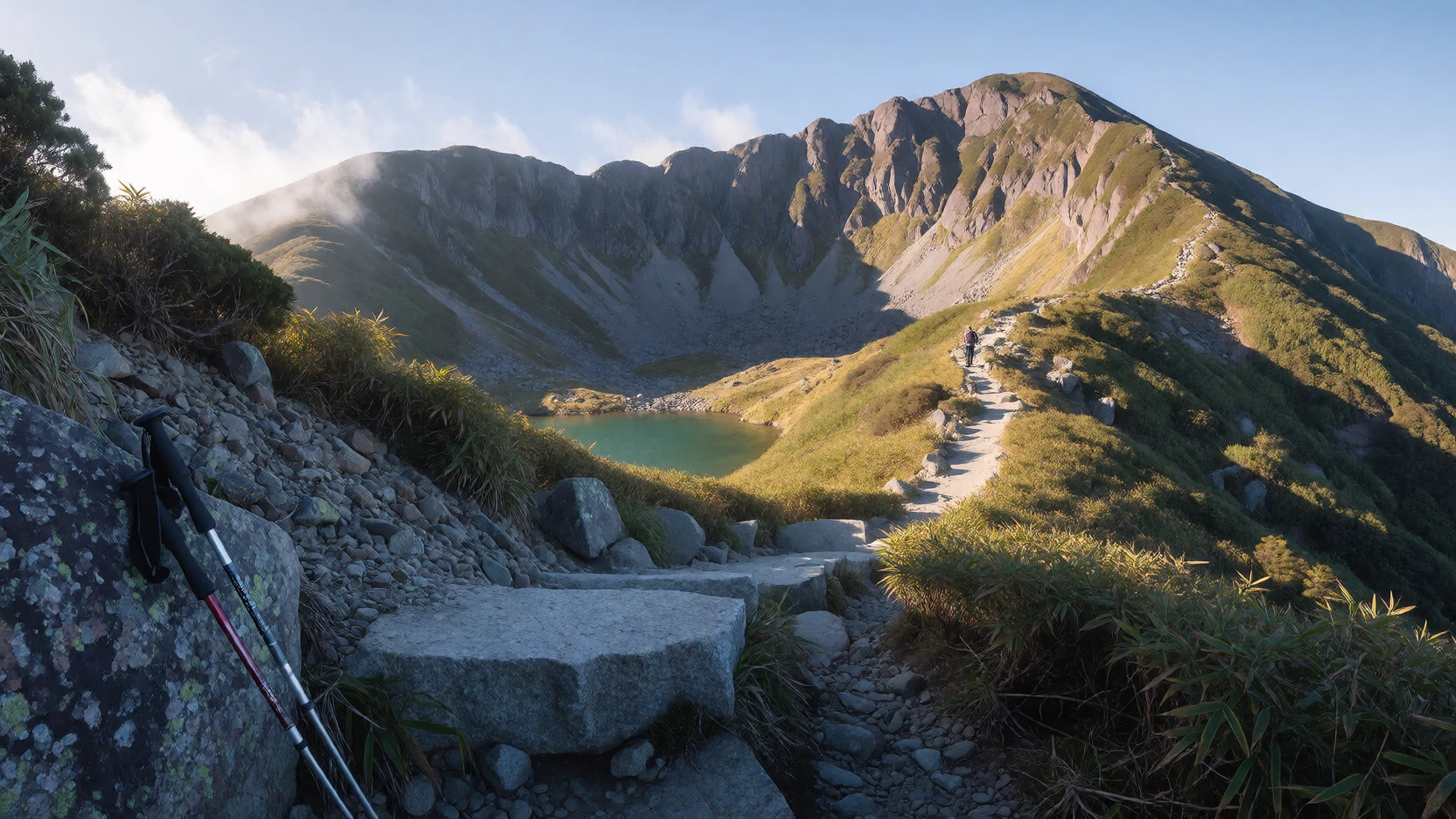
- Dabajian Mountain and the Holy Ridgeline — Guanwu Recreation Area, Hsinchu County
Dabajian is reached through the Guanwu Recreation Area, which is the only approach. The famous Holy Ridgeline links it with Xueshan in a long line of jagged rock. Walking the whole ridge is for experienced, well-equipped groups, but Guanwu itself has gentler forest paths and is a good place to see what the terrain looks like.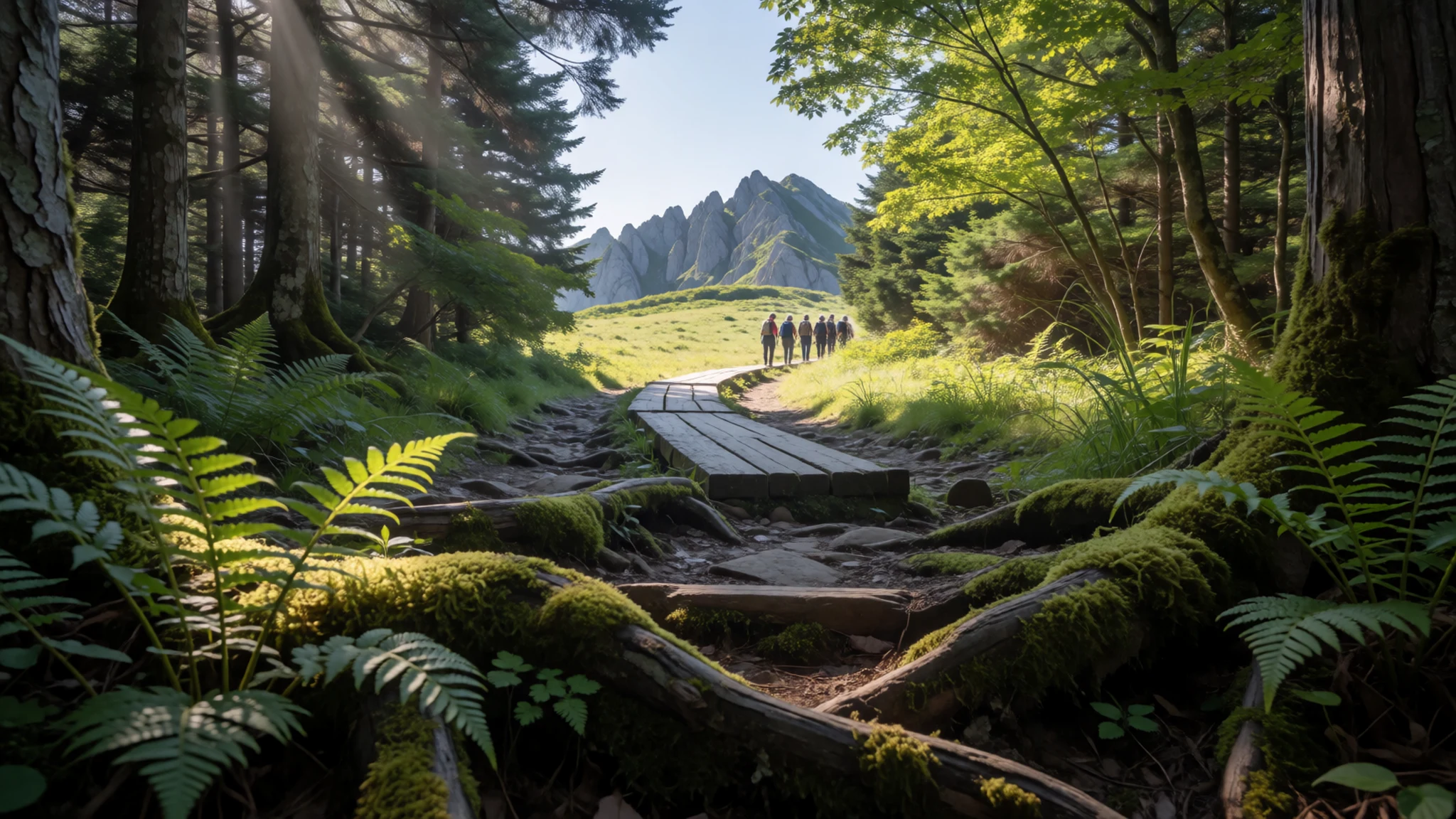
- Wuling Farm (武陵農場) — Taichung City side of the park
Wuling Farm is the park's most accessible recreation area, with orchards, campsites, a farm museum and walking trails along a stream. Autumn is the busy time, when maple leaves turn red and gold and weekends fill with photographers. Weekdays are calmer, and mornings are best for soft light and fewer people.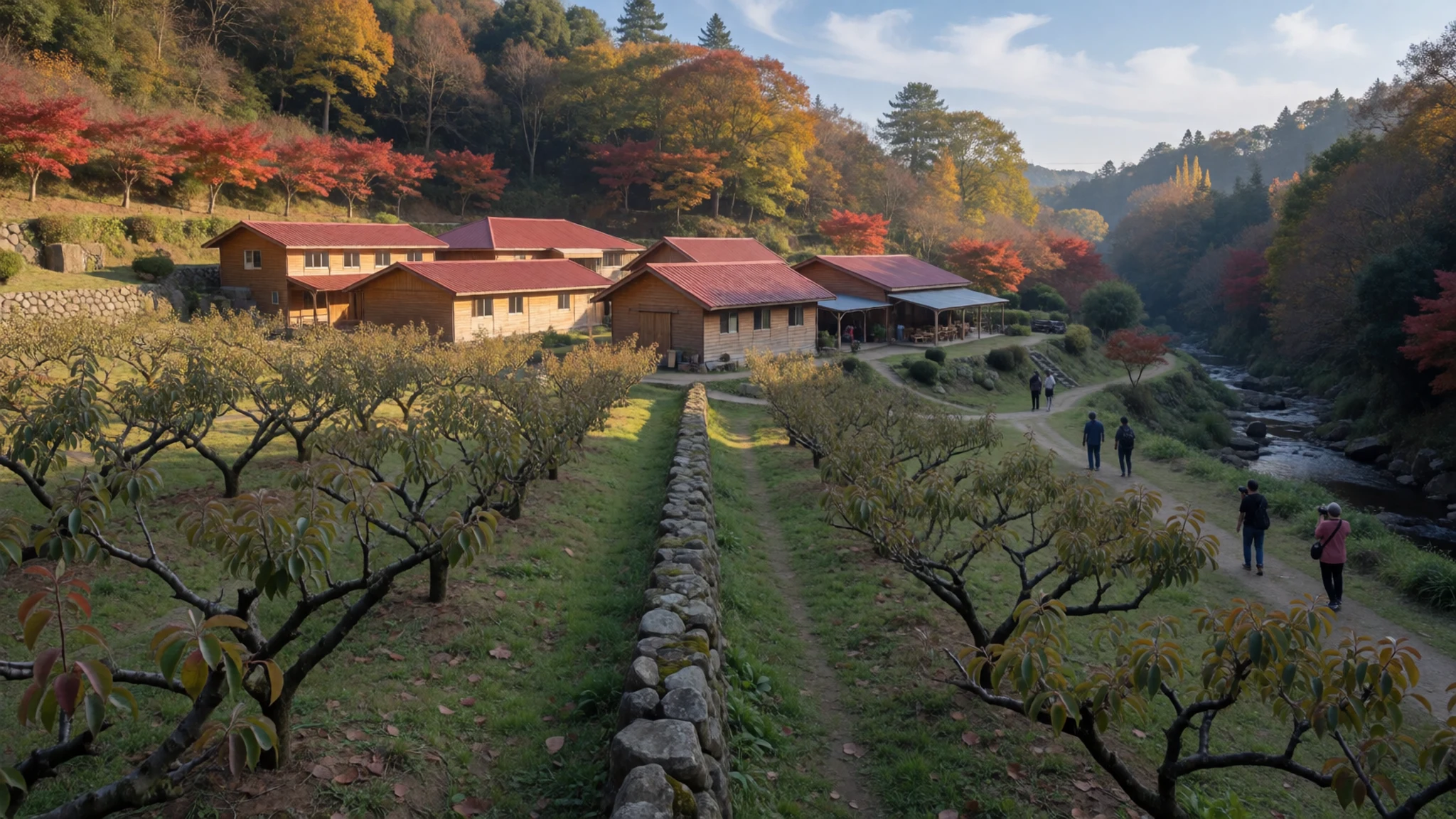
- Taoshan Waterfall and the Taiwan Salmon Observatory Deck — Wuling Recreation Area
Near Wuling Farm, a trail leads to Taoshan Waterfall, a good half-day outing that does not need mountaineering skills. The observation deck for the Taiwan salmon is nearby and gives a look at a rare fish in its stream habitat. Keep voices low and stay on the marked paths and platforms.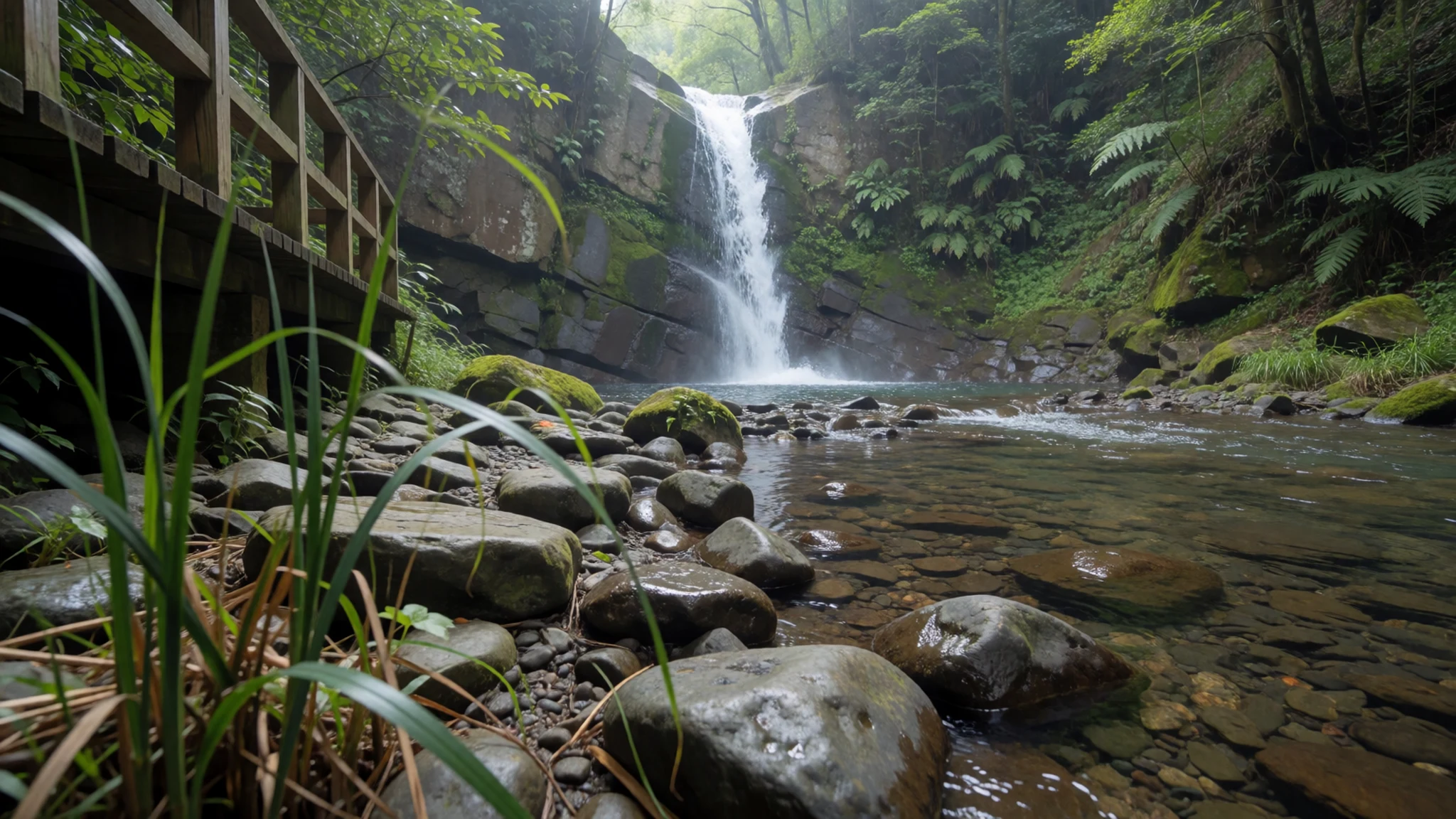
- Wenshui Visitor Center — Dahu Township, Miaoli County
The park's headquarters has a display hall, an audio-visual room and a gift shop. It is a sensible first stop before heading up, because staff can explain current trail conditions, permits and weather. The centres also keep simple first-aid supplies for minor injuries, which is reassuring on remote routes.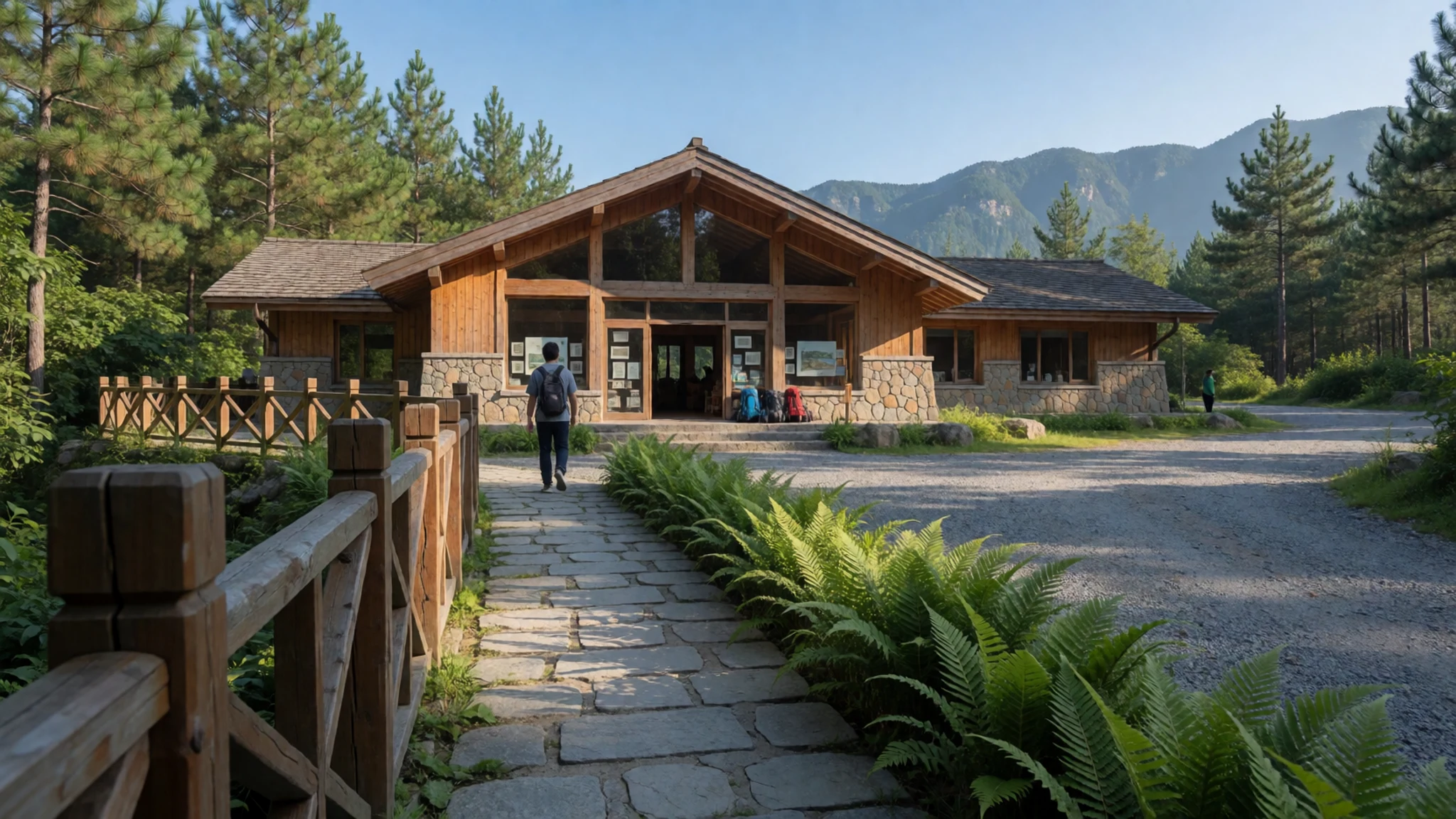
Culture
Shei-Pa National Park sits in country long inhabited by Indigenous peoples, and the paired names of its peaks, Sekuwan and Papak Waqa beside Xueshan and Dabajian, keep that history visible on maps and signs. Today the mountains also carry a strong hiking culture. Taiwan's tradition of climbing its high peaks is serious and well organised: permits, registered itineraries, trained guides and group travel are the norm for demanding routes, and hikers usually exchange a greeting when they pass on a trail. Wuling Farm adds a different layer. It began in 1963 as a settlement for retired servicemen, and its orchards, small museum and simple eating places reflect a farming community, not a resort. Evenings are quiet. With no bars or night markets, people gather around camp stoves, share hot drinks and look up at the stars, since there is almost no light pollution. Weekends in maple season can be crowded with day-trippers, while weekdays feel almost private. Rangers and visitor centre staff are used to helping first-time walkers, and asking them about conditions is expected rather than seen as a bother. Carry out all your rubbish, and keep to marked trails and platforms so that fragile mountain vegetation and the fish habitats stay undisturbed.
What to wear
Shei-Pa National Park lies in territory of Indigenous peoples such as the Atayal and Saisiyat, whose traditional dress is woven on backstrap looms. Ramie and cotton are typical materials, patterned in geometric bands, often red and white on a darker ground, and the cloth is mainly worn now at festivals, weddings and cultural events rather than day to day. Everyday clothing in the park today is practical outdoor wear. Taiwanese hikers favour quick-dry layers, waterproof shells, caps or wide-brim hats, gloves in the cooler months and sturdy boots, and on weekends at Wuling Farm many visitors wear bright jackets for photographs among the maples. Visitors should dress for cold, damp, changeable weather even in summer, when July averages only about 14.9 °C at altitude. Pack a thermal base layer, a fleece, a rain jacket and waterproof trousers, with waterproof boots that have good grip for wet rock and mud. Heavy winter gear is needed for Xueshan in the cold months. Clothing standards are relaxed and modesty is not a concern on trails, though a covered shoulder and knee is polite if you visit a temple on the way. Sun protection still matters on exposed ridges.
What to eat
- High-mountain tea — tea saloon and cafés around Wuling Farm
Tea grown in Taiwan's cool uplands is a natural drink in this region, and the park's listings include a tea saloon. Expect a light, fragrant cup that suits the cold air. Ask for it at tearooms and farm cafés around Wuling.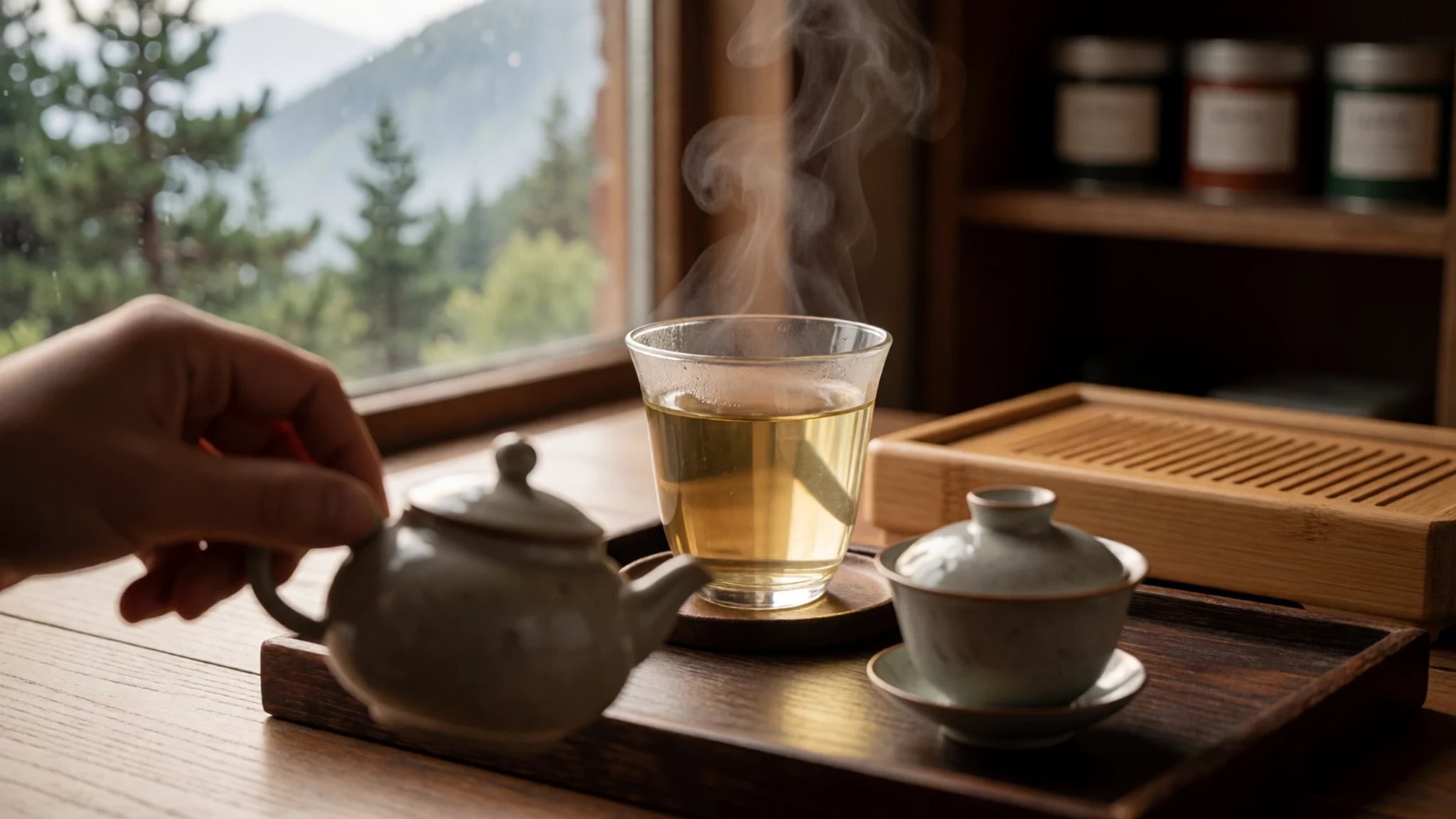
- Farm-restaurant set meals — the restaurant at Wuling Farm
The restaurant at Wuling serves filling Taiwanese-style meals of rice, stir-fried vegetables and meat or fish dishes. Portions suit people coming off long walks. Hours can be limited in the mountains, so check opening times with the farm or the park's official website.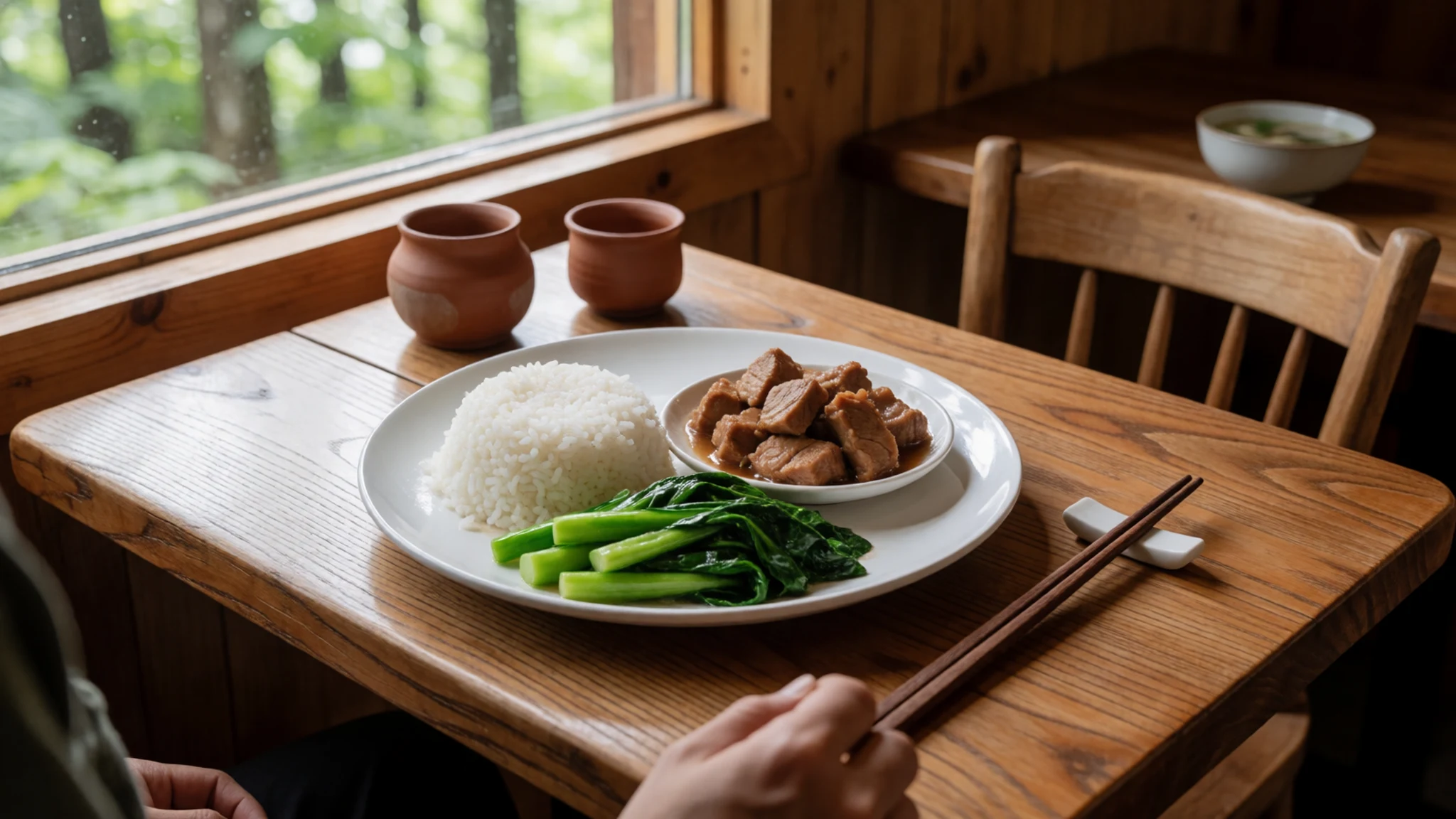
- Campground snacks and hot drinks — Wuling Farm Campground snack counter
Near the campground there are simple snacks and beverages: instant noodles, hot drinks and light bites that taste better in cold, foggy air than they have any right to. Most walkers still bring their own trail food for longer routes. - Seasonal highland produce — farm shops and roadside stalls near Wuling Farm
Orchards and fields around the farm supply fruit and vegetables that change with the season. Look for fresh fruit sold by the roadside and in the farm's shops, and ask what is in season. Carry cash for small stalls, as card use can be patchy.
Plan it
Best time. Late October to November for maple colour at Wuling Farm, and March for clearer early-spring days before the rains; April to August is the wet season, with fog and heavy rain, and winter brings cold and snow risk on the high peaks.
How long. 2–3
Getting there. Fly to Taipei Taoyuan International Airport, then take the E-go bus from Taipei Main Station to Wuling Farm. From Yilan there are two Kuo-Kuang buses a day to Wuling Farm, on the Yilan–Lishan route. Check the official park website for the latest timetables and road conditions.
Budget. mid
Tips
- Apply for Xueshan permits well ahead; you need both a park entry permit and a police permit
- Book campsites and rooms early for October–November maple weekends, and visit on weekdays if you can
- Carry cash and snacks, because shops and eating places are few and hours vary
- Start walks early, as cloud and rain often build later in the day
- Hike in a group on high routes because of rockfall and cliff-fall risk, and use a trained guide for demanding routes
Etiquette
- Stay on marked trails and observation platforms to protect fish habitats and plants
- Take all rubbish with you and keep noise low in the evenings
- Ask park staff about conditions before starting a walk
Nearby
Sources
- Wikidata Q707996 (CC0)
- Wikipedia: Shei-Pa National Park (rev 1362906674) (CC BY-SA 4.0)
- Wikivoyage: Shei-pa National Park (rev 5344975) (CC BY-SA 4.0)
- Peellden, The Green Jade Pond (photo) (CC BY 3.0)
- Peellden, The Holy Ridgeline (photo) (CC BY 3.0)
- Steven60903, Wuling Farm maple leaves (photo) (CC BY-SA 4.0)
- Steven60903, Wuling Farm Trail (photo) (CC BY-SA 4.0)
- Steven60903, Maple leaf (photo) (CC BY-SA 4.0)
- Steven60903, Maple reflection at Wuling Farm (photo) (CC BY-SA 4.0)
- Chen Tu Chen, sunrise over Shei-Pa (photo) (CC BY-SA 4.0)
- Chen Tu Chen, mountain weather at Shei-Pa (photo) (CC BY-SA 4.0)


Wildlife
- Taiwan salmon (animal)
The Formosan landlocked salmon is a rare salmon that never goes to sea, living instead in fresh water. This endangered fish lives only in Taiwan, in the mountain stream valleys lying between Xueshan and the Central Range, and Shei-Pa has built it its own observation deck. When it is best seen is not known from what we have, so ask a ranger or guide. Watch from the deck, keep your voice low, and never feed it; a rare fish is best admired from afar.