Serra do Cipó
Serra do Cipó, Brazil
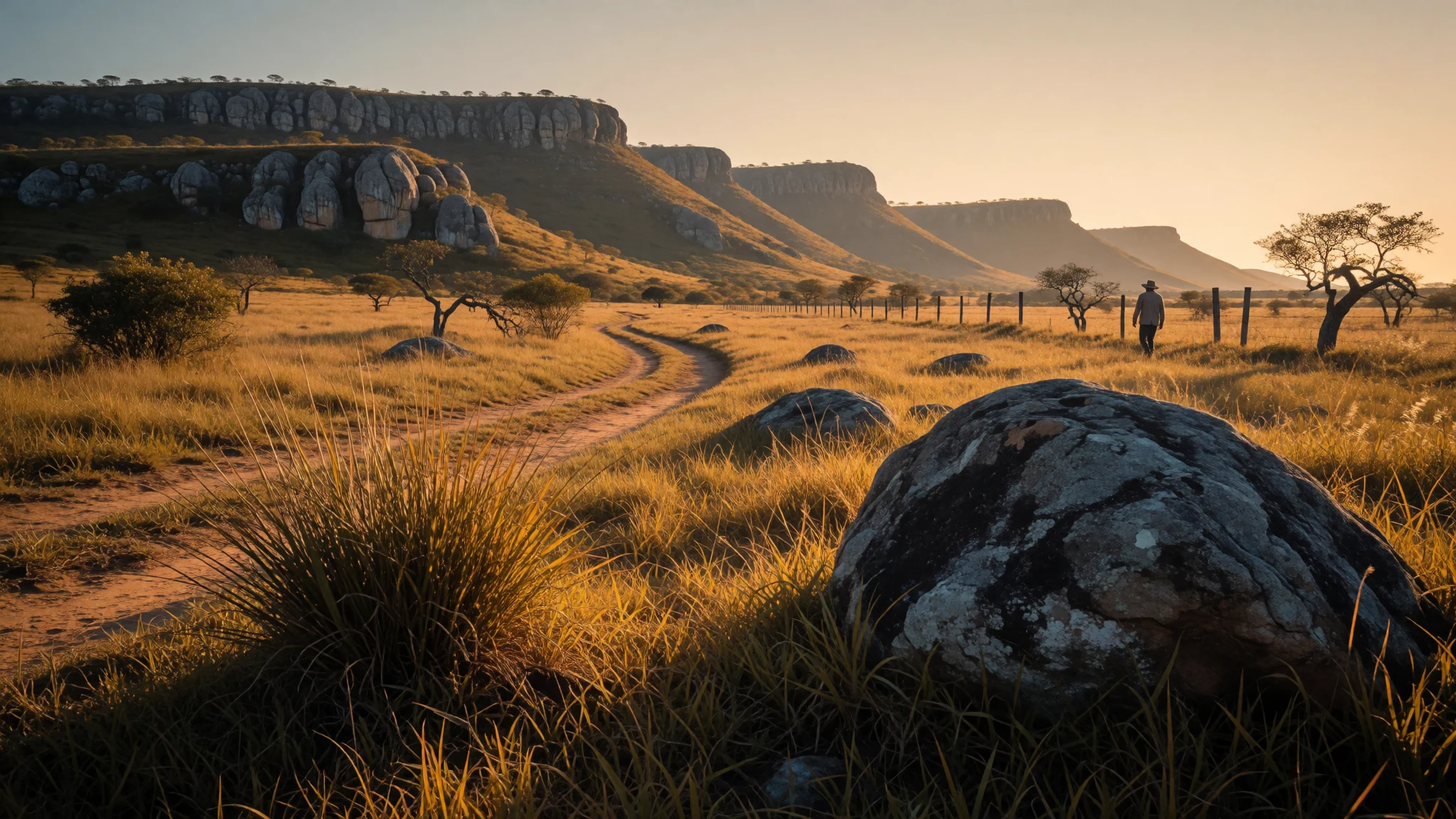
Serra do Cipó is open Cerrado upland in Minas Gerais, where walking trails lead to rivers, waterfalls and wide, quiet horizons.
The place
Serra do Cipó National Park lies in the Brazilian state of Minas Gerais, inside the Cerrado, the tropical savannah belt that covers much of the country's interior. It is a landscape of open, rocky uplands rather than forest: grassland scattered with stone outcrops, shrubby hollows, and ridges that run toward the horizon in long blue lines. Rivers cut through the rock and drop into waterfalls and pools, many of them stained tea-brown by plant matter. The park spreads across parts of six municipalities, among them Jaboticatubas, Santana do Riacho, Itambé do Mato Dentro and Morro do Pilar, and the Chico Mendes Institute for Biodiversity Conservation looks after it. Most walkers base themselves in the village that shares the mountain's name, strung along a highway with guesthouses, outfitters and wood-fired kitchens. Belo Horizonte, the state capital, is within easy reach, so the area fills with city families at long weekends and holidays, while midweek the trails can be almost empty. Weather shapes everything. Summers are wet, with heavy afternoon storms that swell the rivers and make rock crossings risky; winters are dry, clear and cool at dawn, which is when the views are at their best. The park is classed as an IUCN category II national park, meaning the aim is to protect natural ecosystems while allowing research, education and low-impact recreation. Anyone expecting alpine peaks will be surprised: this is walking country at modest heights, where the drama comes from space, light and water rather than altitude.
Its story
Serra do Cipó National Park was created by decree in 1984, but the history of the land is older and tied to the name of the state around it. Minas Gerais means "General Mines", a label earned from the gold and diamond workings that drew prospectors, enslaved labourers and mule-train traders into these hills during the colonial period. The old towns of the region, such as Ouro Preto and Tiradentes, still hold the architecture of that wealth. It was also here that the Inconfidência Mineira took shape, an early plot against Portuguese rule led by Tiradentes, a dentist by trade, which failed but left the state with a motto about liberty delayed. The Cipó uplands sat on the edge of that world: too rocky for big plantations, useful for grazing cattle and for travellers passing through. Protection came later and for ecological reasons. Scientists had long noticed how many plants and animals here live nowhere else or in very small ranges, and the park was meant to hold on to them. The maned wolf, ocelot and cougar are among the mammals it shelters, and a small bird, the Cipó canastero, is known from only a tiny part of these highlands. Today the story continues in quieter form, with rangers, researchers and local guides balancing visitor numbers, the fire risk of the dry season, and a landscape that people have worked for centuries.
What to see
- Cânion Bandeirinhas — Northern part of the park
Cânion Bandeirinhas is a gorge where a river has sliced through pale rock, with walkways and viewpoints along the rim. Go early, before the day-trippers arrive and the light flattens. The stone is slippery after rain, so footwear with grip matters more than a long list of kit.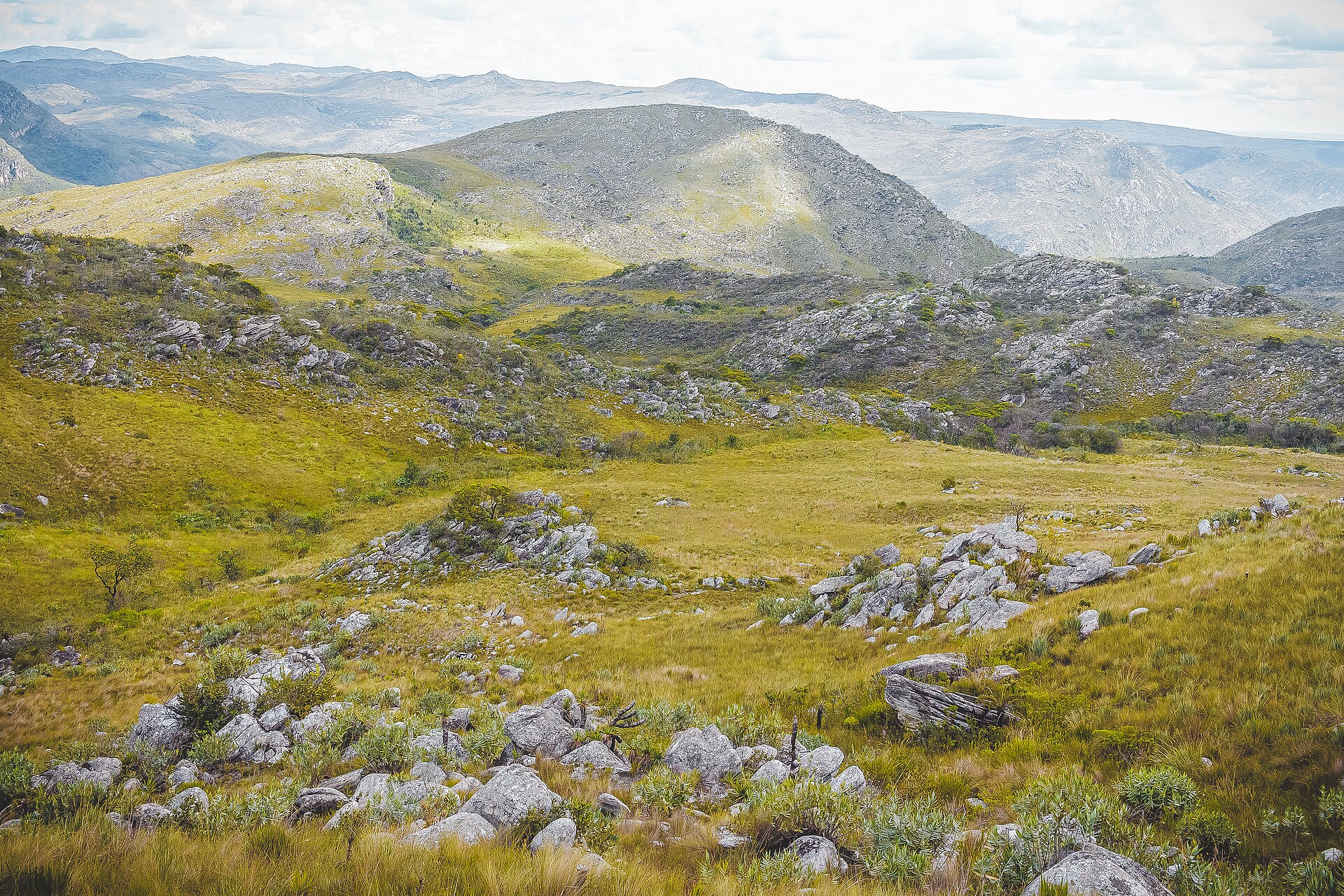
- Cachoeira da Farofa — Park interior, near the main entrance road
Cachoeira da Farofa is among the best-known waterfalls in the park, reached by a walk across open grassland and over rock. The river plunges into a plunge pool good for a cold swim in the dry months. Weekends bring crowds, so a weekday visit feels quite different. - Cachoeira Véu da Noiva — Near Serra do Cipó village
Cachoeira Véu da Noiva, the Bridal Veil, is a waterfall reached by a short, fairly gentle walk from the highway, which makes it a good first outing for families or anyone with limited time. In the wet season the flow is strong and the path muddy; in winter it thins to a veil. - Lapinha da Serra — Santana do Riacho municipality
Lapinha da Serra is a small upland village at the northern edge of the area, known for cave formations, short trails and a slower pace than the main highway strip. It suits walkers who want quiet evenings and local cooking. Roads in are unpaved in places, so check conditions after rain. - Serra do Espinhaço ridgelines — Viewpoints along the highway and park trails
The wider Serra do Espinhaço range shows itself best from the road and from the high trails at sunrise and sunset, when the rocky ridges layer into soft colour. Photographers favour the dry season for clear air. Bring a windproof layer, because the open uplands cool quickly once the sun drops.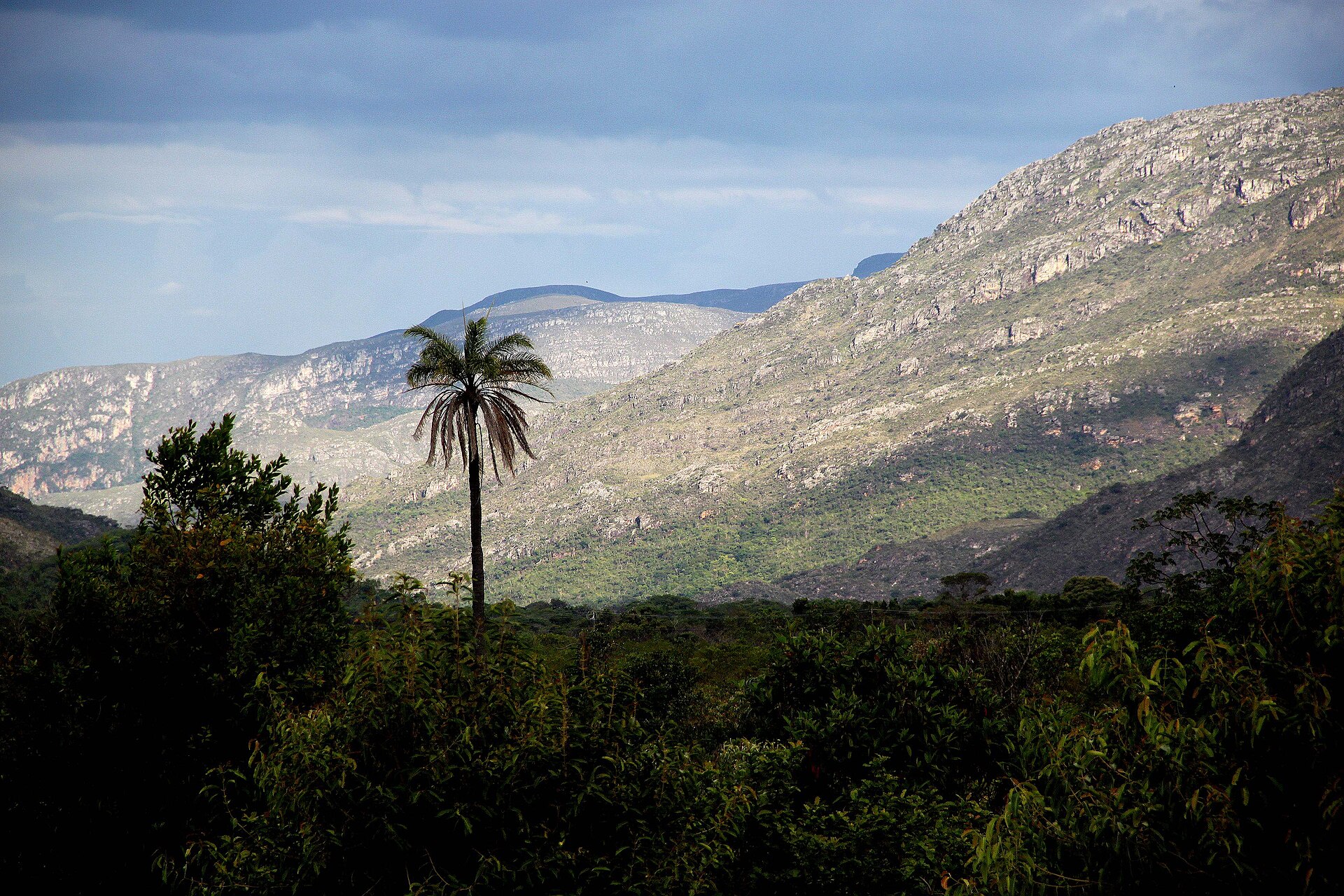
Culture
Serra do Cipó sits in the heartland of mineiro culture, the way of life of the people of Minas Gerais, who are known across Brazil for hospitality, a love of long meals and a certain dry, unhurried humour. The region's identity comes from the mining era, the mule-driving tropeiros who carried goods along its old tracks, and a deep Catholic tradition seen in village chapels and saints' day festivals. Many families here still have ties to cattle farms and small-scale farming, and the rhythm of weekends is shaped by trips from Belo Horizonte, with picnics, barbecues and swimming in river pools. Local guides are often the best route into this world: they know which stream is safe to cross, where a particular wildflower blooms, and which family kitchen serves the best slow-cooked beans. Music is mostly regional Brazilian, from sertanejo to viola-led country songs, drifting from bars and cars alike. Conversation tends to start slowly and warm up; a greeting and a few words of Portuguese are noticed and appreciated, since English is not widely spoken outside the larger guesthouses. Fire is a serious concern in the dry season, and communities take it personally, so rules on camping stoves and cigarettes are enforced firmly. Stay on marked trails, carry all your rubbish out, and ask your guide or the park staff before swimming, camping or lighting any flame.
What to wear
Serra do Cipó has no single formal costume, but the working dress of the Minas countryside is still part of the picture. Cattle hands and farm families traditionally wear wide-brimmed hats, long trousers, leather boots and sturdy cotton shirts, with leather gear for riding. At festas juninas, the June harvest and saints' day parties, chequered shirts, straw hats and patched dresses are worn in a playful rural style. Handwoven cotton and wool blankets and throws are made in parts of Minas, though they are crafts rather than daily wear. Today, locals dress for the heat and the trail: shorts, T-shirts, caps, running shoes or sandals, and light rain jackets in the wet months. In the village centres, evenings call for jeans and a light jumper, because the highland air cools quickly. Visitors should pack quick-drying layers, a sun hat, sunglasses and strong sun cream, as the open uplands offer little shade. Shoes with good grip are essential for wet rock around waterfalls and river crossings; sports sandals suit pools but not long walks. Swimwear is fine at waterfalls, but covering up with a shirt or wrap when walking back through villages is polite. In the colonial towns of Minas, covering shoulders and knees is a courtesy when entering churches.
What to eat
- Feijão tropeiro — Comida mineira restaurants along the highway and in village centres
Feijão tropeiro is brown beans cooked with cassava flour, eggs, garlic, onion and pork pieces, a dish that recalls the mule drivers who once carried provisions across the region. It is hearty and salty, ideal after a long walk. Look for it at wood-stove comida mineira eateries. - Angu — Family-run lunch buffets and country eateries
Angu is a soft, thick cornmeal side dish, similar to polenta, often served with sausage, collard greens and slow-cooked meats. It is a staple of homestyle Minas cooking, filling and mild, and a good match for stronger stews. - Frango com quiabo — Roadside lunch eateries near the park
Frango com quiabo is chicken cooked with okra, garlic, onion and tomato, usually served over rice. The okra thickens the sauce slightly. It is a classic Sunday dish in Minas households, and a regular on set-price lunch counters near the trailheads. - Queijo mineiro — Farm stalls and village bakeries, and breakfast tables at guesthouses
Queijo mineiro is a white, mild table cheese made across Minas Gerais and eaten at breakfast, with coffee, or alongside sweet fruit paste. Buying a wheel or wedge from a farm stall is a pleasant way to carry the region home. - Bolinho de mandioca — Village snack bars and bakeries
Bolinho de mandioca is a fritter of mashed cassava, usually with potato and egg, fried until crisp outside and soft within. It makes a good snack with a cold drink after a hike, and is common in bars and bakeries.
Plan it
Best time. May to September is the dry season, with clear skies, cool mornings and safer river crossings, so it suits walking best. October to April brings hot, humid weather and heavy afternoon storms, though waterfalls run strongest and the grassland is green.
How long. 2–3
Getting there. Fly to Belo Horizonte, the main airport for the region, then continue by road to the village of Serra do Cipó, roughly a morning's journey by bus or hire car. Check current bus services and road conditions locally, and confirm park access with the official Chico Mendes Institute pages before setting out.
Budget. low
Tips
- Start walks early, as afternoon storms are common in the wet months and the open uplands have little shade.
- Carry plenty of drinking water and snacks, since there are no shops on most trails.
- Book guesthouses ahead for holiday weekends, when city visitors fill the village.
- Bring cash as well as cards, because small eateries and stalls may not take payment cards.
- Hire a local guide for longer routes and river crossings, and check conditions after rain.
Etiquette
- Stay on marked trails and take all rubbish back out with you.
- Never light fires or smoke on the trails, especially in the dry season.
- Greet people politely in villages and ask before photographing anyone.
Nearby
Sources
- Wikidata Q1136747 (CC0)
- Wikipedia: Serra do Cipó National Park (rev 1364732221) (CC BY-SA 4.0)
- Wikivoyage: Minas Gerais (rev 5218730) (CC BY-SA 4.0)
- Photo: Estrada para Conceição do Mato Dentro, Andrevruas (CC BY 3.0)
- Photo: Serra do Espinhaço, MG, upslon (CC BY 2.5)
- Photo: Location map of Brazil, NordNordWest / Виктор В (CC BY 3.0)
- Photo: entardecer na serra, Roberto garzon (CC BY 3.0)
- Photo: a cores dos ceu, Roberto garzon (CC BY 3.0)
- Photo: 15 anos, josep (CC BY-SA 2.0)
- Photo: Serra do Espinhaço ranges, Rublo fernandes (CC BY-SA 4.0)
- Photo: A bota, JonesMLopes (CC BY-SA 4.0)


Wildlife
- Maned wolf (animal)
The maned wolf is a large South American canine in a bronze coat, and despite its name and foxy looks it is really a creature of its own kind. Serra do Cipó's highlands are among the places that shelter it. Young pups are darker than the grown animals. If you are lucky enough to see one, keep a generous distance, stay quiet, go with a local guide, and never offer it food.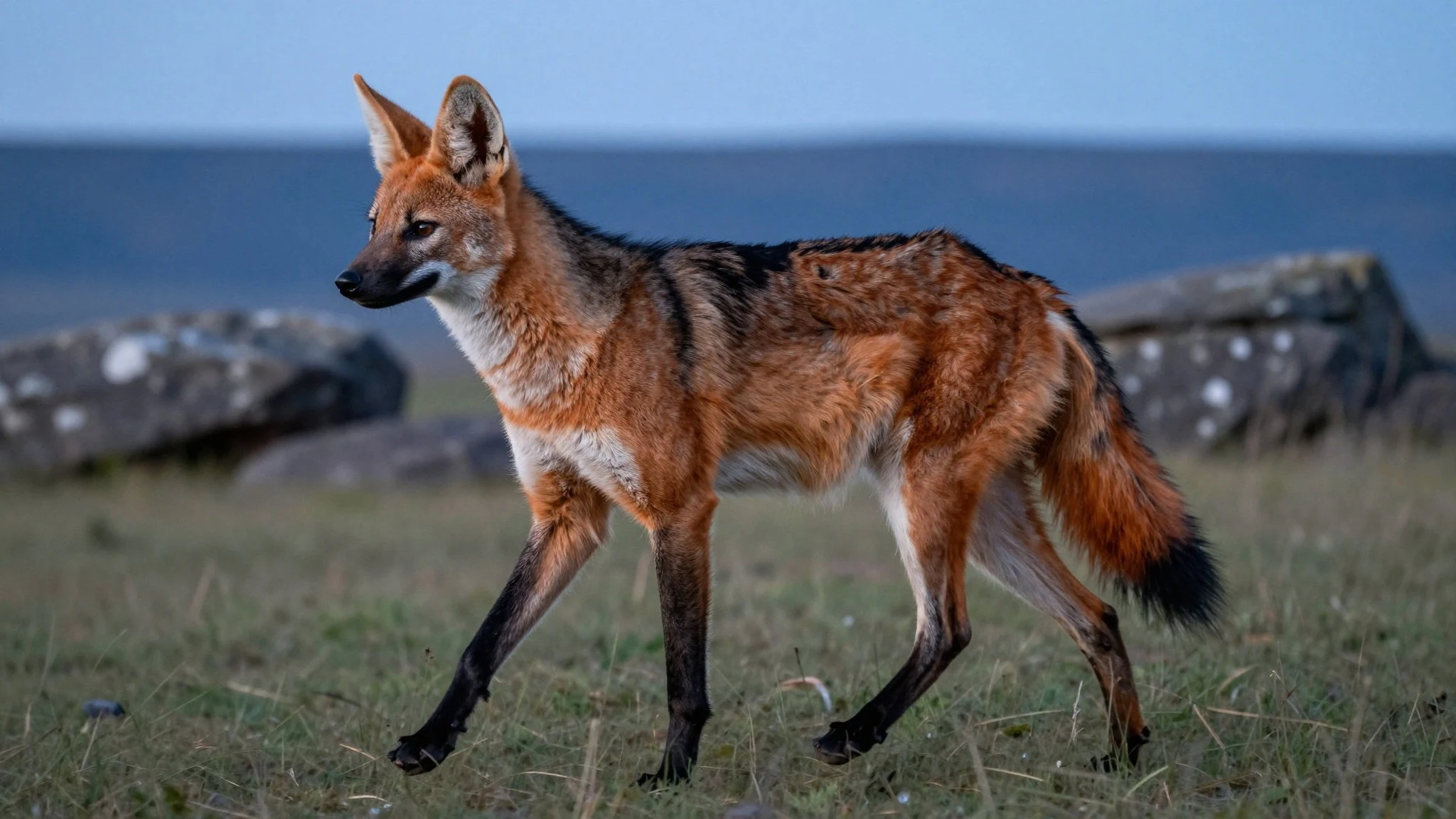
- Cipó canastero (animal)
The Cipó canastero is a small bird with a very small home, recorded only in a little corner of the highlands around Serra do Cipó, so spotting one feels like finding treasure. Watch from a respectful distance and keep very quiet. Ask a local guide to help you find it, and never feed it. Let it go about its day undisturbed.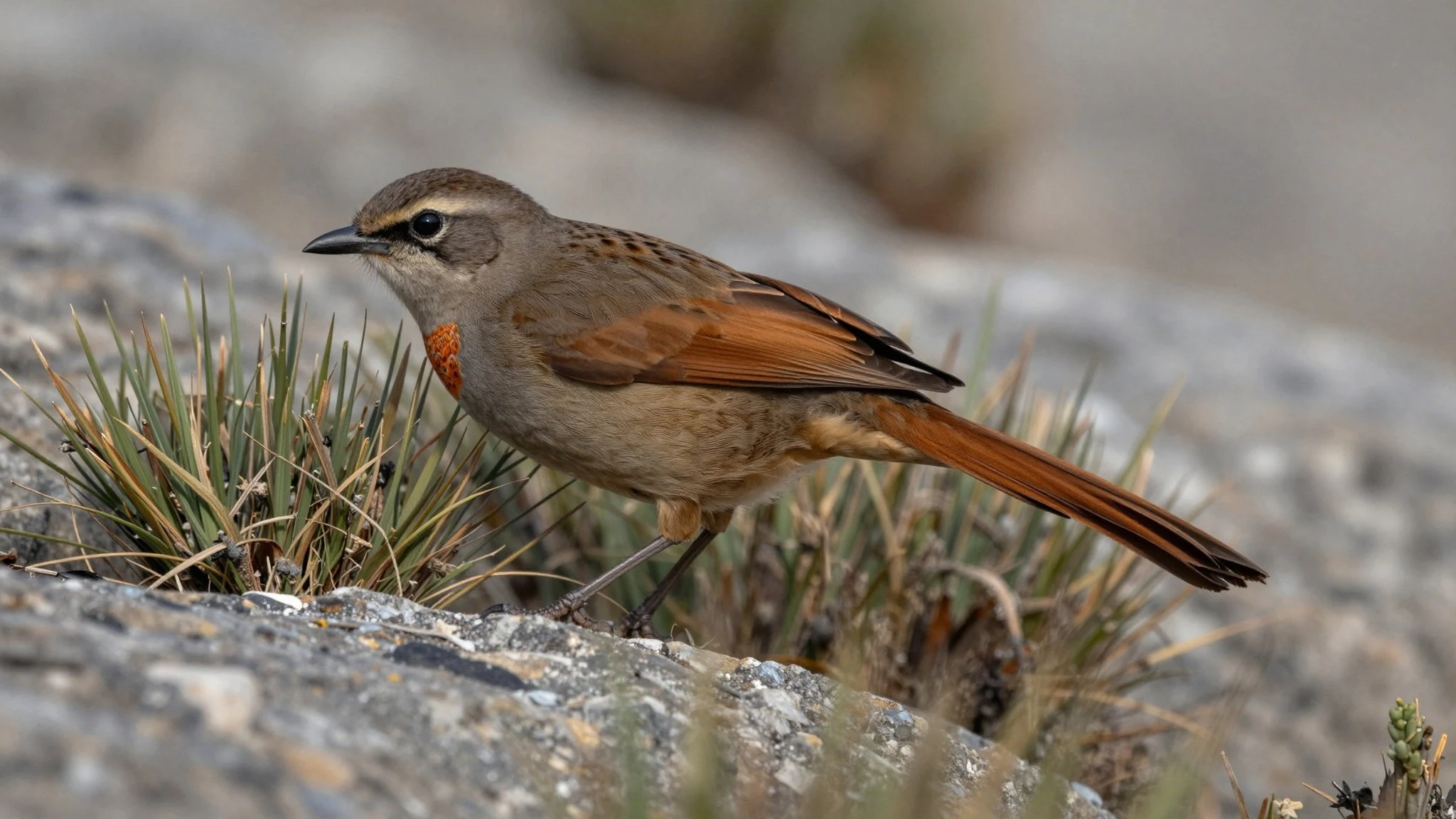
- Cipó canastero (bird)
The Cipó canastero is a small bird with a very small home, recorded only in a little corner of the highlands around Serra do Cipó, so spotting one feels like finding treasure. Watch from a respectful distance and keep very quiet. Ask a local guide to help you find it, and never feed it. Let it go about its day undisturbed.