Seonyudo Island
Seonyudo Island, South Korea
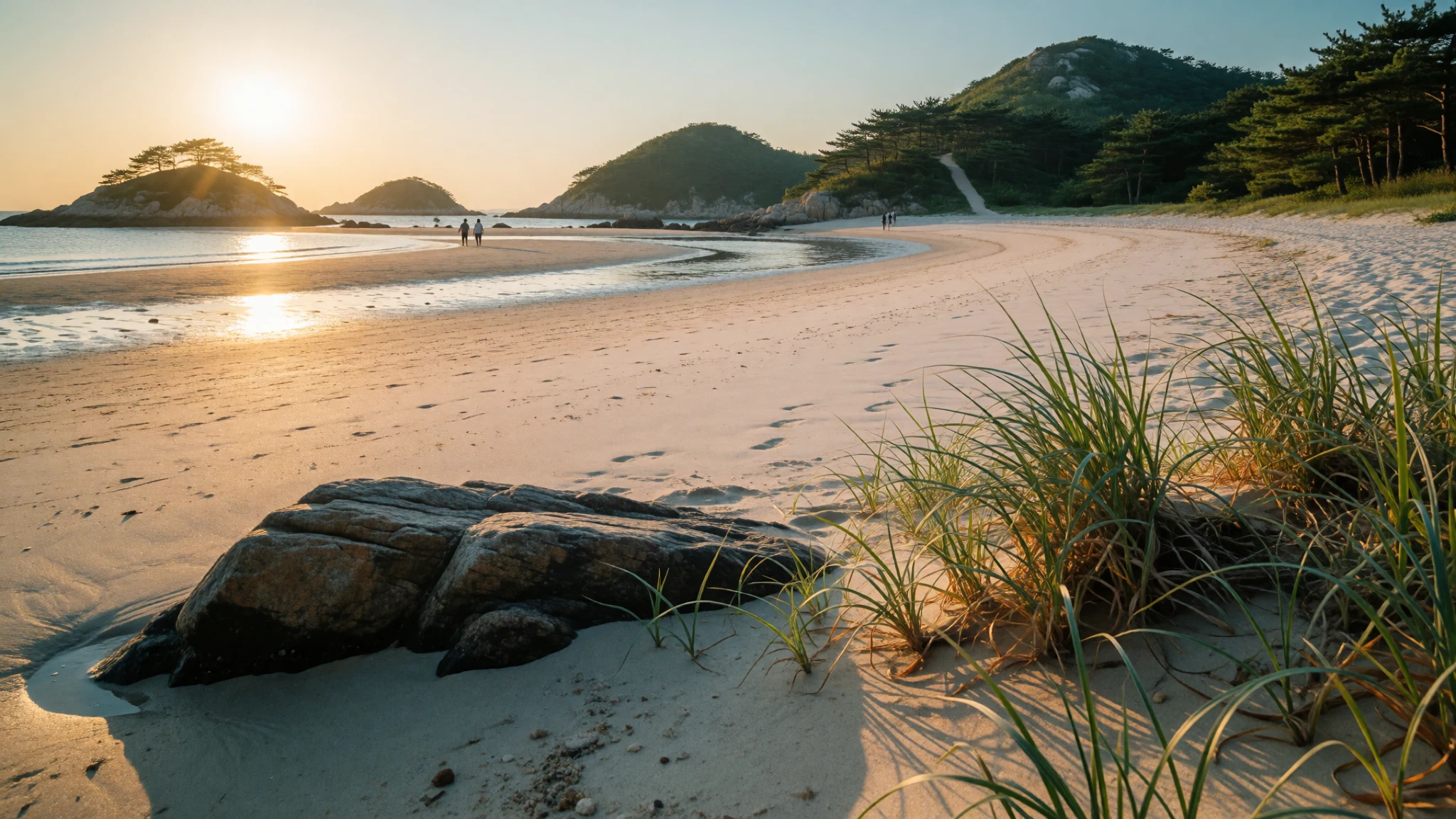
Seonyudo Island pairs pale sandy beaches and small hills off Gunsan with a name meaning 'island where the immortals play'.
The place
Seonyudo Island lies off the coast of Gunsan in North Jeolla Province, South Korea, one of the Gogunsan group of islands in the Yellow Sea. It covers 2.12 sq km, small enough to get a feel for in a day, and its coastline runs for about 12.8 km. The name means 'island where the immortals play', a phrase that shows how highly earlier visitors rated the scenery. The appeal is a mix of pale sandy beaches, low wooded hills, a small waterfall and views over scattered islets. Administratively the island falls under Okdo-myeon, the island district of Gunsan, and a bridge links it to neighbouring Jangjado, so the place reads as a chain of small islands joined together rather than a single block of land. Visitors from the mainland tend to arrive in numbers on summer weekends and public holidays, when the beaches fill and parking becomes tight; weekday mornings and the shoulder seasons are calmer. Summer is hot and humid, and the sea wind can make winter feel sharper than the mainland forecast suggests. The island has a primary school, simple lodging and small eateries, and not much more, which is part of its charm. Anyone wanting a wider choice of restaurants, shops and evening life will do better basing themselves in Gunsan city and treating the island as the quiet half of the trip.
Its story
Seonyudo Island was once the main settlement of the Gogunsan islands, and under the Joseon kingdom it also housed a naval headquarters guarding the sea lanes of the west coast. Its best-known guest in the records is Admiral Yi Sun-shin. During the Imjin War, after his fleet won at Myeongnyang, he spent several days among these islands, recovering and preparing for the next engagement. The island's later history is quieter, shaped by fishing households and by the slow arrival of visitors drawn to its beaches and its poetic name. The nearby mainland port of Gunsan tells a different chapter. During the Japanese occupation it operated as a major harbour, and it emerged from the Korean War with comparatively little damage. That luck left the city with a dense collection of colonial-era banks, warehouses and religious buildings, many now reused as museums, cafes and film sets. Seonyudo's story and Gunsan's therefore complement each other: one is a tale of naval outposts and island legend, the other of trade, occupation and survival. Travellers interested in the past can treat the island as a place to picture the Joseon-era coast, then spend a separate half-day in Gunsan's old harbour district, where the architecture does the talking. Local museums there cover the city's maritime heritage and the colonial period, and they are the right place to find current detail on exhibitions and opening times, which should be checked in advance.
What to see
- Seonyudo's beaches — Seonyudo Island
The pale sandy beaches are the island's main draw, with small hills rising behind and islets scattered offshore. Summer weekends bring the biggest crowds, so a weekday or a cooler month gives more space. Bring sun protection and water, since shade near the sand can be limited, and check tide conditions locally before swimming.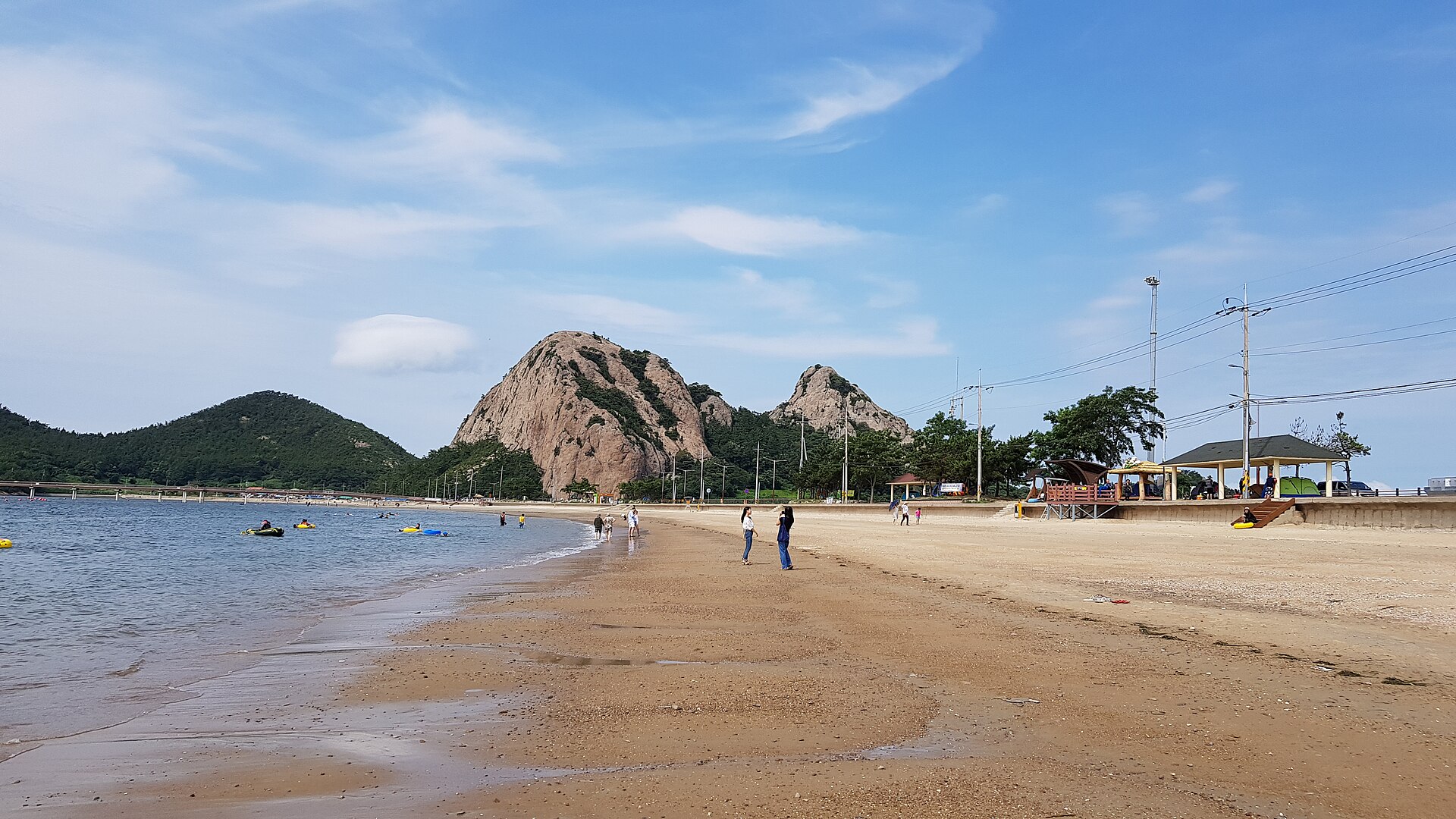
- The bridge to Jangjado — Seonyudo and Jangjado
A bridge joins Seonyudo to neighbouring Jangjado, and walking across it gives a good sense of the island group as a chain of small islands. The views over the water and the little harbour houses reward a slow stroll, especially in the soft light of early morning or late afternoon, when the day visitors have thinned.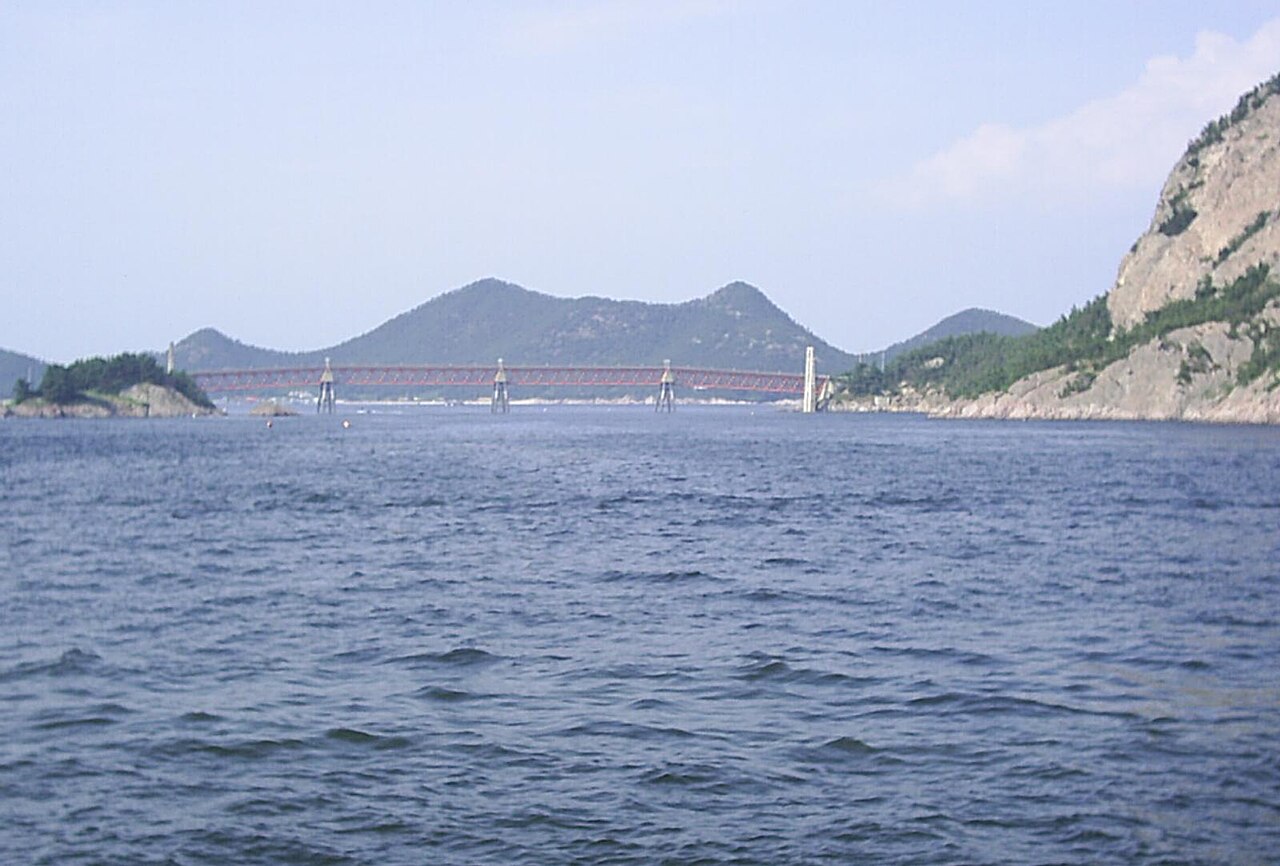
- Seonyudo village and school — Seonyudo Island
Seonyudo Island's small settlement includes a primary school, a reminder that people live here year-round rather than only hosting holidaymakers. Walking the lanes shows island life at an unhurried pace: boats and modest houses. Keep voices low, ask before photographing residents, and remember that the school is a working place, not an attraction.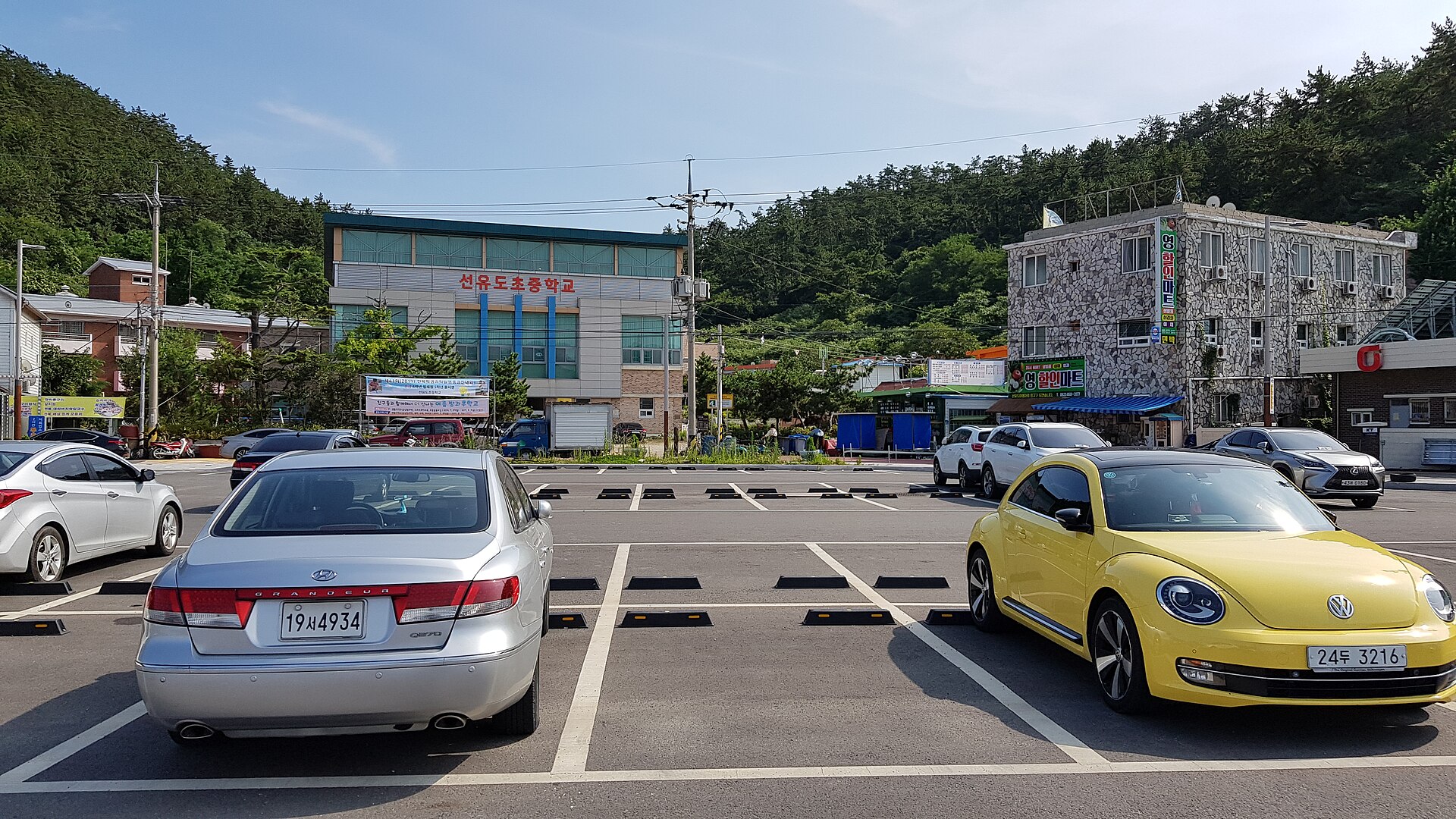
- Gunsan Modern History Museum — Gunsan old harbour district
In Gunsan city on the mainland, this museum covers the port's maritime heritage and the period of Japanese colonial rule. It works well as a rainy-day or midday-heat alternative to the beach, and gives context for the old harbour streets nearby. Check the official listing for current opening days before going. - Gunsan Modern Architecture Museum — Gunsan old harbour district
This museum occupies a former branch of Joseon Bank, built in the colonial period, and uses the building itself to tell the story of Gunsan's architecture and modern heritage. It sits close to the history museum and the old harbour, so the two make an easy pairing for a slow half-day on foot. - Dongguksa Temple — Gunsan city
Dongguksa Temple in Gunsan is a Buddhist temple built in a Japanese architectural style, an unusual survivor in Korea and a physical reminder of the colonial era. Visitors should dress modestly, move quietly in the grounds and follow any signs about the main hall.
Culture
Seonyudo Island belongs to a stretch of the Korean coast where the sea has long shaped daily life, and its culture is that of a small island community rather than a resort. The name, 'island where the immortals play', reflects an old habit of reading the landscape as a playground for spirits and sages. Admiral Yi Sun-shin is widely honoured across South Korea, and his stay among the Gogunsan islands during the Imjin War is a point of local pride. In nearby Gunsan, former banks and warehouses from the Japanese occupation have been turned into museums that present that period as history to be understood rather than celebrated. Korean hospitality is generous but reserved: older residents are greeted politely, food is shared, and a slight bow or nod is a safe greeting. Weekends can be lively with groups from the mainland, yet the village itself is quiet after dark, with homes close to the paths. Korean is the main language and English is limited, so a translation app and a few phrases such as annyeonghaseyo (hello) and gamsahamnida (thank you) go a long way. Keep noise down in the village lanes after dark and ask residents before photographing them or their homes.
What to wear
Seonyudo Island has no local costume of its own; the traditional dress here is the Korean hanbok. Women's hanbok pairs a short jacket, the jeogori, with a full wrapped skirt, the chima, while men wear a jacket over loose trousers called baji. Fabrics range from silk for formal occasions to ramie and hemp for hot weather and cotton for everyday wear. Today the hanbok appears mainly at weddings, at family gatherings during holidays such as Seollal and Chuseok, and at heritage sites where visitors sometimes hire one for photographs. Everyday clothing on the island is practical and casual: working clothes for fishing households, quick-dry hiking gear, caps and sun visors, and plenty of sports brands among weekend visitors from the mainland. Visitors should dress for sun, wind and sand: a wide-brimmed hat, light long sleeves, sunscreen, and a windproof layer for breezy crossings and evenings. Sandals or water shoes suit the beach, while closed shoes with grip are better for the island's hills and rocky paths. Swimwear belongs on the beach only; cover up in the village and in Gunsan. At temples such as Dongguksa, shoulders and knees should be covered, and shoes come off before entering a hall.
What to eat
- Kong-namul-gukbap — traditional Korean eateries in central Gunsan
A simple one-bowl meal of rice and bean sprouts in a clear, gently savoury broth, filling without being heavy. Look for it at traditional Korean eateries in central Gunsan, where it is a long-standing local order. - Haemul jeongol (seafood hot-pot stew) — seafood restaurants around Gunsan
A bubbling pot of mixed seafood and vegetables in a spicy broth, made for sharing. Seafood restaurants around Gunsan serve it, and prices tend to be higher than for noodles or soup, so it suits a group meal rather than a quick lunch. - Hoe (sashimi) — seafront seafood restaurants in Gunsan and at Saemangeum
Fresh raw fish, thinly sliced and served with leaves, chilli paste and side dishes. Seafood restaurants facing the sea, in Gunsan and along the Saemangeum seawall, are the usual places; it is a treat, and costs more than most local meals. - Jjamppong — Korean-Chinese restaurants in central Gunsan
A Korean-Chinese noodle soup of vegetables and seafood in a fiery red broth. Chinese-style restaurants around central Gunsan serve it, and a white version without chilli, called baek-jjamppong, is available for anyone who wants less heat. - Jajangmyeon — Korean-Chinese restaurants in Gunsan
Wheat noodles in a thick black-bean sauce, a Korean-Chinese comfort dish. Some Gunsan restaurants offer a hot-pepper version that is seriously spicy, so ask about the heat level before ordering if chilli does not suit you. - Old-town bakery bread and pastries — old bakeries in central Gunsan
One well-known Gunsan bakery traces its roots to the 1920s, and the city's older bakeries sell breads and pastries to take away. Pick some up in the old town to eat on the beach, though check opening times locally.
Plan it
Best time. April–May and September–October, when the weather is mild and walking is comfortable; July–August is hot, humid and crowded, late-summer storms can disrupt sea travel, and winter brings cold wind off the water.
How long. 1–2
Getting there. Gunsan airport has daily flights to Jeju Island, but most visitors come from Seoul by road (about 2 hours depending on traffic) or by rail via Iksan, which is linked to Gunsan. The last leg is onward from Gunsan to the islands; confirm current road, bus or boat arrangements locally before setting out.
Budget. mid
Tips
- Go on a weekday or early in the morning in summer to avoid the beach crowds
- Carry some cash as well as a card, as small island eateries may not take cards
- Bring water, sun protection and a windproof layer, since shade is limited
- Check weather and sea conditions before travelling, as rough weather can disrupt crossings
- Stay in Gunsan city if you want a wider choice of lodging and restaurants
Etiquette
- Ask before photographing residents or their homes
- Take your rubbish away with you rather than leaving it on the beach
- Remove shoes when entering a temple hall or a home
Nearby
Sources
- Wikidata Q12601737 (CC0)
- Wikipedia: Seonyudo, Gunsan (rev 1374690753) (CC BY-SA 4.0)
- Wikivoyage: Gunsan (rev 5403400) (CC BY-SA 4.0)
- Photo: Sunyoodo (Kunsanshi), 칼빈500 (CC BY 3.0)
- Photo: Sunyoodo elementary school, 칼빈500 (CC BY 3.0)
- Photo: 선유도 사진, Albam (Korean Wikipedia) (CC BY 3.0)


