Selenga River
Selenga River, Mongolia
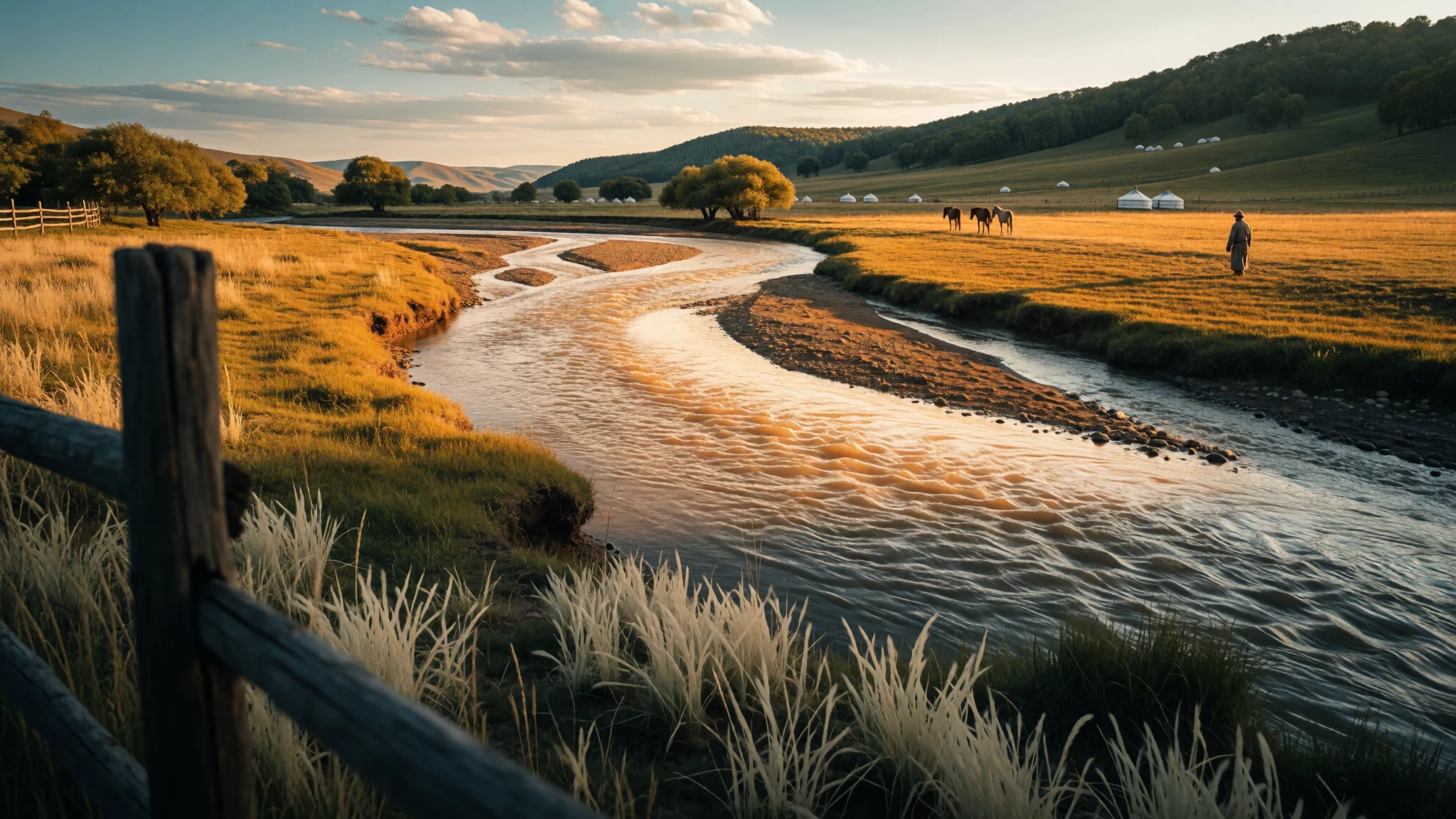
Selenga River carries Mongolian steppe water north into Russia and Lake Baikal, ending in a vast bird-filled delta that few visitors ever see.
The place
The Selenga, also spelt Selenge, is a river that begins in northern Mongolia and ends in Russia, where it empties into Lake Baikal. Two headwater streams, the Ider and the Delger mörön, feed it, and from there it runs for roughly a thousand kilometres through steppe, forested hills and finally Buryatia. It is counted as the farthest headwater of the Yenisey–Angara system, so its water is linked to the Arctic Ocean basin. Its contribution to Baikal is large: it supplies almost half of the river water entering the lake, and at the mouth it fans out into a broad delta of channels, islands and marsh. That delta, on the Russian side, is a Ramsar wetland and a refuge for threatened and endemic species, including the Baikal sturgeon, along with a long list of birds. The basin is semi-arid and lies mostly in northern Mongolia. Its weather is governed by the Siberian High, a powerful winter anticyclone, which brings harsh winters and warm summers. The river freezes from November to April. Floods are part of its rhythm: small ones nearly every year, and occasional destructive ones in the historical record. For a traveller the Selenga is less a single viewpoint than a long line to follow, from open Mongolian grassland near its source, across a sensitive border region, to the railway town of Ulan-Ude and the marshes at Baikal. Distances are big, roads are limited and the river itself is rarely the main attraction of any one stop.
Its story
The Selenga River has been a corridor for people far longer than it has been a border. In the nineteenth century, stone tools found along its banks revealed that Palaeolithic communities had lived in the valley. Soviet expeditions went further in the twentieth century. One surveyed the valley from the Mongolian frontier down to Selenginsk, and a later, larger programme in the Trans-Baikal region located dozens of new sites, among them a settlement near Kyakhta that was found long before it was properly excavated. Digging there eventually produced a huge number of stone artefacts and animal remains, and later work added two fragments of human tooth. One of those fragments became scientifically important. DNA studies, published in the journal Cell, used it to link Native Americans with their ancestors in East Asia, which puts a quiet bend of the Selenga into the story of how the Americas were first settled. The river's more recent past is written in water. Floods are characteristic of the Selenga, and historical records separate them into ordinary, large and catastrophic. Several floods in the eighteenth and nineteenth centuries were recorded, and a few of those were catastrophic, remembered by their years rather than by names. Together, the tools, the tooth and the flood records show a river that has always offered both food and danger to anyone settling beside it.
What to see
- The Selenga delta — Buryatia, Russia, on the eastern shore of Lake Baikal
Where the river meets Lake Baikal in Buryatia, it splits into channels, islands and reedy marsh. It is a Ramsar wetland and the best place to appreciate why the river matters. Birdwatchers and boat trips suit it best in the warmer months. Go with a local guide or operator; access is limited and conditions change.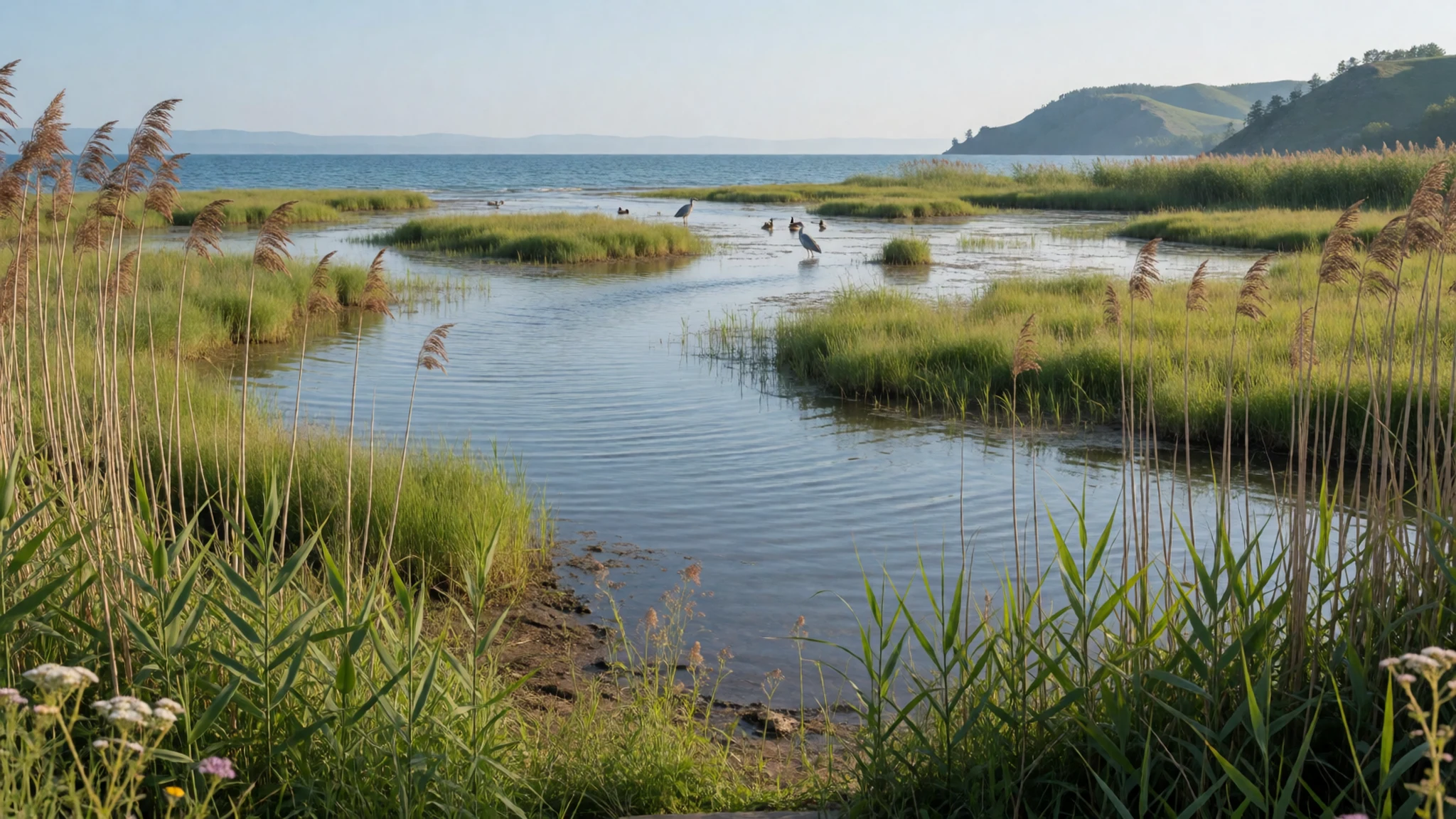
- Shaman Rock viewpoint — Near Ulan-Ude, Buryatia
A rocky outlook near Ulan-Ude gives a long view north-west over the Selenga as it loops across its wide valley. It is a simple place for photographs and for grasping the river's scale. Go in clear weather, ideally in summer when the valley is green and the light is long.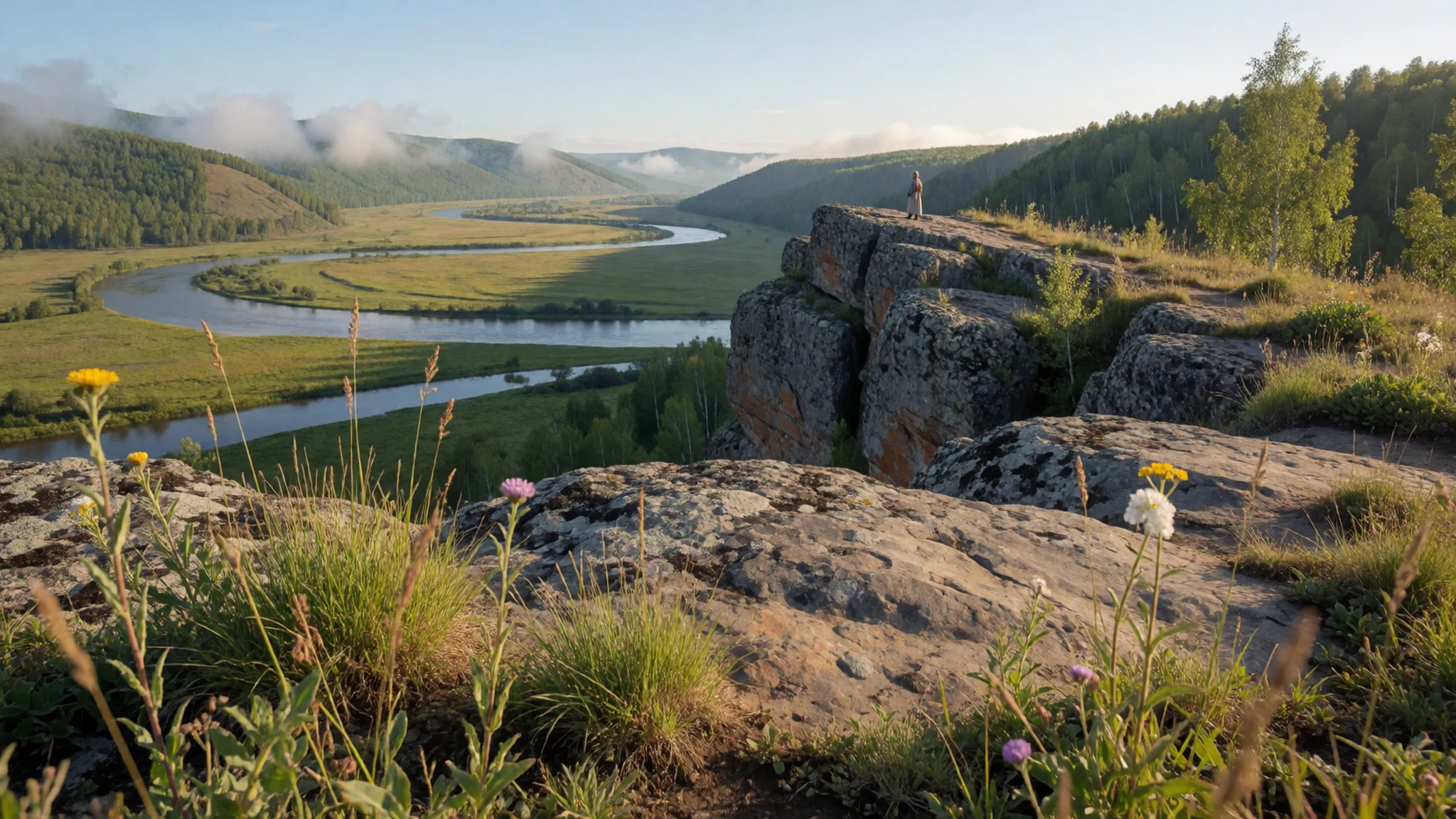
- The railway bridge near Ulan-Ude — Outskirts of Ulan-Ude, Russia
A railway bridge crosses the Selenga just outside Ulan-Ude, and it shows how the river sits alongside the main rail route through Siberia. It is a modest, practical sight rather than a monument, but good for watching trains, and for seeing the river as part of everyday transport.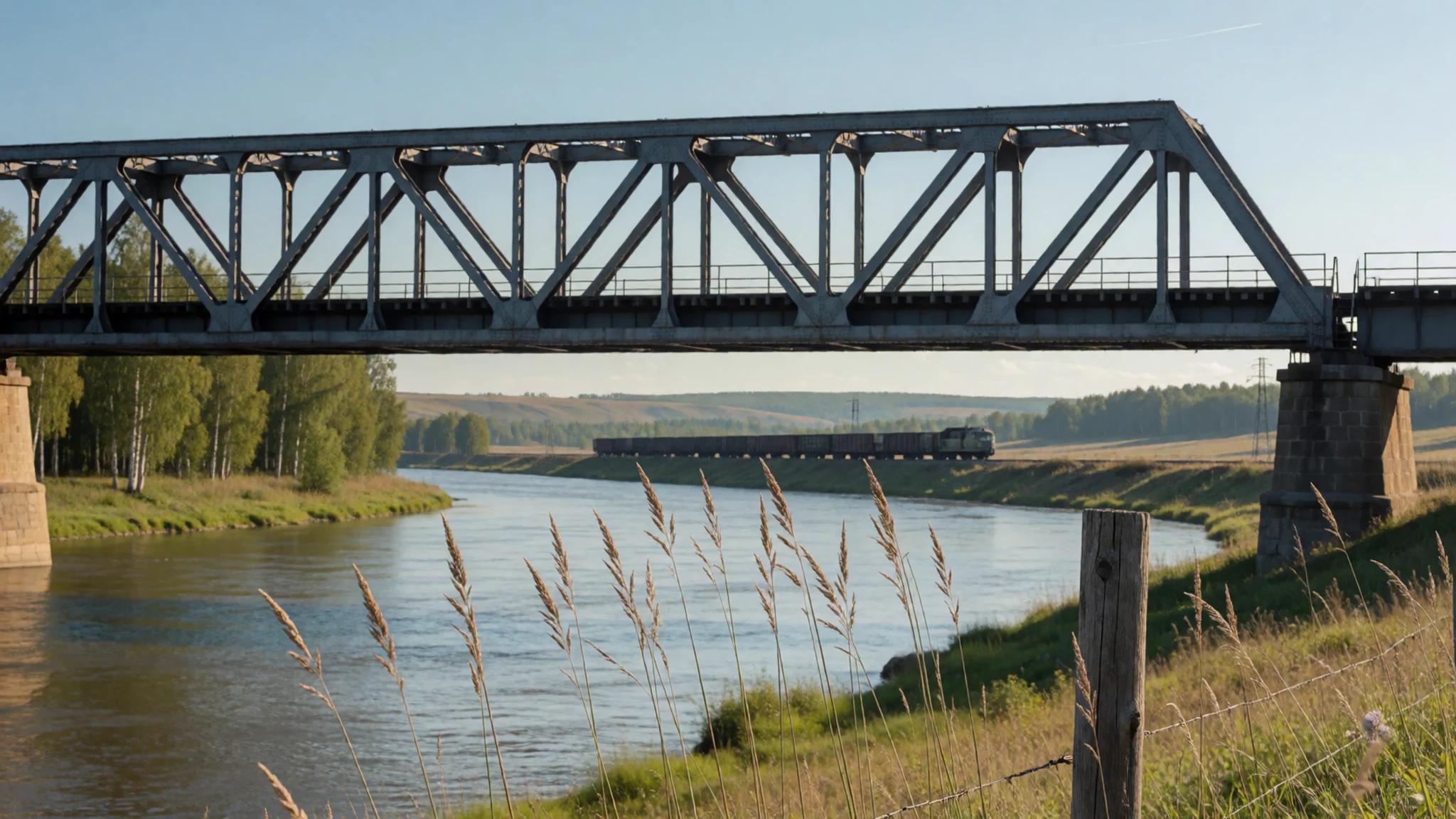
- The upper river in Mongolia — Northern Mongolia
In northern Mongolia the river begins as the Ider and the Delger mörön, flowing through rolling steppe with herders' gers (tents) dotting the slopes. Most Mongolian travel here is overland and slow. A local driver and some flexibility make it far easier, and the scenery rewards the effort.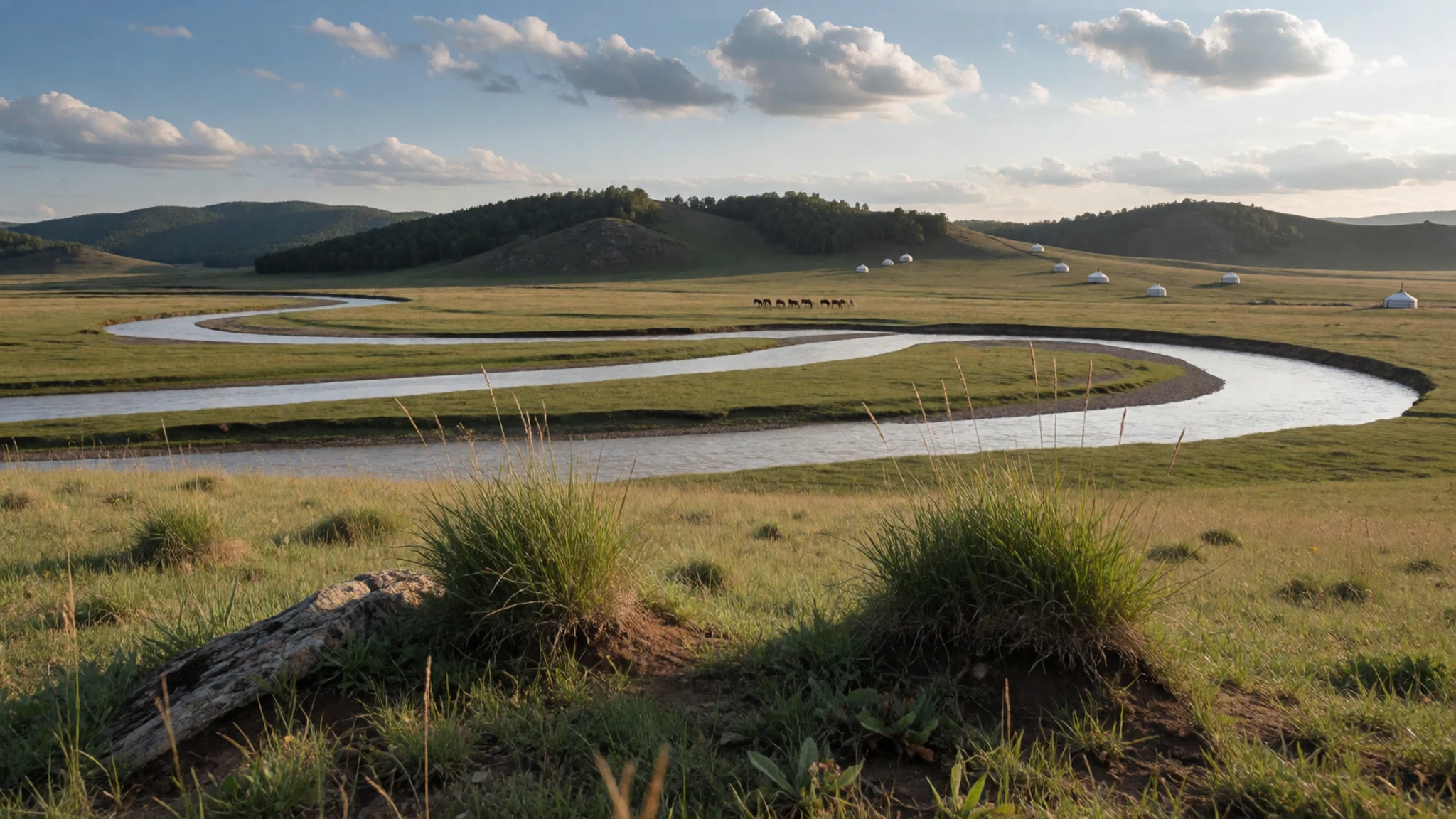
- Kharkhorin (Karakorum) — Central Mongolia, Övörkhangai
The short-lived capital of the Mongol Empire lies in the same northern grassland region, and is one of the few places where that imperial history is visible on the ground. The ruins are slight, so it works best as a half-day stop, paired with the Buddhist monastery nearby.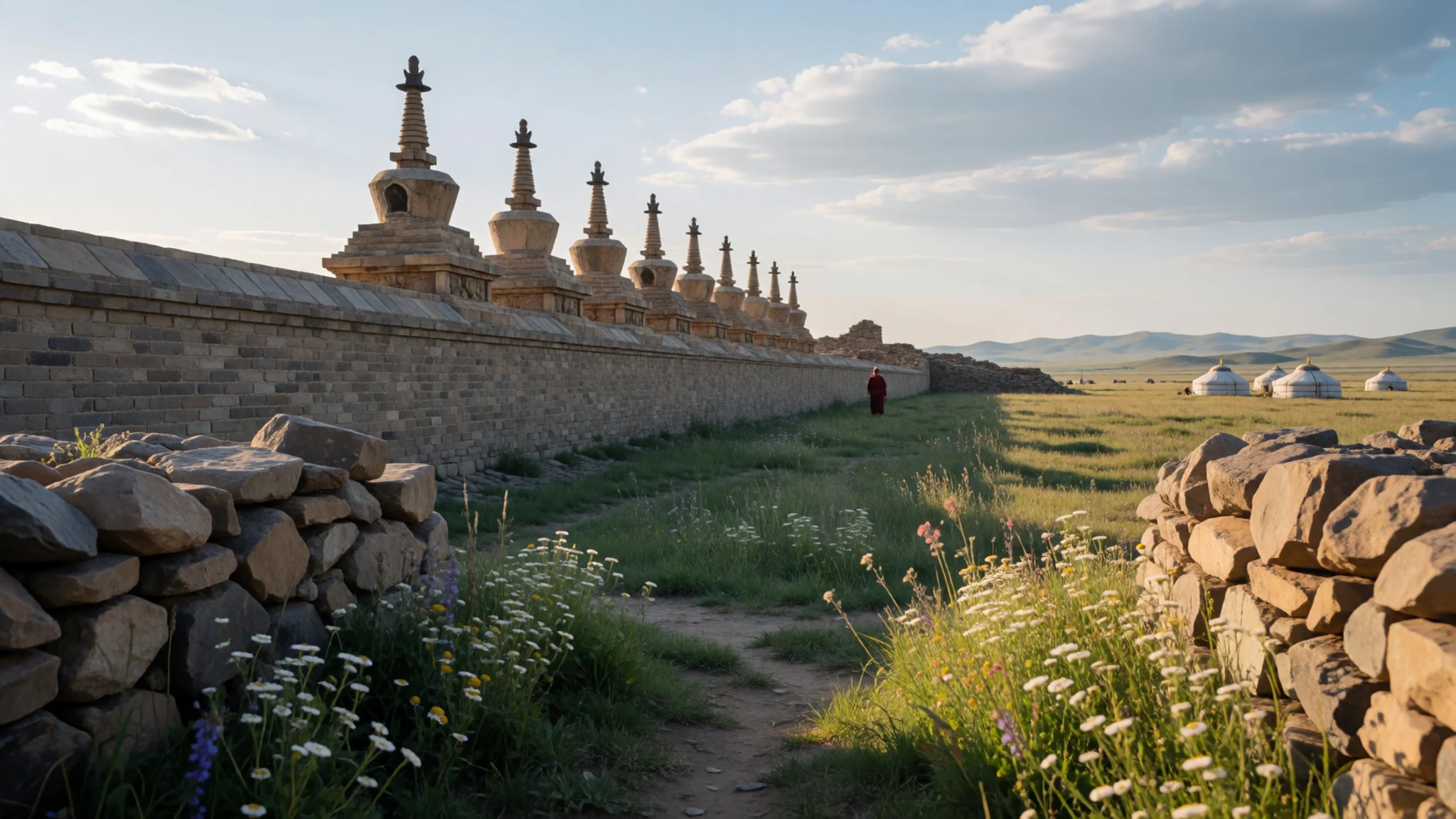
- National Museum of Mongolia — Ulaanbaatar
In the capital, Ulaanbaatar, the national museum holds artefacts from across the country, including material from early settlement and the Mongol Empire. It gives helpful context before heading out to the river. Check the official site for opening times and current exhibitions.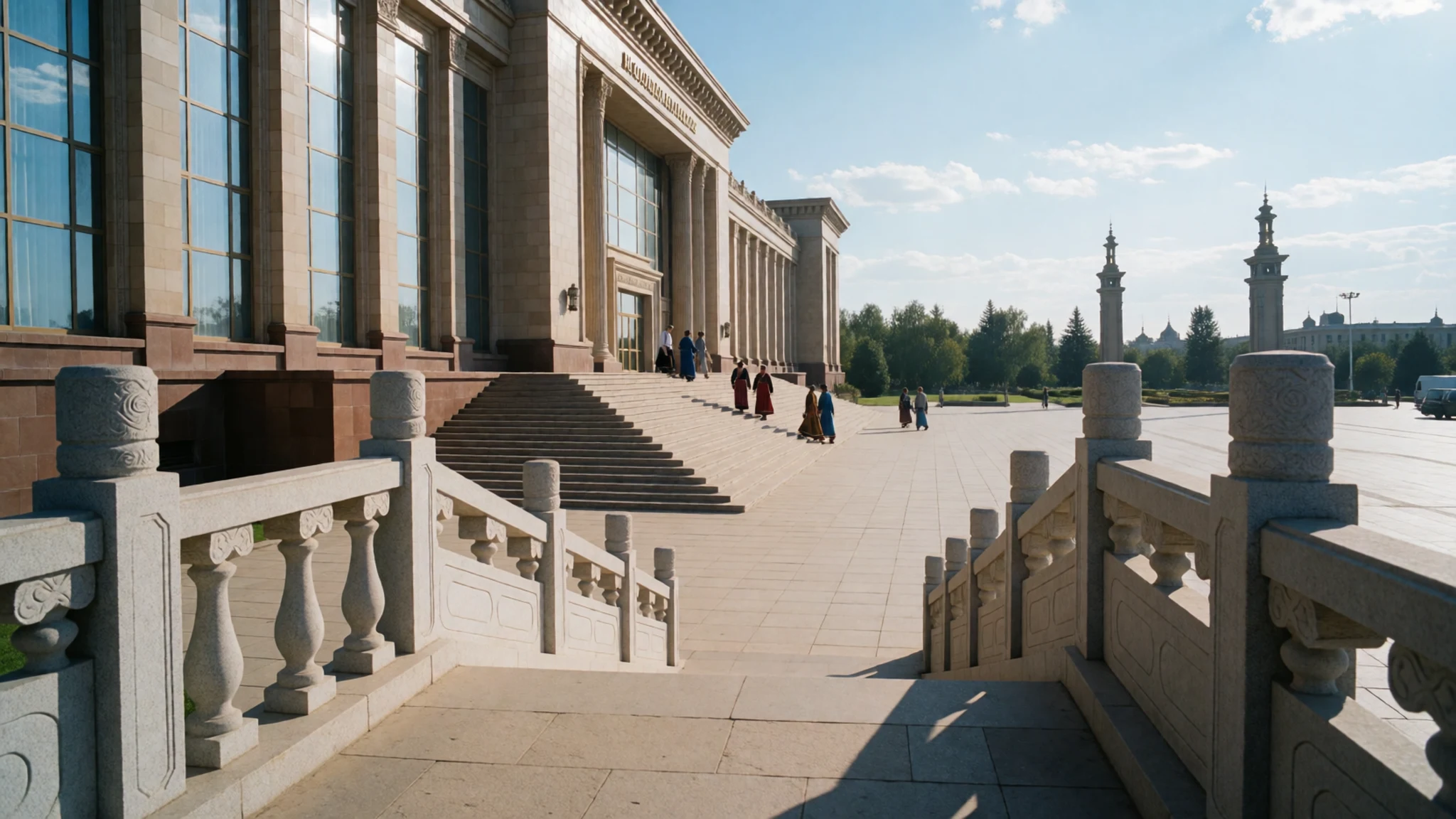
Culture
The Selenga River runs through Mongolian and Buryat country, and the culture along it is shaped by herding, horses and a long tradition of hospitality. Mongolians tend to be direct, and visitors should expect honest opinions rather than careful small talk. Many people live on the steppe, moving with livestock through the seasons, and a visitor is likely to be welcomed into a ger as a matter of course. Western pleasantries do not always translate, so it helps to follow local manners instead. Gifts and food are received with the right hand, palm facing up, and drinks are taken the same way. Refusing something offered is considered rude, so even a small taste of what is put in front of a guest matters. Many Tibetan Buddhist monasteries were built after the Mongol Empire declined, though only a few survived the Stalinist religious purges, which left a visible gap in the country's architecture. On the Russian side, Buryatia has its own Buddhist and shamanic traditions, and sacred places are often marked by cloth ribbons or small offerings. Politics can be sensitive: many Mongolians feel strongly about China, and visitors are best advised to avoid wearing anything associated with China or raising the subject. When offered food, a drink or a gift in a herder's home, receive it with your right hand, palm up, and take at least a small taste.
What to wear
Along the Selenga, traditional dress in Mongolia centres on the deel, a long, wrap-over coat fastened at the side and tied with a bright sash. It is made from wool, cotton or silk depending on the season, with heavier, lined versions for winter and sometimes fur trim. It is worn daily by many herders, and by almost everyone at festivals and family occasions. Boots with upturned toes and felt hats are part of the same tradition. Buryat communities on the Russian side have their own variants of the long coat and head ornaments, often worn for festivals. In everyday life, most people now wear practical modern clothes: jeans, jackets, fleeces and padded coats, with the deel kept for celebrations or rural work. City dress in Ulaanbaatar and Ulan-Ude is similar to what is worn in many northern towns. A visitor should plan for a semi-arid climate with large swings in temperature. Pack layers, a windproof and waterproof jacket, a warm hat even in summer, sun protection and strong, broken-in boots or shoes for uneven ground and riverbanks. Around monasteries and sacred places, dress modestly with covered shoulders and knees. Remove hats when entering a ger or a temple. Mosquitoes can be a nuisance near wetlands in summer, so light long sleeves are sensible. Avoid clothing with Chinese symbols or slogans, as it can cause offence.
What to eat
- Buuz — Canteens and tea shops in any Mongolian town
Steamed dumplings stuffed with minced mutton, often called the national dish of Mongolia. They are filling, juicy and usually eaten by hand. Look for them in canteens, tea shops and family eateries in any town, and sometimes served with tea.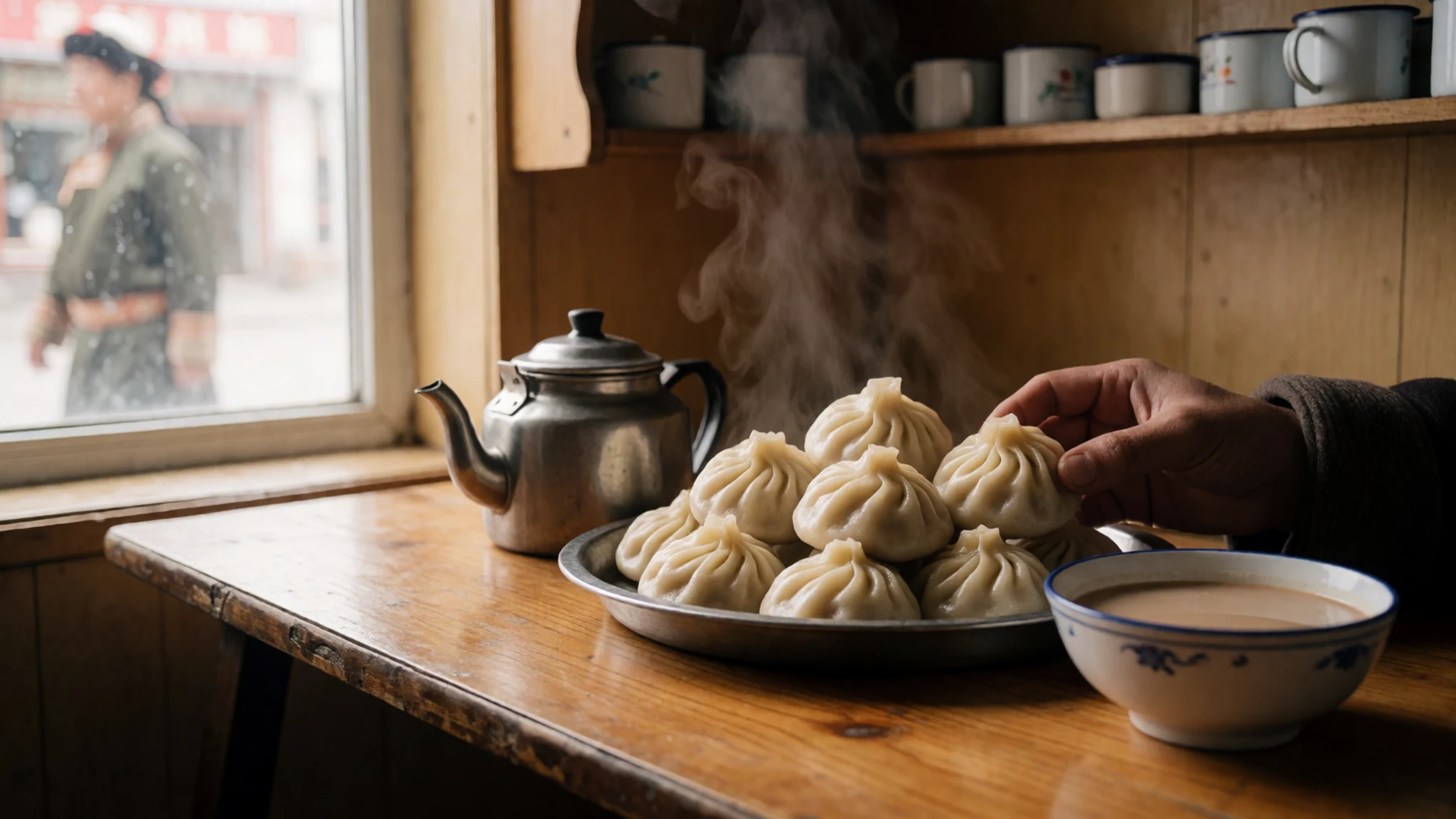
- Khuushuur — Roadside stalls, markets and local eateries
A deep-fried flatbread folded around meat and onion, once a festive dish and now sold almost everywhere. It is crisp outside, greasy within and good as a quick lunch on a long road. A few are usually enough for a meal.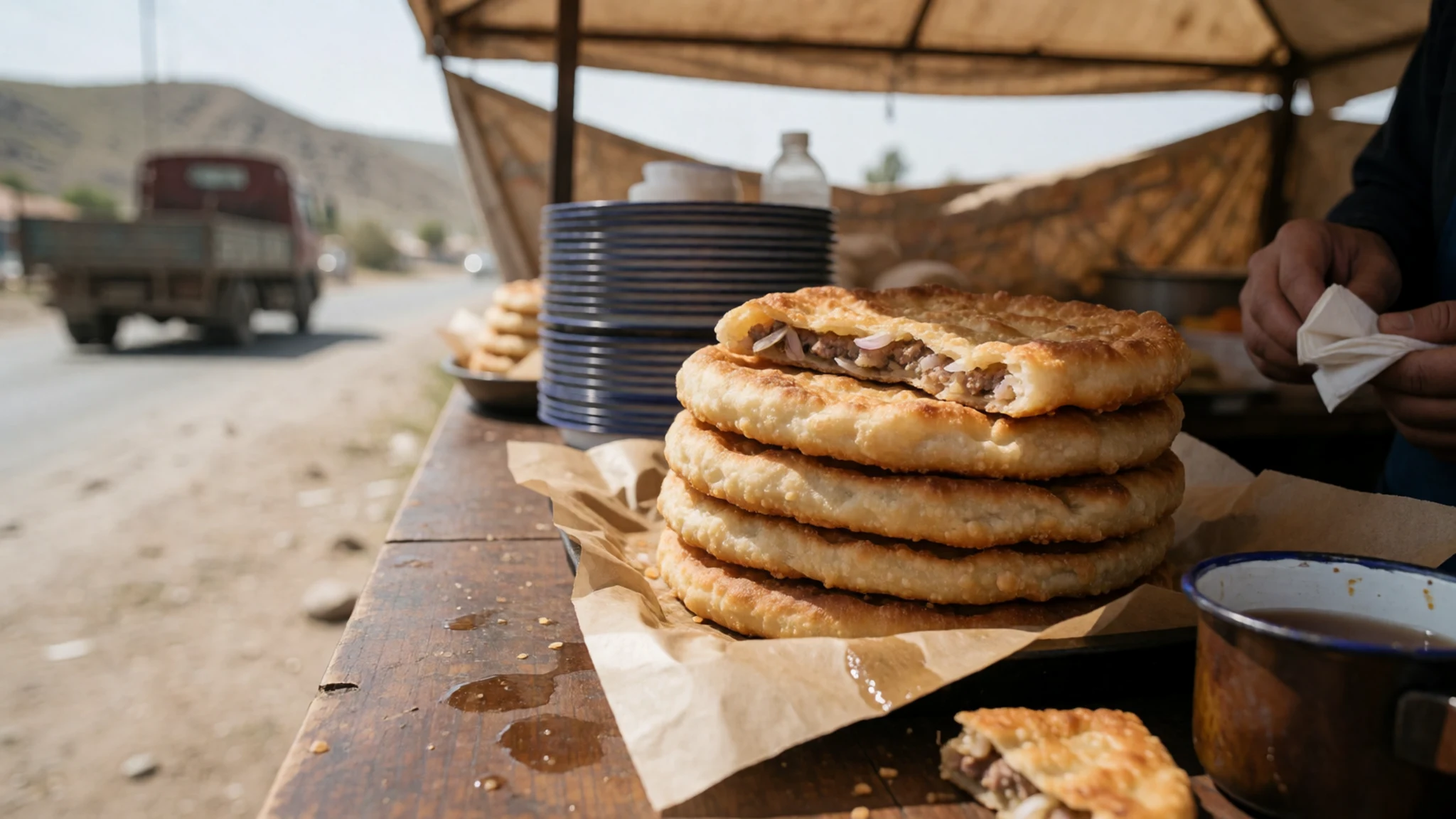
- Tsuivan — Local canteens and everyday restaurants
Fried noodles with meat and a few vegetables, sometimes served with ketchup on the side. It is simple, hearty food that suits cold weather and long days outdoors, and it is easy to find in ordinary restaurants and canteens. - Boiled mutton — A herder's ger or a family home in the countryside
The core of rural Mongolian cooking: meat boiled with little more than salt, eaten in a herder's home. Vegetables and spices are limited because the climate is poorly suited to farming. It tastes plain and rich, and is a real part of the hospitality ritual. - Byaslag and öröm — Markets and family homes, especially in summer
Byaslag is a mild fresh cheese, similar to paneer, and öröm is clotted cream, both made from the milk of herd animals. They are eaten with bread or tea, and are a good way to try dairy culture without the heavier meat dishes.
Plan it
Best time. June to September, when summers are warm and the river is free of ice. The Selenga freezes from November to April, with harsh winters shaped by the Siberian High. Flooding can occur in warmer months, so check local conditions before travelling.
How long. 4–6
Getting there. For the Mongolian reaches, fly to Ulaanbaatar, then continue overland with a driver or organised tour toward the north. For the delta and Ulan-Ude on the Russian side, check current entry rules, routes and permissions with official sources before planning.
Budget. mid
Tips
- Check visa rules with the official Mongolian government site before booking, as they have changed recently
- Hire a local driver or guide for the upper river, where roads and signs are limited
- Carry cash for rural areas, as cards may not work outside towns
- Take drinking water and warm layers, since weather can turn quickly away from shelter
- Be careful around packs of dogs near rural settlements
- Keep a margin for floods and weather when planning travel by road
Etiquette
- Receive food, drinks and gifts with your right hand, palm up
- Accept a small taste of whatever hospitality is offered
- Avoid wearing items linked to China or raising the subject
Nearby
Sources
- Wikidata Q75745 (CC0)
- Wikipedia: Selenga (CC BY-SA 4.0)
- Wikivoyage: Mongolia (CC BY-SA 4.0)
- Photo: Selenga von oben (Aineias, German Wikipedia) (CC BY 3.0)
- Photo: Selenga2 (Angie, German Wikipedia) (CC BY 3.0)
- Photo: Selenga River bridge (Public domain)
- Photo: Remezov, Selenga river map (Public domain)


Wildlife
- Baikal sturgeon (animal)
The Baikal sturgeon is a sturgeon, a fish that is threatened, so remember it as the fish that needs a safe home. It finds one in the Selenga delta on the Russian side, a protected wetland shared with many birds. A local guide will know the best way to look for it, as we cannot name a season or hour. Keep your distance, stay quiet, watch from the bank, and never feed it.