Saunders Island
Saunders Island, United Kingdom
Saunders Island is a windswept Falkland sheep farm where penguins, albatrosses and seals share the walking routes, with old British history underfoot.
The place
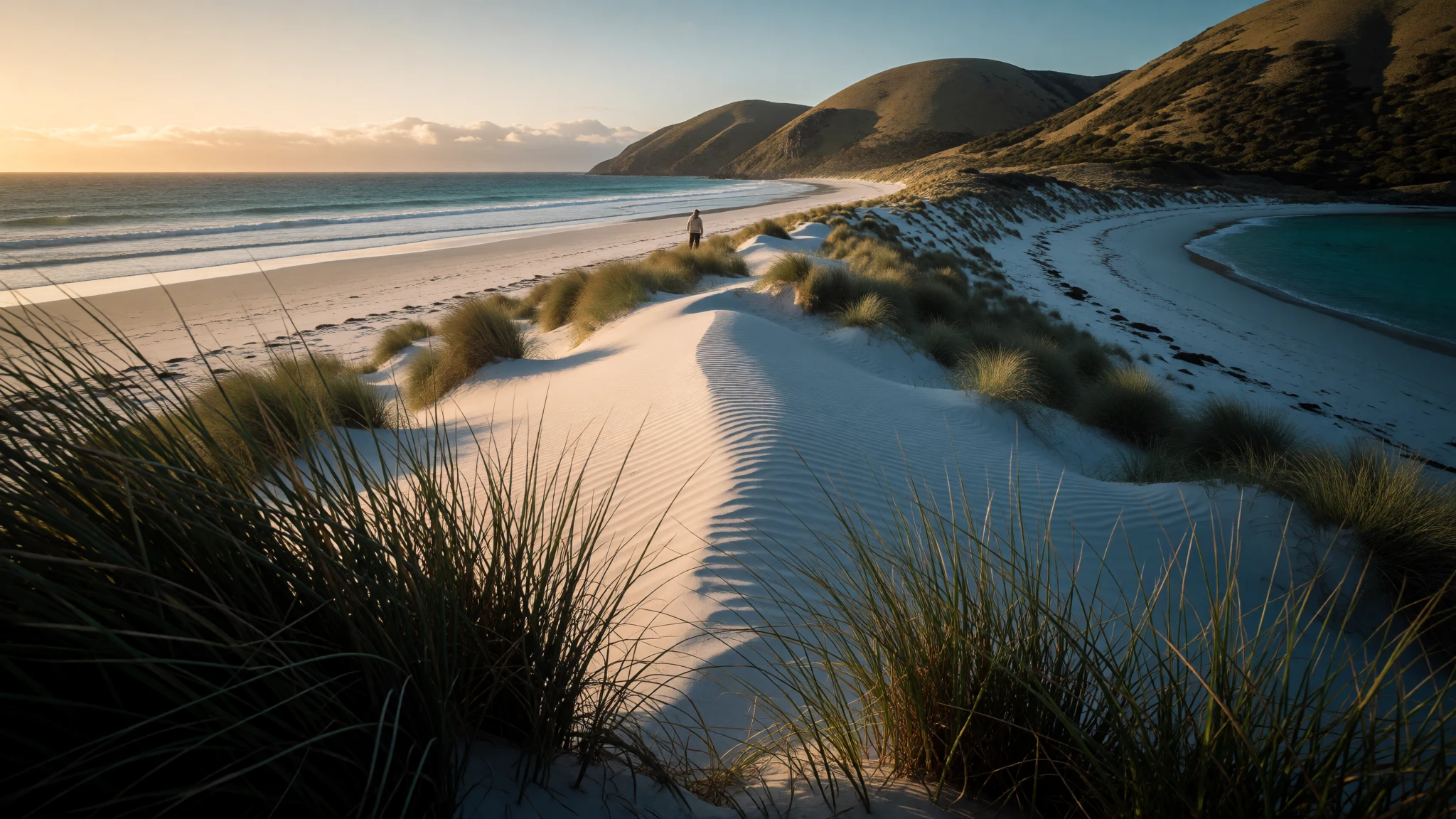
Saunders Island lies off the north-west of West Falkland in the South Atlantic, a long, hilly, treeless island run as a sheep farm and visited by small numbers of wildlife-minded travellers. Its shape is awkward. A broad western section of cliffs and grassland is joined to a rounder, higher eastern part by a narrow sandy waist called The Neck. That waist is where most visitors spend their time, because a white beach, tussac grass, a farm settlement and a hill walk all sit within a short stroll of each other. The wind is the island's main character. It flattens the grass, throws spray off the cliffs and makes a clear day feel like a gift. Light changes quickly between showers, sun and low cloud, and the sea turns from slate to turquoise within minutes. There are no towns and no shops of note, and tarmac roads do not exist; farm tracks and open moorland take their place. Accommodation is limited to settlement lodging or self-catering, so planning matters and everything is arranged ahead. Wildlife is the reason to come: gentoo, southern rockhopper, king and Magellanic penguins, a black-browed albatross colony on the cliffs, elephant seals on the beaches, and Commerson's dolphins that often escort landing boats. Distances are modest, but the weather decides everything, and flexibility is part of the deal.
Its story
Saunders Island carries a name from the age of naval exploration. Commodore John Byron, sailing through the South Atlantic in the eighteenth century, named it after Admiral Sir Charles Saunders, and the island soon became the setting for Britain's first foothold in the Falklands. A small outpost called Port Egmont was built on its northern shore, with a garrison, gardens and a blockhouse. Spain, which also claimed the archipelago, saw it as a threat and sent a force that drove the British out. The affair nearly tipped Britain and Spain into open war, and a diplomatic deal let the British return. Not long afterwards the outpost was given up for reasons of cost and wider strategy, and a plaque was left behind to mark the claim. The ruined walls and garden outlines can still be traced in the turf. The later chapter is agricultural. Sheep farming took over the grassland in the nineteenth century, and the island has been worked as a farm ever since, with shepherds, shearing sheds and a settlement at The Neck. Today the farm and its small tourism side live together. Wildlife, once simply part of the landscape, is now a steady source of income and a reason to protect the colonies.
What to see
- The Neck penguin colonies — The Neck, central Saunders Island
The sandy waist of the island holds gentoo and rockhopper colonies, and king penguins are often seen close to the shore. A short walk from the settlement reaches them. Sit well back, let birds come to you, and expect noise, smell and constant comings and goings.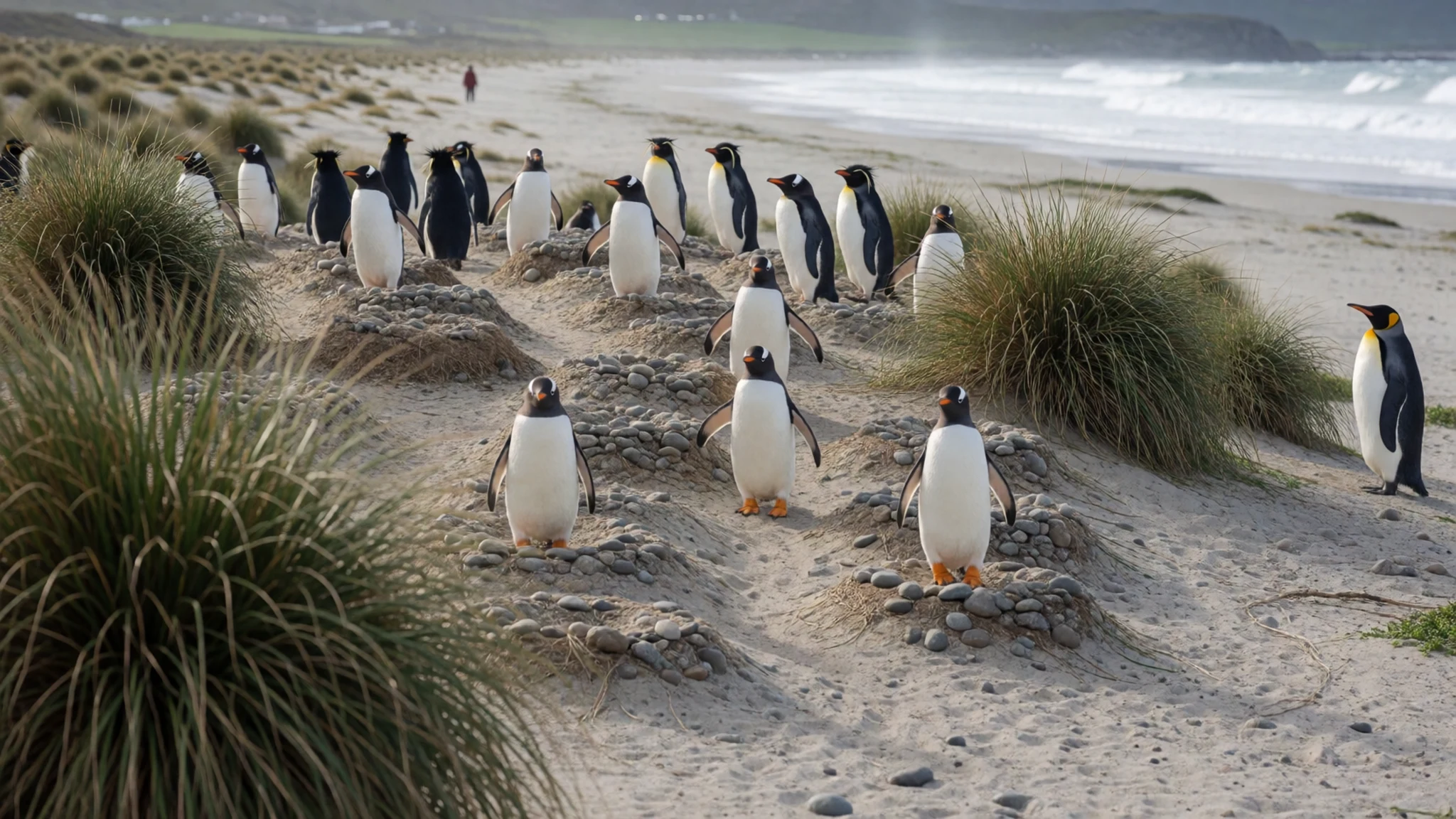
- The Rookery albatross colony — Western cliffs of Saunders Island
On the western cliffs, black-browed albatrosses nest in crowded colonies, sharing the slopes with rockhopper penguins. The route involves a long, exposed walk or a farm transfer, and wind is almost constant. Nesting season brings the best activity, with adults gliding in on stiff, steady air.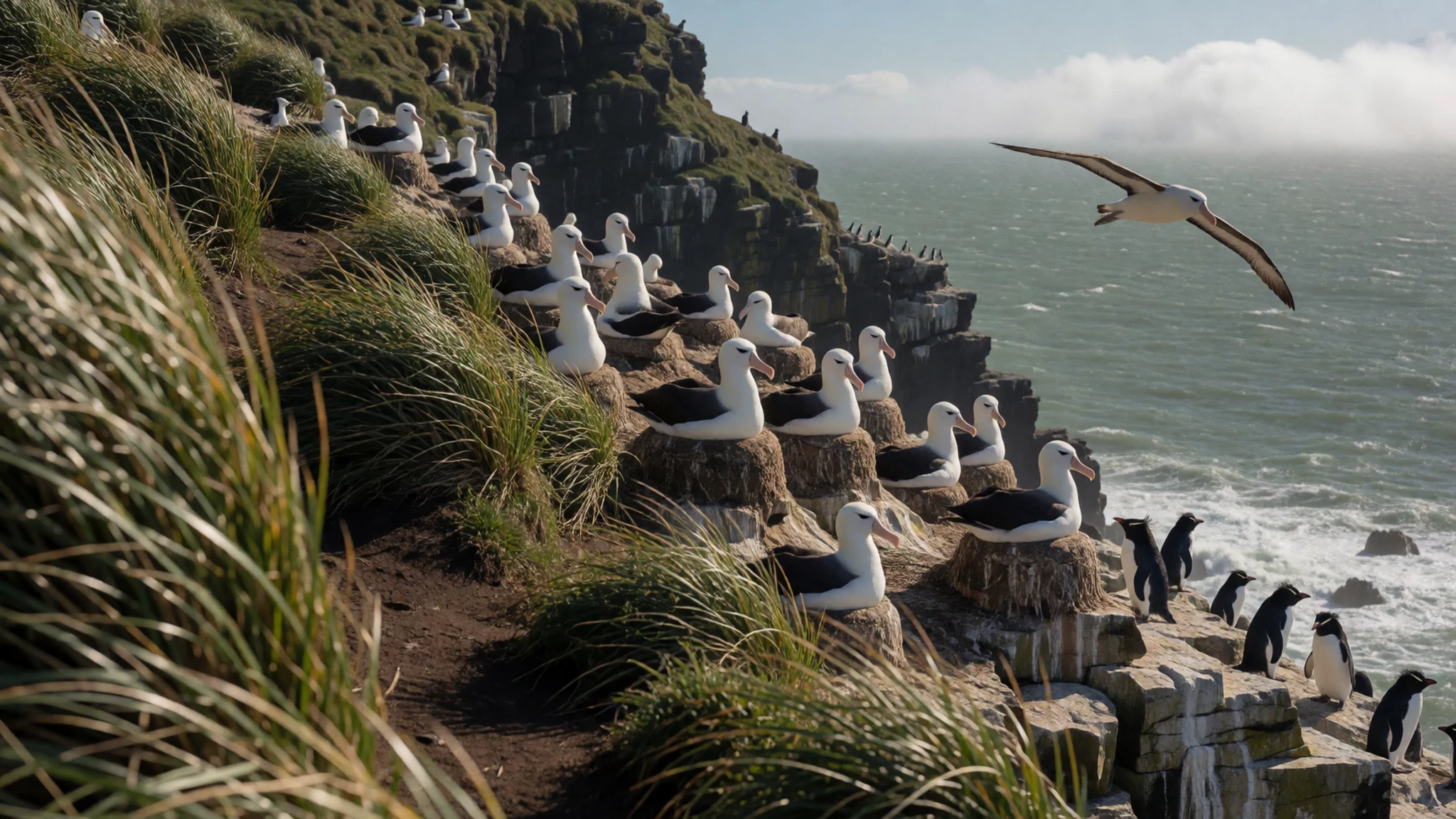
- Port Egmont ruins — North shore of Saunders Island
The remains of the early British outpost lie on the northern shore: low stone outlines, a garden plot and a plaque. The history is modest to look at but significant for the island's story. Check with the farm about access, since the track can be rough and the weather unforgiving.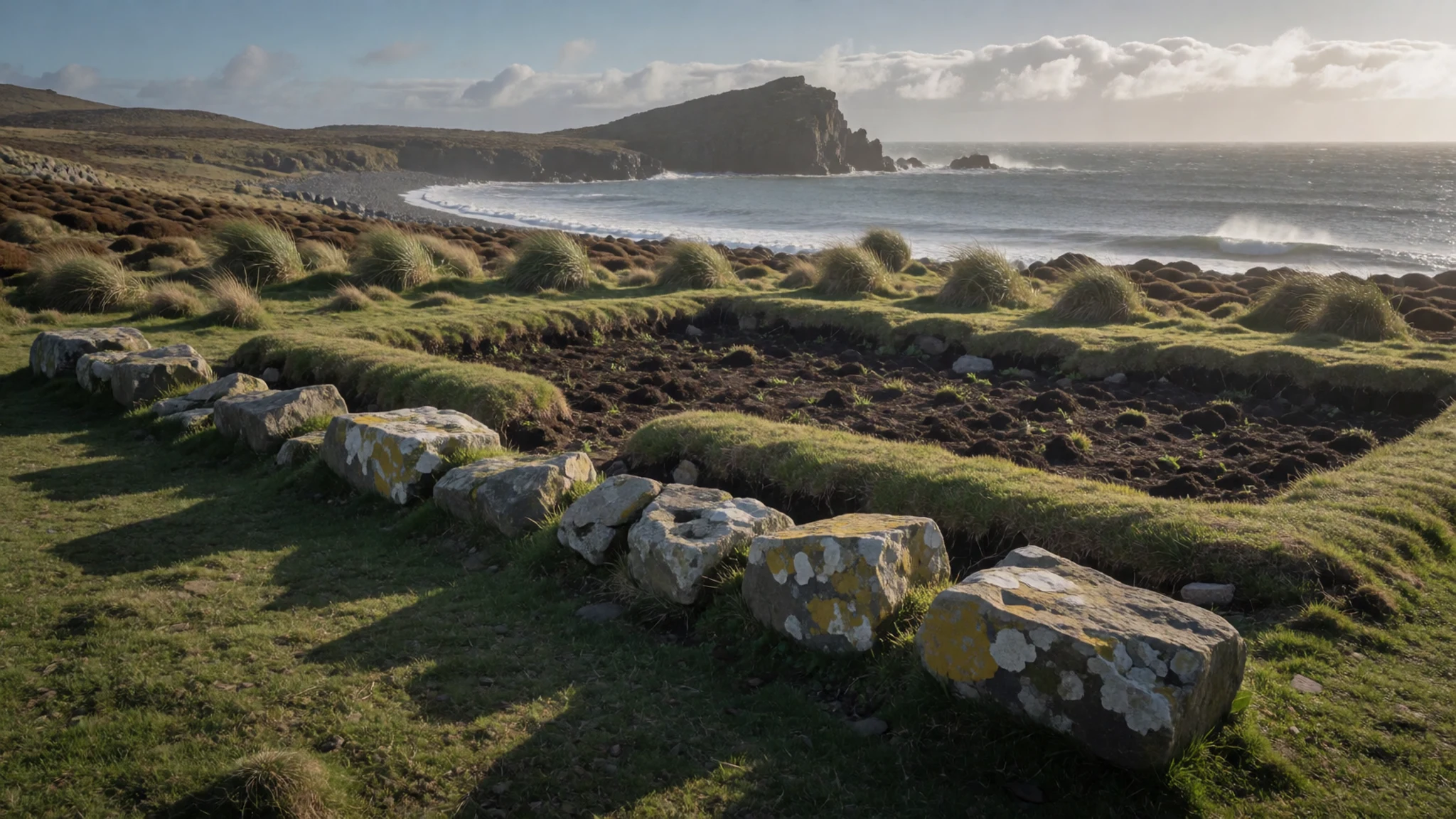
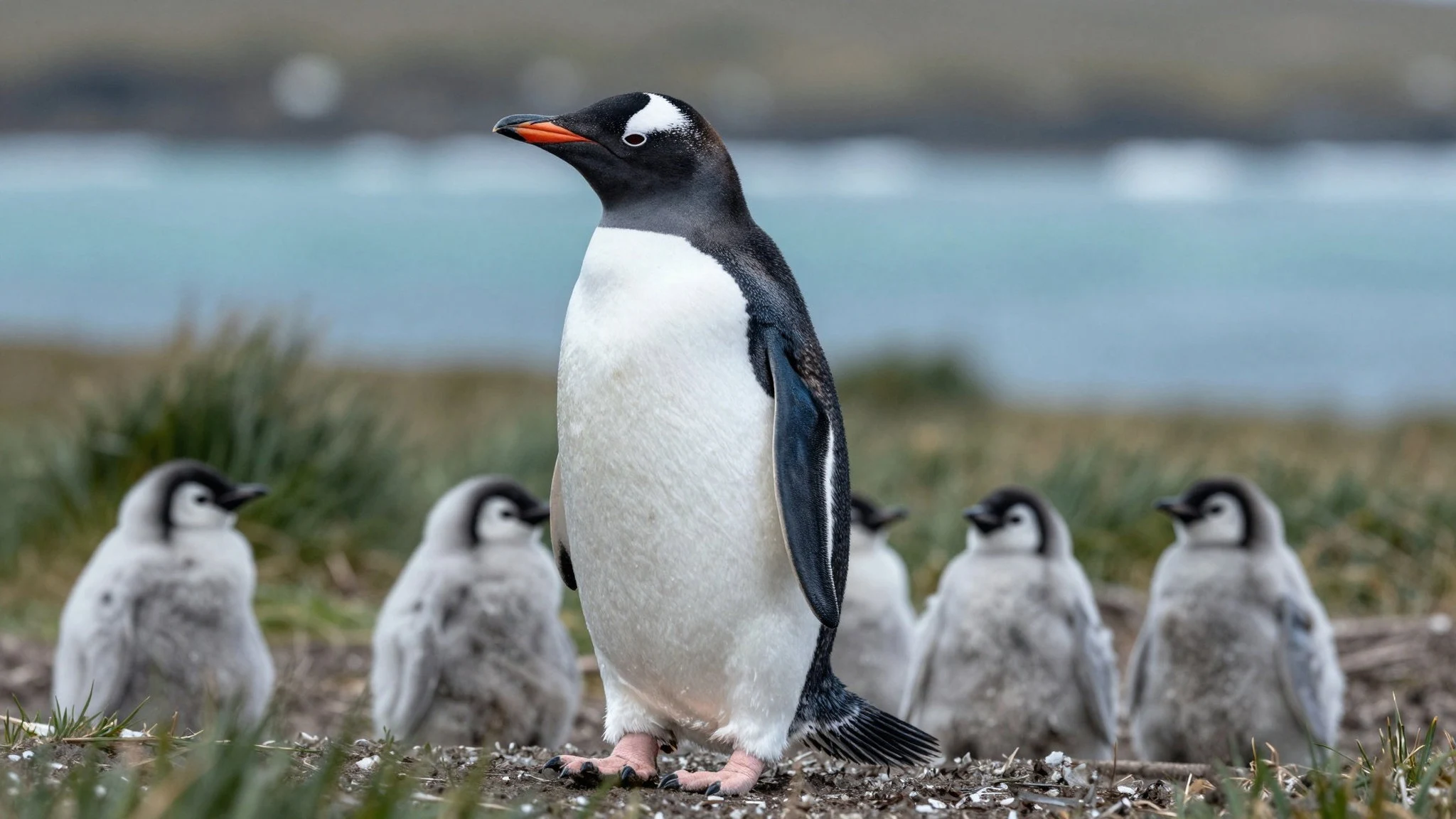
- Gentoo beaches and chicks — Beaches along the island's sheltered side
Gentoo penguins nest on open ground close to the sea, and the chicks are the main draw in the warmer months. Elephant seals haul out on nearby sand. A beach walk can reveal both within an hour, provided the tide and wind allow it.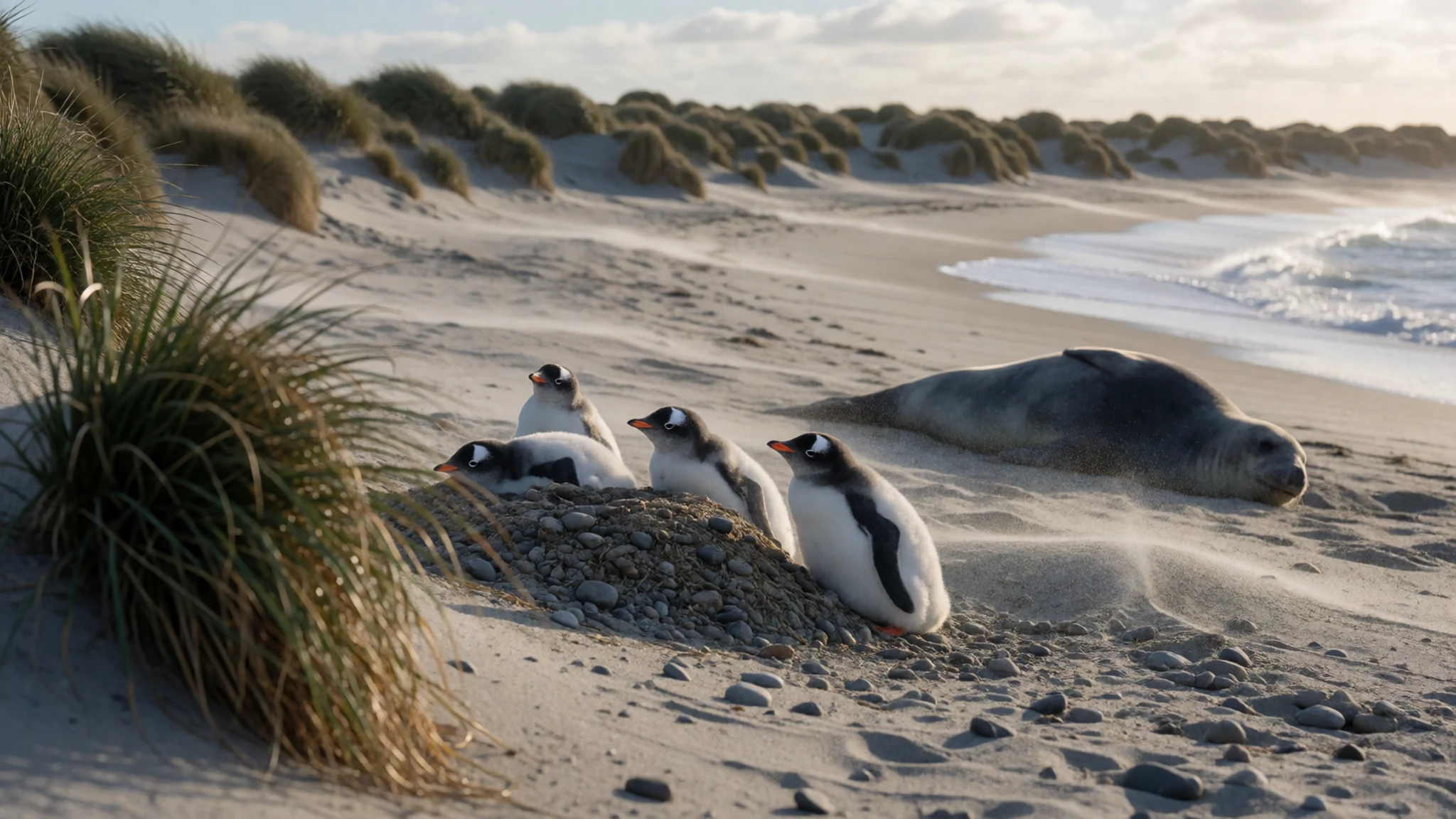
- Hill walk above The Neck — Ridge behind the settlement
A ridge walk behind the settlement gives a wide view over both coasts, the narrow sandy waist and the open ocean. It is the best way to understand the island's shape. Dolphins sometimes appear in the bays below, so bring binoculars and a windproof layer.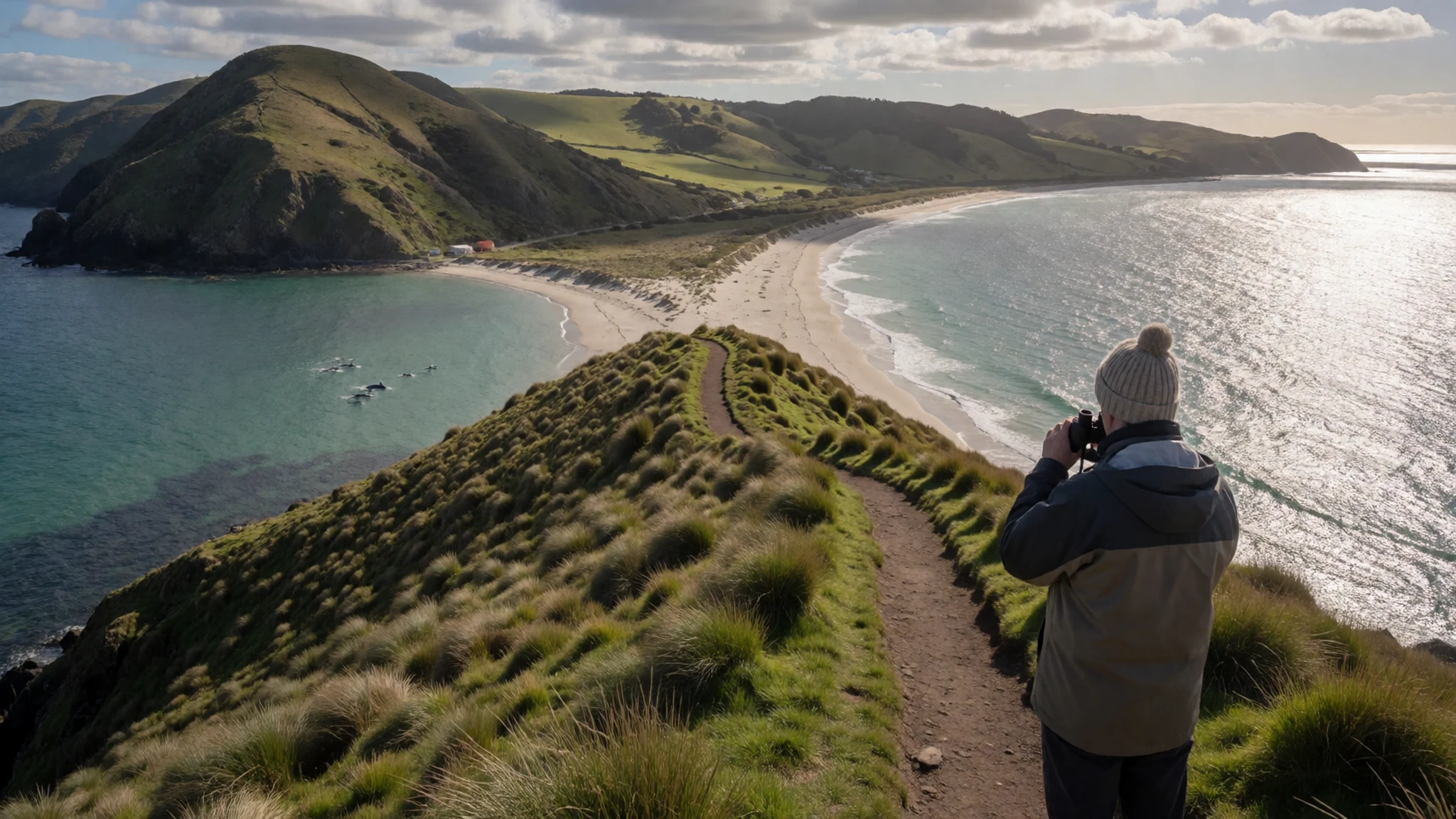
Culture
Saunders Island belongs to the Falkland Islands' rural culture, known locally as life in the camp, the open country outside Stanley. It is a British-rooted community shaped by sheep farming, isolation and self-reliance. People generally know their neighbours across large distances, rely on small aircraft and radio-style communication, and share news over tea. The daily rhythm follows the farm: early starts, shearing in season, repairs, and a mid-morning tea break traditionally called smoko. Visitors who arrive at a settlement are often welcomed into a kitchen, and conversation about weather, wool, wildlife and family is the usual way in. The island's history of eighteenth-century rivalry, and the wider sovereignty dispute over the archipelago, is part of local memory, though most residents prefer to talk about practical matters. Conservation is taken seriously, because wildlife tourism and farming now depend on each other. Farm routines, the care of livestock and the protection of nesting birds all shape what visitors may do and where they may walk. Respect for working land is the main social rule. Gates matter, dogs and livestock matter, and instructions from the farm family should be followed without argument. Humour is dry and understated, and boasting is rarely admired. Evenings are quiet, with home-cooked meals and early nights. Close farm gates behind you, keep to the marked routes, and stay back from nesting penguins and albatrosses so the birds are never forced to move.
What to wear
Saunders Island has no folk costume in the usual sense, and Falkland dress is a story of work clothing shaped by the climate. The traditional look of the camp is built around wool: thick knitted jerseys and socks, tweed or moleskin trousers, waxed or oilskin jackets, flat caps or woollen hats, and rubber boots for wet ground. Falkland wool, from the island's own sheep, has long been spun and knitted at home, and a hand-knitted jumper remains a point of pride. These are everyday clothes rather than ceremonial ones, though smarter versions appear at community events and church. What people wear now is much the same, with modern fleeces, windproof shells and quad-bike gear mixed with the older wool pieces. Practical comfort beats style, and mud on boots is normal. A visitor should dress for wind, rain and sudden sun in the same hour. Bring layers: a base layer, a warm fleece or wool mid-layer, and a proper waterproof, windproof outer jacket and trousers. Waterproof walking boots with good grip are essential on peat, wet grass and slippery rock. Add a warm hat, gloves, sunglasses and strong sun protection, because ultraviolet light can be fierce even when it is cold. No religious dress code applies, and modest, outdoor clothing is entirely appropriate in settlement kitchens and dining rooms.
What to eat
- Roast mutton or lamb — Farm settlement dining tables and home kitchens
Sheep are the island's livelihood, so mutton and lamb are the natural centrepiece of a camp meal. Expect a slow roast with potatoes and home-grown vegetables, plain and filling. It tastes of the open grazing and is best after a long windy walk.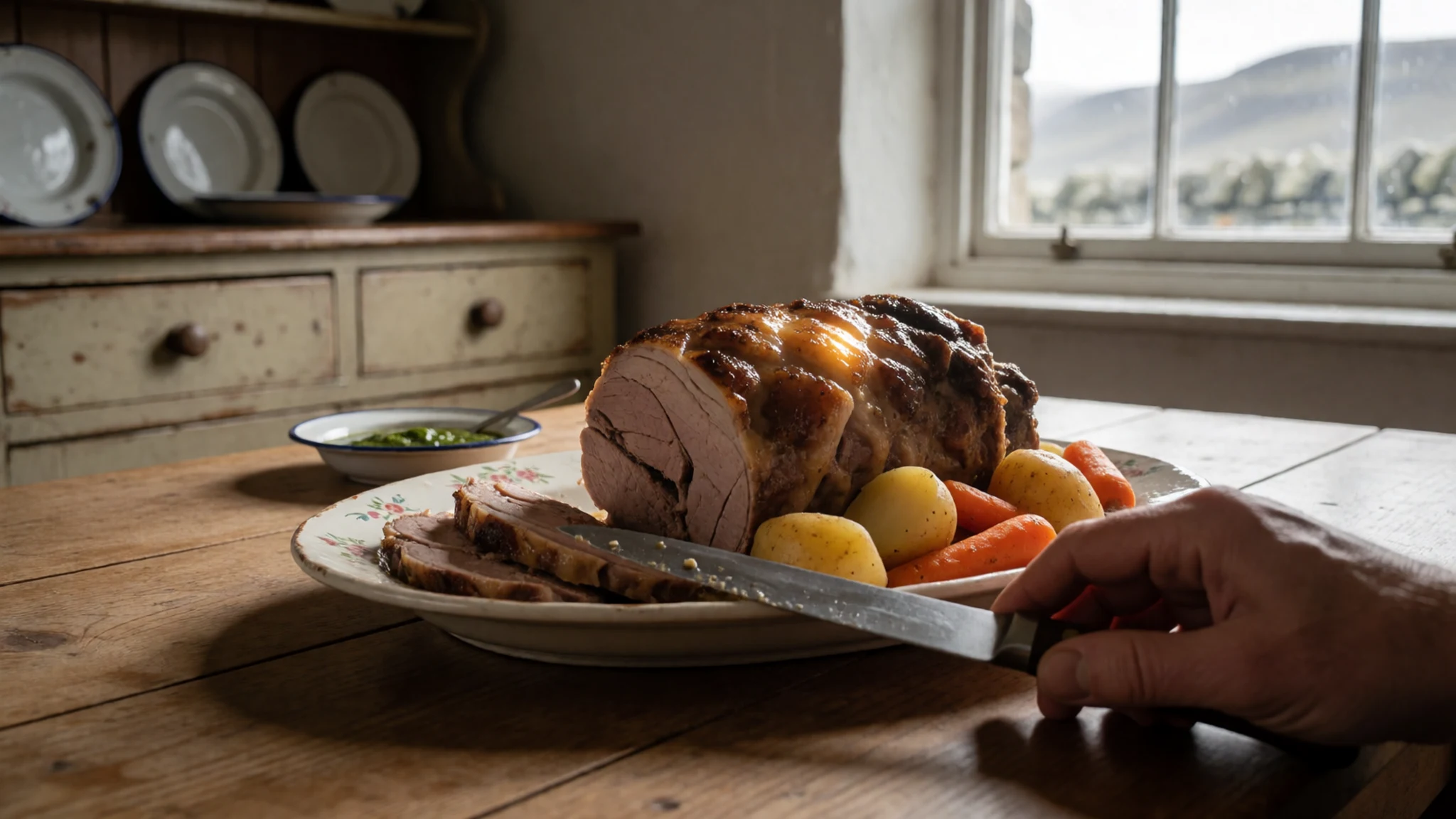
- Diddle-dee jam — Settlement kitchens, and craft and food stalls in Stanley
Diddle-dee is a small red berry from the island's heath. It is boiled into a tart jam that is spread on bread, scones or served with meat. The flavour is sharp and slightly smoky, and a jar makes a practical souvenir.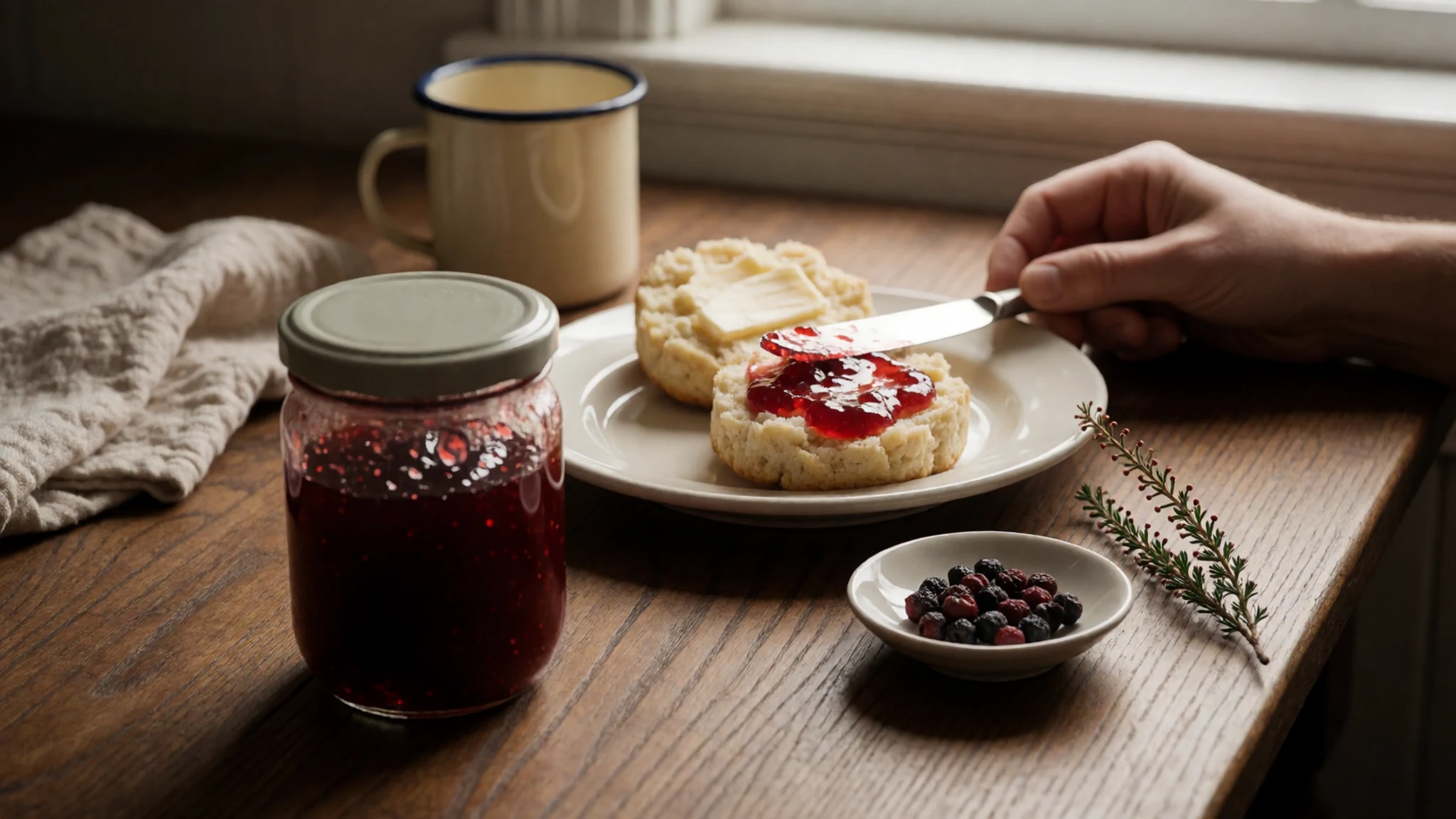
- Smoko tea and cake — A farm kitchen, usually mid-morning or mid-afternoon
The traditional tea break pairs strong tea with home-baked cake, biscuits or scones. It is both a meal and a social pause. Visitors who join the table learn more about the island over a cup than from any guidebook. - Fresh bread and scones — Settlement kitchens and guesthouse breakfast tables
Because supplies are limited and deliveries rare, bread, scones and cakes are often baked on the premises. Warm from the oven with butter and jam, they are among the most welcome things after a morning in the wind. - Local fish and calamari — Pubs and cafés in Stanley, before or after the flight out
The surrounding waters supply fish and squid, and Stanley's pubs and cafés serve them fried, grilled or in simple stews. It is a good place to try them, since Saunders Island itself relies on farm produce rather than a restaurant scene.
Plan it
Best time. November to March, the southern summer, when penguins and albatrosses are breeding and chicks are visible. Days are long and milder, but the wind and showers never fully go away. Winter brings short days, harsh weather and fewer services.
How long. 2–3
Getting there. Fly to Mount Pleasant airport, the Falkland Islands' main international gateway, then continue to Stanley. From Stanley, a small government air service plane flies to the island's airstrip, with the final leg by farm vehicle to the settlement. Check current schedules and weather policy with the airline and the farm.
Budget. high
Tips
- Book lodging, flights and transfers well ahead, since beds and seats are very limited
- Allow spare days at the start and end, as small aircraft are often delayed by wind and low cloud
- Bring waterproofs, spare layers, binoculars and any medicines, as there are no shops on the island
- Check with the farm about payment methods and carry some cash as a backup
- Expect little or no mobile signal, and arrange contact through the lodging
Etiquette
- Close farm gates behind you and keep dogs away from livestock and nesting birds
- Stay well back from penguins, seals and albatrosses and never block their route to the sea
- Follow the farm family's advice on walking routes, tides and weather
Nearby
Sources
- Wikidata, Saunders Island (CC0)
- Wikipedia, Saunders Island, Falkland Islands (CC BY-SA 4.0)
- Wikivoyage, Falkland Islands (CC BY-SA 4.0)
- Wikimedia Commons, Saunders Island photographs (CC BY 2.5, CC BY-SA 2.0, CC BY-SA 4.0, public domain)
Wildlife
- Black-browed albatross (animal)
Picture a seabird so large and so widespread that it is the most familiar of its family: that is the black-browed albatross. Its colony sits on the cliffs of Saunders Island, and it is one of the highlights that draws visitors here. No season or time of day is given, so check with your guide. Enjoy it through binoculars from a safe distance, stay quiet, and never feed the birds.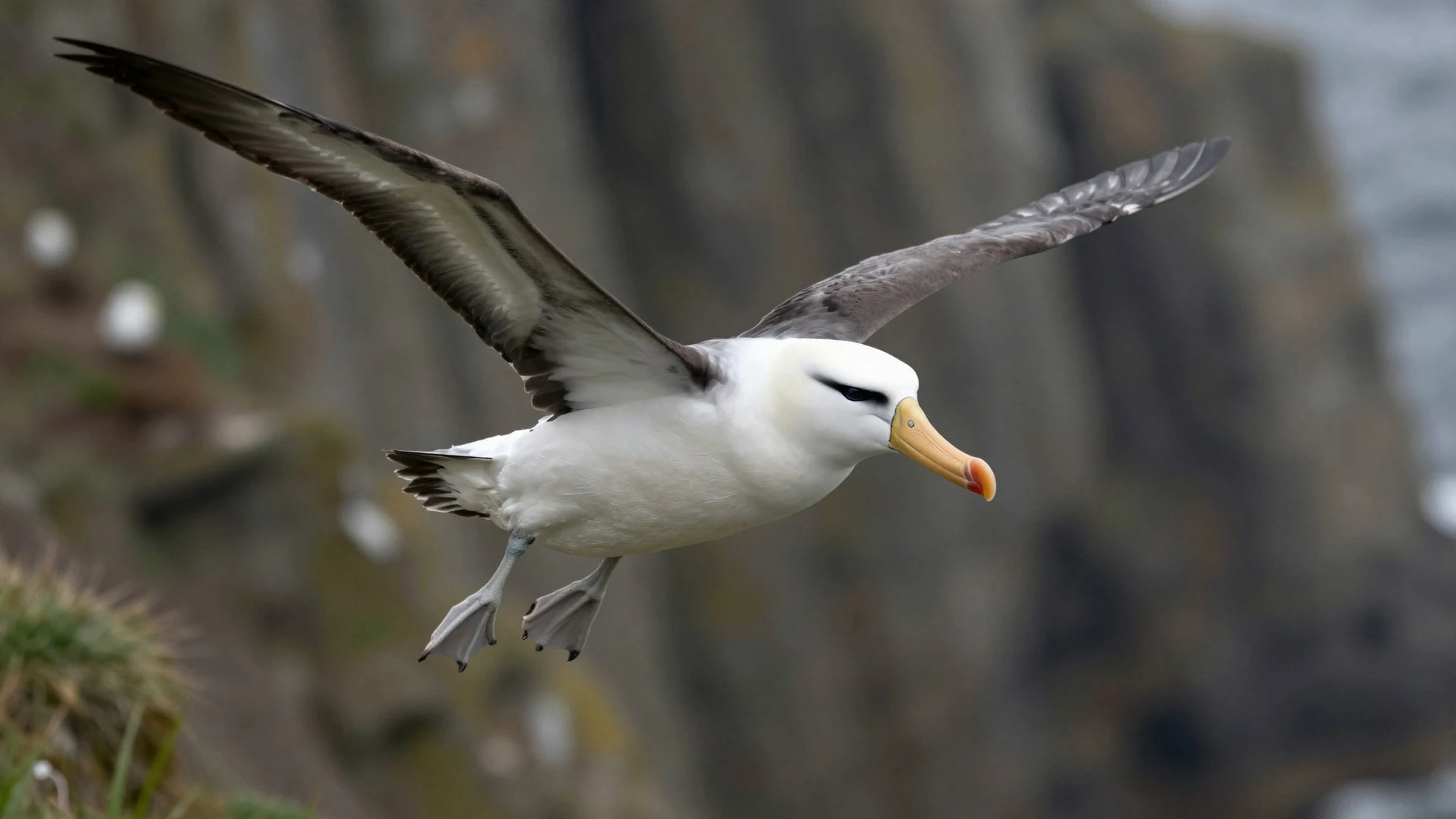
- Elephant seal (animal)
The southern elephant seal is the giant of the seal world, and the grown-up males have a great swollen nose that helps them roar very loudly. On Saunders Island you may find them hauled out to rest on sand near the shore. Keep well back, stay quiet and calm, and let a guide judge a safe distance, especially if a male starts roaring. Never feed them, and never come between a seal and the sea.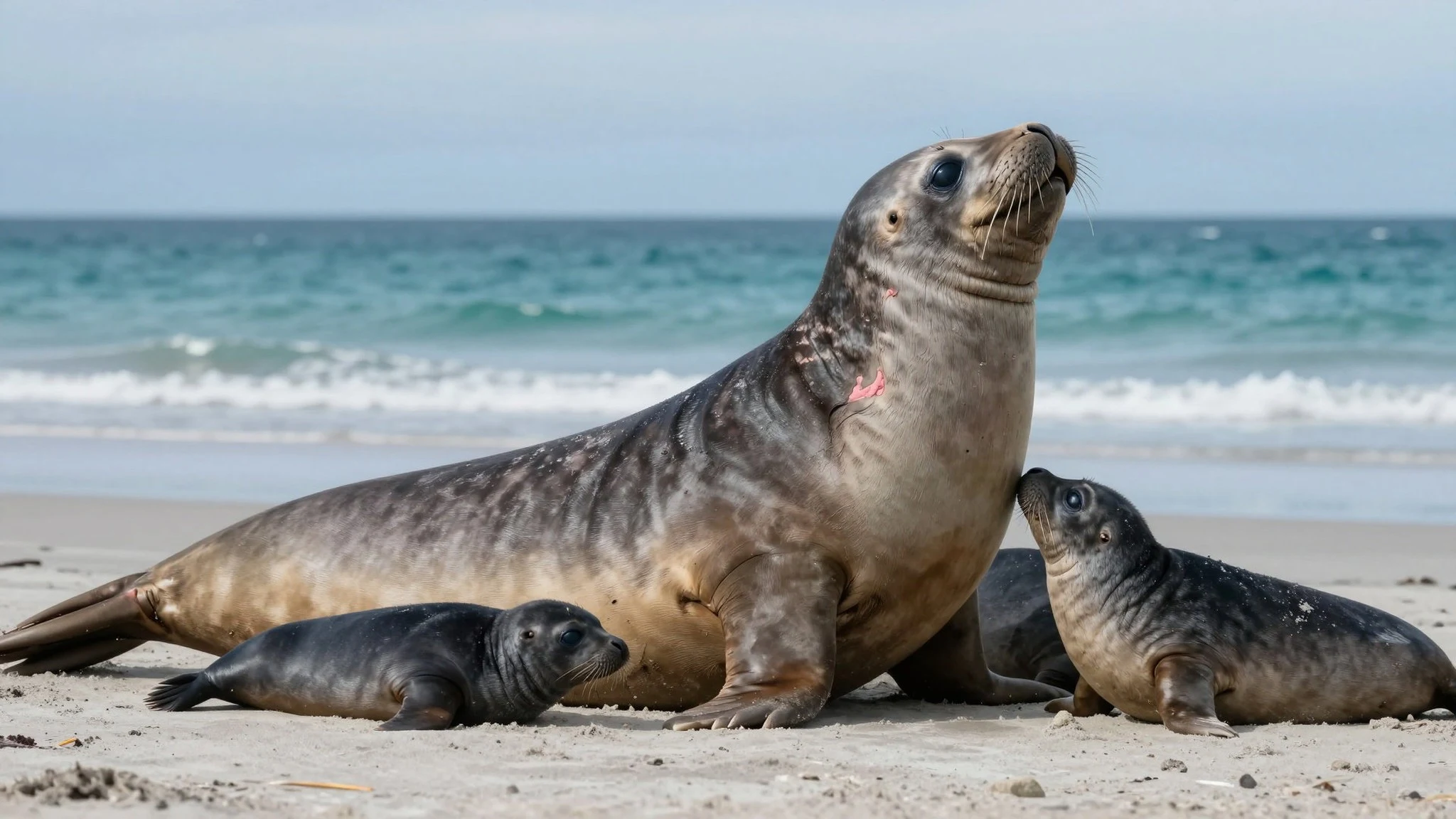
- Black-browed albatross (bird)
Picture a seabird so large and so widespread that it is the most familiar of its family: that is the black-browed albatross. Its colony sits on the cliffs of Saunders Island, and it is one of the highlights that draws visitors here. No season or time of day is given, so check with your guide. Enjoy it through binoculars from a safe distance, stay quiet, and never feed the birds. - Gentoo penguin (bird)
The gentoo penguin is the bird that trumpets, throwing its head back to give a loud, ringing call. On Saunders Island it makes its home on open ground by the sea, and the chicks are what most visitors hope to see once the weather turns milder. Sit or stand quietly at a good distance, let the penguins choose whether to come closer, follow your guide's advice, and never feed them.