Şanlıurfa
Şanlıurfa, Turkey
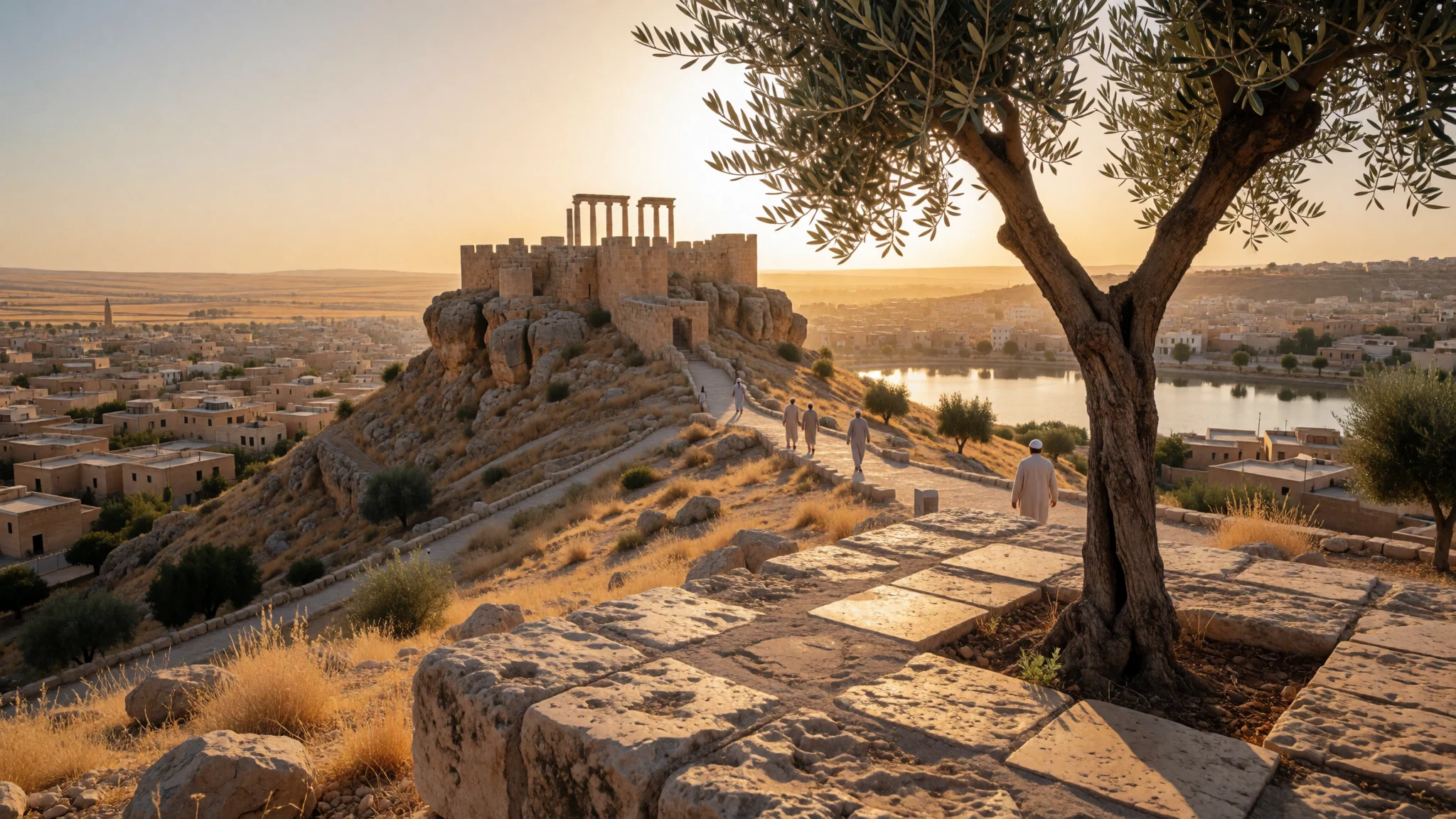
Şanlıurfa pairs a pilgrimage pool and castle-topped old town with a deep archaeological past, and food that rewards slow, hungry visits.
The place
Şanlıurfa, called Urfa by almost everyone who lives there, sits in south-eastern Turkey where the hills give way to the dry plain running towards the Syrian border. The old centre is built of pale local limestone and climbs from a maze of bazaar lanes to a ridge crowned by a ruined castle. Below that ridge, a green strip of gardens, fish ponds and mosque courtyards forms the pilgrimage heart of town, and families in their best clothes stroll there from mid-afternoon until late. Beyond the centre, wide modern avenues, university districts and busy shopping streets show a regional capital that has grown fast. The mood is conservative, hospitable and unhurried in the heat of the day. Tea arrives quickly, and shopkeepers like to ask where a visitor comes from and how they are finding the city. Most sights in the centre can be reached on foot, though summer temperatures push sightseeing into early morning and evening, with a long lunch and a rest in between. The city also works well as a base for the wider region. Göbekli Tepe, the hilltop Neolithic site with carved stone pillars, lies a short drive out, and the mud-brick villages around Harran are reachable by road across the plain. Many people arrive intending a quick stop and end up staying another night, mostly because of the cooking.
Its story
Şanlıurfa has been settled, fought over and renamed many times, and the layers show. In the ancient world the city was known as Edessa, a Hellenistic foundation that later passed between Roman, Persian and Byzantine control. It became an important centre of early Syriac Christianity, with schools, scholars and a rich manuscript tradition. After the arrival of Islamic rule it changed hands again, and in the age of the Crusades it was the seat of a short-lived Latin county, the first of its kind in the Near East. Later it came under Ottoman administration, and the name Urfa took hold. The honorific Şanlı, meaning glorious or honoured, was added in the republican era in recognition of local resistance during the struggle that followed the First World War. Older than all of that is the tradition tied to Abraham. Local legend says the tyrant Nimrod ordered him thrown into a fire from the castle hill, and that God turned the flames into water and the burning logs into fish. The pool known as Balıklıgöl, the Lake of Fish, is believed to mark that spot, which is why pilgrims still arrive and why the carp are left alone. More recent excavations outside the city have pushed the human story back much further, to a time before farming villages.
What to see
- Balıklıgöl and the Abraham pools — Old town, below the castle
The sacred pools lie in a garden below the castle ridge, ringed by arcades and the Mevlid-i Halil Mosque. Carp crowd the water, fed by visitors with food sold nearby. Go early or at dusk, when light on the stone is soft and the crowd is mostly local families.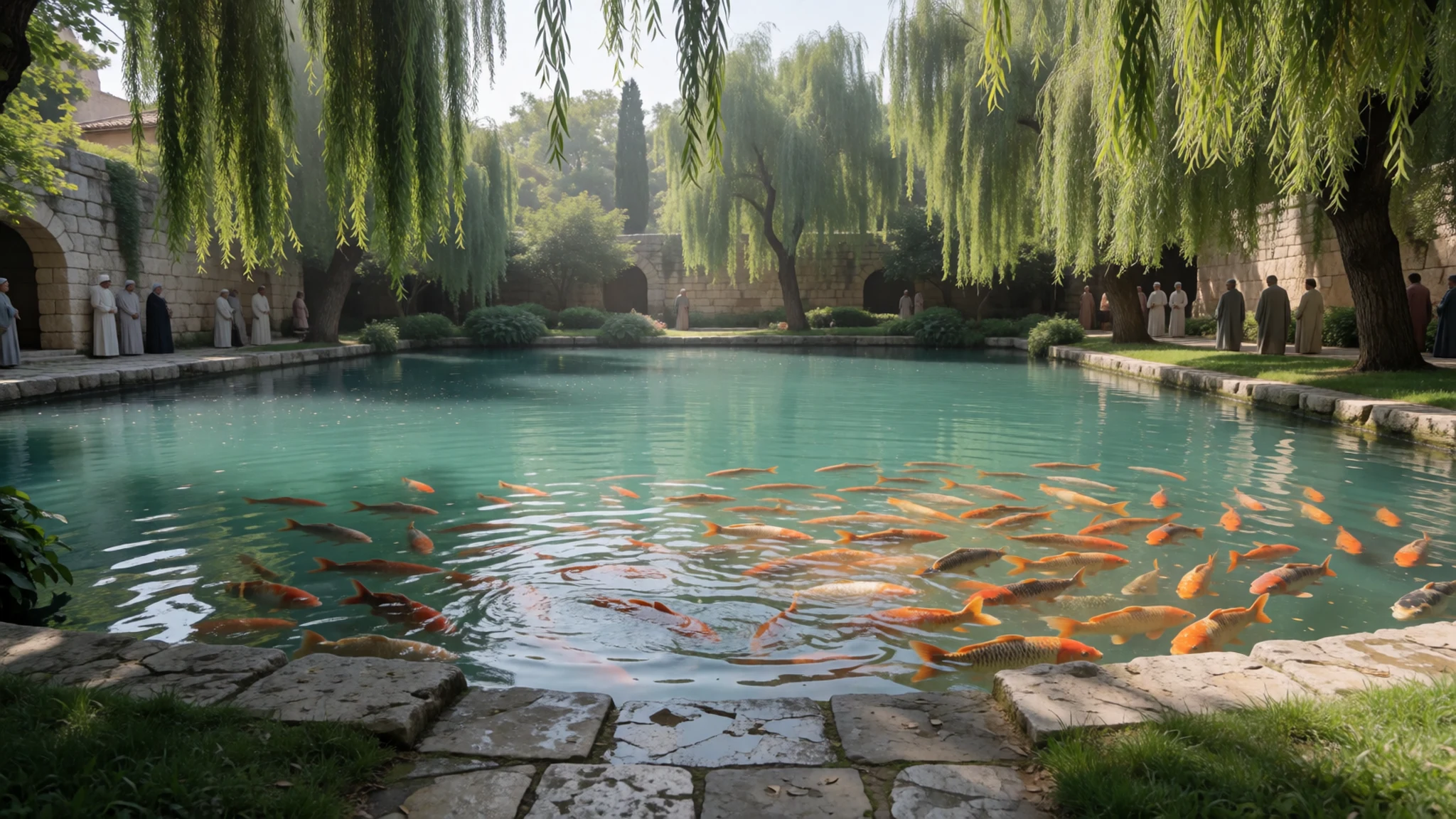
- Urfa Castle — Castle hill, central Urfa
The castle ridge is a bare rocky summit with rock-cut ditches, tunnels and a pair of tall ancient columns that dominate the skyline. The climb is short but exposed, so bring water and a hat. The view across the rooftops and domes is the best way to understand the city's layout.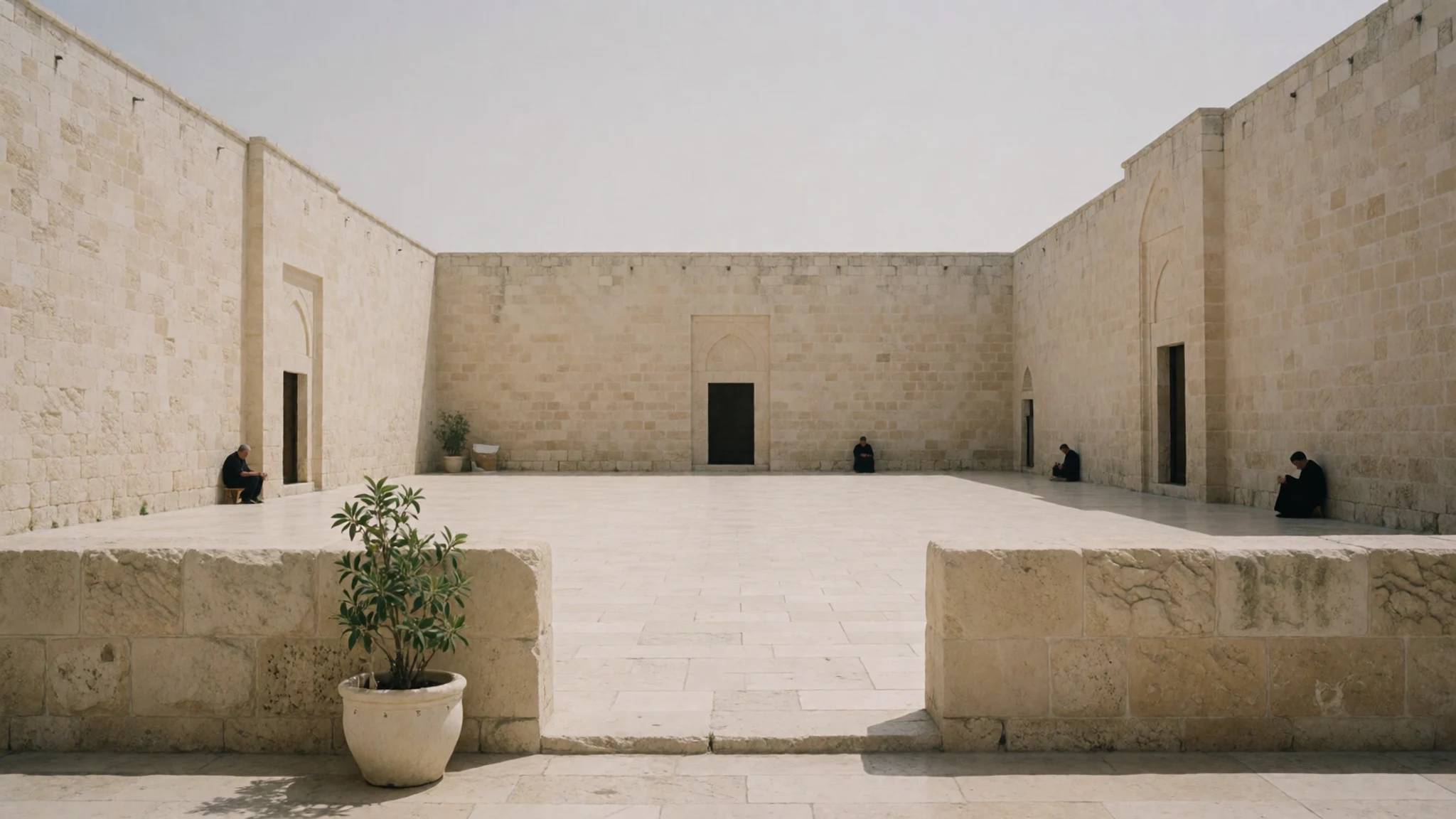
- Covered bazaar and old caravanserais — Old town bazaar quarter
The bazaar district runs in lanes of stone arcades selling spices, copper, leather, shoes and dried fruit. Old caravanserai courtyards open off the lanes and make good places to sit with tea. Mornings are busiest. Prices are usually negotiable, and many stalls close for prayer on Fridays.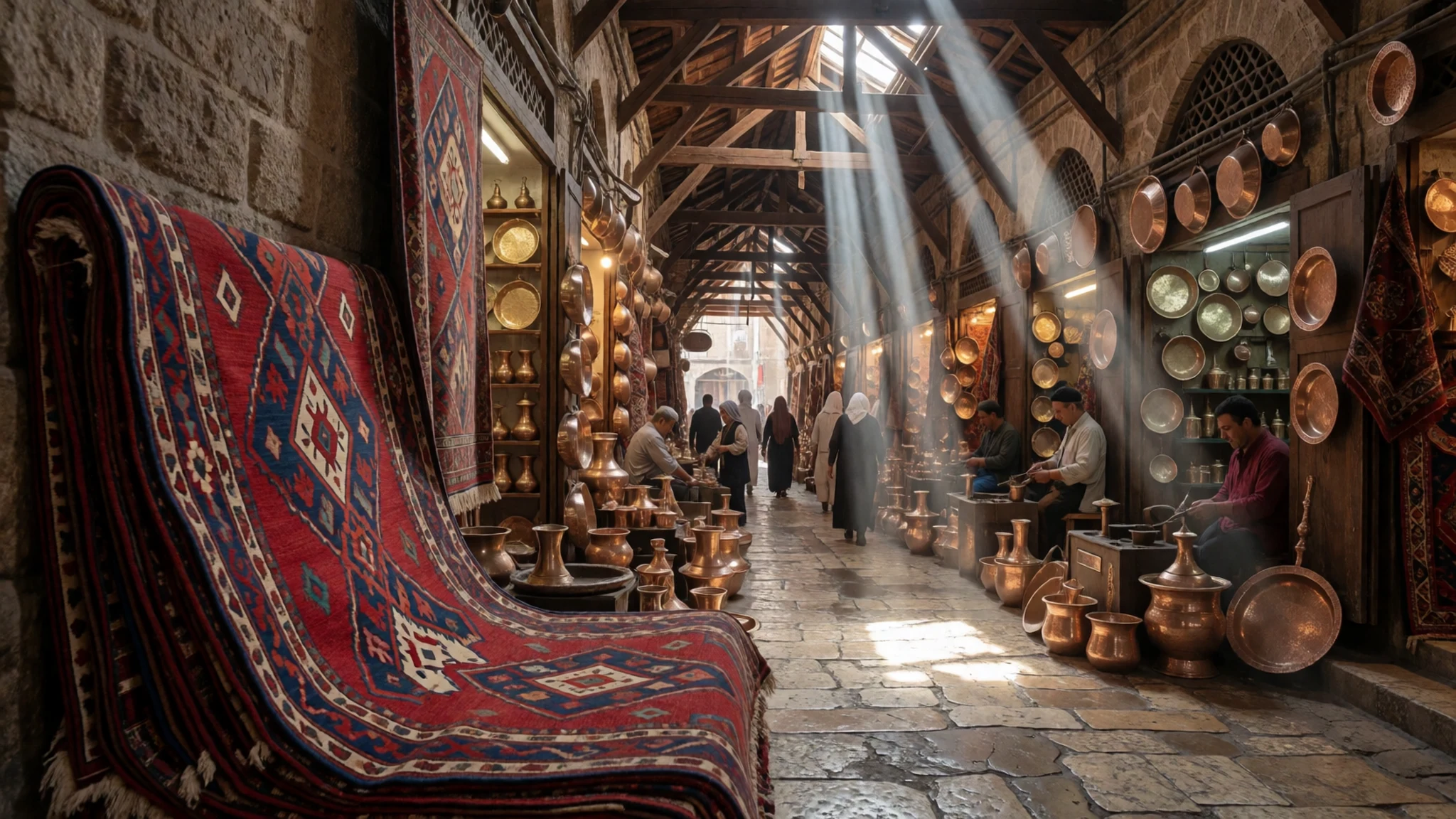
- Haleplibahçe Mosaic Museum — Central Urfa, near the park
This museum shelters floor mosaics from Roman-era villas of ancient Edessa, displayed where they were found. Scenes from myth and everyday life, with detailed faces and borders, make it a quiet counterpoint to the bustle outside. Opening hours and entry arrangements should be checked on the official museum pages before going.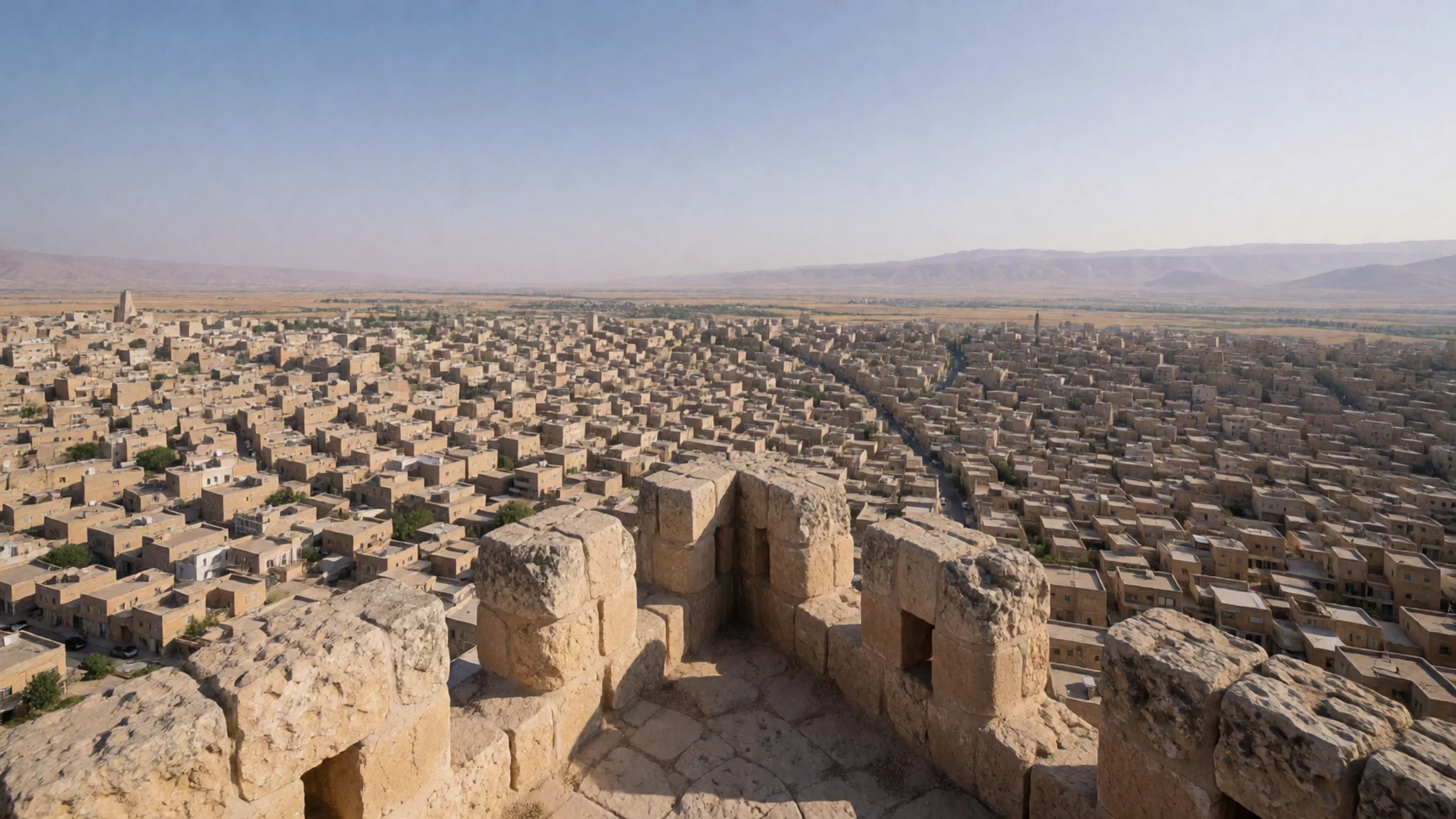
- Göbekli Tepe — Countryside outside the city
Göbekli Tepe is a Neolithic hilltop site outside the city, known for circles of T-shaped stone pillars carved with animals. A raised walkway and a roof protect the excavated area. Heat and shade are limited, so go early. A taxi or organised transfer from Urfa is the usual way to reach it.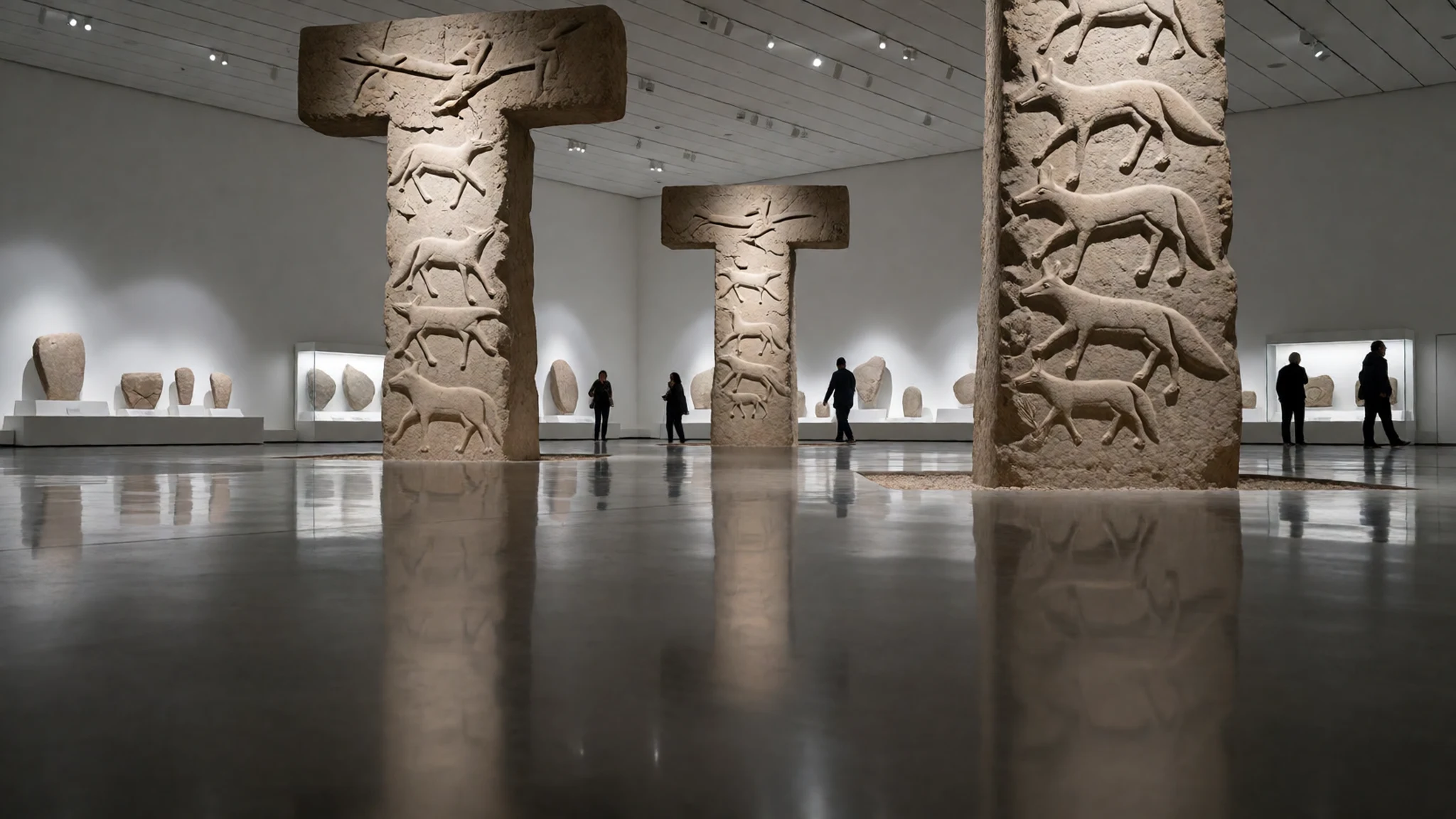
Culture
Şanlıurfa's culture rests on faith, hospitality and a strong sense of local identity. The city is closely tied to Abraham, known as Ibrahim in Islam, and the pool and mosque district draws pilgrims from across Turkey and beyond. Prayer times shape the day, Friday midday is noticeably quiet, and during Ramadan many eateries open only after sunset. Kurdish, Arab and Turkish communities have lived side by side for generations, and all three languages can be heard in the bazaar, though Turkish is the common tongue and a few greetings in it are always appreciated.
Social life revolves around the sıra gecesi, a long evening gathering in which friends take turns as host, serve food in courses and listen to songs in the Urfa style. Most of these nights are private, but some restaurants stage versions for visitors. Hospitality here is meant sincerely: an invitation to tea is usually genuine, and declining every offer can seem cold. The local coffee, mırra, is a strong, bitter brew served in tiny cups, and the custom is to give the cup a small shake to say no more. Evenings in the gardens by the pools are the best time to watch the city at ease. At the mosques and around the pools, cover shoulders and knees, women should also cover their hair, take shoes off at the door, and ask before photographing anyone at prayer.
What to wear
In Şanlıurfa, traditional dress still appears at weddings, sıra nights, folk performances and in some villages on the plain. Men's older costume centres on şalvar, wide trousers gathered at the ankle, worn with a fitted waistcoat or jacket and a cloth wrapped around the head. Women's costume uses long layered dresses, embroidered vests and printed or fringed headscarves, usually in cotton, wool or silk blends woven in southern Turkey. Colour is strong and patterning is often geometric. Everyday clothing in the city is much plainer. Most men wear trousers and shirts, often with a jacket in the cooler months. Many women wear a headscarf with a long coat or loose dress, while younger people in the university districts mix jeans, trainers and modest layers. Clothing tends to be conservative, particularly in the old town and around the pools. Visitors will be most comfortable in loose, light, long clothes made of cotton or linen, which also cope with the heat. Shoulders and knees should be covered at all times in the old centre, and women should carry a scarf for mosque visits. Shoes need to be sturdy with a good grip, as the lanes and the castle slope are uneven and the limestone becomes slippery when worn smooth. A hat and sunglasses matter from late spring to early autumn.
What to eat
- Liver kebab (ciğer) breakfast — Grill rooms near the old bazaar, mornings
Skewered lamb liver grilled over charcoal, served with flatbread, raw onion, sumac and chilli. Many locals eat it at breakfast, not dinner. It comes with plenty of tea. Look for the small grill rooms near the bazaar, which are busiest in the morning.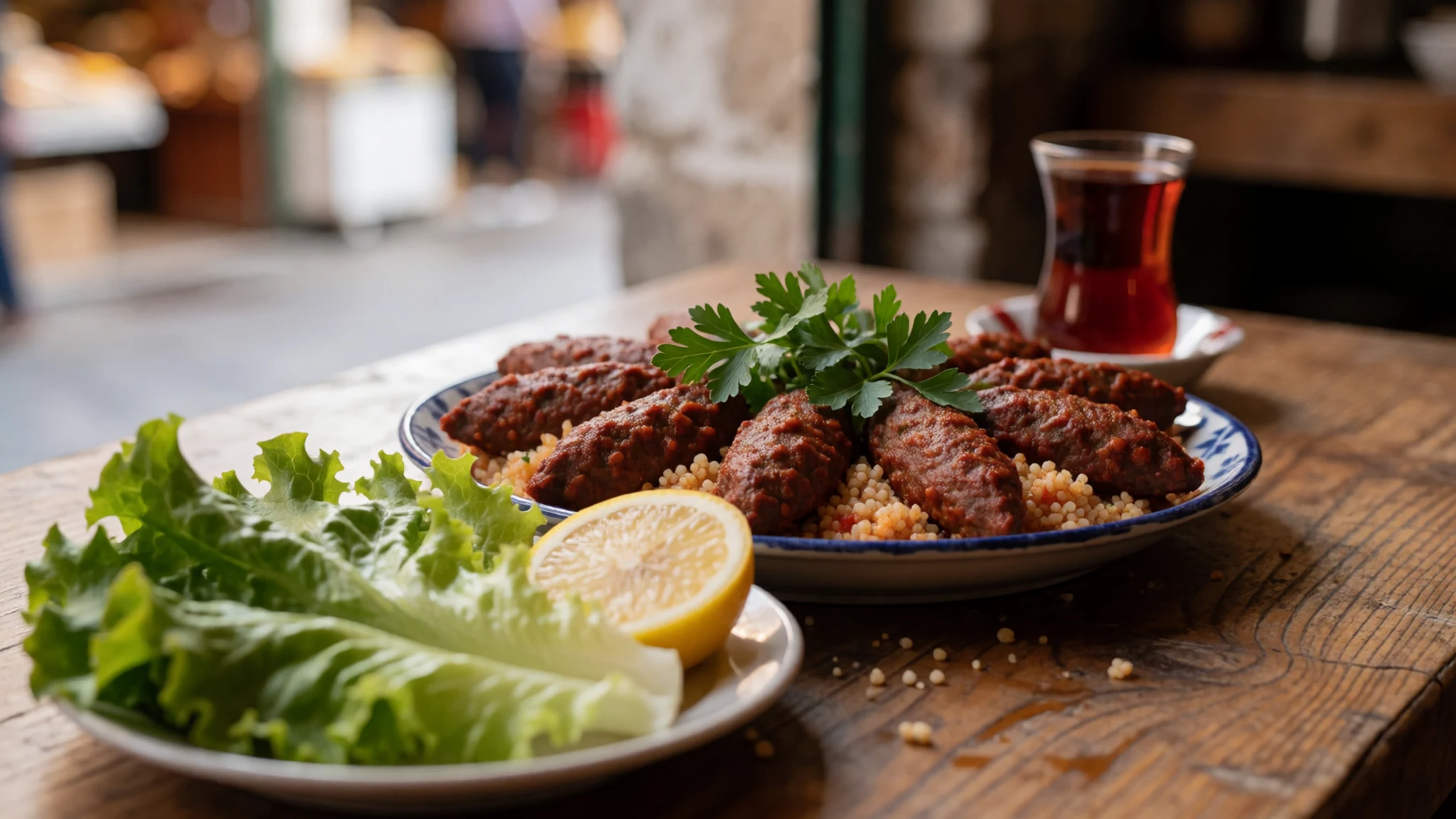
- Urfa kebab — Kebab restaurants in the centre
Minced lamb shaped on a flat skewer and grilled, usually milder than the Adana style that is common elsewhere. It arrives with grilled tomatoes and peppers, sliced onion and bread. Chilli is served separately, so diners can adjust it themselves.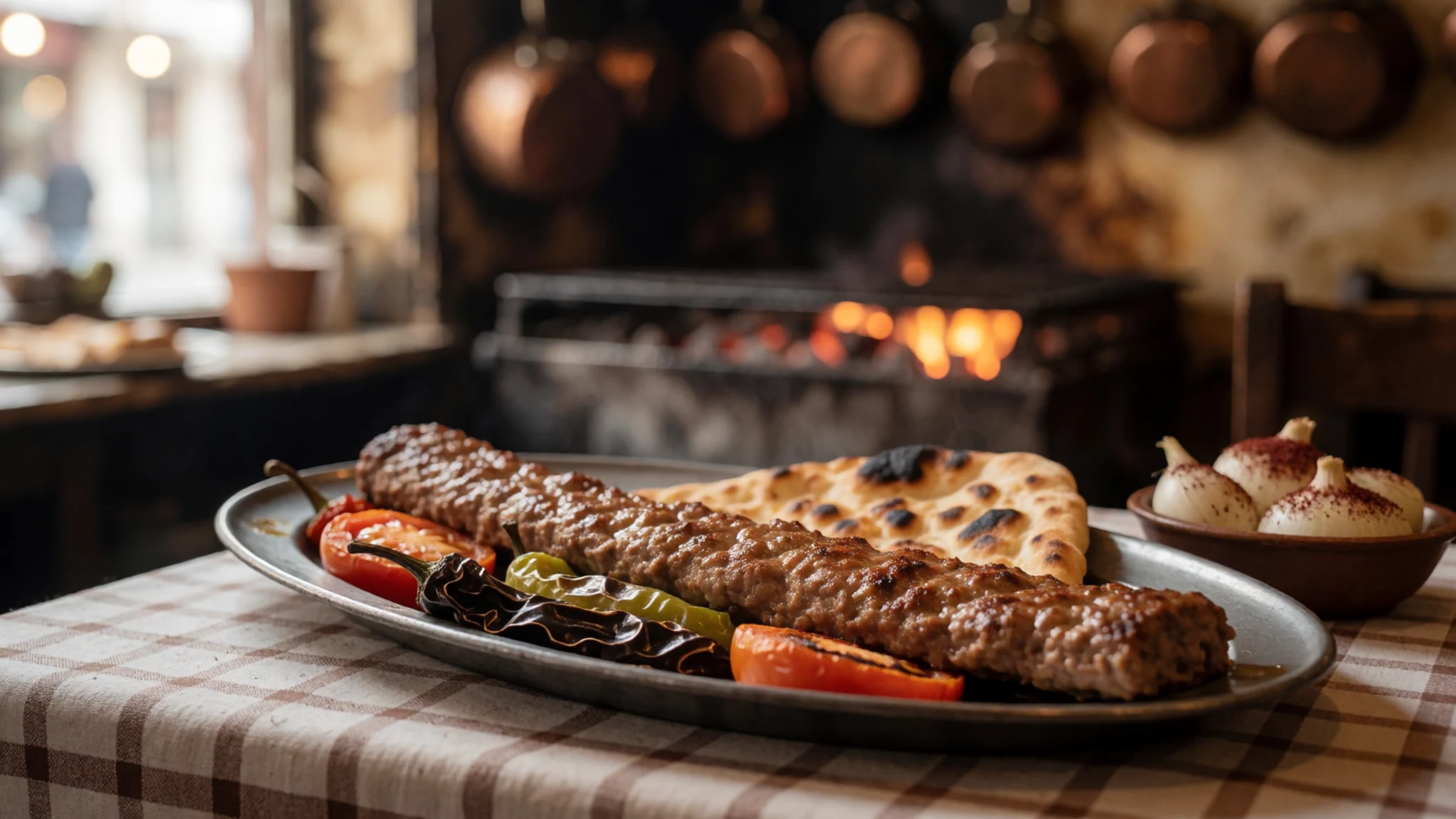
- Çiğ köfte — Specialist çiğ köfte shops across the city
A spiced paste of bulgur, tomato, onion and the local dark isot pepper, kneaded by hand and shaped into small logs. It is eaten wrapped in lettuce with a squeeze of lemon. Today it is most often made without raw meat. The heat builds slowly. - Şıllık — Dessert shops and pastry counters in the old town
A sweet local dessert of thin pastry sheets soaked in a milk-based syrup and topped with ground walnuts or pistachio. It is eaten cold and has a gentle sweetness. It is most associated with the cooler months. - Mırra coffee — Old caravanserai courtyards and traditional tea gardens
A dark, intensely bitter coffee made by boiling grounds for a long time and served in very small cups. It is often offered after a meal or during a business visit. A few sips are enough, and the cup is shaken to refuse a refill.
Plan it
Best time. April–May and October–November, when days are warm and walking is comfortable. Summer is very hot and dry, and midday sightseeing is hard going; winter can be cool and wet with a few cold snaps.
How long. 2–3
Getting there. Fly to Şanlıurfa GAP Airport, then take a taxi or airport shuttle into the centre. Intercity coaches also link Urfa with Gaziantep, Diyarbakır and other regional cities. Within the old town, walk; for Göbekli Tepe and Harran, hire a taxi or join a day tour.
Budget. low
Tips
- Start sightseeing early and rest in the afternoon, especially from late spring to early autumn
- Carry water, a hat and sun protection for the castle ridge and Göbekli Tepe
- Bring some cash for bazaar stalls and tea gardens, as small places may not take cards
- Check the official museum and site pages for opening times and ticketing before going
- Book accommodation ahead around religious holidays, when pilgrims fill the old town
Etiquette
- Dress modestly, with shoulders and knees covered, and carry a scarf for mosque visits
- Remove shoes before entering any mosque or prayer area
- Ask permission before photographing people, especially women and worshippers
Nearby
Sources
- Wikidata (CC0)
- Wikipedia — Şanlıurfa (CC BY-SA 4.0)
- Wikivoyage — Şanlıurfa (CC BY-SA 4.0)
Wildlife
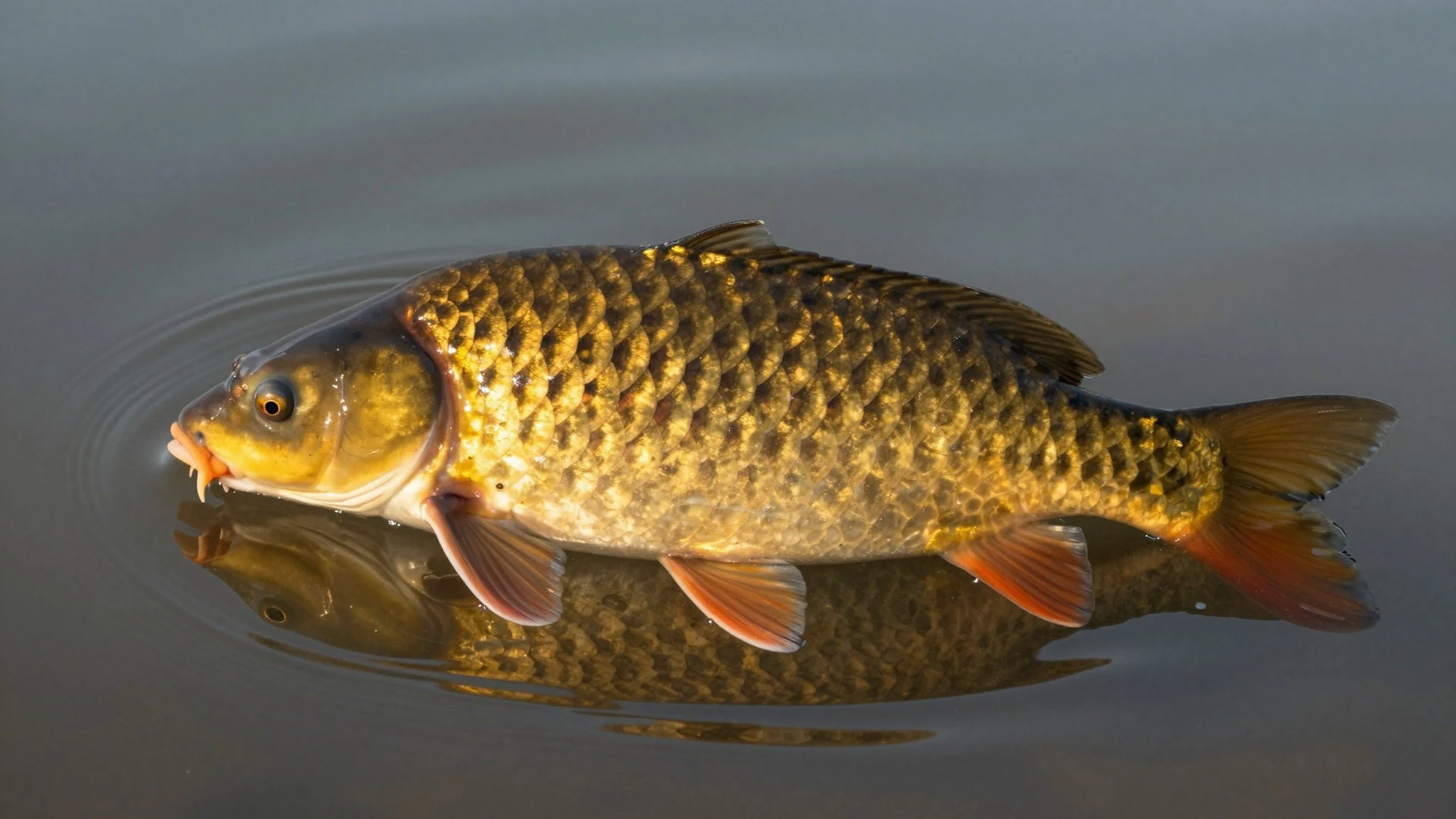
- Carp (animal)
The common carp is a plump freshwater fish that looks as though it is always hungry. In Şanlıurfa it fills the sacred pools, which hold a special place in the hearts of the city's people and make a deeply moving spot to linger. Ask locally about the best time of year or day. Watch calmly from the water's edge, keep your voice low, and ask a local guide about the customs. Please never feed the fish yourself.