San Gil
San Gil, Colombia
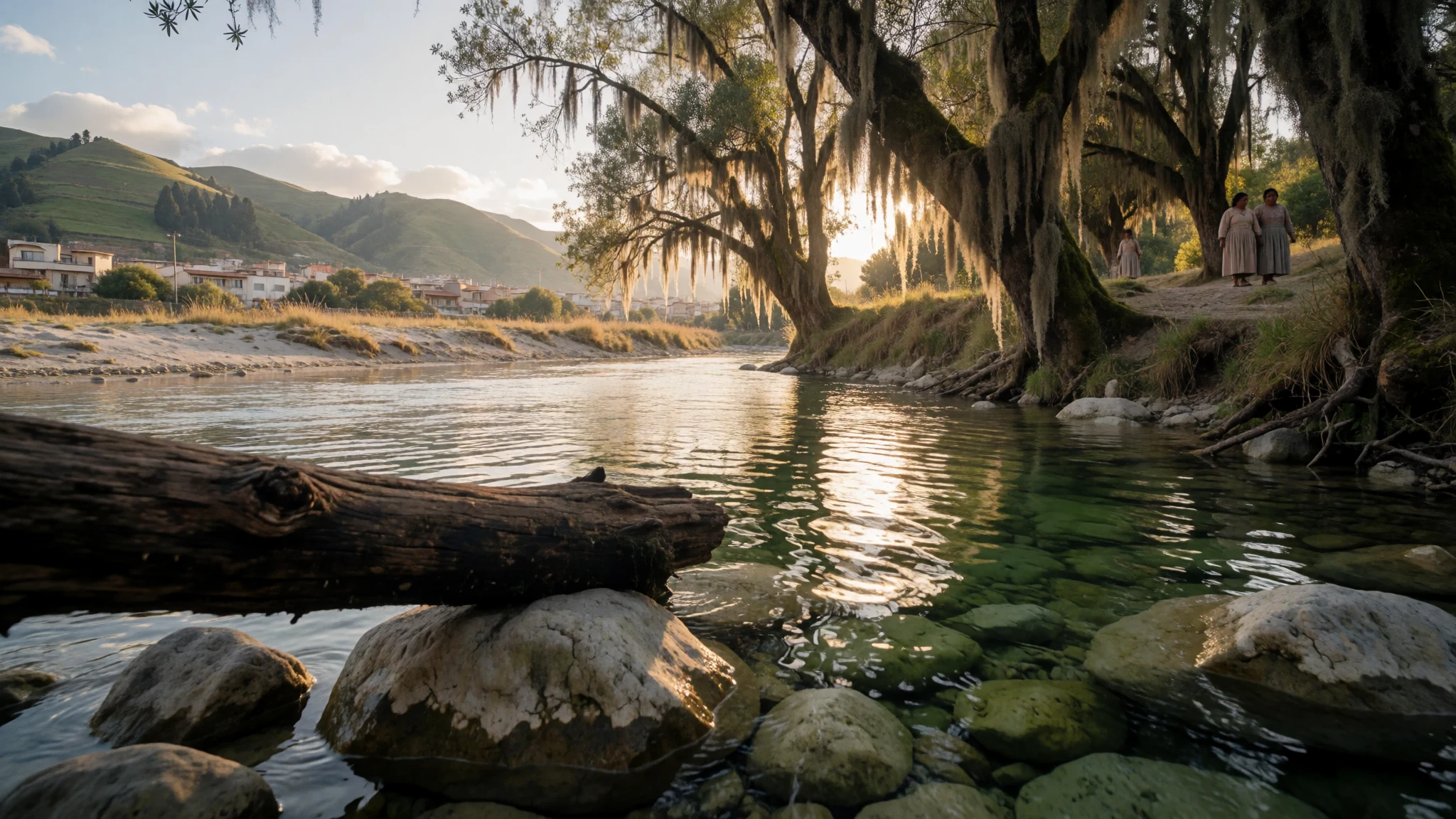
San Gil is Colombia's adventure base: rafting, caving and waterfalls in the green Santander hills, with a relaxed colonial-era town to come back to.
The place
San Gil sits at 1247 metres in the Andean uplands of Santander, in north-eastern Colombia. It is a town of roughly forty-six thousand people that has turned itself into the region's base for outdoor adventure. Founded in 1689, it still revolves around a main square, Parque la Libertad, but visitors mostly come for what lies beyond the streets: the Río Fonce running through town, caves, waterfalls, and the deep Chicamocha canyon within about an hour's drive. The municipality was formally designated as the area's main hub for tourism back in 2004, and that label remains to this day. Tour offices cluster near the entrance of Parque El Gallineral, so arranging a rafting morning or a caving trip takes little effort, usually the same day. Away from the adventure trade, San Gil is a working market town. Locals shop, eat set lunches and meet in the square, and the pace is easy. The setting is folded and green, with hills closing in on all sides, and sunshine can give way to heavy rain quickly. It is not a polished resort. It is a practical, friendly base that suits people who like to spend the day on a river or a trail and the evening on a bench with a cold drink. Long weekends and holidays bring crowds of Colombian visitors, and accommodation prices rise with them, so the calmer weekdays are kinder to the budget and to the nerves.
Its story
San Gil's story begins well before the Spanish arrived. The uplands of Santander were home to the Guane, an indigenous people whose territory took in the canyons and ridges around the present town. Spanish conquest and the colonial period that followed cut their numbers drastically, and much of their culture survives now mainly in place names, archaeology and craft traditions in the surrounding villages. The town itself was founded in March 1689 by Don Gil Cabrera Dávalos and Leonardo Correa de Betancourt, and it carries the first name of its founder. For its first centuries San Gil was a modest provincial settlement, a place for farming and trade among the hills rather than a destination. Local accounts also tie it to the Comuneros, the colonial-era rebels who gathered from nearby regions and marched towards Bogotá, a movement that fed into the wider independence story of the young nation. Nothing about the old town is monumental, and history here is told in plazas, churches and village lanes more than in great ruins. The modern chapter is much more recent. Once rivers, caves and canyons began attracting rafters and kayakers, the town found a new purpose, and in 2004 it was officially recognised as the region's tourist capital. Today its past and its adventure reputation sit side by side, a colonial grid with wetsuits drying on the railings.
What to see
- Parque El Gallineral — Riverside, central San Gil
A riverside park beside the Río Fonce, known for trees draped in hanging moss that looks like beards. Paths wind through the grounds, there is a swimming pool, and a dip in the river itself is possible. It is the easiest first stop in town, and the tour offices gather around its entrance.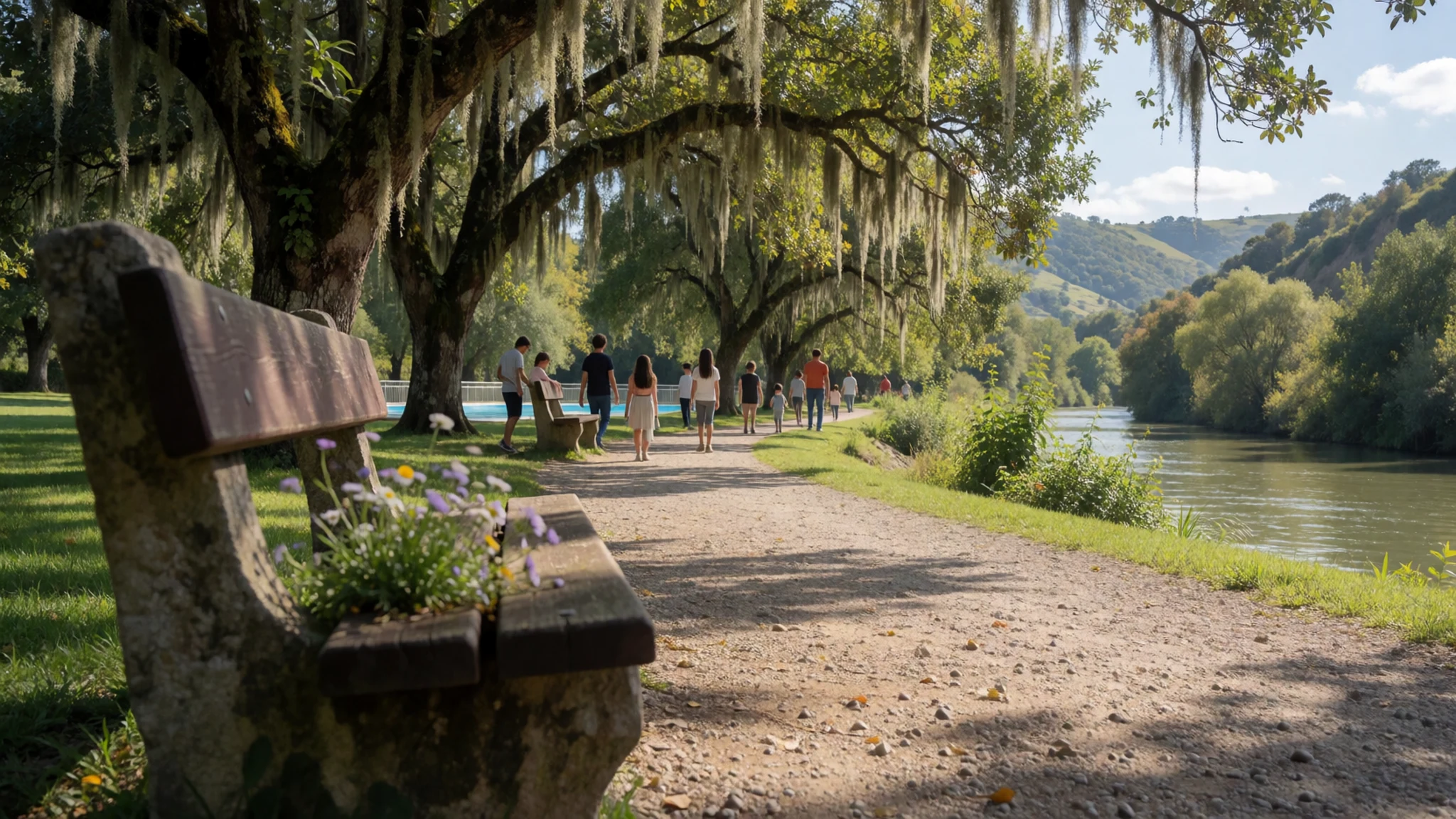
- Cascadas de Juan Curi — Hills south of San Gil
A tall waterfall in the hills south of town, reached by a local bus towards Charalá, asking the driver to stop at the falls. It makes a good half-day outing. Access and swimming conditions depend on recent rain, so ask at a tour office before setting off.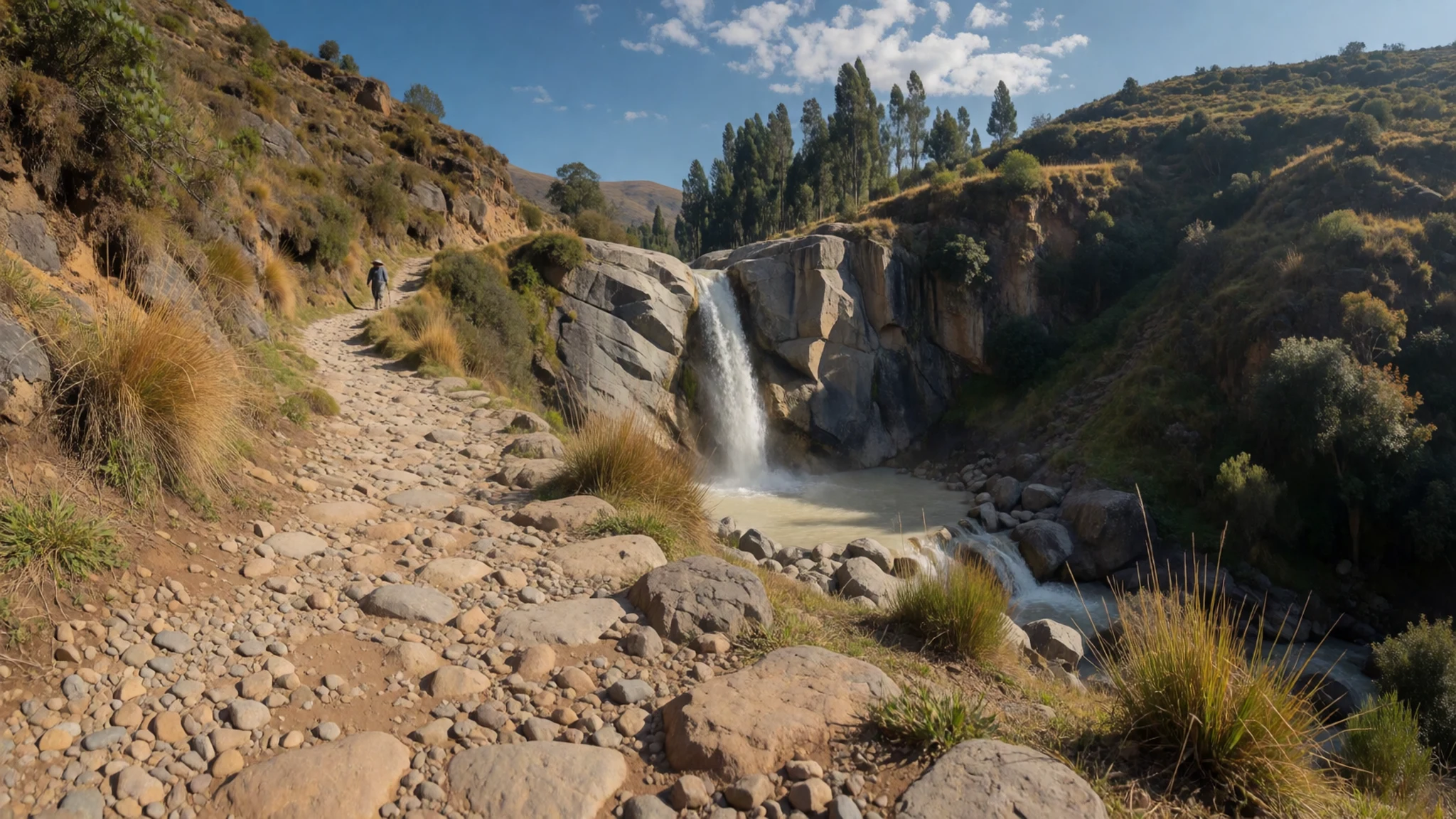
- Rafting on the Fonce and Chicamocha — Rivers around San Gil
Rafting is the town's signature activity. The Fonce, which runs through San Gil, suits beginners and families, while the Chicamocha has stronger rapids and canyon scenery. Harder rivers demand previous experience. For anything beyond gentle water, check that guides hold International Rafting Federation certification.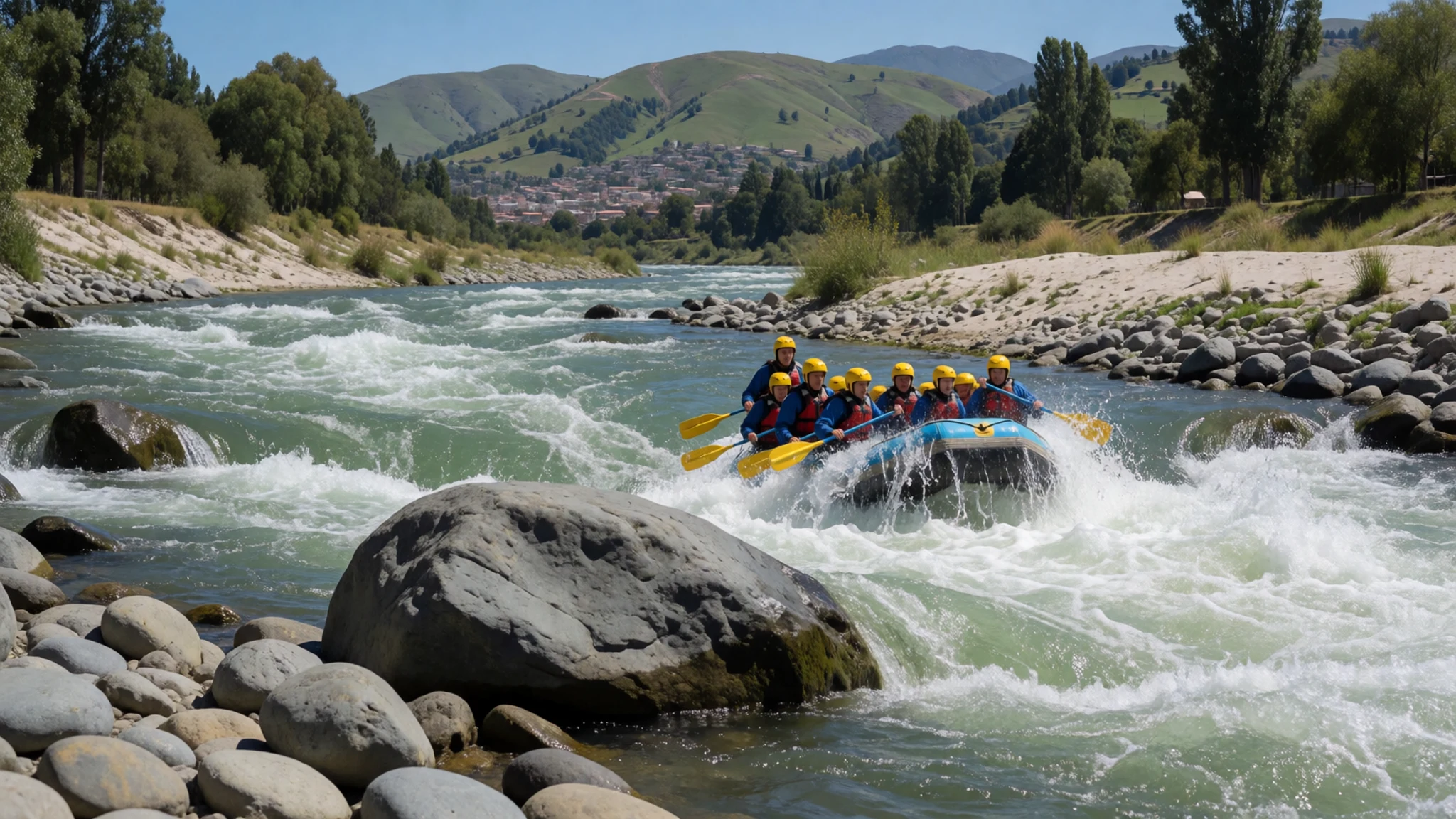
- Cueva del Indio and Cueva de Vaca — Countryside around San Gil
Caving trips near San Gil include Cueva del Indio, entered by abseiling down a zipline, with chambers holding bats, stalactites and pools. Cueva de Vaca, named for cattle that fell in through its entrance, is reputed to be the tougher option. Go with a guide and expect mud.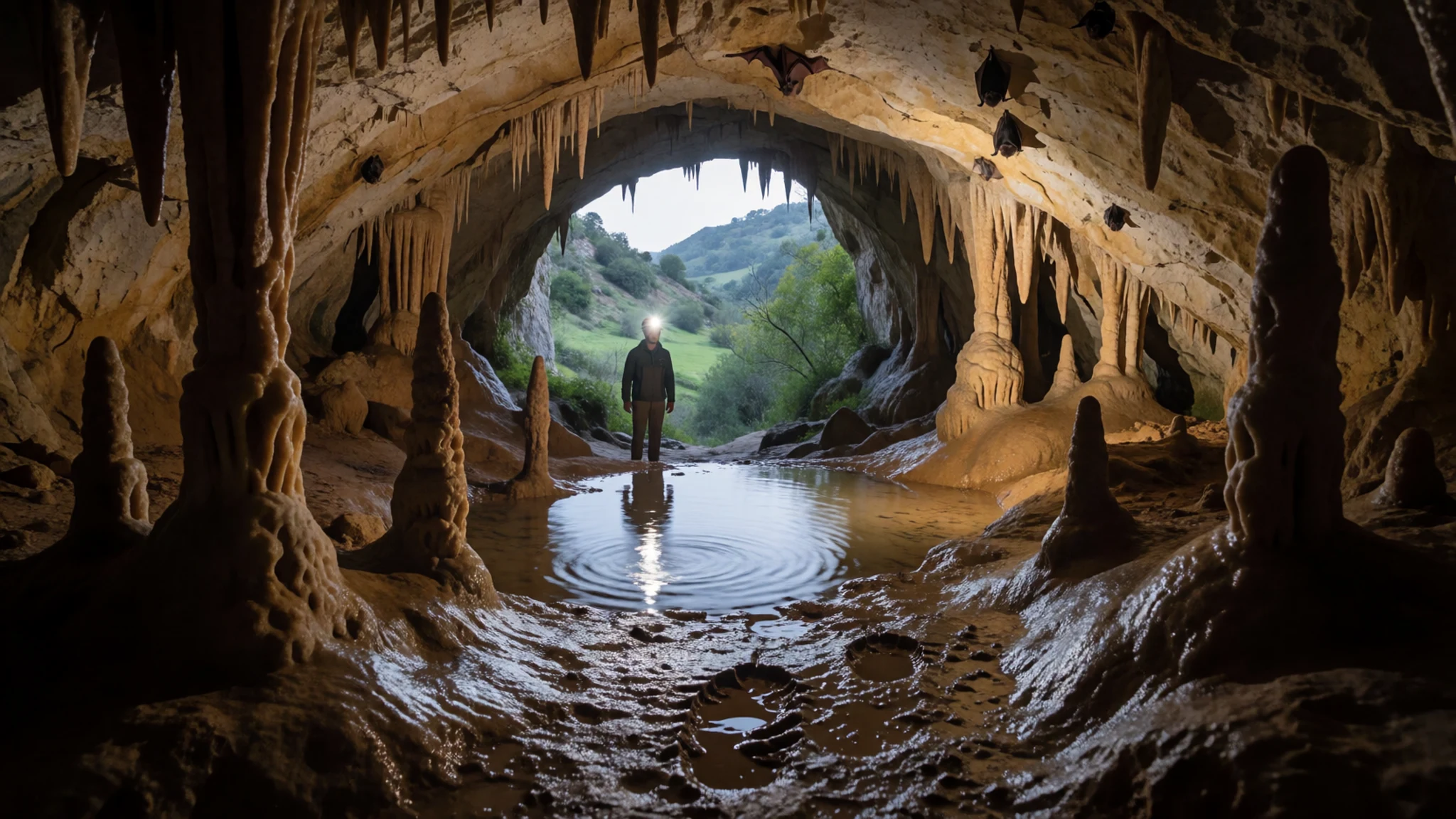
- Parque la Libertad — Town centre
The main square is the town's social centre. Families, students and travellers sit on its benches and steps, and cold drinks from nearby shops are part of the ritual. The cathedral stands beside it. Much of the nightlife is close by, so a room nearby can be noisy at weekends.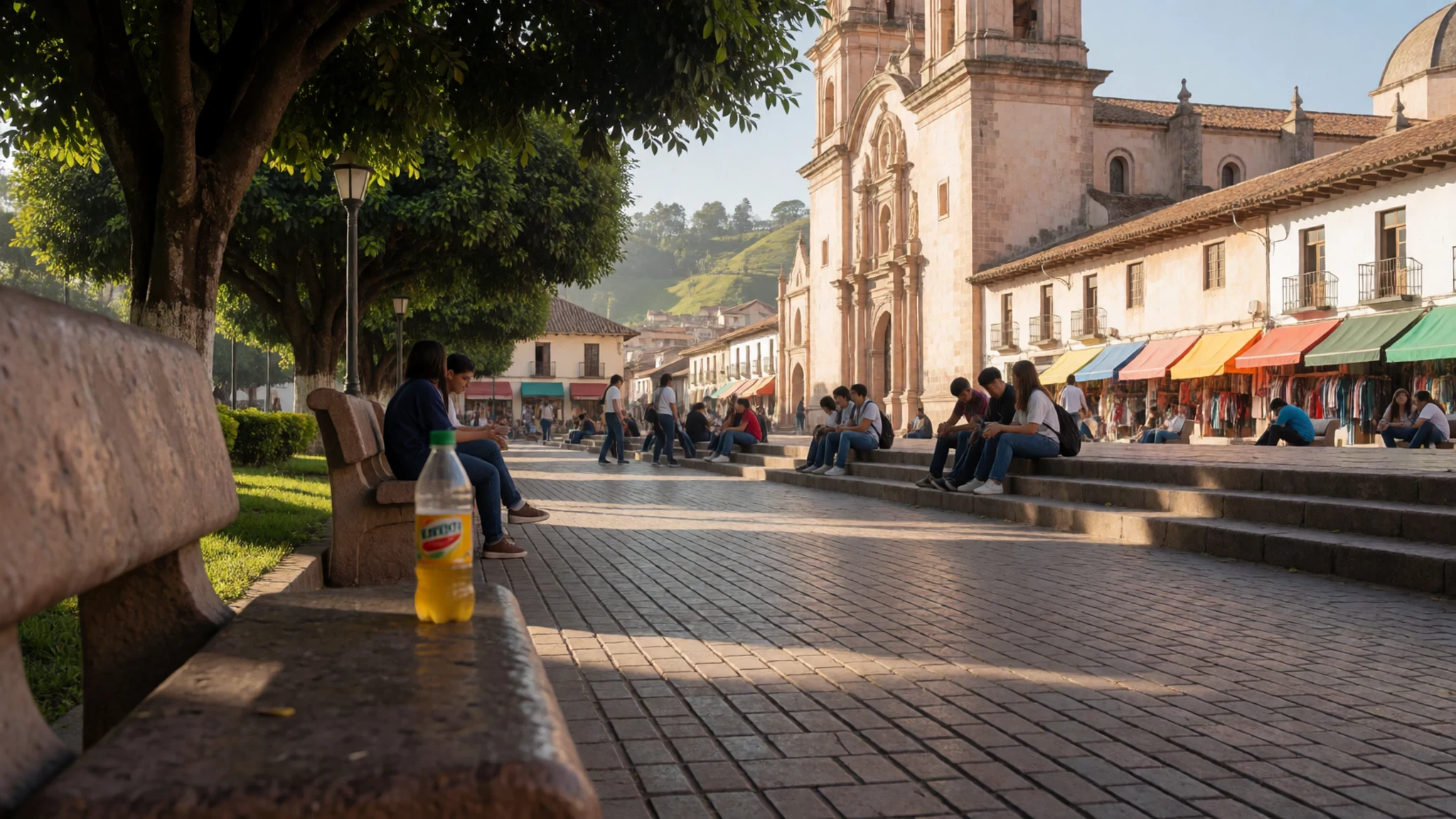
- Chicamocha National Park — Chicamocha canyon, towards Bucaramanga
Parque Nacional del Chicamocha, about an hour from town by road, sits on the rim of a deep canyon. Viewpoints look across the gorge and a cable car crosses it. It is an easy stop on the way to or from Bucaramanga, and the views are best when skies are clear.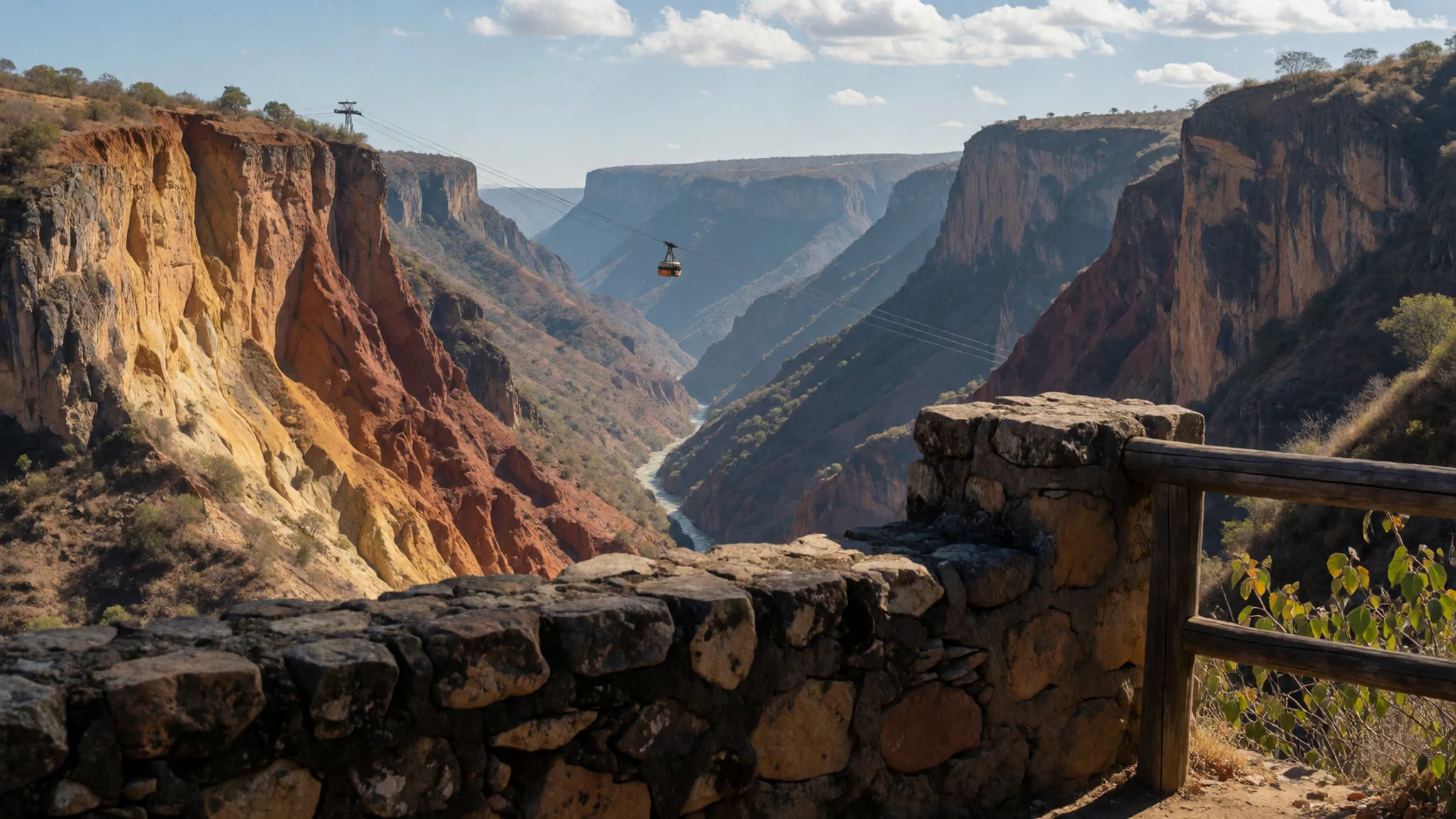
Culture
San Gil is a town of Santander, a department whose people have a reputation across Colombia for being direct, hardworking and proud of their regional food. Daily life gathers around Parque la Libertad, where people meet, talk and watch the evening pass, and where the cathedral reminds visitors that the Catholic calendar still shapes the year. Easter and Christmas fill the town with Colombian holidaymakers, and the same is true of any long weekend, when the pace turns festive and noisy. The adventure trade has added a second culture on top of the first: young guides, kayakers and backpackers, many of them bilingual, who treat the rivers and caves as a shared workplace and hobby. Pride in the surrounding countryside runs deep. The Guane past, colonial villages like Barichara, and craft traditions in nearby Curití all feed a sense that the region's character lies outside the town as much as in it. Politeness counts for a lot in everyday dealings. A greeting when entering a shop or taking a seat at a small eatery is expected, and conversation tends to be warm and unhurried. Cover your shoulders and keep your voice low if you step into the cathedral during a service, and ask before photographing anyone.
What to wear
San Gil has no costume that people wear day to day, and traditional rural dress of Santander now mostly appears at festivals, school events and craft fairs. It grows out of cotton and plant fibre. Cotton weaving has a long history in the region, back to the Guane, and nearby Curití is known for fique, a tough plant fibre made into bags, ropes and sandals. Country men traditionally wore a wide-brimmed straw hat with cotton shirt and trousers, and women full skirts and blouses with a hat against the sun. Everyday wear in town is simple and warm-weather: jeans or shorts, T-shirts, football shirts, trainers or sandals, and something smarter for church and family occasions. Guides and rafters live in quick-drying shorts, wetsuits and river shoes. Visitors should pack light, quick-drying clothes, swimwear, a sun hat and a thin rain jacket, since downpours are common. Sandals with straps or river shoes work for water, and sturdy walking shoes help on cave trails and the cobbles of Barichara. A light layer is useful for cooler evenings. Cover shoulders and knees when visiting churches, and avoid showy jewellery or expensive cameras on show in busy streets.
What to eat
- Hormigas culonas — Market stalls and snack shops around the main square
Large roasted ants, salted and crunchy, with a flavour often compared to popcorn. They are a Santander snack and a rite of passage for visitors. Look for them in small paper bags at market stalls and snack shops, and try a few before committing to a handful.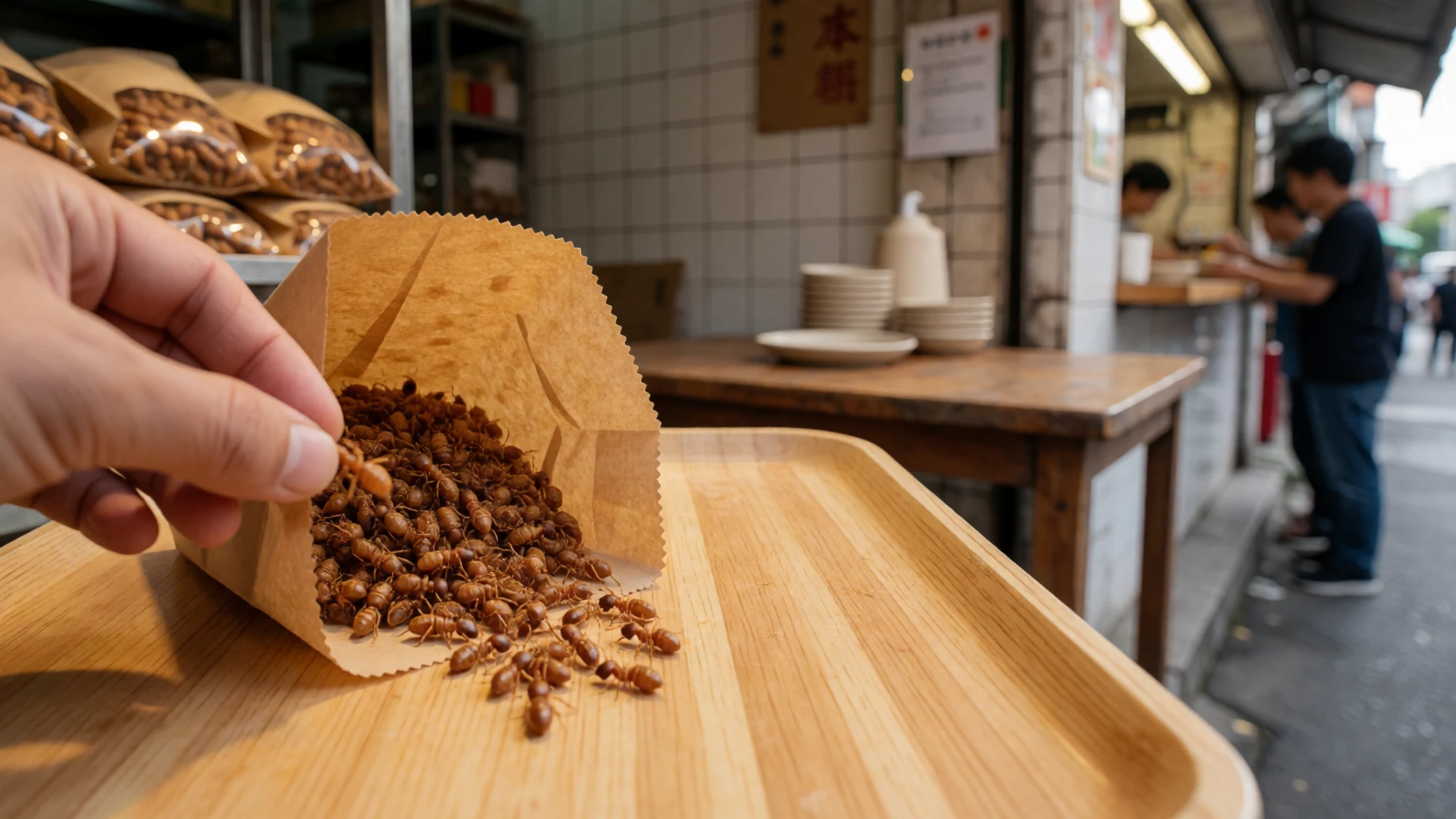
- Arepa santandereana — Bakeries and street stalls in town
A thick corn arepa made with salt and pork, denser and heartier than the thin arepas of other regions. It works as breakfast or a filling snack, often eaten with coffee or a hot drink and found at bakeries and street counters.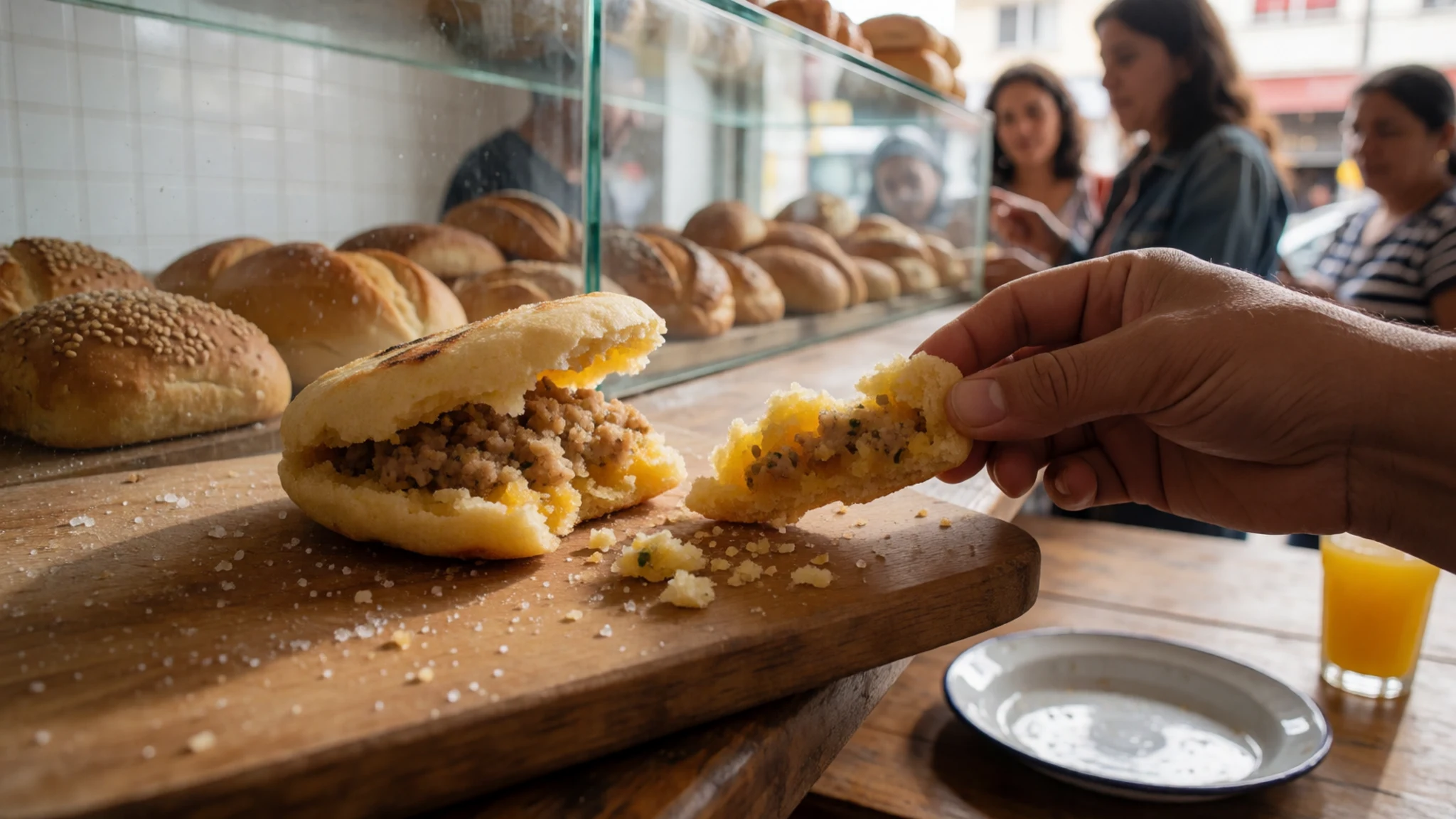
- Carne oreada — Traditional grill restaurants and family eateries
Thin steak that is salted and left to dry in the air, then grilled or fried. The meat is chewy, savoury and strongly flavoured, usually served with potatoes, rice or plantain. It is a regional staple and shows up on most traditional menus. - Cabro — Goat-focused restaurants in and around San Gil
Goat is a regional speciality, served roasted or in stews. The meat is rich and tender when slow-cooked, and some eateries in the area are known mainly for it. It suits a long, unhurried lunch after a morning on the river. - Mute — Local family eateries, especially at weekends
A hearty Santander soup that is often served on weekends and at family tables. It is made with maize and a mix of meats, and it is filling enough to count as a full meal. It is a good choice on a cooler, rainy day. - Set lunch (menú del día) — Simple lunch eateries away from the main square
Small eateries serve a fixed lunch that usually brings soup, a main with rice and beans, juice and often dessert. It is the cheapest and most local way to eat, and a good way to try regional dishes without ordering à la carte.
Plan it
Best time. December to February and July to August are usually the drier spells in the Andean highlands, which suits rafting, caving and walking. The wetter months bring higher rivers and sudden downpours, so check the forecast and ask operators about river conditions. Easter, Christmas and long weekends are busy and expensive.
How long. 2–3
Getting there. The nearest large airport is at Bucaramanga, then a regular bus to San Gil along the Umpalá river valley; sitting on the right-hand side gives the better views. Long-distance coaches from Bogotá, Medellín, Cartagena and other cities arrive at the main bus terminal, and journeys are long, so plan on a full day of travel.
Budget. mid
Tips
- Book rooms well ahead for Easter, Christmas and long weekends, when prices rise and places fill up
- Check the official municipality site for local information: http://www.sangil-santander.gov.co/index.shtml
- Use tour offices near Parque El Gallineral and confirm that rafting guides hold International Rafting Federation certification
- Carry cash for small eateries, buses and market stalls, and bring a rain jacket and sun protection
- Make Barichara a day trip, and walk the old road to Guane in that direction since the other way is uphill
Etiquette
- Greet people when entering shops and small eateries
- Follow guides' instructions strictly on rivers and in caves
- Ask before photographing people, and dress modestly in churches
Nearby
Sources
- Wikidata Q1294128 (CC0)
- Wikipedia: San Gil (rev 1376765347) (CC BY-SA 4.0)
- Wikivoyage: San Gil (rev 5417092) (CC BY-SA 4.0)
- Photo: 20160103 San Gil 1 (Racso) (CC BY-SA 4.0)
- Photo: 20160103 San Gil 2 (Racso) (CC BY-SA 4.0)
- Photo: 20160103 San Gil 3 (Racso) (CC BY-SA 4.0)
- Photo: 20160103 San Gil 4 (Racso) (CC BY-SA 4.0)
- Photo: Ardilla de El Gallineral (Fabiantrd) (CC BY-SA 4.0)
- Photo: Belleza de lo antiguo 09 (Sandra lorena parra granada) (CC BY-SA 4.0)
- Photo: Bus en Terminal San Gil (EEIM) (CC BY-SA 4.0)
- Photo: Buses en Terminal San Gil (EEIM) (CC BY-SA 4.0)


