San Andrés Island
San Andrés Island, Colombia
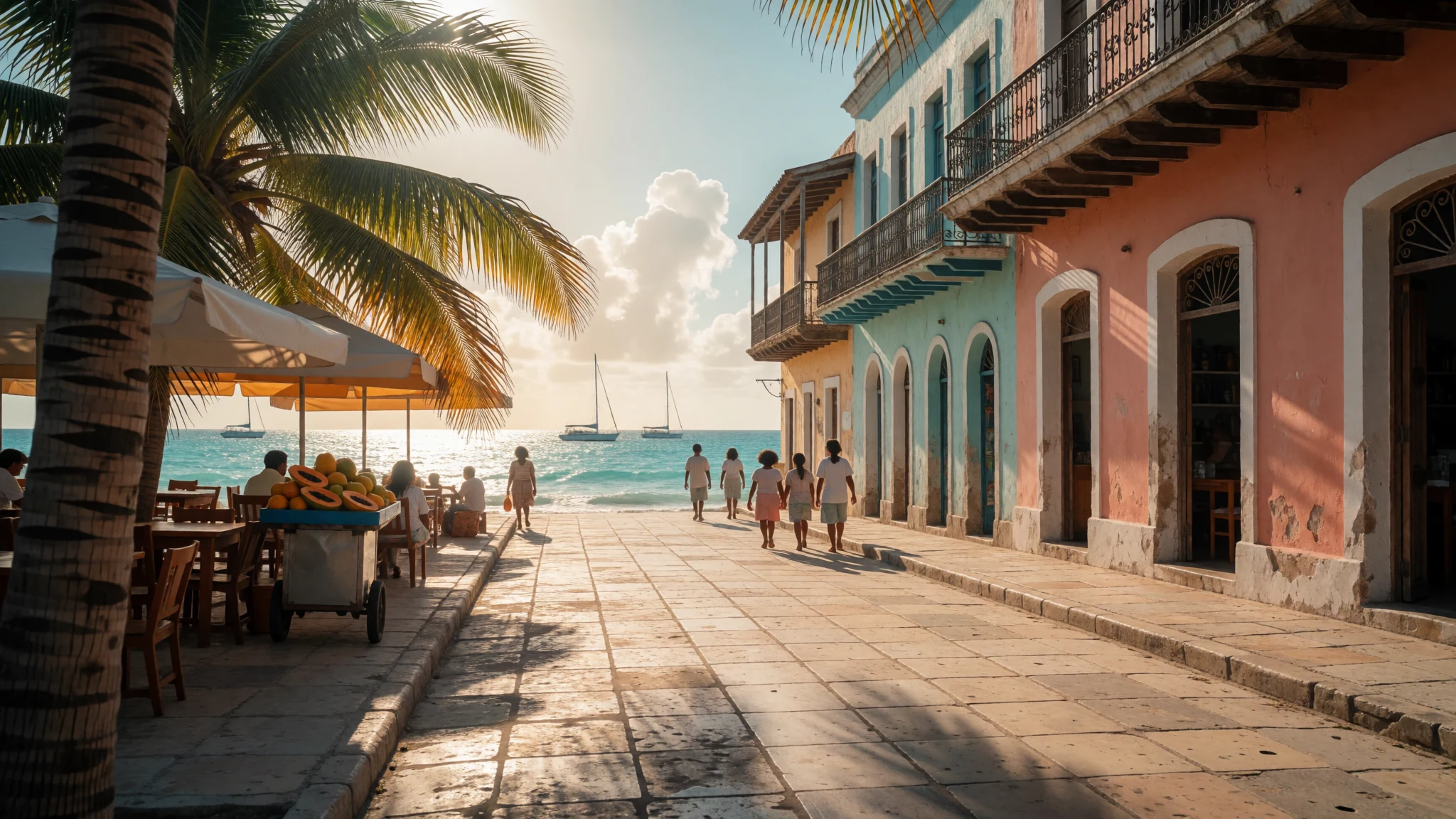
San Andrés Island is a low, palm-covered Caribbean island that is Colombian by law and English-Creole by heritage, with reef-filled turquoise water.
The place
San Andrés Island sits in the western Caribbean, about 710 km north-west of mainland Colombia and 180 km off the coast of Nicaragua. That distance explains much of its character: the island is governed from Colombia but shaped by an English-speaking Creole heritage. It covers 27.586 square kilometres, with a coastline of 36.12 km, so a full lap by scooter or bicycle fits into half a day. The land is low and gentle. The mean elevation is 19 m and the highest point reaches about 61 m, so there are no mountains, only a central ridge, coastal flats and a great many coconut palms. About 66% of the island is under tree cover, mostly evergreen forest. The town at the northern tip is the capital of the archipelago's department and home to 71,946 people. It is where the airport, the duty-free shops, the guesthouses and the resorts cluster. Tourism, fishing and farming carry the economy. Offshore, coral reefs and protected waters belong to the Seaflower marine reserve, which is why snorkelling and diving matter so much here. The climate is tropical monsoon, bordering on savanna: hot, humid and given to sudden heavy downpours, with the drier months the easier ones for beach days. Holiday weekends bring crowds from the Colombian mainland, and the northern strip near the pedestrian promenade gets loud and busy. The southern and eastern coasts are calmer, and an hour on the ring road is enough to feel the difference.
Its story
San Andrés Island passed through many hands before it became Colombian. European settlers arrived in the 17th century, and for more than 200 years the island was contested between English and Spanish interests, with control shifting more than once. English-speaking Protestant settlers and the enslaved Africans brought to work the land left the Creole language and Baptist faith that still mark the Raizal community today. Diplomacy settled the question in the end. After the Peace of Paris in 1783, the Convention of London in 1786 had England recognise Spanish sovereignty. Spanish rule did not last, and in 1822 the islands were occupied by Colombia, whose central government took over their administration in 1866. In 1868 they were grouped with Providencia and Santa Catalina as a separate territory, and San Andrés was named its capital in 1912. Constitutional changes in 1991 turned that territory into a full department, with the town as its seat. Pirate legend clings to this coast as it does to much of the Caribbean. Stories of the privateer Henry Morgan hiding treasure in a sea cave are told to visitors with relish, but they are best taken as local folklore rather than documented history. The more reliable inheritance is cultural: a Creole language that sounds like English with a Caribbean lilt, Baptist hymns on Sundays, and a community that has kept its identity through centuries of changing flags.
What to see
- Paseo Peatonal — San Andrés town, northern tip
The Paseo Peatonal is the pedestrian street running through the commercial heart of San Andrés town, lined with duty-free shops, cafés, tour desks and street vendors. It is the practical starting point for boat trips, souvenirs and people-watching, and it is liveliest in the evening. Expect crowds at holiday weekends, and keep valuables close, as in any busy tourist street.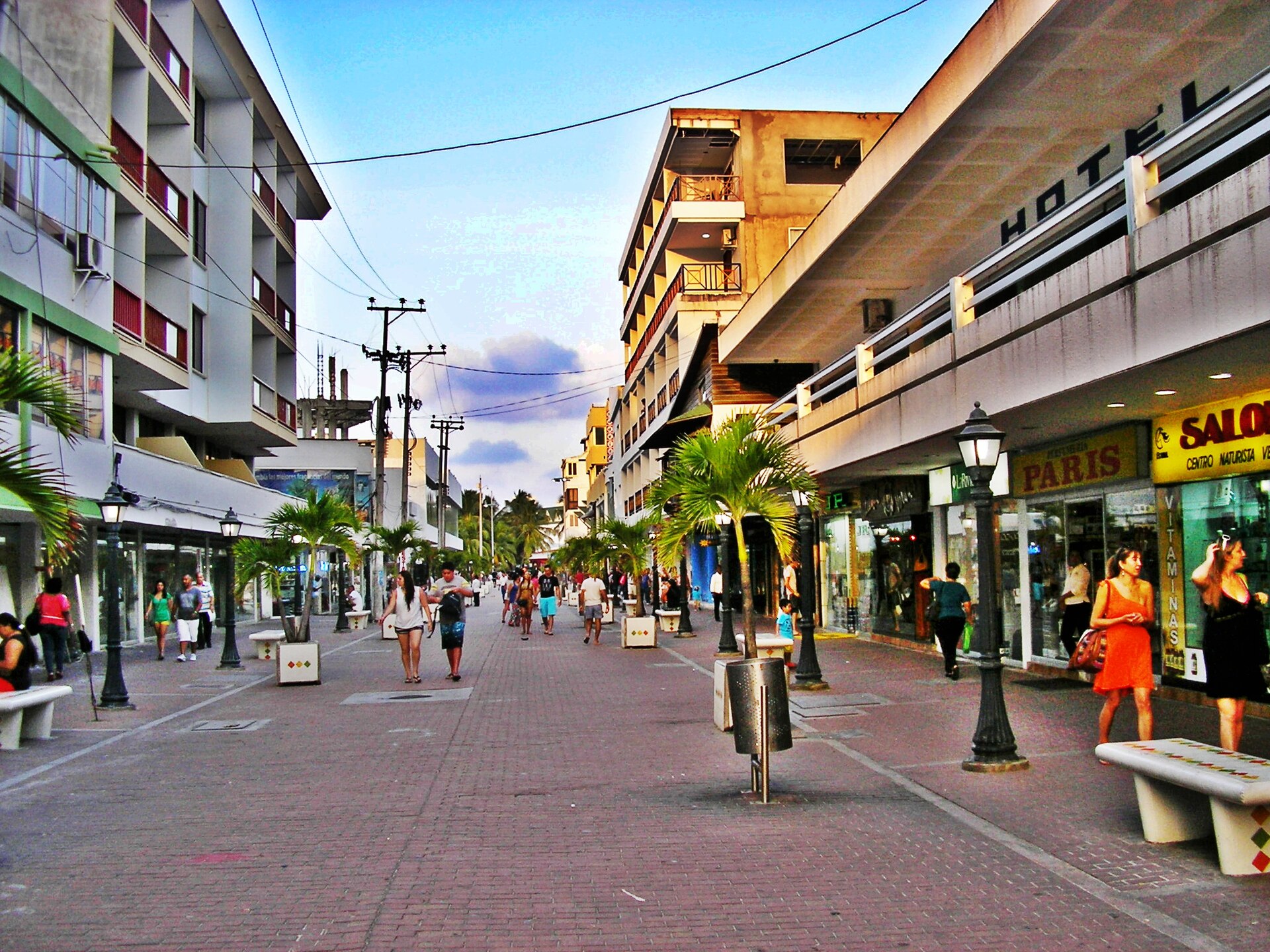
- Johnny Cay — Offshore, north of the town
Johnny Cay is a small sandy islet with palms, a short boat ride off the northern tip of San Andrés Island. Day boats leave from the town beach area, and the cay can be packed at weekends, with music, beach bars and fresh seafood. Snorkelling in the shallows suits calm days; go early or late to avoid the crush. - Hoyo Soplador — Southern tip of the island
At the southern end of San Andrés Island, the Hoyo Soplador is a natural blowhole where waves force seawater up through a gap in the coral rock. It performs best when the sea is rough and the wind is up, and can disappoint on a flat day. Stay behind any rope or marker, because the rock is slippery and the spray is strong. - La Loma and Raizal houses — La Loma, central ridge
La Loma, along the island's central ridge, is the heart of Raizal heritage, with wooden houses, deep verandas and a Baptist church that still draws a Sunday congregation. Walk slowly, listen for Creole English, and treat the houses as homes rather than exhibits. Small heritage museums offer context; check opening arrangements locally before making a special trip.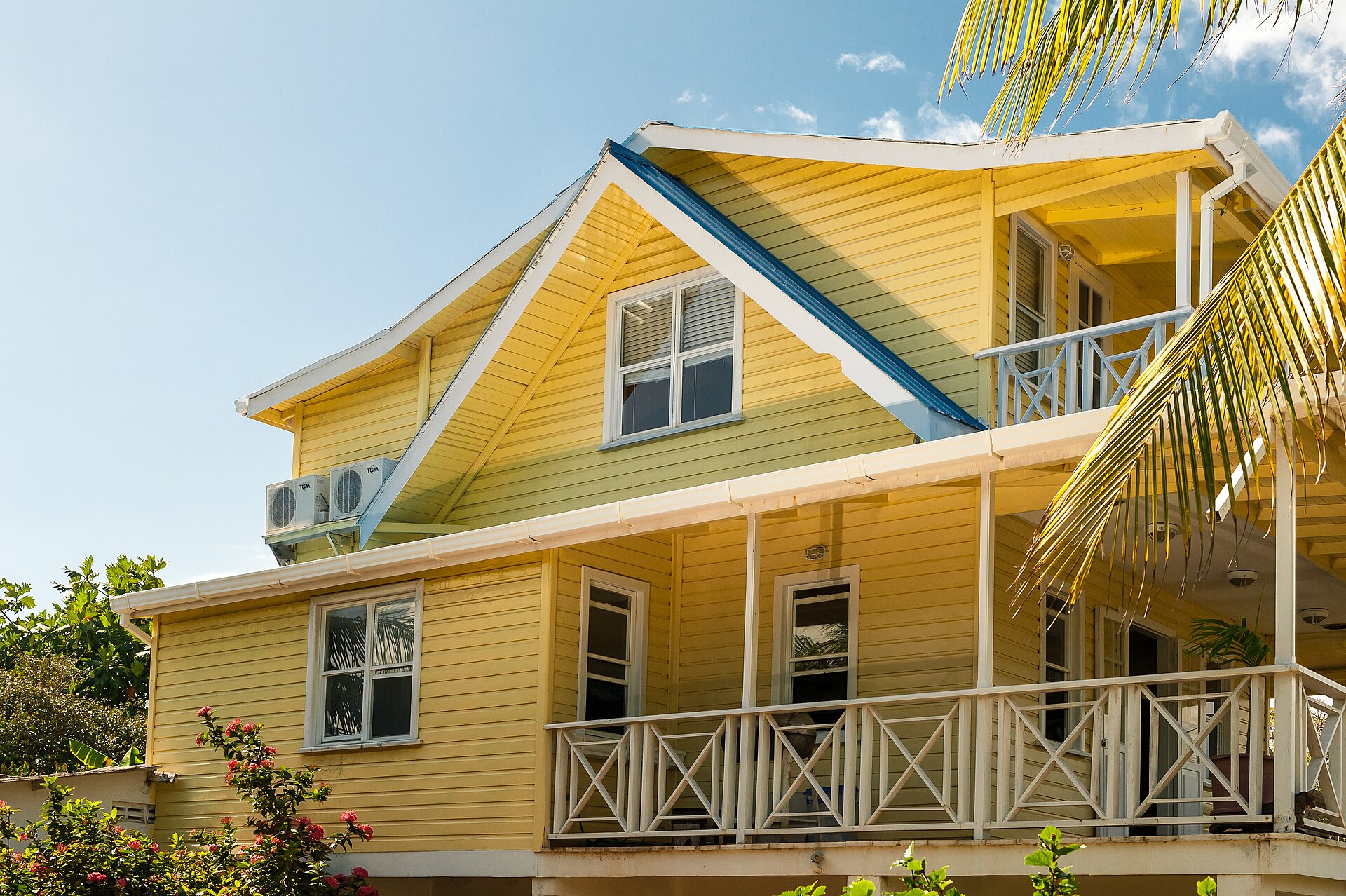
- San Luis and the east coast — San Luis, east coast
San Luis, on the island's eastern coast, is a quieter district of beaches, small guesthouses and the church of San Luis. The sea here is often livelier than on the sheltered western side, so check conditions before swimming. Rent a bicycle or scooter and follow the coast road, stopping at roadside stalls for fresh coconut water.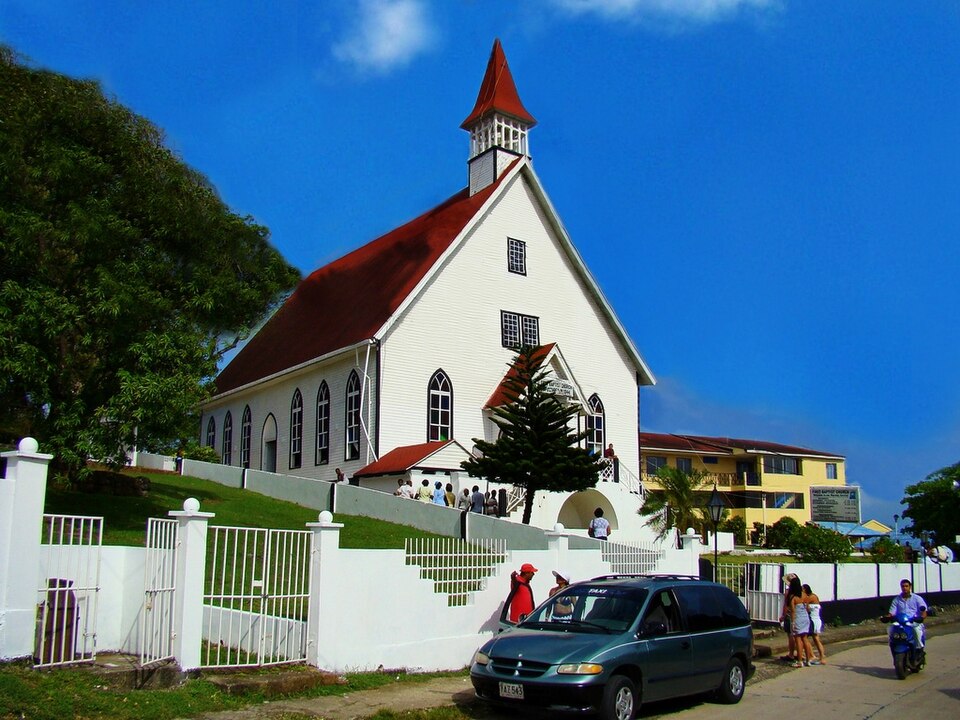
Culture
San Andrés Island holds two cultural layers side by side. The Raizal community, descended from English-speaking Protestant settlers and enslaved Africans, speaks an English-based Creole at home, worships mostly in Baptist churches and keeps its own music, food and strong sense of identity. Alongside them live many residents who moved from the mainland, so Spanish is the language of shops, offices and airlines, and Colombian habits of formality apply. Please and thank you are expected everywhere, and strangers are usually addressed as señor or señora until first names are offered. Colombians are often sensitive about their country's reputation for violence, so tactless remarks land badly, though people open up once they feel at ease. Sundays have a different rhythm in the church districts, with hymns carrying over the hills, and the calendar fills out around Colombian national days, when independence celebrations bring parades and street events. Island politics, including the relationship with the mainland and the sea border with Nicaragua, is a topic on which locals hold firm views, and listening usually goes down better than offering opinions. Music on the island ranges from reggae and calypso to the vallenato and salsa that arrive from the mainland, depending on the beach or bar. Greet people with a polite buenos días before asking for anything, and ask before photographing residents or worshippers, keeping voices and music low near churches on Sundays.
What to wear
San Andrés Island's traditional dress comes from its Protestant, English-speaking Raizal heritage rather than from a single festival costume. Church clothing is the clearest tradition: women in long, modest dresses of cotton or similar light cloth, often with a hat, and men in pressed light shirts and trousers, still seen on Sundays in the church districts, although exact styles vary by family and are thinly documented. Bright cotton prints and crochet work turn up at cultural events. Day to day, most people dress for heat and humidity: shorts, vests or short-sleeved shirts, flip-flops and sandals, with swimwear and cover-ups at the beach. Dress gets smarter for church, offices and evening meals but is rarely formal. Visitors should pack light, quick-drying cotton or linen, a wide-brimmed hat, sunglasses and a strong sunscreen, preferably reef-safe, since the sun is fierce and the reef is protected. Water shoes help on rocky shores and cays, where sea urchins and sharp coral can hurt. A thin rain jacket covers sudden downpours, and a dry bag protects phones and cameras on boat trips. Cover shoulders and knees for church visits and for walking through town beyond the beach, and carry insect repellent for the evenings.
What to eat
- Rondón — Family-run eateries outside the main tourist strip
Rondón, sometimes called rundown, is the island's signature stew: fish, sometimes shellfish, simmered in coconut milk with yam, plantain and dumplings. It is slow food with deep Creole roots. Look for it at family-run eateries, especially in the quieter southern and eastern districts. - Fried fish with coconut rice and patacones — Beachfront shacks along the west and south coasts
A whole fried fish served with coconut-flavoured rice and flattened, twice-fried green plantain is the standard beach meal, in line with the coastal Colombian habit of cooking rice in coconut. Beachfront shacks serve it all day; ask what was caught that morning. - Ceviche and shrimp cocktail — Busy seafood stalls near the town beach
Raw fish or shrimp cured in lime juice, with onion and coriander, makes a cool lunch in the island heat. Quality varies with freshness, so choose busy places where the turnover is high, and eat it soon after it is served. - Pan de coco and coconut sweets — Neighbourhood bakeries and market stalls
Coconut bread, coconut cakes and chewy coconut sweets are everyday island baking, often still warm when sold. They pair well with strong coffee and make good gifts to carry home, though the sweets can be sticky in the heat. - Agua de coco — Beach vendors and roadside stalls around the ring road
Cold coconut water, drunk from the nut with a straw, is the simplest refreshment on the island and sold almost everywhere there is shade. Vendors will usually split the nut afterwards so the soft flesh can be eaten with a spoon.
Plan it
Best time. December to April is the easier stretch, with less rain and lower humidity than later in the year, when the tropical monsoon climate brings heavy downpours and heat. Colombian holiday periods such as Christmas, Holy Week and the mid-year school break fill the island and push up prices, so book well ahead if travelling then.
How long. 3–4
Getting there. Fly to the island's airport from Bogotá or other mainland Colombian cities; the island is about 710 km from the mainland, and flights are the practical option. From the airport, the town is a short taxi or shuttle ride, and the ring road takes visitors anywhere else.
Budget. mid
Tips
- Check entry rules early: UK passport holders are on the visa-free list for tourist stays of up to 90 days, while Indian passport holders should check with the Colombian foreign ministry before booking
- The island may require a tourist card on arrival, so check the official Colombian and island authority sites before you travel
- Book boat trips to Johnny Cay and the reefs a day ahead in busy periods, and go early to avoid the crowds
- Carry some cash for small stalls and taxis, as card machines are not universal outside the town
- Use strong sun protection and drink plenty of water, as the heat and humidity are tiring
Etiquette
- Do not touch or stand on coral and keep sunscreen reef-safe
- Ask before photographing residents, worshippers or private houses
- Say please and thank you in Spanish, and greet people before asking questions
Nearby
Sources
- Wikidata Q134678 (CC0)
- Wikipedia, San Andrés, San Andrés y Providencia (rev 1384031487) (CC BY-SA 4.0)
- Wikivoyage, Colombia (rev 5434644) (CC BY-SA 4.0)
- Photo: Panorama de San Andrés Isla, Colombia, Mr.Jhosimar (CC BY 3.0)
- Photo: Casa típica de la Isla de San Andrés, Mario Carvajal (CC BY 3.0)
- Photo: Casa con arquitectura típica de la Isla de San Andrés, Mario Carvajal (CC BY 3.0)
- Photo: Paseo Peatonal, Mr.Jhosimar (CC BY 3.0)
- Photo: Isla de San Andres en Colombia, I.D. R.J. (CC BY-SA 2.0)
- Photo: La iglesia de San Luis en las islas de San Andrés Colombia, Jimysantandef (CC BY-SA 2.0)
- Photo: Physical Location map of Colombia, Grundkarte Milenioscuro / Relief Alexrk2 (CC BY 3.0)
- Photo: Celebration Independence Day, Parade, National Police of Colombia (CC BY-SA 2.0)


