Samsun
Samsun, Turkey
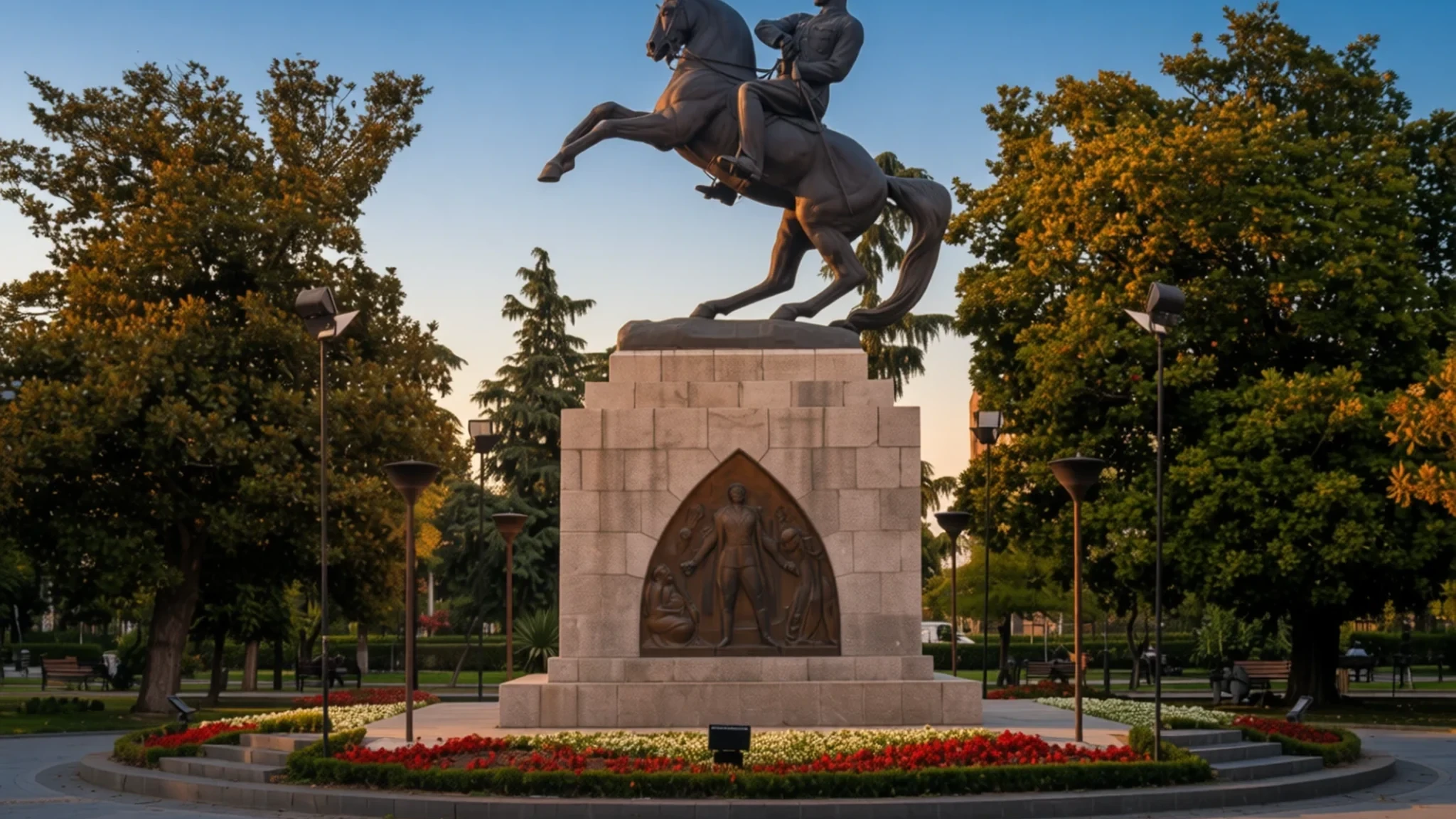
Samsun is a working Black Sea port where Atatürk began the independence movement, with museums, good pide and a rarely visited coast.
The place
Samsun is a long, narrow city strung along Turkey's northern coast, with about 1.4 million people in the wider metropolitan area. It sits at roughly 20 metres above sea level, between the deltas of two rivers: the Kızılırmak, the Red River, to the west and the Yeşilırmak, the Green River, to the east. Those fertile flats explain why people have settled here for thousands of years.
This is a port and an industrial centre first, and a resort a long way second. Apartment blocks and shopping malls keep rising, land is being reclaimed from the sea, and factories are gradually being pushed eastward towards the airport. The result is a modern, slightly utilitarian city rather than a pretty one, and it is more honest for it. There is a university, an opera house, a football club with a loyal following, and a seafront promenade where families walk in the evening.
Samsun matters in Turkish memory because Mustafa Kemal Atatürk landed here in 1919 and set the War of Independence in motion. Much of what a visitor sees is organised around that story, from the steamer replica to the museums.
Samsun is also a useful gateway. The route inland towards Cappadocia is ancient, and the rest of the Black Sea coast runs east towards Trabzon. Expect mild, damp weather, few foreign tourists, and a city that is happy to be looked at without any fuss.
Its story
Samsun's history begins well before the Greeks. Stone Age tools from the Tekkeköy caves are kept in the local archaeology museum, and the mound of Dündartepe shows layers of village life from the Chalcolithic, the Early Bronze Age and the Hittite period.
The city we know grew from Amisos, a colony founded by Ionian Greeks from Miletus. Settlers were drawn by good farmland and shallow, sheltered water, and they traded with the peoples of inland Anatolia. Archaeological evidence for early Greek activity along this coast is thin, so some of the story rests on tradition and later writers.
After that, the city passed through many hands: Phrygians, Persians, Alexander's Macedonians, the Kingdom of Pontus, Rome and Byzantium. Seljuks, the Danishmend dynasty, the Sultanate of Rum, the Ilkhanate and the small Eretna state followed, and from around 1428 the Ottomans held it until the empire ended in 1922. The Turkish Republic has governed it since 1923.
The moment that defines the modern city came in May 1919. Atatürk arrived on a small steamer, the Bandırma, and began organising resistance from this coast. Samsun, a provincial port, became the first chapter of a national movement. Museums here still tell that story in photographs, maps and personal belongings.
What to see
- Replica of the SS Bandırma — Port area
The Bandırma was a small freighter and passenger ferry built in Paisley in 1878, and the steamer that carried Atatürk to Samsun. The replica lies near the port, and it is easy to see how modest the vessel was for such a consequential journey. A short, atmospheric stop.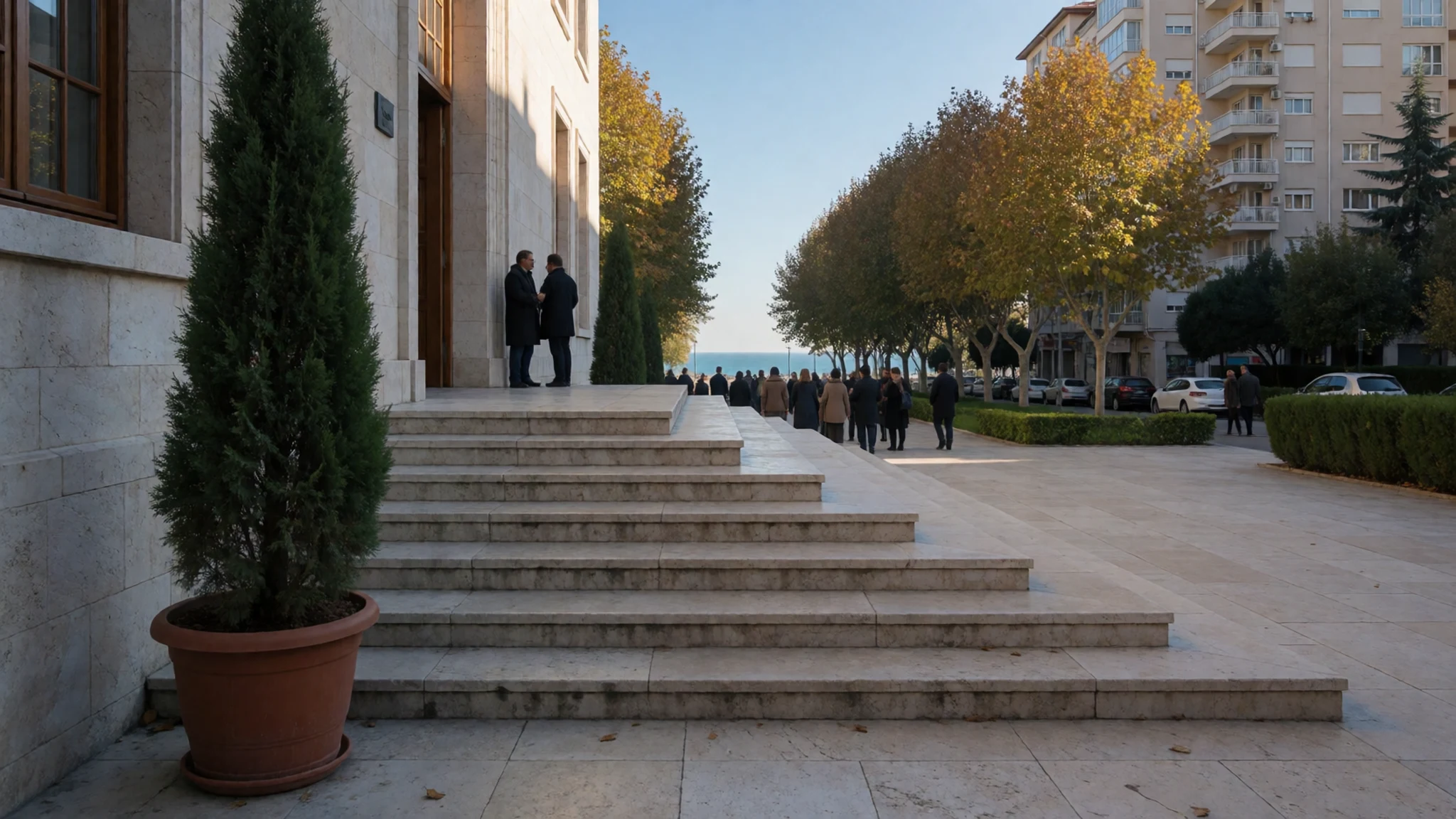
- City Museum — City centre
This building once served as a hotel where Atatürk stayed, and later housed railway construction workers. It reopened in 2011 as a museum of the city's own history, a good first stop to place the port, its people and its changing waterfront in context before exploring further.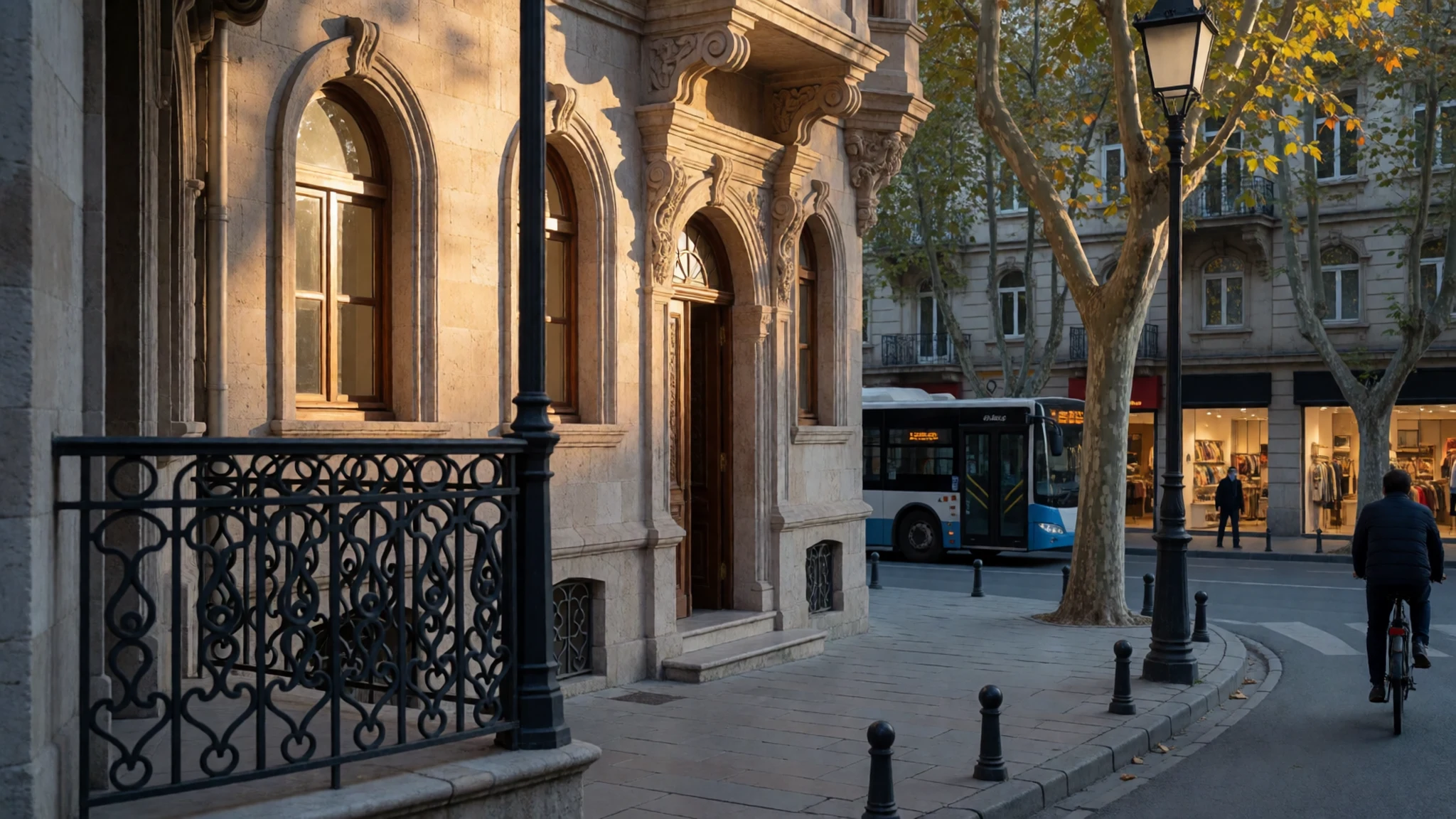
- Veterans Museum (Gazi Museum) — Central Samsun
The word gazi can also mean hero, and this museum follows Atatürk's activities in Samsun through old photographs, maps and personal items. It is a compact collection, best for visitors curious about 1919 and how a coastal landing became the start of a national movement.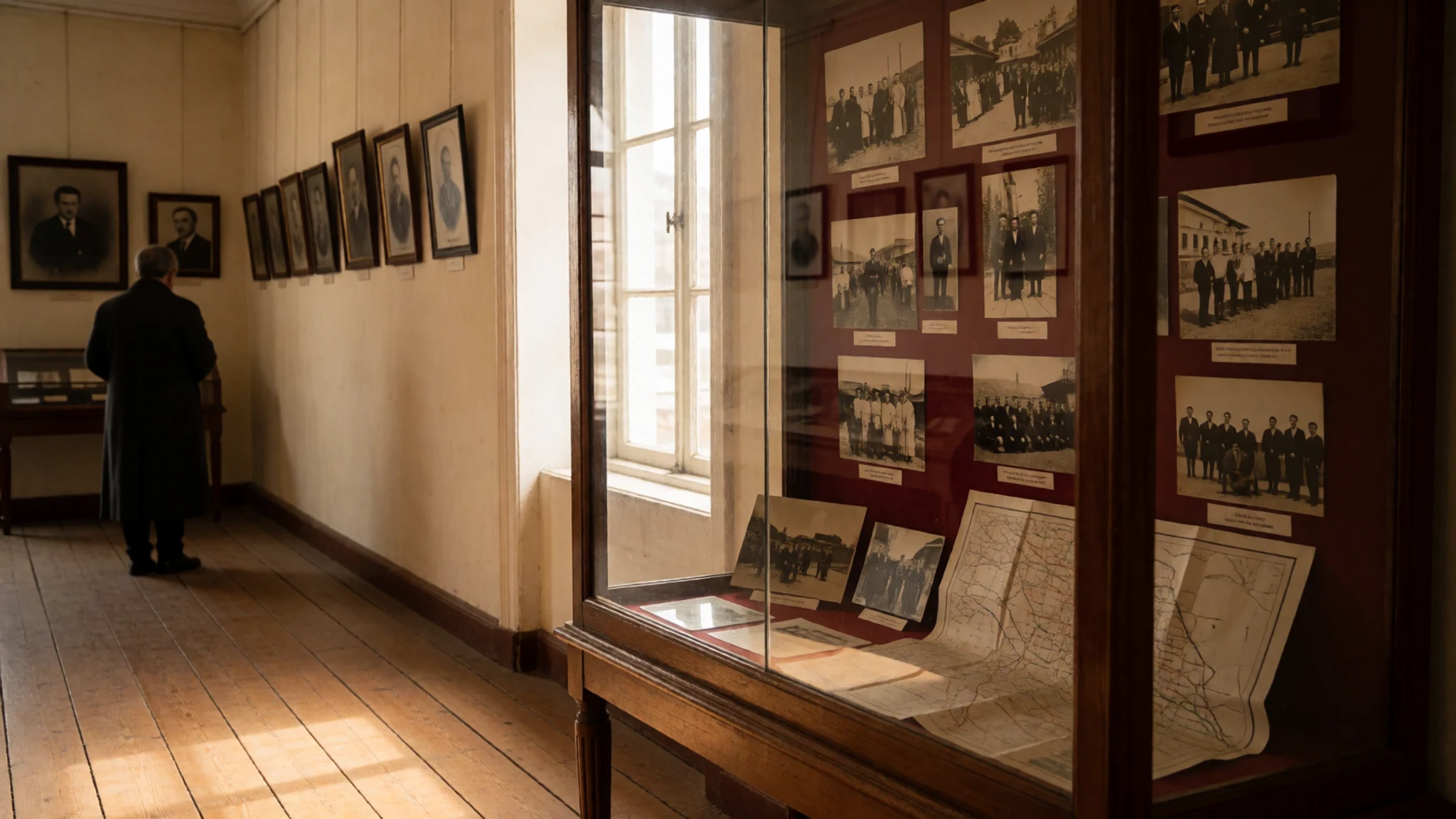
- Archaeology and Atatürk Museum — City centre
The archaeological half displays objects found around Samsun, including the Amisos treasure, while the Atatürk half holds photographs of his life and some of his belongings. Mosaics and Phrygian-period pieces help connect the modern port with its Greek and Anatolian past.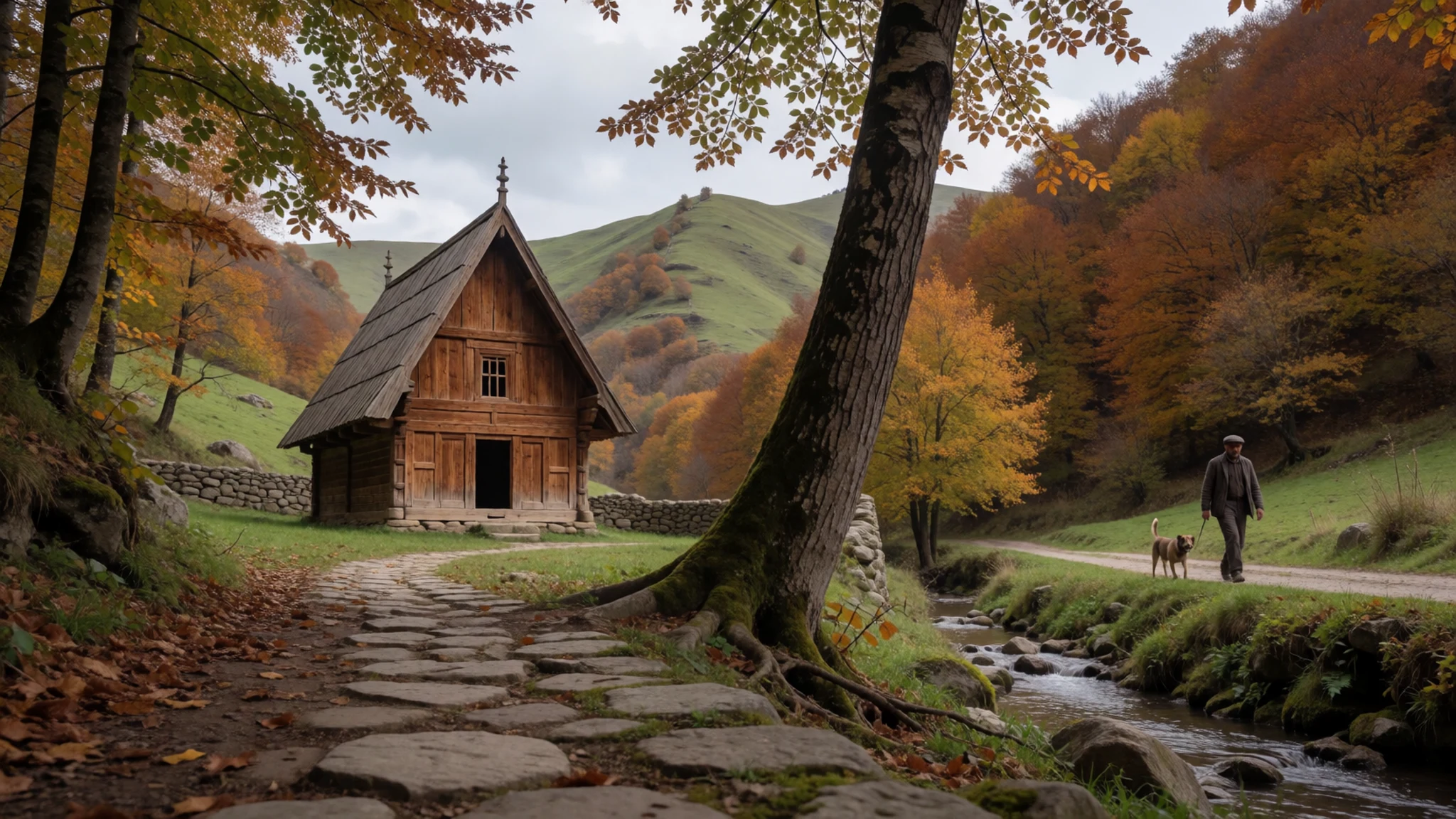
- Göğceli Mosque — Countryside east of Samsun
A timber mosque in the countryside east of the city, built in 1206 and put together without a single nail. With its wooden shingles and steep roof it looks more like an Alpine chalet than a mosque. It needs a car or a taxi, so allow half a day.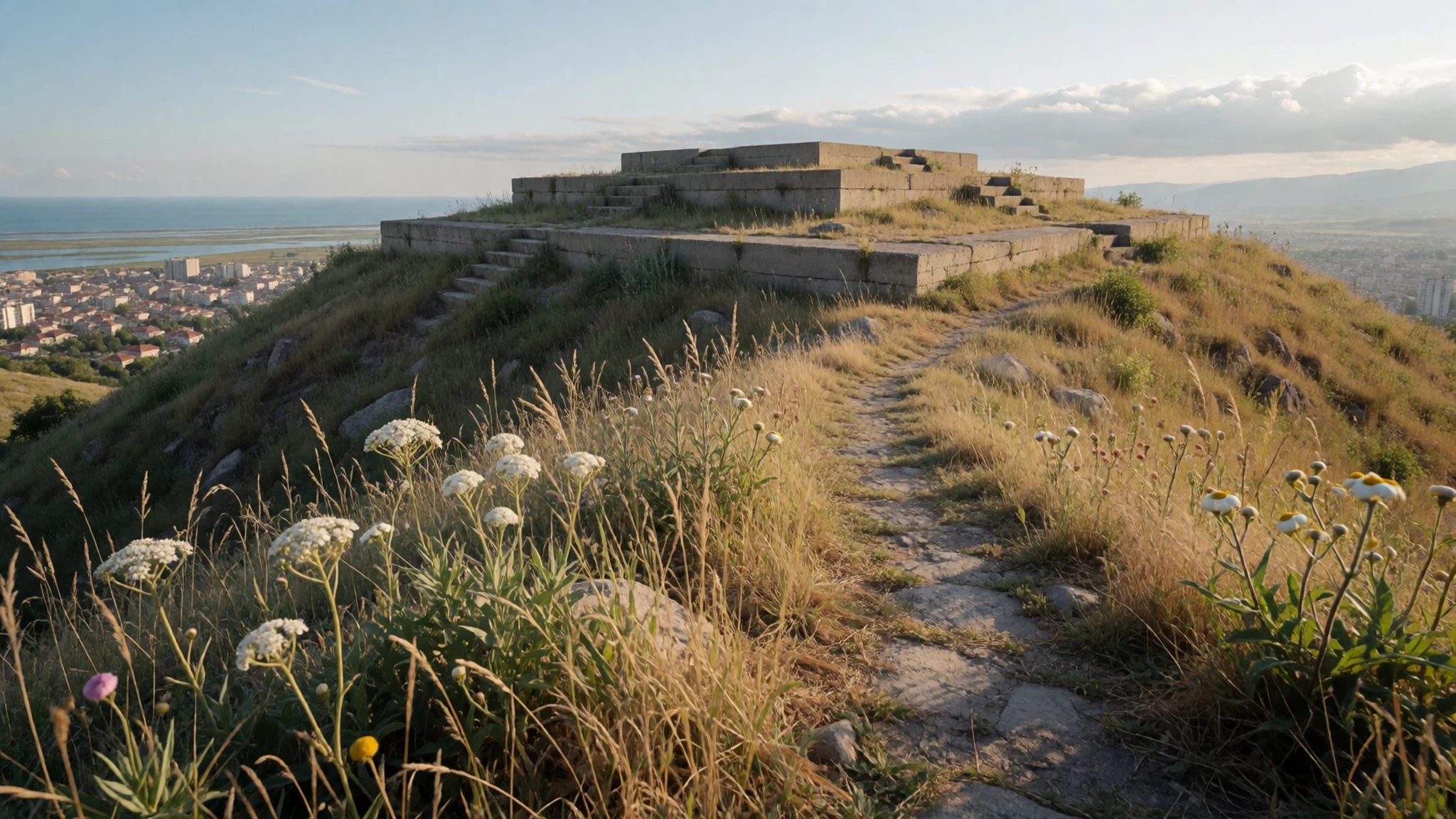
- Toptepe Tumulus — Eastern Samsun
A hill on the eastern side of the city with views over the coast. Abandoned concrete structures hint at an old plan to turn it into an attraction. It is quiet and slightly melancholic, and suits a walk at sunset rather than a long visit.
Culture
Samsun's culture is shaped by its role as a port, by the memory of 1919 and by a determined civic pride. The Atatürk Culture Centre, a building shaped rather like a ski jump, hosts concerts and the Samsun State Opera and Ballet, founded in 2009. The company has taken productions of Mozart and Puccini to festivals in Istanbul and Aspendos, and its repertoire includes La bohème, La traviata and Giselle. For a Black Sea city of this size, that is an unexpectedly serious cultural life.
Museums here lean toward the national story. Photographs, maps and personal belongings of Atatürk recur across several collections, and local people treat the subject with real feeling. Alongside that sits older material: Hittite, Phrygian, Greek and Roman objects pulled from the surrounding delta lands.
Daily life is relaxed and sociable. Families stroll the seafront in the evening, tea is served in small glasses, and football matters, with Samsunspor a source of intense loyalty. Hospitality towards visitors is genuine, and curiosity about where you are from is common, since foreign tourists are still few.
When visiting Atatürk museums and monuments, speak and behave respectfully, as Turks hold him in deep reverence, and avoid joking about him or leaning on displays.
What to wear
Samsun's traditional dress belongs to the wider Black Sea tradition. Historic photographs from the Ottoman era, including postcards of Laz costume, show embroidered jackets, sashes, woollen garments and headcloths, with horon dance costumes still seen at festivals and folk performances. These are worn on special occasions rather than daily.
Everyday clothing today is much like any Turkish city: jeans, shirts, jackets and dresses, with smart-casual dress for the opera and for evenings out. Some women wear headscarves, particularly in older neighbourhoods and the countryside, while many do not, and both are entirely normal. Students from the university give the centre a youthful look.
Visitors should dress for a mild, damp climate. A light waterproof jacket is wise in any season, and layers suit changeable coastal weather. Summer is warm and humid, so breathable cotton helps. Winters are cool and wet, so bring a warmer coat. Comfortable, grippy shoes suit wet pavements and promenade walks.
For mosques, including the wooden Göğceli Mosque, cover shoulders and knees, and bring a scarf for women to cover the hair. Shoes come off at the door. Beachwear belongs on the beach rather than in town.
What to eat
- Kıymalı pide — Any pide salonu in the city centre
The favourite filling among locals: minced beef cooked with onions and spices, sometimes parsley, then baked into the dough. The crust is thin and notably crisp, and it often arrives topped with butter. Order it hot from the oven.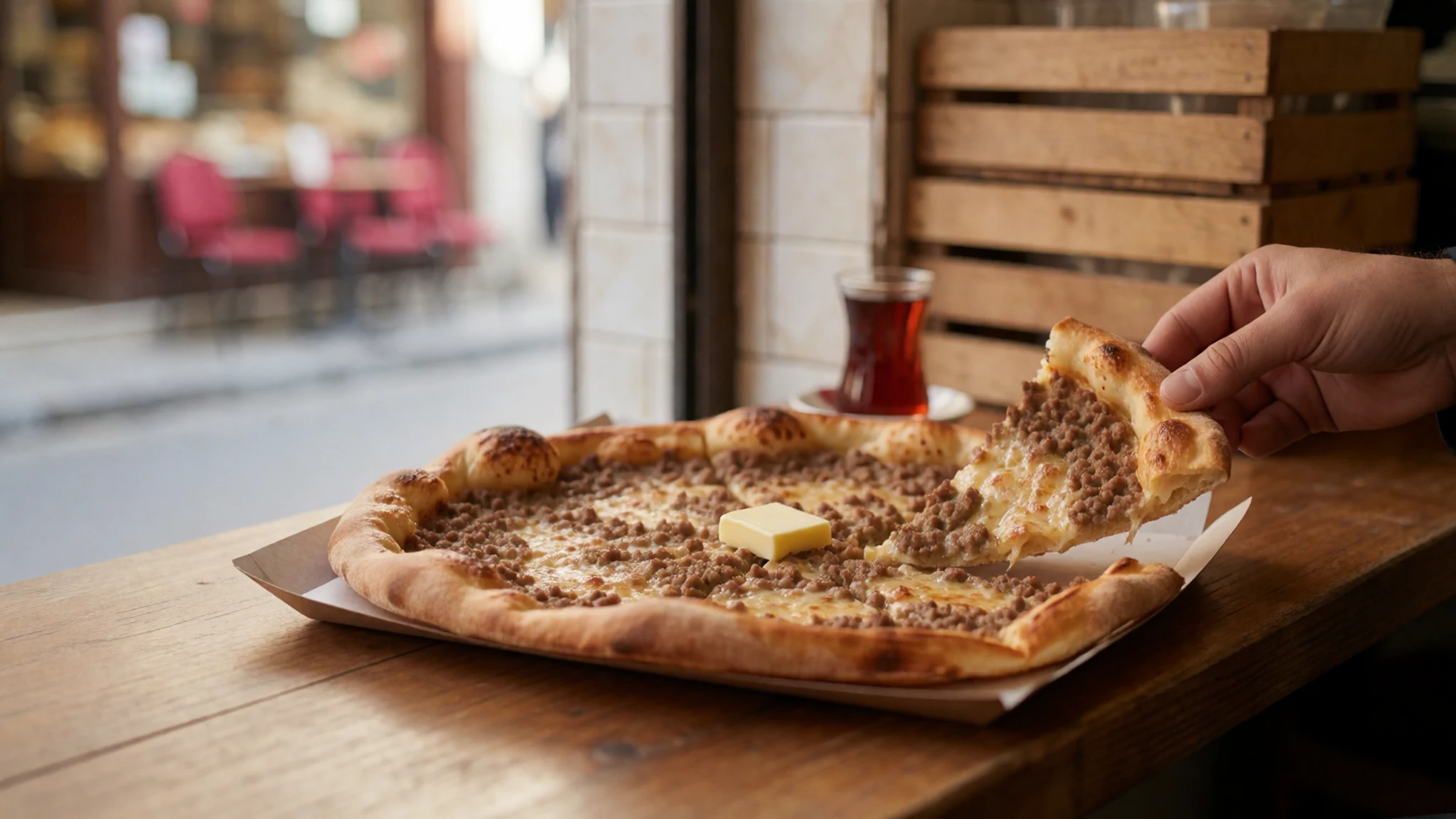
- Kapalı pide — Neighbourhood pide eateries
A covered pide, folded over into a closed parcel rather than left open like a boat. The dough puffs and browns as it bakes, and the filling stays hot and juicy inside. It is a filling meal for one, so come hungry.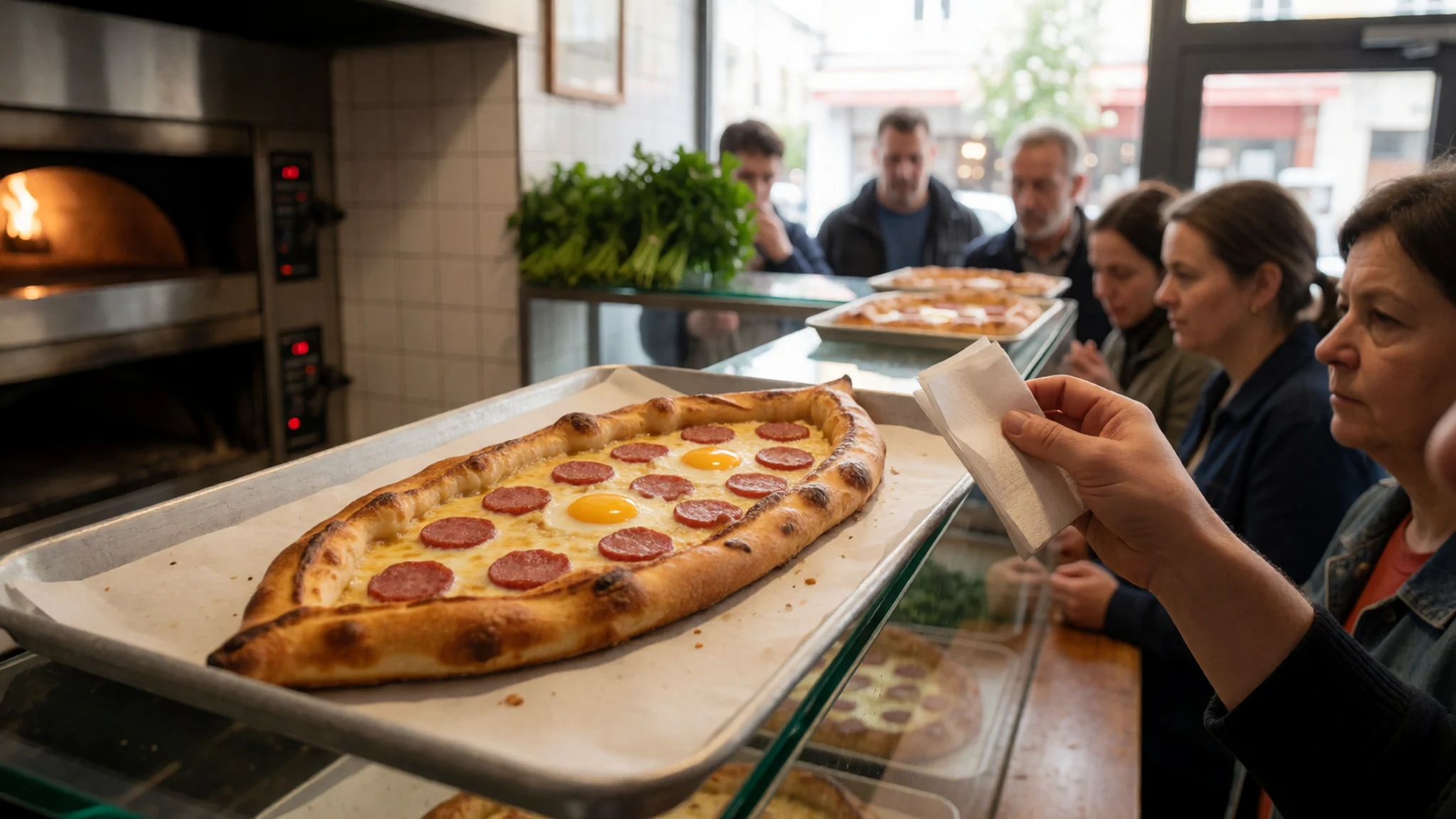
- Peynirli-yumurtalı pide — Pide eateries and bakeries across town
Pide topped with cheese and egg, a gentle, comforting choice and popular at breakfast or lunch. The egg is often cracked on top near the end of baking, so the yolk stays soft. Good for anyone avoiding meat. - Pastırmalı and sucuklu pide — Casual pide places, especially at lunchtime
Two meaty versions with egg: one with spicy cured beef, pastırma, the other with Turkish garlic sausage, sucuk. Both are salty, rich and full of flavour. Share one between two if you plan to try other dishes too. - Terme and Bafra pide — Specialist pide restaurants in the city and nearby towns
The best known regional varieties are named after nearby Terme and Bafra, and Samsun's own pide is a point of local pride. Ask for the style the eatery is known for and compare the thickness and crunch of the crust.
Plan it
Best time. May–June and September–October, when the coast is mild and the sea is warm enough to enjoy; July and August are humid, and winter is cool, grey and wet.
How long. 2
Getting there. Samsun has an airport east of the centre, with onward transport by taxi or shuttle. Buses from Istanbul take around 12 hours via Ankara, and the bus terminal is 5 km west of the centre with frequent dolmuşes downtown. A daily train runs from Sivas via Amasya and Havza, about 8 hours.
Budget. low
Tips
- Carry a light rain jacket in any season
- Take the Sivas train for scenery, but check current TCDD timetables as the line has had long closures
- Hire a taxi or car for Göğceli Mosque, as public transport is limited
- Carry some cash for small eateries and dolmuşes, though cards are widely accepted in shops
- Use the evening promenade for a relaxed meal and people-watching
Etiquette
- Remove shoes and cover shoulders and knees in mosques
- Treat Atatürk memorials and museums with respect
- Greet shopkeepers and accept tea politely
Nearby
Sources
- Wikidata Q160450 (CC0)
- Wikipedia: Samsun (rev 1384657157) (CC BY-SA 4.0)
- Wikivoyage: Samsun (rev 5416893) (CC BY-SA 4.0)
- Samsun — sami yılmaz (CC BY 3.0)
- Samsun Museum mosaic — Dosseman (CC BY-SA 4.0)
- Phrygian art, Samsun — Ollios (CC BY 3.0)
- General view of Samsun (Public domain)
- Souvenir de Samsoun (Costume Laze) (Public domain)
- Governor's House, Samsun — E4024 (CC BY-SA 4.0)
- Samsun customs and passenger pier, 1900 (Public domain)
- Samsun passenger and cargo pier (Public domain)


