Sam Sand Dunes
Sam Sand Dunes, India
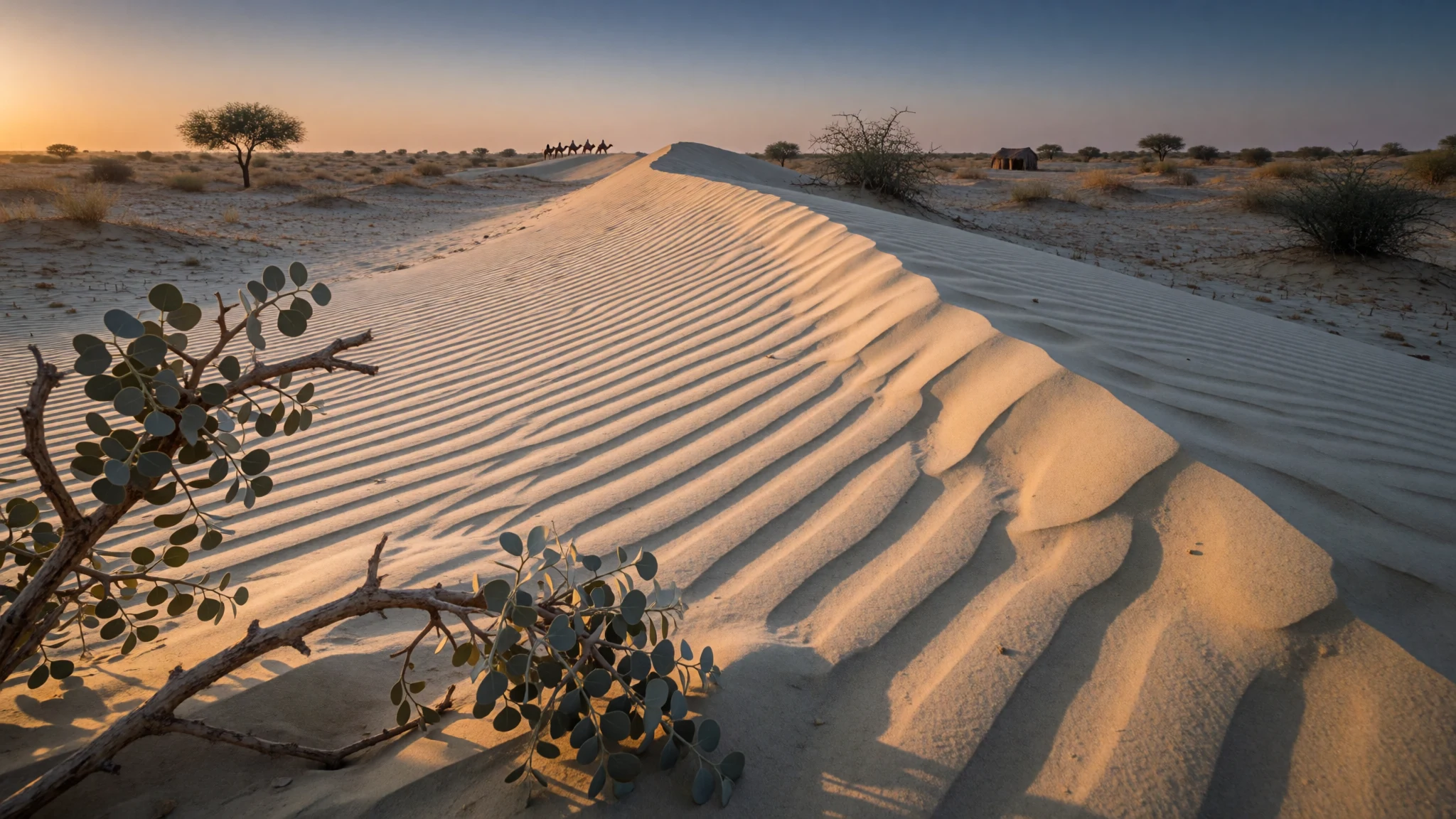
Sam Sand Dunes gives Rajasthan's Thar Desert its familiar picture: rippling sand, camels and a long gold sunset near Jaisalmer.
The place
Sam Sand Dunes is a belt of drifting sand in Jaisalmer district, in the far west of Rajasthan, India. It lies in the Thar Desert, a short drive west of Jaisalmer town, the sandstone fort city that serves as the base for almost every visit. Around the dunes the land is flat and open, dotted with thorn scrub, khejri trees and the occasional village of round thatched huts. The sand itself is fine and soft, and the wind redraws the ridges often, so the crests look different from one season to the next. Most visitors arrive in the afternoon and stay for sunset, when the sand shifts from pale gold to copper and the day's heat finally loosens. Camel rides, jeep runs over the crests and evening folk music fill the hours around it. Tented camps stand behind the main dunes, and staying overnight brings a quiet, star-heavy sky that day trippers miss. The place is popular, and it shows. Near the main access point, vehicles, vendors and loudspeakers crowd the ridge, especially in winter. Walking further along the dunes, away from the drop-off, usually brings the quiet back within a short time. The border with Pakistan is not far, so some stretches nearby are restricted, and local drivers know where the lines fall.
Its story
Sam Sand Dunes sits in country that was once crossed by caravans. Jaisalmer grew as a trading stop for merchants moving goods across the Thar, and its sandstone mansions still reflect that wealth. The dunes themselves were then simply desert, grazing ground for camel and sheep herders and the villages scattered around them. Modern tourism changed their role. As roads and rail improved and Rajasthan became a fixture of India's travel circuits, visitors to Jaisalmer began asking to see real dunes, and Sam, the nearest large expanse of loose sand, became the answer. Some herding families turned to guiding and kept camel strings for rides, while others set up camps, music evenings and jeep services. The Desert Festival, held in Jaisalmer district in the cooler months, brought turban-tying, folk music and camel events onto the sand and added to the dunes' reputation. The change has not been tidy. Rubbish, noise and vehicles driven across the dunes are now familiar complaints, and the border location means access is shaped by security rules as much as by weather. Even so, the camel handlers remain a thread back to older desert life. Their knowledge of animals, wind and routes is what the tourist trade was built on, and many still talk about the desert as a working landscape rather than a backdrop.
What to see
- The main dunes at sunset — Sam, Jaisalmer district
The ridges west of Jaisalmer are where most visits peak. Afternoon light flattens the sand, then shortly before sunset the folds sharpen into gold and shadow. Climbing a crest a little away from the vehicle drop-off gives a wider view and fewer people. Sunrise is cooler and quieter, and worth the early start from a camp.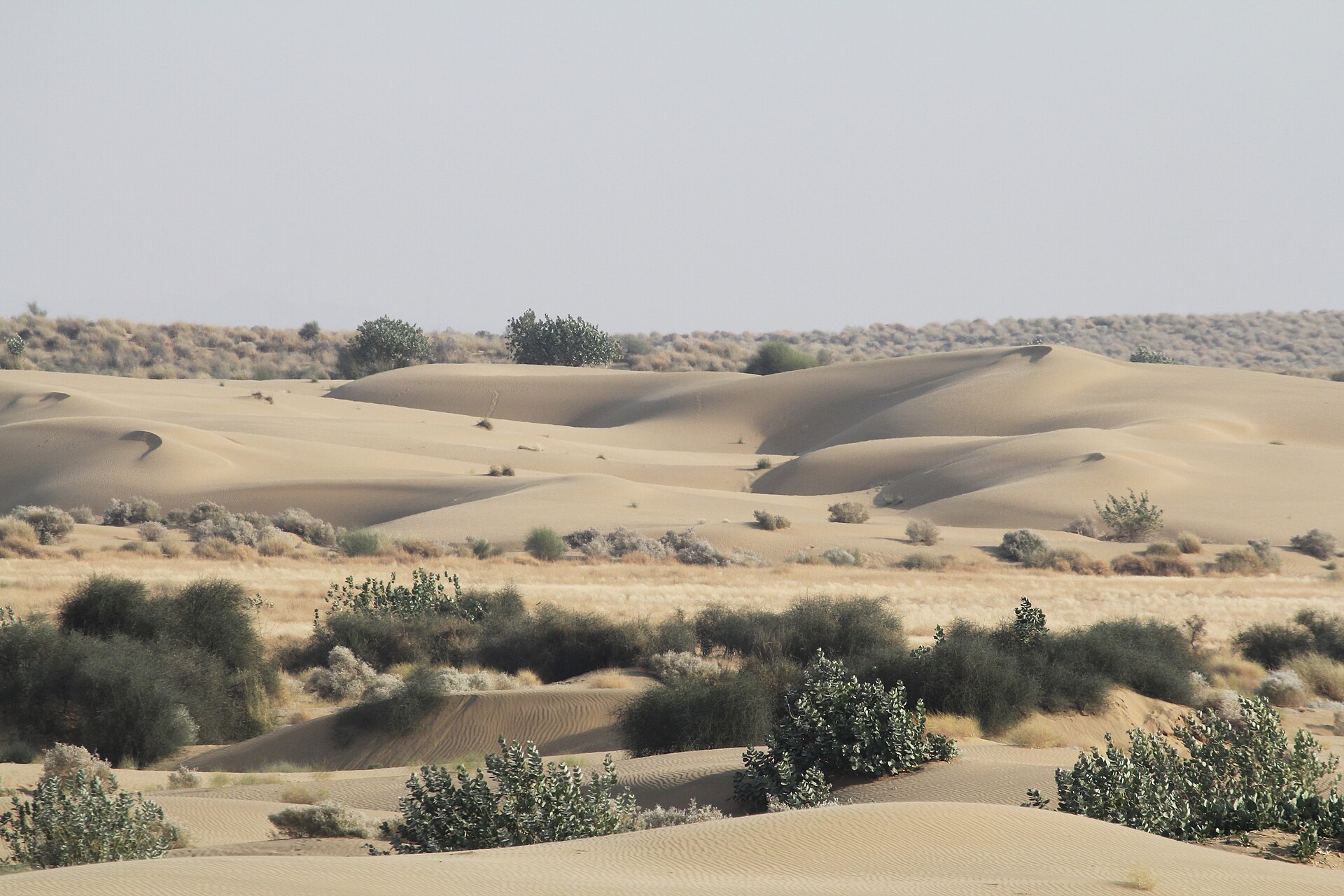
- A camel ride across the sand — Dune edge near the main access road
Camel strings wait at the edge of the dunes, led by handlers who often belong to herding families from nearby villages. The pace is slow and swaying, and the animals know the routes well. Rides run best in late afternoon. Agree the route and duration with the handler before setting off, and ask where the animals rest.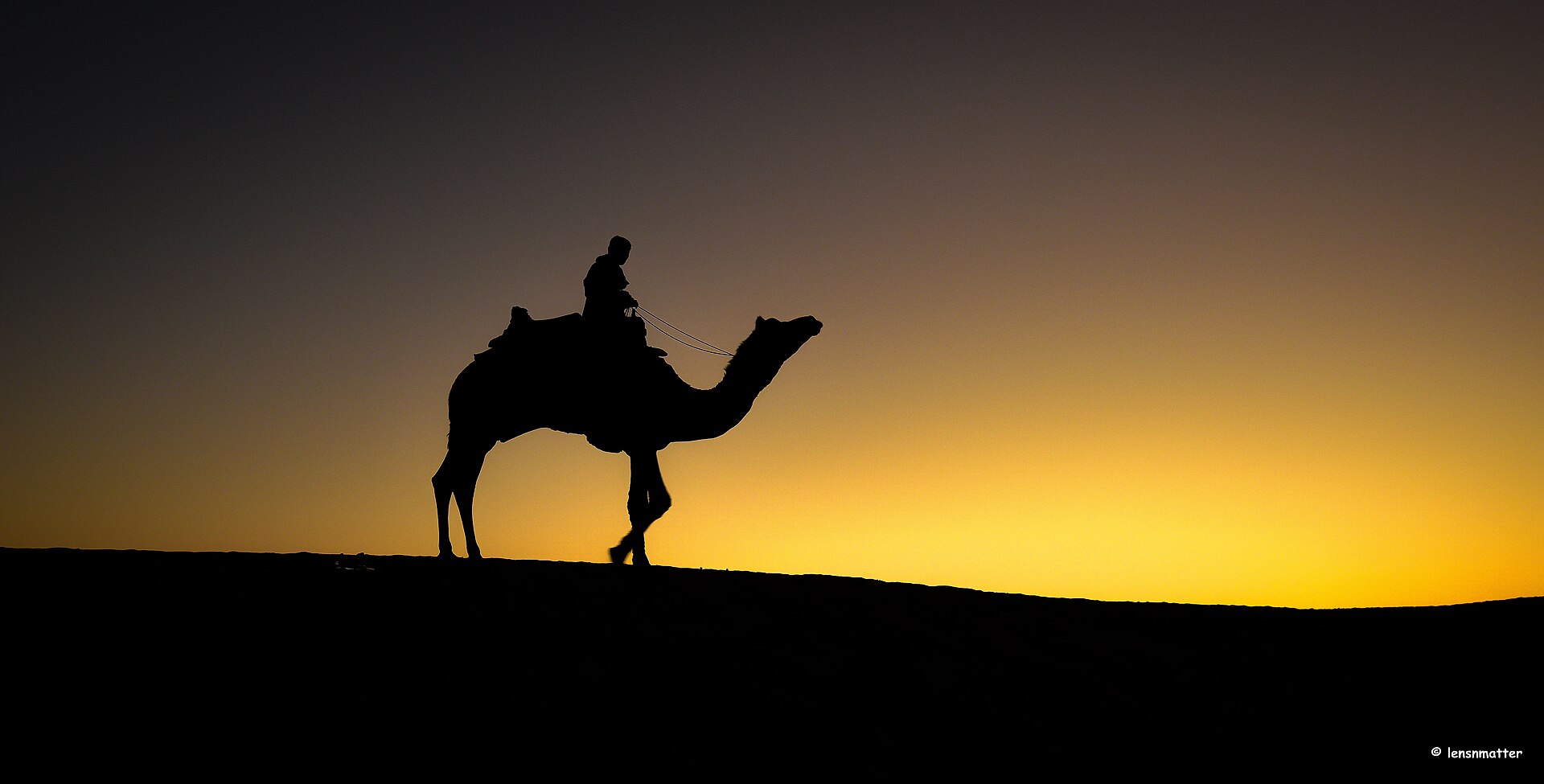
- Folk music and dance at the camps — Tented camps behind the dunes
After dark, the camps stage evening programmes around a fire: singers, drummers and dancers, often including the swirling Kalbelia style and women balancing pots on their heads. Some programmes are polished and some are casual. Sitting near the front gives a better view of the footwork and the instruments.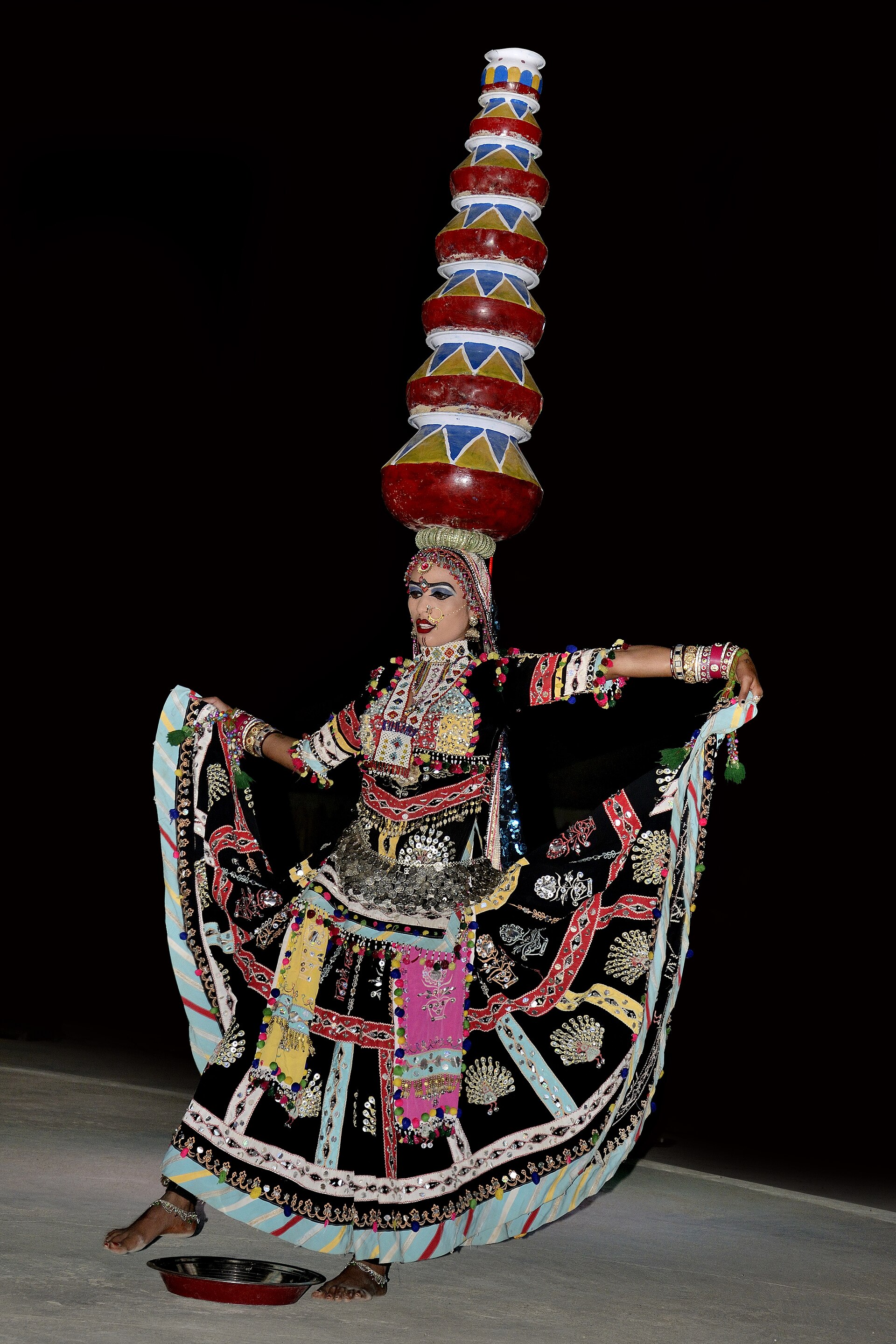
- The Desert Festival grounds — Sam dunes and Jaisalmer town
The Desert Festival is held in Jaisalmer district in the cooler months, and some events take place on the dunes at Sam. Expect turban-tying, camel contests, folk music and crowds. Dates change each year, so check the official Rajasthan tourism site before planning a trip around it, and book camps well in advance.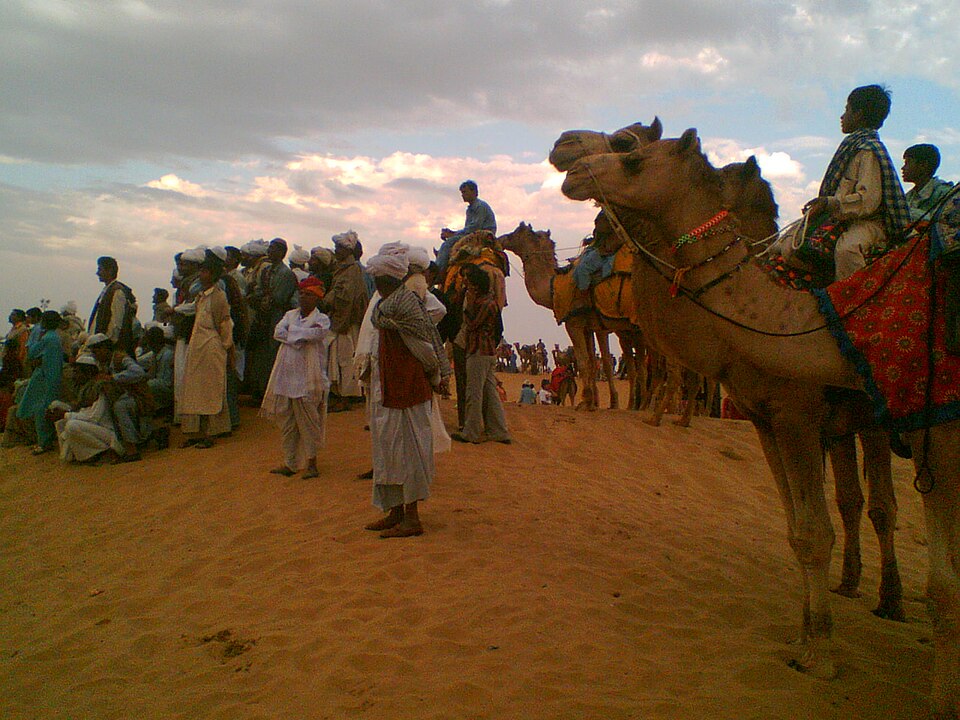
- The quiet dunes and the night sky — Dunes away from the access point
A walk beyond the main viewpoint, with a guide who knows the restricted zones, leads to empty sand and wind-drawn ripples. Staying overnight in a camp gives a dark sky and a cold, still morning. The silence here is the main reward, so leave the loudspeaker and the quad bike for others.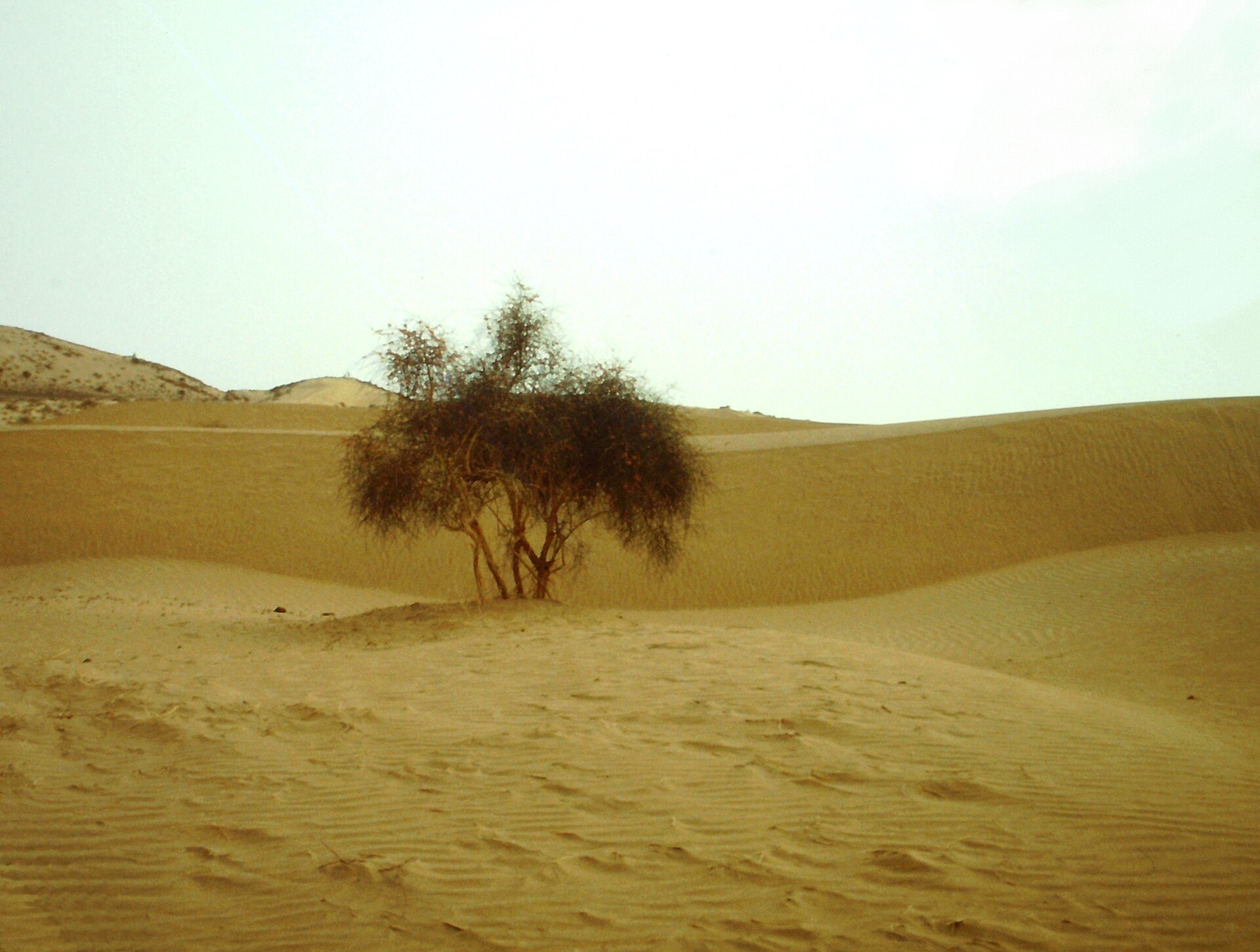
Culture
Sam Sand Dunes belongs to a desert culture shaped by Rajasthani communities, Hindu and Muslim families who have long lived with herding, scarce water and music. The best-known music here comes from hereditary performing groups such as the Manganiyars and Langas, who play instruments like the kamaicha, dholak and khartal at evening gatherings. Kalbelia dance, with its swirling black skirts, and puppet shows often appear on camp programmes, though some are staged for visitors and run shorter than village versions. Hospitality is a point of pride, and tea, shared meals and long conversation are normal. Livestock matters too. Camels are working animals and a form of wealth, not props, even though the dunes' trade has changed their routines. Festivals follow the lunar calendar, with Holi, Diwali and Eid marked in surrounding villages, and the Desert Festival falls in the cooler months. Evenings around a fire with drums and a singer are the easiest way in. Many performers rely on tips and on sales of recordings, and a small gift after a song is expected and appreciated. Always ask before photographing a person, especially a woman, and offer a tip to performers or camel handlers if you take their picture.
What to wear
Sam Sand Dunes sits in a part of Rajasthan where traditional dress is bright and practical. Women's clothing is typically a ghagra (a long gathered skirt), a choli blouse and an odhni veil, in cotton, silk blends or wool, decorated with bandhani tie-dye, leheriya wave patterns, mirror work and block printing. Silver jewellery, bangles and nose rings are common. Men wear a dhoti or kurta with a long coat and a turban, the safa or pagri, whose colour and tying style point to region and occasion. Camel handlers still wind long turbans as protection against sun and sand. Traditional dress comes out for weddings, festivals and performances at the camps. Day to day, people in nearby towns wear shirts, trousers and jeans, while older village women often keep the odhni and ghagra. Visitors should dress for sun and sand: loose, long-sleeved cotton in light colours, a scarf or hat, and sunglasses. Winter nights are cold, so carry a fleece or shawl from November to February. Closed shoes or sandals with a back strap work better than flip-flops on loose sand. In villages and at Jaisalmer's temples, cover shoulders and knees.
What to eat
- Dal baati churma — Camp dinners and family-run eateries in Jaisalmer town
Baked wheat balls dunked in ghee, served with spiced lentils and a sweet crumbled churma. It is the standard Rajasthani meal and a regular fixture at camp dinners. Heavy and filling, it is best eaten after a day on the sand. - Ker sangri — Thali restaurants and dhabas in Jaisalmer
A desert dish of dried ker berries and sangri beans, cooked with spices, curd and oil. The flavour is tangy and slightly bitter, and the ingredients come from local desert shrubs. A good one to order alongside bread. - Bajra roti with garlic chutney — Village homes, roadside dhabas and camp kitchens
Flatbread made from pearl millet, a grain that grows well in the Thar, eaten with ghee, jaggery or a fierce red garlic chutney. Rustic, dense and warming, it suits cold winter evenings. - Gatte ki sabzi — Local thali restaurants in Jaisalmer
Gram flour dumplings simmered in a yoghurt-based gravy. The dish grew out of a region where fresh vegetables were scarce and pantry staples had to do the work. Mild, tangy and good with roti. - Ghotua ladoo — Sweet shops near Jaisalmer fort and the main bazaar
A sweet, crumbly ball made from gram flour, ghee and sugar, associated with Jaisalmer. It is rich, so one is usually enough. Handy as a snack for the road back from the dunes.
Plan it
Best time. November to February, when days are warm and nights are cold; October and March can work but turn hot quickly. April to June brings extreme heat, and the monsoon months are humid with fewer visitors and occasional rain.
How long. 1–2
Getting there. Jaisalmer Airport (JSA) is the closest, and Jodhpur Airport (JDH) is the larger alternative, with onward rail or road to Jaisalmer. Jaisalmer has a railway station. From the town, the last leg is a short road journey to the dunes by taxi, jeep or camp transfer.
Budget. mid
Tips
- Reach the dunes by late afternoon and stay for sunset, then go back or stay overnight in a camp
- Book camps well ahead for the cooler months and around festival dates
- Carry plenty of drinking water, sun protection and some cash for tips and small purchases
- Move away from the main access point on foot for quieter sand
- Avoid late-night road travel, as heavy truck traffic uses the highways
Etiquette
- Ask before photographing people, especially women, and tip performers and handlers
- Take rubbish with you and keep vehicles off fragile ground
- Respect restricted areas near the border and follow your guide's advice
Nearby
Sources
- Wikidata Q110887886 (CC0)
- Wikivoyage — Jodhpur Division (rev 5400830) (CC BY-SA 4.0)
- Photo: Sam dunes (Jaisalmer), Roshanrajverma (CC BY-SA 4.0)
- Photo: Desert Festival, (WT-en) Yogeshmankar (Public domain)
- Photo: A view on Sam's sand dunes, Chinmayisk (CC BY 3.0)
- Photo: Alone, Blue cab (CC BY 3.0)
- Photo: Balancing and Dancing, Sharvarism (CC BY-SA 4.0)
- Photo: Camel nap, Blue cab (CC BY 3.0)
- Photo: Camel owner and handler Mr Amin, Rudolph.A.furtado (CC0 1.0)
- Photo: Camel rider, Sam Jaisalmer, lensnmatter (CC BY 2.5)
- Wikipedia (CC BY-SA 4.0)


