Salta
Salta, Argentina
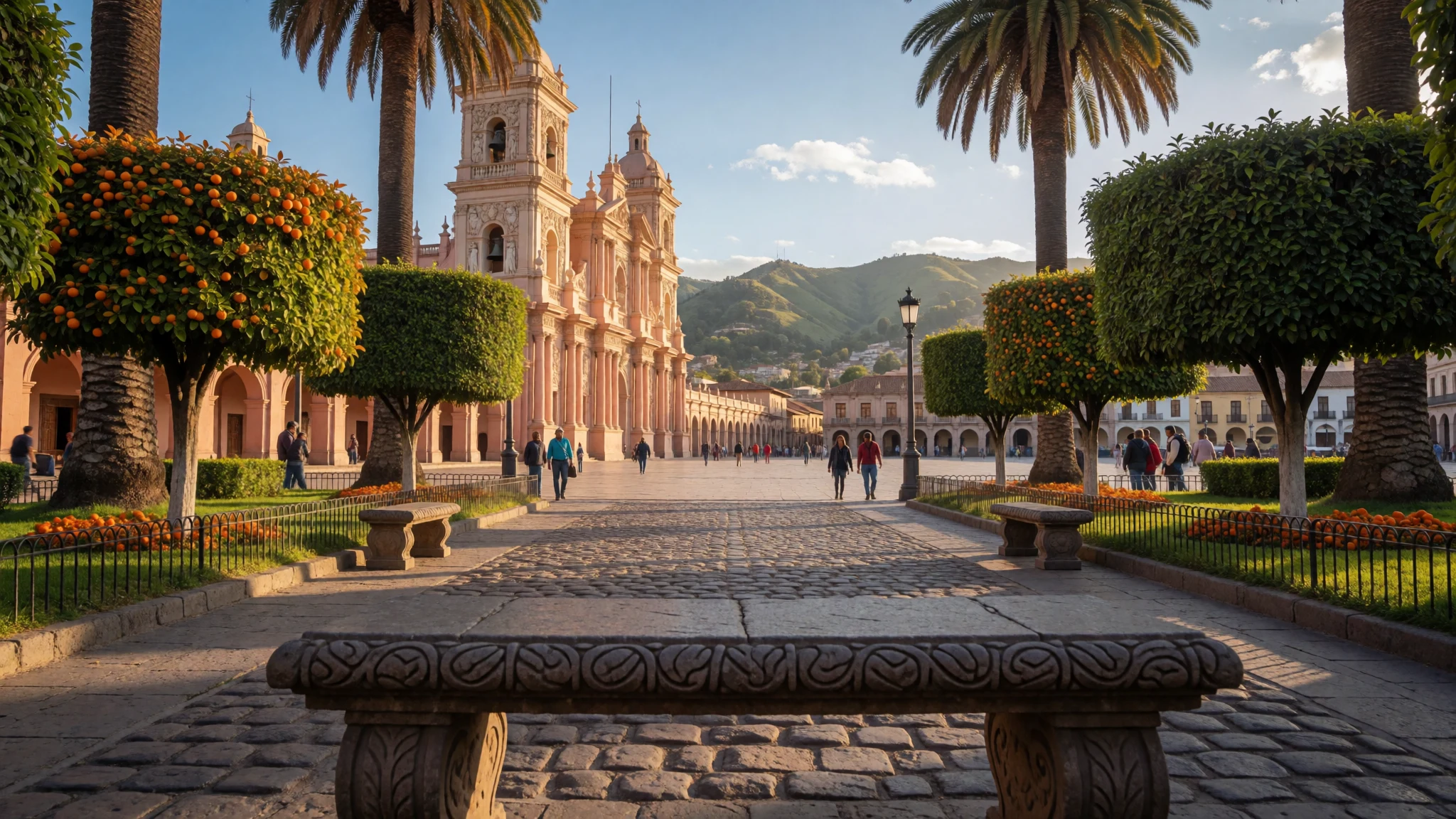
Salta is a colonial city high in the Andean foothills, with a pink-and-ivory church, a remarkable mountain-archaeology museum and a strong local food tradition.
The place
Salta sits in the Lerma Valley in north-west Argentina, at an elevation of 1,152 m. It is the capital of the province that shares its name, and with roughly 595,000 people in the facts record it works as the cultural and commercial centre of the surrounding valley towns. Visitors tend to use it as a base for the dramatic country further out, but the city rewards a few days of its own.
The centre is compact and walkable. Everything revolves around the main plaza, framed by arcaded colonial buildings, a neo-baroque cathedral and cafés where the afternoon slows down. Churches, museums and old houses sit within a few blocks of it, and the bus terminal is a short walk from the green sweep of Parque San Martín.
The climate is gentler than the latitude suggests, because altitude takes the edge off the heat. Summers are warm, with daytime highs in the high twenties Celsius and frequent thunderstorms, followed by cool, pleasant nights. Autumn is dry and mild. Winter is very dry, with cold nights near freezing and sunny, comfortable days, so a jacket matters more than a sunhat for part of the year.
The feel of the place is distinctly different from the European-style cities of the south. Spanish colonial heritage, gaucho traditions and Andean indigenous culture all show up in the architecture, the music, the markets and the table. It is a city where people still gather in the plaza in the evening, and where a slow lunch is treated as a serious matter.
Its story
Salta's recorded history begins before the city itself. In early 1536 an expedition under Diego de Almagro passed through the plains west of today's city on its way to Chile, and the foraging parties clashed with local people. Those encounters are a reminder that the valley was already inhabited long before Spanish settlers arrived.
The city was founded on 16 April 1582 by the conquistador Hernando de Lerma. His aim was practical: a staging post that would link Lima, in Peru, with Buenos Aires. Where the name Salta comes from is still debated, and several competing theories are offered.
The independence wars gave the city a new importance. Salta became a commercial and military hinge between Peru and the Argentine cities. Local commander General Martín Miguel de Güemes, working under General José de San Martín, led the defence of the city and its hinterland against Spanish forces advancing from the north. His memory is still honoured in the region, and his name turns up on streets, monuments and in local celebrations.
The peace that followed was hard. Salta came out of the independence years politically unsettled and short of money, and that condition lingered through much of the nineteenth century. The colonial buildings people admire today survived partly because there was little spare cash for rebuilding, which is an odd gift of history, and one reason the old centre still feels so intact.
What to see
- Cabildo Histórico — Plaza 9 de Julio
The old town hall on the main plaza dates from 1783 and has a long colonnaded front that shades the pavement. It is one of the colonial buildings that give the plaza its character. Come in the early evening, when the arcades fill with locals and the light turns warm.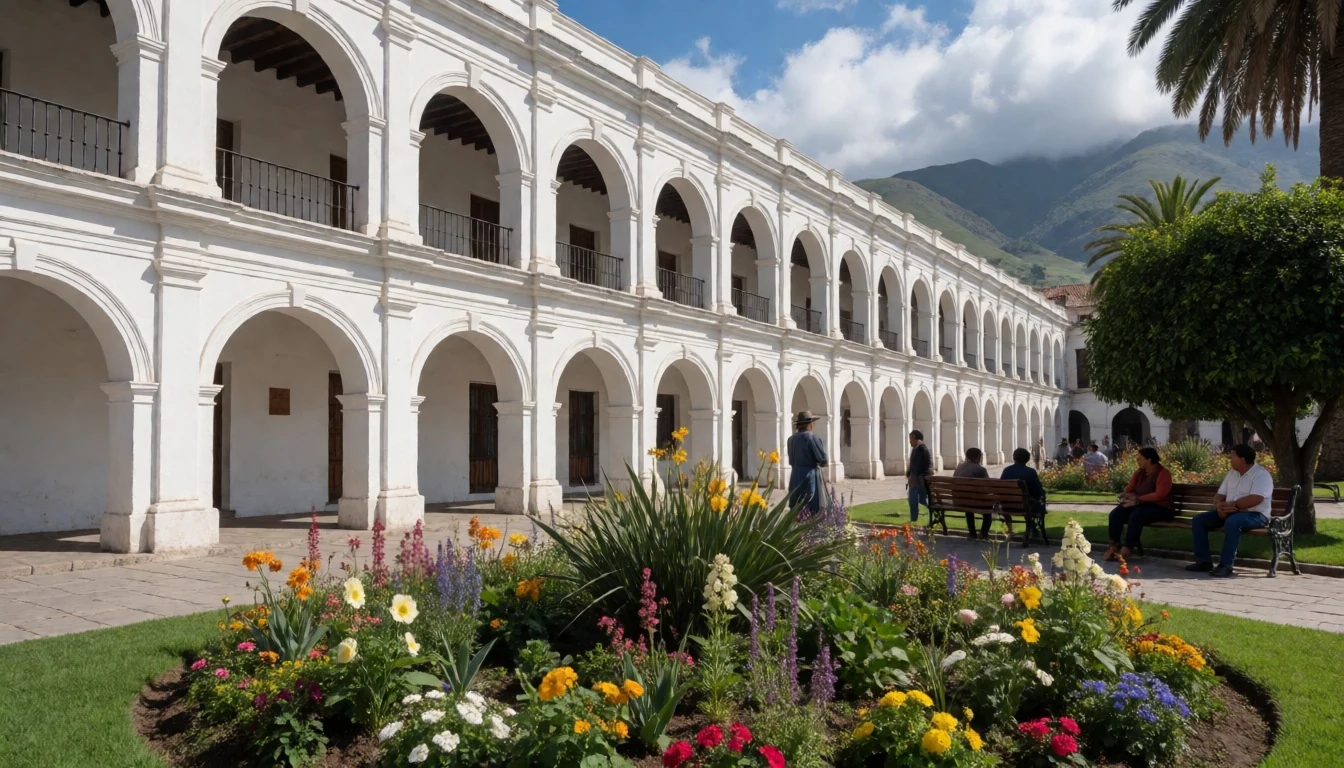
- MAAM, the high-mountain archaeology museum — Beside the main plaza
This museum shows the three Inca children found frozen near the summit of Mount Llullaillaco, offered in sacrifice centuries ago. It is sombre and well presented, and it leaves a stronger impression than most museums. Allow time, go early to avoid queues, and check the official site for opening arrangements.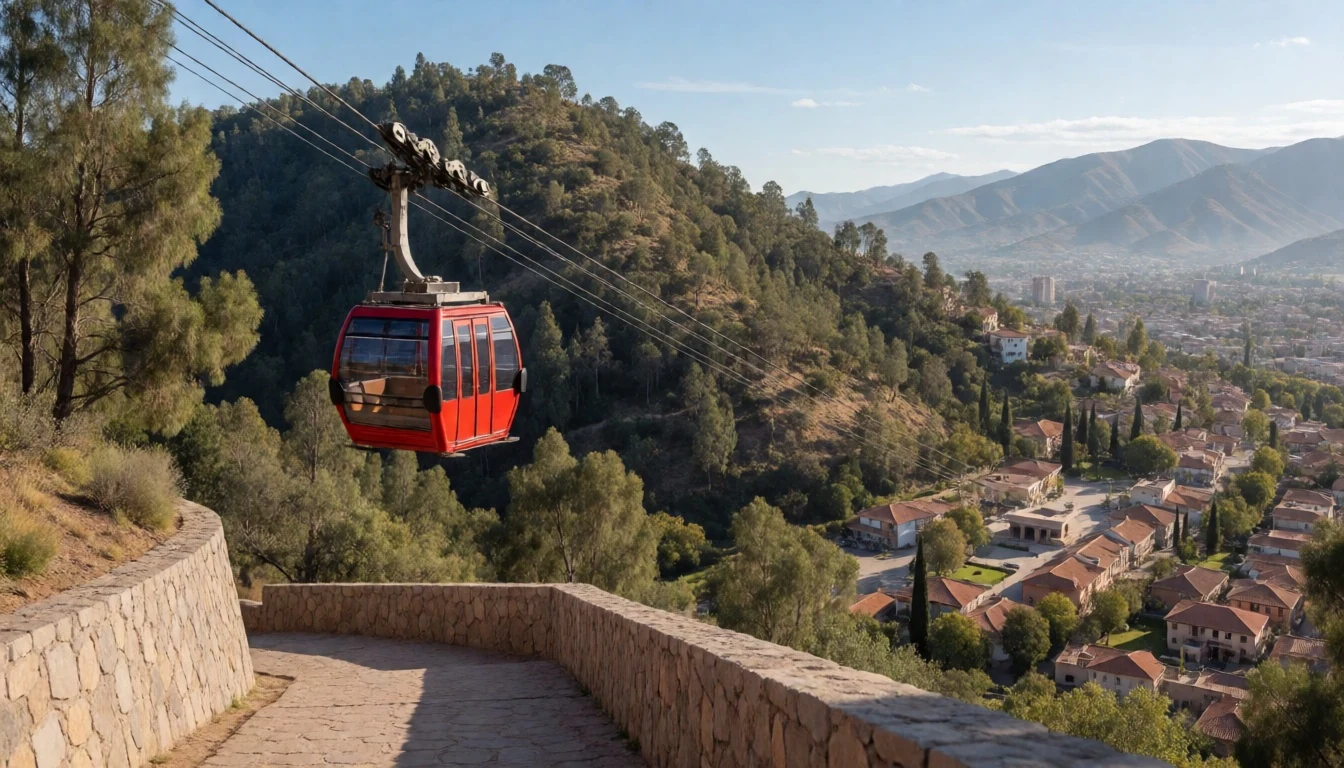
- Cerro San Bernardo — Eastern edge of the city
A cable car runs from Parque San Martín to the top of this hill, which rises well above the city at 1,458 m. From the summit the grid of the old centre, the valley floor and the surrounding mountains are all laid out. A clear morning gives the best view; check the operator for current running times.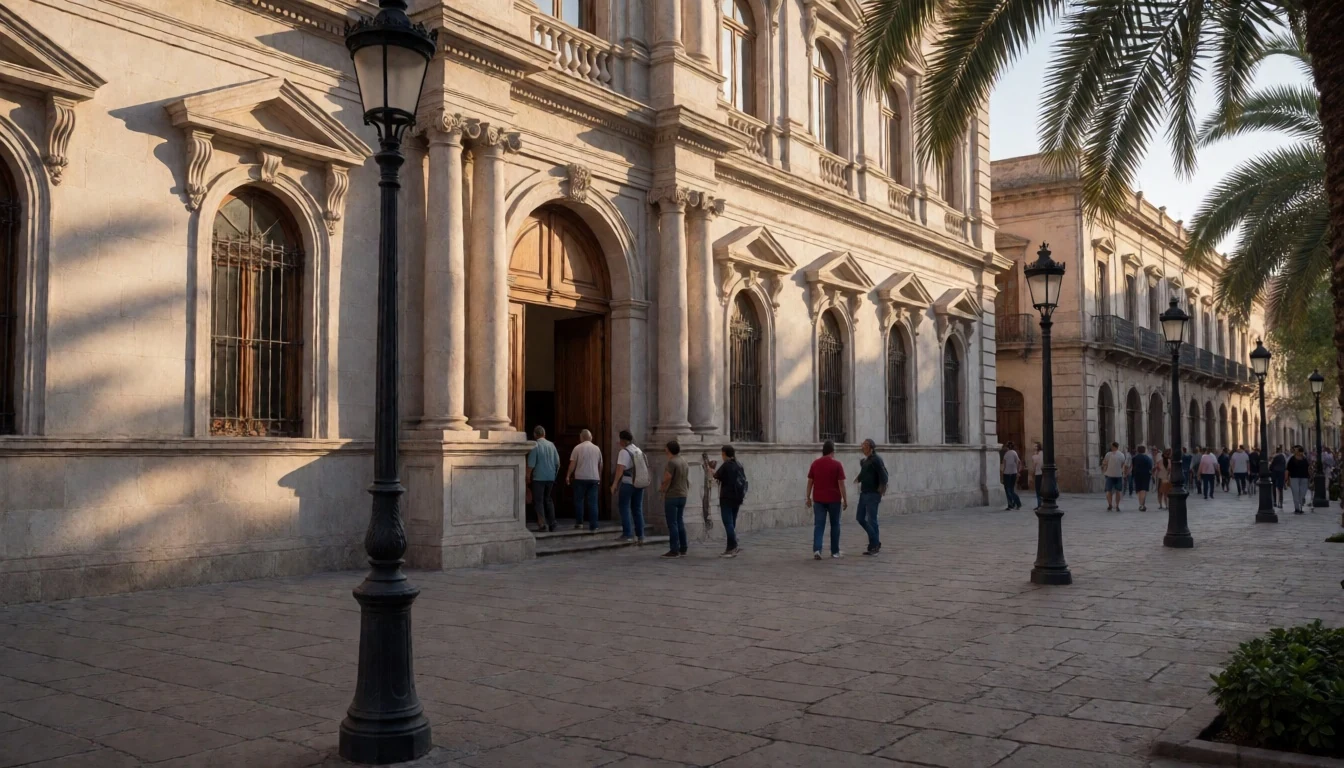
- Iglesia San Francisco — Corner of Caseros and Córdoba, central Salta
This church dates from 1796 and is the city's most recognisable landmark, with red and ivory walls and a tall, tiered bell tower that rises above the surrounding streets. It looks best in late afternoon light and again once floodlit after dark. Dress modestly if you step inside for a quiet look.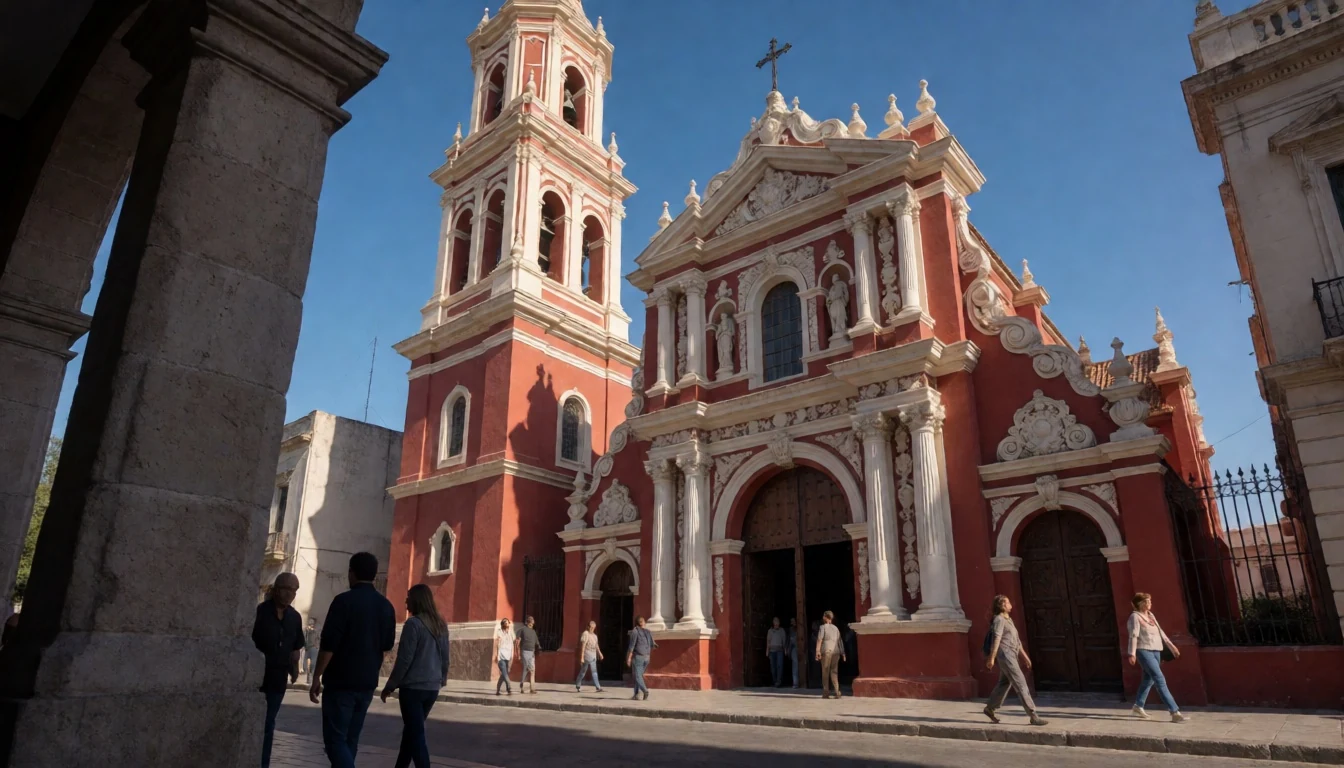
- Museo Antropológico — Central Salta
This museum gives a useful introduction to the indigenous cultures that have lived across this part of Argentina over many centuries. It is a good companion to the high-mountain museum, putting the Inca story in a longer context. Plan an hour or so, and check opening days before you set out.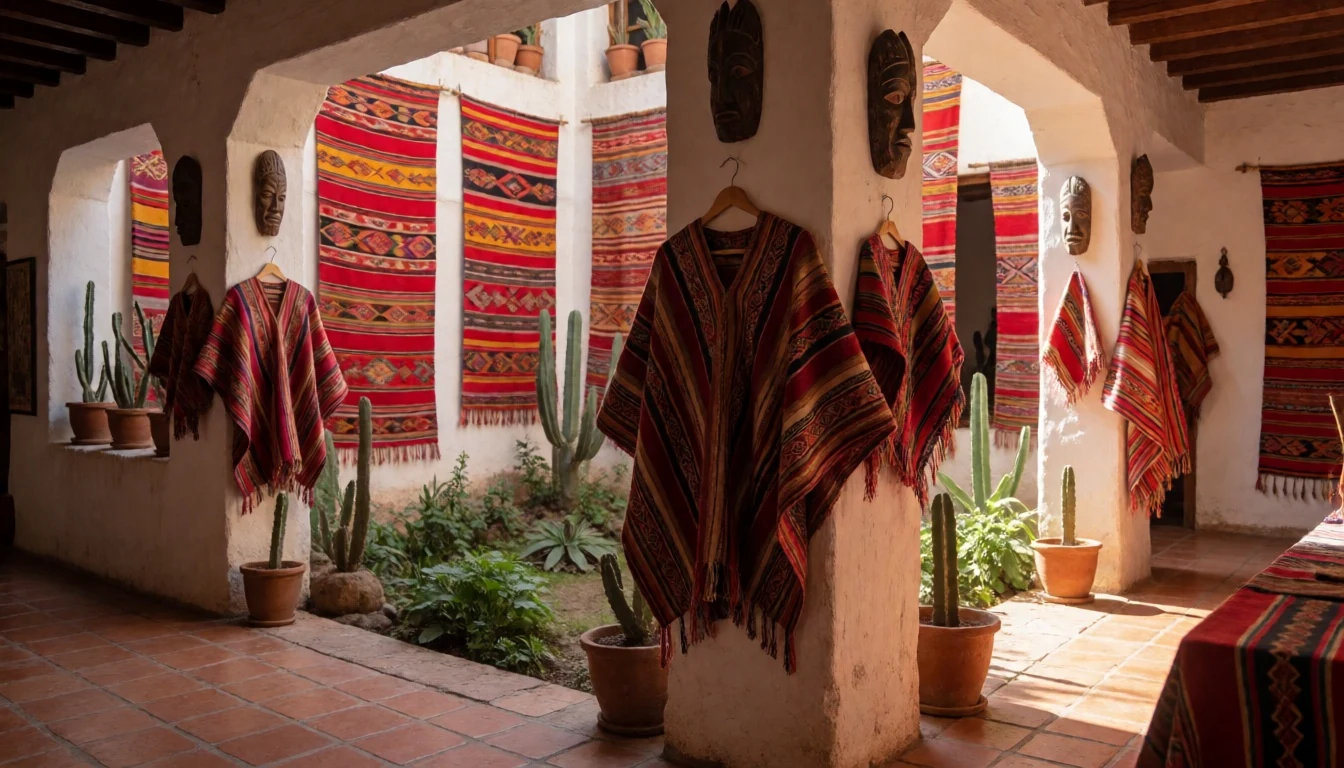
- Pajcha — North of the main plaza
Pajcha is a private collection of traditional art from across South and Central America, with textiles, icons and jewellery displayed together. It is especially good for anyone curious about Andean weaving and silverwork, and it makes a quiet, unhurried stop between the plaza and the hillside parks. Check opening times first.
Culture
Salta's culture blends Spanish colonial inheritance with gaucho tradition and Andean indigenous roots. The mix gives the city an identity of its own, noticeably different from the more European-feeling cities in the south of Argentina. You see it in the music, the crafts, the food, and the way religion and civic life overlap.
The city has several theatres, a good number of museums and a busy programme of exhibitions, concerts and festivals. April is the main cultural month: performances, a handcraft fair and live orchestral concerts run through the whole of it, so the plaza and nearby venues are livelier than usual. Folk music is part of everyday life here, and many evenings it spills out of small venues into the street.
Local pride in the independence hero Güemes is strong, and religious devotion is visible in the churches, which are in regular use rather than preserved only for visitors. The cathedral and the sanctuary beside it draw pilgrims as well as tourists, and processions can close streets around the centre.
People are generally relaxed, courteous and happy to talk. Greetings matter, so a friendly buenos días on entering a shop or a café goes a long way, and meals are unhurried. When you enter a church in Salta, dress modestly, keep your voice low and do not use flash or photograph worshippers during services.
What to wear
Traditional dress in Salta draws on gaucho and Andean customs. The gaucho look is the best known: a wide-brimmed felt hat, a poncho or woven wool shawl, a leather belt, loose trousers called bombachas and sturdy boots. Ponchos and blankets are woven from sheep's wool or llama and alpaca fibre, often in the strong red and dark stripes of the north-west. These clothes appear at festivals, parades, folk performances and on national or provincial holidays, and in the countryside many people still wear parts of them for work.
In the city today, most people dress in an easy, smart-casual way. Jeans, shirts, light dresses and jackets are the norm, with a little more polish for dinner or church. Woollen scarves, hand-knitted jumpers and leather goods from the region are popular, and plenty of locals wear them in daily life rather than as costume.
For visitors, layers work best because the weather shifts between warm days and cold nights, especially in winter, when evenings drop close to freezing. Bring a warm jacket, a hat and sun protection, since the altitude makes the sun strong even on cool days. A light rain layer is sensible in the summer storm season. Comfortable walking shoes suit the cobbled and uneven pavements of the old centre and any hill walking. For churches, cover shoulders and avoid very short shorts. A wool poncho or scarf bought locally makes a useful, authentic souvenir.
What to eat
- Empanadas salteñas — Small empanada shops and family eateries around the centre
The local empanada is small, baked or fried, and filled with hand-cut beef, onion and spice. Locals will tell you exactly how it should be folded. Eat them standing up, a few at a time, with a cold drink.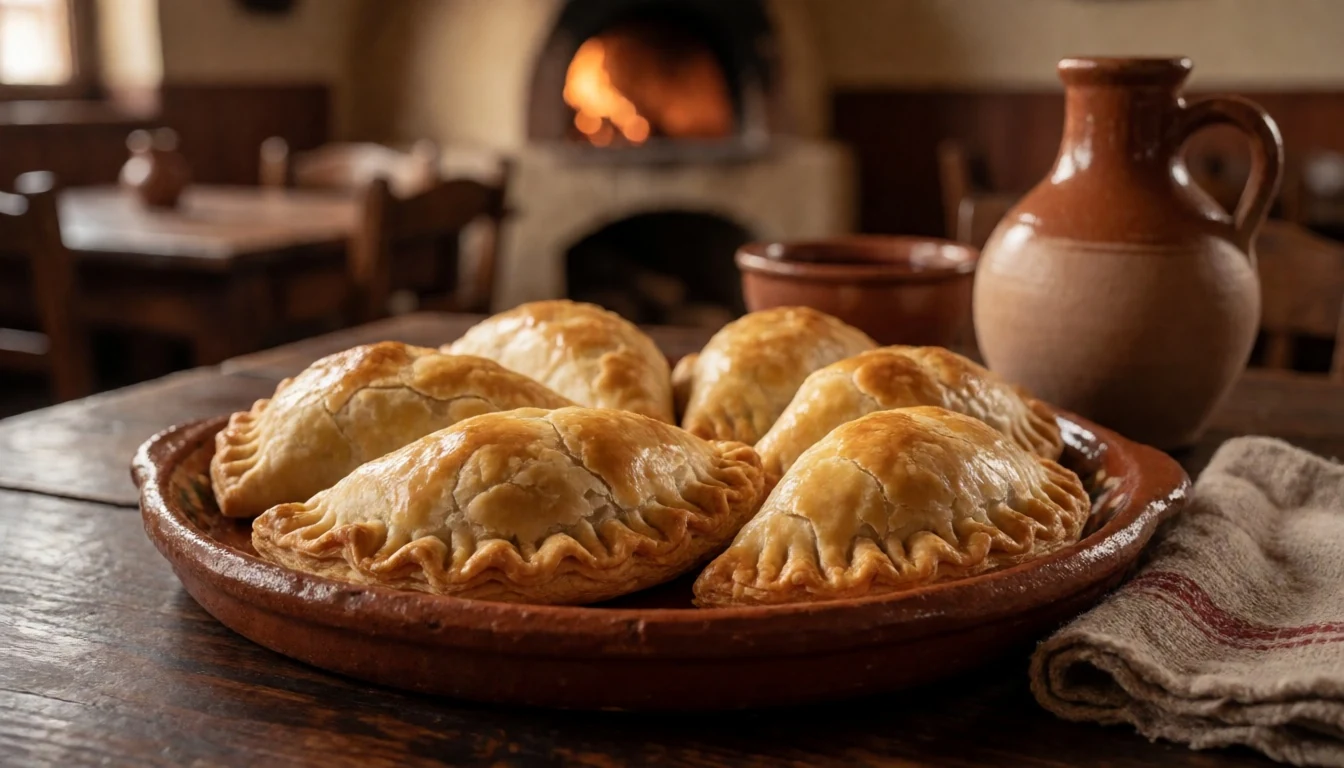
- Humita and tamales — Municipal markets and market stalls
Both are made from fresh corn, a staple of the Andean table. Humita is soft, sweet-savoury corn paste steamed in the husk; tamales are denser and often filled with meat. They suit a light lunch or snack.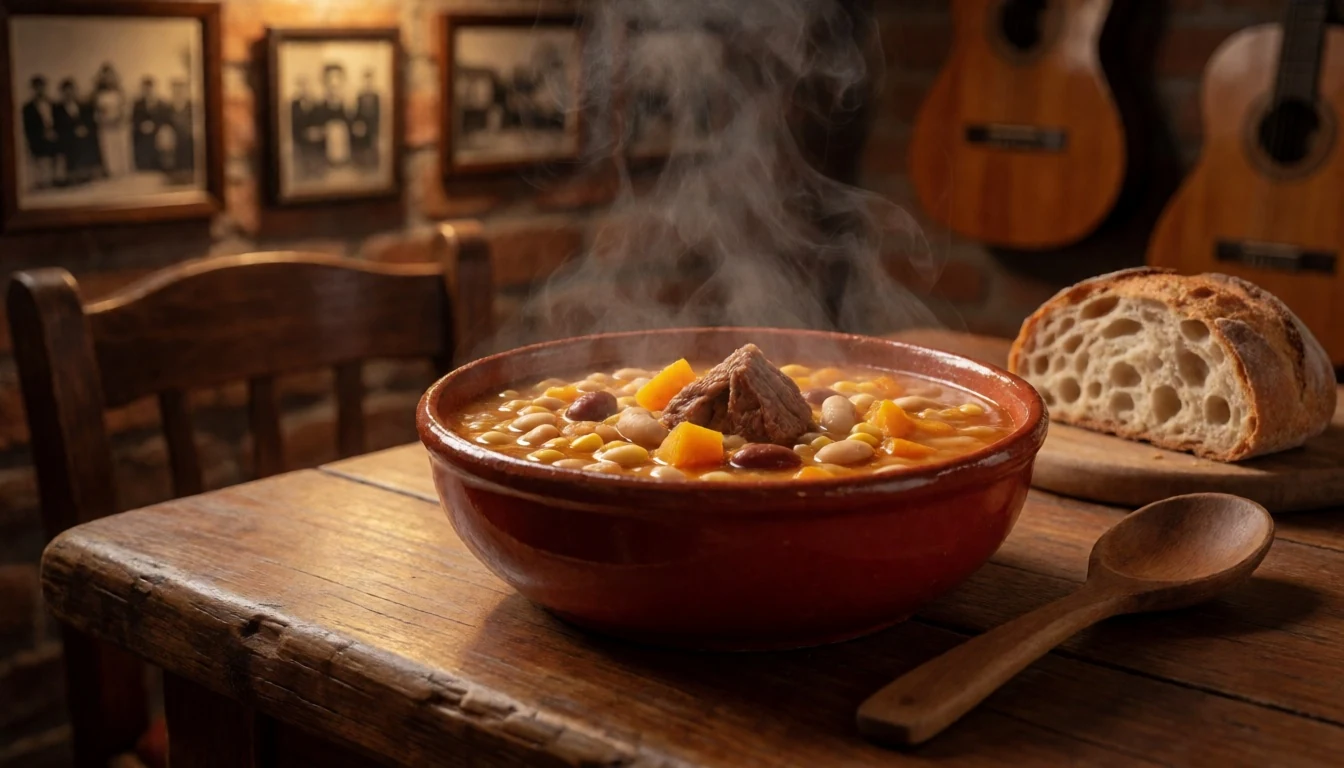
- Locro — Traditional restaurants serving regional cooking
A thick, slow-cooked stew of maize, beans, squash and several cuts of meat, it is classic cold-weather comfort food. It is especially associated with national holidays and winter weekends, and can be filling enough to need a nap afterwards. - Parrillada — Parrilla grills across the centre
A mixed grill of beef and other cuts cooked over charcoal, usually brought in generous portions meant for sharing. Order a plate for two and add a salad. Local red wine is the usual partner. - Regional wine — Wine bars and restaurants around the main plaza
The high-altitude vineyards of the surrounding valleys produce wines that suit the local meat dishes, particularly the aromatic whites and sturdy reds. Many restaurants offer tastings by the glass, which is a good way to explore.
Plan it
Best time. March to May and September to November, when days are mild and the weather is settled. Summer is warm with frequent thunderstorms, and winter is very dry, with sunny days but cold nights near freezing.
How long. 2–3
Getting there. Fly into Salta's airport, a short ride from the centre. Bus 8A runs to the bus terminal and needs a SAETA card; taxis are metered, and Uber and Didi also work. Long-distance buses connect Salta with major Argentine cities, and the terminal is close to Parque San Martín.
Budget. mid
Tips
- Check opening hours for the museums, especially the high-mountain one, on the official site before you go
- Allow a day or two to adjust to the altitude; drink water and go easy on the first evening
- Bring layers, as nights can be cold even when days are warm
- Carry some cash for markets and small eateries, and keep cards for larger bills
- Visit in April if you want the cultural festival, and book accommodation early
Etiquette
- Greet shopkeepers and waiters with a friendly buenos días or buenas tardes
- Dress modestly in churches and keep your voice low
- Ask before photographing people in markets or at religious events
Nearby
Sources
- Wikidata Q36307 (CC0)
- Wikipedia: Salta (rev 1379758805) (CC BY-SA 4.0)
- Wikivoyage: Salta (rev 5416854) (CC BY-SA 4.0)
- Panorámica Ciudad de Salta — loco085 (CC BY-SA 4.0)
- Iglesia San Francisco, Salta — noambh (CC BY 3.0)
- Catedral Neobarroca — Luciajimena1990 (CC BY-SA 4.0)
- Centro Cultural América — Fulviusbsas (CC BY 3.0)
- Cabildo de la Ciudad de Salta — Leandro Kibisz (CC BY 3.0)
- Museo de Arqueología de Alta Montaña — Aofvilla (CC BY 3.0)
- Convento de San Bernardo — Galio (CC BY 3.0)
- Convento de San Francisco, nocturno — Micah MacAllen (CC BY-SA 2.0)


