Sabadell
Sabadell, Spain
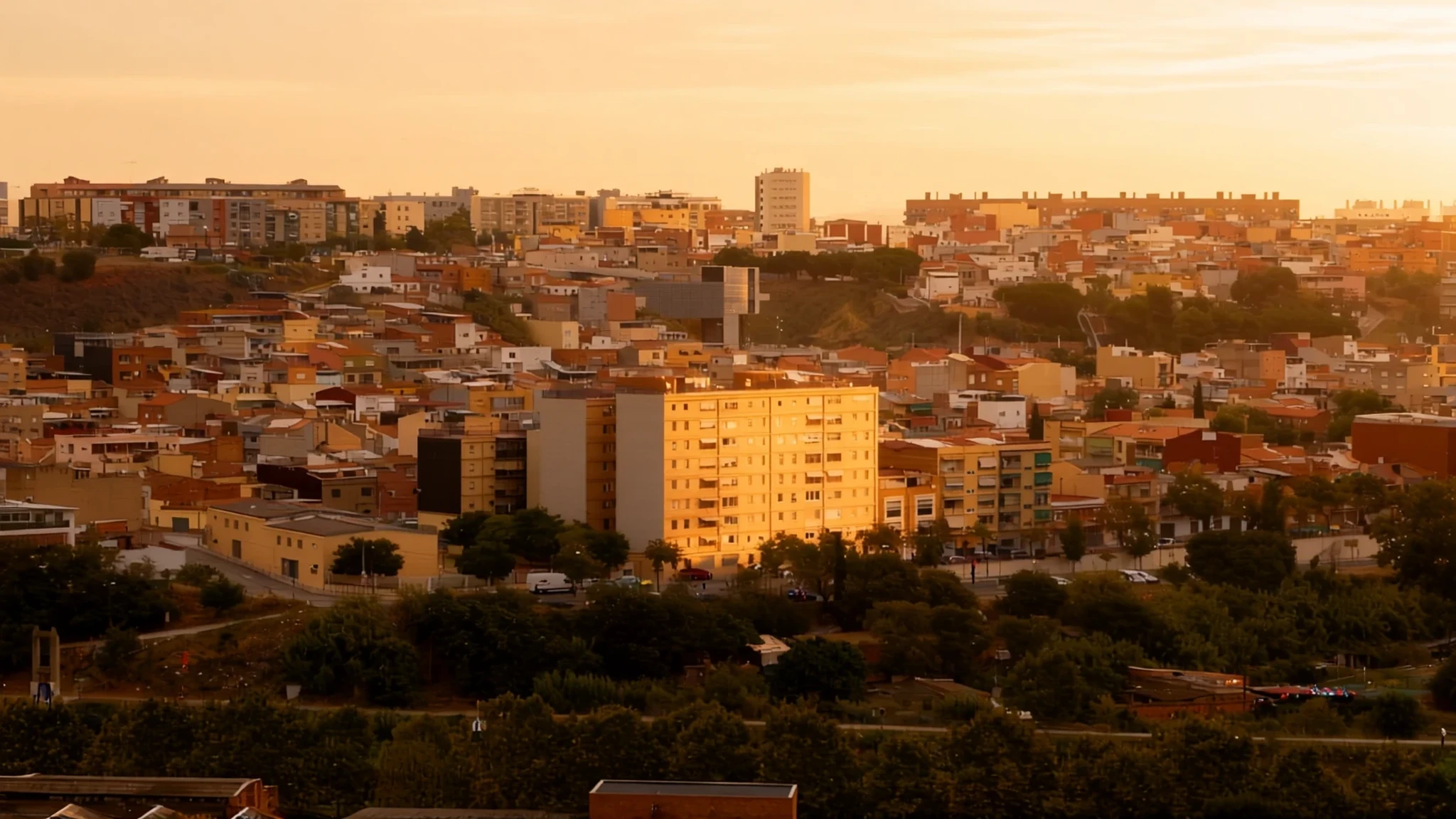
Sabadell is Catalonia's former wool town: modernist mills and mansions, quiet museums and honest local food, a short train ride from Barcelona.
The place
Sabadell sits on the River Ripoll in the Vallès Occidental, about 190 m above sea level, with a population of roughly 225,000. It shares the role of comarca capital with its neighbour and old rival Terrassa. Barcelona lies to the south, close enough that many residents commute, yet Sabadell has its own centre, its own pace and a firm sense of identity.
The city grew rich on wool. In the nineteenth century its mills made it a textile powerhouse, and it earned the nickname the "Catalan Manchester". Many of those mills survive, though most have been turned into flats, offices and public services rather than left as ruins. Walk a few streets and chimneys, brick sheds and merchants' villas appear between ordinary shops and blocks of housing.
This is a working commercial and industrial city, not a postcard. There is almost no farming within its limits, and the visitor's interest lies in architecture, museums, markets and cafés rather than set-piece monuments. Streets are mostly flat to gently sloping, which makes the centre easy on foot. The big squares, Plaça Major and Plaça de Sant Roc area, are where local life gathers.
Sabadell is also a transport junction, with commuter rail, regional lines and the C-58 motorway all meeting here. That makes it a practical base for anyone who wants Catalan everyday life without Barcelona's crowds, though the city is better as a half-day or full-day visit than a long holiday.
Its story
Sabadell's story begins with two small settlements on either side of the River Ripoll. On one bank, beside the site now occupied by La Salut's church, a Roman village called Arragone once stood. Over time it developed into the medieval town of Arraona. Across the river, a second village named Sabadell developed on a plain. By 1378 it had around 600 inhabitants in 152 houses, and it was later ringed by a defensive wall.
In the sixteenth century the population outgrew that wall and houses spread outside it. Around the same time the first textile workshops appeared, making woollen cloth. The trade expanded steadily over the following centuries. By 1800 the town had about 2,000 people, still small, but the foundations of its industrial identity were in place.
The nineteenth century transformed it. The railway arrived in 1856, giving mill owners fast access to Barcelona and its port. In 1877 Sabadell was formally granted the title of city. By the 1897 census the population had climbed to 23,064, more than ten times the figure of 1800. Wool made the fortunes that paid for the modernist and neo-Gothic buildings still standing in the centre.
Wool is no longer the engine of the local economy, but its legacy shapes the streets. The old mills, the grand houses and the civic buildings all date from this boom. To read Sabadell is to read how steam, looms and ambitious merchants turned a market town into one of Catalonia's industrial centres.
What to see
- Water tower (Torre de l'Aigua) — Central Sabadell
A modernist water tank that locals count among the city's signature buildings. It was among the first structures in Sabadell built with reinforced concrete, so it works as a small lesson in how the city modernised. It is best admired from the street as part of an architectural walk.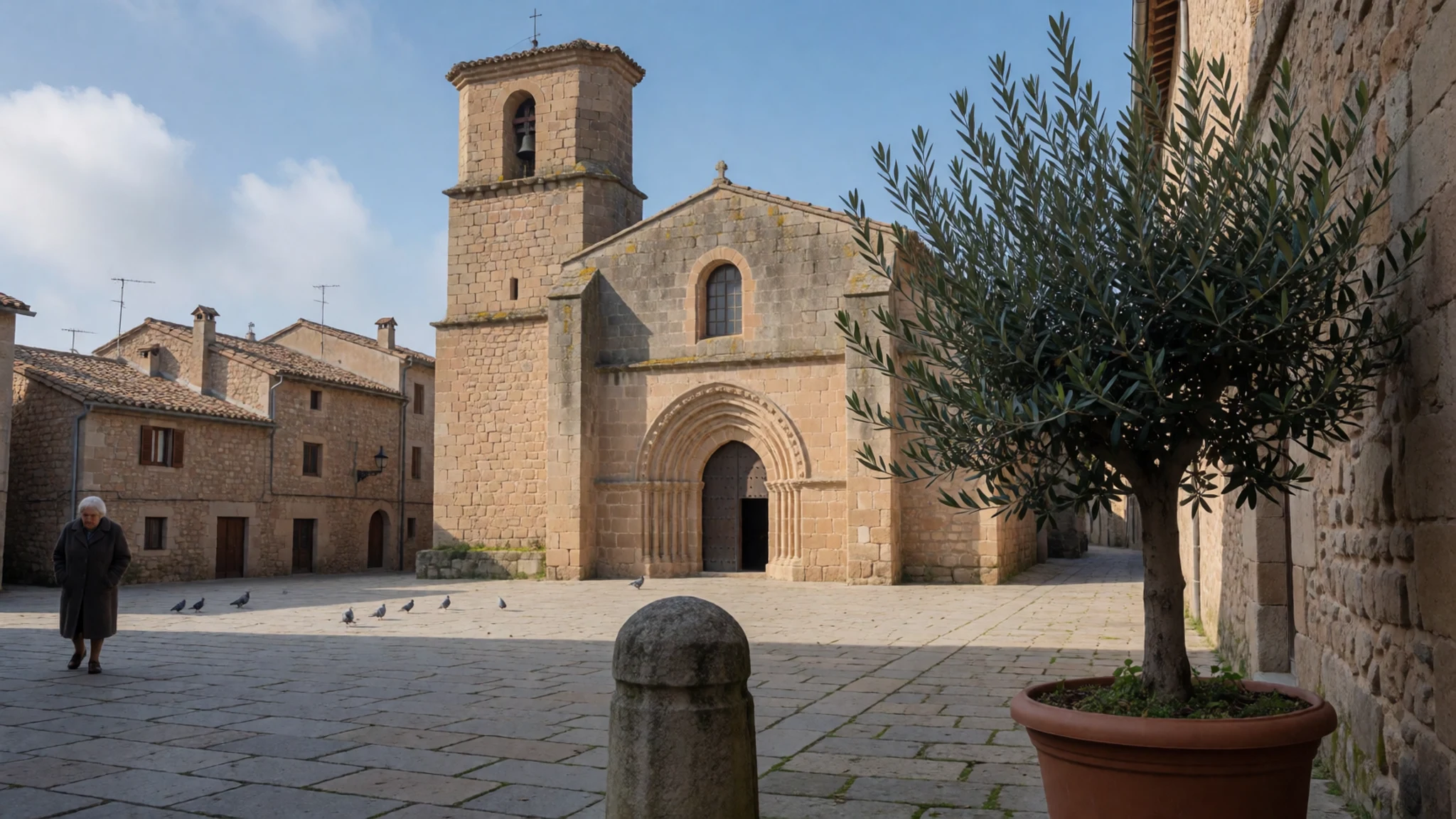
- Sant Nicolau chapel — Old town area
A small chapel dating from 1039, thought to have been one arm of the cross-shaped layout of the old parish of Sant Feliu d'Arraona. It stands on abundant Roman remains, so it is a rare point where the town's earliest layers are visible together. Check opening arrangements locally.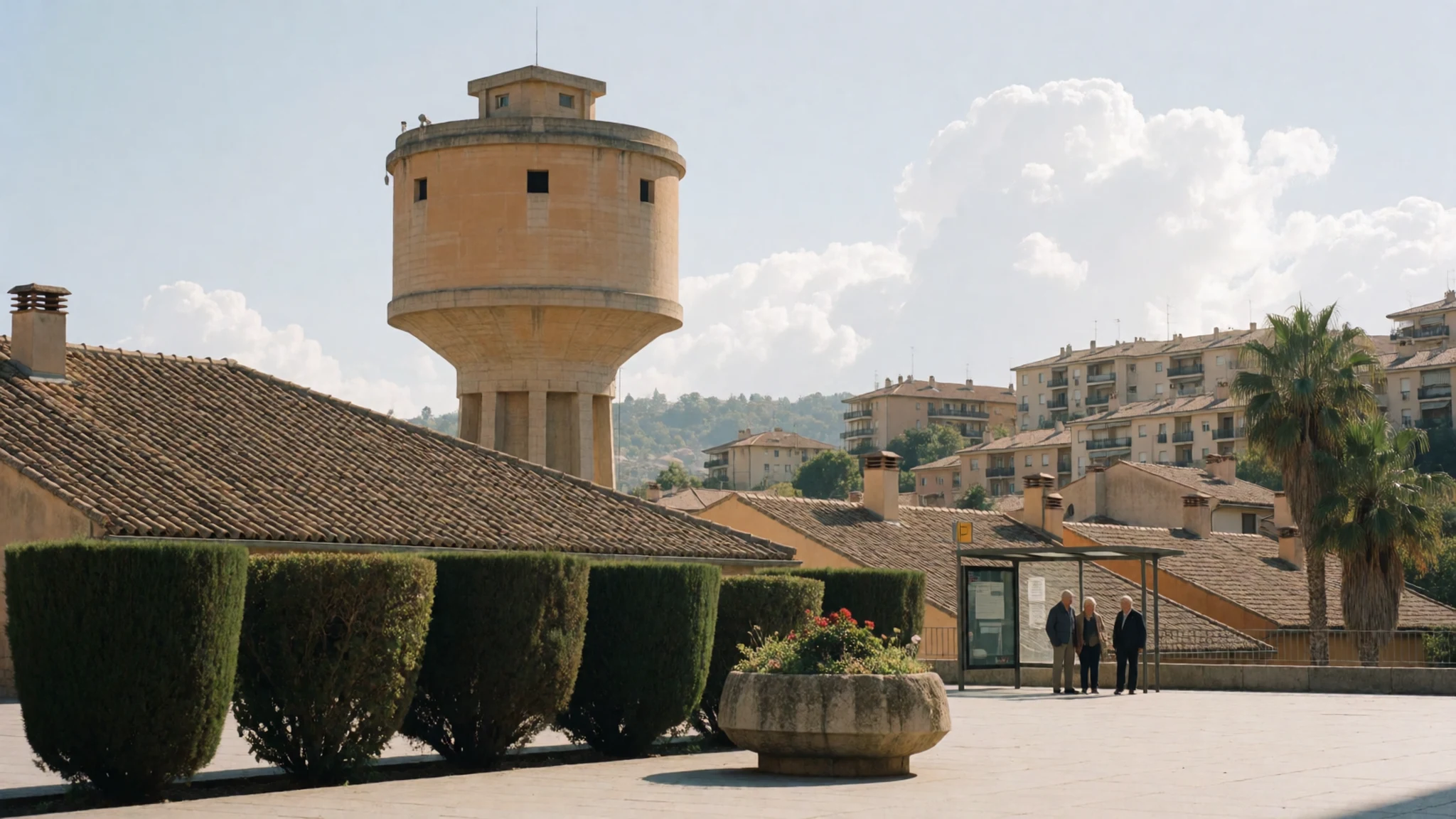
- Hotel Suís and the Savings Bank building — City centre
Two contrasting landmarks from the boom years. Hotel Suís is a modernist work of 1902 by Juli Batllevell, while the Sabadell Savings Bank building of 1923 is neo-Gothic and was designed by Enric Sagnier. Seeing them in one walk shows the range of tastes among wealthy Sabadell patrons.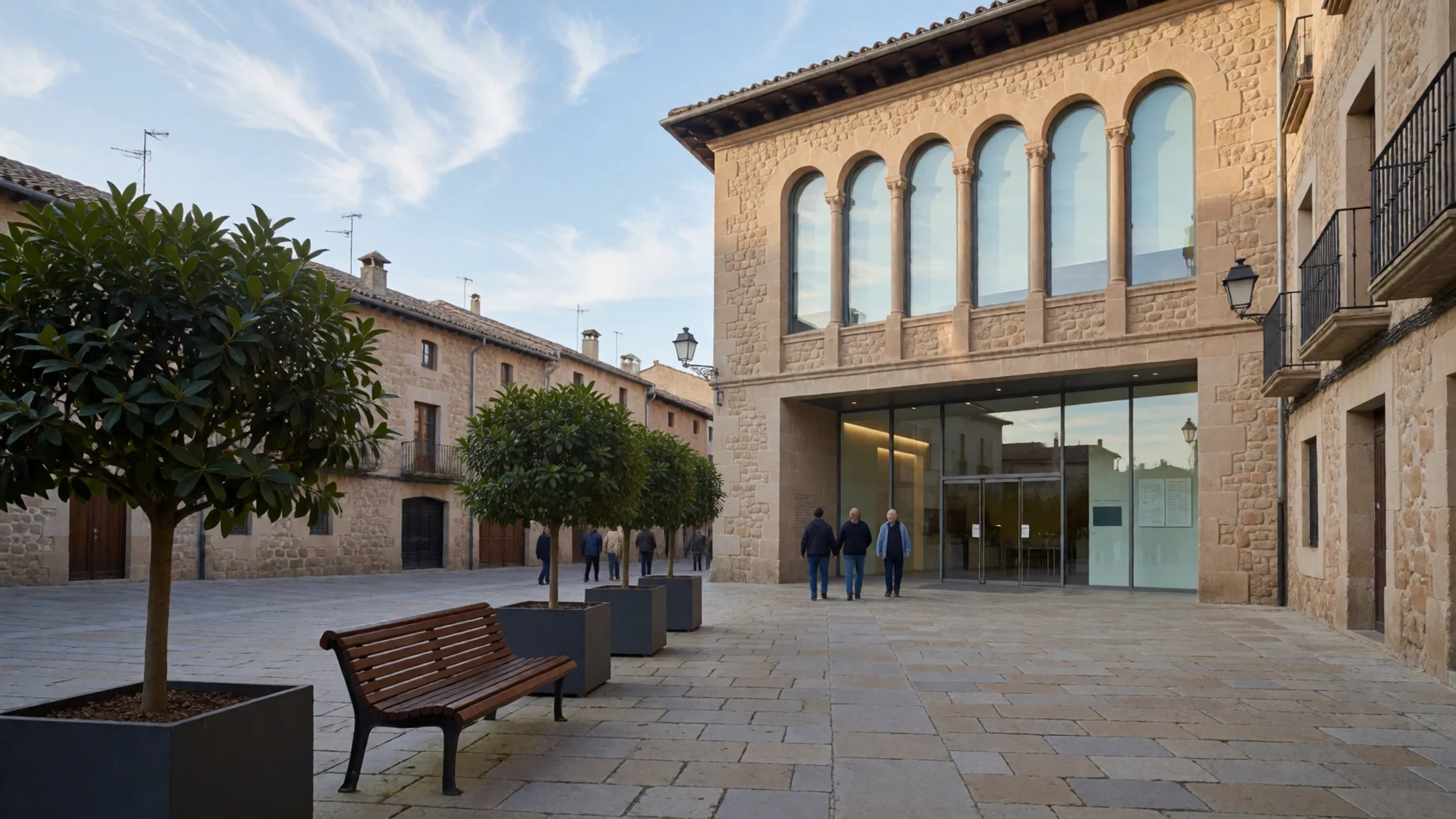
- Torre d'en Feu — Sabadell
A nineteenth-century romantic building constructed over a fortified house with twelfth-century origins. A stylised restoration was begun in 1879, so what you see is partly medieval foundation and partly Victorian imagination. It gives a different flavour from the city's industrial and modernist sights.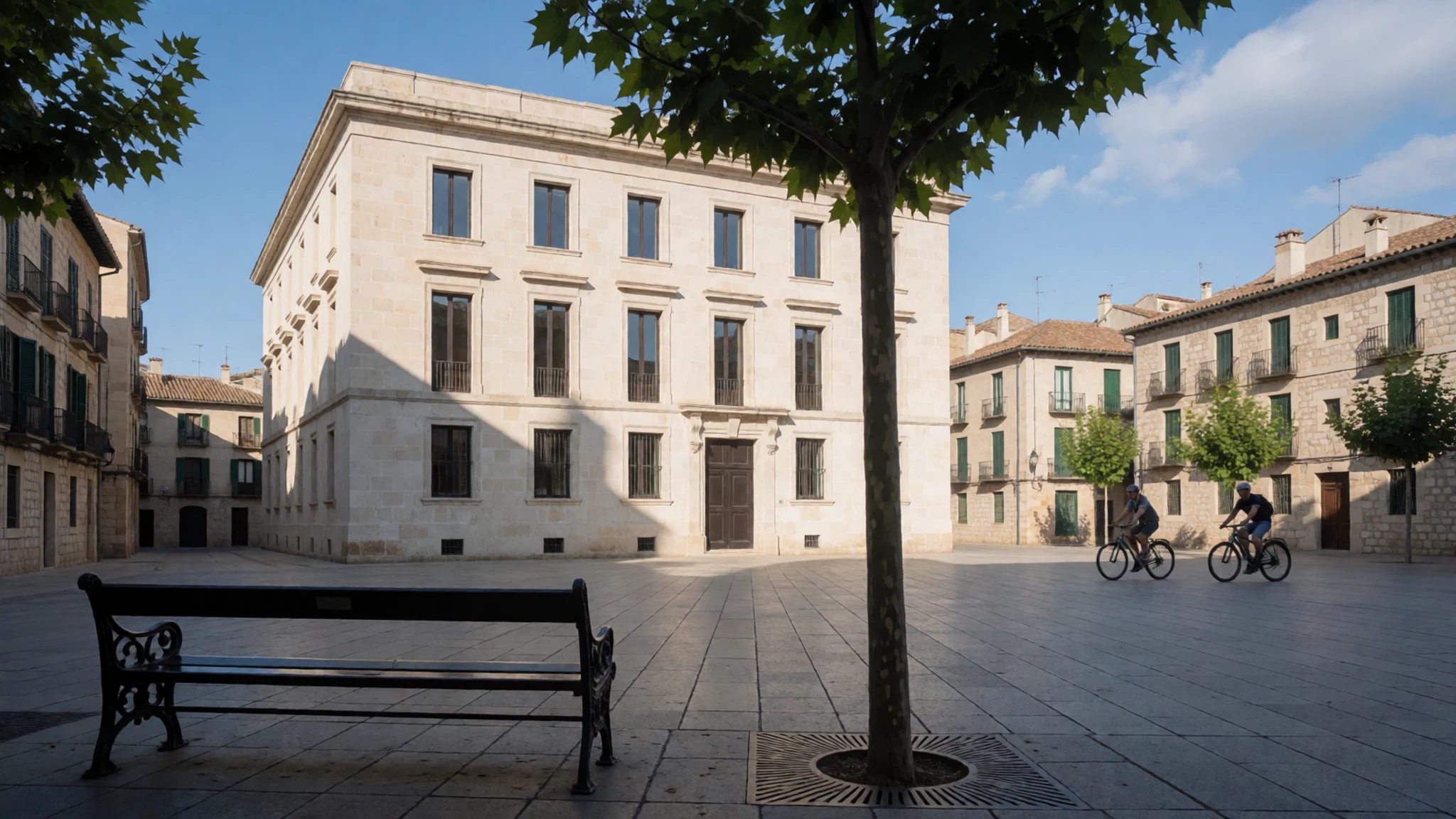
- Museu d'Art de Sabadell — Central Sabadell
A museum specialising in Catalan painting of the nineteenth and twentieth centuries. It is a calm indoor stop and a good way to understand the taste and money of the wool era's patrons. The history museum nearby covers the town's development from its early villages.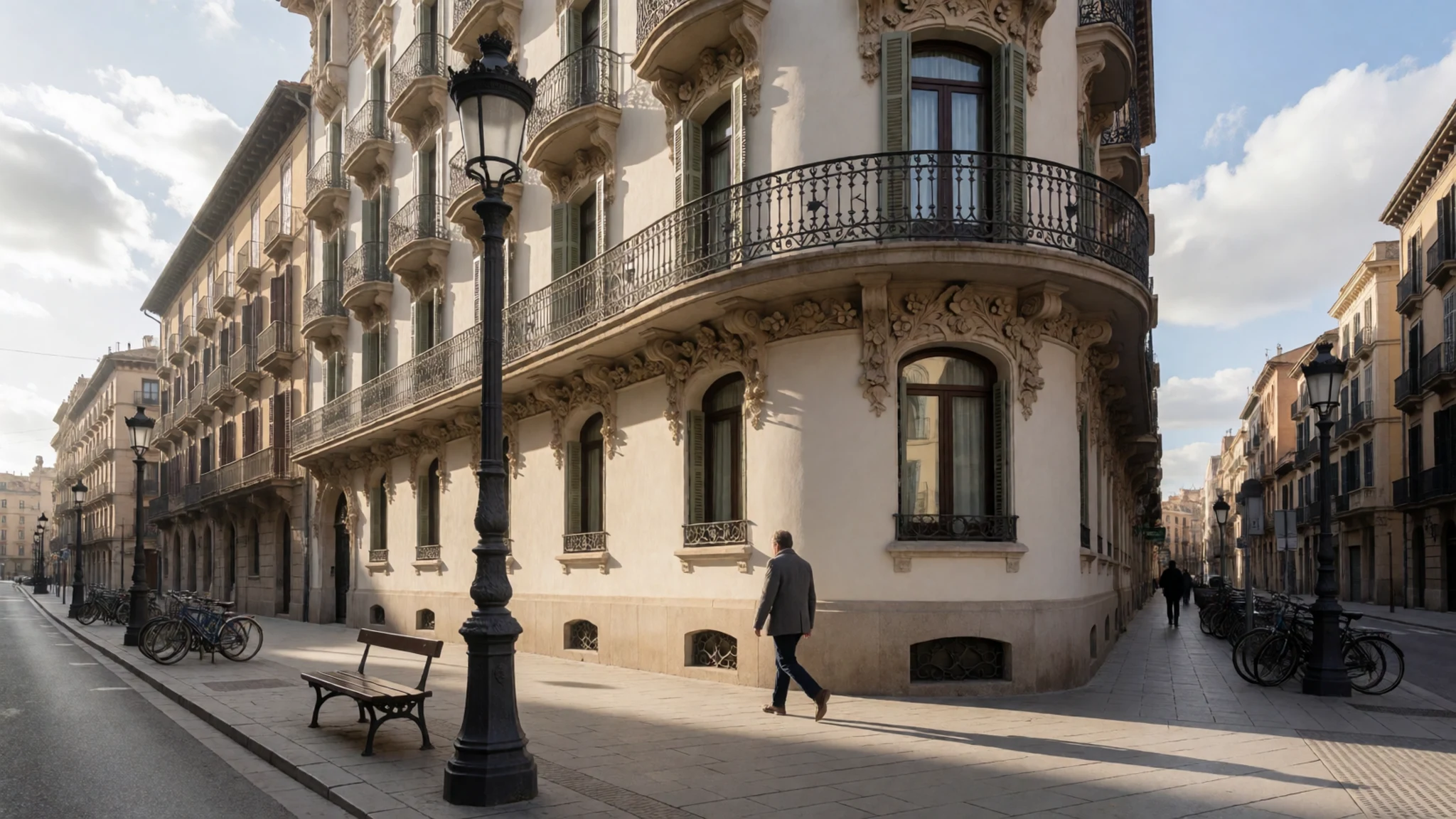
- Museu del Gas — Plaça del Gas
Housed in the former headquarters of Gas Natural on Plaça del Gas, this is described as the first gas museum in Spain. It suits visitors interested in how energy and industry shaped city life. Pair it with a walk past the converted mills nearby.
Culture
Sabadell is a Catalan city, and Catalan is the everyday language on signs, in shops and at the town hall, with Spanish widely understood alongside it. Street names, museum labels and menus often appear in Catalan first, so a few words help: bon dia for good morning, gràcies for thank you, si us plau for please.
Its culture is rooted in industry and association life. The wool boom produced not only mansions but clubs, music societies and civic groups, and that tradition continues. The Associació d'Amics de l'Òpera is one example of a local group devoted to the arts, and a plaque thanking one of its supporters is a small sign of how much community effort sustains cultural life here.
The city is also proud of its distinct character beside Barcelona and its rival Terrassa. Locals will gladly explain what sets Sabadell apart, and conversation about the textile past comes easily. Many former mills now serve as flats, offices and public services, so history is lived in rather than fenced off.
Daily rhythm follows Spanish habits. Lunch is the main meal and comes later than in the UK, shops may close for part of the afternoon, and dinner starts late. Weekends see families strolling the centre and filling café terraces. Public life is relaxed and courteous, and greetings matter when entering a small shop or bakery.
When you enter a small shop, bakery or café, greet the staff with a quick "bon dia" or "bona tarda" and, where you can, try Catalan before switching to Spanish or English.
What to wear
Sabadell's clothing story is really a textile story. The town made its name weaving wool, and that cloth clothed much of Spain in the nineteenth century. There is no single everyday traditional costume to look for in the streets. Catalan folk dress, with its woollen or cotton garments, the red barretina cap and rope-soled espardenyes, appears at festivals, dance groups and cultural events rather than daily life.
What people wear now is the practical, understated style of a Catalan commuter city: smart-casual layers, jeans or chinos, neat jackets, trainers or leather shoes. People dress a little more carefully than in many British towns for dining out, but not formally. Neutral colours and good fit are the norm, and sportswear is mostly kept for exercise.
For a visitor, comfort comes first. Summers are warm, so pack light cotton or linen, sunglasses, a hat and sunscreen. Winters are cooler and can be damp, so bring a jacket and an umbrella. Spring and autumn suit layers. Because the centre is walked, with paving and some gentle slopes, wear broken-in, comfortable shoes with grip.
Churches such as Sant Fèlix expect modest dress: cover shoulders and knees when visiting, especially during services. Elsewhere there are no special dress rules. If you are travelling from India or the UK, remember that evenings can turn cool even after a hot day, so a light extra layer is useful. Museums are air-conditioned or heated, which can be a surprise.
What to eat
- Fideuà — Seafood restaurants such as Marisqueria Caracola
A noodle-based cousin of paella, cooked with seafood and broth until the thin pasta absorbs the flavour. Look for it on menus at seafood restaurants, where it sits alongside rice dishes and zarzuela. It is usually served to share.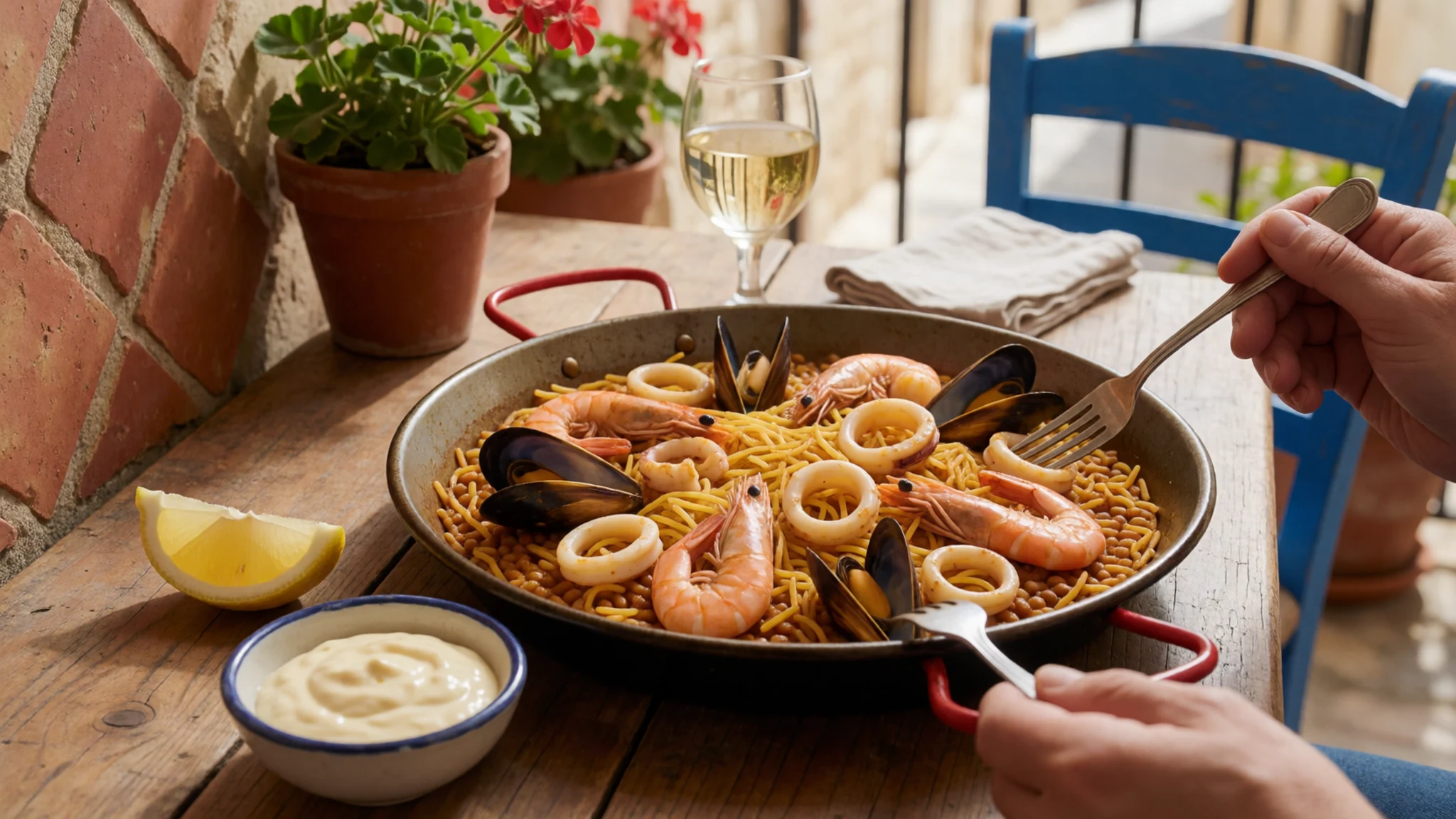
- Zarzuela — Seafood restaurants on the city's edge
A rich Catalan seafood stew of mixed fish and shellfish in a savoury sauce. It is generous and best ordered with friends. Seafood-focused restaurants on the edge of the city are the usual places to find it.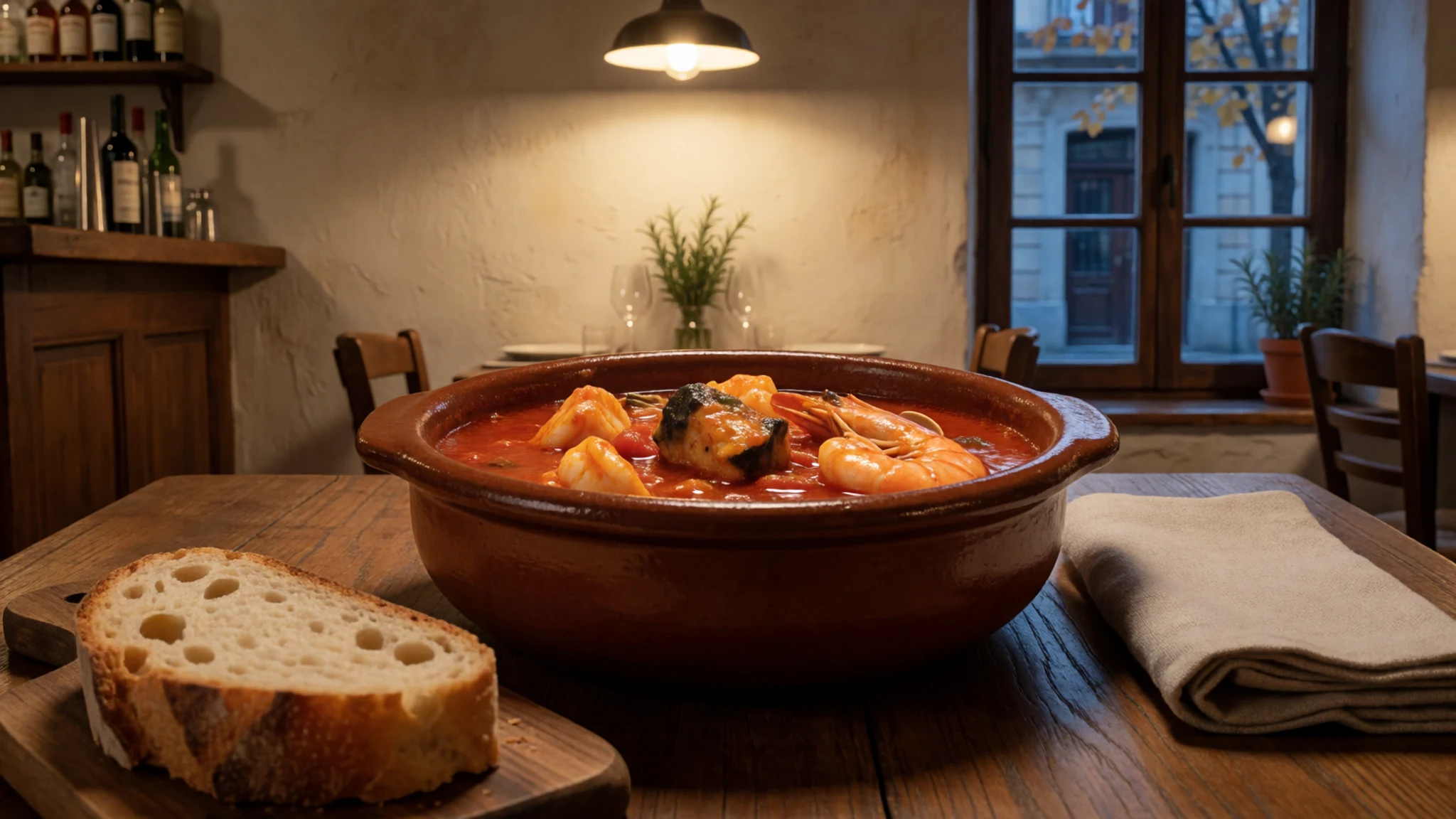
- Mediterranean set lunch — Restaurants near the central squares, such as Tanins or Nou Canaletes
Many central restaurants serve Mediterranean cooking built on grilled fish, vegetables, rice and olive oil. A midday menu is a relaxed way to try local flavours. Check the restaurant for current offers rather than relying on old prices. - Pastries and coffee — Neighbourhood bakeries (forns) and cafés such as El Suau
Bakeries across the city sell fresh bread, coffee and pastries, a good breakfast or mid-afternoon stop. Order a cafè amb llet and something sweet from the counter. Some places also bake homemade cakes. - Grilled meats — Traditional restaurants, including manor-house dining rooms such as Masia Castellarnau
Wood or charcoal grilling is common in Catalan cooking, and menus often list grilled meats beside fish. Ask for the day's grill and a simple salad on the side. Vegetarians can usually find vegetable and rice options too.
Plan it
Best time. April–June and September–October, when days are mild and walking is comfortable. July and August can be hot, and winters are cooler and sometimes damp.
How long. 1–2
Getting there. Fly to Barcelona El Prat (about an hour by car, 40 km; traffic can be heavy), then take the Ferrocarrils S2 line, which has five Sabadell stations, or Rodalies R4 to Sabadell. Girona airport is about an hour by car (86 km). By car, the C-58 motorway links to Sabadell from the west.
Budget. mid
Tips
- Use the S2 or R4 train from Barcelona rather than driving; traffic into the city can be heavy.
- Pick the station that suits your plan: Plaça Major and Sabadell Nord are the most central.
- Visit museums on weekdays, and check opening times on the official site, www.sabadell.cat.
- Carry a card, but keep some cash for small bakeries and cafés.
- Plan lunch for the Spanish hours, later than in the UK, as kitchens may close mid-afternoon.
Etiquette
- Greet staff with bon dia or bona tarda when entering shops and cafés.
- Dress modestly and keep voices low when entering churches.
- Ask before photographing people in close-up.
Nearby
Sources
- Wikidata Q12258 (CC0)
- Wikipedia: Sabadell (rev 1383901084) (CC BY-SA 4.0)
- Wikivoyage: Sabadell (rev 5424809) (CC BY-SA 4.0)
- Xavigivax, Edificis de l'eix Macià (CC BY 3.0)
- Joan Rubió, Esglèia de Sant Fèlix de Sabadell (CC BY-SA 2.0)
- Lohen11, Agraïment a Josep Ferré (CC BY 4.0)
- Pere López Brosa, Baixada de Can Puiggener (1) (CC BY-SA 4.0)
- Pere López Brosa, Baixada de Can Puiggener (2) (CC BY-SA 4.0)
- Gennadii Saus i Segura, Sant Agustí longitudinal exterior (CC BY-SA 4.0)
- Gennadii Saus i Segura, Sant Agustí longitudinal interior (CC BY-SA 4.0)
- Gennadii Saus i Segura, Sant Agustí transversal (CC BY-SA 4.0)


