Sagrada Família
Sagrada Família, Spain
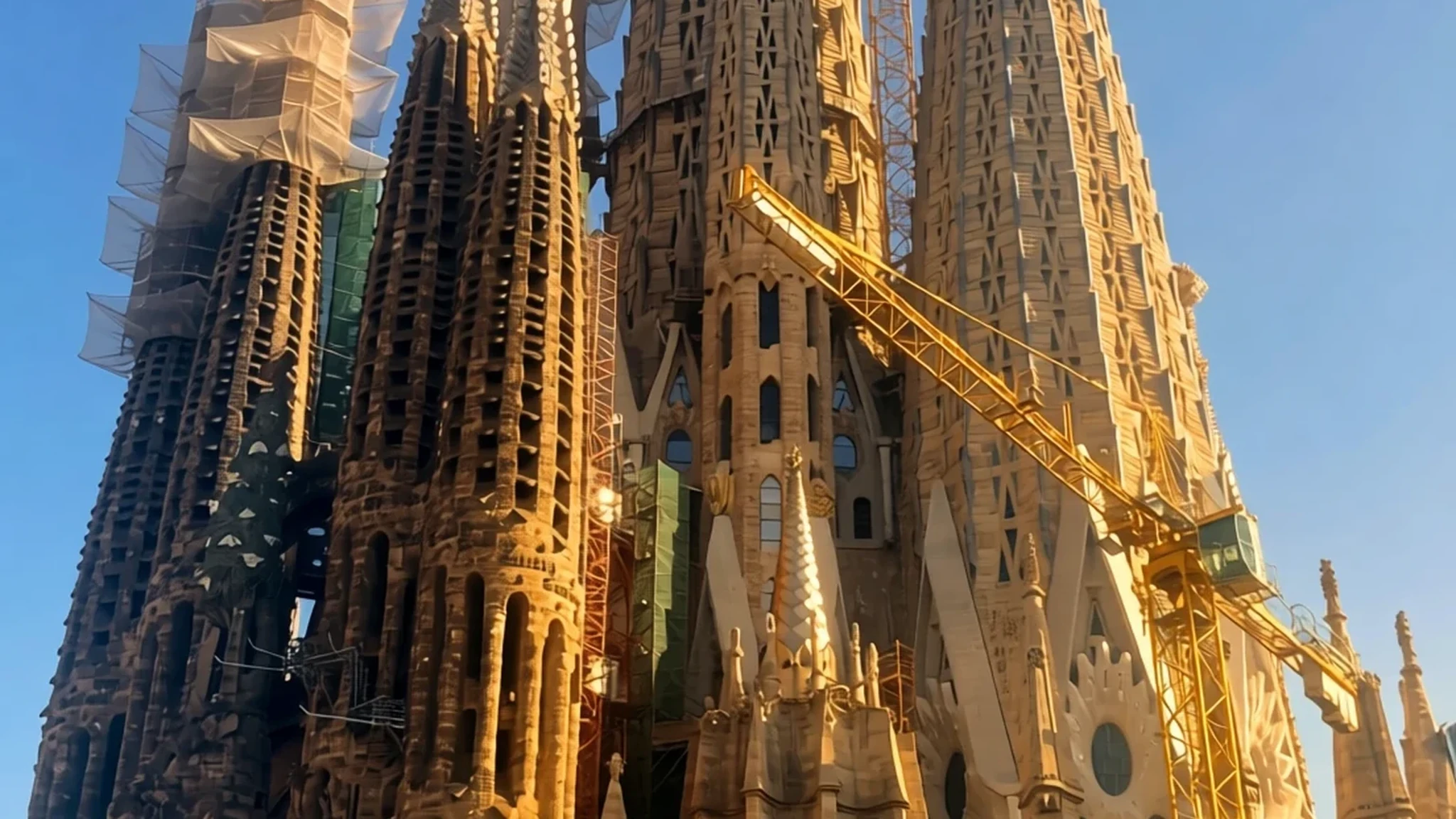
Marvel at Antoni Gaudí's unmatched modernist basilica, where soaring organic spires and intricate stone façades redefine sacred architecture in the heart of Barcelona.
The place
Sagrada Família stands within the grid of the Eixample district in Barcelona, Catalonia, Spain. Designed by the visionary Catalan architect Antoni Gaudí, this minor basilica combines Gothic traditions with curvilinear Art Nouveau forms in a manner found nowhere else in global ecclesiastical design. Consecrated and proclaimed a basilica by Pope Benedict XVI, certain portions of the complex including the crypt and the Nativity façade form part of a designated UNESCO World Heritage Site under the collective works of Antoni Gaudí. The entire structure rises above the city streets from a foundational elevation that places it slightly above sea level, anchored firmly in the urban landscape of the region.
The exterior features towering spires and richly sculpted stone surfaces that depict biblical narratives through an astonishing level of detail, while the interior functions like a stone forest where branching columns support a complex vaulted canopy. Sunlight filters through vast stained-glass windows, casting shifting hues of amber, blue, and green across the floor throughout the day. Visitors approaching the site encounter an intense concentration of activity, as continuous building works proceed alongside millions of sightseers arriving annually to witness the ongoing creation. The surrounding district of Eixample provides wide avenues, residential blocks, and numerous eateries that cater to the constant flow of travellers drawn to the monument. Despite the heavy crowds and the scaffoldings that mark ongoing labour, the atmosphere inside and around the basilica remains charged with creative energy and reverence, reflecting the lifelong dedication of its principal designer who devoted decades of his existence to shaping its stone walls and soaring silhouettes.
Its story
The history of Sagrada Família began in the late nineteenth century, inspired by a bookseller named José María Bocabella after a journey to Italy. Returning from Rome with the desire to establish an expiatory temple funded entirely through private donations, Bocabella secured land and initiated the project under an initial architect whose Gothic revival scheme followed conventional nineteenth-century ecclesiastical models. That first architect stepped down shortly after construction started, paving the way for Antoni Gaudí to assume leadership and completely reshape the artistic direction of the entire undertaking.
Gaudí poured the remainder of his life and resources into the basilica, living on-site for periods and treating the structure as an organic entity that would take generations to finish. When he died following a tram accident, only a fraction of the grand vision had materialised. Work persisted under the guidance of his trusted disciples until the turmoil of the Spanish Civil War brought violent interruptions, including fires set within the crypt and the destruction of irreplaceable plaster models housed in the workshops. Dedicated craftsmen later pieced together surviving fragments and historic photographs to resume the labour.
Throughout the decades, the project has relied on visitor ticket sales and private contributions rather than state or official religious coffers, creating a rare model of sustained community-funded building. Modern architects and sculptors continue to interpret Gaudí's surviving notes using contemporary engineering techniques while striving to preserve the emotional and artistic spirit of the original blueprints.
What to see
- Sagrada Família — Eixample
Barcelona's most famous and visited landmark showcases Antoni Gaudí's singular modernist vision through towering spires, intricate stone carvings, and soaring branching columns that create an interior resembling a stone forest unlike any other church on earth.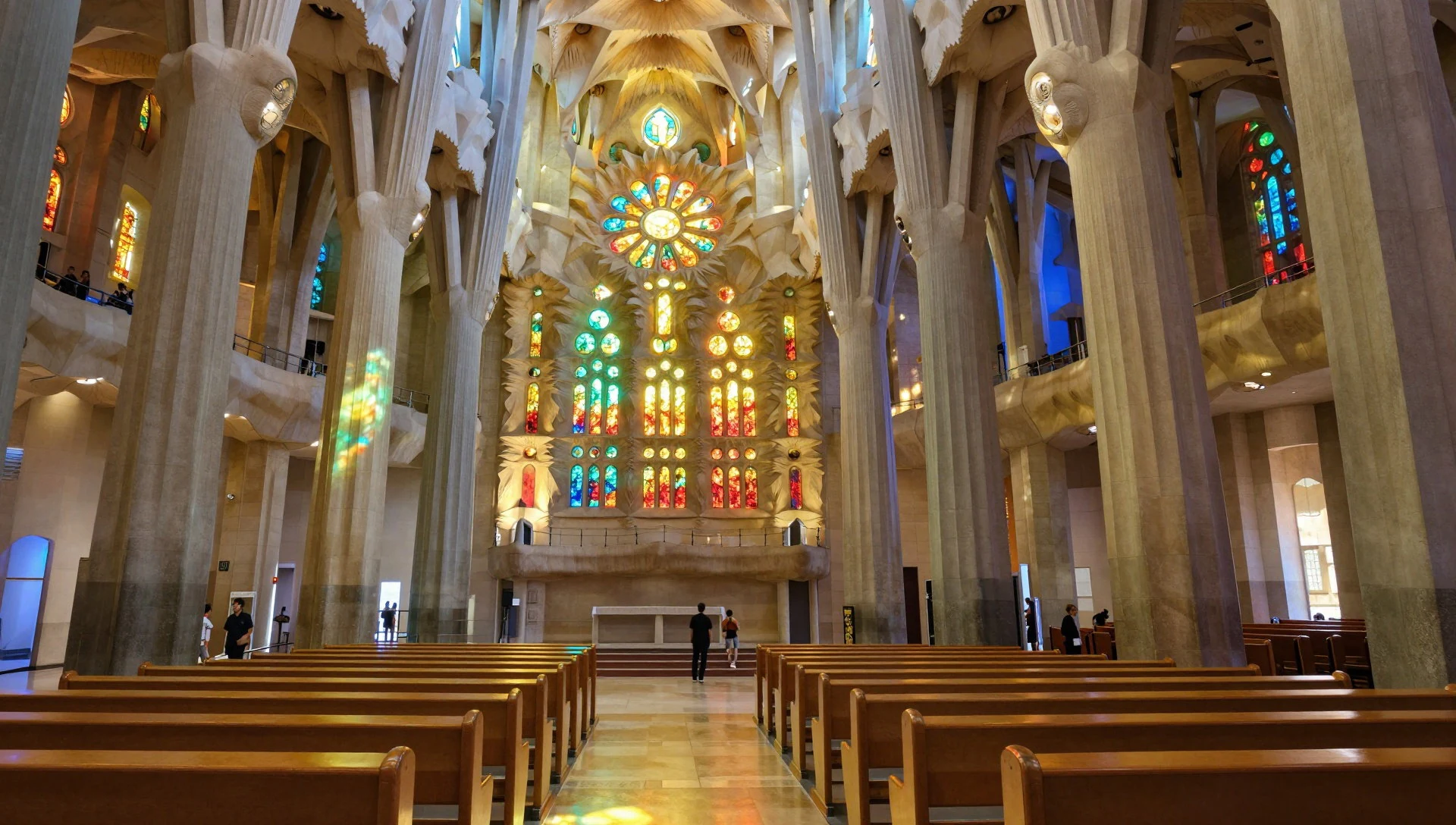
- Casa Batlló — Eixample
Located along the famous Passeig de Gràcia, this residential masterpiece redesigned by Antoni Gaudí features a shimmering mosaic exterior, skeletal balconies, and an interior entirely devoid of straight lines or right angles, offering a remarkable journey into modernist design.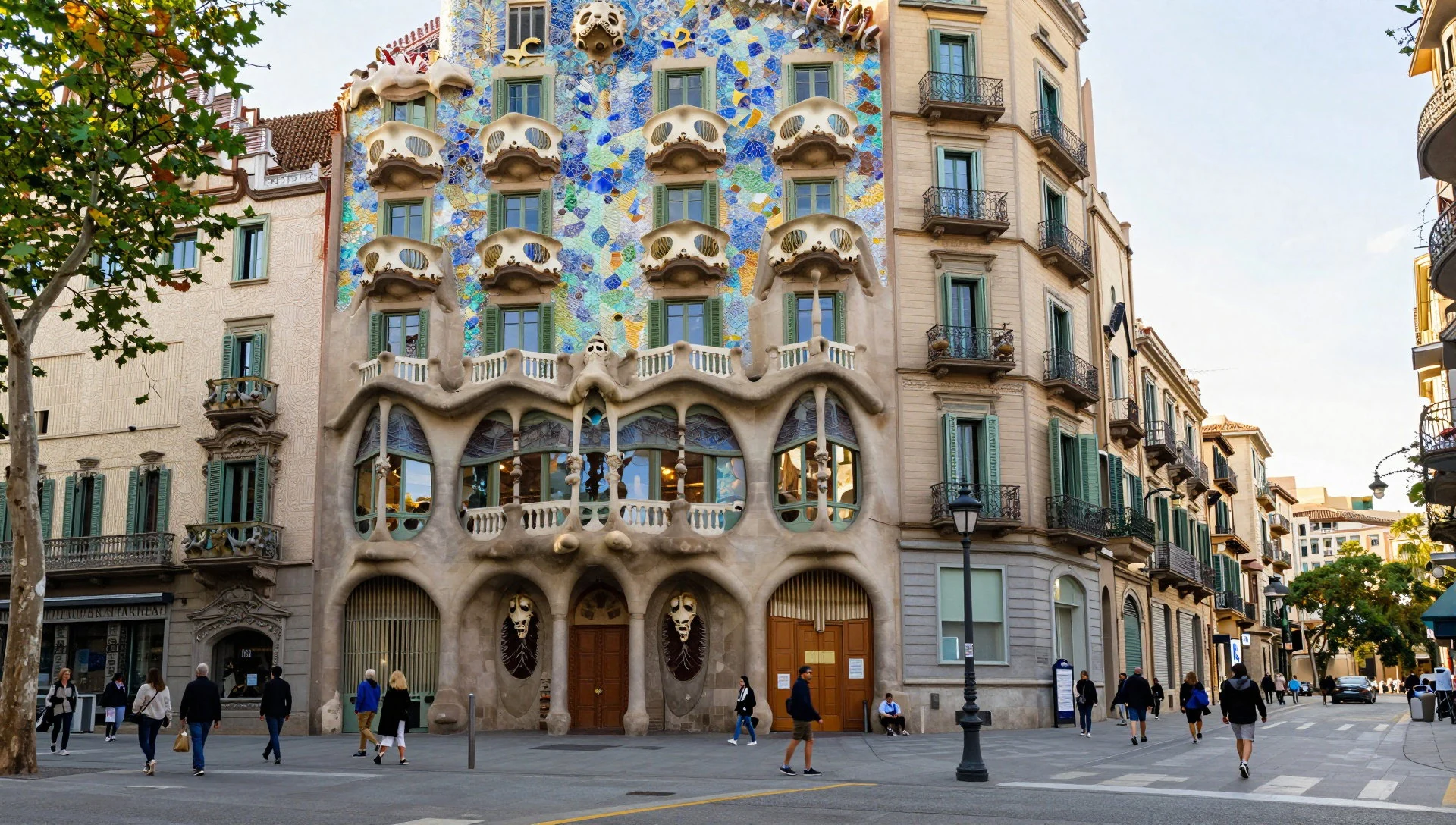
- La Pedrera — Eixample
Also known as Casa Milà, this iconic apartment building stands as one of Antoni Gaudí's most eccentric and inventive architectural creations, characterised by an undulating stone exterior, wrought iron balconies, and a remarkable rooftop landscape filled with sculpted chimneys.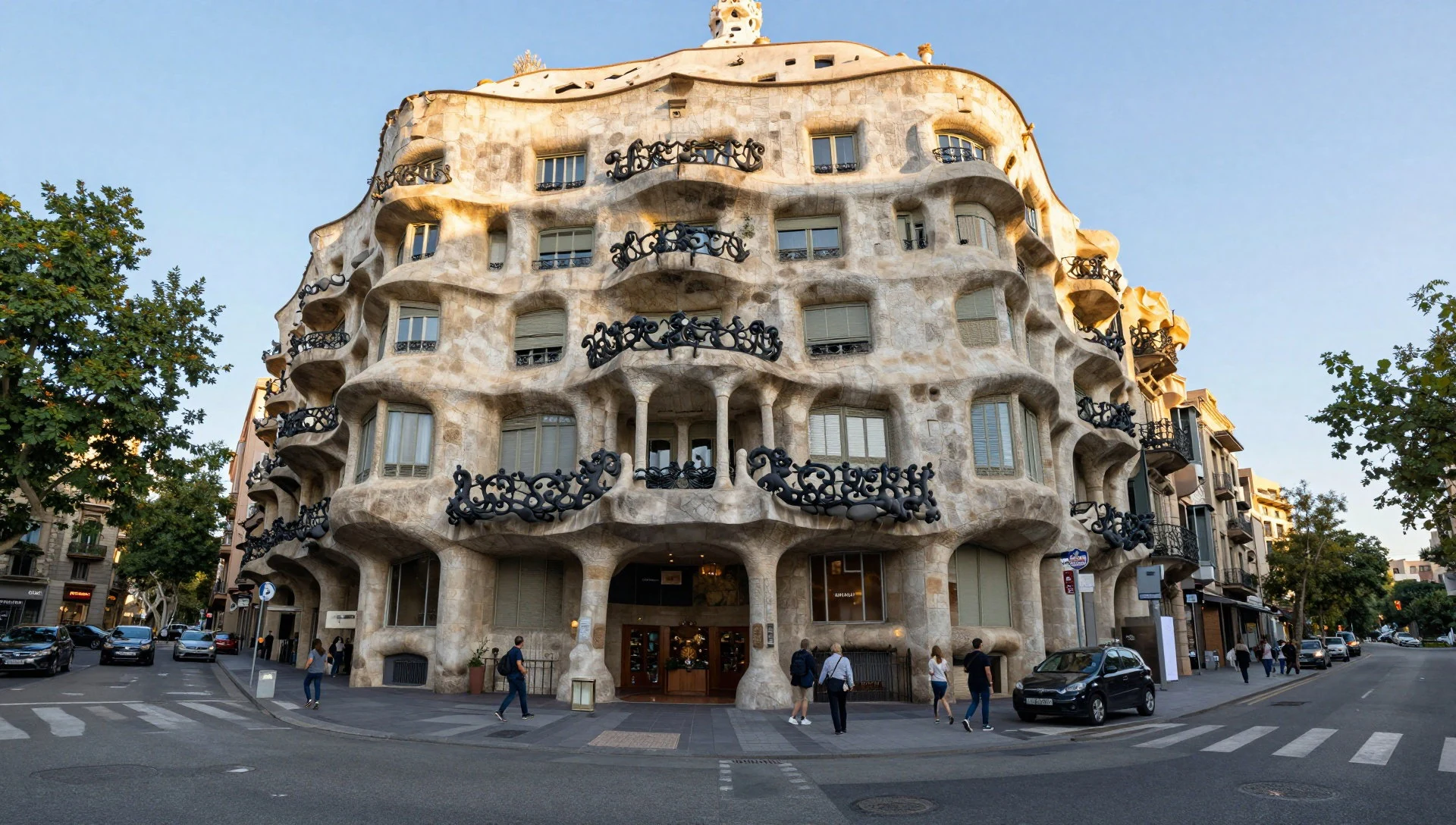
- Casa Amatller — Eixample
Designed by architect Josep Puig i Cadafalch, this striking modernist townhouse sits adjacent to Casa Batlló, displaying a stepped gabled facade inspired by traditional Flemish architecture alongside delicate ceramic tile work and intricate sculpted stonework throughout the exterior.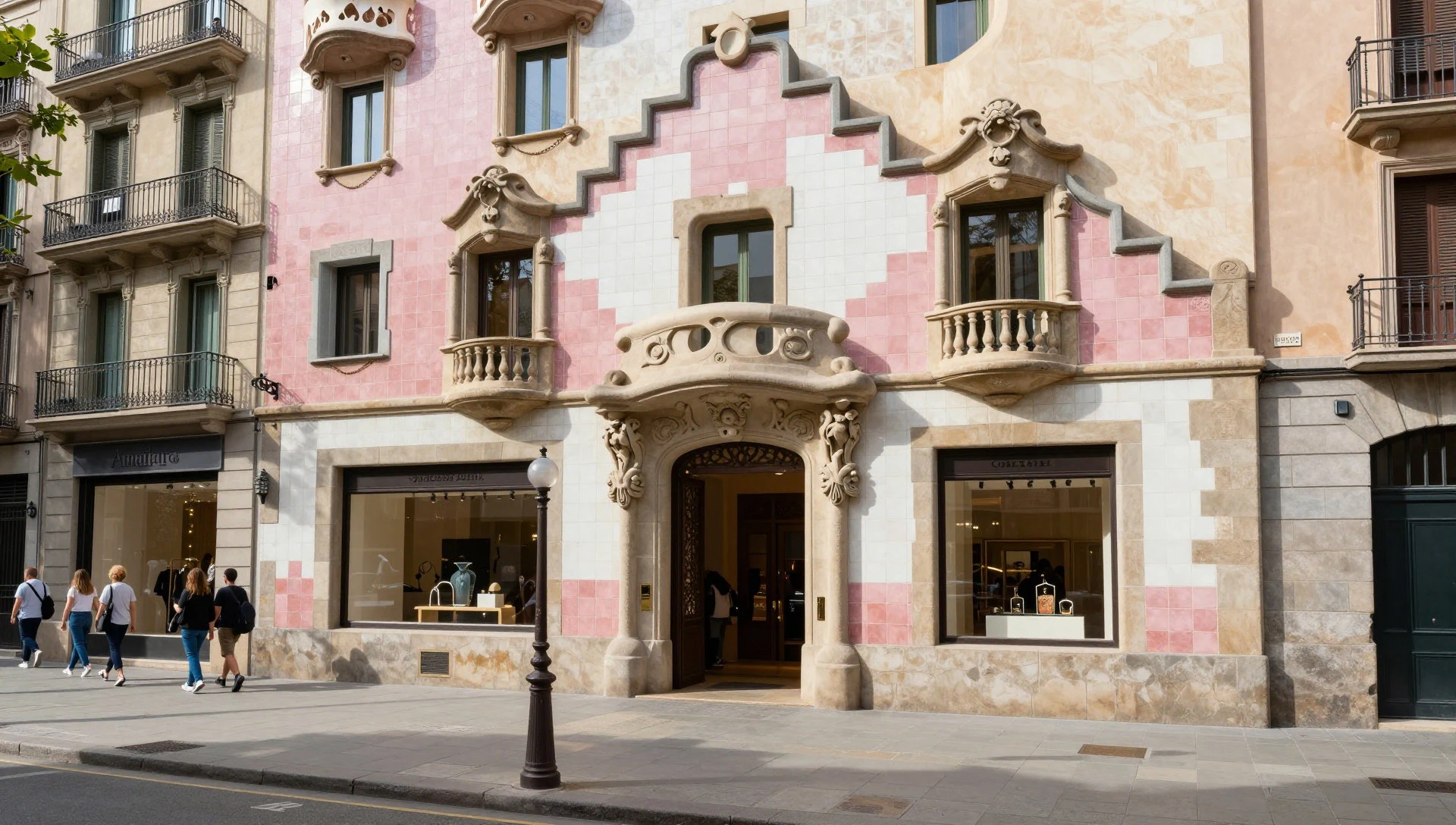
- Fundació Antoni Tàpies — Eixample
Established by the renowned Catalan artist Antoni Tàpies, this cultural centre and museum occupies a former publishing house featuring a distinctive rooftop wire sculpture by the founder, dedicated to promoting contemporary art studies and exhibitions within the district.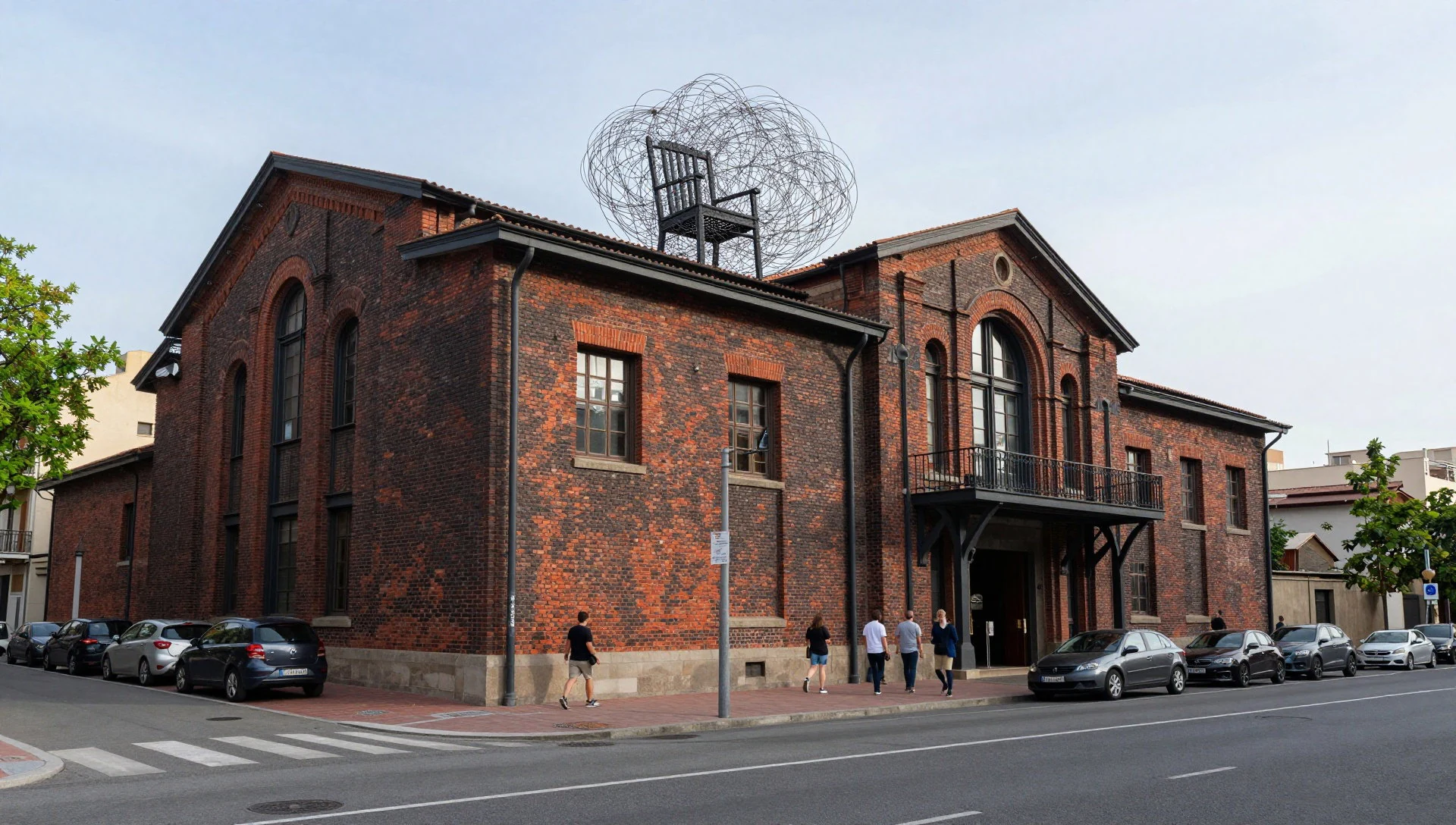
Culture
Sagrada Família and the surrounding Eixample district reflect the vibrant cultural identity of Catalonia, where Catalan and Spanish are spoken daily and local traditions shape community life. Traditional Catalan culture places a strong emphasis on community gatherings, architectural heritage, and fine craftsmanship, values that are clearly visible in the preservation of modernist landmarks and the pride locals take in their artistic lineage. The neighbourhood around the basilica balances daily residential routines with an influx of international visitors, creating a lively urban environment where local bakeries, markets, and tapas bars operate alongside busy tourist paths. Visitors should dress modestly when entering the basilica, covering shoulders and knees out of respect for its sacred function as an active house of worship.
What to wear
Sagrada Família and the wider Eixample district witness a modern style that blends smart European urban wear with practical attire for walking the grid streets of Barcelona. Traditional Catalan dress, such as the espadrilles or traditional sarda dancing attire, is reserved for cultural festivals, folk celebrations, and historical commemorations rather than everyday city life. Today, locals and residents typically wear neat, contemporary clothing including tailored trousers, comfortable leather shoes, lightweight jackets during cooler months, and clean minimalist layers that suit the Mediterranean climate. Visitors exploring Sagrada Família and nearby avenues should choose comfortable walking shoes to handle the stone pavements and long queues, along with breathable fabrics for warmer days. When planning a visit to the basilica interior, travellers must ensure their outfits meet local modesty standards by wearing garments that cover the shoulders and extend past the knees.
What to eat
- Catalan Tapas — Traditional bars across Eixample
Small plates featuring local specialities like pan amb tomàquet, local cured ham, and artisan cheeses, easily found in traditional bars throughout the Eixample neighbourhood surrounding the basilica. - Macrobiotic Dishes — Specialist cafes around the basilica
Plant-based and wholesome organic meals prepared with seasonal vegetables and grains, served at dedicated local eateries near the church grounds. - Mallorcan Specialities — Local bakeries near Sagrada Família
Regional island pastries, savory cocas, and traditional baked goods offering a taste of Balearic culinary heritage within walking distance of the monument. - Traditional Llesques — Neighbourhood brasseries
Rustic toasted bread slices piled high with fresh Mediterranean ingredients, meats, and cheeses, served in neighbourhood brasseries and casual daytime eateries.
Plan it
Best time. March to April for pleasant spring weather with fewer crowds, or November for mild autumn temperatures.
How long. 2–3
Getting there. Fly into Barcelona-El Prat Airport, then take the R2 train to Passeig de Gràcia or connect via the metro network directly to Sagrada Família station on lines L2 and L5.
Budget. mid
Tips
- Book entry tickets online several days in advance, especially in summer, because same-day tickets often sell out.
- Arrive early in the morning to experience the interior stained glass when morning light is at its best.
- Watch out for pickpockets in crowded public areas and around major metro stations.
- Wear comfortable footwear suitable for walking long distances across hard stone surfaces.
Etiquette
- Cover shoulders and knees before entering the basilica out of respect for religious guidelines.
- Keep voices lowered to a respectful murmur while exploring the interior prayer spaces.
Nearby
Sources
- Wikidata Q48435 (CC0)
- Wikipedia (rev 1382572843) (CC BY-SA 4.0)
- Wikivoyage (rev 5394458) (CC BY-SA 4.0)