Ruse
Ruse, Bulgaria
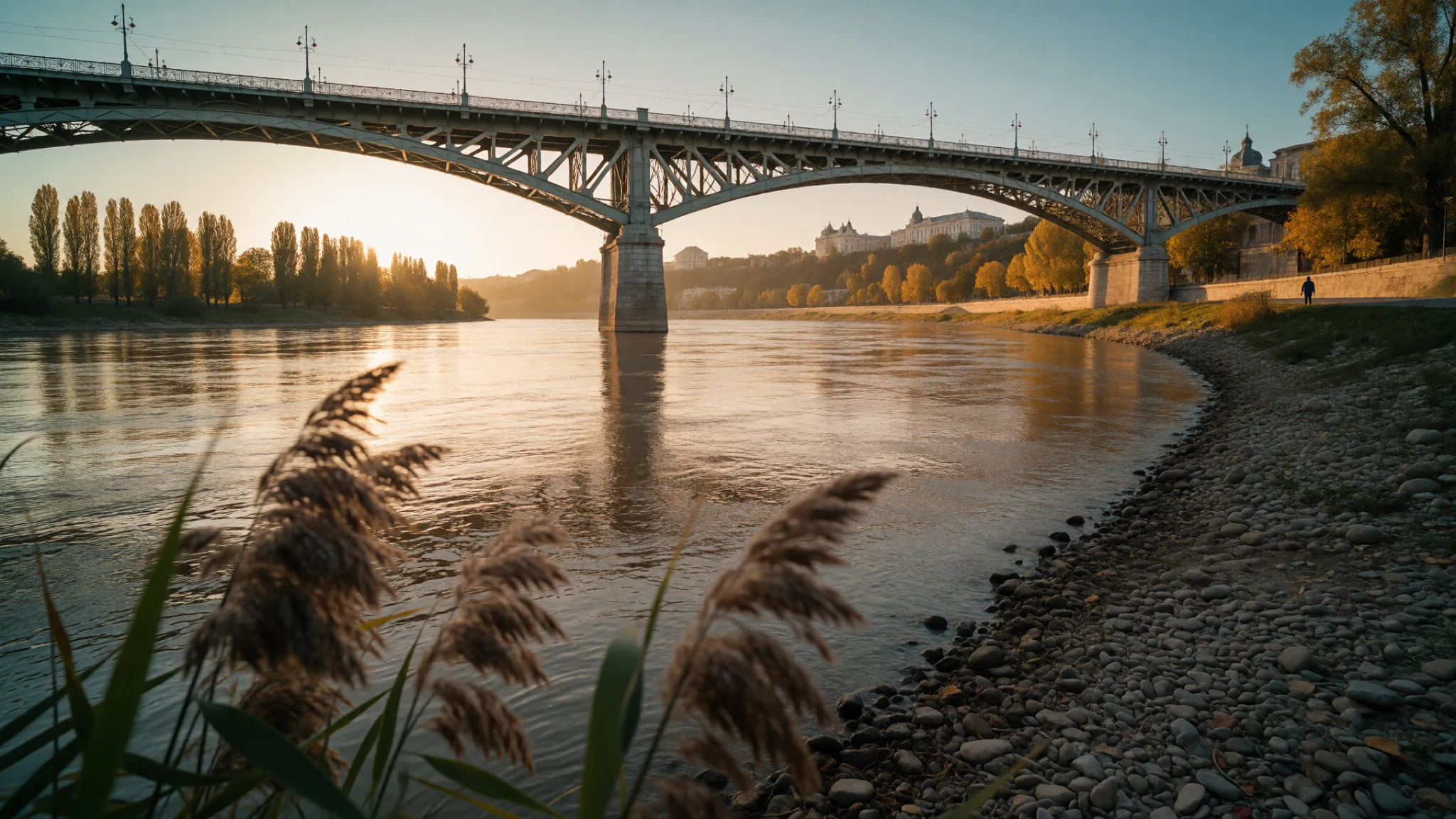
Ruse is a faded, elegant Danube river city of stucco townhouses and wide squares, a slow and cheap stop between Bucharest and the Balkans.
The place
Ruse sits on the high right bank of the Danube in northern Bulgaria, facing the Romanian town of Giurgiu across the water. About 120,000 people live here, at 45 m above sea level, and the city stretches in a long ellipse along the river instead of gathering around one centre. The bluff gives it terraces, so streets climb gently from the waterfront to the grand squares above. The road and rail bridge, known as the Friendship Bridge, has long made Ruse Bulgaria's main river port, and trucks, trains and barges still shape daily life. That trade money built the look of the place. Merchants and consuls put up tall townhouses with stucco garlands, curved balconies and painted ceilings, in Neo-Baroque and Neo-Rococo styles borrowed from Central Europe, which is why the city is nicknamed Little Vienna. An honest expectation: this is a working provincial city, not a polished showpiece, and some restored facades stand beside crumbling ones. The pace is slow, the central squares are easy to walk, and the cafés fill early on warm evenings. Writers have come from here, among them the Nobel laureate Elias Canetti and the novelist Michael Arlen. Bucharest is close enough for a side trip, and Ruse works well as a calm base for the Danube plain.
Its story
Ruse began as a Neolithic settlement beside the Danube, where people made pottery, fished, farmed and hunted. Excavated layers show that the site was raided by neighbouring tribes and hit by natural disasters more than once, and shrines nearby held figurines of a pregnant fertility goddess. A Thracian settlement followed, and under the Emperor Vespasian it became a Roman military and naval base on the Danube frontier, part of the line of forts defending the province of Moesia. Its Roman name, Sexaginta Prista, is usually read as "city of sixty ships", from the supposed number of berths, and the fleet and a legion stationed here guarded the river against raids from the far bank. Ptolemy and Antoninus Pius both mention the place. Centuries later, under Ottoman rule, the town grew as a river port and fortress, and a drawing from the early nineteenth century shows a walled town on the bluff. After Bulgarian independence, the city boomed. Foreign consulates, banks and trading houses arrived, and architects from Austria and Italy designed the stucco buildings that now define the centre. Bulgaria's oldest privately owned bank was founded here. The twentieth century added railways, heavy industry and a bridge to Romania, and the river remains the city's reason for being.
What to see
- National Transport Museum — Near the old railway station
Housed in Ruse's old railway station and its yard, this museum is mostly about trains. Steam locomotives stand outside, and inside are luxury carriages once used by notable figures in Bulgarian history. It suits rail enthusiasts and families, and it explains why Ruse became such an important junction.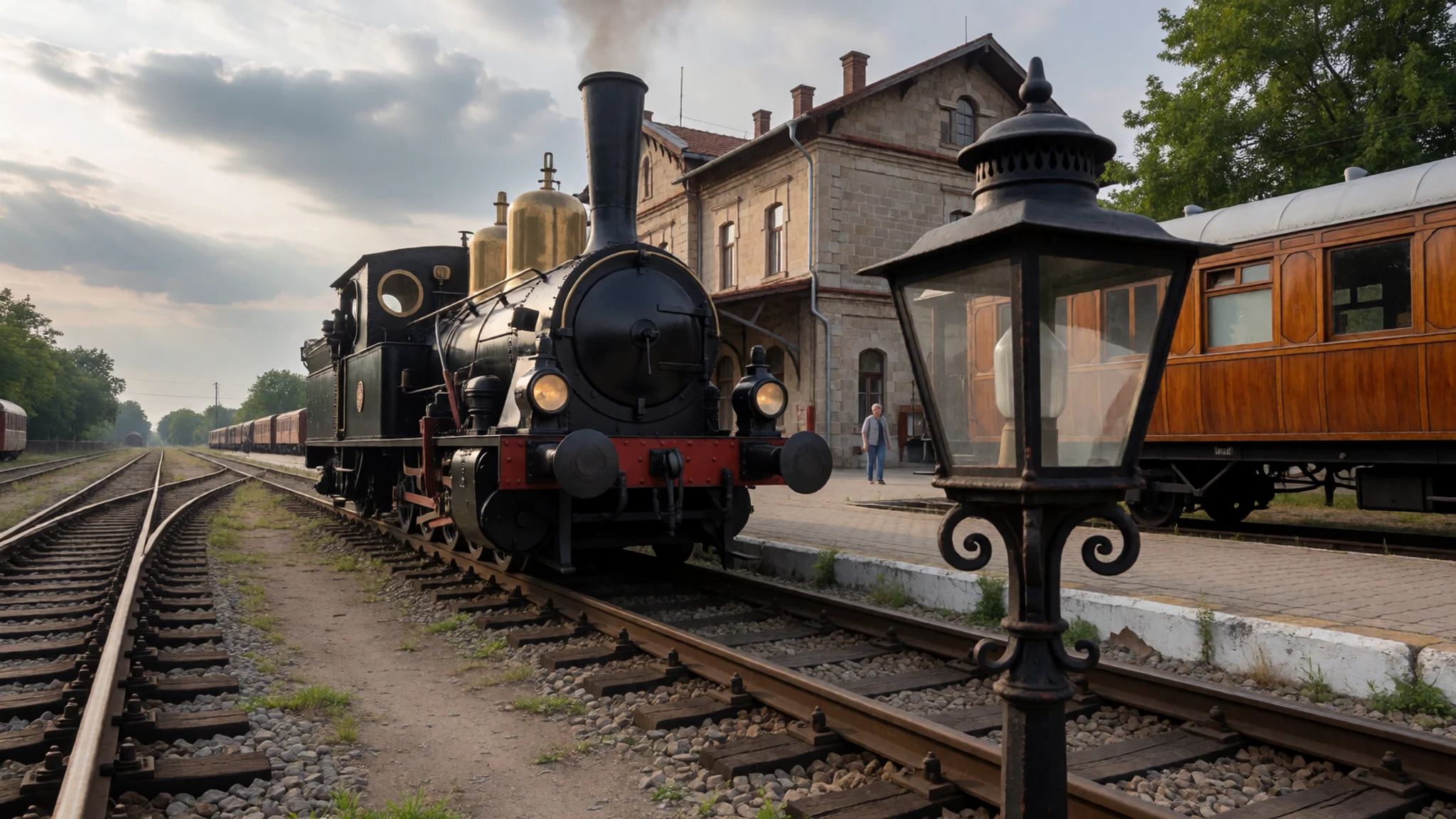
- Regional Historical Museum — City centre
The regional museum is one of Bulgaria's eleven and covers the wider area around Ruse, Razgrad and Silistra. It is the place to start for the Roman fort of Sexaginta Prista, Thracian finds and the story of the river trade. Allow an unhurried hour or two.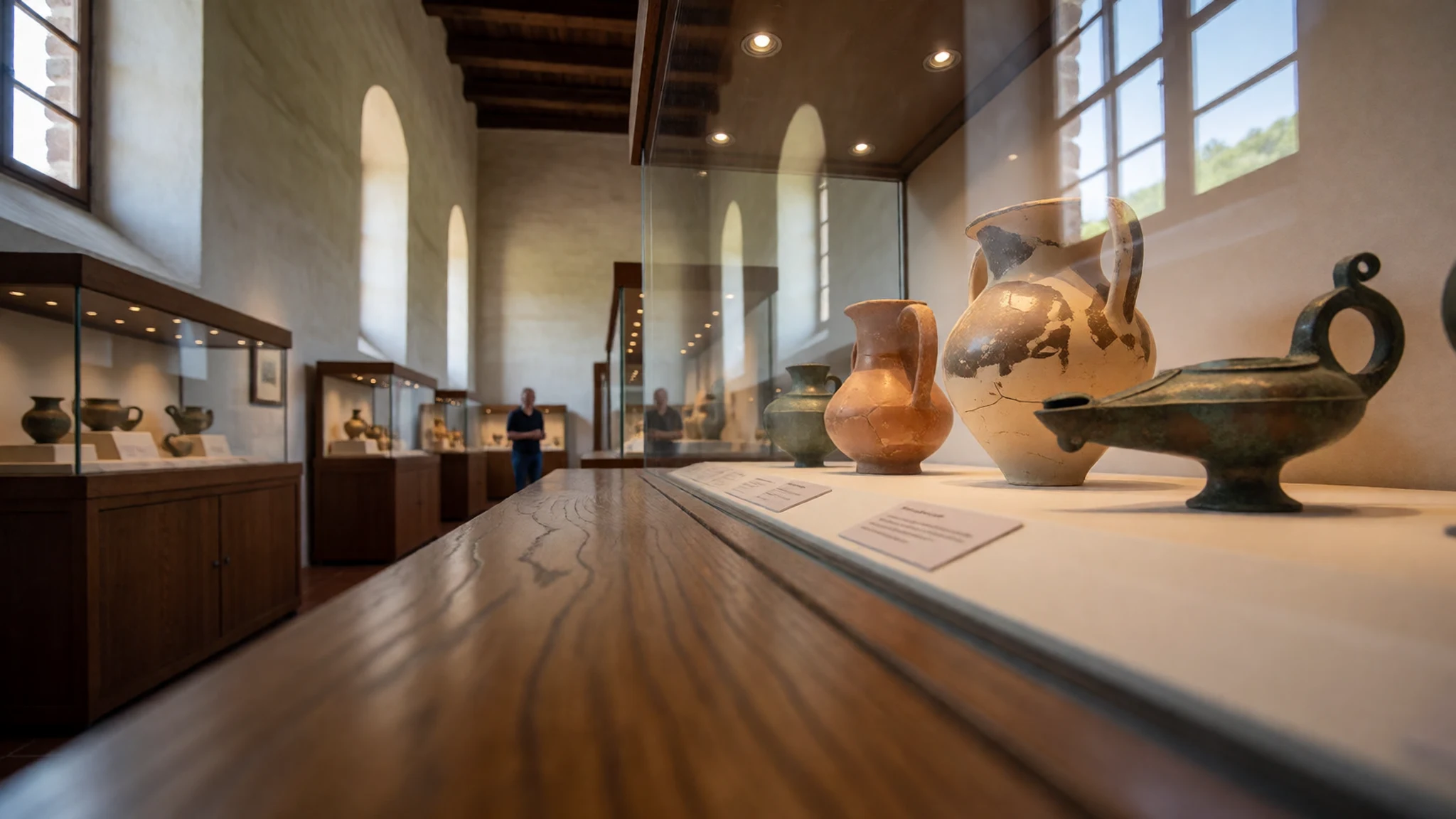
- EcoMuseum and Aquarium — City centre, near the river
This natural history museum opened in 2014 inside a modern interior. It has taxidermy animals, some of which visitors may touch, dioramas of natural habitats, and several large tanks of freshwater fish. It is a sensible stop with children, or when the weather turns wet or very hot.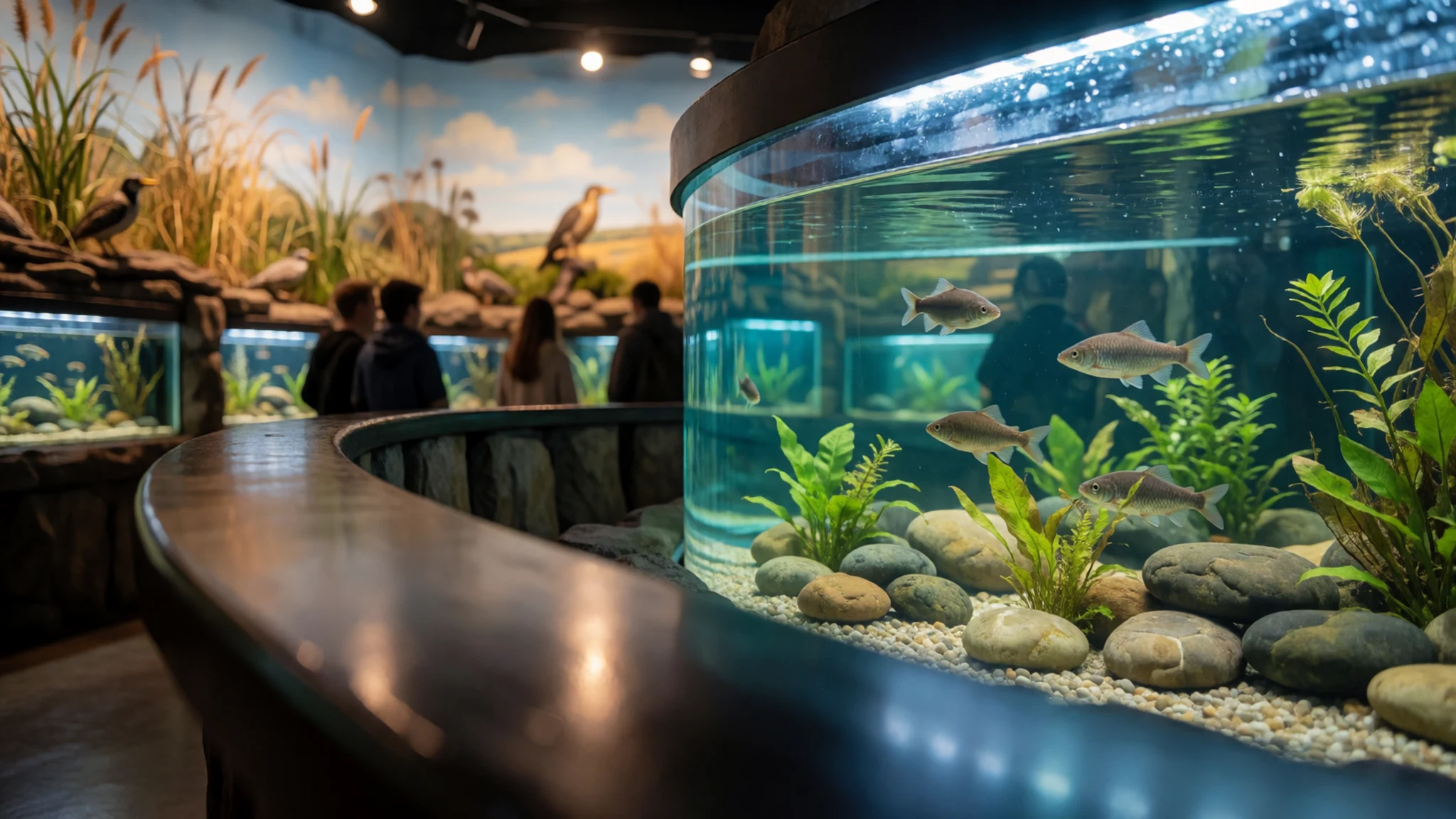
- Pantheon of National Revival Heroes — Eastern edge of the centre
A national monument and ossuary, the Pantheon holds the remains of thirty-nine Bulgarians from the struggle for liberation, among them the writer Lyuben Karavelov and the fighter Stefan Karadzha. The setting is quiet and solemn, with a small park around it, and it gives useful context to Bulgarian national history.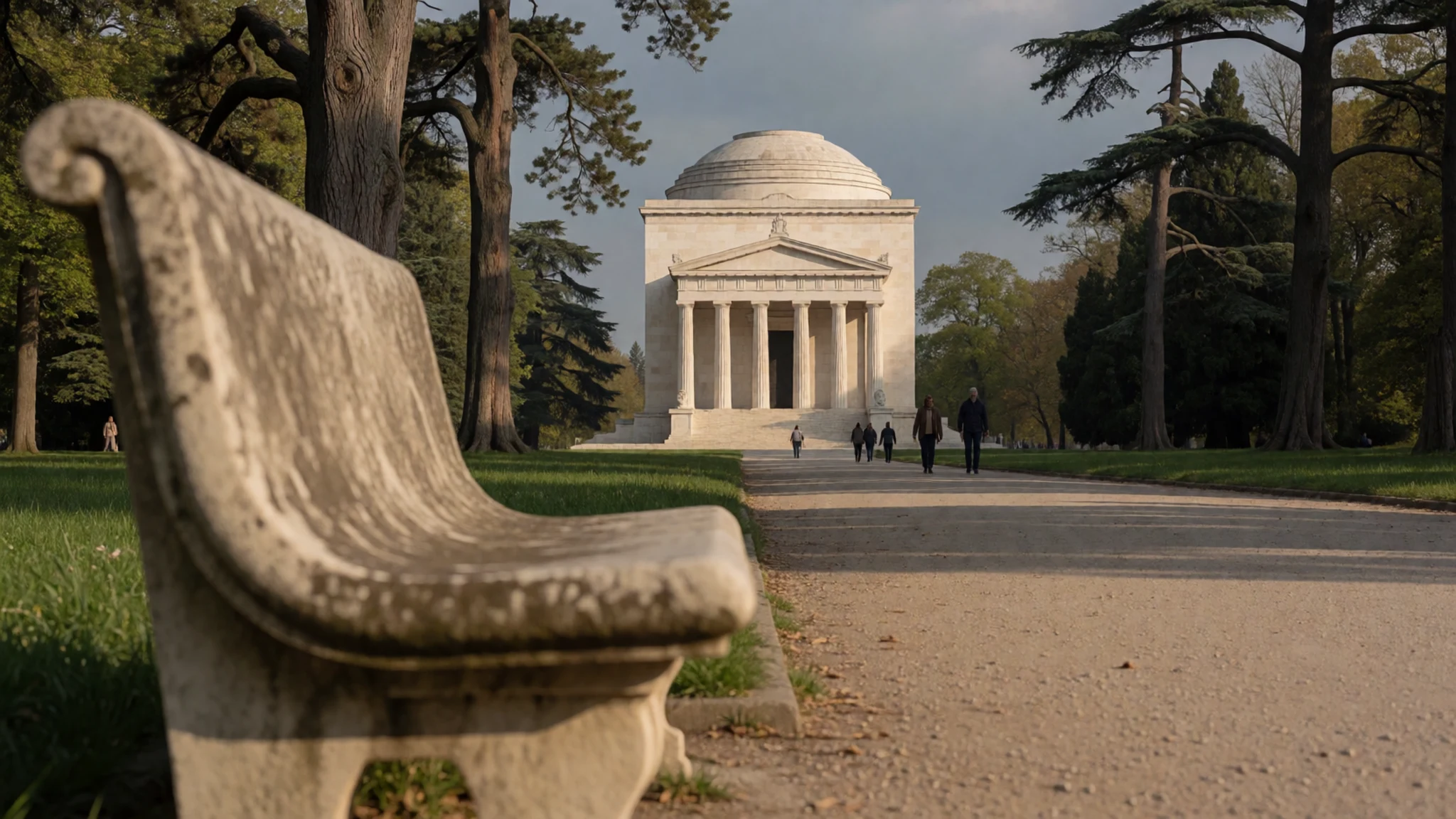
- Kaliopa House — Old town, near the Danube
Built in 1864, Kaliopa House is now a museum of urban life in Ruse. Its furnished rooms show how well-off townspeople lived in the Ottoman and early Bulgarian period, with painted ceilings and period furniture. It is small, and visits are quick but worthwhile for the domestic detail.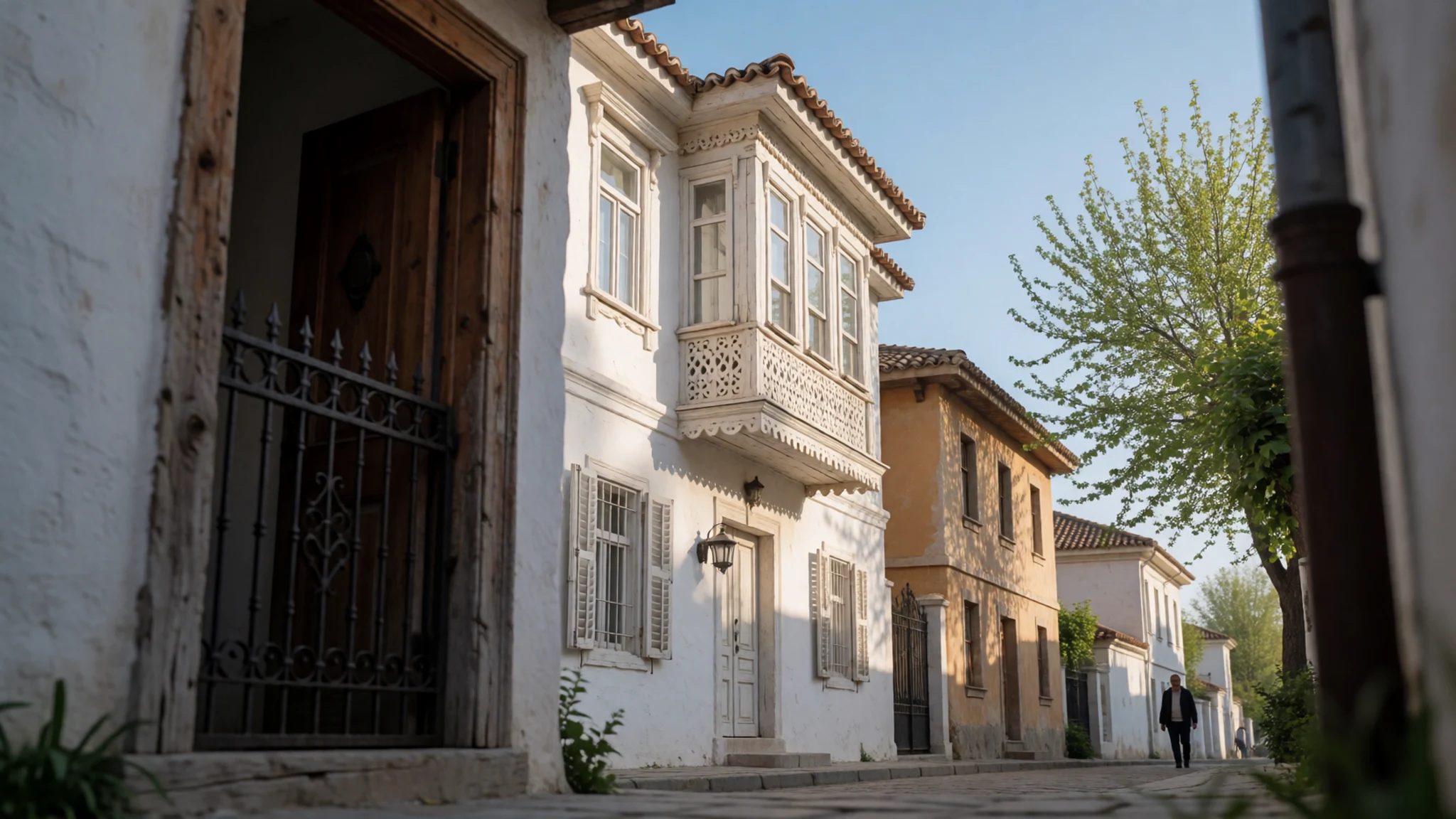
- Basarbovo Monastery — South of Ruse, in the countryside
A working Eastern Orthodox monastery south of Ruse, named after the local saint Dimitar of Basarbovo. It makes a calm half-day trip out of the city, set in a quiet valley. Treat it as a place of worship, not a sight to rush through.
Culture
Ruse takes its culture seriously for a city of its size. It has a philharmonic orchestra, the Rousse State Opera, founded in 1949, and the Sava Ognianov theatre. The Austrian Library, on an upper floor of the theatre, is the home of the International Elias Canetti Society, a nod to the city's Nobel-winning son, who wrote about his Ruse childhood. The calendar is busy in spring and summer. March Music Days is an international classical festival. The city's own holiday is St George's Day in early May, when a local fair runs for about a week. Ruse Carnival is a masquerade held around Enyovden, the midsummer feast, and the Sexaginta Prista Summer Stage brings an urban arts festival to the streets. Social life moves outdoors on warm evenings, with people strolling the central squares and sitting for hours over coffee. Bulgarians nod for yes and shake the head for no, which can confuse newcomers: if a waiter seems to disagree with your order, check again in words. Orthodox churches and monasteries are active places of worship, and locals cross themselves on entering. When you visit a church or the monastery, dress modestly with covered shoulders and knees, keep your voice low, and ask before photographing icons or people at prayer.
What to wear
Ruse has no single everyday costume, but the traditional dress of the Danube plain follows the wider Bulgarian pattern. Women's festival outfits use a long embroidered linen or cotton chemise, a woollen apron and a sleeveless coat, with bold red and black embroidery and coin or bead jewellery. Men wore white linen shirts and wool trousers, often with a sash. You are most likely to see these on folklore stages, at school performances, and at fairs such as the St George's Day celebrations. Day to day, people in Ruse dress in a neat, fairly smart European way. Office workers wear tailored clothes, young people favour trainers and jeans, and an evening at the opera or theatre calls for a jacket or a nice dress. For visitors, the climate decides most things. Summers on the Danube plain are hot, so pack light cotton and a hat, while winters are cold and windy off the river, so bring a proper coat and gloves. Cobbled and uneven pavements make comfortable flat shoes worthwhile. For monasteries and churches, bring a scarf or light layer to cover shoulders, and wear trousers or a skirt below the knee. Beyond that, ordinary city clothes are fine anywhere.
What to eat
- Shopska salad — Any traditional eatery in the centre
Chopped tomato, cucumber and peppers under a snowfall of grated white sirene cheese. It is the standard starter in Bulgaria and is easy to find in any traditional eatery in the centre, especially in summer, when the vegetables are at their best.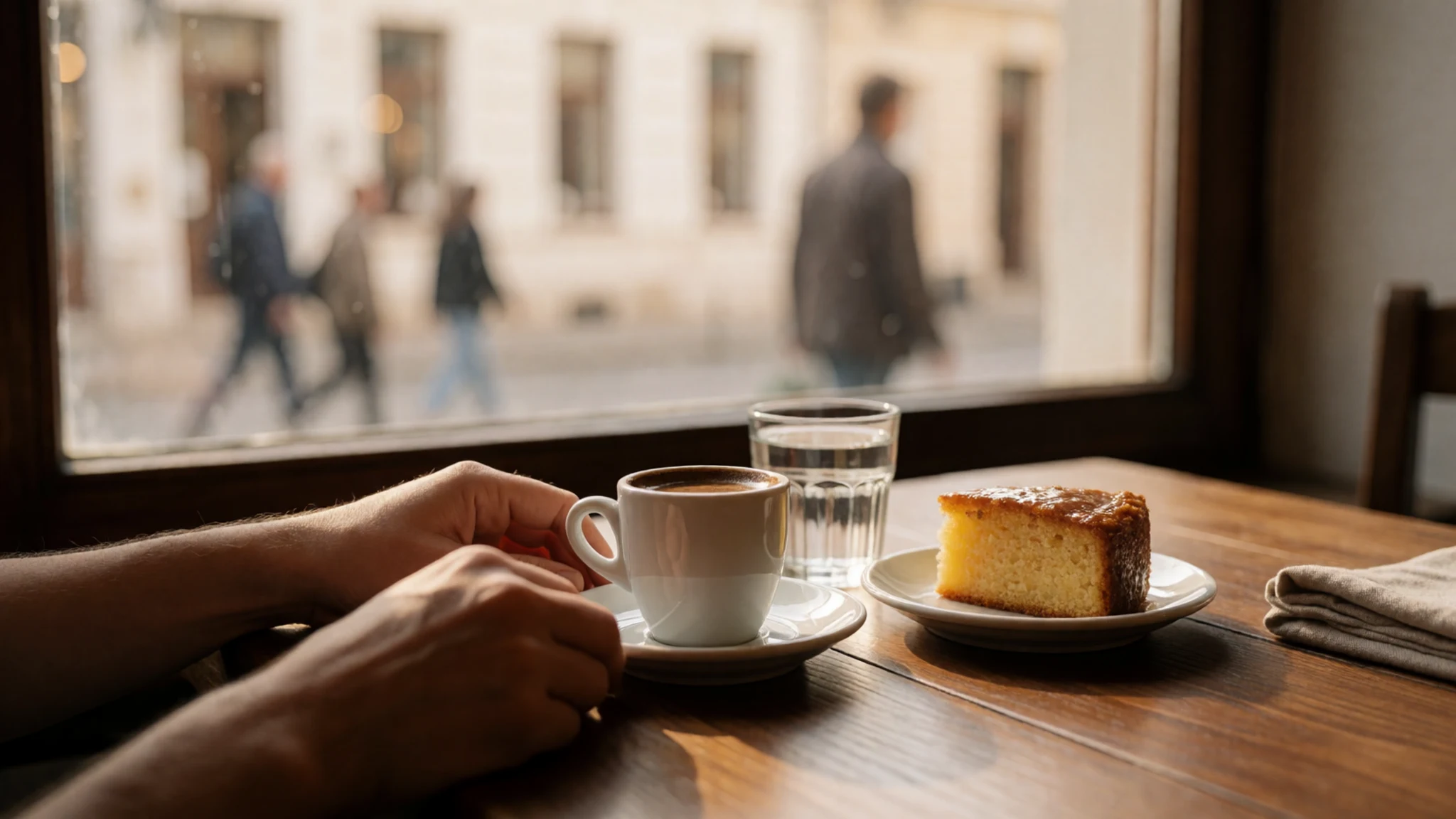
- Banitsa — Neighbourhood bakeries, morning
Layers of thin pastry baked with eggs and white cheese, eaten warm. Locals have it for breakfast with plain yoghurt or ayran, a salted yoghurt drink. Look for it in neighbourhood bakeries early in the morning, when the trays come out fresh.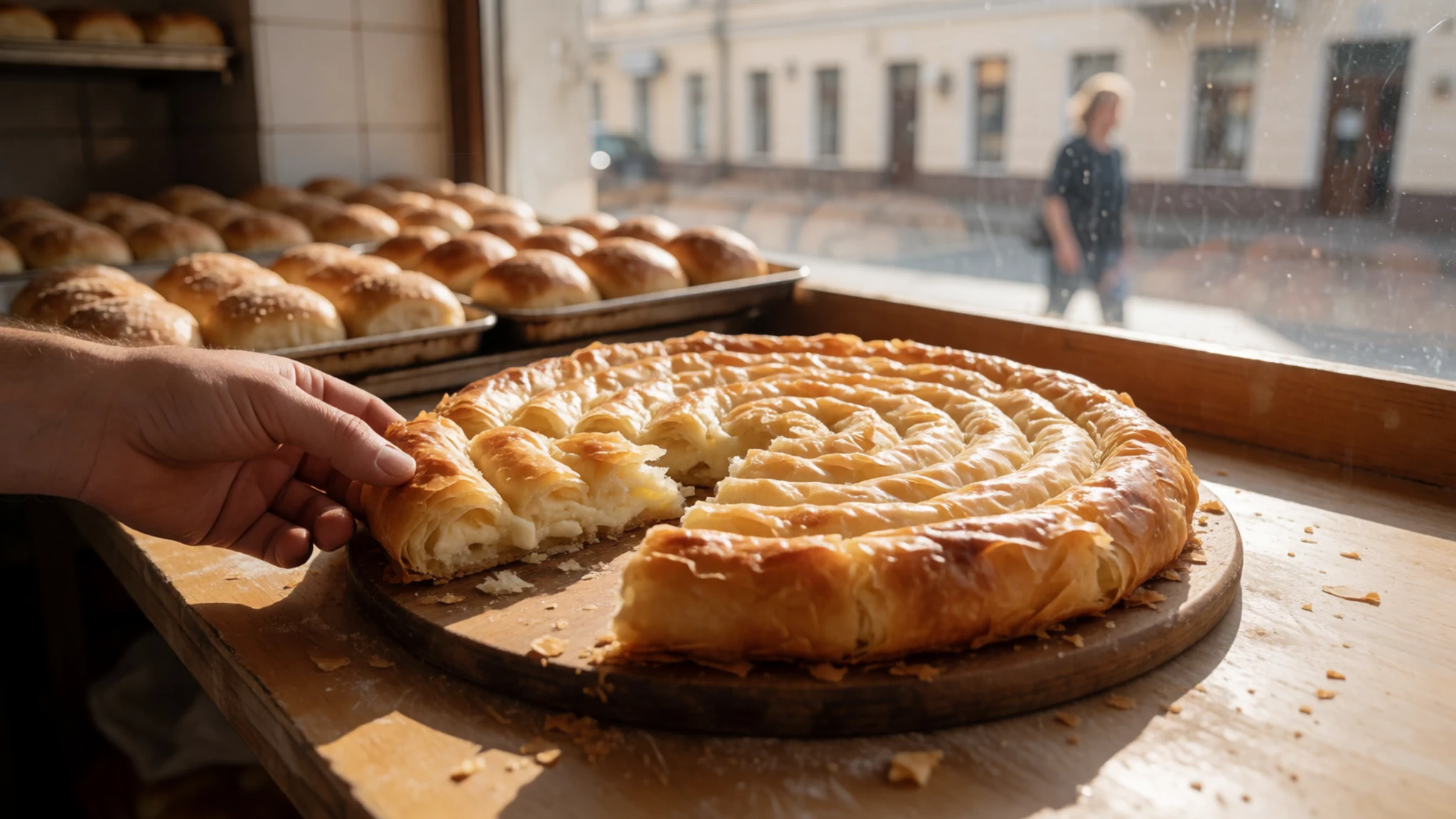
- Danube fish — Restaurants near the Danube waterfront
As a river city, Ruse serves fish from the Danube, often fried whole or grilled, and sometimes in a soup. Carp and catfish are typical. Ask what is local that day, and try it at a restaurant near the riverfront. - Kebapche and kyufte — Grill houses (skara) around the centre
Grilled minced meat, spiced and shaped into a finger or a patty, served with chips and a salad. It is the staple of Bulgarian grill houses and a cheap, filling lunch, usually eaten with a cold beer. - Tarator — Cafés and restaurants in summer
A cold soup of yoghurt, cucumber, garlic, dill and walnuts, served in the heat of summer. It is sharp, cooling and refreshing, and cafés and restaurants across the city put it on summer menus.
Plan it
Best time. May–June and September–October, when it is warm without being harsh. July and August can be very hot on the Danube plain, and winter is cold, grey and windy, though the city is quieter then. Spring festivals, including March Music Days and the St George's Day fair, add reasons to come.
How long. 2
Getting there. The closest international airport is Bucharest Otopeni in Romania, then a bus or taxi over the Danube Bridge to Ruse. Varna, on the Bulgarian coast, has more flights in summer. Ruse is a railway hub, with trains from Varna, Veliko Tarnovo and Sofia, and international services between Bucharest and Istanbul. Check the carriers' websites for timetables, and the city site obshtinaruse.bg for local information.
Budget. low
Tips
- Check which station you are at before getting off a train, as Ruse has several stations and halts.
- Carry some cash in leva for small cafés, bakeries and market stalls, although larger places take cards.
- Walk the centre in the early morning or evening in summer to avoid the heat.
- Pair Ruse with a day trip to Basarbovo Monastery or the Roman and medieval sites to the south-east.
- Allow time at border crossings if you are heading to Romania by road or rail.
Etiquette
- Dress modestly and speak quietly in churches and monasteries.
- Ask before photographing people, especially at religious services.
- Remember that a Bulgarian head shake can mean yes, so confirm orders in words.
Nearby
Sources
- Wikidata Q160173 (CC0)
- Wikipedia: Ruse, Bulgaria (rev 1378976772) (CC BY-SA 4.0)
- Wikivoyage: Ruse (rev 5416230) (CC BY-SA 4.0)
- Collage of views from Ruse (CC BY-SA 2.0)
- Flag of Ruse (CC BY-SA 4.0)
- Rousse Roman inscription (CC BY 3.0)
- Rousse panoramic 1824 (Public domain)
- Girdap Bank, Ruse (Public domain)
- Konsulstva, Ruse (CC BY 3.0)
- Old casino, Ruse (Public domain)
- Opera in Ruse (CC BY-SA 4.0)


