Pleven
Pleven, Bulgaria
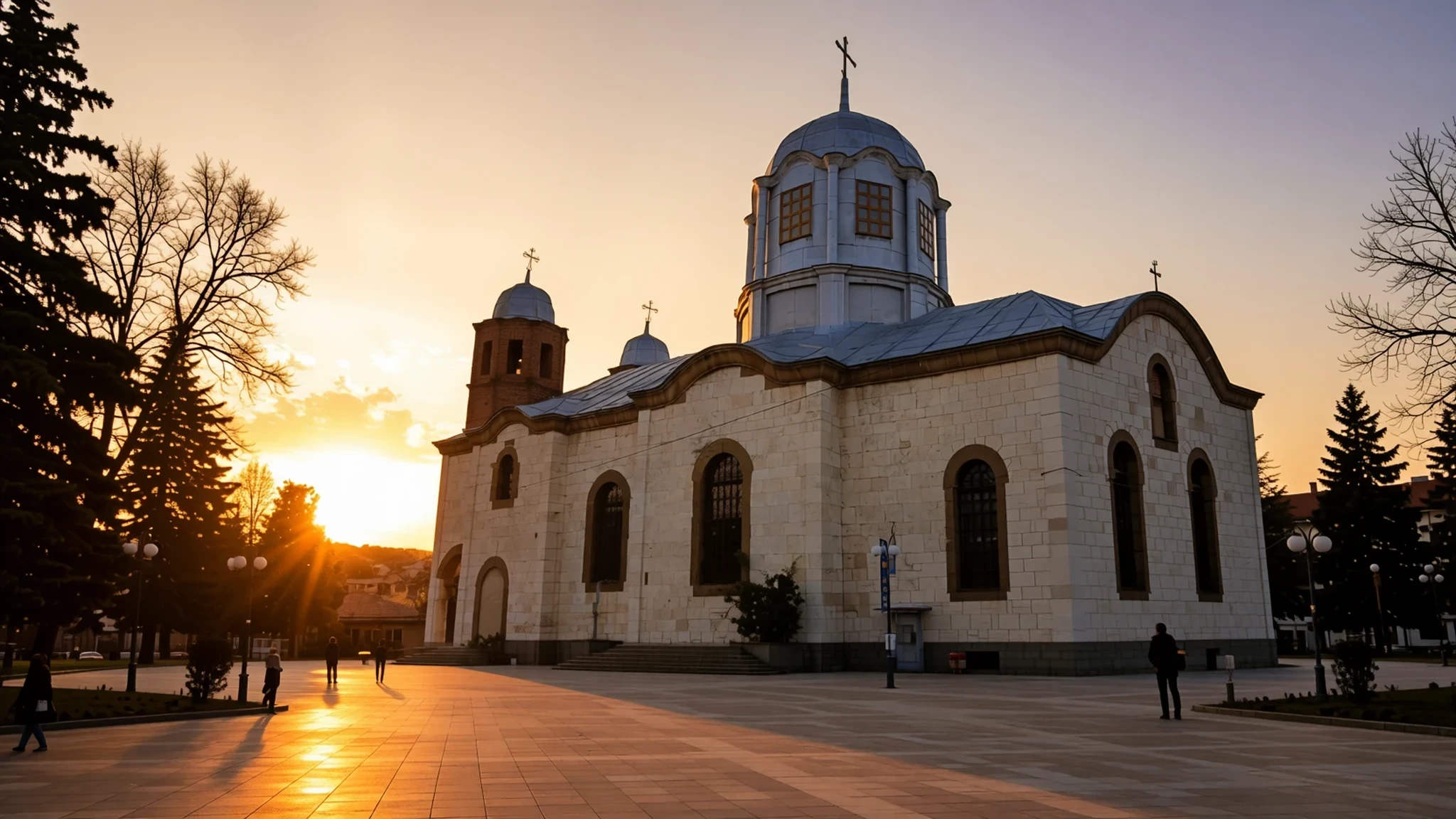
Pleven is a calm Bulgarian provincial city where a famous 1877 siege, leafy parks and Roman ruins fill an easy day or two.
The place
Pleven sits in the middle of the Danubian Plain in northern Bulgaria, a farming region once called Moesia. Low limestone hills, the Pleven Heights, rise around it. The city has about 88,000 people by the facts block, and it is the administrative seat of its province and municipality. In practice it works as the main economic hub of the north-west, which gives it a lived-in, businesslike feel rather than a polished tourist one.
The capital, Sofia, is about 170 km away by road, and the Danube lies roughly 50 km to the north. The Black Sea coast is far off to the east. That central position explains why roads and railways meet here, and why so many people simply pass through.
Two small rivers shape the setting. The Vit flows close to town, while the tiny Tuchenitsa, which locals call Barata, meaning the streamlet, runs through the centre. The town hall and a long pedestrian street form the core, with fountains and a water cascade that fill with families on summer evenings.
The two big green spaces matter more than any single building. Skobelev Park holds the panorama museum and the old battlefield, while Kayluka Park is where people go to walk, picnic and escape the heat. At 116 m above sea level, Pleven is low and gentle, easy to cover on foot. Expect a place that rewards a slow day, not a checklist.
Its story
Pleven has been settled for a very long time. The earliest traces of people here date from the fifth millennium BC, in the Neolithic. Later the Thracians lived in the area for thousands of years, and finds such as the Nikolaevo treasure point to a rich culture.
With the Roman era the region became part of the province of Moesia. A road station called Storgosia grew up near today's city on the route between Oescus, close to modern Gigen, and Philippopolis, now Plovdiv. It later hardened into a fortress. An early Christian basilica from the fourth century, found near the city, is counted among Bulgaria's valued archaeological sites.
In the Middle Ages Pleven was a developed stronghold under both the First and Second Bulgarian Empires. Slavs who settled the area gave it the name it still carries. The first written mention comes from a charter of the Hungarian king Stephen V in 1270, linked to a military campaign in Bulgarian lands.
Under Ottoman rule the town, known as Plevne, kept its Bulgarian look and culture. Its fame in the wider world came in 1877, during the Russian-Turkish War, when the five-month siege of Plevna made the place a household name. Much of what visitors see today, from monuments to graves in the surrounding countryside, ties back to that siege and to the Liberation that followed.
What to see
- Pleven Panorama — Skobelev Park
The panorama museum in Skobelev Park is the city's most visited sight. It presents the siege of Plevna in 1877–78 as a huge painted scene, with the battlefield around it. Plan an hour or more, then walk the park, where much of the fighting took place.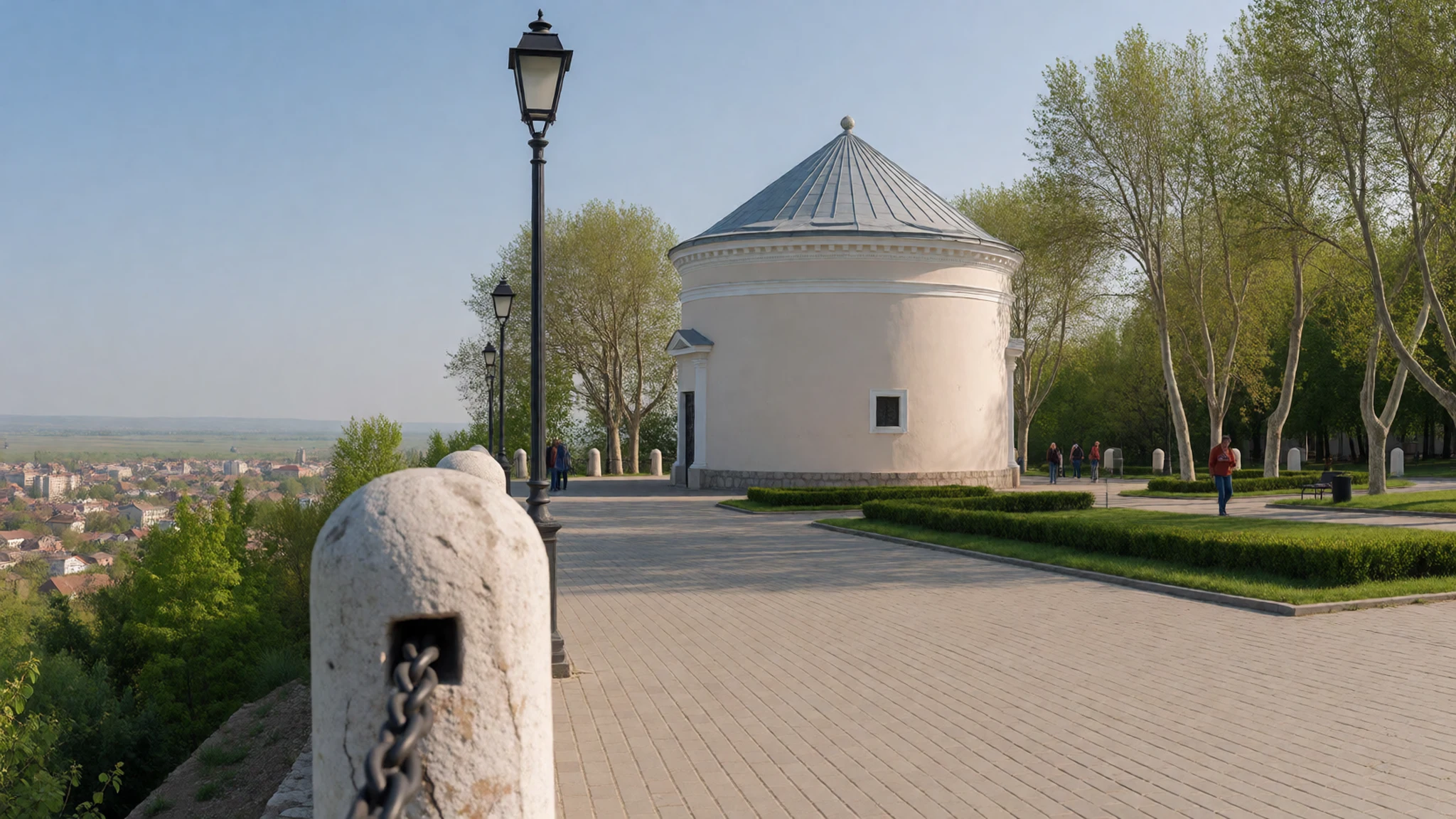
- Regional History Museum — City centre
This large museum occupies a heritage building that was once the barracks of the Pleven infantry regiment, built in the 1880s. Its archaeological, historical and ethnographic displays run from prehistory to the early twentieth century, which makes it a good way to place the siege in a longer story.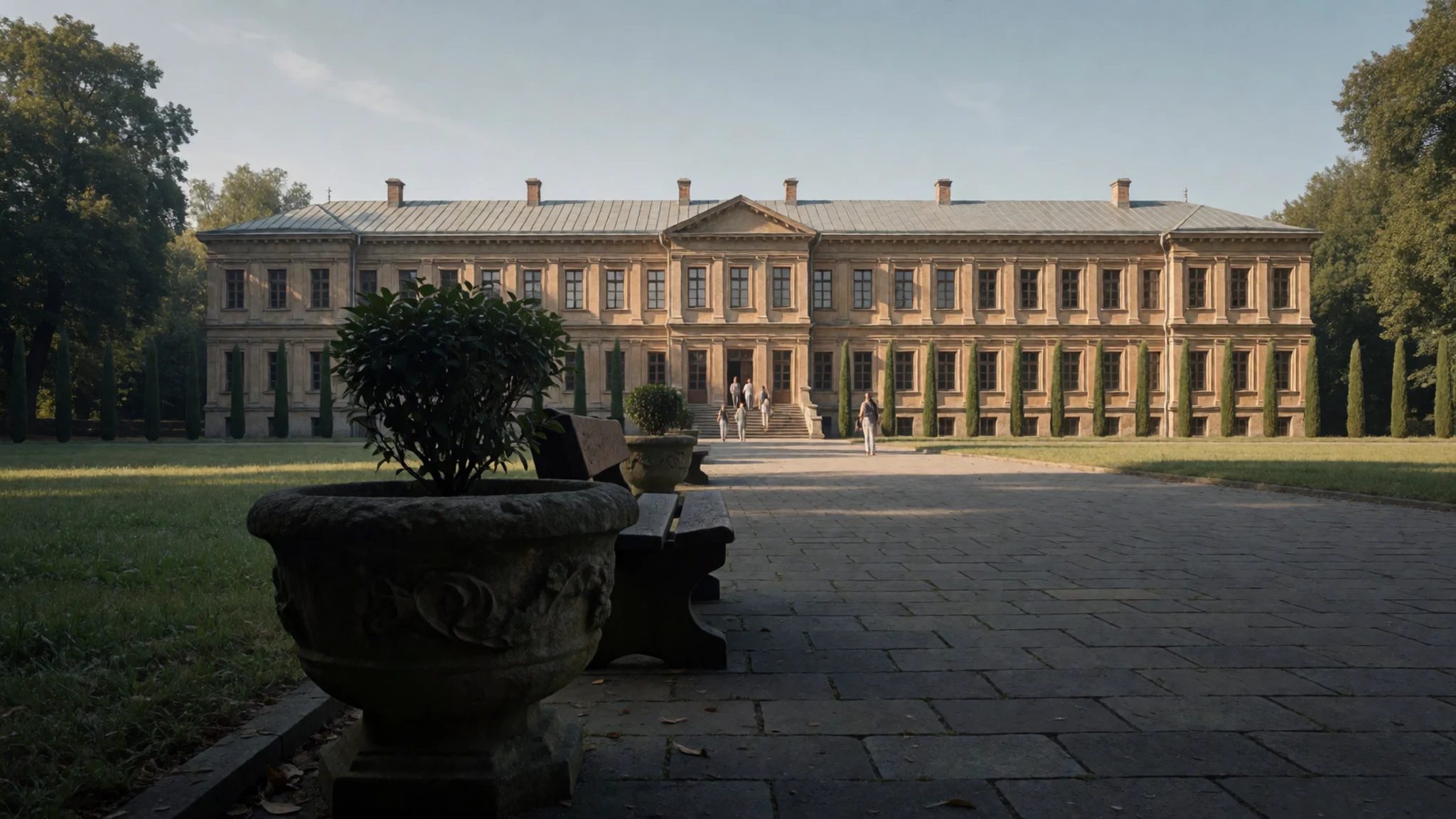
- Kayluka Park and Storgosia — Kayluka Park
Kayluka is the park locals love for walks, a small lake and shade. Within it lie the ruins of the Roman fortress of Storgosia, low stone walls that are modest but atmospheric. Come on a warm afternoon, bring water, and wear shoes that cope with uneven paths.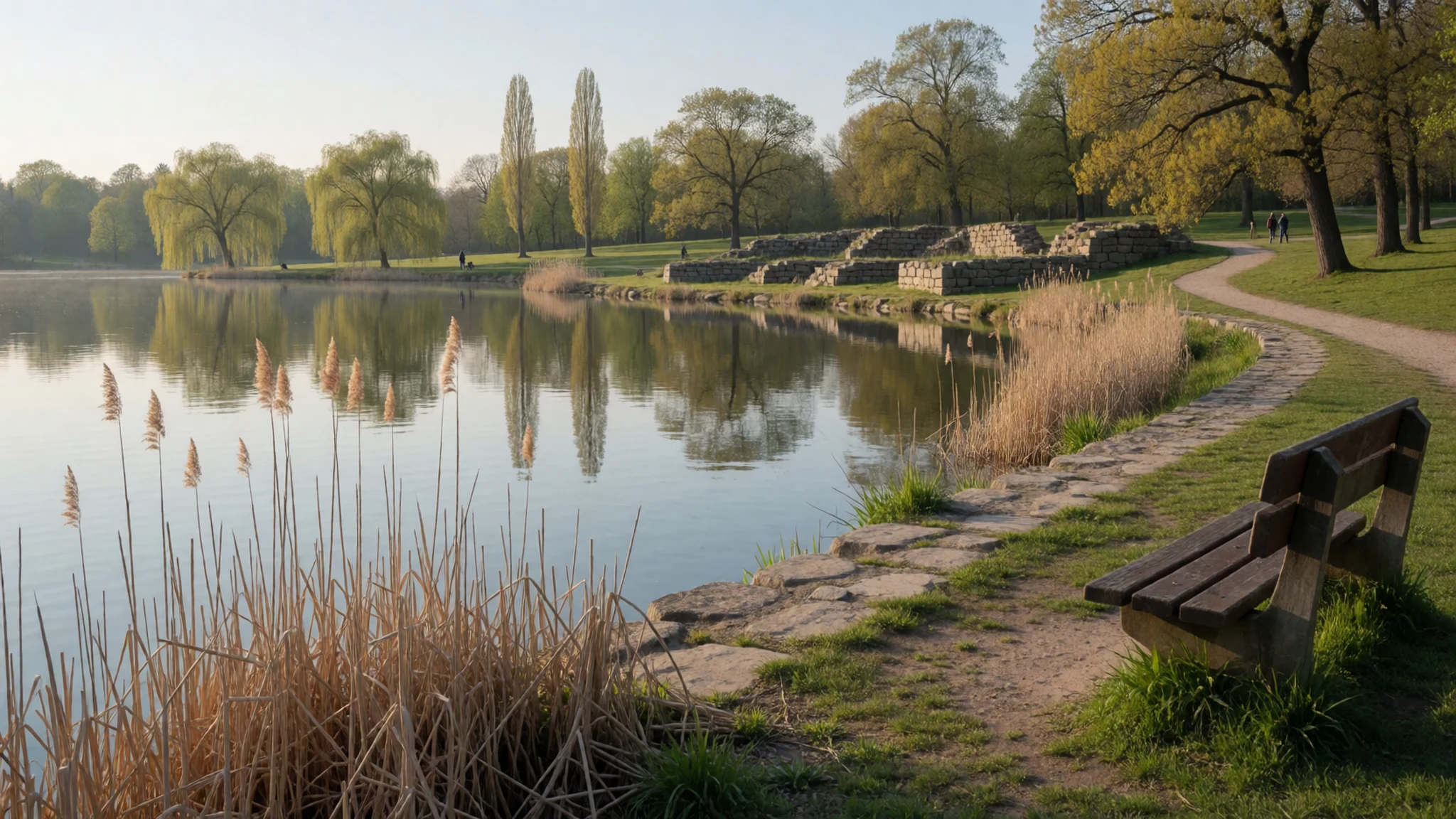
- Town Hall and pedestrian street — Central pedestrian street
The town hall anchors the centre, and the long pedestrian street beside it is the easiest place to watch daily life. In summer the fountains and the water cascade draw families and teenagers. It suits a coffee stop, a slow stroll and some people-watching before dinner.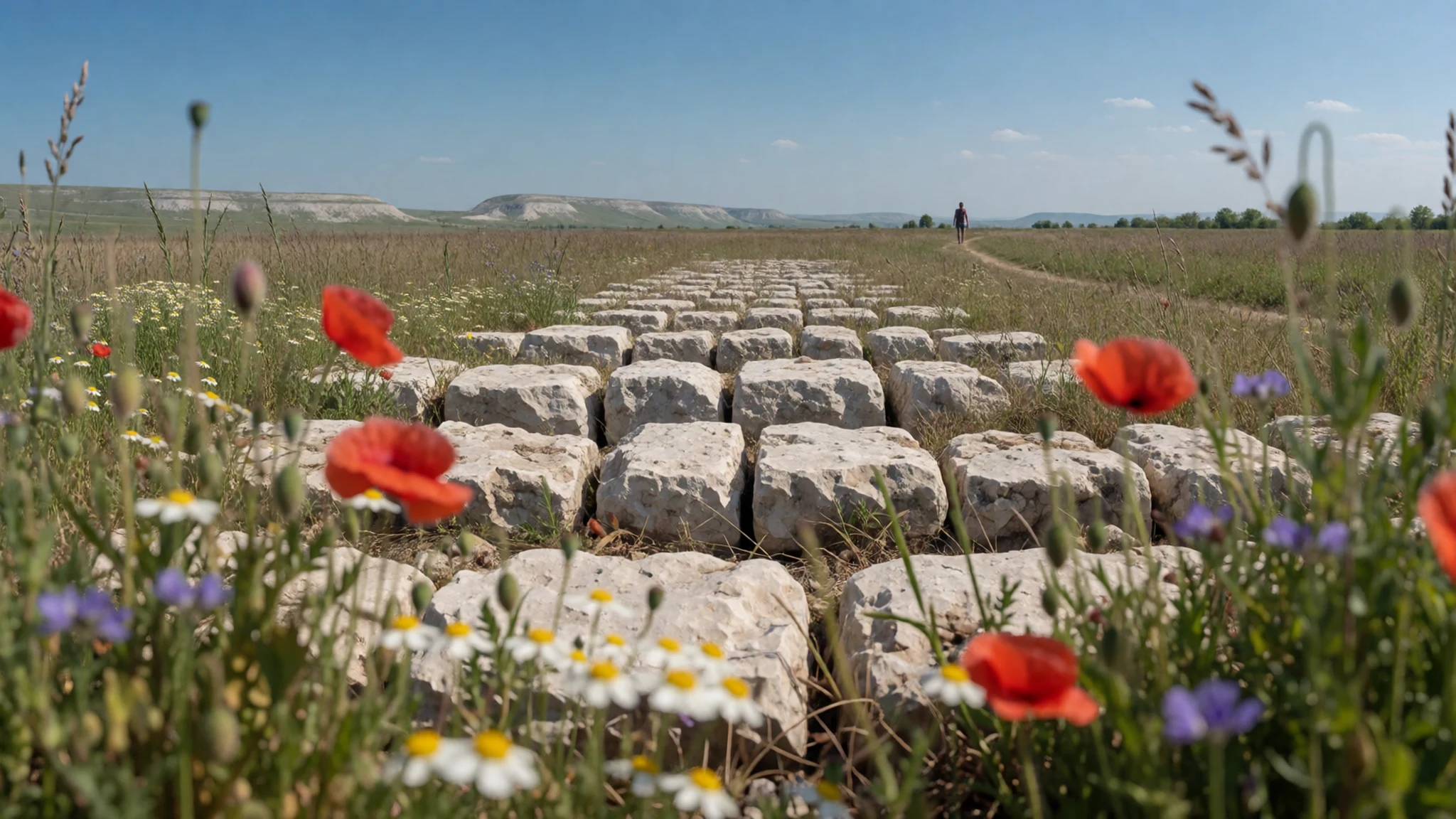
- Svetlin Rusev Donative Exhibition — City centre
This gallery is housed in the city's former public baths, an unusual setting for art. It shows works by Bulgarian artists as well as some well-known Western European figures. It is a quieter, cooler stop, useful on a hot afternoon or when rain keeps you indoors.
Culture
Pleven's cultural life is tied closely to memory of the 1877 siege, but it is also a working university and theatre town. Medical University Pleven, founded in 1974, grew out of the city hospital that dates to 1865, and it brings students and young staff into a place that might otherwise feel sleepy.
The Ivan Radoev Dramatic Theatre is the centre of stage life, with performances in Bulgarian. Several chitalishta, the community cultural centres found across Bulgaria, are also active here. A chitalishte is part library, part hall for classes, concerts and folk groups, and it is one of the most distinctly Bulgarian institutions a visitor can notice, even from outside.
Art has a place beside history. The Svetlin Rusev Donative Exhibition shows that the city takes painting and sculpture seriously, and the regional museum covers folk life as well as war. Evenings centre on cafés, bars and the pedestrian street rather than formal entertainment.
The monuments and graves around the city are not just attractions. For many Bulgarians they commemorate the Liberation, and families visit them on anniversaries. Treat them as memorials rather than backdrops.
Bulgarians nod the head for no and shake it for yes, which catches many visitors out, so confirm answers with words. When you visit a war memorial or grave in Pleven, keep your voice low, do not climb on the monuments and do not pose playfully in front of them.
What to wear
Pleven has no single dress that visitors will see on the street, but Bulgaria has a rich folk costume tradition. Women's costumes were made of wool, linen and cotton, often with embroidered aprons and bold woven bands, while men wore woollen trousers, shirts and sleeveless jackets. Today such outfits mostly appear at festivals, in museums and when folk groups from the chitalishta perform, so the regional museum is the best place to see them close up.
Everyday wear is simple and European. Locals dress casually but neatly, with jeans, shirts and light jackets, and a little more smartness for the theatre or a restaurant in the evening. Younger people follow ordinary fashion trends, and students give the centre a casual feel.
Visitors should dress for the weather first. The climate is humid continental. Summers are warm and temperatures have passed 38 °C on occasion, so pack light cotton, a hat and sunscreen. Winters are cold with snow, and nights can drop below −20 °C, so a proper coat, hat, gloves and shoes with grip are needed. Spring is mild, around 20 °C, so layers work well.
Footwear matters more than style. The parks and the Storgosia ruins have uneven ground, so wear comfortable closed shoes. No special modesty rules apply in the city, though covered shoulders and knees are polite if you step into a church.
What to eat
- Shopska salad — Restaurants around the central pedestrian street
Chopped tomato, cucumber, onion and pepper topped with grated white cheese, this is the standard Bulgarian starter. It is fresh and light, and it suits summer heat well. Order it at almost any restaurant or eatery along the pedestrian street.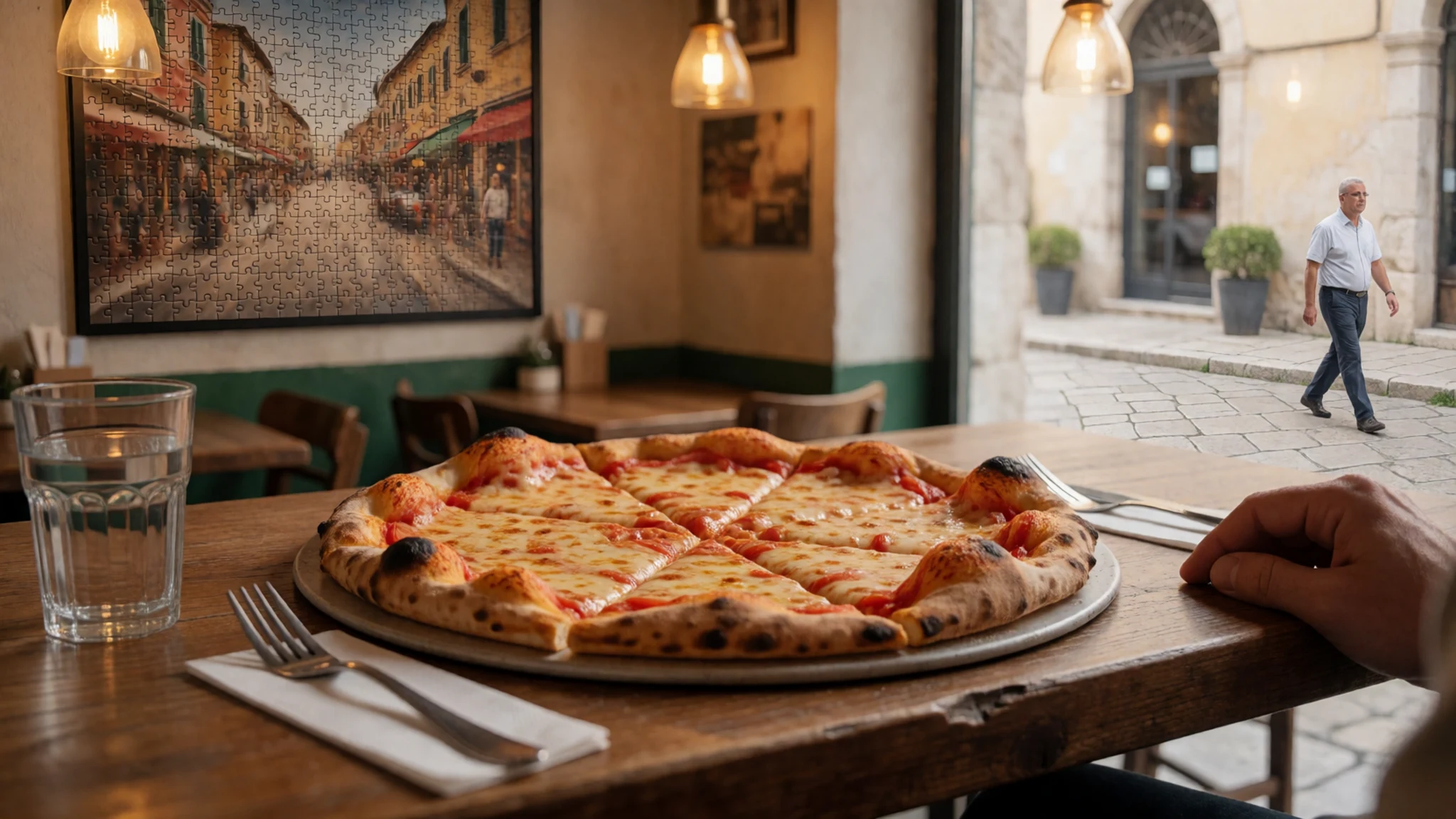
- Banitsa — Neighbourhood bakeries, early morning
Banitsa is flaky pastry layered with eggs and white cheese, baked until golden. Bulgarians eat it for breakfast, often with plain yoghurt or ayran. Look for it at bakeries in the morning, where slices are sold warm and cheap by the piece.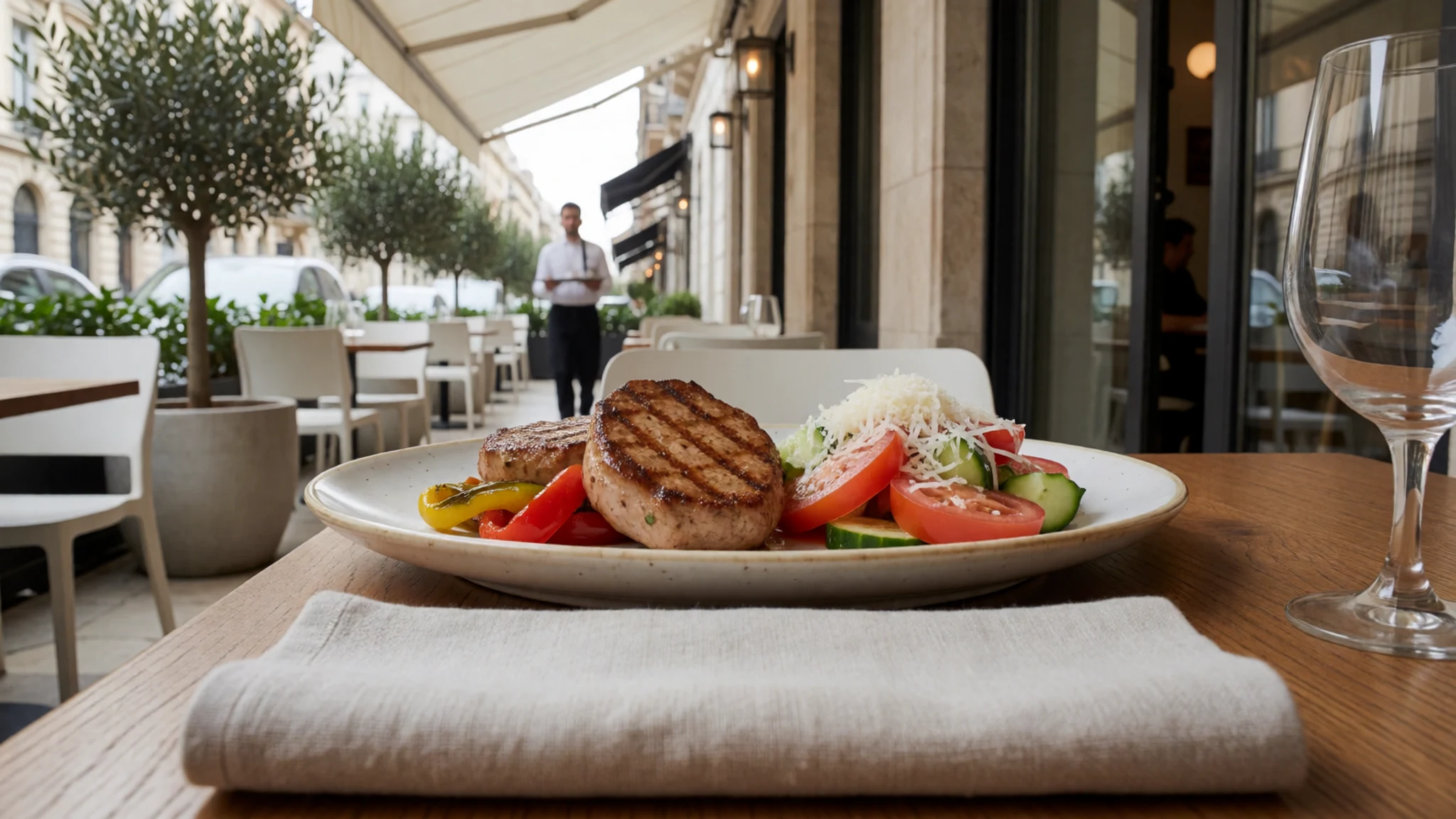
- Kebapche and grills — Grill houses and eateries near Kayluka Park
Grilled minced-meat kebapche and other grilled meats are a staple of Bulgarian eating. They come with chips or salad and bread. Many casual restaurants and park-side eateries cook them over charcoal, and they pair naturally with a cold beer. - Tarator — Traditional restaurants, summer
Tarator is a cold soup of yoghurt, cucumber, garlic, dill and often walnuts. It is refreshing in a hot Danubian summer and a good choice for vegetarians. Ask for it at traditional restaurants, where it appears on summer menus. - Pizza and modern cafés — Cafés and pizzerias in the centre
Pleven also has a good everyday café scene. One pizzeria is known for displaying giant jigsaw puzzles on its walls, and an upmarket café serves modern cooking. These are easy options when you want something familiar after a day of walking.
Plan it
Best time. May–June and September–October, when it is mild and parks are pleasant; spring is around 20 °C. July and August can be hot, with temperatures above 38 °C on occasion, and winter is cold and snowy with nights below −20 °C.
How long. 1–2
Getting there. Pleven lies on the Sofia–Varna railway, and trains between Sofia and Ruse, and some towards Bucharest, stop here; the Sofia trains pass through the Iskar gorge but are usually slower than buses. Buses from Sofia's central bus station run roughly hourly until early evening, and Pleven is about 170 km from the capital. The nearest major airport is Sofia.
Budget. low
Tips
- Buy bus tickets at the station; advance booking is usually unnecessary except around major holidays
- Hotels are limited and budget options few, so book ahead if you need a particular night
- Carry some cash for small cafés and bakeries, and check train times on the BDZ site
- Bring water and sun protection in summer, and warm layers in winter
- Combine the panorama and Skobelev Park in one morning, then use Kayluka Park in the afternoon
Etiquette
- Keep voices low at war memorials and graves
- Remember that a head nod can mean no in Bulgaria, so confirm with words
- Dress modestly if you enter a church
Nearby
Sources
- Wikidata Q165420 (CC0)
- Wikipedia: Pleven (rev 1377920825) (CC BY-SA 4.0)
- Wikivoyage: Pleven (rev 5414535) (CC BY-SA 4.0)
- Photo: View of downtown Pleven (ShockD) (CC BY-SA 4.0)
- Photo: Параклис Св. Георги Победоносец (Nikolai Karaneschev) (CC BY 3.0)
- Photo: Плевен март 2014 (Nikolai Karaneschev) (CC BY 3.0)
- Photo: Pleven Town Hall (Todor Bozhinov) (CC BY-SA 2.0)
- Photo: Панорама Плевенска епопея (Sisito 1994) (CC BY-SA 4.0)
- Photo: Pleven Railway Station (Спасимир) (CC BY 3.0)
- Photo: Kayluka lake (Izvora) (Public domain)
- Photo: Storgosia ruins (Todor Bozhinov) (CC BY-SA 2.5)


