Rock-hewn Churches of Ivanovo
Rock-hewn Churches of Ivanovo, Bulgaria
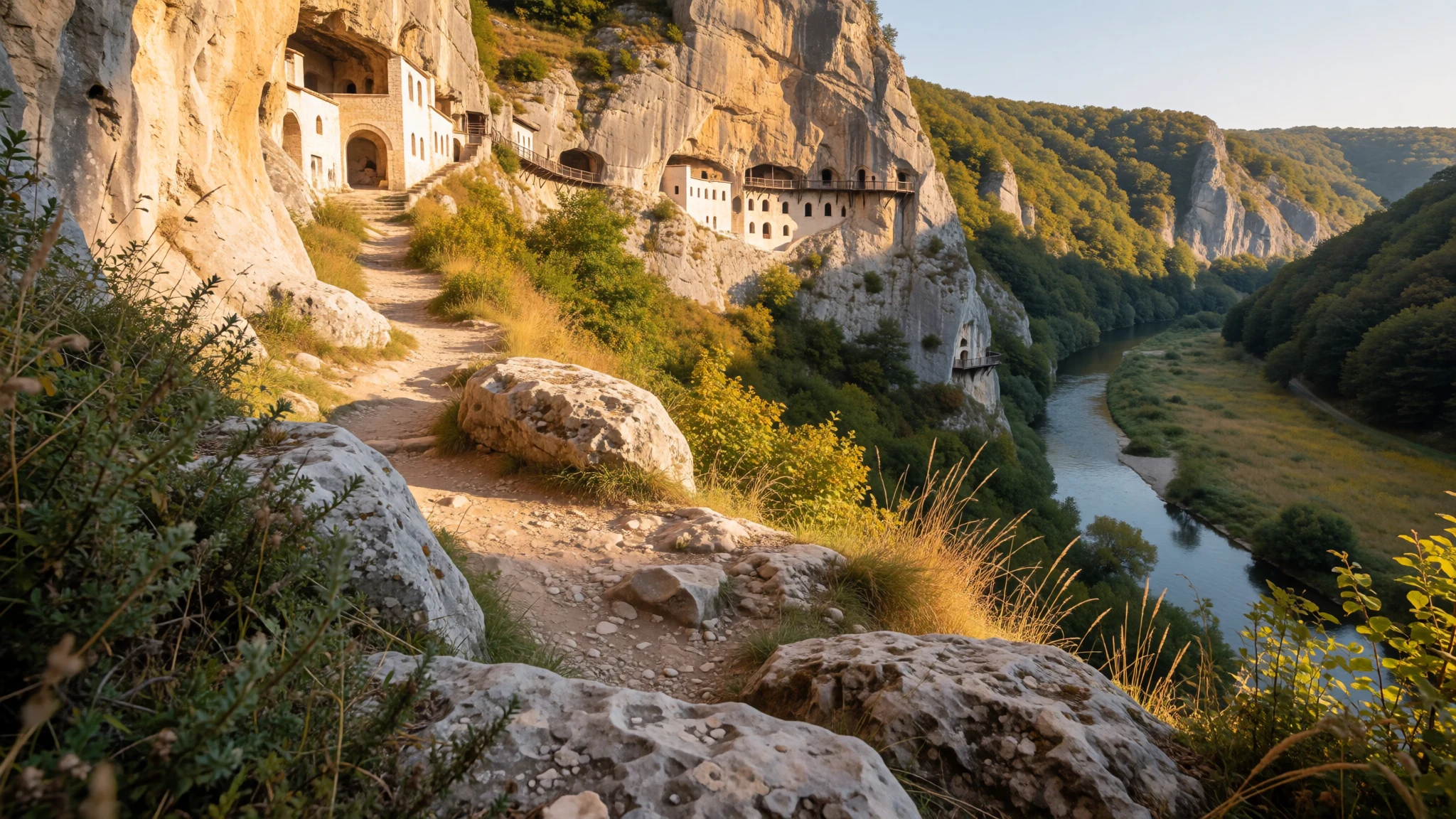
Rock-hewn churches and chapels carved into a cliff, with medieval frescoes, feel more like a living landscape than a museum.
The place
Rock-hewn Churches of Ivanovo (Ивановски скални църкви / Ivanovski skalni tsarkvi) are a cluster of monastery buildings carved directly from solid rock near the village of Ivanovo in Ruse Province, Bulgaria. The complex sits on high, rocky banks above the Rusenski Lom river, and it’s all set within Rusenski Lom Nature Park, so the setting matters as much as the art.
What makes this place distinctive in Bulgaria is the sheer “monolith” feeling: churches, chapels and monastery spaces are literally shaped into the cliff, rather than assembled from stone. That means the architecture and the landscape blend—corridors, doorways and rooms follow the rock’s natural contours, and even moving between spots feels like walking through carved out time.
The frescoes are the main draw. Inside, painted walls and domed areas give the impression of a continuous religious interior—bright enough to notice from a distance, but detailed enough that you end up slowing down and looking section by section. It’s also the kind of heritage site where atmosphere matters: light changes as you move in and out of shade, and the cliff setting makes the whole complex feel sheltered and focused.
Crowds are usually lighter than the big European capitals, but buses and day-trippers do happen in peak seasons. The practical catch is that it’s outdoors as well as indoors—comfortable in shoulder months, less so when the weather is hot, wet, or windy. Plan for uneven ground, take water, and be ready to walk between clustered churches rather than expect everything to be beside each other.
Its story
Rock-hewn Churches of Ivanovo began as monastic life built into natural caves and later expanded into intentionally carved church spaces. The earliest monastic settlement in the region is tied to monks living in these rock cavities starting in the 1220s, and over time the complex developed into a whole network of churches, chapels and supporting areas.
At its peak, the monastery complex contained a large number of church spaces—around forty—and the wider compound included many additional premises that don’t all survive today. Patronage also shaped what you see now: rulers from the Second Bulgarian Empire era and other notable supporters are associated with donations, some of which are reflected in donor portraits painted within particular churches.
In the 14th century, the complex became linked with hesychasm—an interior, contemplative tradition in the Bulgarian lands—and it continued through early Ottoman-era centuries, though the monastery gradually declined. By the late 20th century, the significance of the site was formally recognised when it was added to the UNESCO World Heritage List in 1979.
All of this history matters in a practical way: when you’re inside, the frescoes aren’t “floating” in a separate building. They sit in rooms shaped out of cliff rock, so you sense both human intention and the constraints of the stone itself. The result is a monastery complex that reads like a dialogue between faith, politics, and geography—carved, painted, used, and eventually left to the weather until modern conservation brought attention back.
What to see
- Inside a Rock-hewn Church (fresco rooms) — Main church cluster, carved interiors in the cliff
Inside a Rock-hewn Churches of Ivanovo church, the painted surfaces wrap the carved walls and ceilings. Move slowly: the frescoes are unevenly lit by openings and corridors, so details can “appear” as you shift position.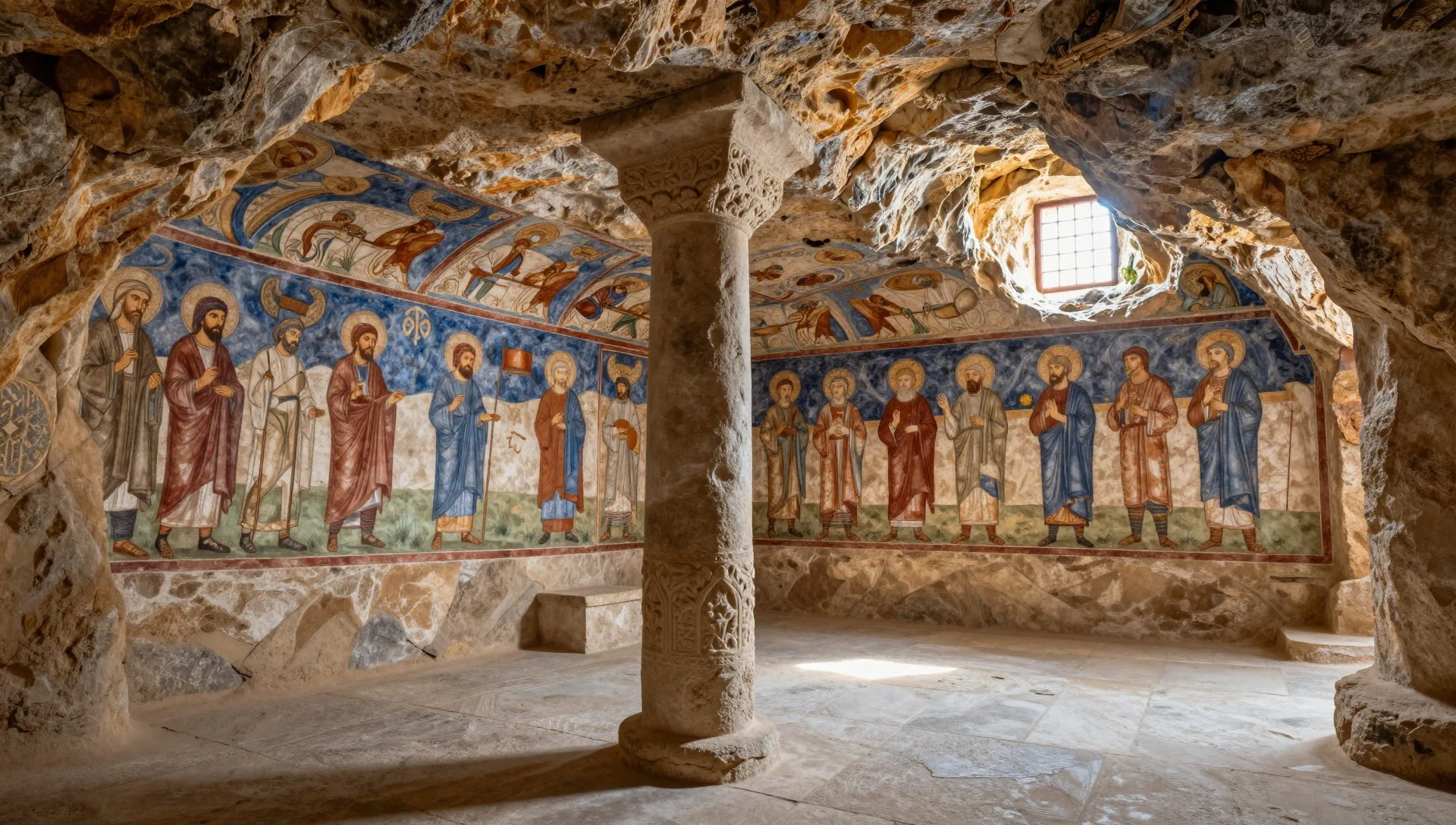
- Rock-carved entrances on the cliff — Approach areas and cliff-side façades
Rock-hewn Churches of Ivanovo entrances sit in the cliff face, with stone cutaways and doorways that feel built to fit the rock rather than the other way around. These are the best spots to see how the complex “holds” to the landscape.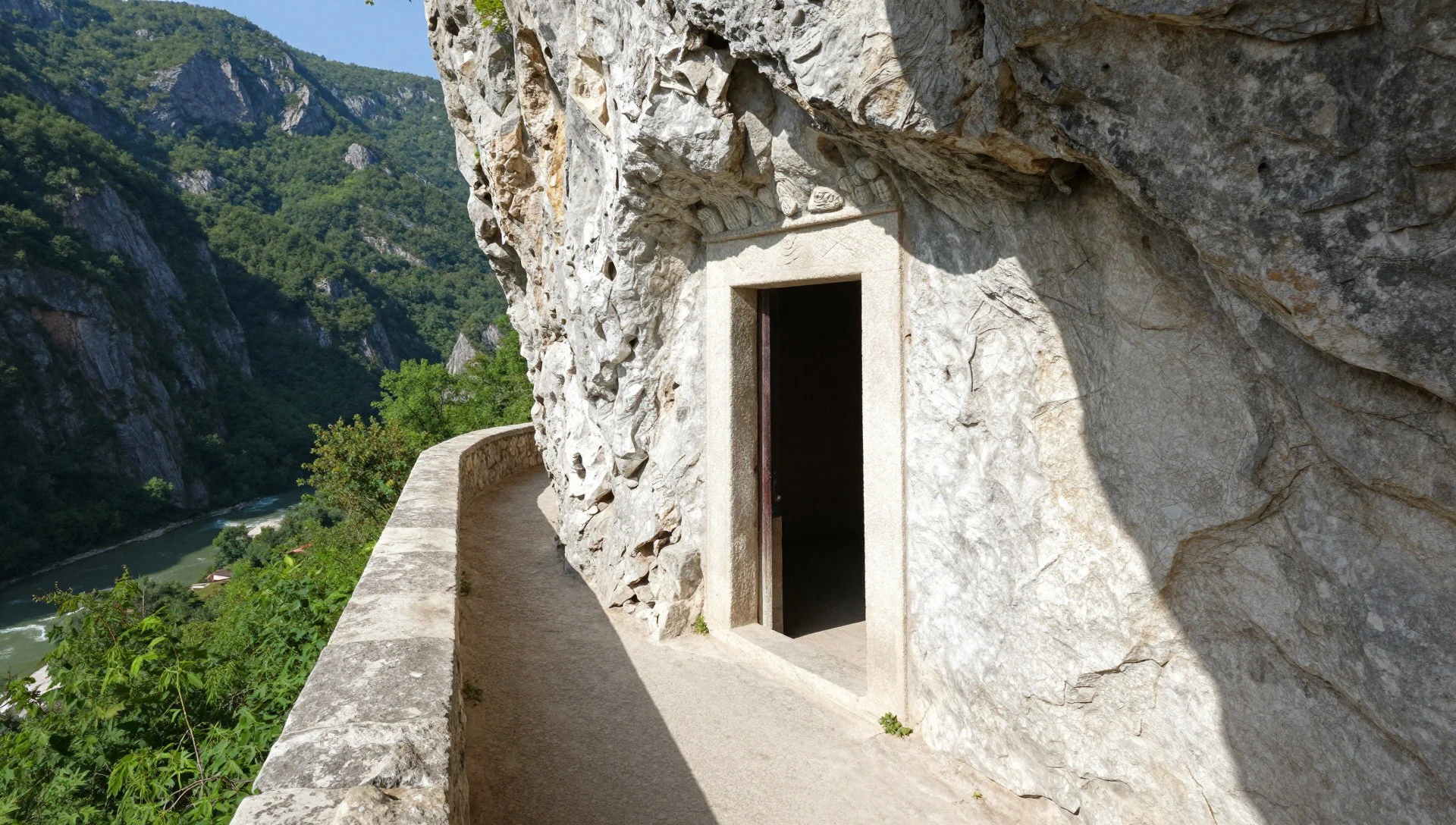
- Ivanovo rocks & viewpoints — Rocky viewpoints and paths above the river
The Ivanovo rocks around the churches give you the bigger picture: cliff edges, rocky paths and natural viewpoints over the Rusenski Lom area. It’s where the site stops feeling like a building and becomes a whole river-and-rock setting.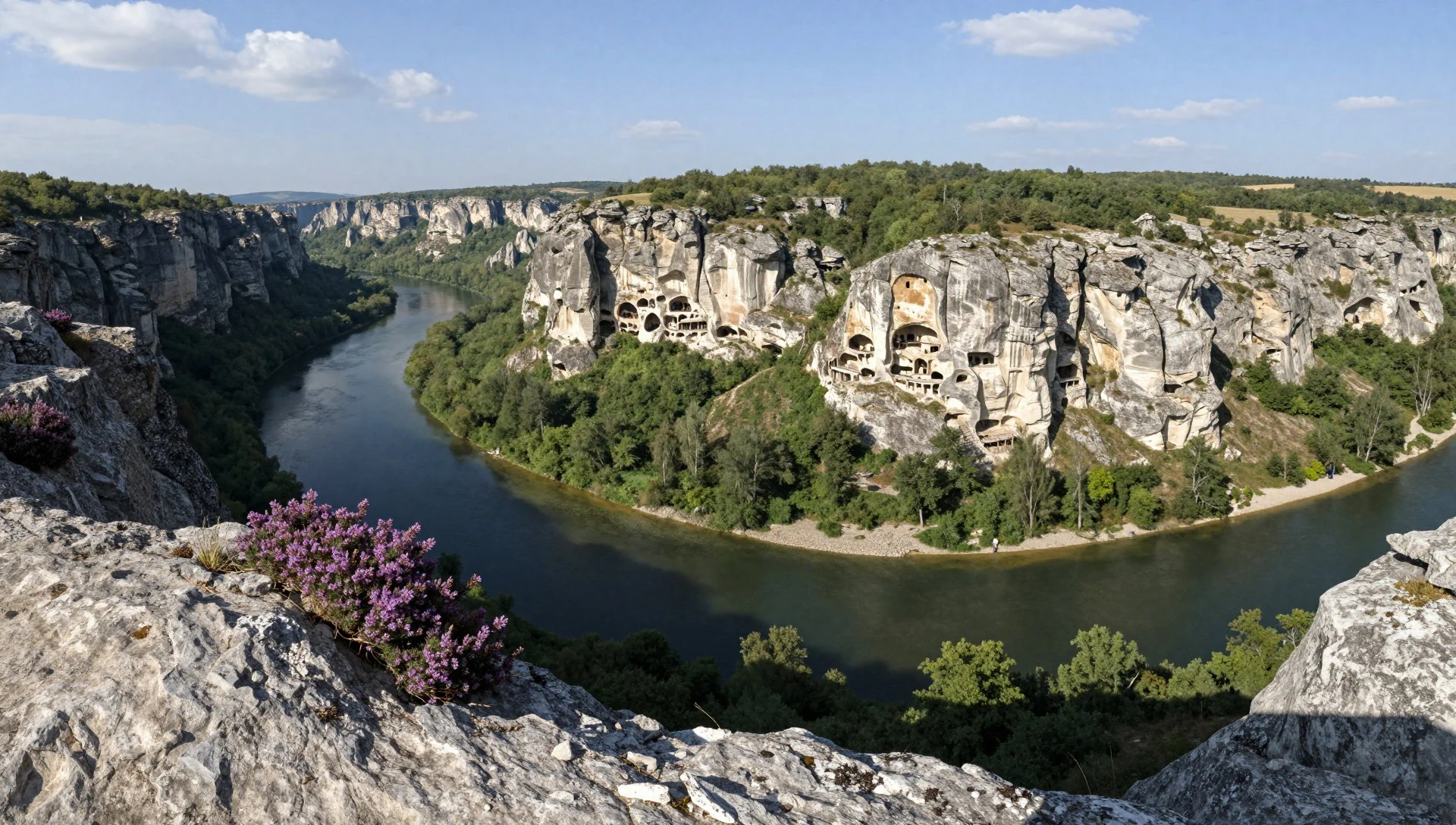
- Felskirche Ivanovo Kapelle — Kapelle/church chapel section within the complex
Felskirche Ivanovo Kapelle shows how smaller chapels also became part of the cliff’s design language. Look for the transition between carved stone and painted surfaces, because that junction is where you feel the workmanship most clearly.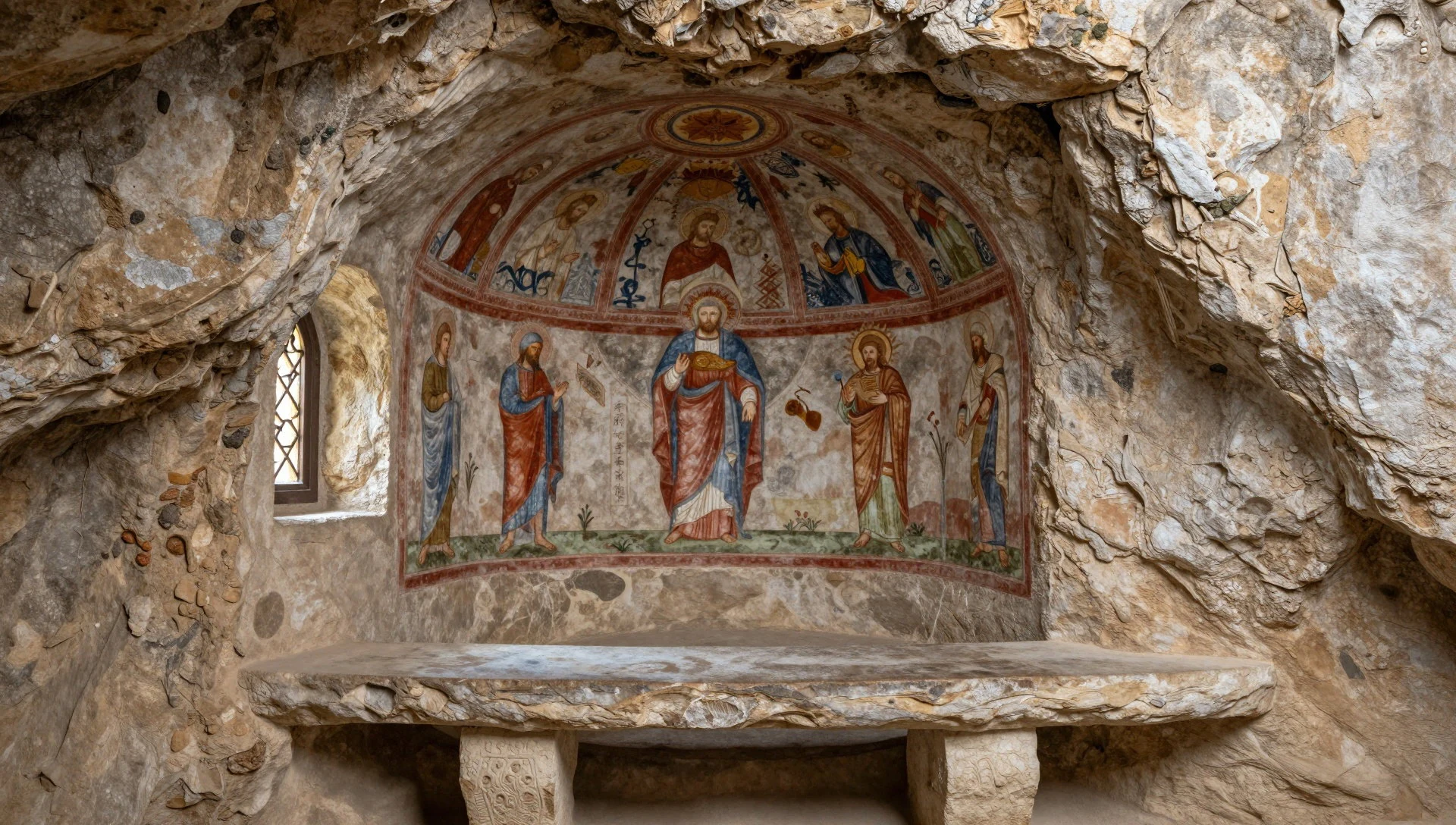
- Fresco detail in the church interiors — Interior fresco zones in the main carved churches
In the Fresken areas of the churches, fresco detail rewards patience. Painted figures, borders and panels sit directly on rock-shaped surfaces, so compositions can look “stretched” or framed by stone features—part of the charm, not a flaw.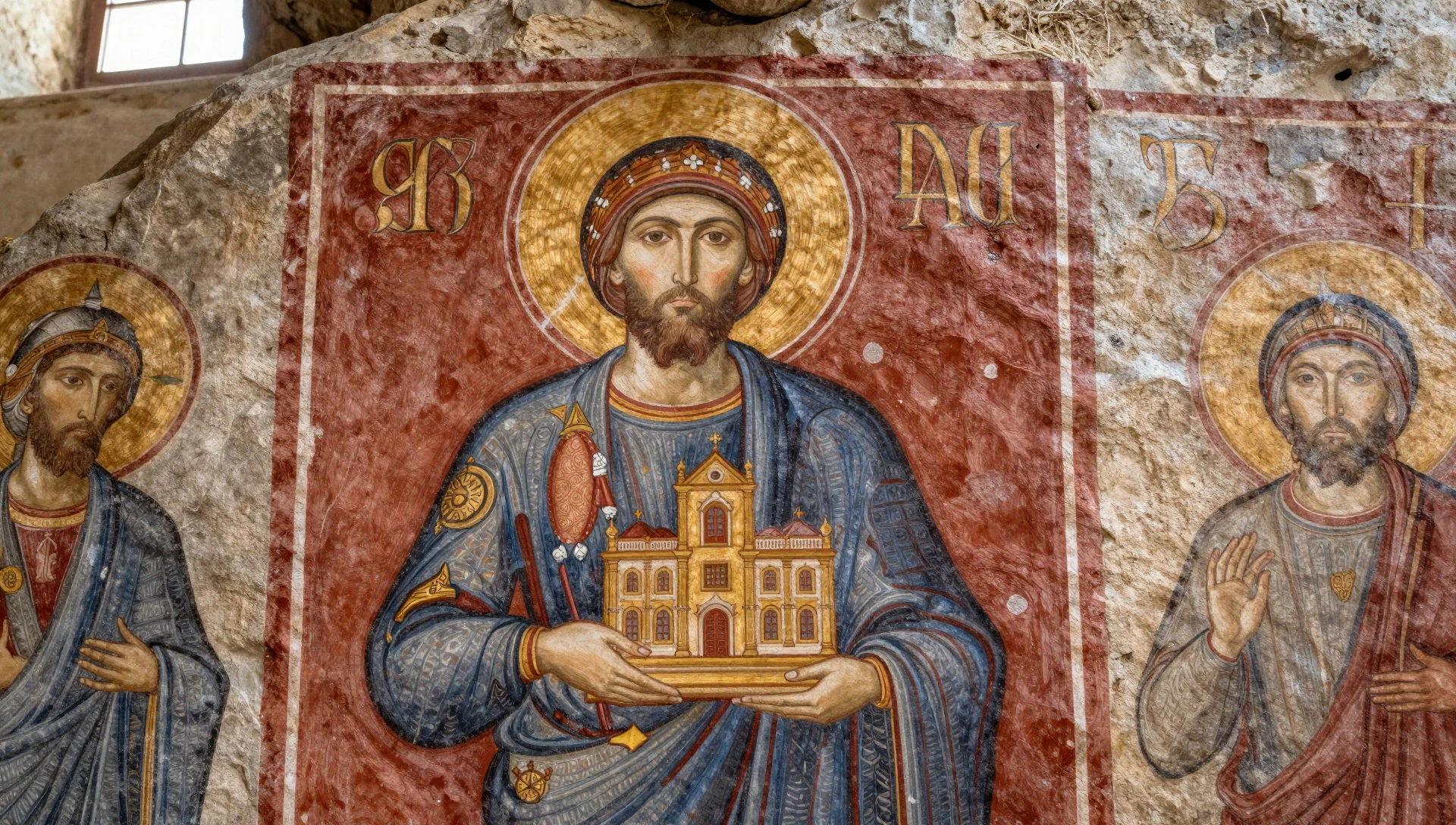
- Ceiling craftsmanship — Ceiling/upper interior sections
Felskirche Ivanovo Kirchendecke takes you to the upper parts of the carved interiors, where ceiling geometry meets brushwork. Even if you’re not reading the paintings, the way colours and shapes sit on stone gives a strong sense of planning.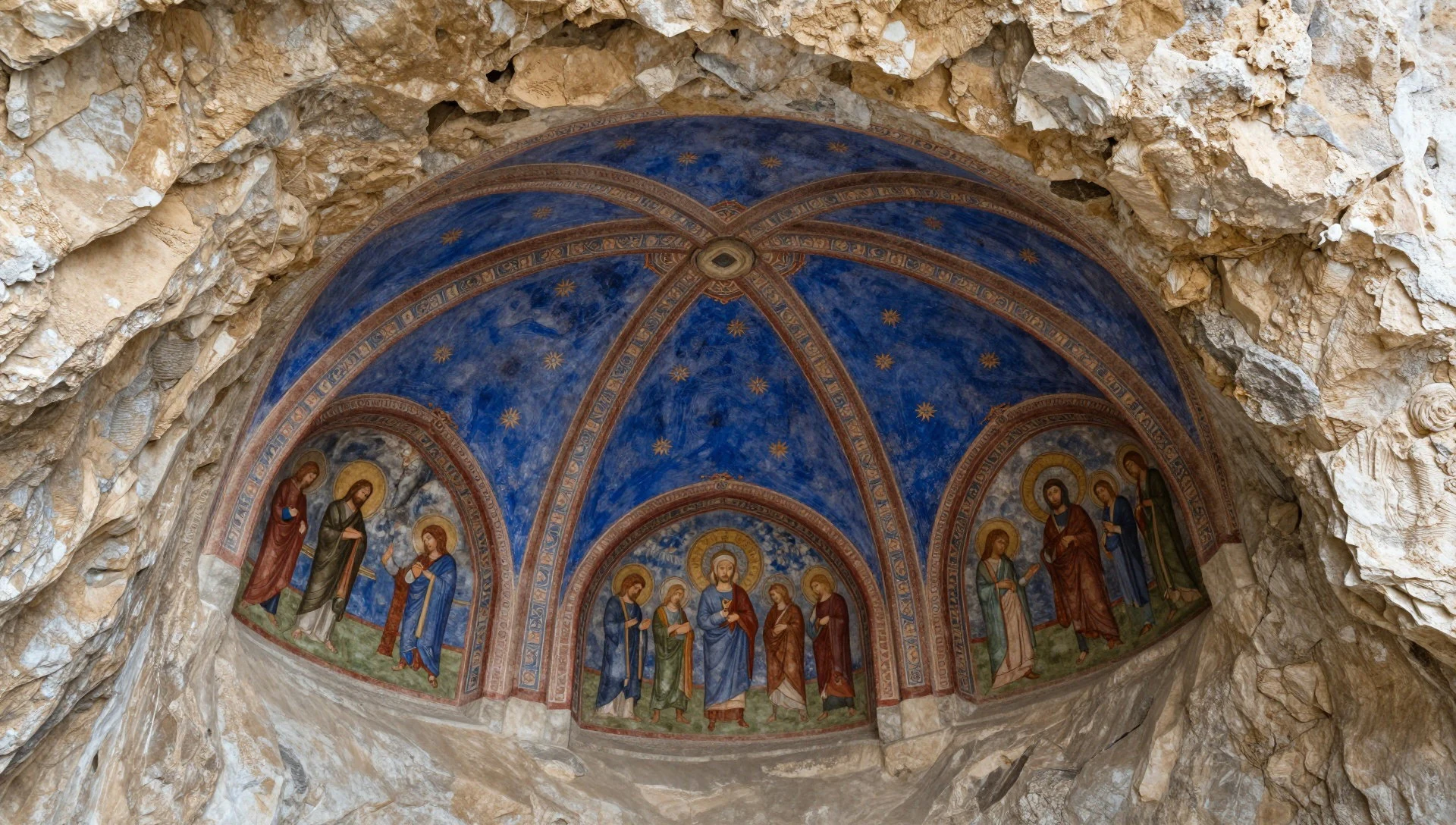
Culture
Bulgarians are widely known for being friendly and interested in chatting with visitors, and you’ll often find people happy to help with directions or explain what’s going on locally. In quieter towns and villages, small interactions—like a brief greeting at a stall—can be an easy way to start conversation, and a simple “добър ден” (dobar den) is a good, low-pressure opener.
That said, the day-to-day vibe can be more reserved than in some places: chit-chat at a till may not go far, and people might focus on the task in front of them rather than turning it into conversation. If someone seems not to engage, it’s best to smile, keep it short, and move on.
When you’re visiting religious spaces at the Rock-hewn Churches of Ivanovo, follow the site’s rules first, and keep your behaviour calm inside the churches and chapels. Photography can be sensitive in places with frescoes; if staff or signage ask you to stop, don’t negotiate. Dress should be modest and respectful, with shoulders covered.
If you’re discussing Bulgarian culture, avoid referring to the Bulgarian alphabet as the “Russian alphabet”—it’s a common misunderstanding and can land the wrong way.
Visitor etiquette: keep voices low inside churches, dress modestly, and follow any photography rules posted for the fresco rooms.
What to wear
Rock-hewn Churches of Ivanovo are religious spaces carved into a cliff, so clothing works best when it’s comfortable for walking outside and modest for entering church interiors. Traditional Bulgarian dress varies by region and occasion, but commonly features woven skirts or dresses, embroidered aprons, belts and headscarves for women, with rich patterns that can look intricate and colourful. Men may wear shirts and trousers with sashes or embroidered details, often tied to local craft traditions.
What people actually wear now around Ivanovo is more everyday: T-shirts, long trousers or skirts, light layers for evenings, and practical shoes. Inside the carved churches, footwear matters because the terrain around entrances and paths can be uneven, and you may want something that handles stairs and rock-adjacent areas without slipping.
For visitors, aim for breathable layers in warm months, and bring something warmer for cooler mornings and shaded interiors. Choose clothes that cover shoulders and sit below the knees or just above—this helps you feel at ease in churches without turning the visit into a compromise. If you’re prone to cold in enclosed spaces, a light jumper is worth packing even in shoulder season.
Finally, keep accessories simple: a small day bag is useful, but avoid anything bulky that clutters the narrow carved entrances and passageways.
What to eat
- Shop-style banitsa — Local bakeries in the nearby towns around Rousse and Ivanovo
A classic Bulgarian pastry like banitsa is a reliable snack to start a sightseeing day. Look for it at local bakeries or small kiosks in nearby towns as a grab-and-go breakfast.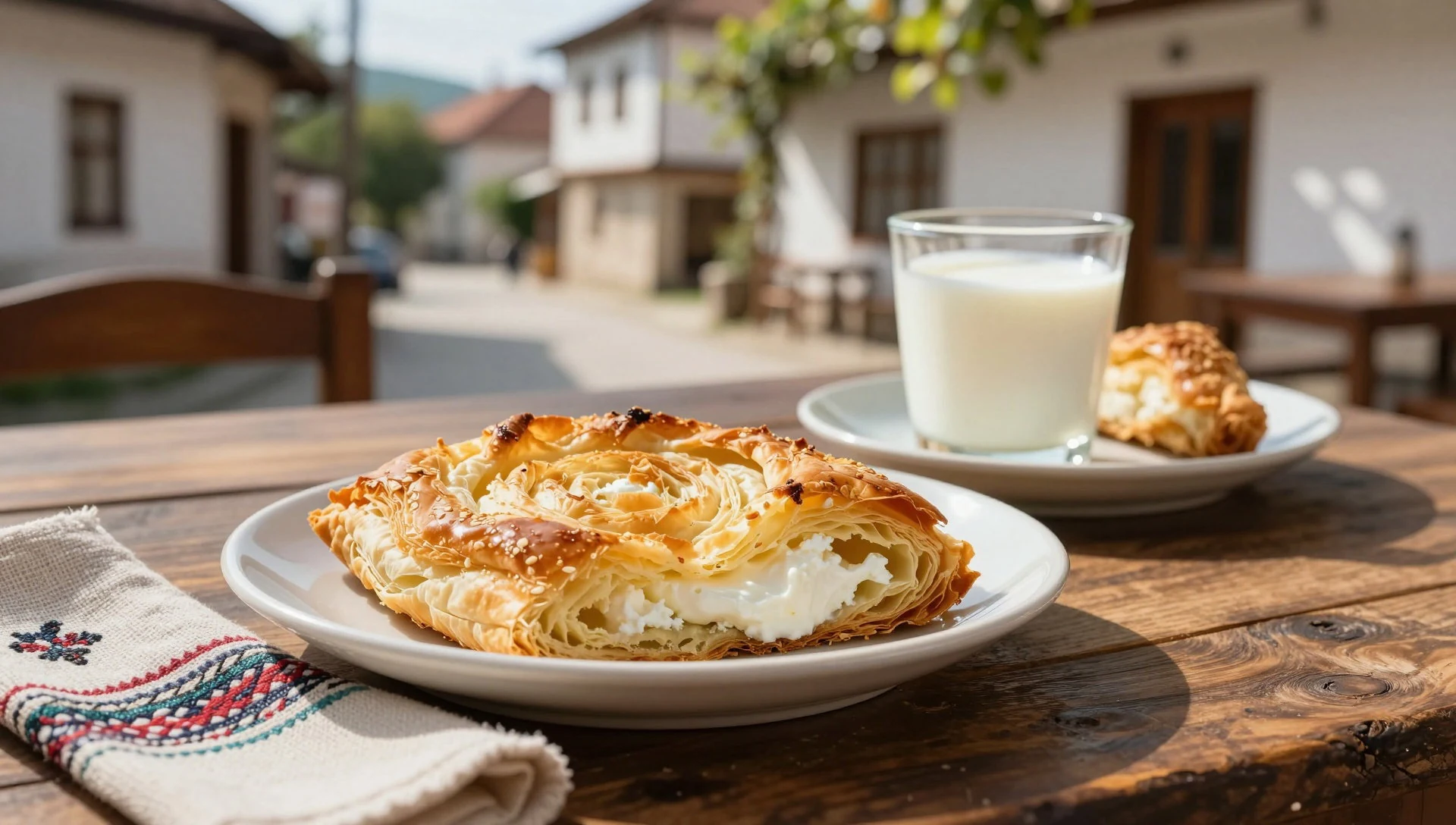
- Tarator (cold yoghurt soup) — Casual Bulgarian restaurants and family-run taverns
Tarator is a chilled yoghurt-based soup with cucumbers and herbs, great when the weather is warm after walking outside. It’s commonly served as a starter in everyday Bulgarian eateries.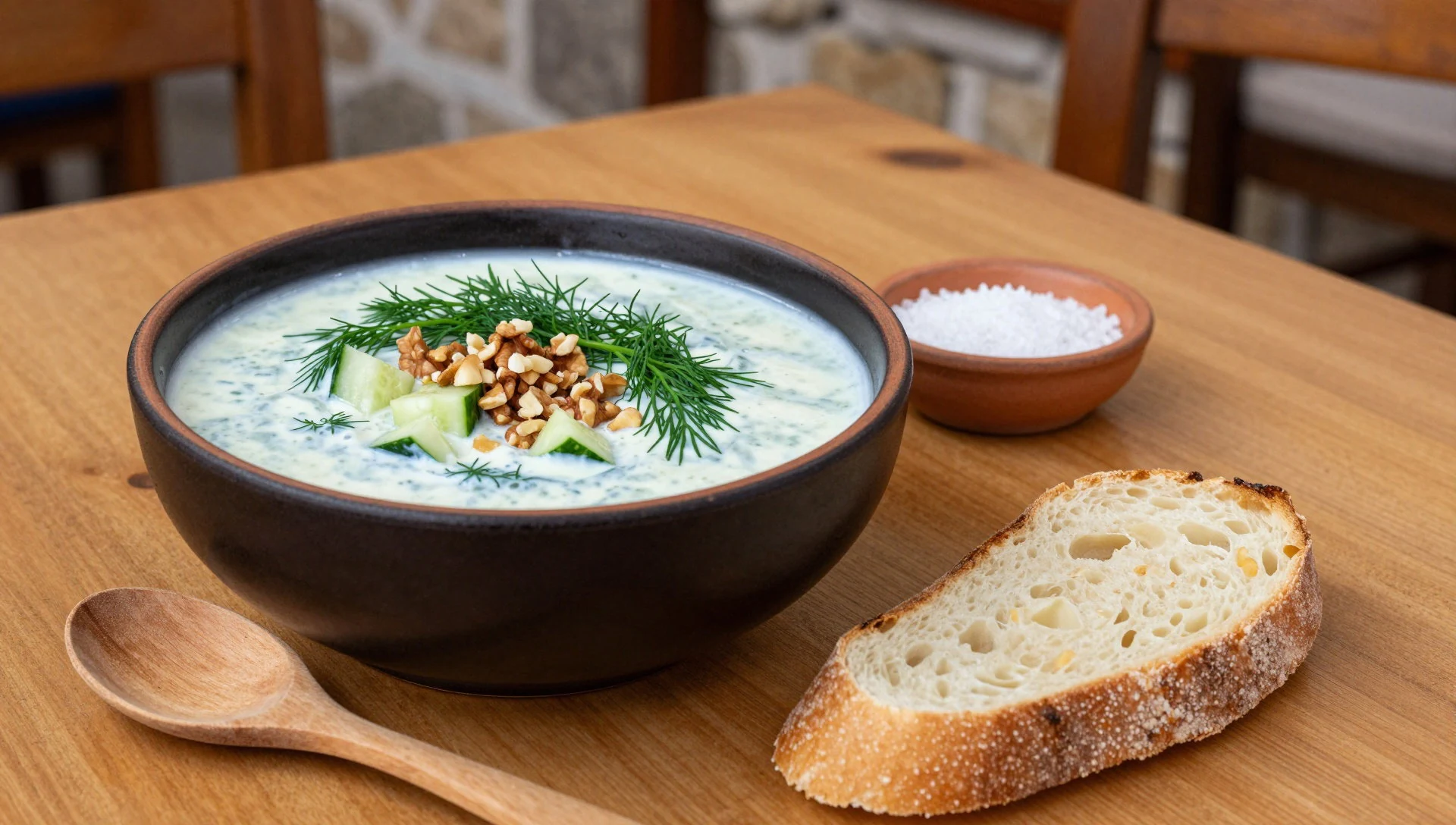
- Shopska salad — Meze-style starters across local Bulgarian restaurants
Shopska salad is a fresh, tomato-and-cucumber salad often topped with cheese. It fits well with Bulgarian meals that start light before warmer dishes. - Moussaka or similar baked vegetable dishes — Local restaurants and village eateries
Moussaka-style casseroles, often with aubergine and a baked finish, are a comforting main dish after time in cooler interiors. Choose wherever you see it on the daily menu board. - Gyuvetch (stewed vegetables and meat, baked) — Traditional Balkan-style eateries and local taverns
Gyuvetch is a baked stew where vegetables and flavours slow-cook together. It’s hearty without being heavy, and you’ll usually find it as a set main in Bulgarian-style cooking. - Baklava-style sweet — Dessert counters and bakeries in the town centres
Baklava and similar layered sweets are an easy end to a meal, especially if you want something shareable. Find them in dessert counters or bakeries near the busier lanes.
Plan it
Best time. April and October for the most comfortable walking temperatures outdoors; May and September are also pleasant. July–August are the warmest months, and June–August are the wettest, so bring a rain layer and expect the outdoor sections to feel more uncomfortable then.
How long. 2–3
Getting there. Fly into Sofia and then plan your onward trip to the Rousse area, followed by local transport to Ivanovo and the park entrance near the Rock-hewn Churches complex.
Budget. mid
Tips
- Start early to keep the midday heat and crowds down, especially if you’re spending time inside multiple churches.
- Wear footwear with good grip for uneven paths around the cliffside sections.
- Bring water and a light rain layer for sudden weather changes in shoulder seasons.
- If you’re sensitive to humidity, plan longer indoor fresco time in the middle of the day and save viewpoints for cooler hours.
- Use the on-the-spot signage and guidance to understand the current route through the churches.
Etiquette
- Keep voices low and follow any instructions inside the fresco rooms.
- Dress modestly for church interiors (shoulders covered, knees not too high).
- Avoid lingering in narrow entrances or blocking viewing points for others.
Nearby
Sources
- Wikidata Q503387 (CC0)
- Wikipedia (rev 1366156344) (CC BY-SA 4.0)
- Wikivoyage (rev 5424560) (CC BY-SA 4.0)
- Photo photos/01-ivanovski-skalni-tsarkvi-20110714-05.jpg (CC BY 3.0)
- Photo photos/02-ivanovski-skalni-tsarkvi-20110714-61.jpg (CC BY 3.0)
- Photo photos/03-ivanovo-rocks.jpg (Public domain)
- Photo photos/04-ivanovo-kapelle.jpg (CC BY 3.0)
- Photo photos/05-ivanovo-kirche2.jpg (CC BY 3.0)
- Photo photos/06-ivanovo-decke.jpg (CC BY 3.0)
- Photo photos/07-tsar-john-alexander-of-bulgaria.jpg (Public domain)
- Photo photos/08-a-chapel-next-to-the-main-church-in-the-complex-of-ivanovo-r.jpg (CC BY-SA 4.0)


