Rila Monastery
Rila Monastery, Bulgaria
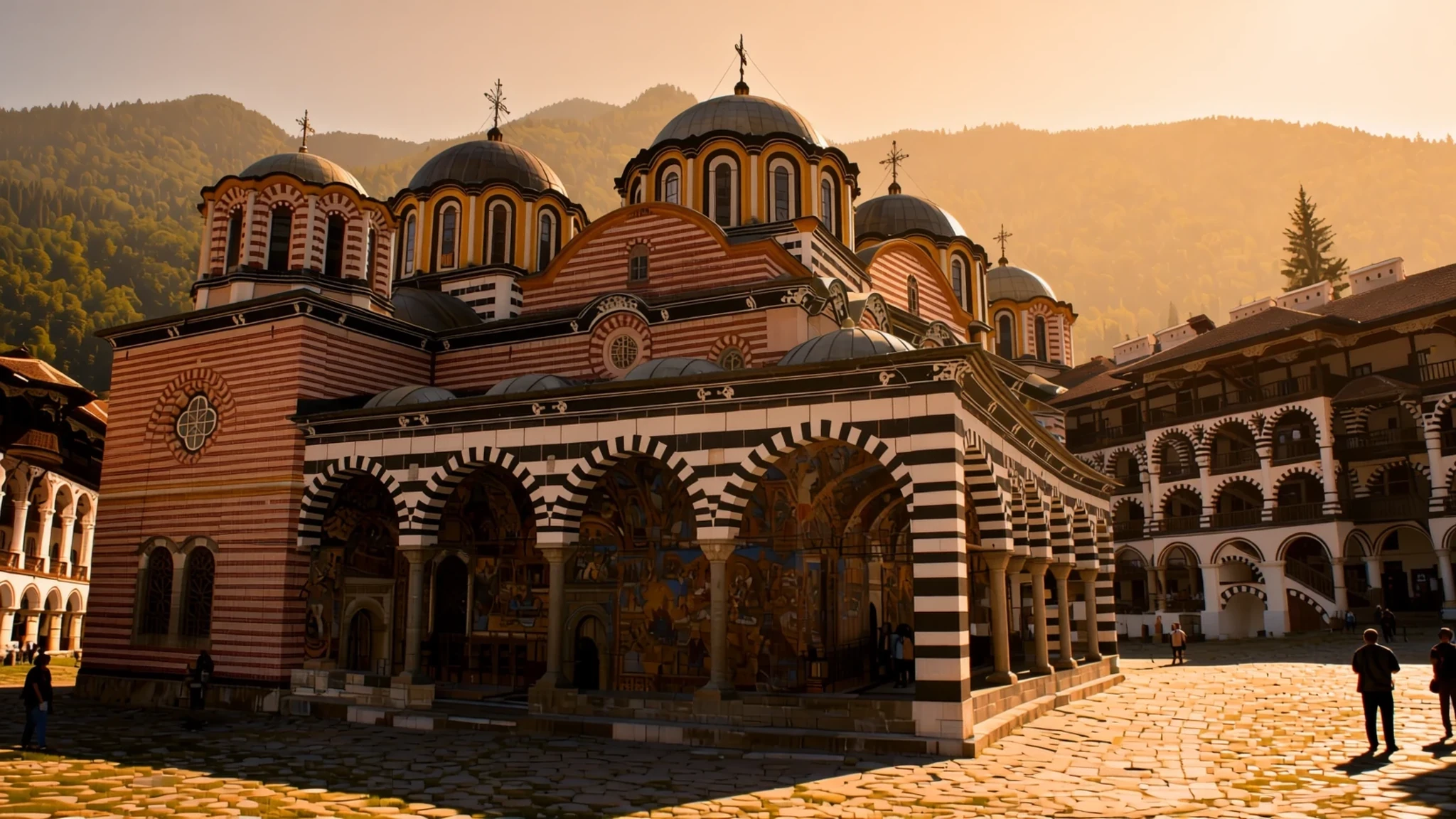
Bulgaria's mountain monastery, set in a deep valley of the Rila range, is worth a day for its architecture, its history and its hiking.
The place
Rila Monastery sits in the southwestern Rila Mountains, about 120 km south of Sofia, in the deep valley of the Rilska River. The setting is roughly 1,150 metres above sea level, inside a nature park that carries the monastery's name. Its founder, the hermit Saint Ivan of Rila, gave the place its identity, and a community of monks still lives there, so the complex works as a religious house as much as a visitor site.
Most visitors arrive on a day trip from Sofia, though the monastery also takes overnight guests in simple monks' quarters, which is the most unhurried way to experience the place once the tour groups leave. Through the outer gate, a large inner courtyard is ringed by storeys of residential chambers, with the main church and an old tower standing at its centre. The sheltered courtyard feels like a small town enclosed behind walls.
For Bulgarians the monastery carries weight beyond its religious role. Rila Monastery ranks among the nation's leading landmarks for its cultural, historical and design significance, and its image is printed on the back of the 1 lev note. Visitors come for the church and its carved screen, the icons and the museum, and for the hiking trails that begin near the gate. The surrounding nature park takes in forest, meadows and glacial lakes, so the landscape is part of the visit. Allow at least half a day for the buildings, and longer if the walking appeals.
Its story
Tradition holds that the monastery began with the hermit Ivan of Rila, who lived alone in a cave near the site with almost no possessions. The buildings themselves were raised by his disciples, who had come into the mountains to learn from him. The founding is placed in the reign of Tsar Peter I, though the surviving stone is considerably later than that.
Through the medieval Bulgarian state the monastery enjoyed steady patronage. Gifts from the rulers of the Second Bulgarian Empire helped make it a centre of spiritual life and of national identity, a standing it held until the Ottoman conquest reshaped the region. Ottoman advance brought repeated raids, and the complex was largely destroyed in the mid-1400s.
Rebuilding came at the close of the Middle Ages, supported by Sultana Mara Branković, the Russian Orthodox Church and the Rossikon monastery on Mount Athos. Three brothers from the Dupnitsa region carried out the work. The relics of the saint were brought in from Tarnovo, which gave the monastery new spiritual weight.
During the National Revival a fire destroyed much of the complex in the early nineteenth century. Wealthy Bulgarians from across the country paid for the rebuilding, which was designed by the architect Alexi Rilets and completed over several decades. The result is the ensemble visitors see today, regarded as one of the foremost masterpieces of Revival architecture. The monastery also sheltered a school founded by Neofit Rilski, and it became a hideout for revolutionaries including Vassil Levski, Gotse Delchev and Peyo Yavorov, which gave it a place in the national story beyond religion. It was declared a national historical monument and later listed as a UNESCO World Heritage Site.
What to see
- Main Church — Courtyard, centre of the complex
The main church stands at the centre of the courtyard and dates from the mid-nineteenth century rebuilding. It has a cluster of domes, several altars and side chapels, and its interior is famous for the gold-plated iconostasis, a screen carved in wood with fine detail. Photography rules can change, so ask at the entrance before taking pictures inside. The church is the spiritual heart of the place, so keep voices low during services.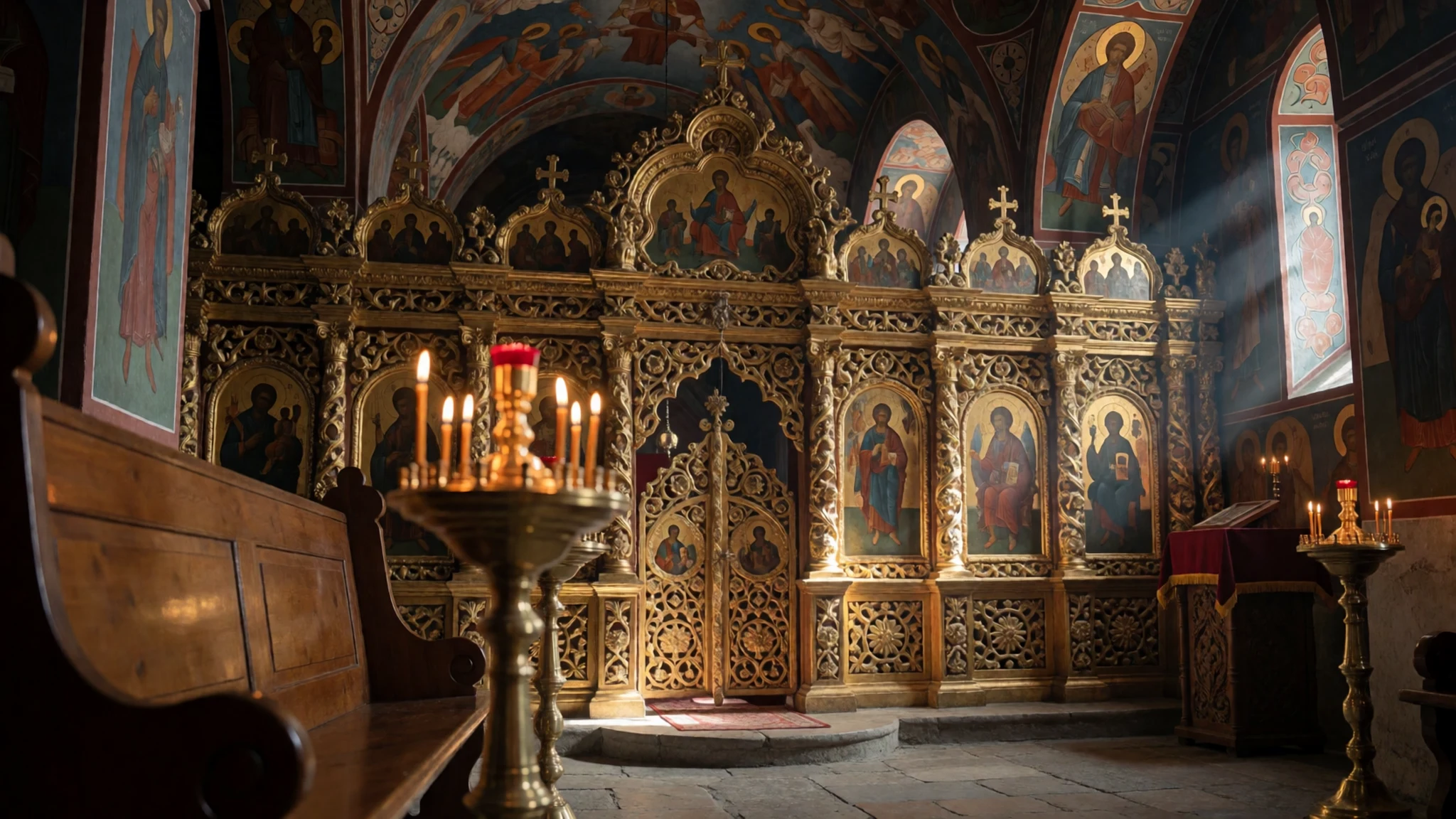
- Church History Museum — Inside the monastery complex
The museum holds the monastery's church treasures and is best known for Rafail's Cross. A monk carved this small wooden cross from a single piece of wood, using fine tools and magnifying lenses, and it is covered in dozens of religious scenes and hundreds of tiny figures. Allow time for close looking, because much of the detail only shows up at close range.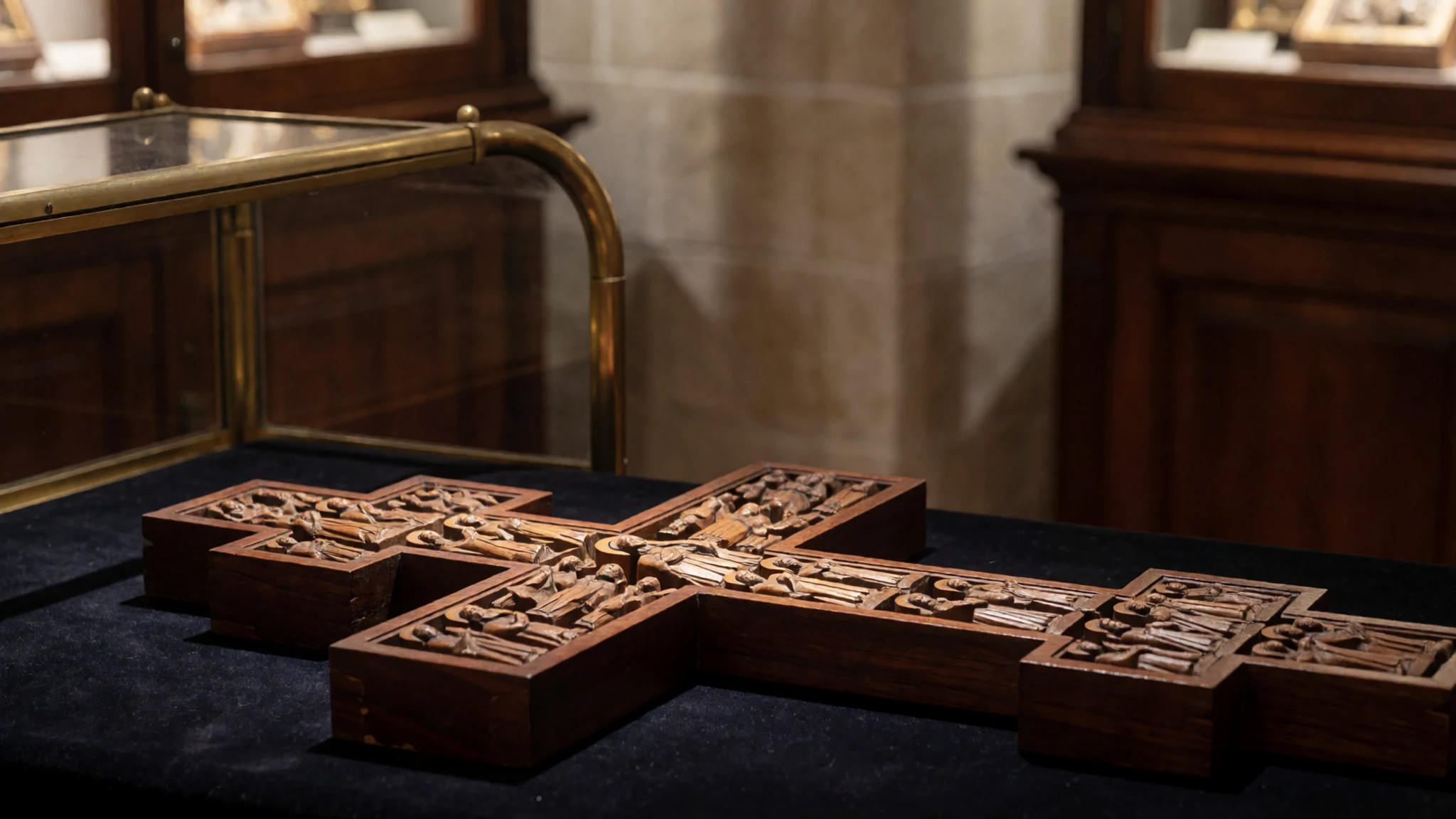
- Hrelov Tower — Courtyard, beside the main church
The tower of Hrelja is one of the oldest parts of the complex, built by the feudal lord whose name it carries. It stands in the middle of the courtyard ring, and a belfry was added to it in the nineteenth century. Its stone walls reflect the building work of the medieval period. It is a useful place to see the layers of building across the site.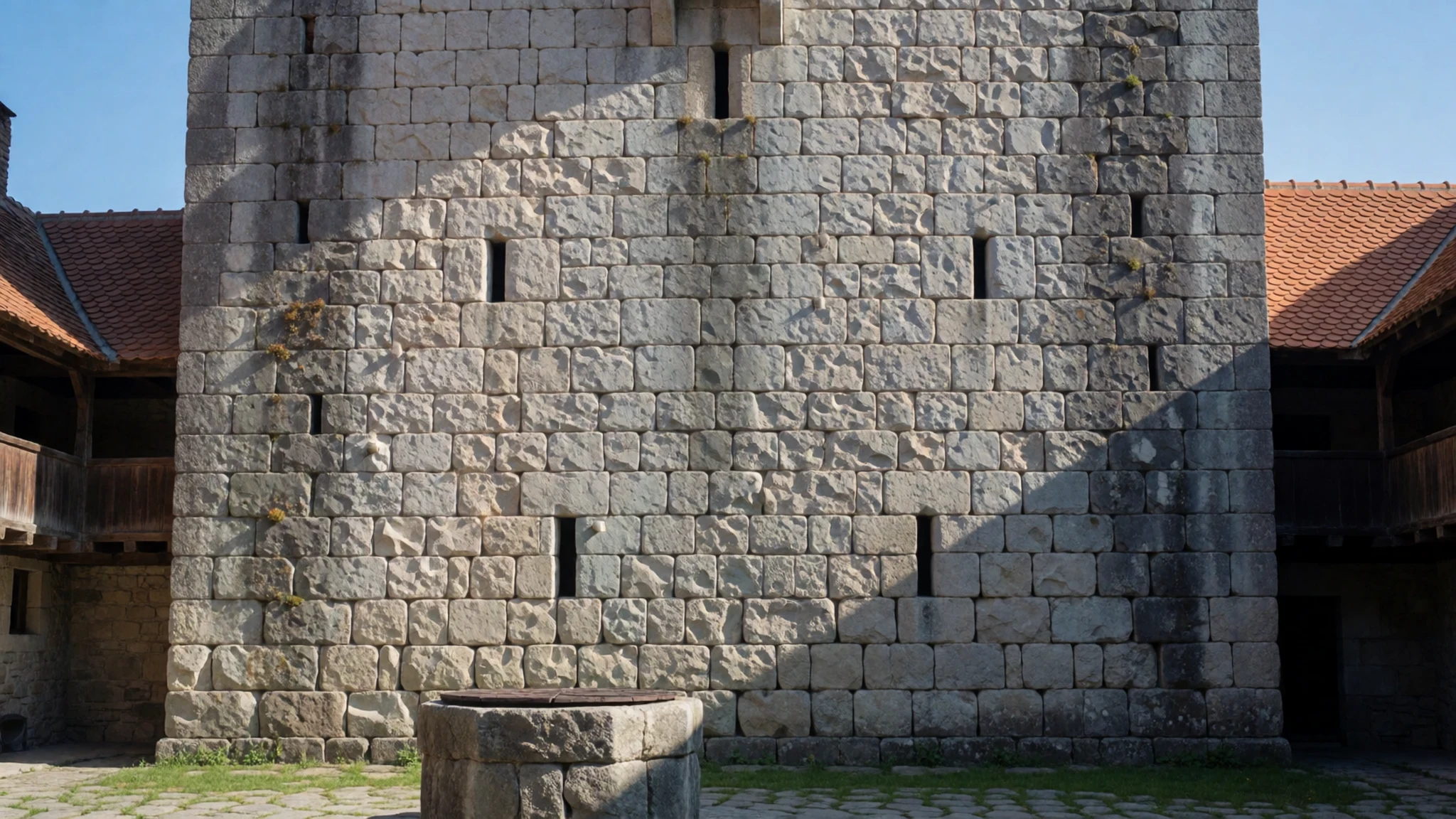
- Cave of St John of Rila — Forest path above the monastery
The cave where Ivan of Rila lived before the monastery was built lies a short walk from the complex, on a path into the forest. The climb takes about twenty minutes. The cave is small and simple, and it is a place for quiet reflection rather than sightseeing. Sturdy shoes help, since the path can be muddy.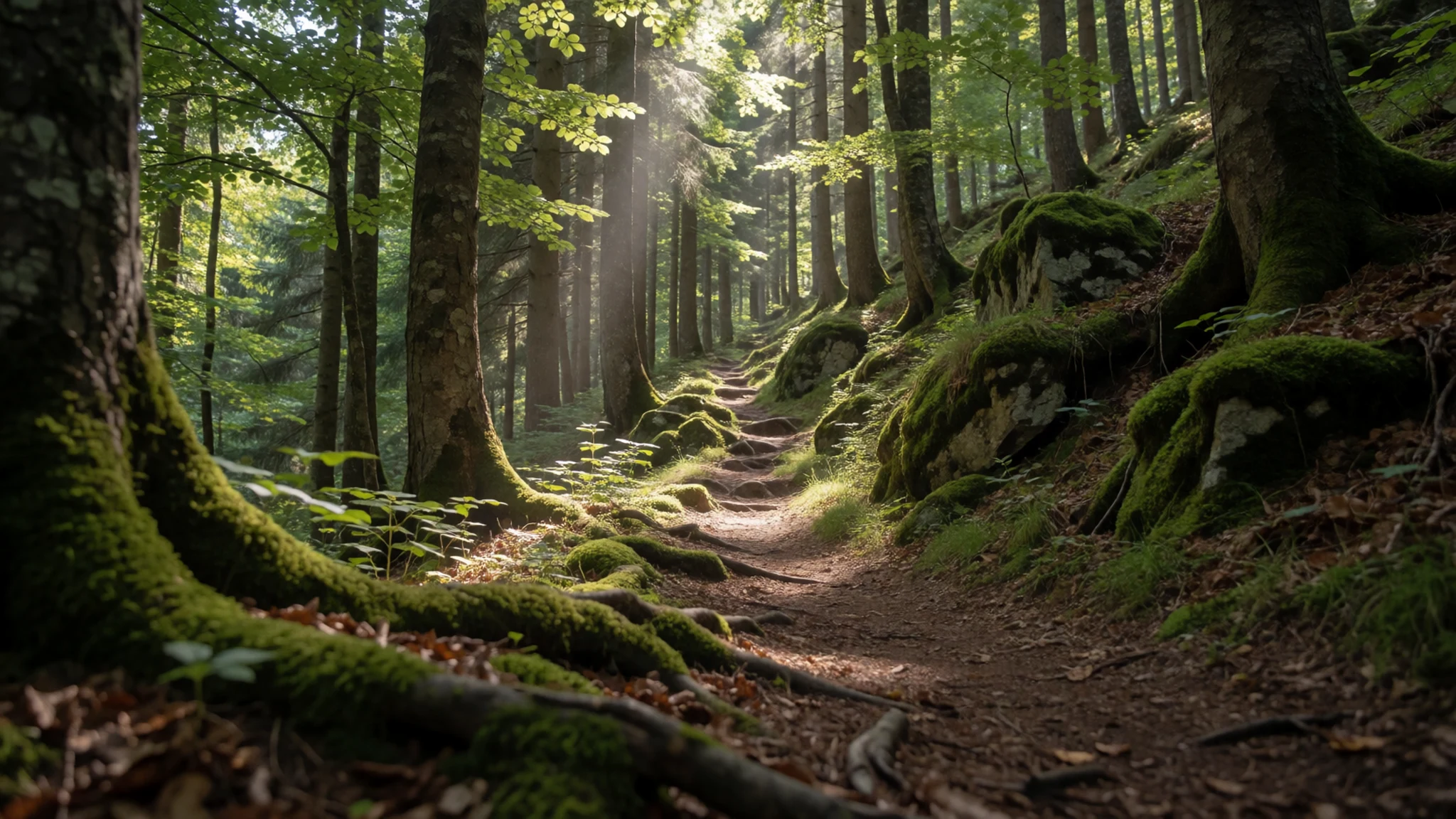
- Stob Earth Pyramids — Stob village area, a separate trip
The Stob Earth Pyramids are a separate outing from the monastery. Rock formations known as hoodoos rise up to around 12 metres, mostly conical or mushroom-shaped, carved from soft earth over long periods. They make a striking contrast to the monastery's stone and gold, and they are worth a half-day trip for anyone interested in landscape.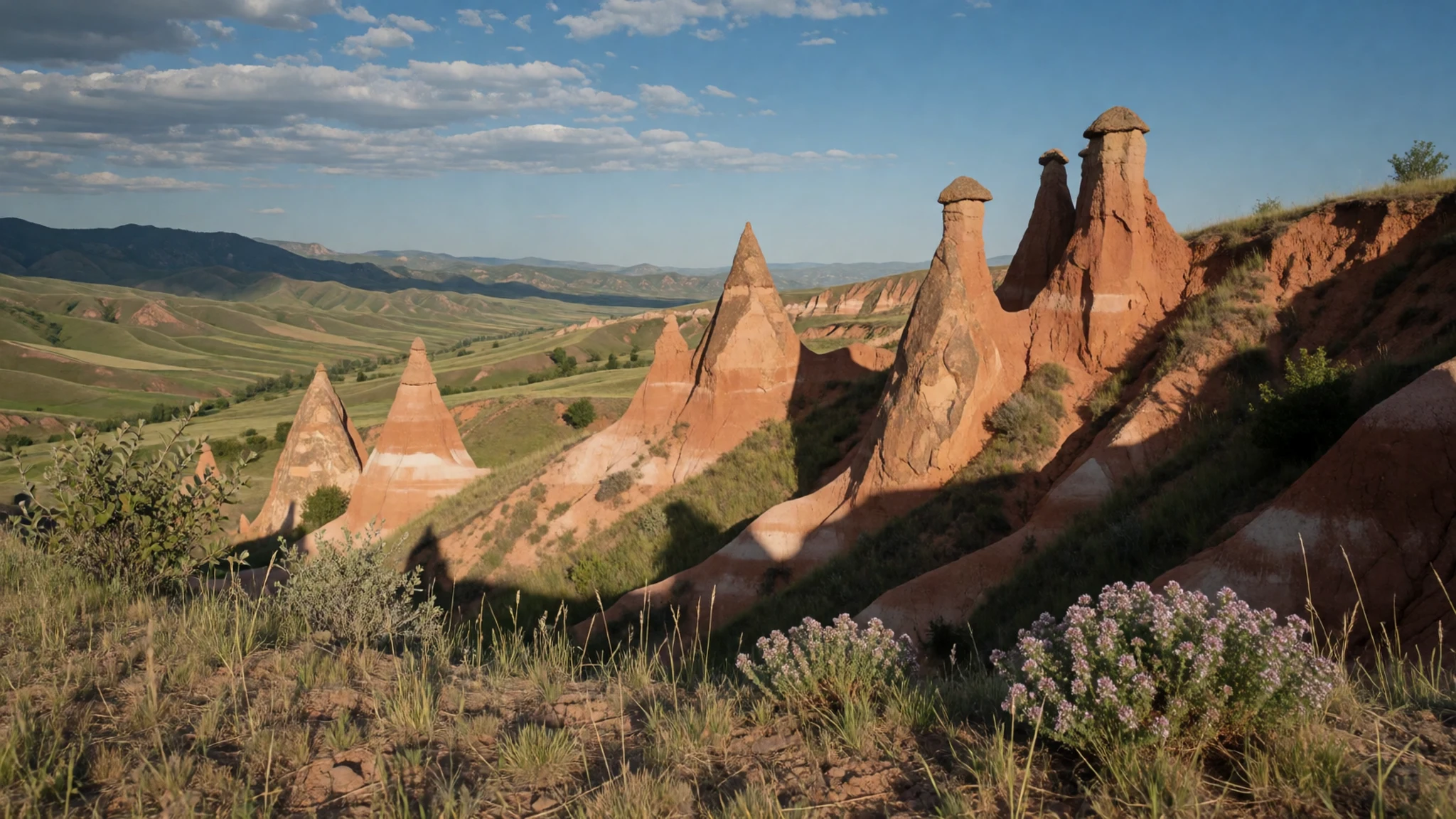
Culture
Rila Monastery is a working Orthodox community, and the monks' daily life shapes how visitors should behave. The main church is the centre of worship, so the atmosphere inside is one of prayer rather than sightseeing. Services are sung, and visitors are expected to stand quietly, move slowly around the screen and icons, and avoid talking over the choir. Lighting a candle and kissing an icon are common practices among worshippers, and visitors can take part quietly, following the lead of people around them. Photography rules inside the church can be stricter than outside, and it is sensible to ask before raising a camera, particularly near monks or pilgrims. Tour groups arrive in large numbers during the day, so queues for the church and museum can build up. Dress is also a matter of respect, with shoulders and knees covered and a scarf to hand for women who want to enter the church without fuss. Keep your voice low and your shoulders and knees covered whenever you step inside the church.
What to wear
Rila Monastery sits in a region where traditional dress is still tied to village life and festivals. Bulgarian folk costume varies from valley to valley, and classic women's outfits combine embroidered linen blouses with woven wool aprons and sashes. Men wore woollen trousers, sleeveless jackets and sheepskin in colder areas. These costumes are worn for festivals, weddings and folk dance rather than everyday life. Monks at the monastery wear long black robes and a black head covering. In daily life, people in Rila town and Sofia dress in ordinary European clothing, with warm layers for the mountains and sturdy footwear. Visitors should wear clothing that suits a religious site: shoulders and knees covered, loose clothes, no vests or shorts in the church, and a shawl or scarf within reach. For the terrain, choose walking shoes with good grip, since paths around the monastery and the cave route can be muddy or steep. Bring a warm layer too, because mountain weather shifts quickly even in summer. Dark, muted colours suit the setting well.
What to eat
- Monastery bread — The small bakery stand near the monastery
Monastery bread is the loaf to look for, a round, dense bread baked in the traditional way and sold at the small bakery stand near the monastery. It makes a good base for a picnic before a hike. The bread is worth buying early in the day, when the stock is freshest.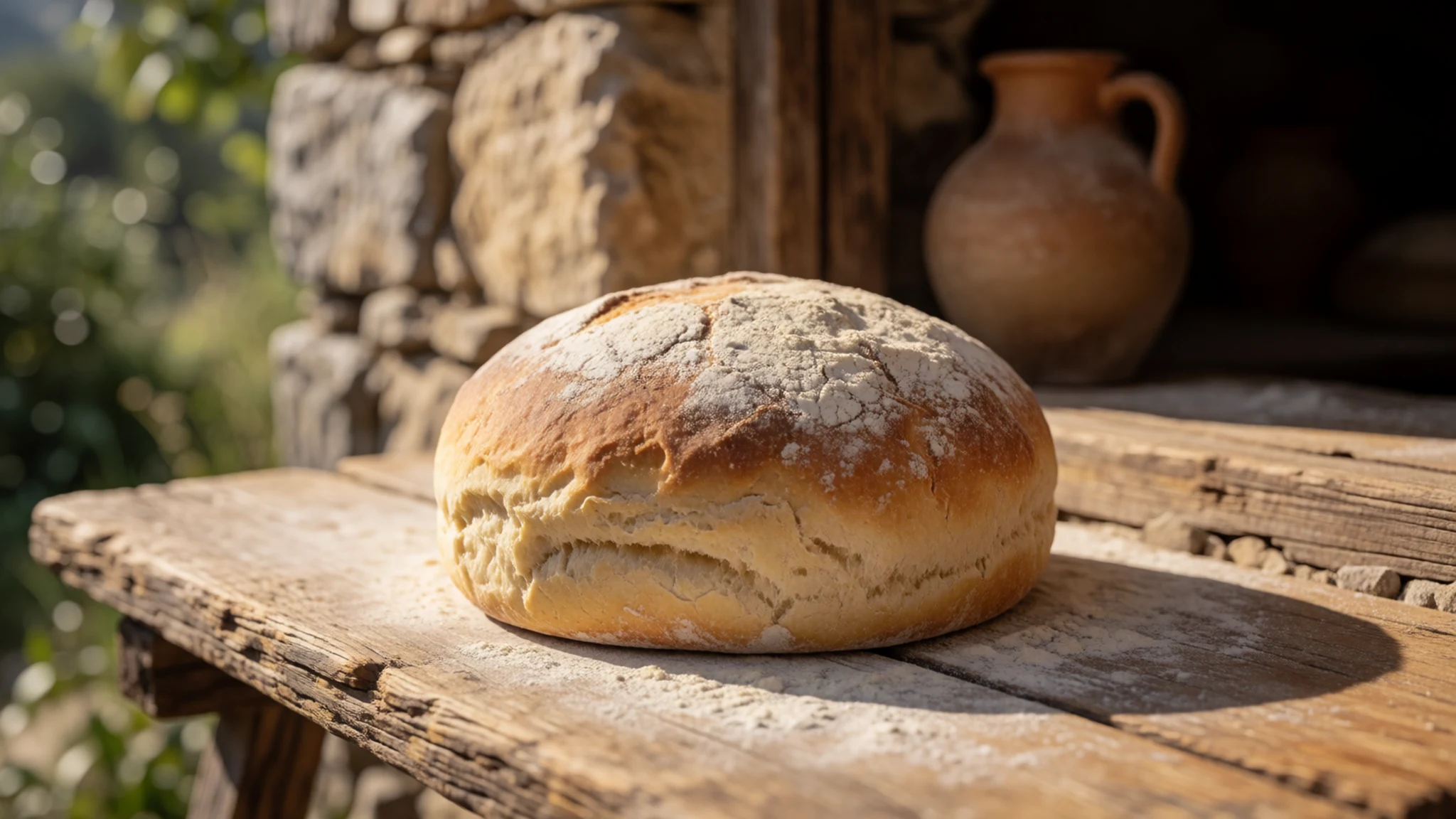
- Mekitsa — The bakery stand by the monastery, or a morning bakery in Rila town
Mekitsa is a sweet fried dough, light and slightly puffy, often dusted with sugar and served warm. It is a traditional breakfast and snack across Bulgaria, and the bakery stand near the monastery is a good place to try it fresh from the pan.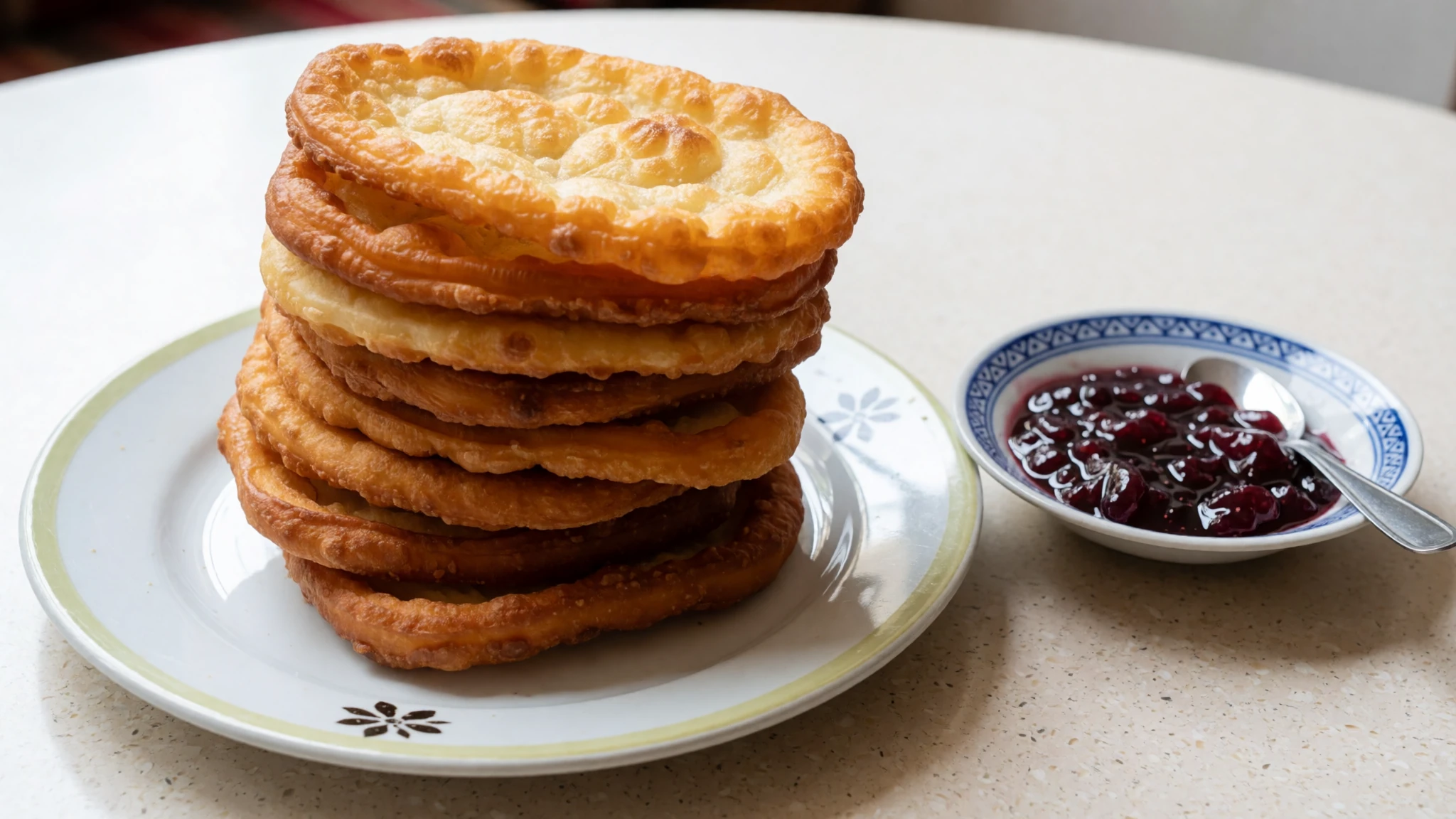
- Local yogurt — The bakery stand near the monastery
Bulgarian yogurt has a sharp, creamy taste and is made with local milk. The bakery stand near the monastery sells yogurt produced in the area, a simple accompaniment to bread and a good way to start a day of walking. It is usually sold in tubs to take away. - Shopska salad — Any eatery in Rila town
Shopska salad combines chopped tomato, cucumber and pepper, topped with grated white cheese. It appears on almost every menu in Bulgaria and is a light lunch after a morning of walking. Around the monastery the choice of eateries is limited and not highly regarded by travellers, so lunch is better taken in Rila town.
Plan it
Best time. Late spring to early autumn suits the mountain trails and the walk to the cave, when paths are clear. Snow can settle on the high ground in winter, which makes the paths harder going. Peak summer brings the most people, so the shoulder seasons offer a quieter visit.
How long. 2
Getting there. Fly into Sofia, then travel by taxi, rental car or organised tour to the monastery, about 120 km south. Buses run to Rila town from Sofia, Dupnitsa and Blagoevgrad, but as of 2025 no public bus runs all the way to the monastery, so the final stretch needs a shuttle, taxi or car.
Budget. mid
Tips
- Set off early from Sofia, as the morning is quieter at the monastery.
- Confirm the last onward transport from Rila town before you set off back.
- Book an overnight stay in the monks' quarters well ahead if you want to stay.
- Carry some cash for small stalls, and water for the walk.
- Check the official site for opening times and fees before you go.
- Wear proper walking shoes if heading to the cave or the trails.
Etiquette
- Dress modestly for the church, with shoulders and knees covered.
- Keep quiet during services and avoid moving through the congregation.
- Ask before photographing monks or taking pictures inside the church.
- Do not touch icons or frescoes, which are fragile and sacred.
Nearby
Sources
- Wikidata Q64617589 (CC0)
- Wikipedia: Rila Monastery (rev 1378538136) (CC BY-SA 4.0)
- Wikivoyage: Rila (rev 5413760) (CC BY-SA 4.0)
- Church in the Rila Monastery, Daniel Dimitrov, via Wikimedia Commons (CC BY-SA 4.0)
