Burgas
Burgas, Bulgaria
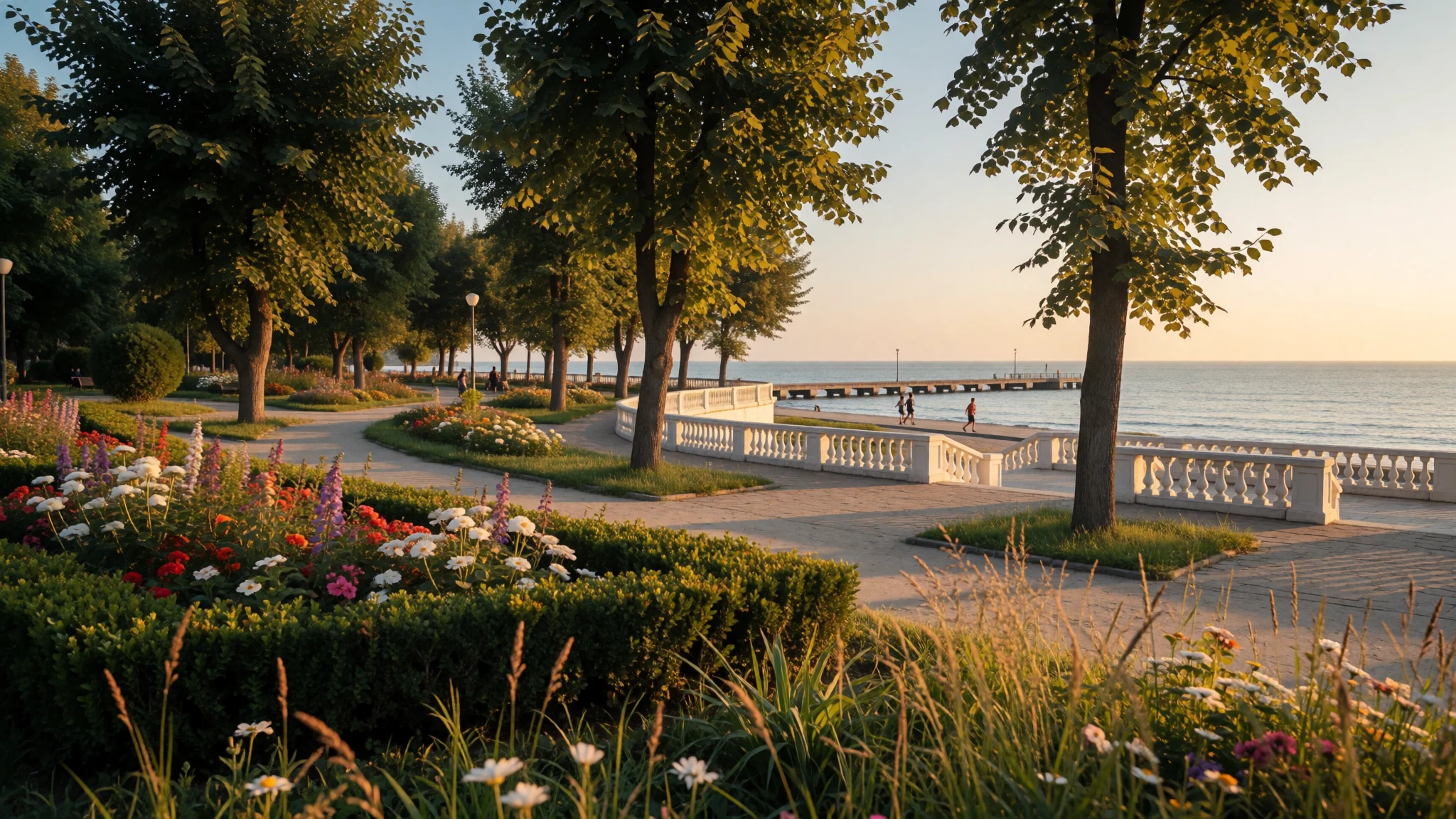
Go to Burgas for expansive Black Sea shores, vast coastal parklands, serene wetlands alive with migratory birds, and an unpretentious maritime atmosphere.
The place
Burgas sits at the westernmost curve of the great bay bearing its name, framed by tranquil coastal lakes and flat plains facing the open waters of the Black Sea. As a major urban centre with a population approaching 190,000 residents, it functions as the primary capital of its province and an essential transport hub featuring the second largest port in the country alongside a vital international airport. Unlike tourist resorts built purely for seasonal crowds, Burgas retains a working character where heavy industry, fishing fleets, and maritime commerce shape daily life.
The municipal territory is defined by water. Coastal lagoons, saltwater expanses, and freshwater lakes girdle the built-up area, creating rich habitats for wildlife right on the edge of the urban zone. A massive landscaped park stretches along the seafront, offering shaded walking paths, open-air stages, and dramatic views across the marine horizon. The climate is tempered by the sea, bringing warm summers and mild winters that encourage outdoor life well into the shoulder months. While the city handles significant freight and industrial processing, its central districts remain walkable and calm, inviting travellers to explore local museums, leafy squares, and traditional fish eateries without feeling rushed by mass tourism.
Its story
Human presence in the Burgas region stretches back thousands of years into the Bronze Age and early Iron Age, drawn by the fertile plains and sheltered marine waters. The most enduring early footprint belongs to the Thracians, who established settlements, reared sacred sanctuaries, and built the ancient fortress of Tyrsis alongside the thermal mineral baths at Aquae Calidae. Greek merchants from Apollonia later founded trading posts along the coast to exchange goods with local tribes.
During the era of classical antiquity, the Romans integrated the territory into their expanding empire. Emperor Vespasian established a military colony for veterans nearby at Deultum along the famous Via Pontica trade route, turning the area into an administrative and military stronghold. Over subsequent centuries, control shifted through Byzantine, medieval Bulgarian, and Ottoman administrations, leaving behind layers of archaeological ruins across the surrounding plains. The modern urban settlement grew substantially during the nineteenth and twentieth centuries, transforming from a quiet fishing port into a major industrial and cultural capital of the southeastern coastline, bridging historical trade routes with contemporary maritime enterprise.
What to see
- Sea Garden — Coastal seafront
This huge municipal park stretches for kilometres along the seafront, filled with diverse green species, monuments, open-air performance spaces, and uninterrupted panoramic views across the sweeping waters of Burgas Bay. - Poda Protected Area — Southern wetlands
Situated within a massive wetland complex just south of the urban centre, this sanctuary serves as a vitally important resting and feeding station for countless migratory birds travelling along the major East European flyway. - Ethnographic Museum — Central historic district
Housed in a historic revival-style building, the museum presents traditional regional costumes, textiles, and domestic crafts, while hosting summer educational programmes dedicated to local folk arts, traditional dances, and time-honoured artisanal skills. - Archaeological Museum — Central historic district
This institution displays a rich variety of ancient artefacts discovered across the surrounding plains and coastal waters, including Greek pottery, Roman military relics, and Byzantine antiquities that illustrate centuries of regional trade. - Natural History Museum — Central historic district
Exhibitions explore the varied flora and fauna of the regional lakes and coastal mountains, alongside thematic displays covering local geology, marine ecosystems, and the natural history of southeastern Bulgaria.
Culture
Cultural life in Burgas revolves around music, theatre, and maritime traditions, anchored by institutions like the Adriana Budevska Theatre and the city's state opera house. Residents take pride in their coastal identity, local folklore festivals, and open-air gatherings that animate the public squares during the warmer months. Artistic expression spans classical concerts, contemporary art exhibitions, and traditional dance performances passed down through generations. Visitors will find locals to be reserved yet welcoming, with a direct communication style that reflects the honest, industrious character of a port city. When entering an Orthodox church or a sacred historical site, keep your shoulders and knees covered, speak in a quiet tone, and remove hats indoors.
What to wear
Traditional dress in Burgas and the wider Thracian region features heavy woven woollens, intricately embroidered linen tunics, and embellished aprons worn during folk festivals and seasonal celebrations. Contemporary fashion in Burgas is practical and relaxed, mirroring trends across European coastal cities. Residents wear comfortable casual clothing, durable footwear for walking along the expansive parklands, and lighter fabrics during the warm summer months. Visitors should pack breathable layers, comfortable walking shoes for exploring the cobblestone streets and sea gardens, and a windproof jacket for breezy evenings by the shore. Modest attire is required when visiting places of worship, but casual beachwear is entirely appropriate along the seafront promenades and open-air eateries.
What to eat
- Black Sea Fish — Kapana Seafront Fish Shack
Freshly caught local fish, fried or grilled simply, served throughout informal waterfront shacks and seasonal eateries along the eastern sea promenade. - Shopska Salad — Traditional restaurants across the centre
A refreshing national salad made with diced tomatoes, cucumbers, raw onions, and bell peppers, topped with a generous grating of traditional white brined cheese. - Banitsa — Local bakeries and cafes
A traditional baked pastry prepared from layered filo dough filled with sirene cheese and eggs, enjoyed widely for breakfast or as a savoury snack. - Tarator — Traditional eateries throughout the city
A cold, refreshing soup prepared from strained yoghurt, finely diced cucumbers, garlic, dill, and crushed walnuts, popular during warm summer afternoons.
Plan it
Best time. May to September offers warm weather, accessible outdoor cafes, and vibrant coastal life, though July and August bring peak summer temperatures and crowds.
How long. 2–3
Getting there. Burgas Airport connects to several international destinations, and regular domestic trains and buses arrive frequently from Sofia and major regional cities.
Budget. mid
Tips
- Use local buses or walk between the central districts and the Sea Garden
- Carry some cash for smaller bakeries, markets, and regional museum tickets
- Book accommodation well in advance if visiting during peak summer festival months
- Wear comfortable footwear for navigating the extensive park paths and wetlands
Etiquette
- Dress respectfully with covered shoulders and knees when entering churches
- Greet shopkeepers and hosts politely when entering small local establishments
Nearby
Sources
- Wikidata Q6509 (CC0)
- Wikipedia (rev 1381937304) (CC-BY-SA 4.0)
- Wikivoyage (rev 5421985) (CC-BY-SA 4.0)