Nesebar
Nesebar, Bulgaria
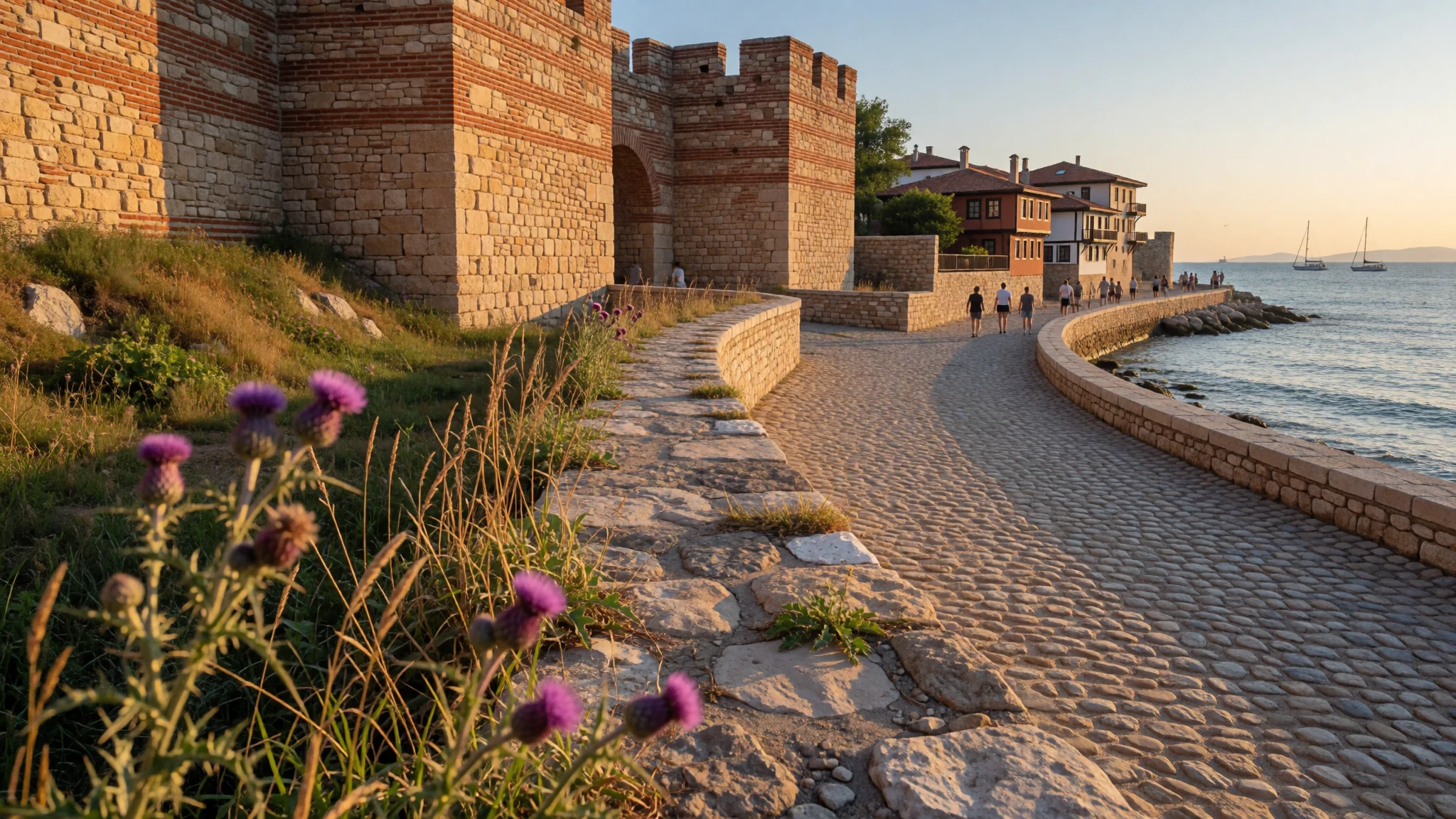
Nesebar is a compact seaside old town where churches, walls and sea air sit together—easy to wander, even on a short trip.
The place
Nesebar (often written as Nessebar) is an ancient coastal town on Bulgaria’s Black Sea, and the administrative centre of Nesebar Municipality in Burgas Province. What makes it feel special is the way the town is split into two parts: the older settlement clings to a peninsula, while newer hotels and development sit on the mainland side. A narrow human-made isthmus connects the areas, so the atmosphere changes quickly as the views open from stone lanes to wider seaside promenades.
The peninsula part is the real draw. It’s a maze of cobbled streets and church-corners, where centuries of trade and shifting rulers left behind buildings that still look lived-in rather than staged. Nesebar’s historic fabric is why UNESCO included it in 1983—this is a place you feel as you walk, not something best appreciated only from a viewpoint.
It’s also a proper holiday resort location. Nesebar sits near big Black Sea names, including Sunny Beach to the north, so in peak season the streets can feel busy and the beaches nearby can be crowded. That doesn’t ruin the old town, but it does mean timing matters for calm photos and unhurried church visits.
The city is small by the standards of big European capitals, with a population of 18,384 and an elevation of 30 m—so you can cover a lot on foot. Most of the character comes from mixing coastal views, museum-like churches and the everyday energy of a seaside town that has welcomed visitors for generations.
Its story
Nesebar’s story is long, layered and—quite literally—tied to the water. Archaeology work along the Bulgarian Black Sea Coast identified several chronological periods of urban life around the peninsula, tracing the settlement through multiple eras up to the end of the second millennium BC. A later engineering push in the 1980s aimed to protect the coastline and strengthen the area as a port, which helped shape how Nesebar functions today: historic lanes in the older peninsula, and more modern infrastructure on the mainland side.
Long before the seaside resort label, the town was associated with Mesambria (Mesembria). It began as a Thracian settlement, then became a Greek colony when Dorians arrived from Megara at the beginning of the 6th century BC. From there, Nesebar grew into an important trading centre, and its early importance shows up in what remains on the ground: an acropolis, a temple of Apollo and an agora, plus traces of older fortifications on the north side of the peninsula.
Coins also tell a story of commerce and reach—silver and bronze minted since the 5th century BC and gold later on. Later, Mesembria carried on through the Roman period and into the Early Christian Era, then the medieval settlement phase, followed by a Renaissance-era town known by its alternate names. The result is a place where church after church feels like a chapter heading, even when parts of old buildings have been lost to time and sea.
What to see
- Church of Christ Pantocrator — Old Nesebar (peninsula)
Nesebar’s Church of Christ Pantocrator is a semi-ruined church with later restoration, built in the Byzantine “cross in square” style. It’s one of the most colourful ruined churches in town, and it now houses a small art gallery, so it’s worth stepping inside even if the street outside is busy.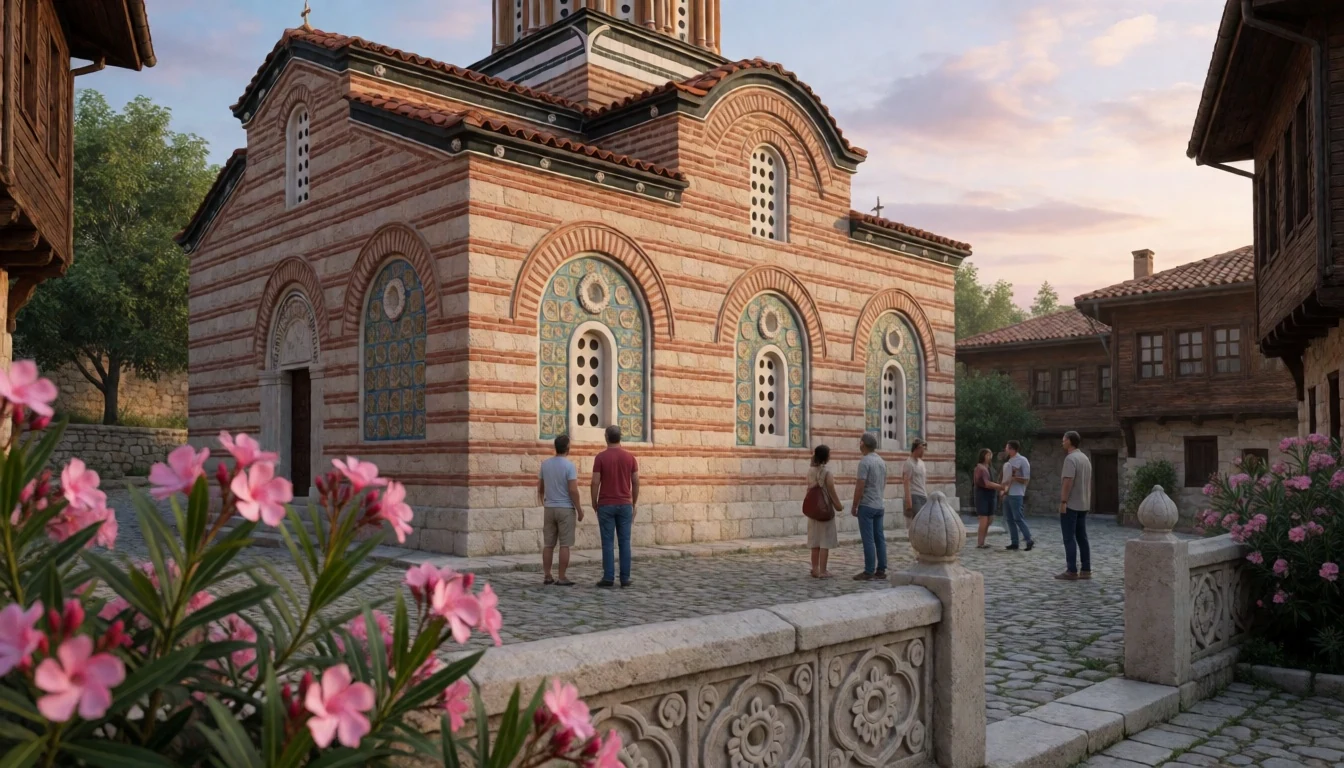
- Church of St. Paraskevi — Old Nesebar lanes
The Church of St. Paraskevi is another partially preserved church in the old town, with surviving walls and an wooden roof over the structure. It dates to the 13th or 14th centuries, and the dedication is linked to the multiple saints named Paraskevi—so the building feels mysterious in a good way, like an unfinished sentence.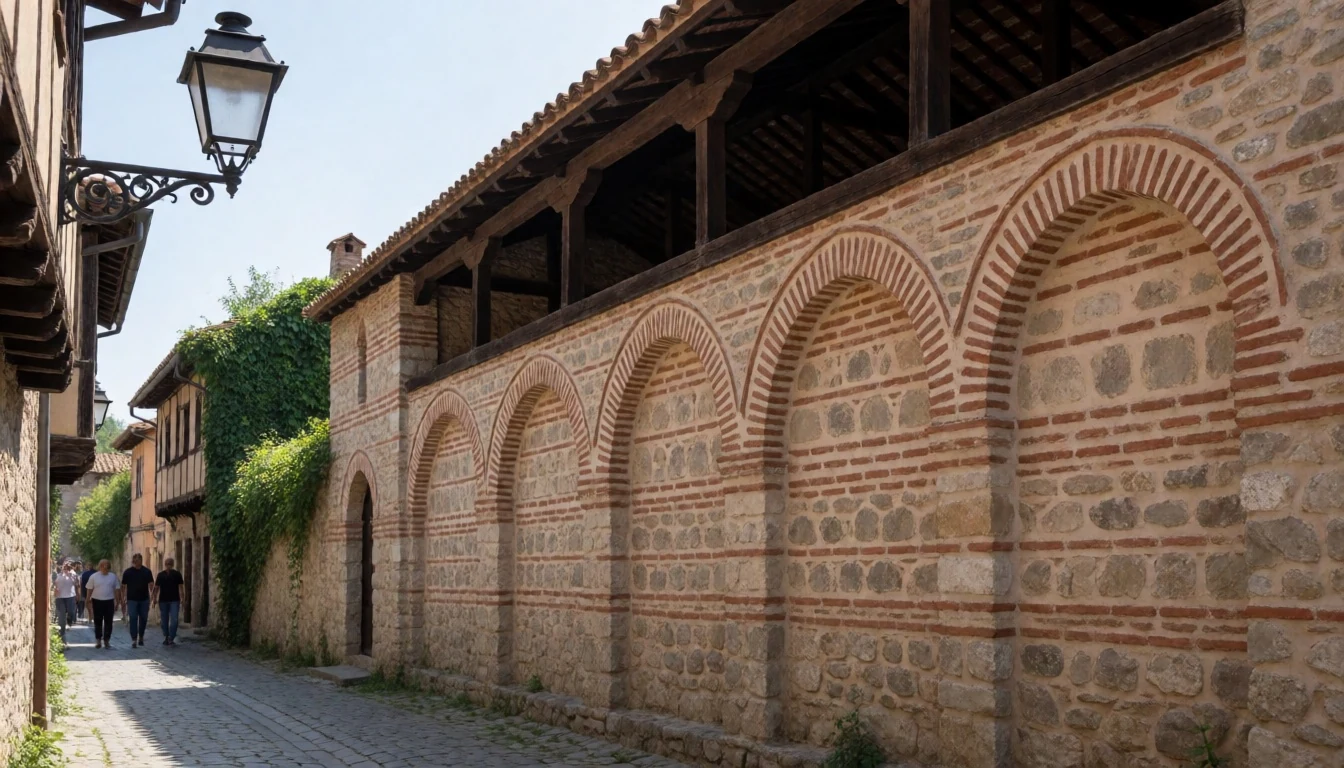
- Church of Saint Stephen — Old Nesebar (peninsula)
In Old Nesebar, the Church of Saint Stephen stands out as a mostly preserved three-nave basilica. It was built between the 11th and 13th centuries and expanded multiple times afterwards. Even when time has softened the edges, the scale of the basilica makes it a good anchor point for wandering the surrounding streets.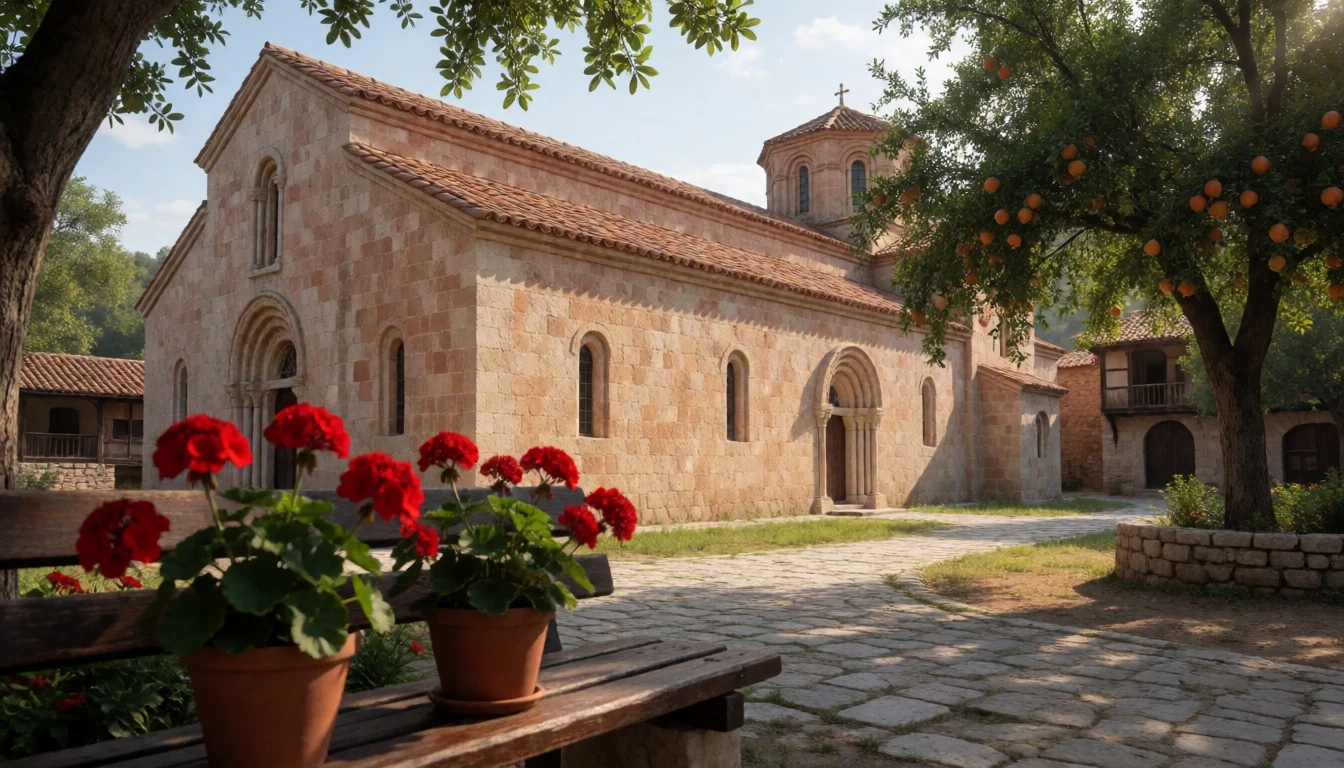
- Hagia Sophia Church (ruins) — Old Nesebar (near central lanes)
Hagia Sophia Church is best approached as ruins with atmosphere: it began as a three-nave basilica, later saw major changes over the centuries, and by the time you visit today you’re left with the fragmentary feel of a long, disrupted history. For a short pause, the fragmentary walls show how much the town changed without needing explanations.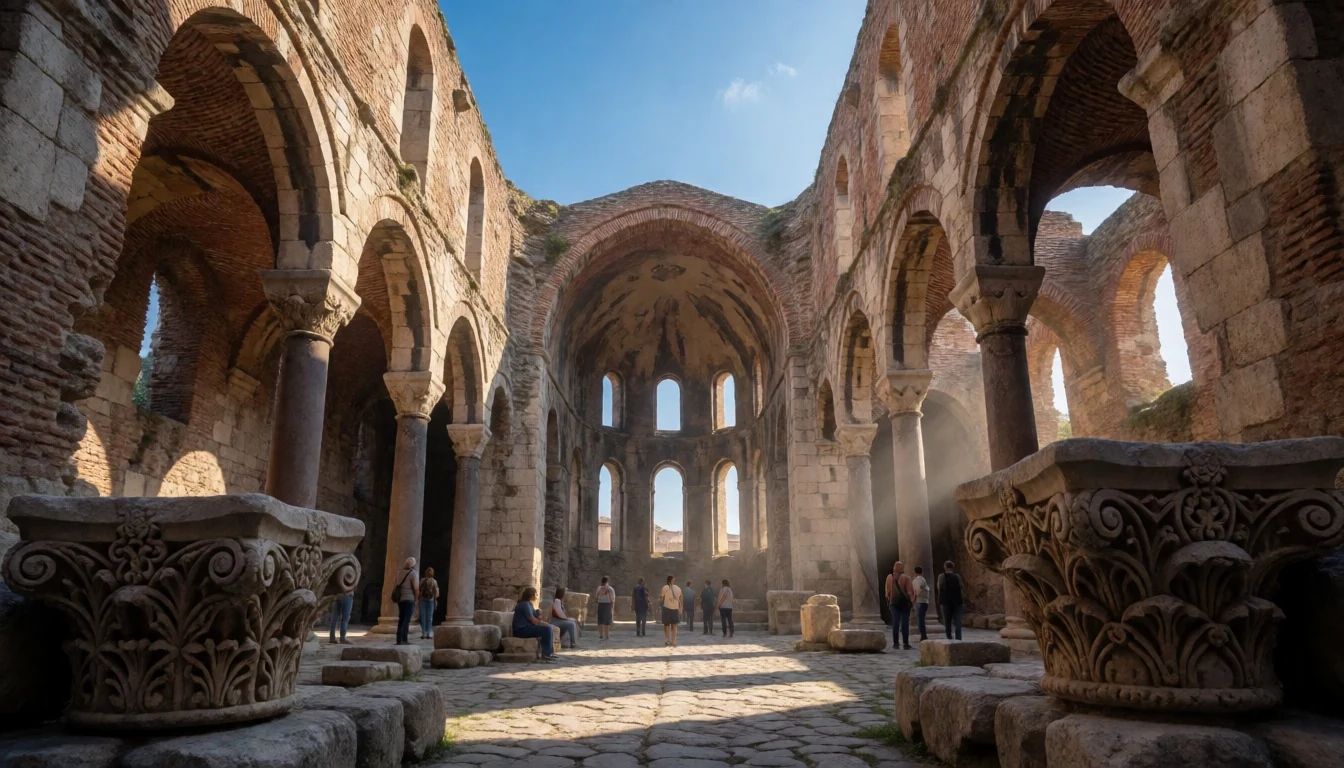
- Old town gates and cobbled lanes — Old Nesebar (peninsula gates area)
In Nesebar’s older peninsula, cobbled streets braid between the churches and the sea-facing edges. The old town gates are a well-known spot for photographs, and it’s easy to drift from one viewpoint to another without a plan—just follow the stone lanes and let the sea wind decide the direction.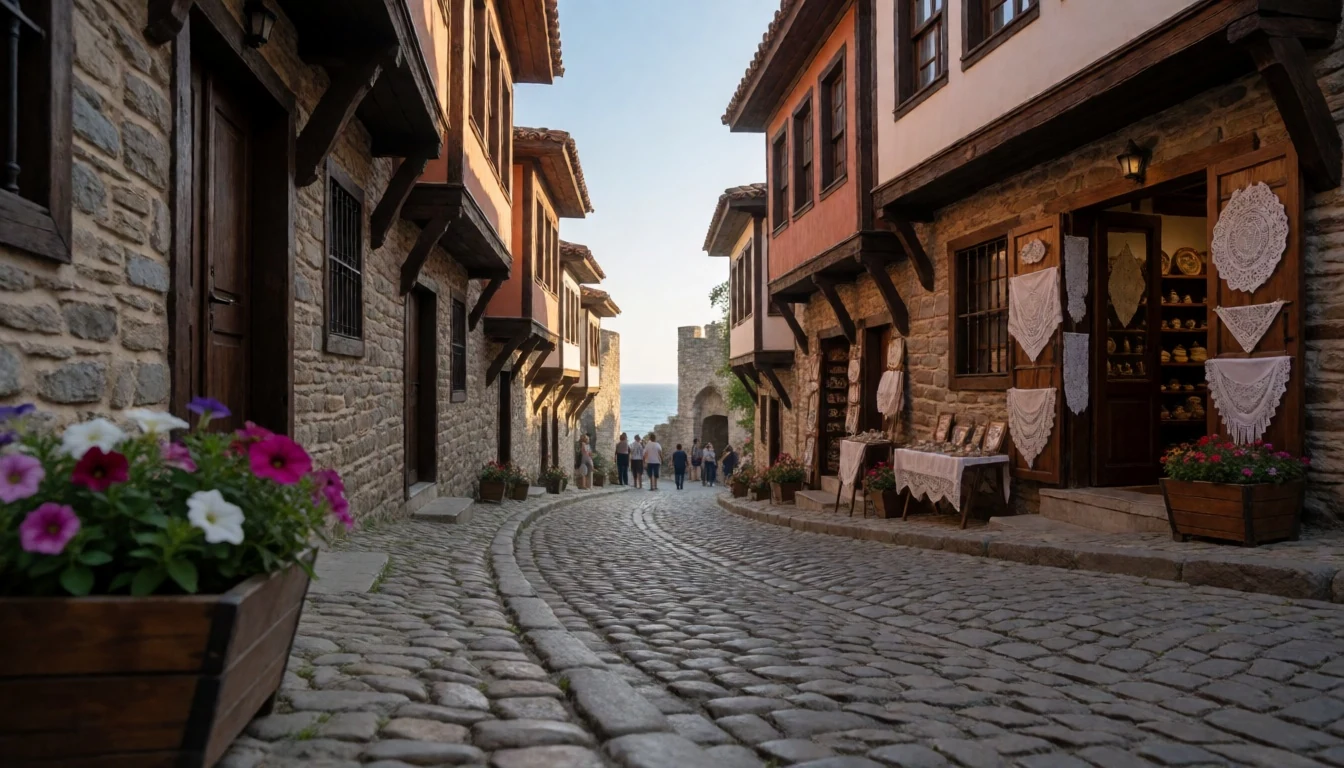
Culture
Nesebar’s culture is a blend of “city-museum” history and holiday-season life. On the peninsula, the mood is walk-and-look: people come for the churches, the narrow lanes and the sense of depth that comes from buildings lasting through changing civilisations. At the same time, Nesebar sits in a wider Black Sea resort belt, so during peak periods you’ll notice more day-trippers and more pressure around popular photo angles, especially near the busy beaches on the south side of the island.
A practical thing to know is that some parts of the historic experience behave like institutions—winter can mean closures, and museums may be shut at weekends in winter. When the weather is hot, the stones can feel unforgiving, so mid-day breaks help and shade matters.
Most evenings, the town returns to a simpler rhythm: restaurant menus, sea breezes and people lingering longer because it’s pleasant outside. The main challenge isn’t danger so much as persistence—shops and sellers can follow and try to persuade. A polite but firm “no” keeps things moving.
Visitor etiquette: Dress modestly in church doorways and keep voices low so the worship space stays respectful.
What to wear
In Nesebar, visitors come in everyday summer clothes most of the time, but the old churches still set the tone. Traditional Bulgarian dress varies by region and occasion, yet on the coast you’ll mostly see it in cultural displays rather than on the street: women’s embroidered blouses and skirts with decorative patterns, and more structured folk outfits that reflect local textile work. These traditions are typically worn for festivals and ceremonies, not as daily wear in an active seaside town.
What people actually wear now is practical: lightweight tops and breathable fabrics for warm days on the Black Sea, plus something for evenings when the sea air cools things down. For church interiors, modesty matters more than fashion—bring a light layer that covers shoulders and keep hemlines sensible.
For footwear, choose shoes with grip. The old town’s cobbled lanes can be uneven, and sandals are fine only if the soles are secure. If a visit includes time around the waterfront and possible museum stops, comfortable walking shoes beat anything that pinches.
What to eat
- Vegetarian “Healthy Menu” take-away options — Old Nesebar eateries (look for vegetarian options)
Nesebar has plenty of vegetarian-friendly choices, including a “Vegetarian Healthy Menu” style option you can eat on the spot or take away. It’s a good fallback when the old-town streets feel packed and you just want something quick without meat-heavy dishes.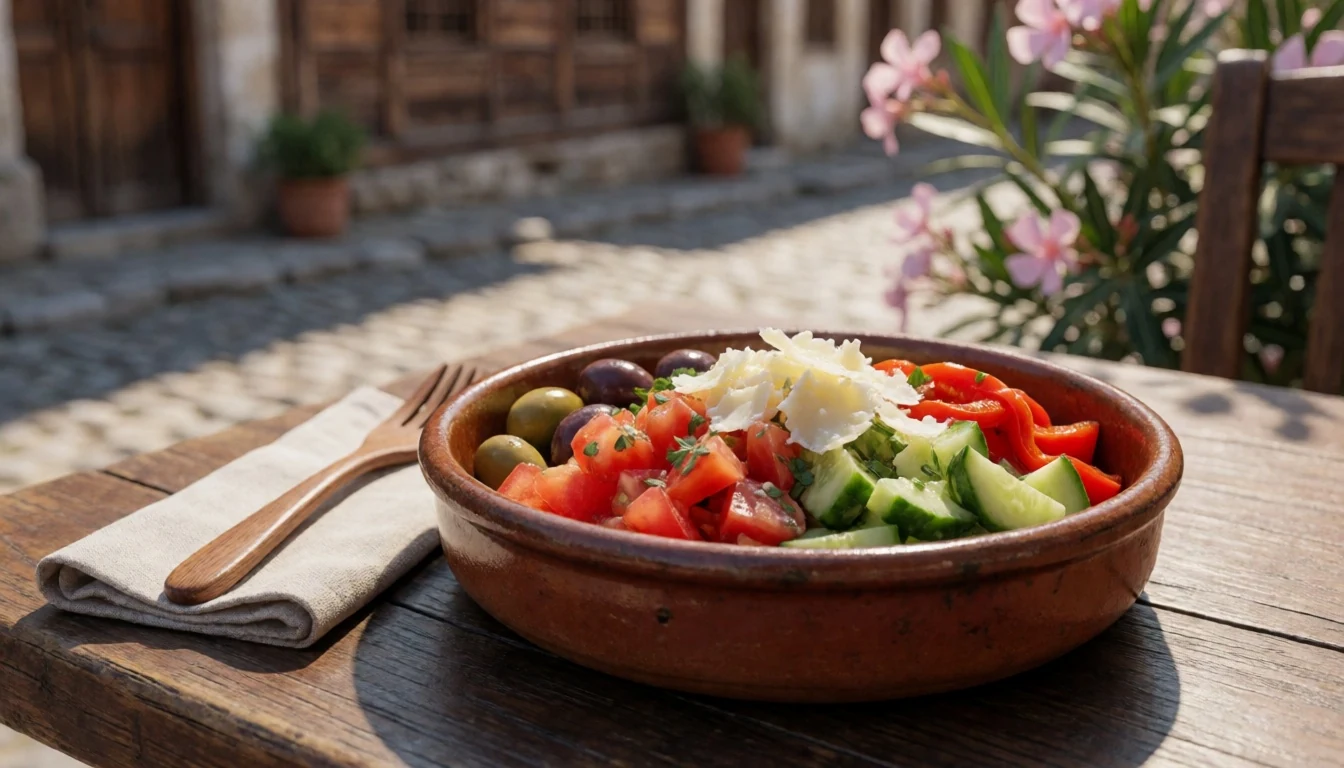
- Seafood and grill with vegan options — By the bay in and around Old Nesebar
The easiest way to eat locally in Nesebar is to go for seafood and grill plates, often with vegan options. Many places cluster near the bay, so the setting comes with the meal—expect a mix of sea views and shared terraces when the weather’s good.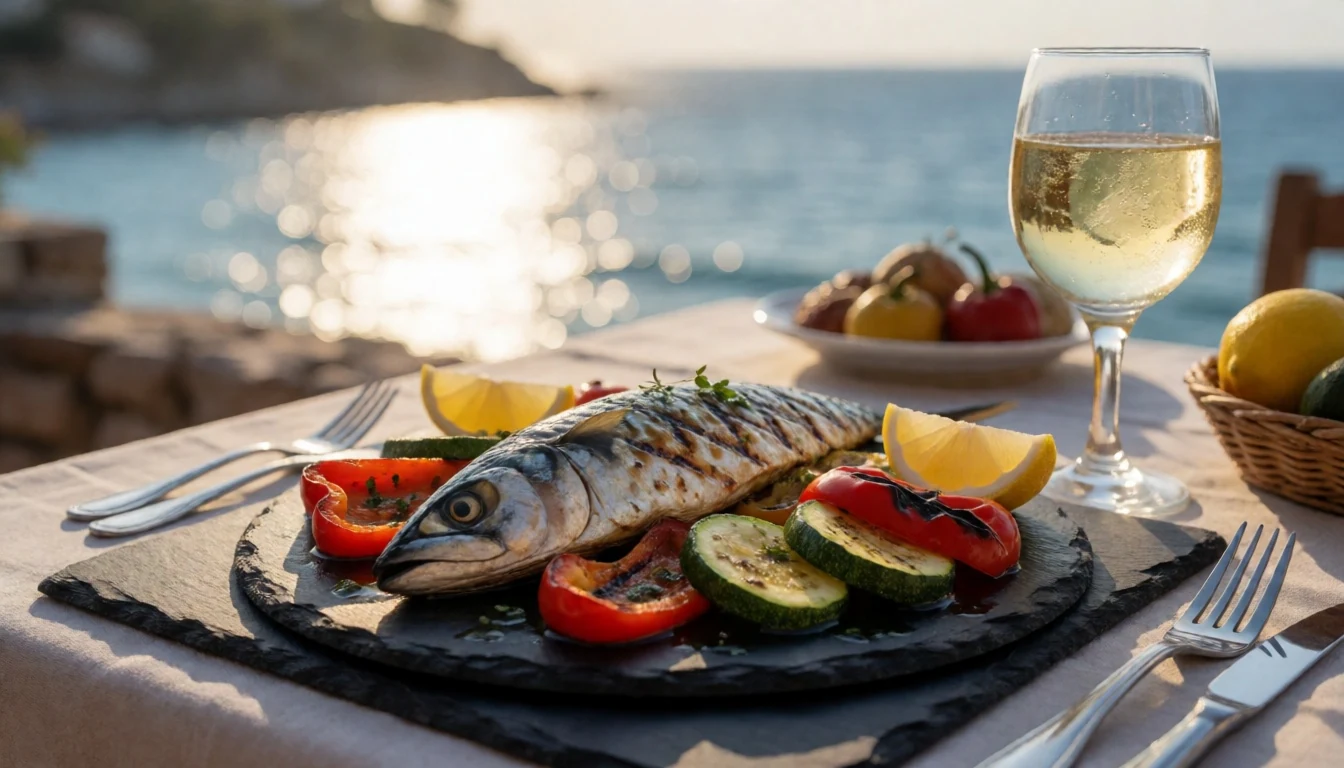
- Zagorka lager — Bars and casual restaurants around the old town
Zagorka is a national lager in Bulgaria and tends to be popular for its value and straightforward taste. In Nesebar you’ll see it alongside other beers in bars serving the tourist and local crowd. - Kamenitza beer — Beer-focused bars and menus across Nesebar
Kamenitza is another well-known Bulgarian beer that many travellers recommend. It’s a safe order when the menu is full of fish and grill specials and there’s no clear ‘local’ drink label. - Local Burgasko beer (try if you like variety) — Local beer listings in Nesebar restaurants
Burgasko is the local beer name you may hear around Nesebar. Some visitors report quality can vary, but it’s still worth tasting if there’s a simple “local beer” choice on the menu and you want to sample what’s on offer.
Plan it
Best time. May–September are the warmest months, with July the hottest, while June–September are also the most comfortable for walking thanks to the higher daytime temperatures; the wettest months are October and January, with rain also relatively frequent in February, March and November, so for drier strolls aim for late spring (May) or early autumn (September).
How long. 2–3
Getting there. Nesebar is easiest from the nearby major resort hubs by bus; there are frequent local buses into Nesebar, and regular services connect it with Sunny Beach. If travelling from farther away, plan to reach Burgas first, then take a bus onwards into the town.
Budget. mid
Tips
- Start the old-town walk early to avoid the strongest rush of day-trippers.
- Use buses from nearby resorts if they’re clearly marked in English; it can be simpler than arranging private transfers.
- For Old Nesebar, comfortable walking shoes make a bigger difference than fancy gear.
- Carry a bit of cash for small purchases, since sellers can be persistent and you may want to settle quickly.
- If travelling in winter, double-check opening days because some museum spaces close on weekends in winter.
Etiquette
- In church doorways, dress modestly and keep voices low.
- If a shopkeeper follows or persists, a polite but firm “no” is usually enough.
- Keep photographing people considerate—step aside if someone is using the space for prayer or rest.
Nearby
Sources
- Wikidata Q193241 (CC0)
- Wikipedia (rev 1378654655) (CC BY-SA 4.0)
- Wikivoyage (rev 5398333) (CC BY-SA 4.0)
- Photo photos/01-church-of-christ-pantocrator-nesebar.jpg (CC BY-SA 4.0)
- Photo photos/02-nessebar-lead-collage.jpg (CC BY 3.0)
- Photo photos/03-nessebar-festungsmauern.jpg (Public domain)
- Photo photos/04-mesembria-fortress-plan.png (CC BY 3.0)
- Photo photos/05-church-of-christ-pantocrator-nesebar-by-pudelek.jpg (CC BY 3.0)
- Photo photos/06-st-stephen-church-nesebar.jpg (CC BY 3.0)
- Photo photos/07-church-of-saint-john-the-baptist-nesebar.jpg (CC BY-SA 4.0)
- Photo photos/08-nessebar-bulgaria-panoramio-69.jpg (CC BY 3.0)


