Madara Rider
Madara Rider, Bulgaria
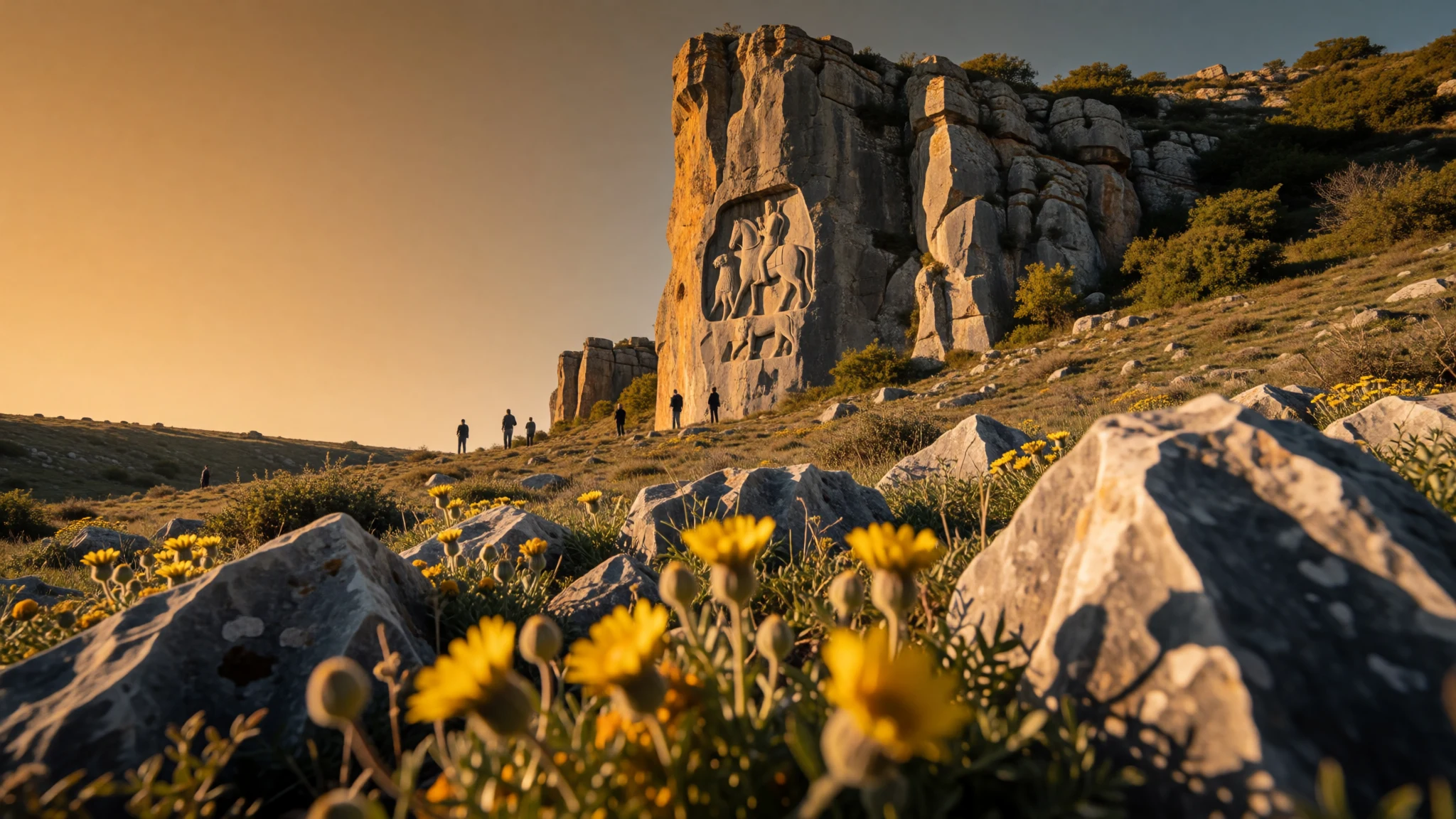
Madara Rider is an early medieval cliff carving where a horseman, lion and dog sit in an immense rock façade.
The place
The Madara Rider is a massive early-medieval rock carving found on the Madara Plateau in northeastern Bulgaria, located east of Shumen and close to the village of Madara. It’s the kind of monument that makes you look twice: from the ground it reads like a dramatic image on stone, but the longer you stare, the more you notice how the details have worn down over time.
The rider faces to the right and is shown thrusting a spear down towards a lion that lies at his feet. On the left, a dog appears to be running towards the scene. A halo-like shape around the rider’s head and other features such as garments and a bird near the face are barely recognisable now, largely because centuries of erosion have softened the carving.
What really sticks in the mind is scale and setting. The relief sits high on an almost vertical cliff, and it’s carved at a height that makes every viewpoint feel like a compromise between closeness and distance. The cliff face dominates the landscape, and the plateau area around it gives you that open-steppe feeling—wind, pale rock, and long sightlines.
Timing matters because light changes how much the worn lines show up. Spring and autumn are the most comfortable times to visit—around April to May and again in October—while midsummer is the hottest stretch. Because the relief is high on a cliff and the details are worn, give yourself time for a careful, unhurried look—people often need a moment to find the rider’s outline.
Its story
Madara Rider gets framed as a symbol of early Bulgar power, but the honest story is that the meaning still isn’t fully pinned down. Researchers talk about symbolism, cultural influences and even the tradition behind the carving, and they don’t all agree.
What’s clearer is what’s depicted. The relief shows a powerful horseman—complete with spear, lion and dog—and the overall motif fits a wider “horseman” theme found across parts of the ancient Balkans. Some scholars have linked the design to Thracian-style horseman imagery, where a mounted figure slays or attacks a beast with a spear. Others see the Bulgar contribution in the monument’s scale and in familiar details associated with Bulgar iconography.
The picture that emerges is a blending: elements that feel local and older are mixed with what newcomers brought, including their own religious and representational habits. The rider’s direction and some motifs are often discussed as clues. But because erosion has robbed the carving of many of its fine features, interpretation becomes harder than the monument’s drama suggests.
That uncertainty doesn’t reduce the impact. If anything, it makes the experience more human: standing before the cliff relief, you can sense why generations argued over what the image “means”, while also enjoying what’s still visible—the silhouette of horse and rider, the spear gesture, and the lion underhoof. The stone tells a story even when the explanation is incomplete.
What to see
- The Madara Rider relief
The main carving shows the horseman facing right, spear thrusting towards a lion on the ground, with a dog running on the left. Many small details are worn down, so the best viewing is slow: let your eyes adjust and look for the rider’s outline, halo shape and the bird near his face.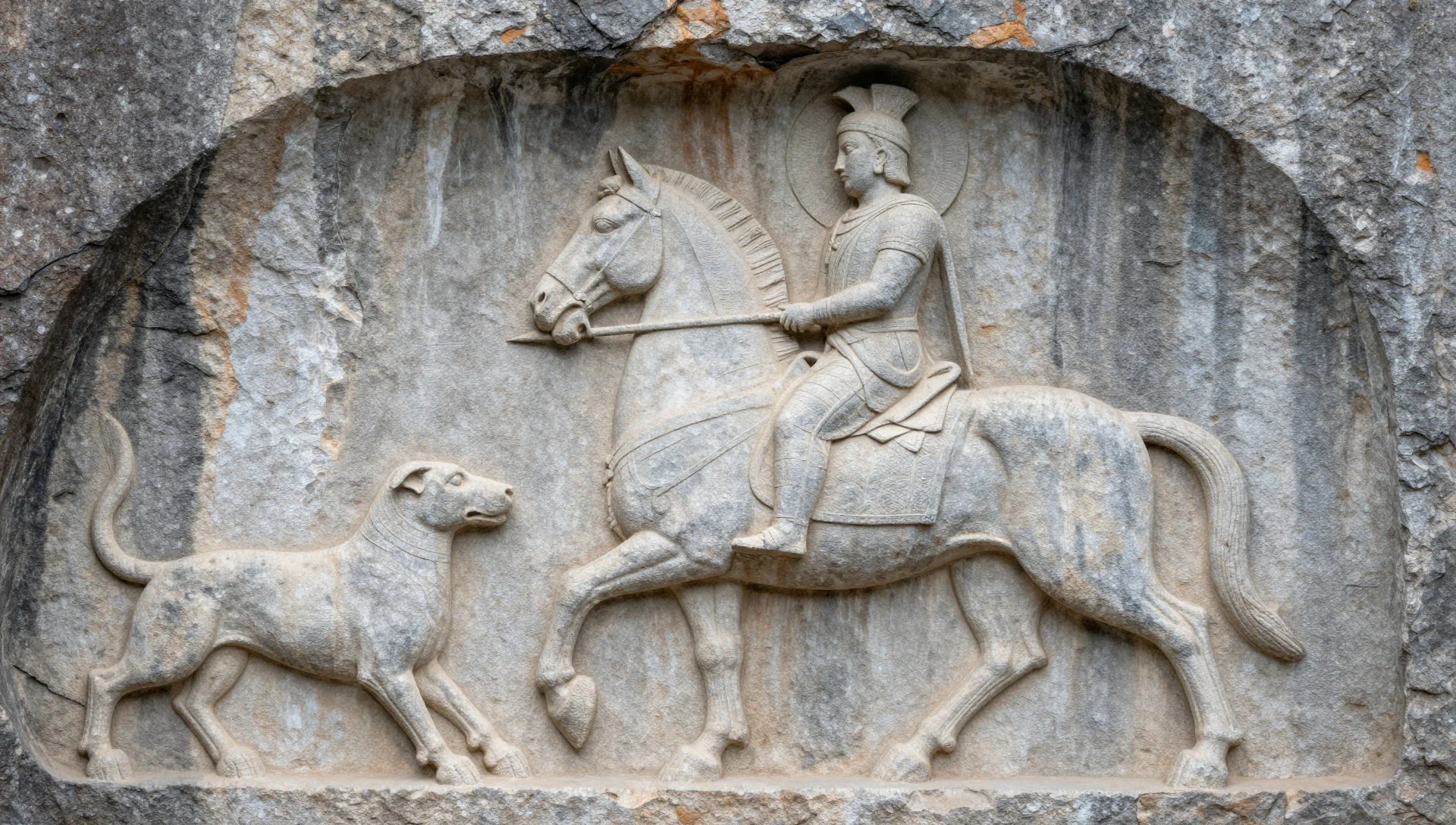
- Viewpoints on the cliff line
Madara Rider is read from different angles. The best “read” comes when you line up the rider and spear with the contrast of stone and shadow, rather than trying to get close. Expect people to pause here for photos, so give space and don’t block the view corridor.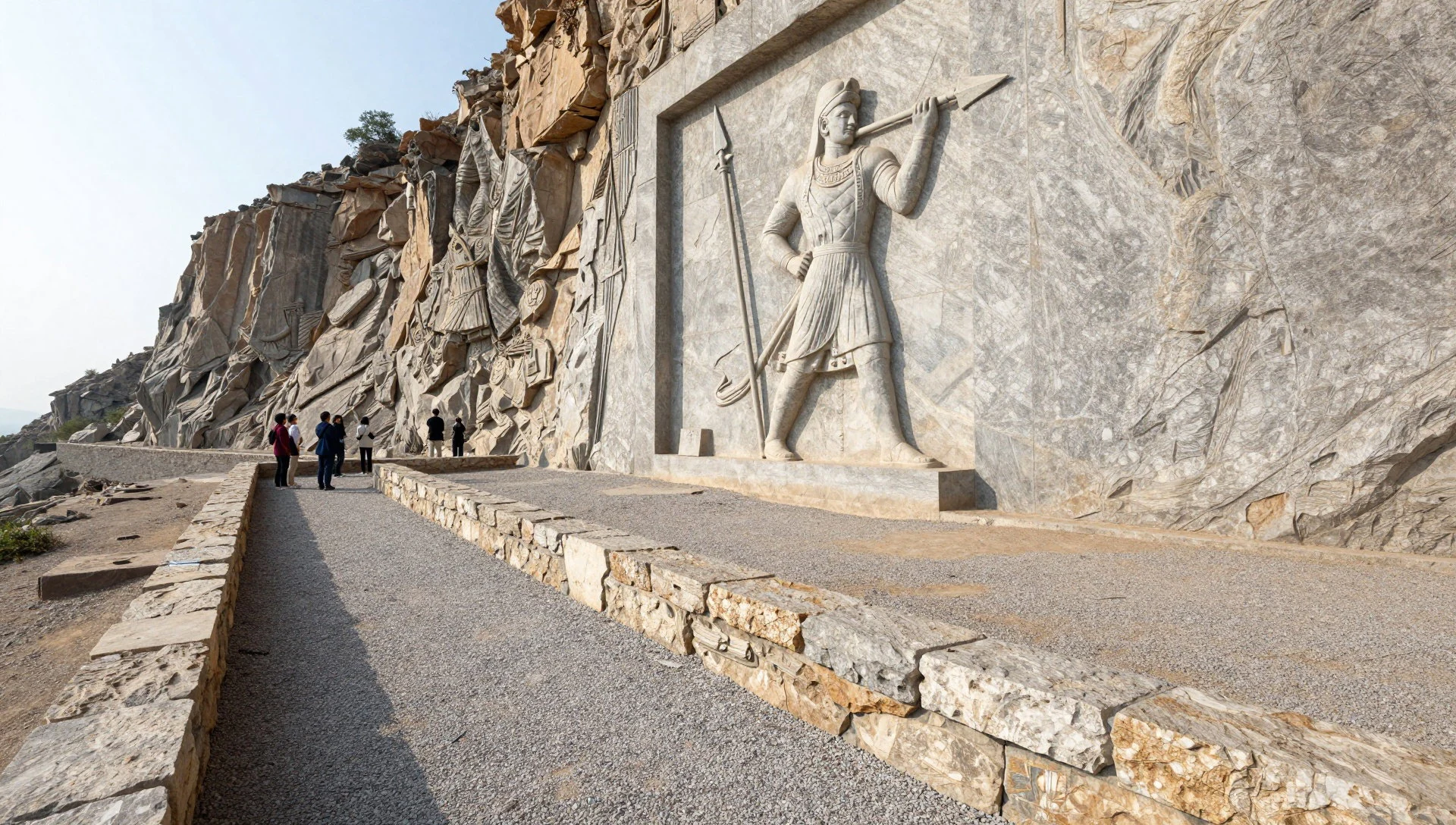
- The Madara Plateau setting
The relief sits on a plateau landscape that feels open and windy, with long views across northeastern Bulgaria. Even a short wander in the area helps you appreciate how the monument dominates the terrain and why it would have been visually powerful to people passing through centuries ago.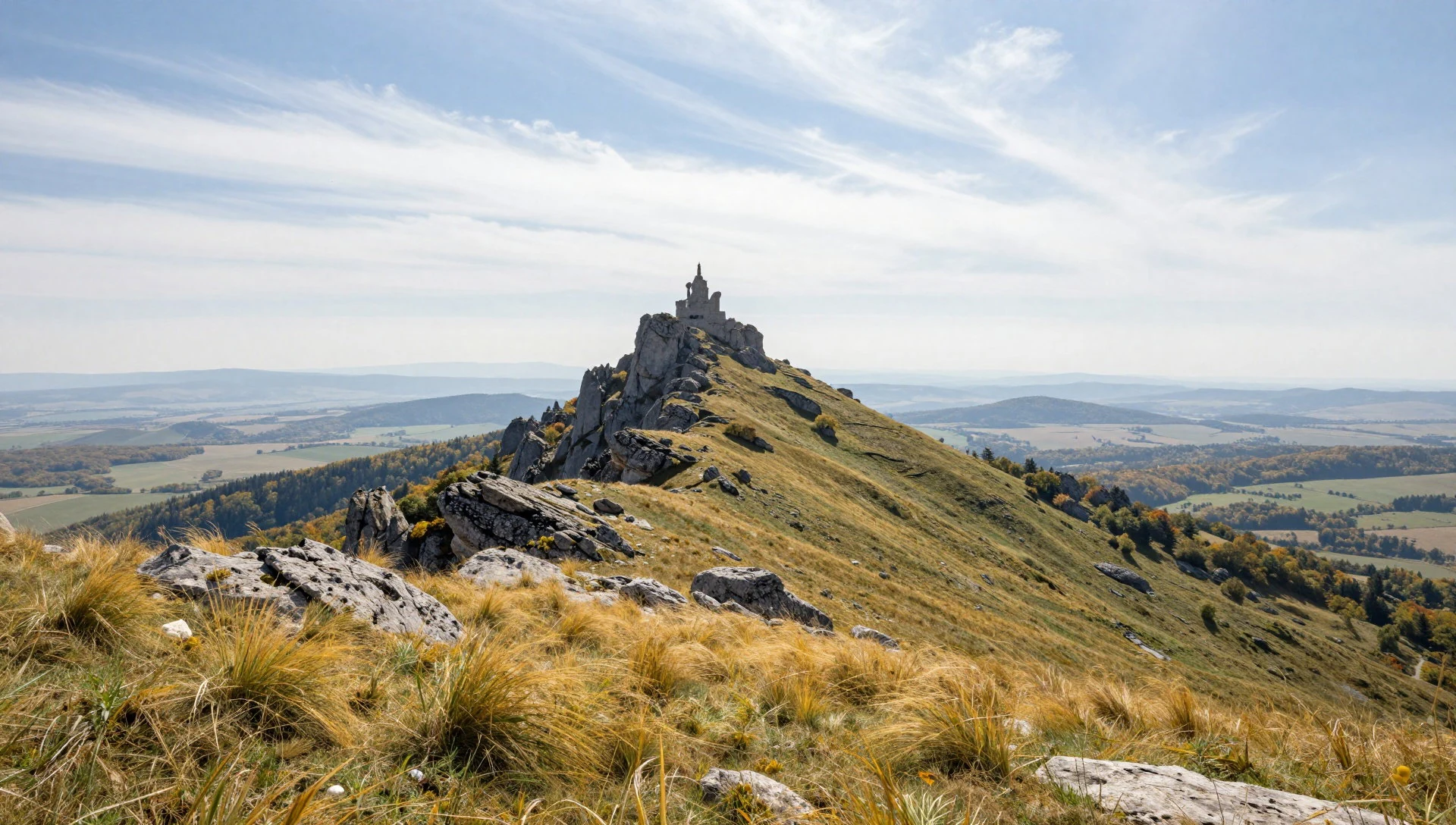
- Eroded details you can still spot
Part of the fun here is hunting for what’s left: the rider’s garments, halo shape and the bird are faint, but visible if you’re patient. The monument rewards multiple looks—especially as clouds or sun shift the highlights on the stone face.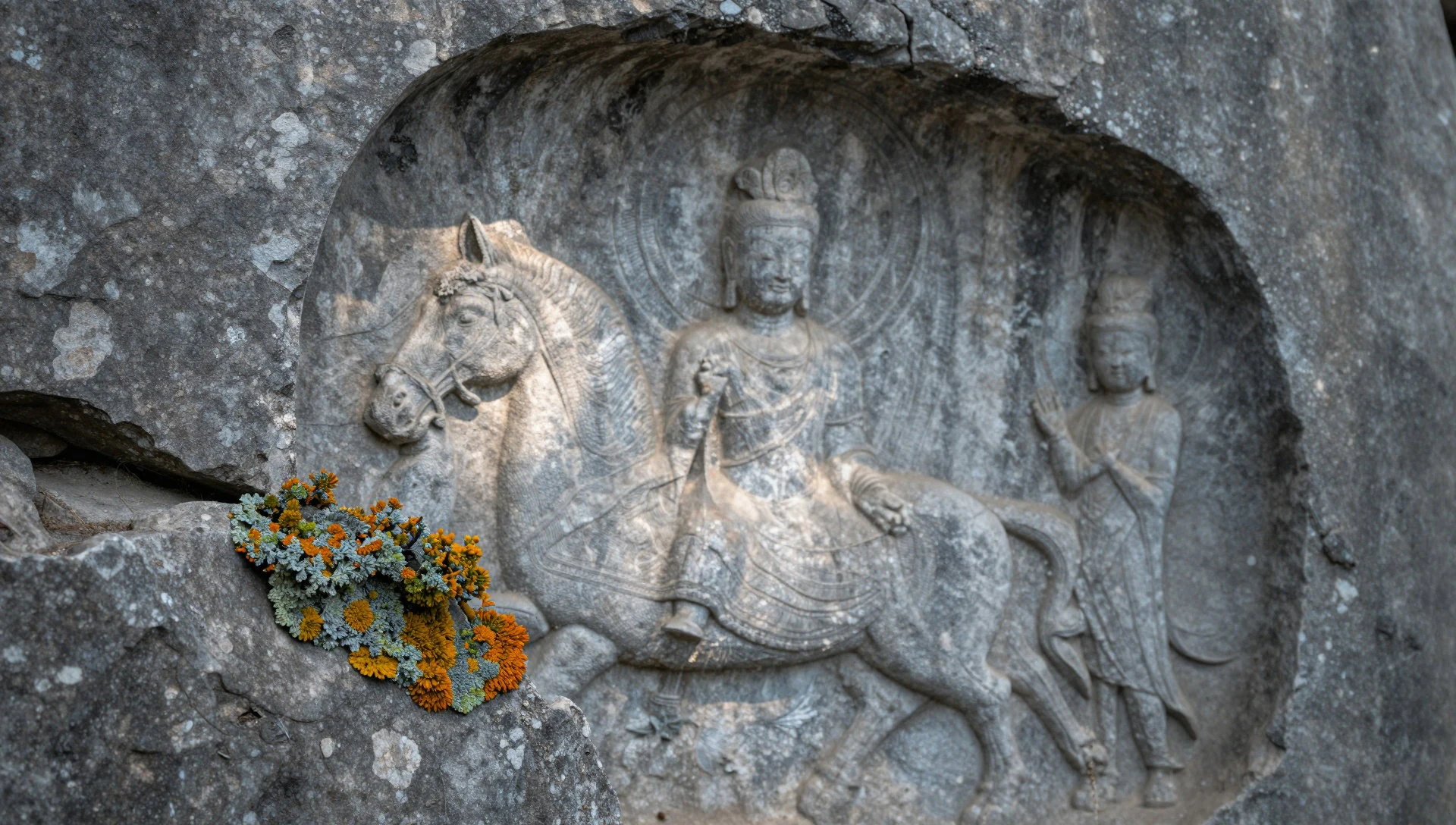
Culture
Madara Rider sits in an outdoor, heritage-focused setting, and the main “culture” is simply respectful viewing. People come for photos, but it helps to remember you’re looking at a carved monument that has already survived erosion for many centuries; leaning, climbing or touching the stone won’t improve your photo, and it risks damaging surfaces.
Footwear matters here because the area around cliff-side monuments can be uneven. Take it slow on paths, and keep bags and tripods compact so you don’t crowd the narrow lines of sight. If a small group is paused at the best angle, step aside and wait rather than squeezing past.
When it comes to photos, treat it like any other protected heritage site: avoid blocking others’ view, and don’t set up right in front of someone who arrived first. Wind and changing light also affect people’s patience, so keep your rhythm calm—this is a monument best experienced without rushing.
Visitor etiquette: keep to marked paths, don’t climb or touch the relief, and give other people space at the main viewpoint for photos.
What to wear
For Madara Rider, think “outdoor heritage visit”: comfortable layers and practical footwear beat fancy outfits. The monument is outdoors on a plateau, so conditions can change quickly—bring something light you can add or remove as temperatures swing through the day.
Traditional dress isn’t essential for the visit, but it’s part of Bulgaria’s wider cultural landscape. In everyday life, many Bulgarians now wear modern clothes—jeans, T-shirts, light jackets and trainers. What you’ll actually see near heritage sites is that practical, modest casualwear is the norm.
What should a visitor wear? Wear trainers or sturdy walking shoes with grip, because the terrain can be rough or dusty. Choose breathable tops if the day is warm, and carry a light layer for breeze near cliffs. For modesty, keep shoulders and legs reasonably covered if you’re also planning any nearby religious stops (if present on your itinerary), and avoid overly bulky items that make it hard to move around crowded viewing spots.
If you’re going in shoulder season, a small scarf or neck layer can help with wind. Bring a bottle of water and something to keep sun off your face—hat or cap works well.
What to eat
- Banitsa — bakeries and local snack stops in Shumen and nearby villages
Look for banitsa (cheese or spinach pastry) at bakeries and local snack spots in Shumen and around the Madara area; it’s an easy grab-and-go bite for a day spent outdoors.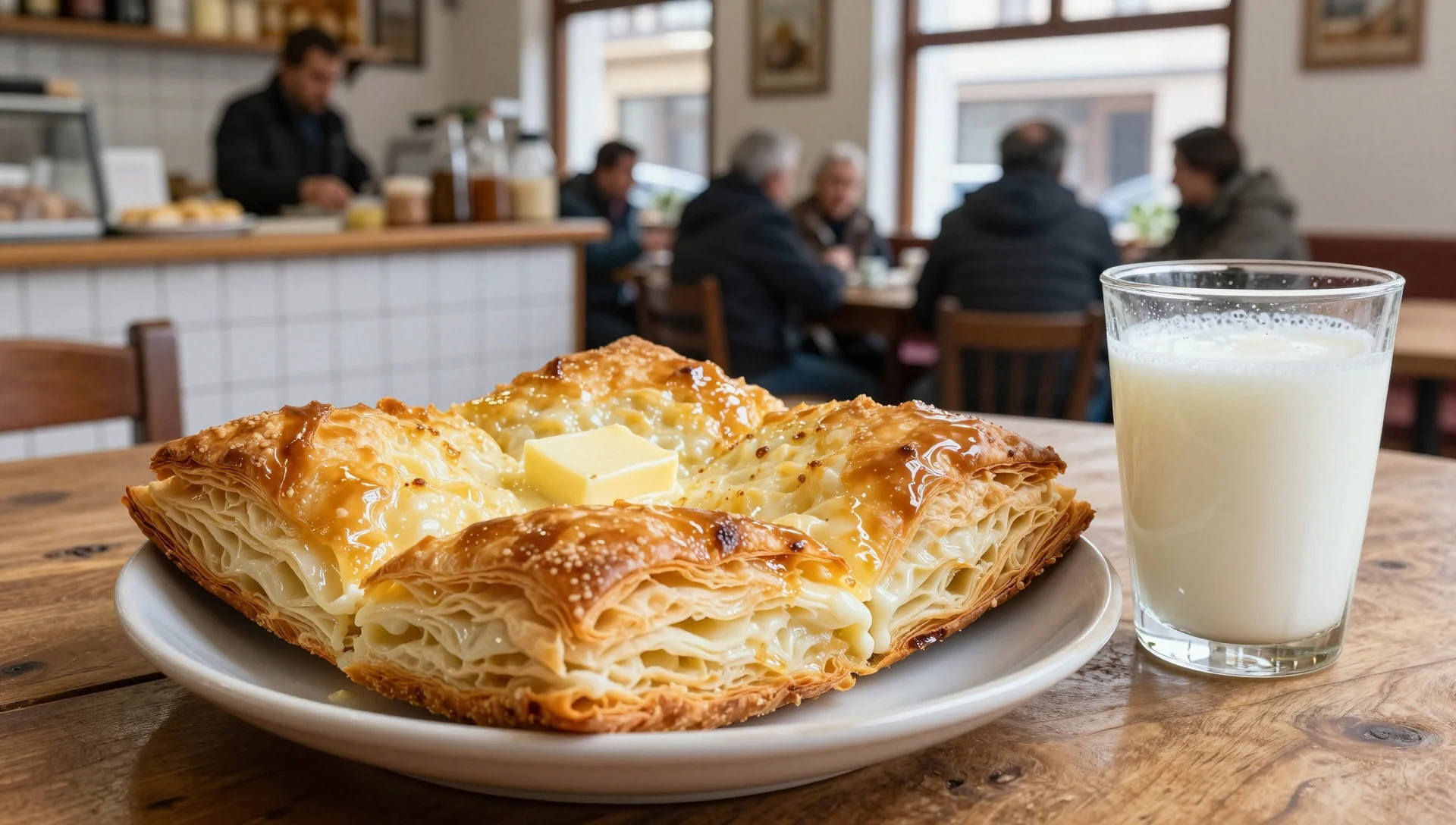
- Kakavidi-style bean or bean soup — family-run restaurants in Shumen
Bulgaria’s hearty soups are common in simple restaurants. After a wind-and-walk morning, a bowl of bean-based soup in Shumen is the kind of comfort food that doesn’t require time or planning.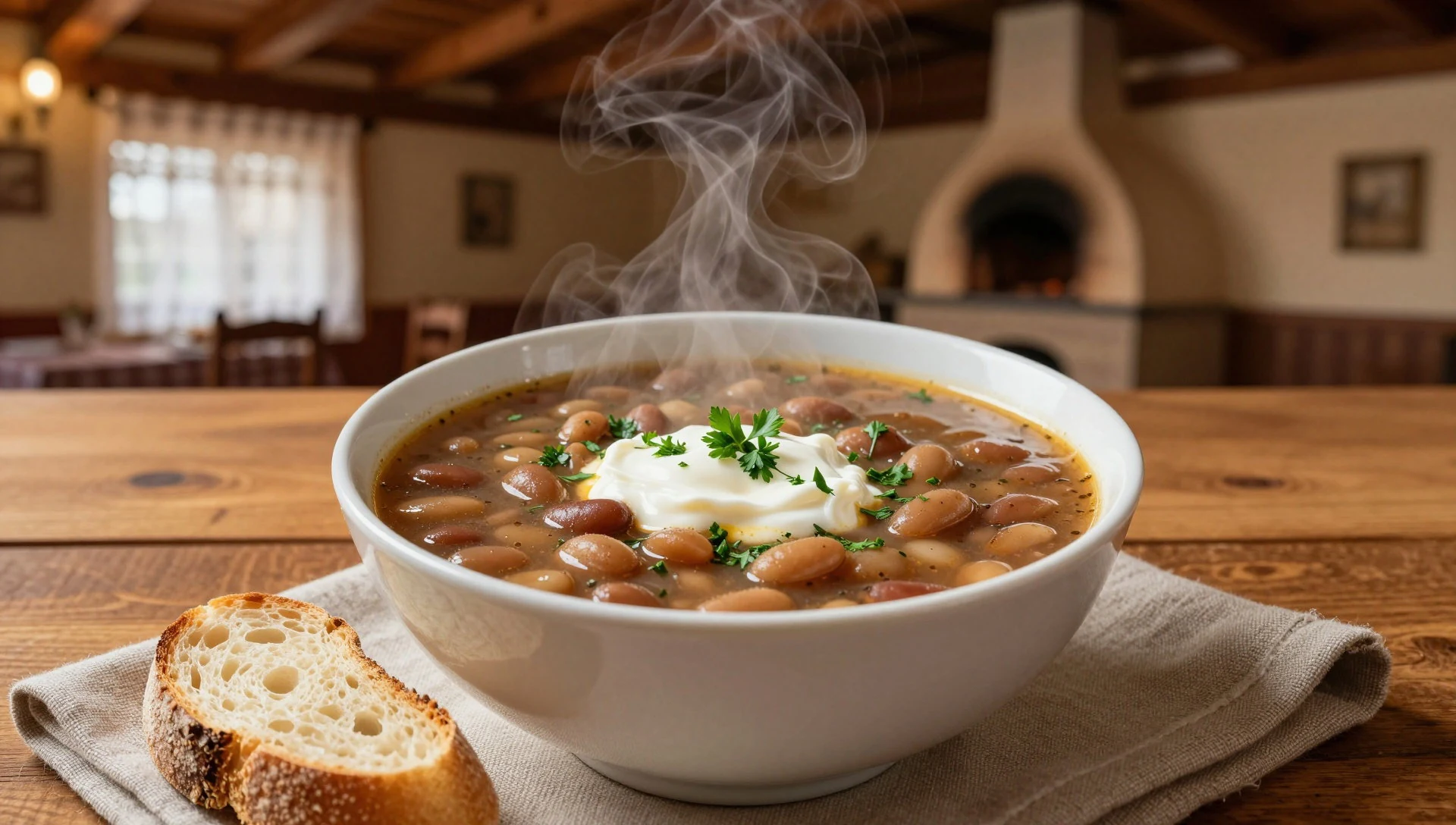
- Kebapche and grilled meats — casual meat-focused restaurants around Shumen
Grilled mince sausages (kebapche) and other simple grilled meat dishes turn up in many local eateries. Aim for a casual restaurant meal before or after the monument day rather than a quick convenience snack. - Shop-style yoghurt — supermarkets and small shops near the Madara/Shumen area
A small tub of Bulgarian yoghurt from a supermarket or local shop works well as a mid-day reset when the sun is strong—refreshing and light compared with heavier pastries. - Local fruit and nuts — markets and small stalls in Shumen
When you’re out visiting a cliff relief, keep it simple: grab seasonal fruit and nuts from local markets or small kiosks. It’s practical, doesn’t spoil quickly, and helps you pace the day.
Plan it
Best time. March–April and October–November for comfortable walking; June is the wetter/rainy period and August tends to feel hot and humid.
How long. 2–3
Getting there. Fly into Varna or Burgas and then road travel towards Shumen and the Madara Plateau. If coming by rail, use Shumen as the main rail hub, then take a local transfer or hire a car for the last stretch to the monument area.
Budget. mid
Tips
- Start earlier in the day so light helps bring out worn lines on the relief
- Plan for a slow viewing pace: the carving is easier to read when you’re not rushing
- Carry water and sun protection, especially in the hotter months
- Bring cash for small purchases in villages/markets, as card-only options may be limited
- If you’re photographing, keep your tripod footprints small and avoid blocking the main angle
Etiquette
- Stay on marked paths and do not climb on the cliff-side areas
- Keep noise down near viewing points so others can hear and concentrate
- Let others finish their photo before you step into their line of sight
Nearby
Sources
- Wikidata Q319296 (CC0)
- Wikipedia (rev 1365737205) (CC BY-SA 4.0)
- Photo photos/01-je-dziec-z-madary.jpg (Public domain)
- Photo photos/02-caballero-de-madara-reserva-hist-rico-arqueol-gica-nacional-.jpg (CC BY-SA 4.0)
- Photo photos/03-caballero-de-madara-reserva-hist-rico-arqueol-gica-nacional-.jpg (CC BY-SA 4.0)
- Photo photos/04-caballero-de-madara-reserva-hist-rico-arqueol-gica-nacional-.jpg (CC BY-SA 4.0)
- Photo photos/05-caballero-de-madara-reserva-hist-rico-arqueol-gica-nacional-.jpg (CC BY-SA 4.0)
- Photo photos/06-caballero-de-madara-reserva-hist-rico-arqueol-gica-nacional-.jpg (CC BY-SA 4.0)
- Photo photos/07-caballero-de-madara-reserva-hist-rico-arqueol-gica-nacional-.jpg (CC BY-SA 4.0)
- Photo photos/08-caballero-de-madara-reserva-hist-rico-arqueol-gica-nacional-.jpg (CC BY-SA 4.0)
- Wikivoyage (CC BY-SA 4.0)


