Royal Belum
Royal Belum, Malaysia
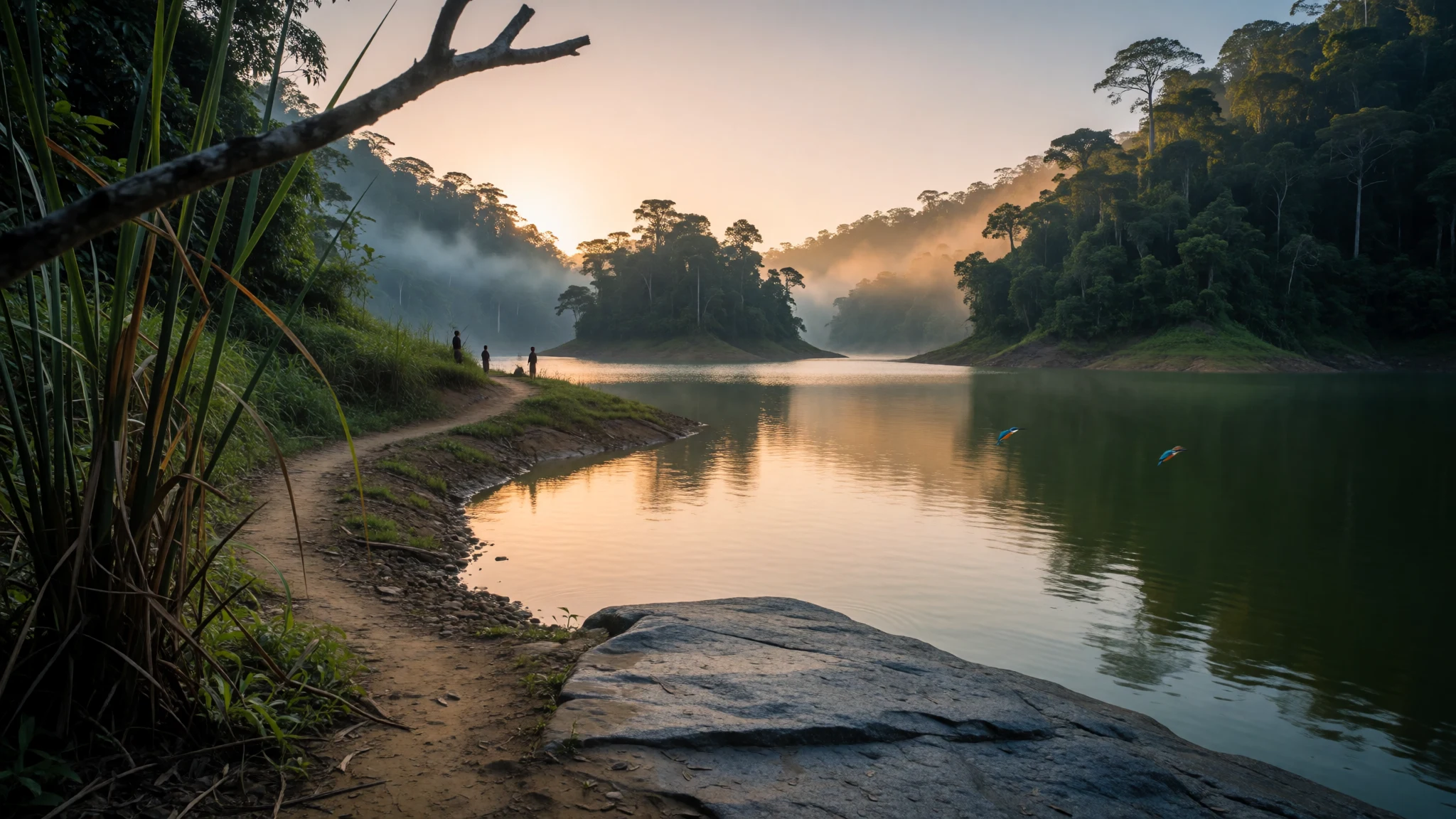
Royal Belum is a quiet Malaysian rainforest of lake, islands and jungle trails, where patient visitors might hear gibbons, spot hornbills and watch for tigers' neighbours.
The place
Royal Belum sits in the far north of Perak, close to the Thai border, inside a wider forest complex that carries on into southern Thailand. The state park is one section of that complex. The forest reserve around it divides into a northern Belum half and a southern Temenggor half, and between them lies Tasik Temenggor, a reservoir dotted with forested islands. Almost every visit is built around this water. Boats leave from the jetty at Pulau Banding, just off the East–West Highway, and carry visitors to island lodges, jungle trails and wildlife huts. The land around the lake is steep, wet and green, with mist hanging on the ridgelines in the early morning. Wildlife is the reason to come, though sightings are never guaranteed. The forest shelters tigers, elephants, tapirs, sun bears and gibbons, and in the right months hornbills cross the sky in large flocks. Most visitors see far less than that: a gibbon call at dawn, a monitor lizard on the bank, a hornbill over the water. Tourism here is low-key compared with Malaysia's busier nature spots, so quiet is part of the deal, and so is simple comfort. Distances look short on a map but everything depends on boats and guides. The place suits people who like slow mornings on the water, humid walks and listening more than looking. It is poor value for anyone wanting fast, packaged thrills.
Its story
Royal Belum's story begins with people, not a park. The Orang Asli were the first inhabitants of the Malay Peninsula, and some semi-nomadic families still live on the islands of Temenggor in bamboo huts, fishing, gathering honey and plants, and hunting small animals with blowpipes. The lake around them is man-made, and its many islands are what remain above the water. Protection arrived unevenly. Conservation groups such as the Malaysian Nature Society and WWF argued that the forest deserved park status, while the Perak state government pointed to the revenue that logging brings. The state government gazetted part of the Belum forest reserve as a state park on May 3, 2007, but the park covers only part of the reserve, and the Temenggor side has stayed open to logging. Malaysia's national planning treats the whole area as ecologically sensitive and as an important water catchment, and BirdLife International recognises it for its birds. There is also a plan to turn natural forest into plantation along the East–West Highway. Much of the peninsula's original forest has already gone, which is why this large, relatively untouched patch draws so much attention from conservationists. For a visitor, the practical lesson is simple: the forest is protected in places and threatened in others, and paying for local guides and boat operators is one of the few ways tourism can show that standing forest earns a living.
What to see
- Tasik Temenggor by boat — Pulau Banding jetty and Tasik Temenggor
A boat trip across Tasik Temenggor is the basic Royal Belum experience. Islands of dense forest slide past, kingfishers and eagles use the bare branches, and the hills fold away into mist. Mornings are calmest and coolest. Operators run set routes from the jetty, so ask which islands and landing points are included.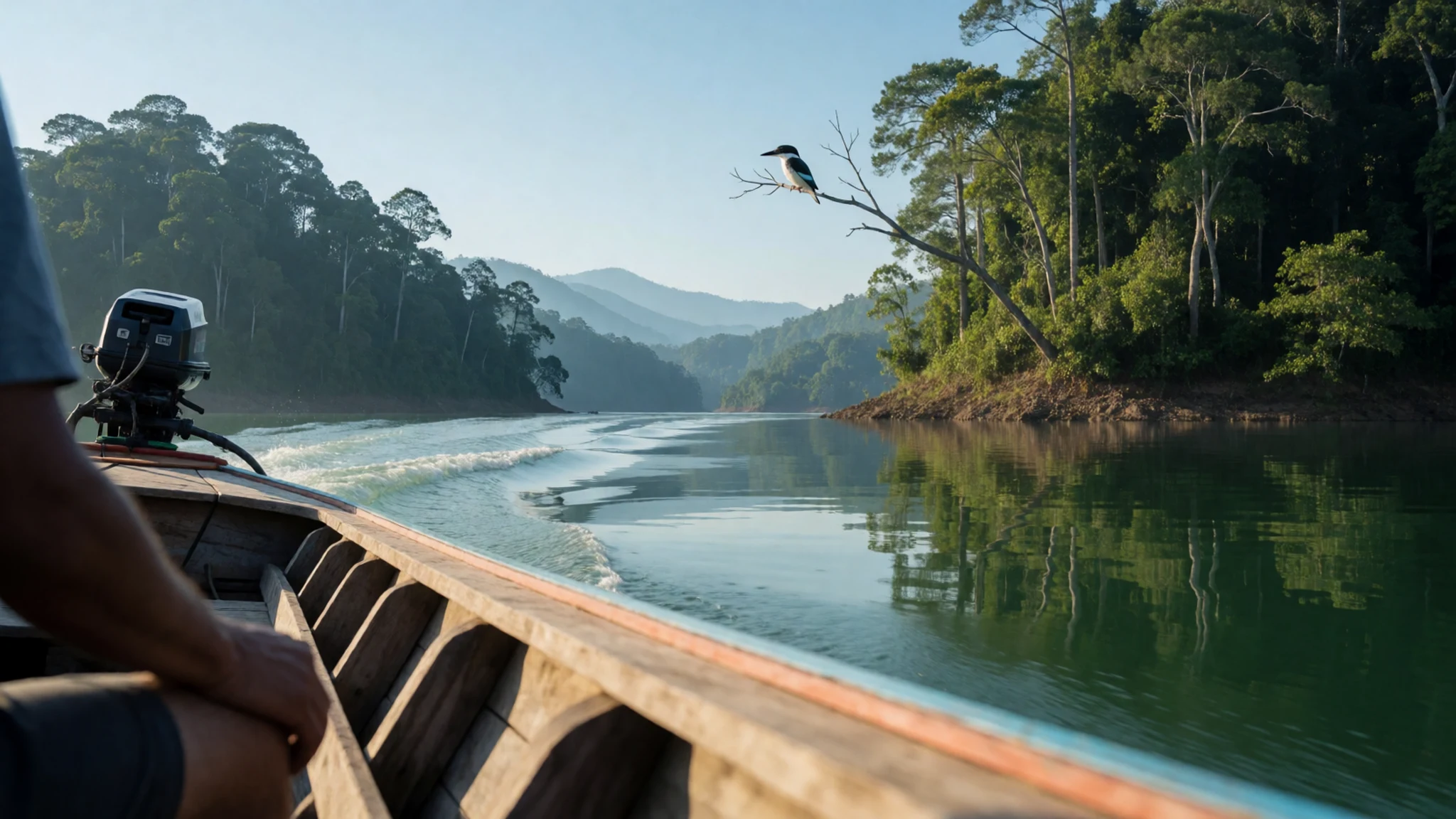
- Salt licks and wildlife hides — Forest edge hides reached by boat and guide
Salt licks are natural mineral deposits where elephants, tapirs and other animals come for nutrients. Raised wooden viewing huts called bumbungs overlook them. Animals may not appear at all, so the real skill is sitting still and quiet for hours. Dusk and dawn are the usual choices.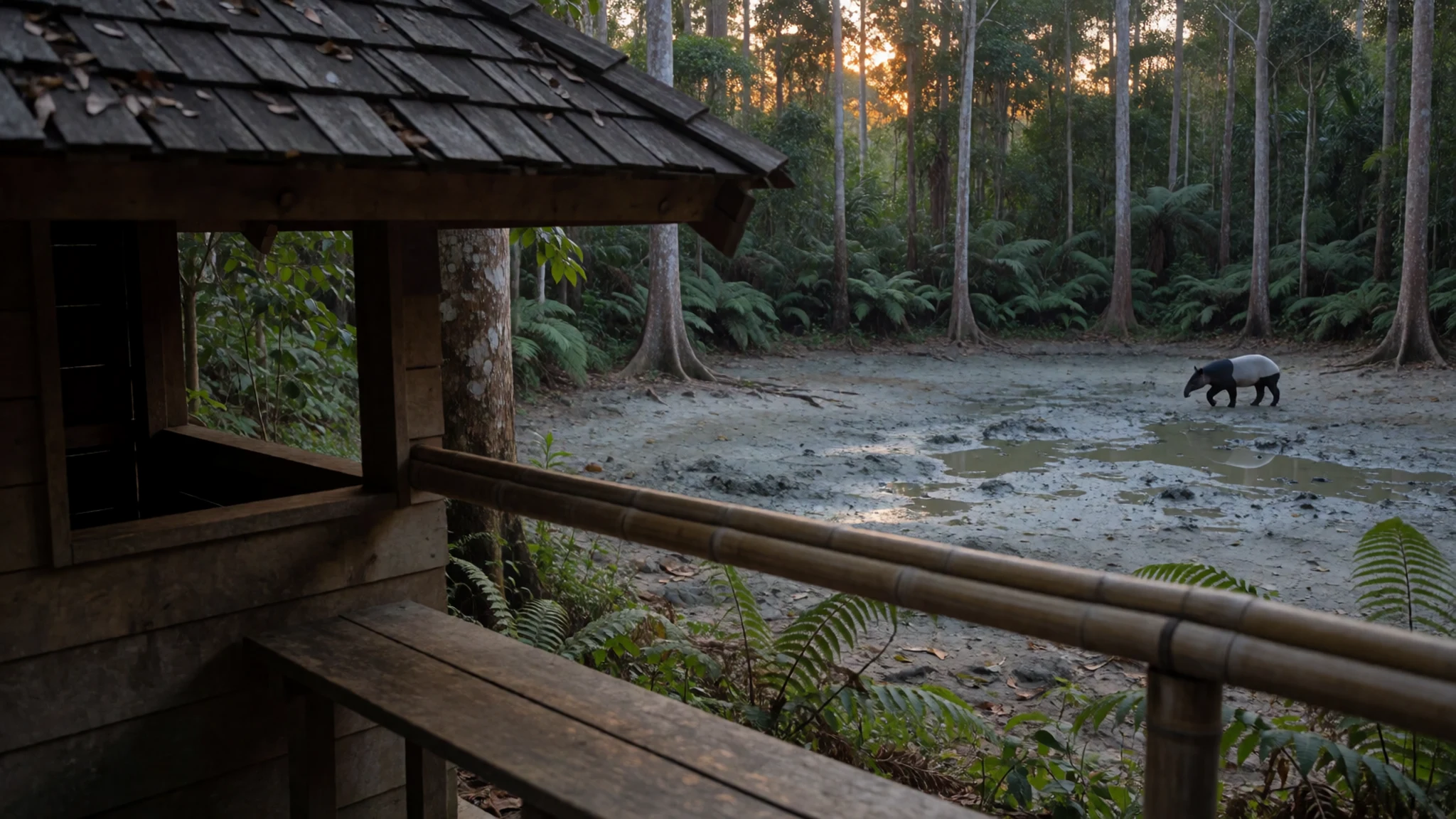
- Hornbill watching — Open water and ridgelines around Tasik Temenggor
From August to October, flocks of hornbills gather over the lake and forest, and all of Malaysia's hornbill species can be seen at that time. Early mornings from a boat or lakeside viewpoint work best. Binoculars matter more than a long lens, and a guide helps with identification.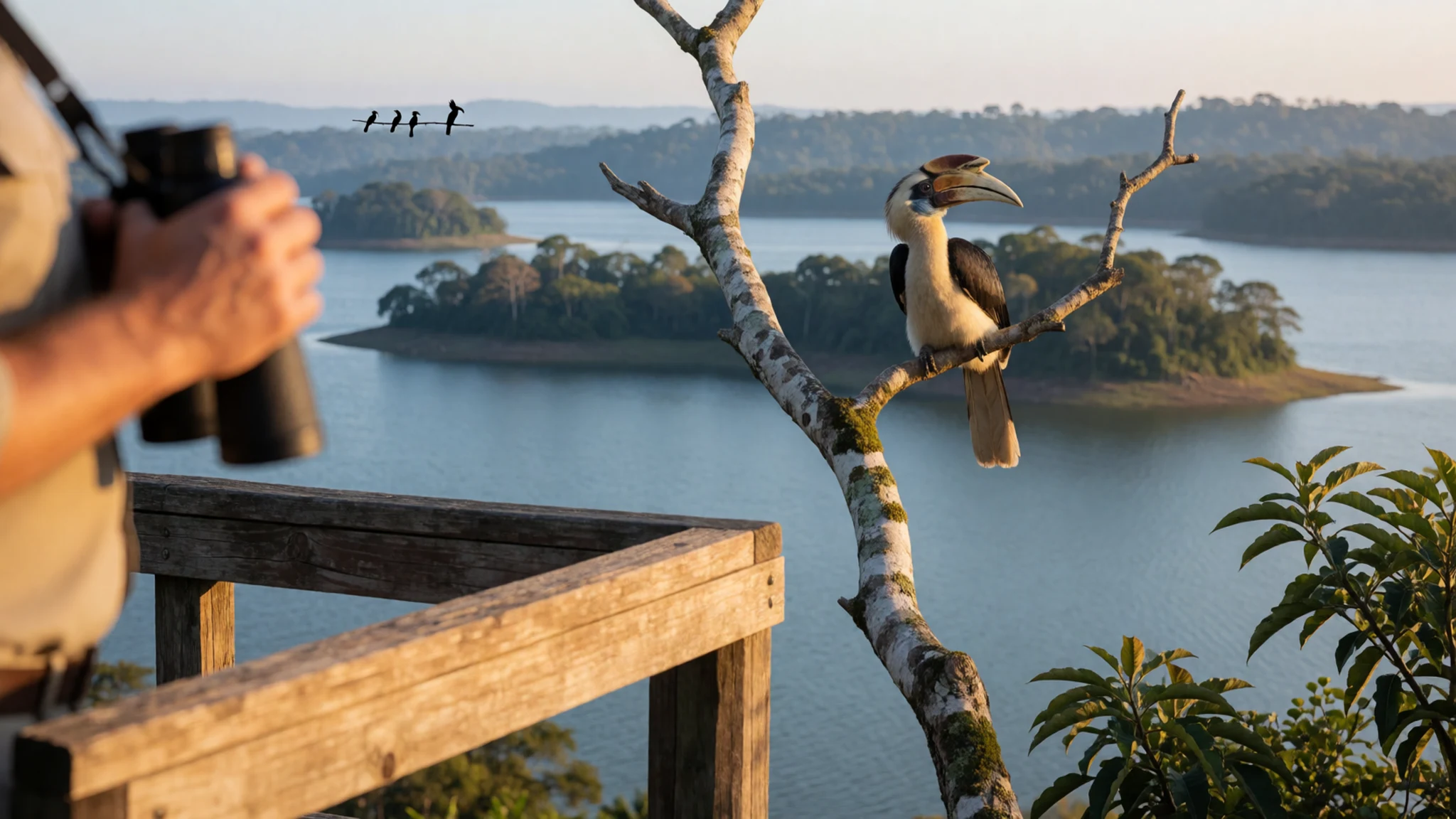
- Rafflesia site — Protected forest site, reached on a guided trek
Royal Belum protects a site where Rafflesia grows, the parasitic plant with the huge, red, foul-smelling flower. It blooms briefly and unpredictably, so a guide must check whether anything is open. Even without a flower, the walk gives a close look at the forest floor.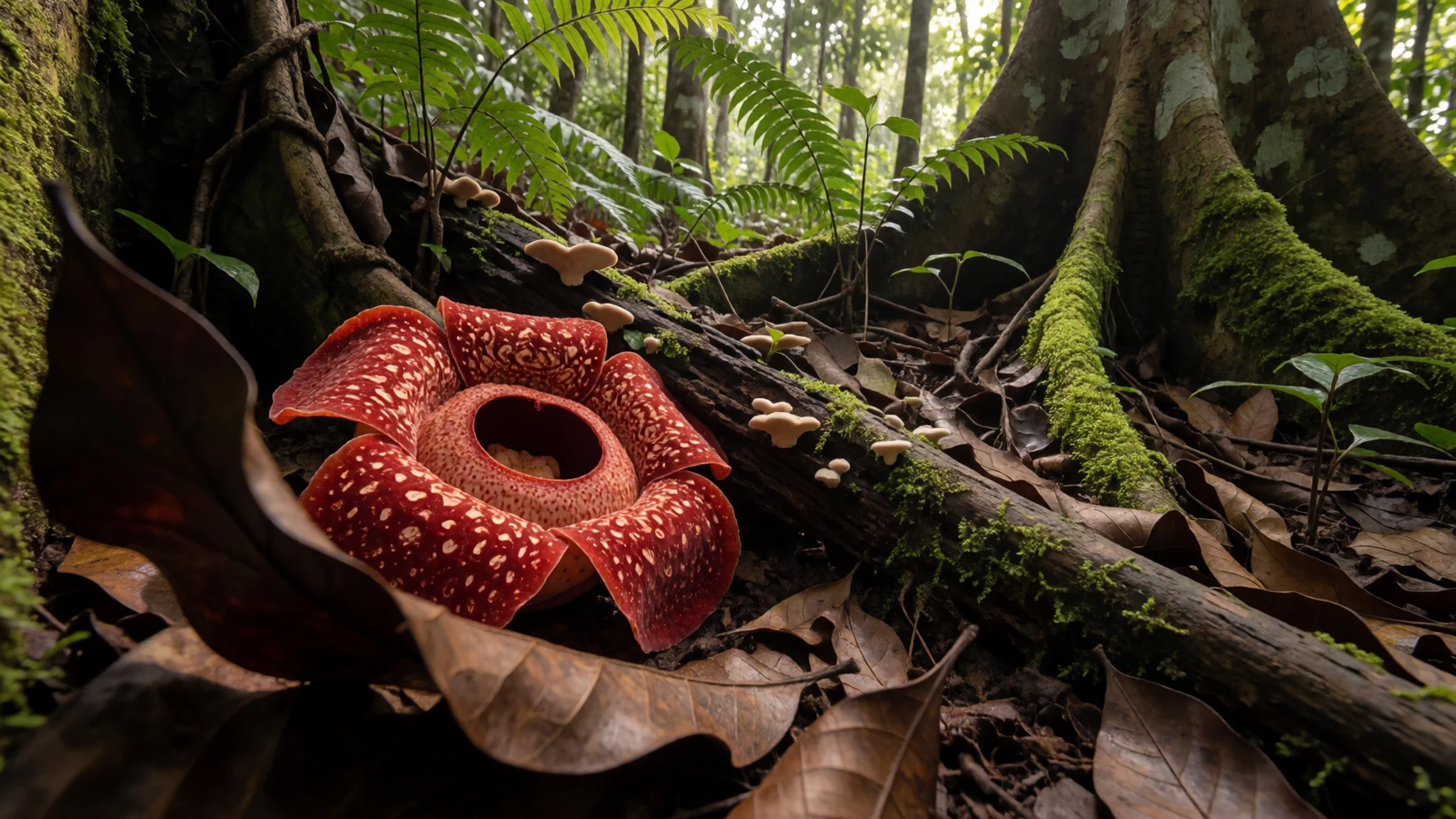
- Orang Asli village visit — Island and lakeside settlements on Temenggor
Some boat trips include a stop at an Orang Asli settlement, where visitors can learn how families fish, gather forest products and build with bamboo. Go through a licensed operator, keep the group small, and treat it as a visit to someone's home rather than a show.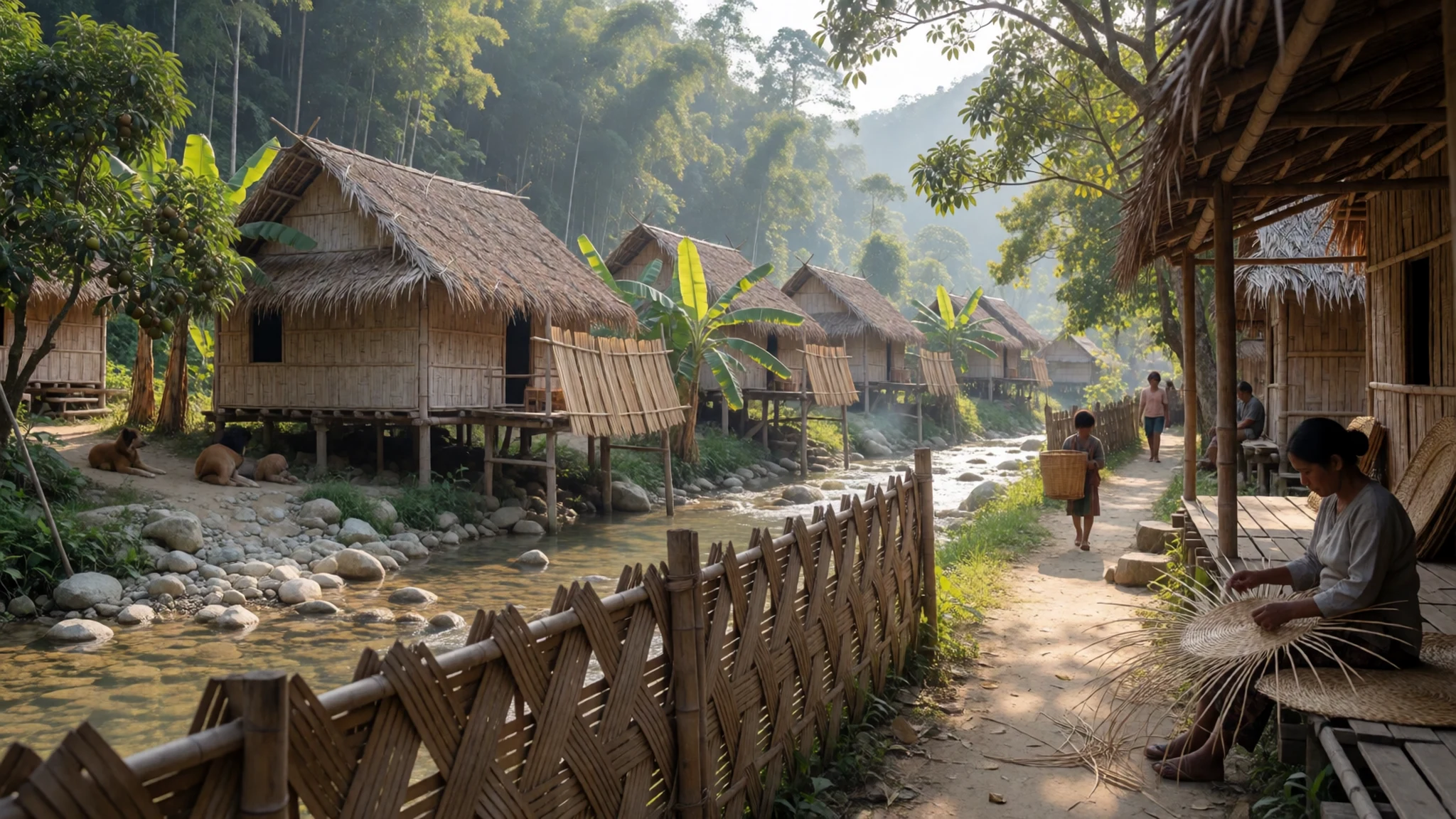
Culture
Royal Belum's culture is shaped by the Orang Asli, the first peoples of the Malay Peninsula, and by the Malay communities of Hulu Perak who run most of the boats, lodges and eateries. Orang Asli groups have their own languages, customs and relationships with the forest, and many families still draw food, honey and building material from it. Traditional skills here include blowpipe hunting, fishing, and building bamboo huts. Visitors are likely to meet this heritage through a village stop on a boat tour, a craft stall or a guide who grew up nearby. Perak is a mainly Muslim state, so daily life follows the rhythm of prayer times and halal food is the norm, although the lake's tourism has a relaxed, practical feel. Conversations are usually soft and unhurried, and guides often care deeply about the forest's future. The wider story is one of balance between logging revenue, protection and traditional land use, and local opinions differ. Listening without arguing is usually the best approach. Quiet matters too: noise scares wildlife, and the forest rewards people who walk slowly. Thanks and small purchases from local craftspeople go further than a flashy donation. Ask permission before photographing any person or home in an Orang Asli settlement, and accept a no without fuss.
What to wear
Royal Belum has no single costume, but its fashion story has layers. Orang Asli communities traditionally used plant fibres, bark cloth and woven leaves for clothing, headbands and ornaments, and some make woven bamboo or rattan pieces today. Malay residents of Perak wear baju kurung and baju Melayu for prayers, weddings and festivals, often in cotton or songket-style fabrics. Day to day, almost everyone dresses for heat and wet: light T-shirts, loose trousers or sarongs, hats, rubber sandals and quick-drying layers. Guides often wear long sleeves and sturdy shoes because of leeches, insects and sun. A visitor should pack in the same spirit. Choose breathable, quick-drying long trousers and a long-sleeved shirt for treks, with socks that can be tucked in for leeches, and shoes with real grip, because forest trails are slippery and uneven. A light rain jacket earns its place, as do a hat, swimwear for the lake and a dry bag for phones and cameras. Muted greens and browns help with wildlife watching. In villages, mosques and small towns such as Gerik, cover shoulders and knees, and women may want a light scarf. A life jacket is part of the boat kit, not fashion, and should be worn whenever offered.
What to eat
- Nasi lemak — Roadside stalls and small eateries around Gerik and the highway jetty
Rice cooked in coconut milk, served with sambal, fried anchovies, peanuts and egg. It is the standard Malaysian breakfast and fuels early boat trips well.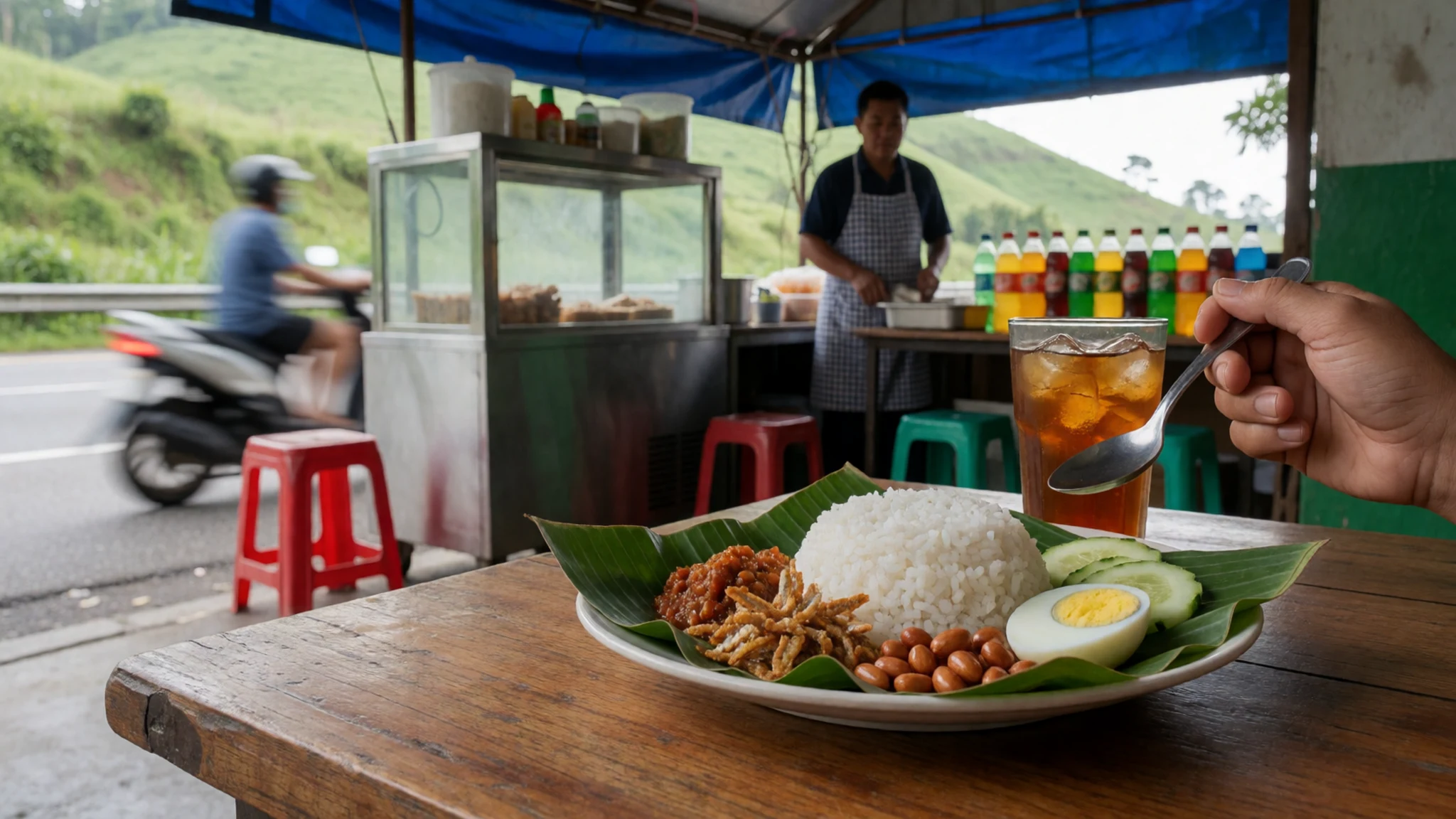
- Grilled freshwater fish — Lakeside resort kitchens and island lodges on Tasik Temenggor
Lake and river fish are often grilled over charcoal with chilli, turmeric or lime. The flesh is mild and soft, and it goes well with plain rice and a raw salad.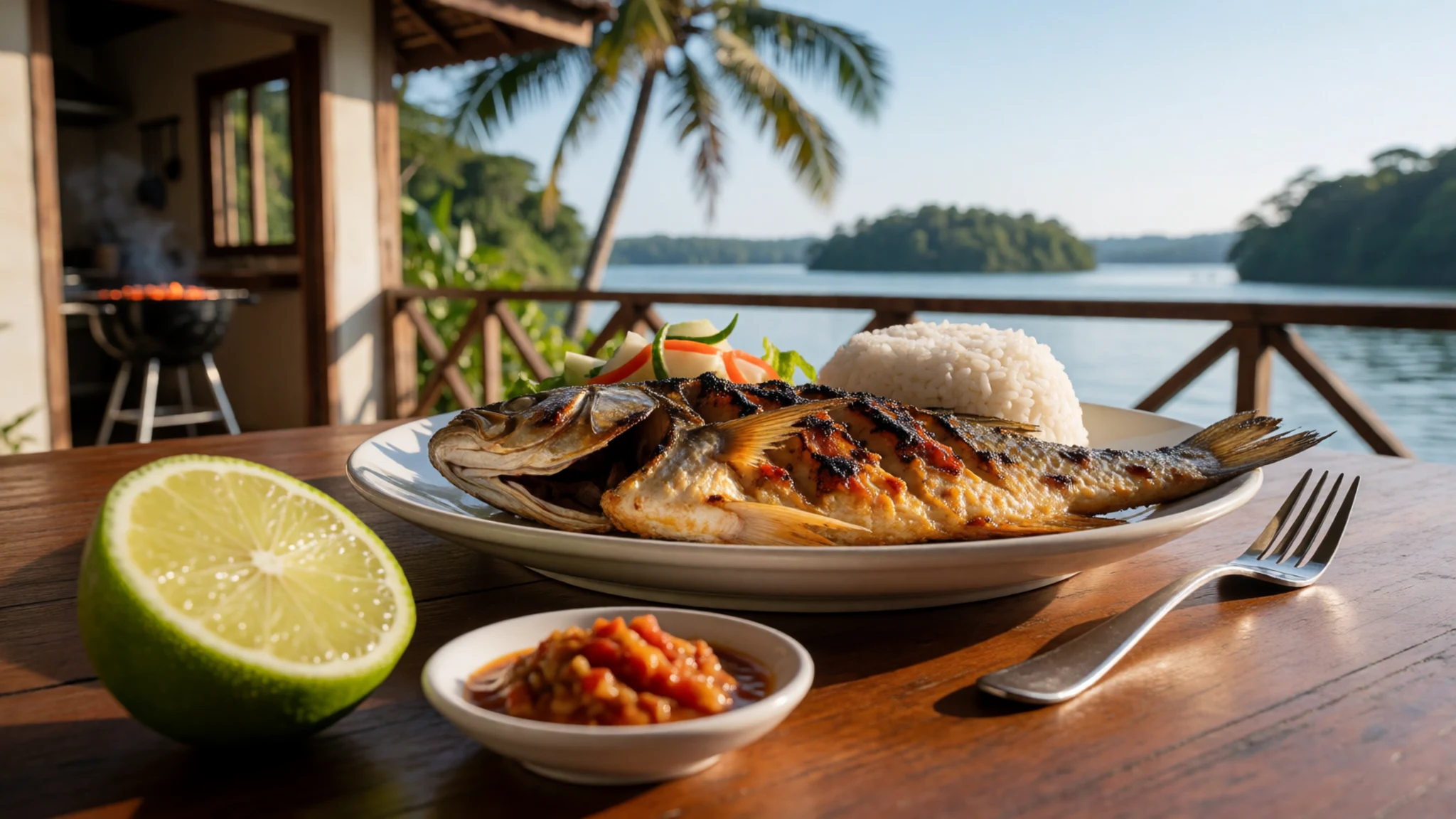
- Roti canai — Mamak-style eateries and breakfast stalls in Gerik
A flaky, griddled flatbread served with dhal or curry. It is cheap, filling and available early, which suits a day that starts before the heat. - Teh tarik — Almost any coffee shop or roadside stall along the East–West Highway
Strong black tea with condensed milk, poured between two vessels until frothy. It is sweet, hot and the usual companion to any snack stop. - Rice and curry buffet — Dining rooms at island resorts and houseboats on the lake
Island lodges often serve a set meal of rice, vegetables, fried chicken or fish and a curry or two. It is plain, generous and eaten family-style.
Plan it
Best time. February and August. Hornbill numbers peak from August to October, while the early months of the year tend to be less wet for walking. The forest is humid year-round and rain can arrive at any time, so check conditions with an operator before booking.
How long. 2–3
Getting there. Fly to Kuala Lumpur, Penang or Ipoh and continue by road. Buses run from Kuala Lumpur to Gerik, from where a taxi goes to the Pulau Banding public jetty; buses on the East–West Highway from Ipoh, Penang or Kota Bharu can also drop passengers at the jetty. The last leg is by boat to an island lodge or park landing.
Budget. mid
Tips
- Book lodges, boats and guides ahead, as choices around the lake are limited
- Treat a guide as essential for jungle treks, since trails are slippery and wild animals are unpredictable
- Wear a life jacket on the lake, because water is the most dangerous part of the visit
- Carry cash and a dry bag, and check payment options with your lodge before the boat leaves
- Choose early morning and dusk for wildlife, and expect no guaranteed sightings
Etiquette
- Keep voices low and stay on marked trails so wildlife is not disturbed
- Ask before photographing people, homes or ceremonies in Orang Asli settlements
- Take all rubbish back out with you
Nearby
Sources
- Wikidata Q14206230 (CC0)
- Wikipedia: Belum-Temengor (rev 1379966245) (CC BY-SA 4.0)
- Wikivoyage: Belum Temenggor Forest Reserve (rev 5392129) (CC BY-SA 4.0)
- Photo: Temenggor Lake, Michi.nico (Public domain)
- Photo: Royal Belum State Park on a sunny day, Evelyn Tai (CC BY-SA 4.0)


Wildlife
- Tiger (animal)
The tiger is a huge cat with an orange coat and dark stripes, rather like a giant stripy house cat with enormous paws. Royal Belum's forest shelters tigers, so this is their home, though nothing here tells us the best season or hour to look. Go with a guide, keep your voice low and your distance generous, and be happy with any sign of one. Never leave food out for it; a wild tiger must stay wild.
- Great hornbill (bird)
The great hornbill is one of the biggest hornbills, a large bird with a showy casque on its bill that mostly eats fruit. In Royal Belum, hornbills gather in flocks over the lake and forest from August to October, when every Malaysian species can be seen. Watch from a polite distance with binoculars, stay quiet, and let your guide choose the spot. Never feed them; they find their own fruit.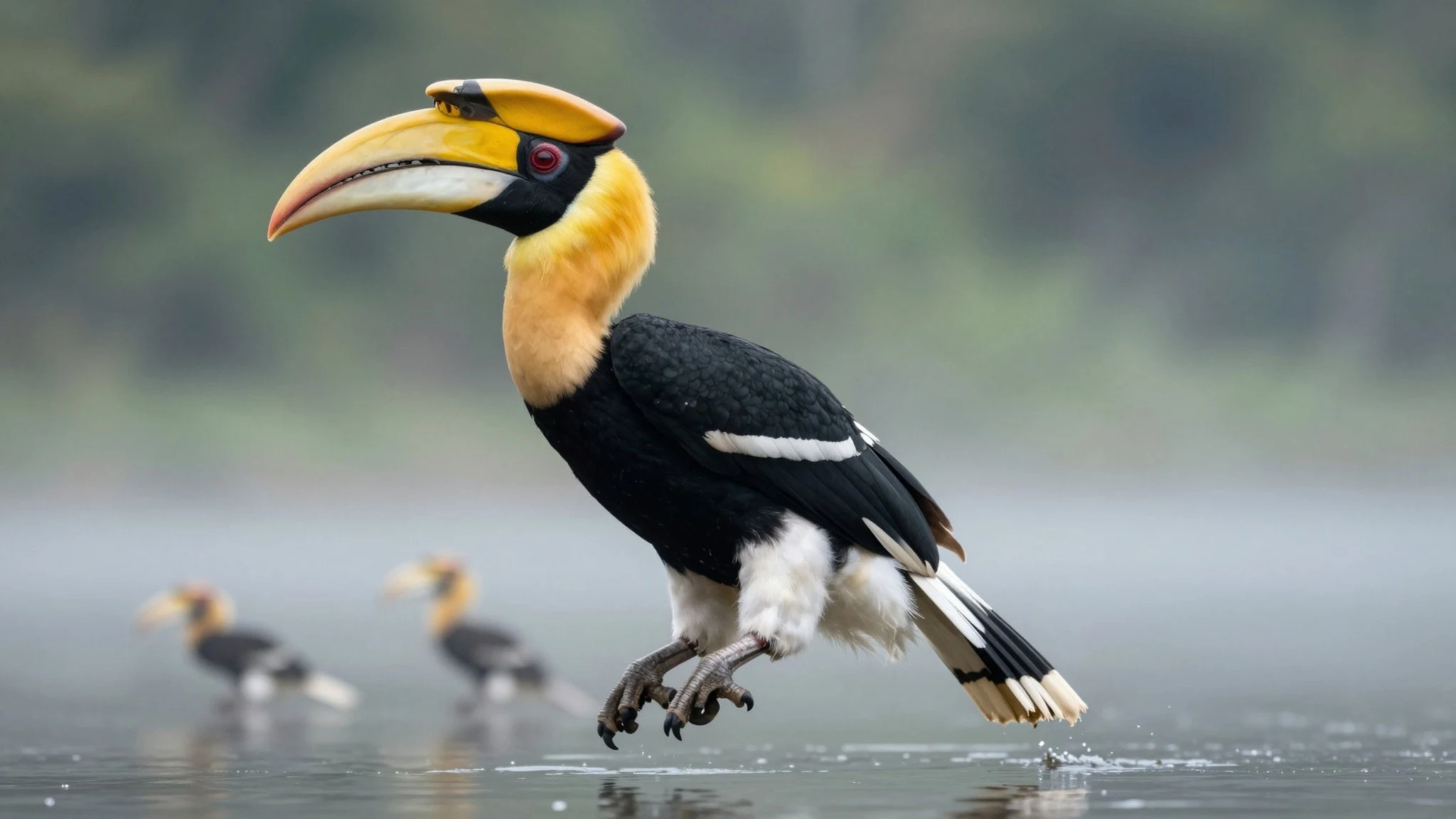
- Common kingfisher (bird)
The common kingfisher is a small bird that lives by water and is easy to miss unless you look carefully. In Royal Belum, kingfishers use bare branches among the islands of dense forest that slide past on the lake. The notes give no season or hour, so simply keep watching. Ask your guide to move slowly, sit quietly, keep your distance so it stays on its perch, and never feed it.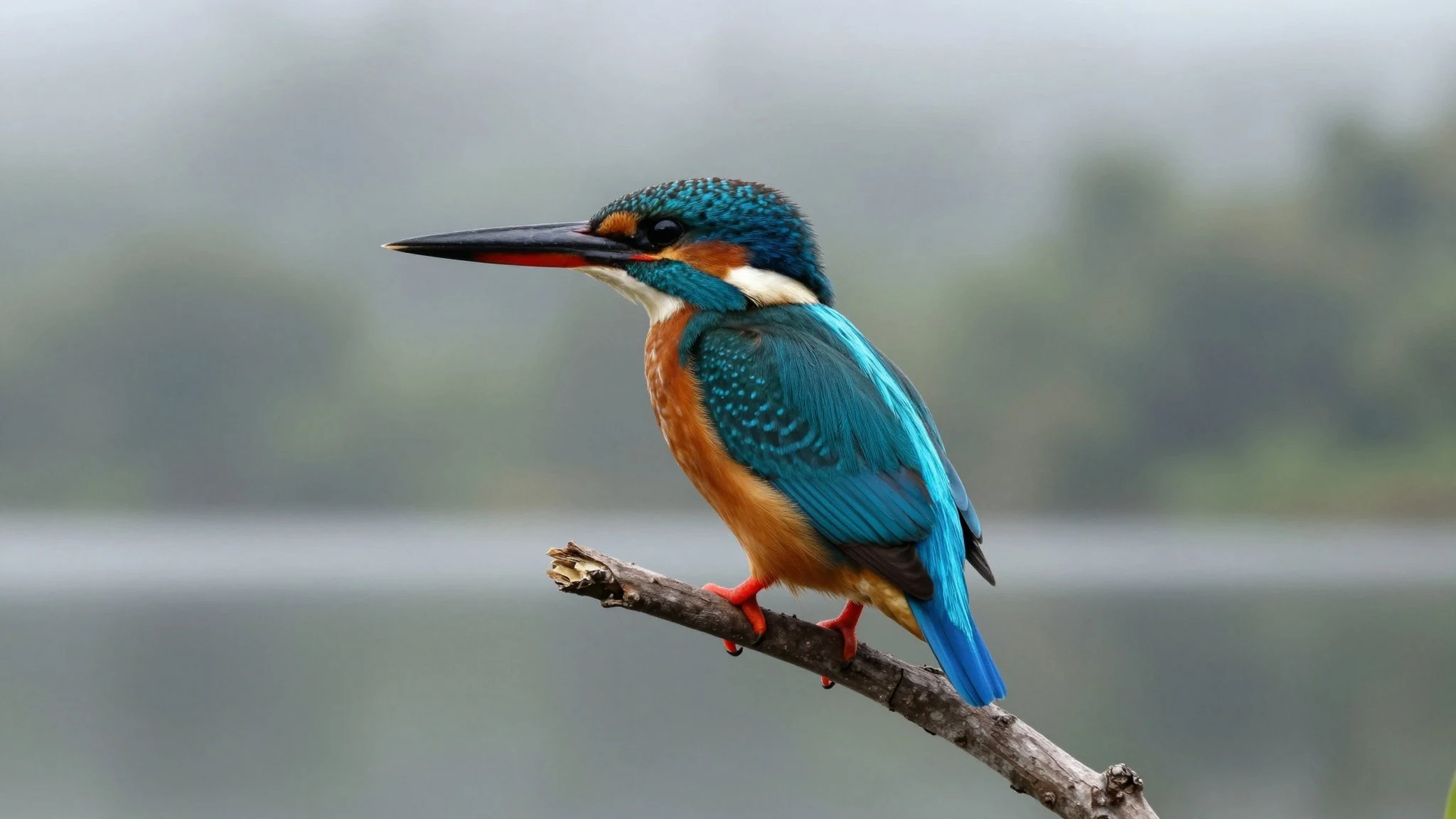
- Sun bear (animal)
The sun bear is the smallest bear in the world, a stocky, short-furred forest bear whose name comes from the sunny orange-to-cream patch on its chest. Royal Belum's forest shelters sun bears, but the notes give no season or time of day for seeing one. Walk with a guide who knows the forest, move slowly, speak softly and keep well back. Never offer it food, however curious it seems.